Quick Scan
- Watercolor flush blush works by sinking into skin rather than sitting on top — formula choice matters more than technique.
- Apply with your ring finger using a press-and-tap motion, never a sweep — sweeping breaks the pooling effect.
- Match shade to your real undertone, not trending shades filmed on different skin tones under studio lights.
- Pair with a sheer tinted lip and dewy base — matte textures and opaque lips cancel the translucency of the whole look.
- Deep skin tones need higher-pigment watercolor formulas like Pat McGrath Labs Skin Fetish Flush so the sheer layer still reads as a flush.
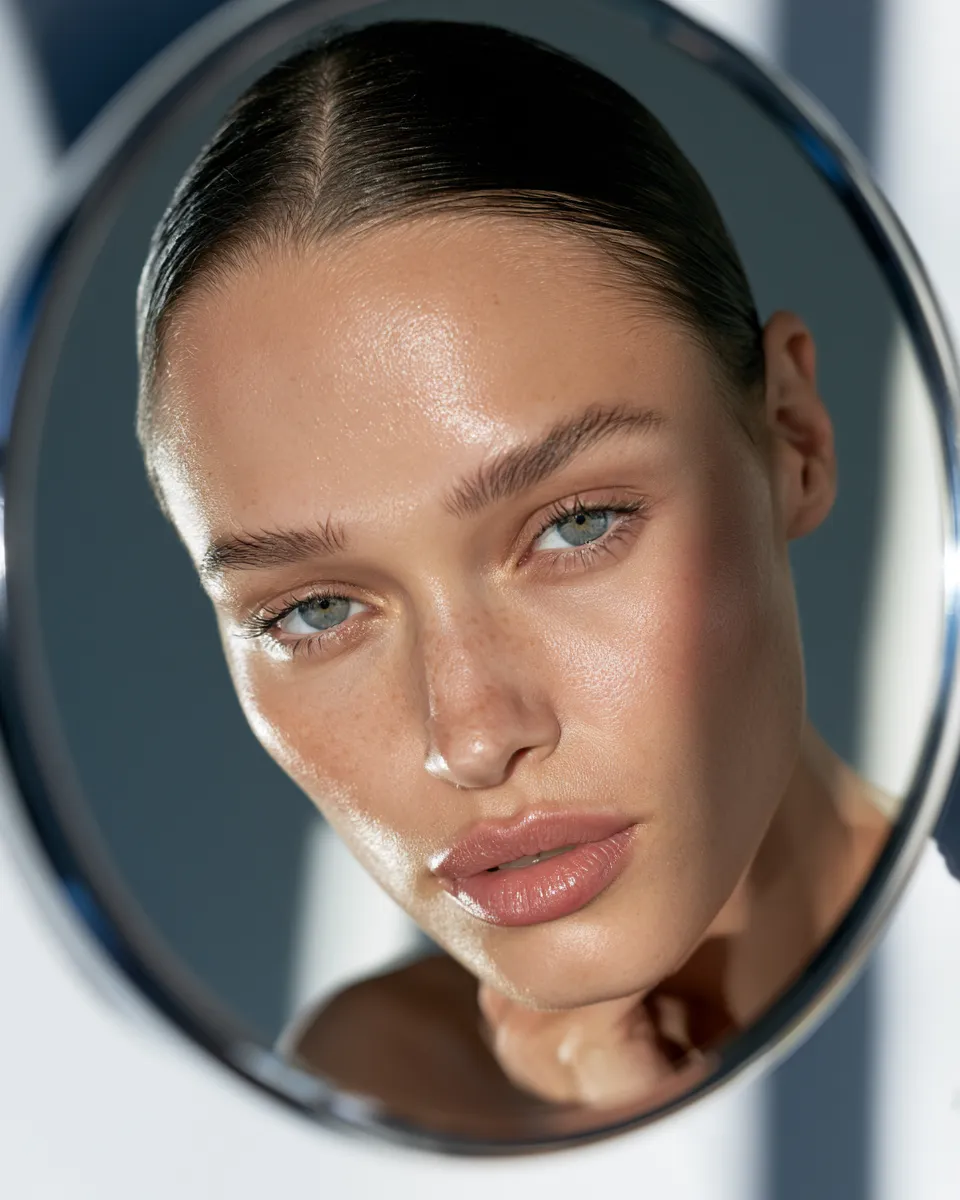
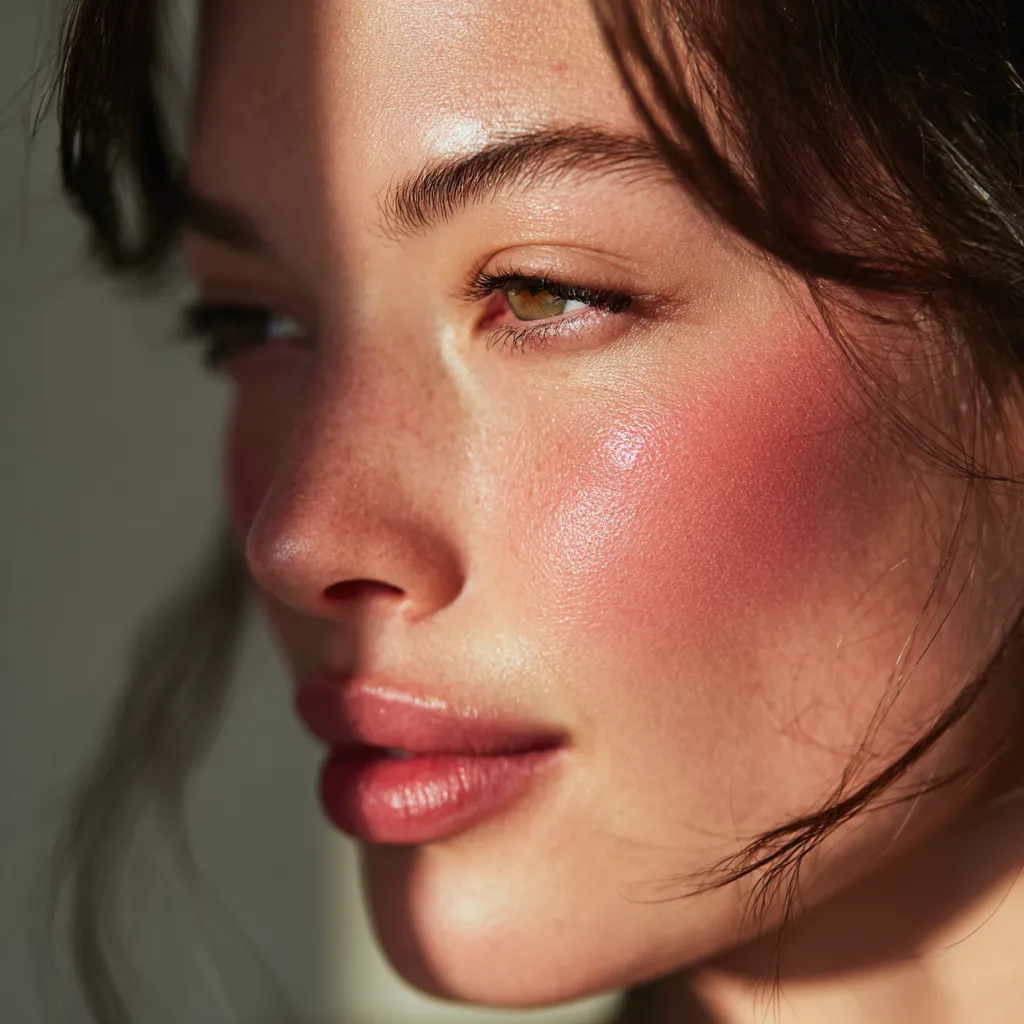
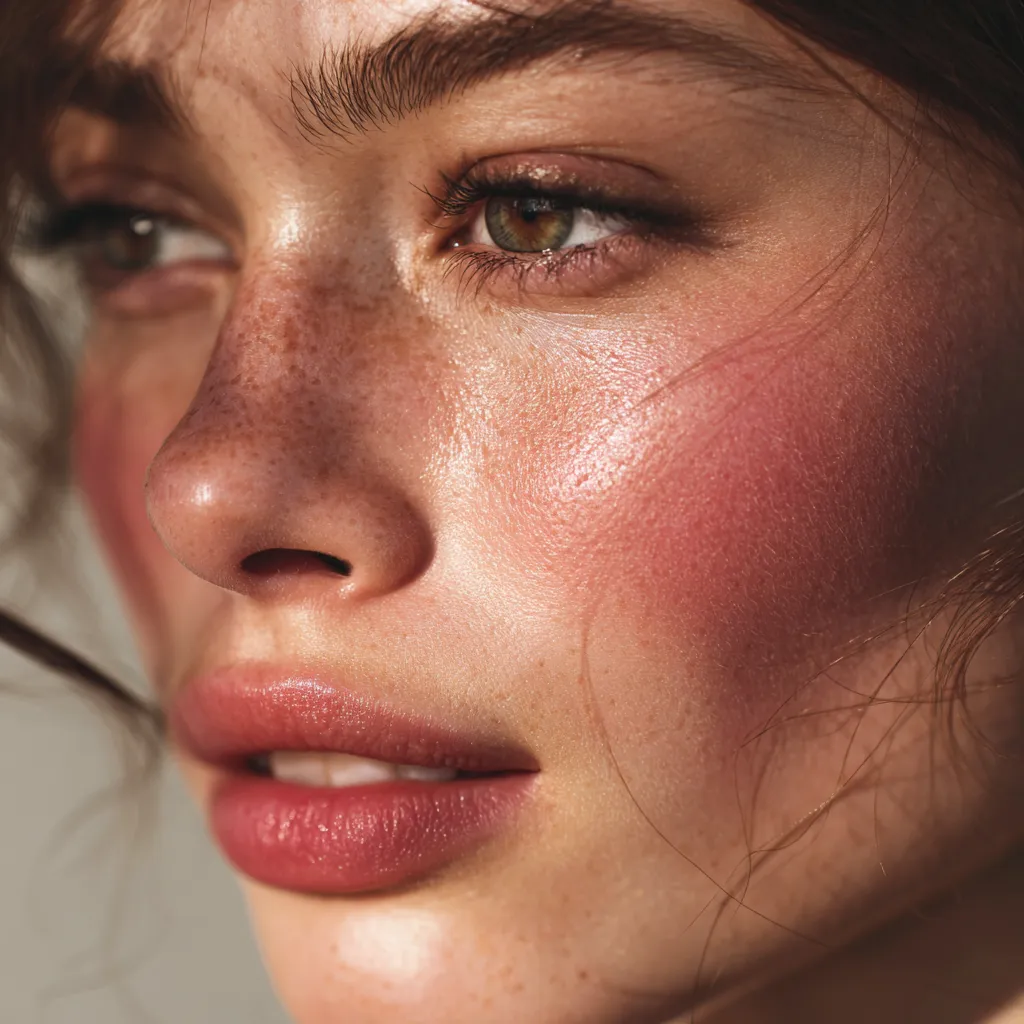
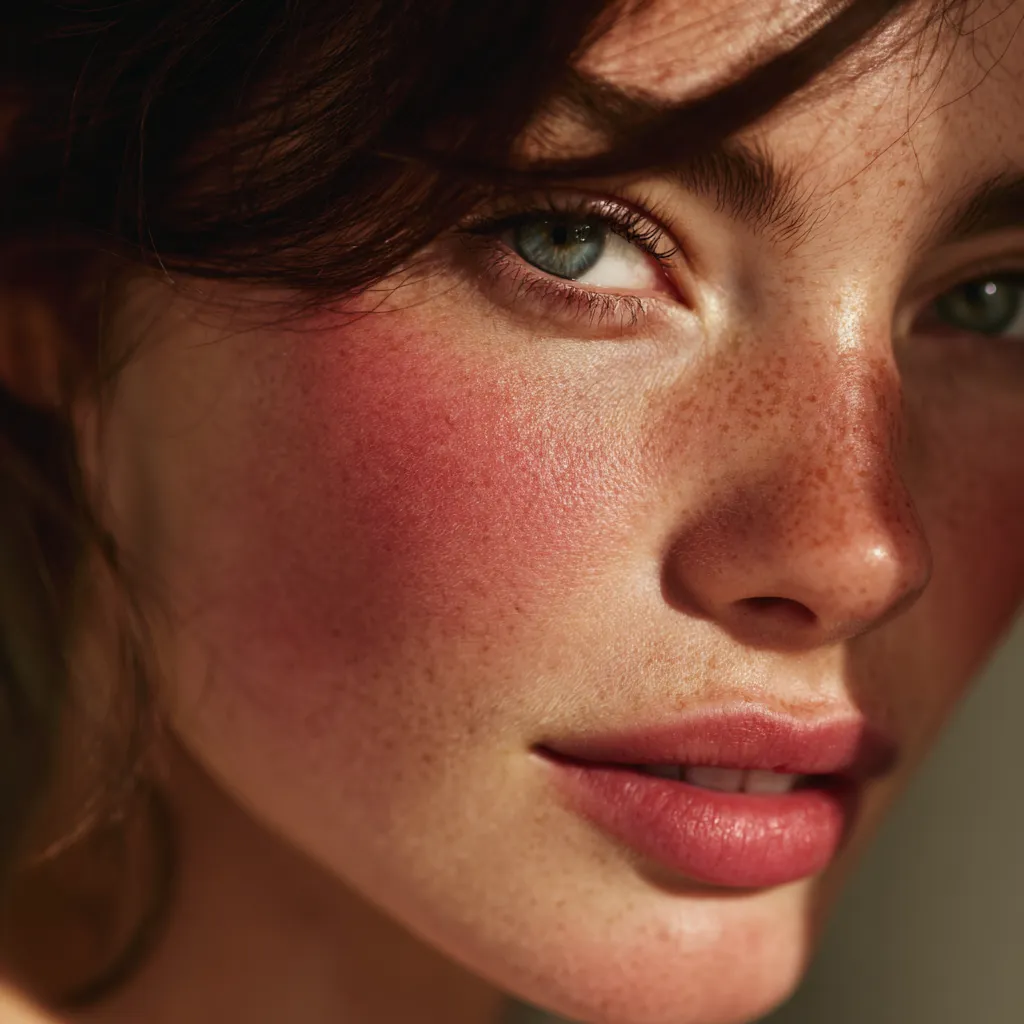
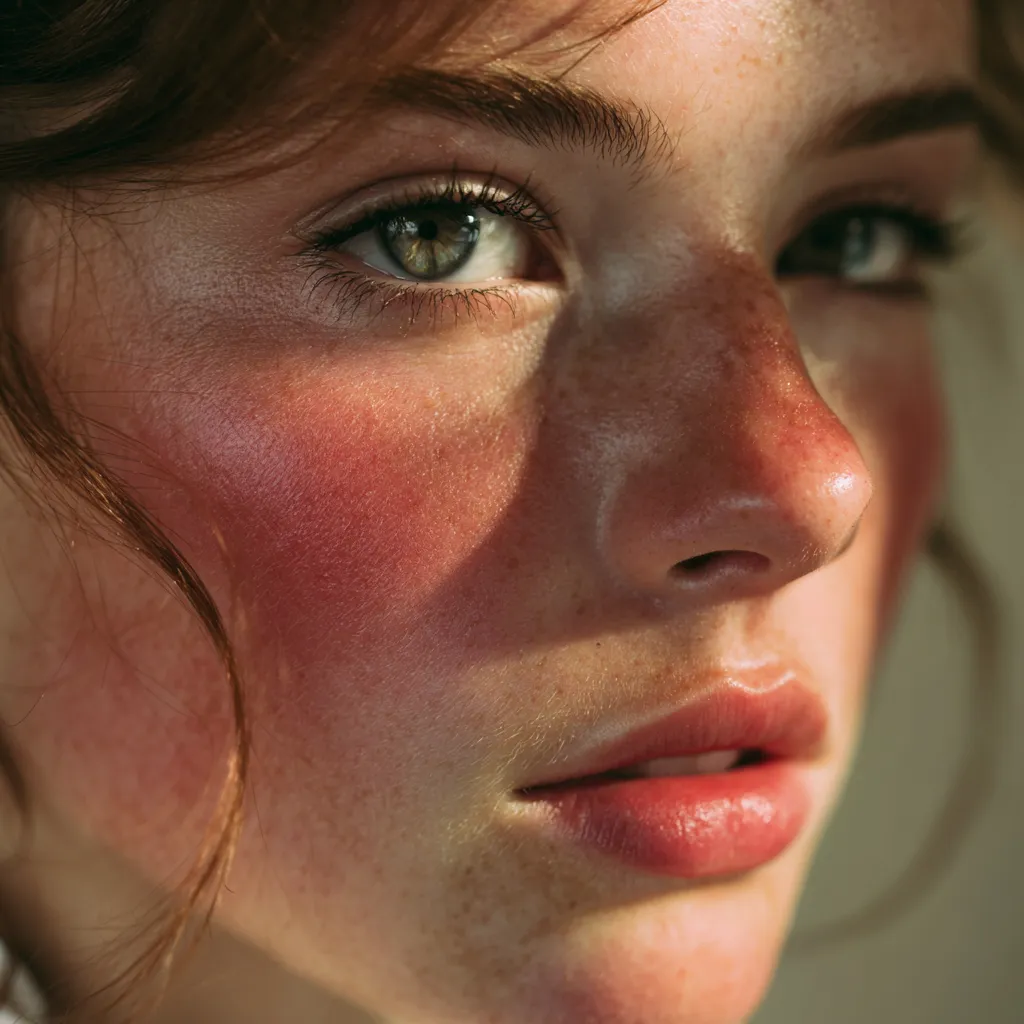
Watercolor flush blush is the look everyone is saving right now — a translucent, watery tint that sits on skin like a second heartbeat rather than a product. It reads as barely-there but somehow unforgettable, landing somewhere between a morning run and a renaissance painting. Celebrity MUAs have been calling it spring 2026’s defining blush aesthetic, and Pinterest boards are filling up fast. Here’s exactly how it works and why it hits so differently than anything before it.
Why Watercolor Flush Blush Looks Nothing Like Regular Blush
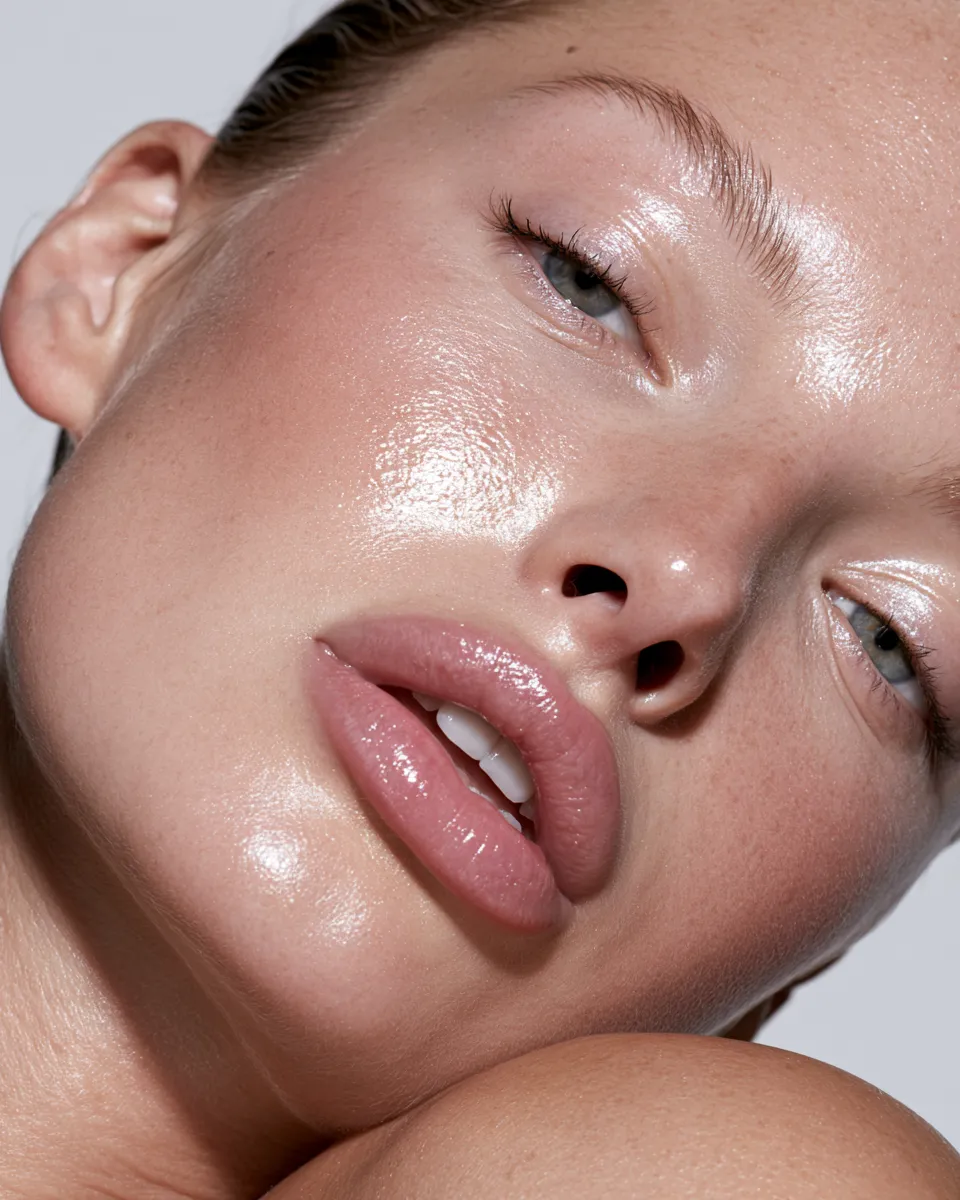
The difference is in the formula. Traditional cream and powder blushes deposit pigment on top of skin, which can look painted on — especially in natural light. Watercolor flush blush uses water-activated tints, sheer liquid stains, and hybrid gel textures that sink into the skin’s surface instead of sitting on it. The result is a flush that seems to come from underneath.
Think of it like this: regular blush shows where you applied it. Watercolor blush shows where blood actually rises. That’s the distinction every MUA on FYP has been chasing. It moves with your face.
If you want to understand the full appeal before committing to new products, Girls Party Makeup That Washes Off Without a Fight breaks down why lightweight formulas have taken over low-effort glam, which connects directly to this trend’s roots. The watercolor flush isn’t a standalone look — it’s part of a larger shift toward skin-first makeup thinking.
What not to do: don’t try to build watercolor flush blush with a matte powder formula. Matte textures absorb light, and the entire point of this look is the luminous, translucent quality that reflects it. Matte application will give you a muddy wash rather than a glowing tint — the two effects are technically opposite.
The brands leading this right now are specific. Tower 28 BeachPlease Luminous Tinted Balm ($22) has become a cult watercolor tool — it’s designed for lips but MUAs have been pressing it onto cheeks for a stained-glass flush. ILIA Multi-Stick in Blossom ($42) delivers a sheer buildable wash. Rare Beauty Soft Pinch Liquid Blush ($23) in shades like Joy and Bliss gives exactly the watery diffuse pigment this technique needs. You do not need all three — pick based on your skin type.
Why does skin type matter so much here? Drier skin holds water-based tints better because it doesn’t produce sebum that breaks the formula down. If you have oily skin, a very light hydrating primer first — something like Tatcha The Silk Canvas ($54) — will extend wear significantly without blocking that skin-flush appearance.
Don’t Do This
- Don't apply watercolor flush blush over full-coverage foundation — the sheer tint needs real skin texture to create the organic glow, and a thick base turns it into a flat blot of color.
- Don't use a matte powder formula and expect watercolor results — matte textures absorb light while this entire trend depends on reflecting it.
- Don't copy the most viral blush shade without testing it on your own undertone — most trending shades are filmed on specific skin tones under studio lighting that looks nothing like daylight.
- Don't attempt multi-zone blush placement on a matte base — the look only works when skin reads dewy and lit, or the multiple color zones look spotted rather than intentional.
How to Apply Watercolor Flush Blush So It Looks Like Skin
Placement is everything with this technique. The classic powder blush zone — the apples of your cheeks, swept toward temples — is wrong for watercolor flush. You want to map where your skin naturally turns pink: the high cheekbone area, the bridge of the nose, a whisper above the brow bone. That’s where the flush lands when you’re warm or slightly windswept.
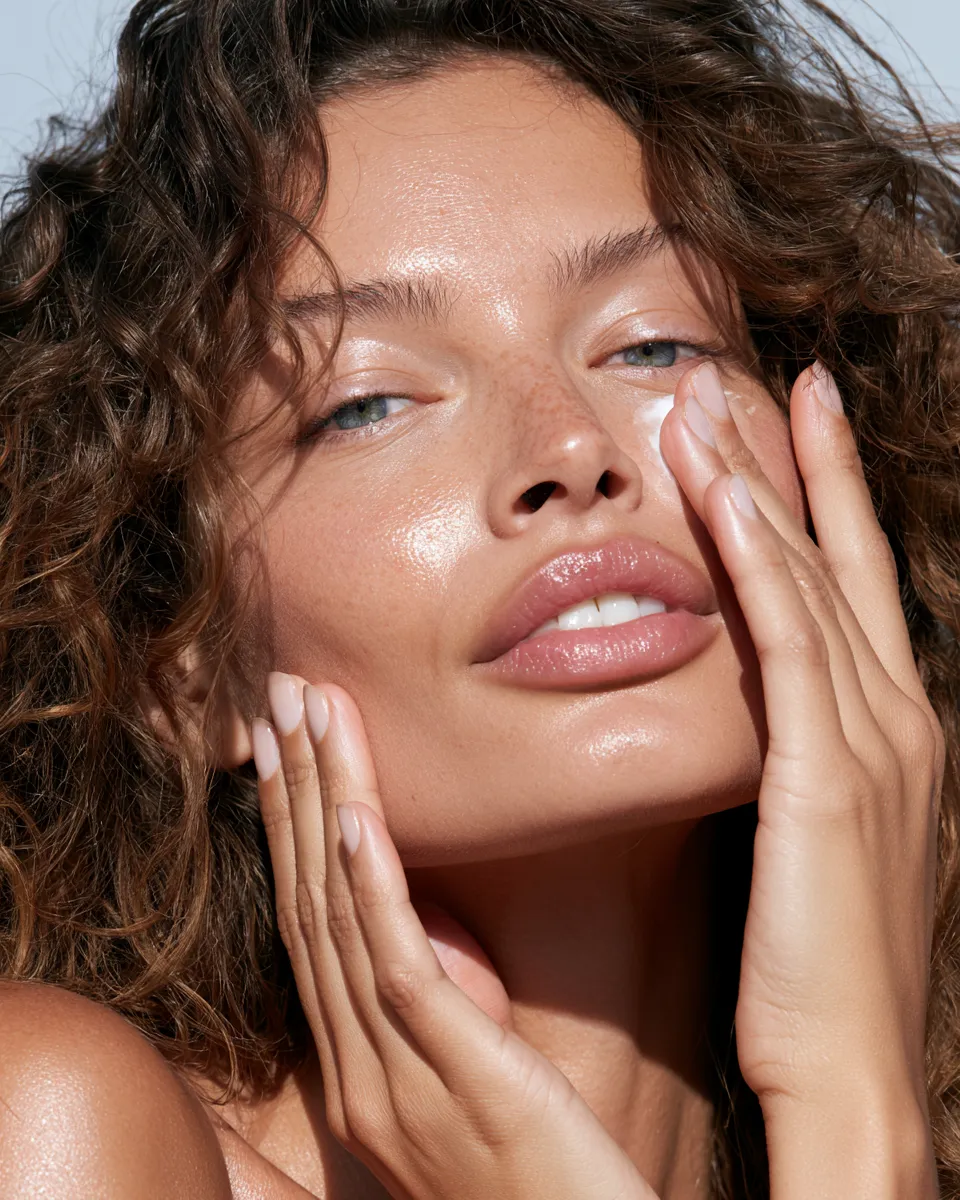
Fingers beat brushes here. Use your ring finger — it has the lightest natural pressure — to press and tap the product rather than blend outward. Tapping seals the tint into the skin surface. Sweeping spreads it too thin too fast and breaks the dreamy pooling effect that makes watercolor blush look like watercolor blush.
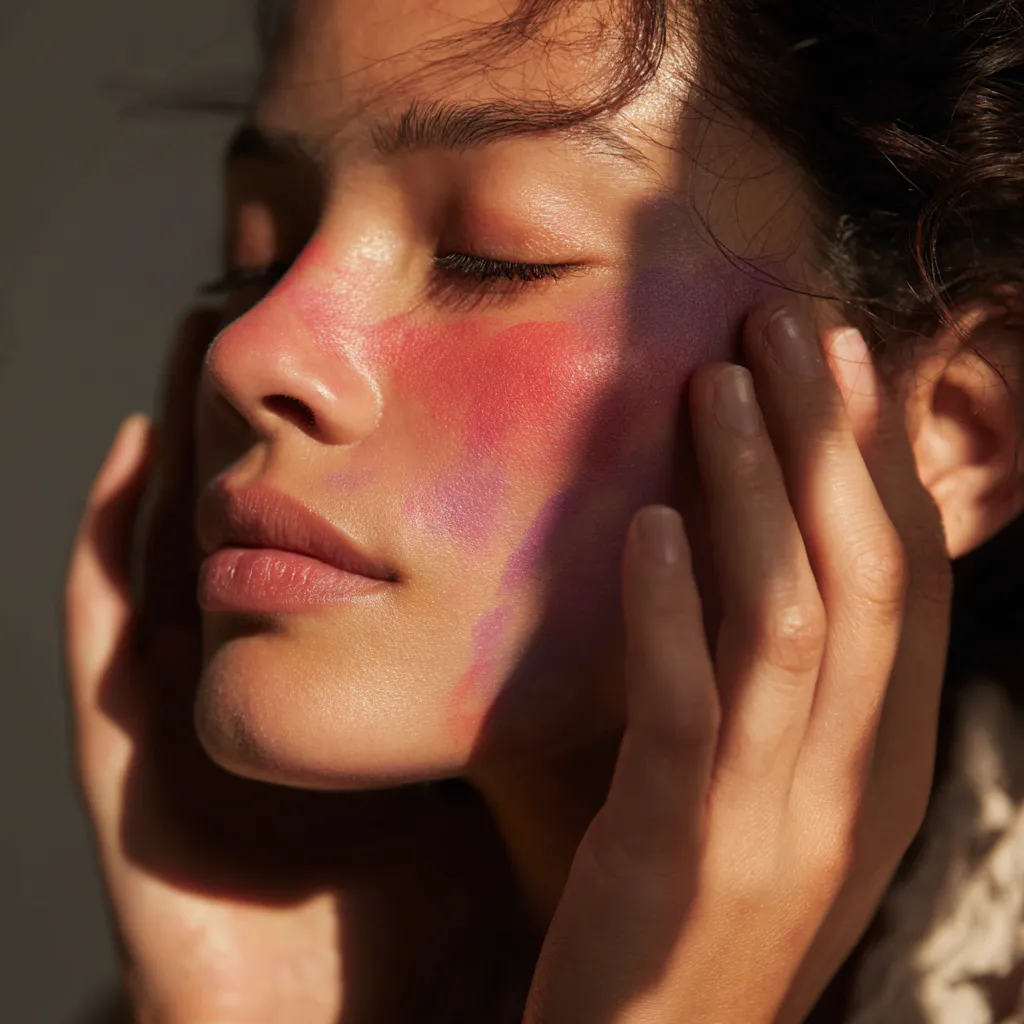
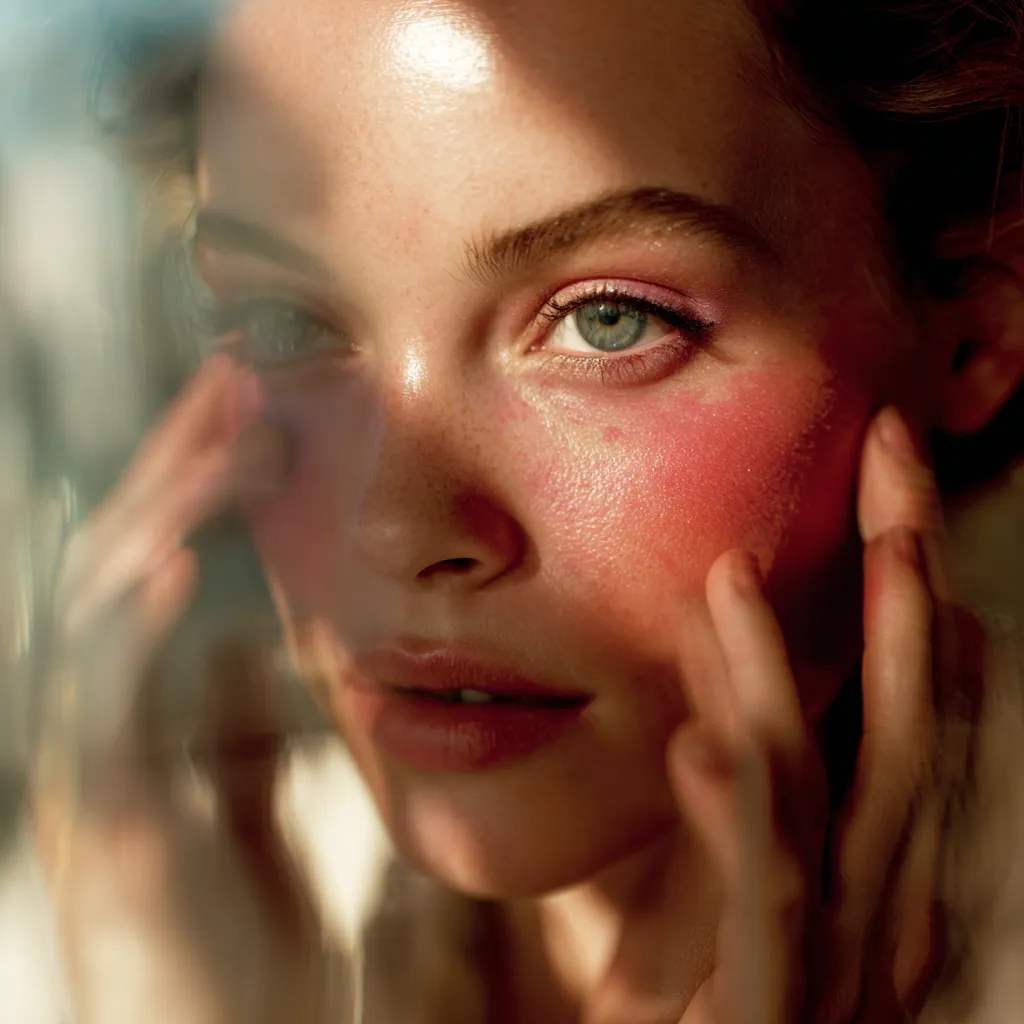
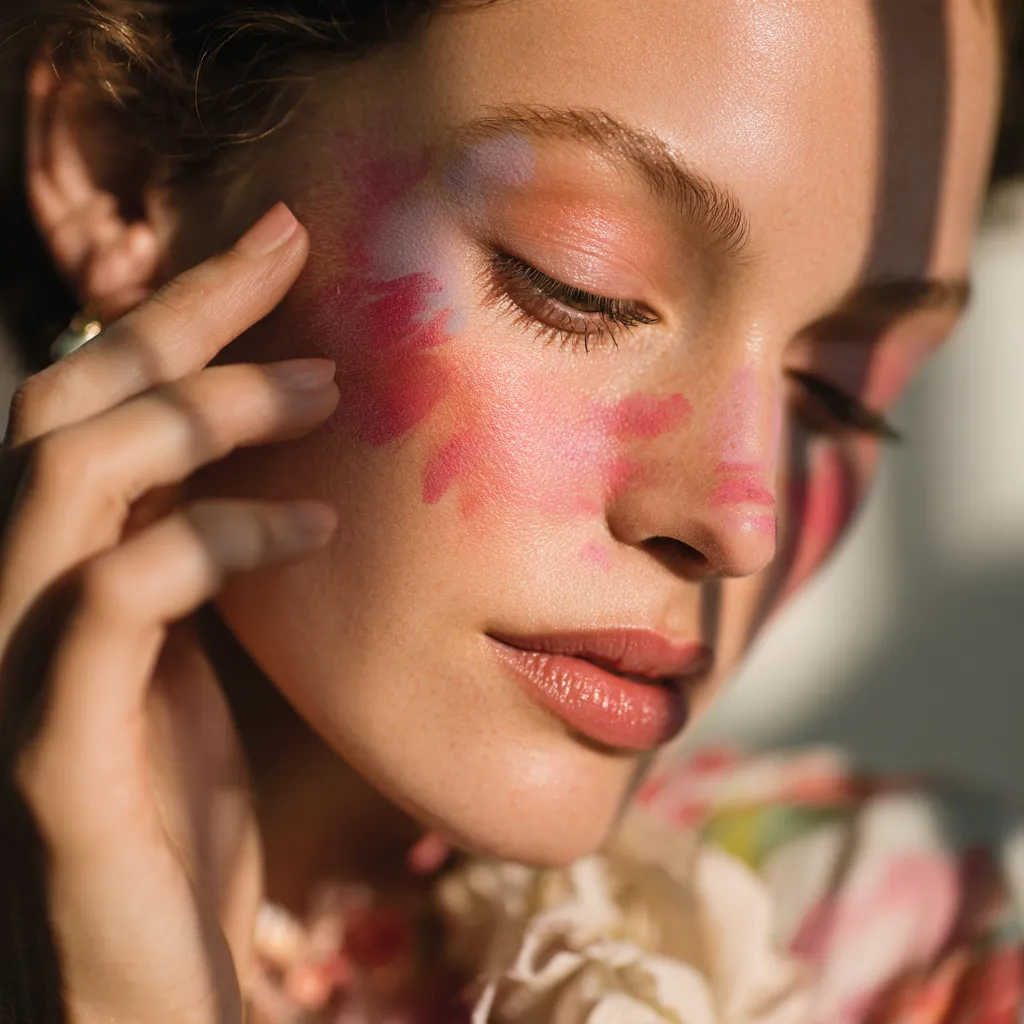
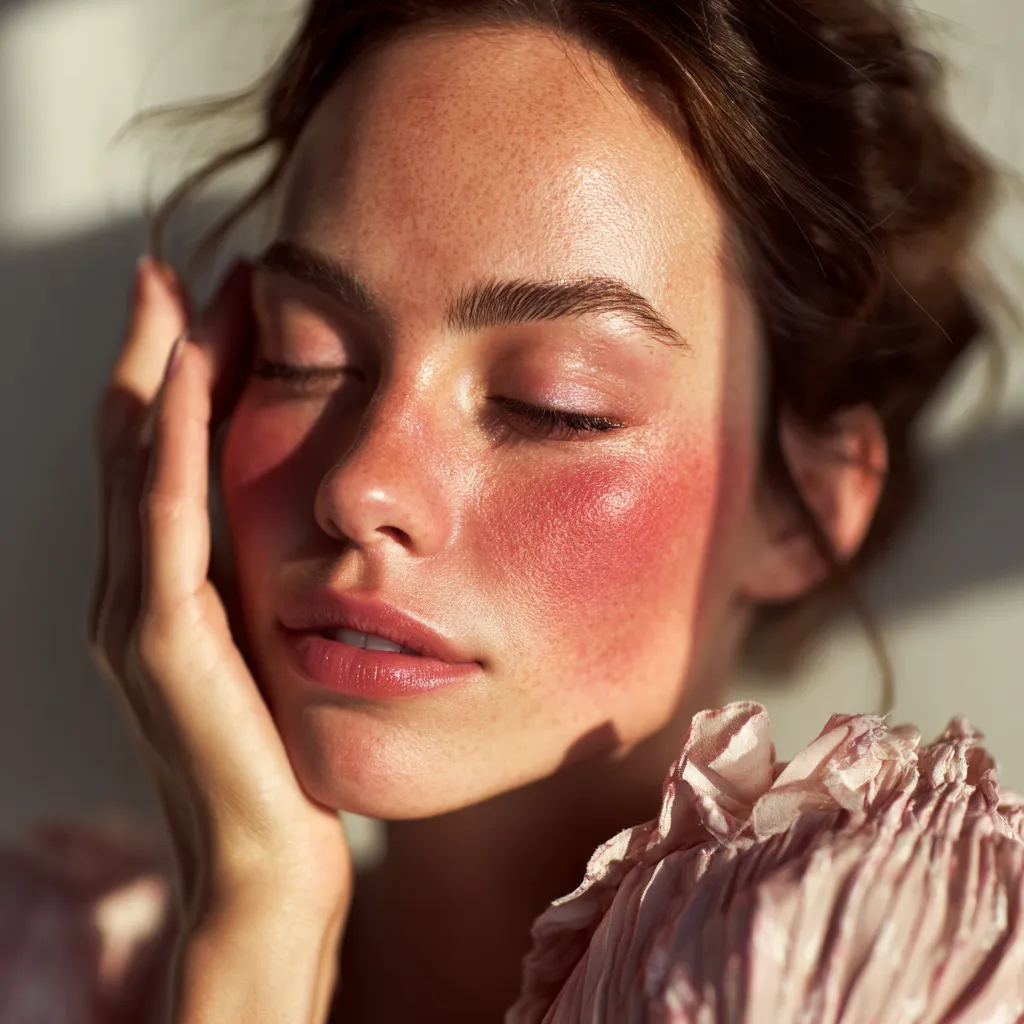
Temperature matters more than most tutorials mention. Pressing slightly warmed fingertips onto a liquid or gel tint softens it immediately, helping it melt into skin without a defined edge. That seamless diffusion is the visual signature of this trend. Cold fingers, cold product, straight from the tube — you’ll get patchiness.
For a full look that stays polished beyond just the blush, Simple Makeup Looks That Stay Polished All Day covers how to anchor lightweight textures so they wear through the day — something genuinely useful when your entire base is as sheer as this one.
Anti-advice: do not apply watercolor flush blush over a heavy full-coverage foundation. The sheer tint needs to interact with your actual skin texture and undertone to create that organic glow. A thick foundation layer acts as a barrier — you’ll lose the translucency entirely and end up with a blot of color instead of a flush. Stick with a serum foundation, skin tint, or bare skin.
The Fenty Beauty Butta Drop Whipped Oil Blush ($28) in shades like Funfetti or Lychee Drip was made for exactly this application — the whipped oil base presses in like a second skin. For a more affordable entry, the e.l.f. Halo Glow Blush Beauty Wand ($14) gives a nearly identical watery diffuse finish at a fraction of the price. Both are worth having in rotation.
Layering is allowed — but only in sequence. Start with the most translucent formula, let it set for thirty seconds, then press a second very sheer layer directly on top if you want more intensity. Never mix formulas while they’re both wet. That’s how you get streaks that no amount of blending will fix.
| Product | Price | Best For |
|---|---|---|
| e.l.f. Halo Glow Blush Beauty Wand | $14 | Beginners, controlled application |
| Tower 28 BeachPlease Luminous Tinted Balm | $22 | Multipurpose lip and cheek tint |
| Rare Beauty Soft Pinch Liquid Blush | $23 | High-diffuse pigment, wide shade range |
| Fenty Beauty Butta Drop Whipped Oil Blush | $28 | Dry skin, oil-infused finish |
| Pat McGrath Labs Skin Fetish Flush | $45 | Deep skin tones, richer pigment load |
Shade Selection Changes Everything in Watercolor Flush Blush
The wrong shade turns this trend from dreamy to sallow in under a minute. Watercolor flush blush works because it mimics your own natural flush — which means the shade has to align with your real undertone, not just your general skin tone category. This is more precise than regular blush shopping.
For cool undertones, reach for rose, raspberry, or lilac-pink tints. These read as natural on fair to medium cool skin because they mirror the blue-pink undertone already present. NARS Orgasm Liquid Blush ($38) leans warm-peachy and actually works better on neutral-to-warm undertones despite its cult status — something the packaging doesn’t tell you.
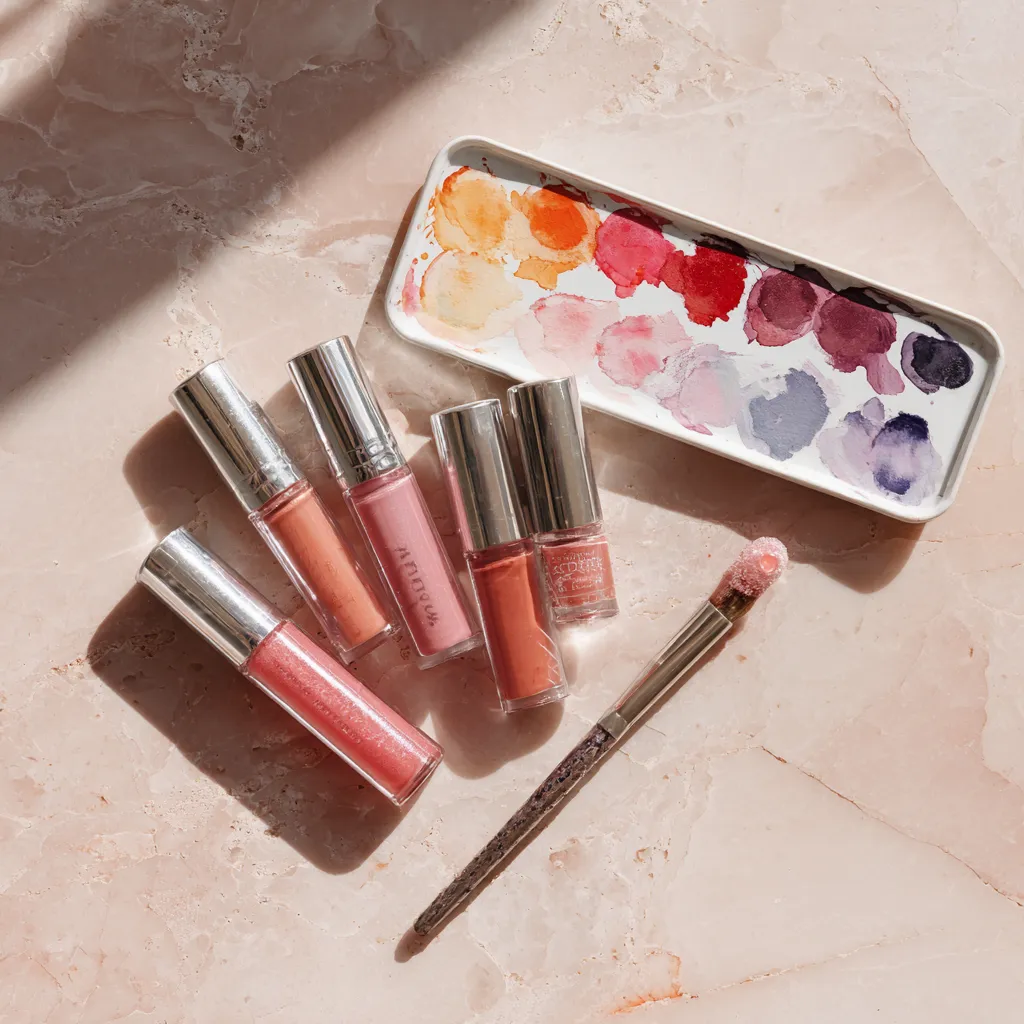
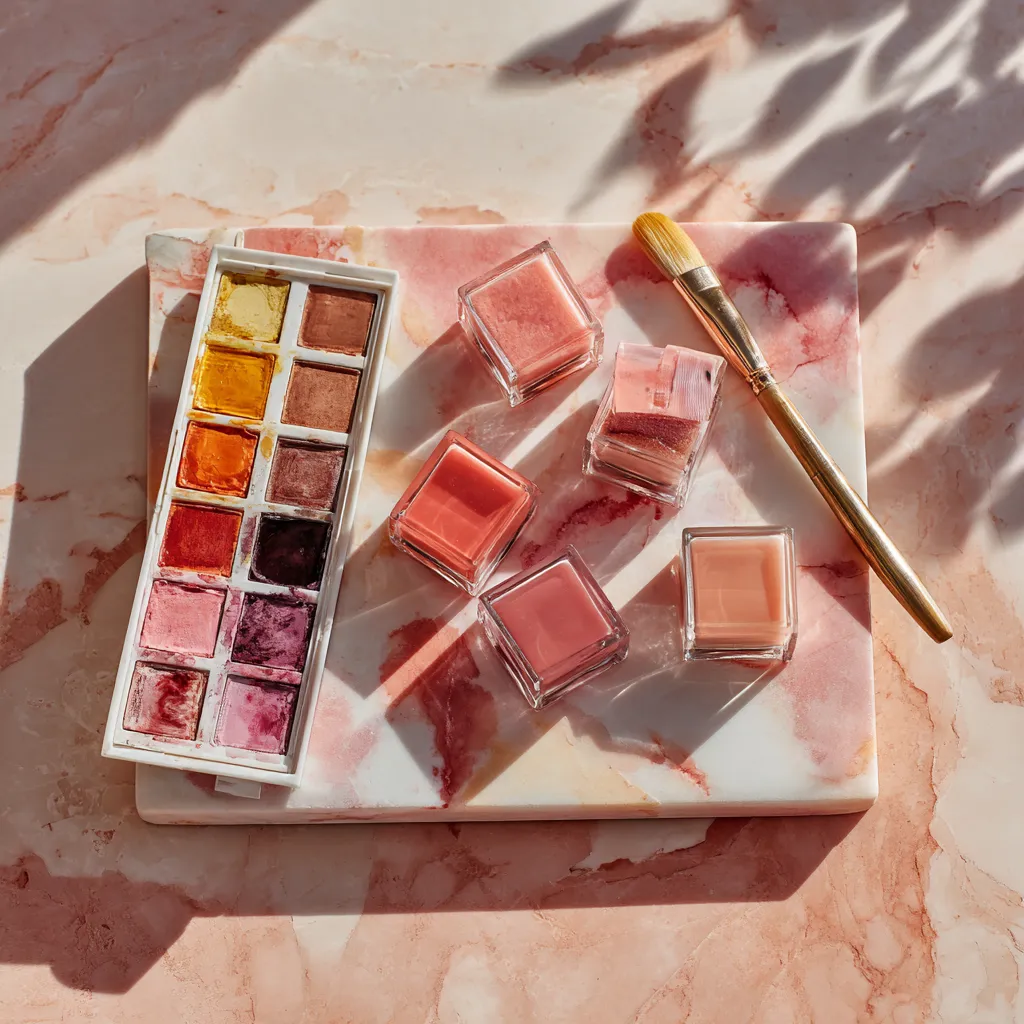
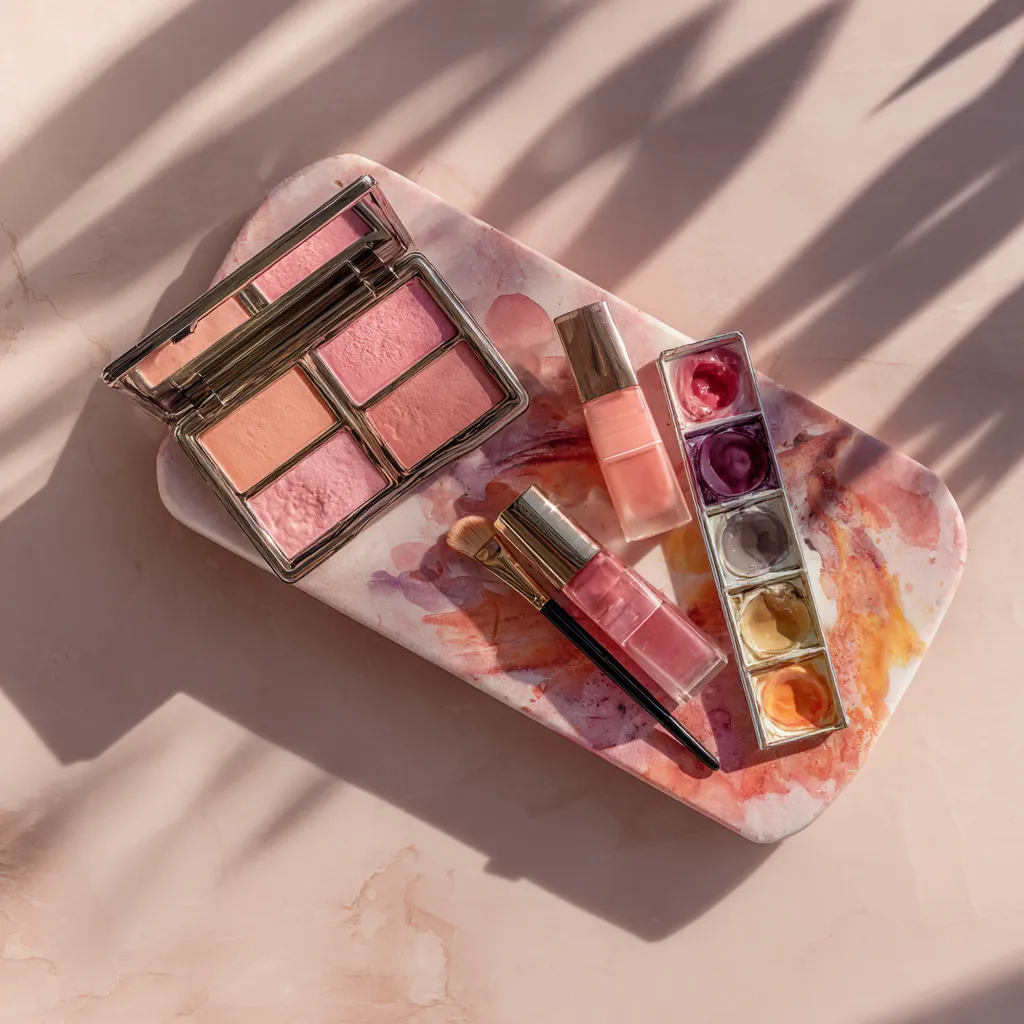
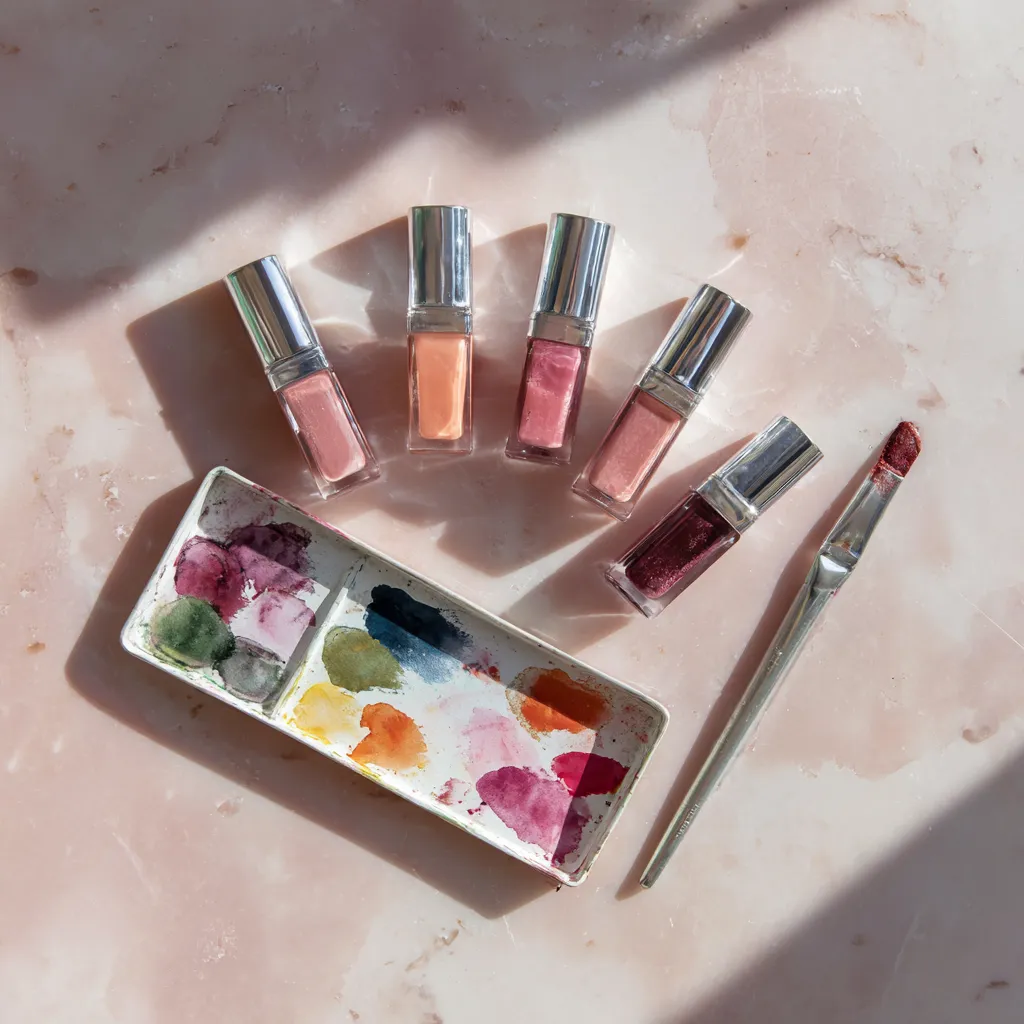
What shade family works for warm undertones? Peach, coral, and warm apricot shades. Milk Makeup Cooling Water Jelly Tint in Juicy ($24) is a peach-coral gel that disappears into warm and olive skin like it was already there. Charlotte Tilbury Beautiful Skin Radiant Concealer… wait — the Charlotte Tilbury Pillow Talk Lip and Cheek Glow ($42) in shades like Pillow Talk Original delivers a warm rose that reads identically translucent on warm medium skin.
Deep skin tones should look for highly pigmented berry, wine, and deep coral watercolor formulas — because a sheer layer of pale pink on deep skin simply vanishes. Pat McGrath Labs Skin Fetish Flush ($45) in deeper shades was formulated specifically with this in mind. The pigment load is higher so the sheer application still reads as a flush rather than nothing at all.
Anti-advice: do not default to the most popular shade you see trending on social media. Most viral blush shades are filmed on one or two specific skin tones under studio lighting, which is completely different from how the same formula photographs on your undertone in daylight. Buy samples where possible — Sephora’s try-before-you-buy system exists for exactly this.
Seasonal color temperature also matters right now. Spring 2026’s dominant watercolor flush palette across editorial coverage is leaning into warm rose and soft coral, pulling away from the cool mauve direction that dominated late 2025. If you bought your blush wardrobe in winter, it’s worth reassessing. One new warm-toned liquid tint can shift your entire look into the current moment without replacing everything.
The Looks That Make Watercolor Flush Blush Earn Its Moment
There are three distinct aesthetics built on watercolor flush blush right now, and knowing which one you’re building toward changes every other product decision in the look. The first is the no-makeup flush — skin tint, brow gel, watercolor blush, clear lip gloss. The second is romantic editorial — dewy base, feathered brows, watercolor blush swept wider toward temples, glossy pink lip. The third is painterly maximalism — watercolor blush on cheeks and lightly dusted across the nose bridge and eyelids simultaneously.
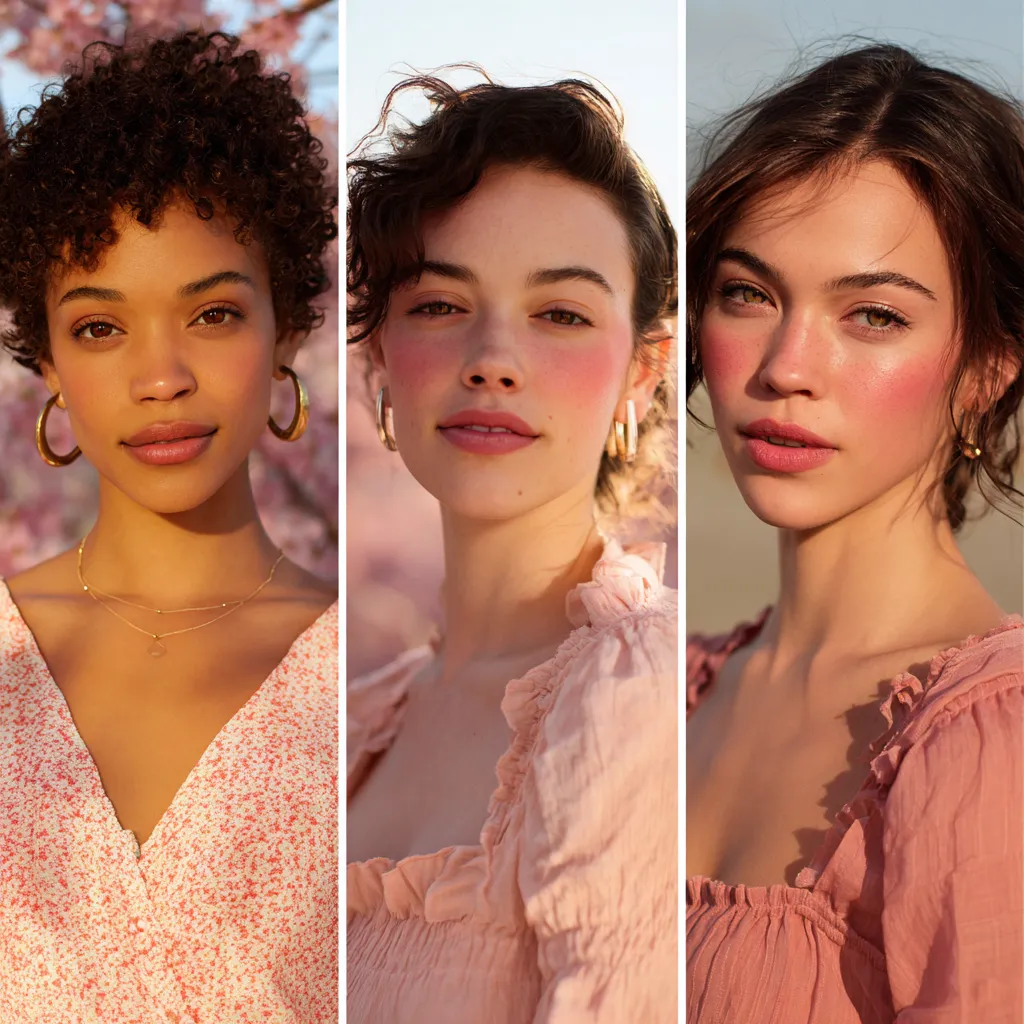
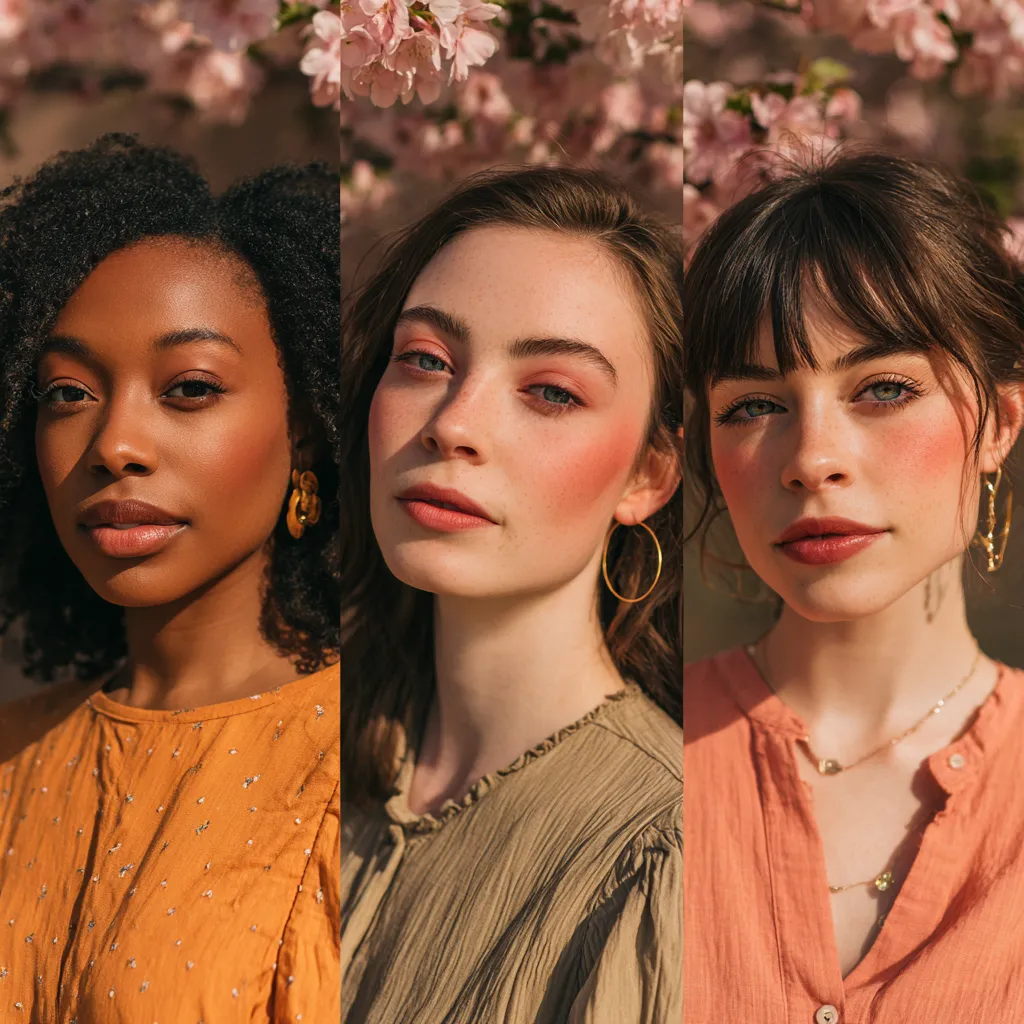
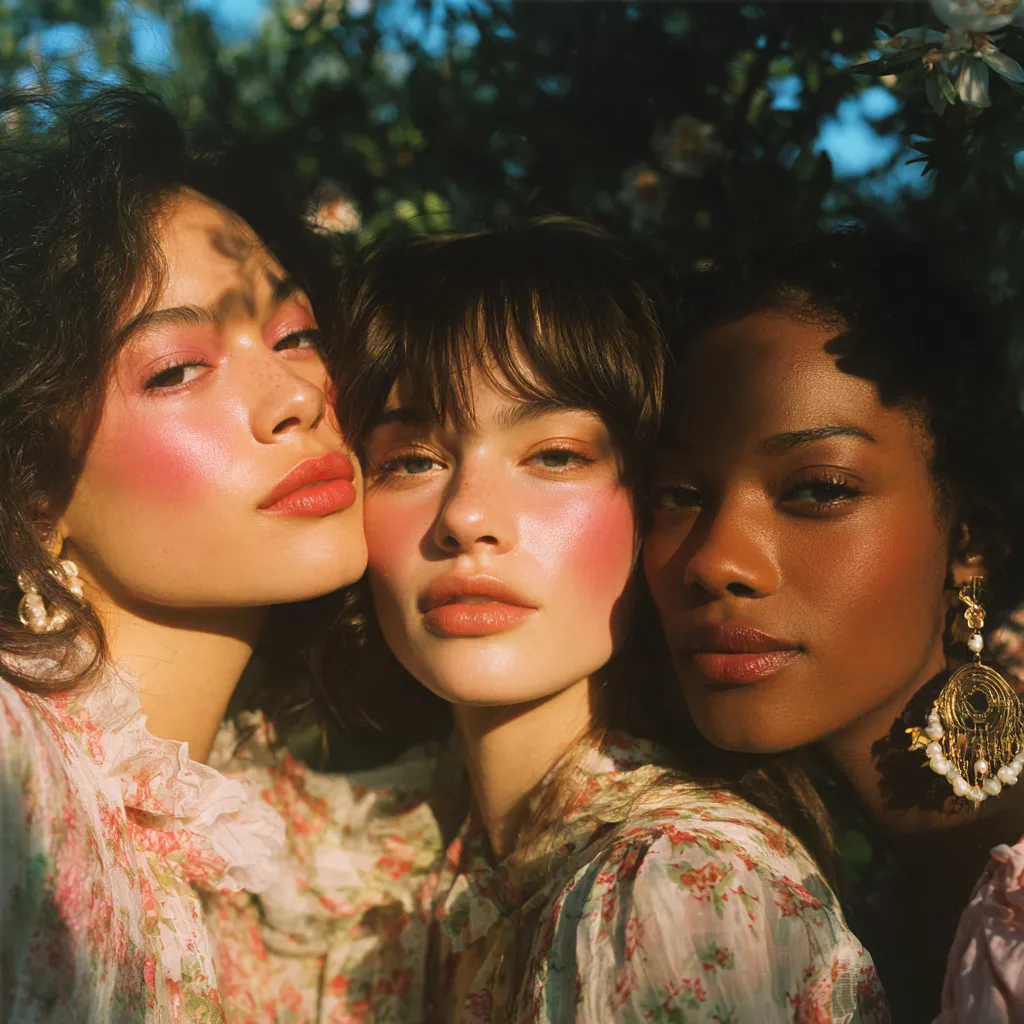
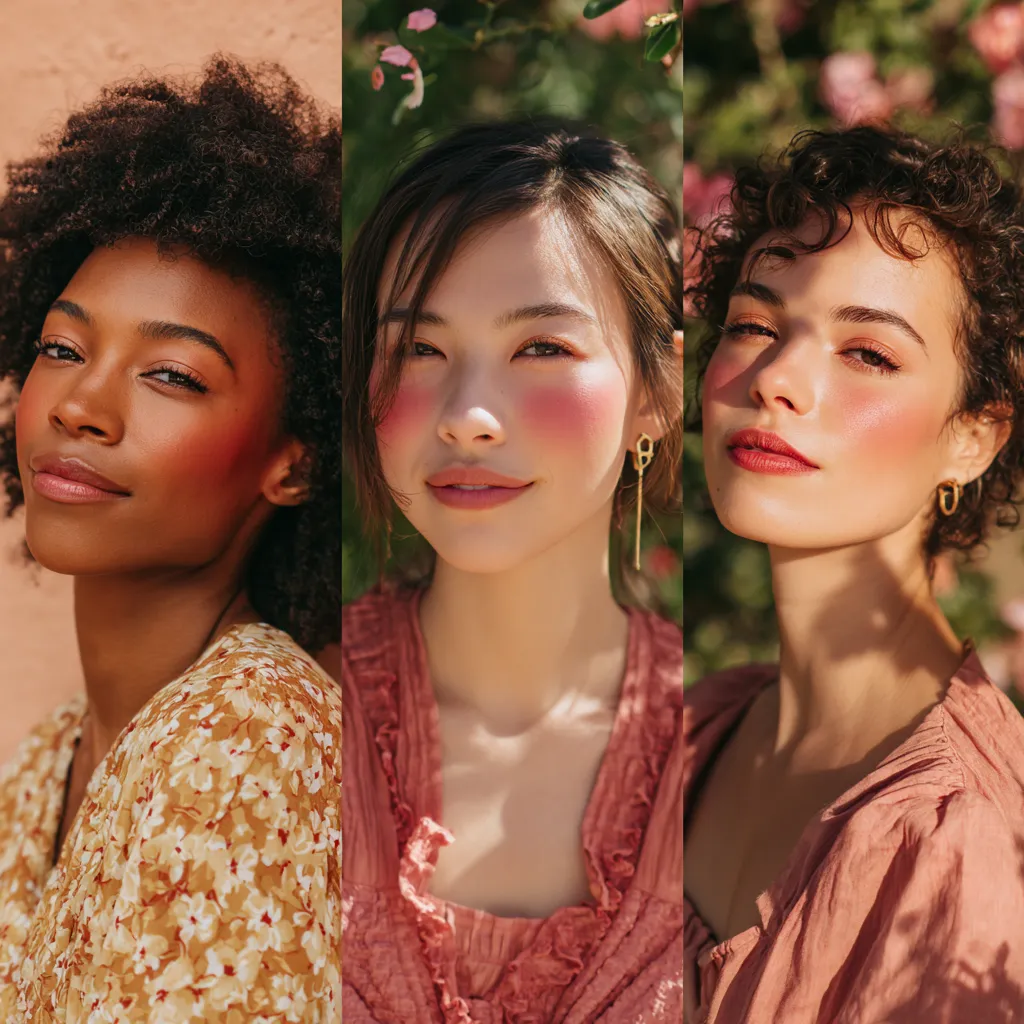
The eyelid application is where this trend gets genuinely unexpected. Pressing a tiny amount of the same cheek formula onto the inner corner and lower lid creates a monochromatic blush-and-shadow moment that feels cohesive and intentional. It’s the detail that separates a pretty blush from a whole editorial. Use the same finger-press technique, and keep the lid application to one tap only.
Lip pairing is non-negotiable if you want the full aesthetic. The watercolor flush on cheeks is so soft that a heavy opaque lip immediately kills the translucency of the entire look. The right match is a sheer tinted lip — Glossier Balm Dotcom in Rose ($16) or Rhode Peptide Lip Tint in Salted Caramel ($16) both maintain the watery, skin-flush philosophy from cheek to mouth. The look should feel like one continuous tint across the face.
Anti-advice: do not attempt the full painterly maximalism version — blush on cheeks, nose, and lids simultaneously — on a matte skin base. The multi-zone flush only works on dewy, lit-from-within skin. If your base is matte and flat, the colored zones will look spotted rather than glowing. Either add a liquid highlighter mixed into your base or simply keep the application to cheeks only until your base texture supports the wider placement.
Does this look work for every age and skin concern? Yes — and arguably it’s more flattering for skin in the 30s and 40s than traditional powder blush. Heavy blush can settle into texture and fine lines. The watercolor flush formula, because it’s liquid or gel and applied with fingers, skips over surface texture rather than highlighting it. The flush reads younger precisely because it doesn’t grab onto what you’d rather it ignored.
For spring events — brunches, garden parties, outdoor weddings as a guest — the no-makeup flush version is the cleanest choice. It photographs beautifully in natural light because the sheer translucency reads on camera exactly as it does in person, which almost no other makeup finish can claim. Build your whole look around it once and you’ll understand exactly why this is the trend everyone keeps saving.
FAQ
how long does watercolor flush blush last on oily skin
Most water-based liquid tints last 4-6 hours on oily skin without a primer. Applying a thin layer of a silicone-based primer like Tatcha The Silk Canvas ($54) underneath creates a barrier that extends wear to 8 hours without compromising the translucent finish. Setting with a very light dusting of translucent powder over — not on — the blush zone also helps without killing the glow.
can you use watercolor blush as eyeshadow
Yes, and this is actually one of the trend's most talked-about styling moments. Press one tap of the same cheek formula onto the inner corner and lower lash line using your ring finger for a monochromatic flush effect. Keep it to a single press — building layers on the lid causes creasing since most liquid blush formulas aren't designed for the movement of the eyelid over time.
what is the difference between liquid blush and watercolor blush
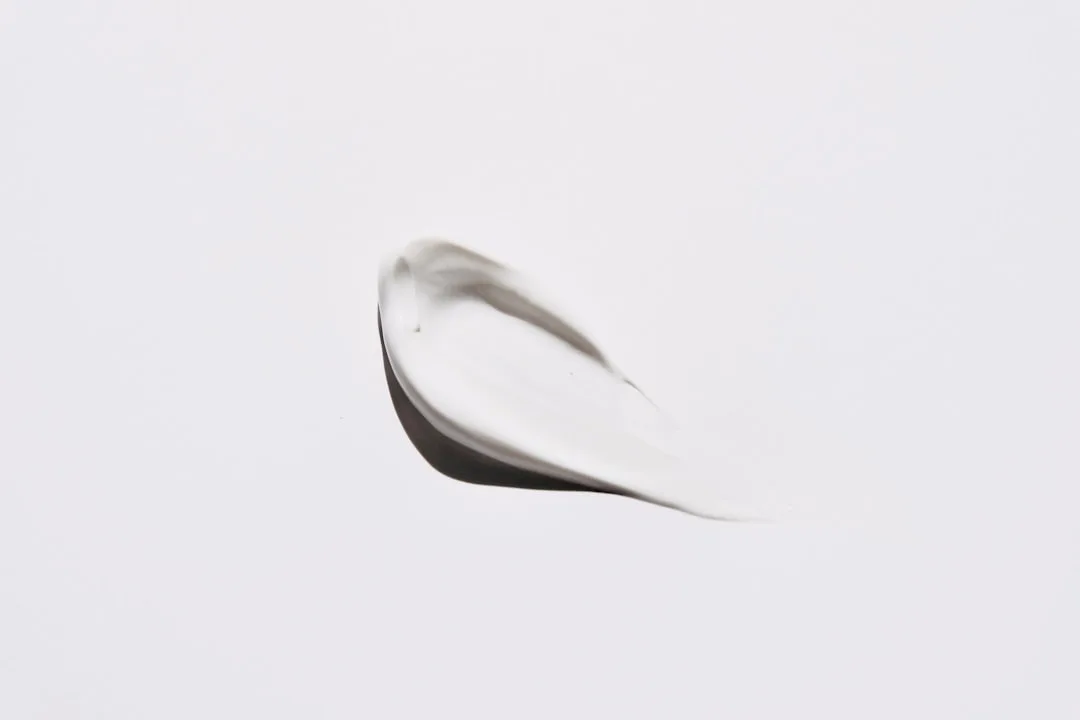
Liquid blush is the format — a fluid product versus cream or powder. Watercolor blush is the finish and application philosophy: extremely sheer, translucent, and skin-sinking rather than pigment-depositing. Not all liquid blushes qualify as watercolor flush — some are highly pigmented and opaque. Look specifically for words like 'tint,' 'sheer,' 'gel,' or 'wash' on the packaging.
does watercolor flush blush work on dry skin
Dry skin is actually ideal for this technique. Water-based tints adhere better to a slightly textured dry surface than to oily skin. The only prep step worth adding is a lightweight hydrating serum applied and fully absorbed before blush — this keeps the tint from settling into any dry patches while maintaining the flush's softness.
which watercolor blush formula is best for beginners
The e.l.f. Halo Glow Blush Beauty Wand ($14) is the most forgiving entry point because the wand applicator deposits a controlled, pre-dosed amount of product so you can't over-apply. Tower 28 BeachPlease Tinted Balm ($22) is the second-best beginner option — the balm texture slows down application speed, giving you time to blend before it sets.
is watercolor flush blush the same as the 'no-blush blush' trend
They overlap but aren't identical. The no-blush blush trend was about applying so little color that the product is nearly invisible — purely anti-blush. Watercolor flush blush is visible but translucent, meant to read as a real skin flush rather than an absence of makeup. Think of watercolor flush as the evolved, more intentional version that actually adds something while still looking effortless.
How to Apply Watercolor Flush Blush
A clean step-by-step process for the press-and-tap watercolor application that creates a skin-flush finish rather than a surface deposit of color.
-
1
Prep skin with hydration
Apply a lightweight hydrating serum and let it absorb fully for 60 seconds. This prevents the liquid tint from settling into dry patches and keeps the flush looking even. Skip heavy moisturizers — they can cause pilling with water-based formulas.
-
2
Warm product between fingers
Dispense one small drop of liquid or gel blush onto your ring fingertip. Press fingertips together lightly for three seconds to warm the formula. Warmed product melts into skin significantly faster and avoids the patchiness that cold application creates.
-
3
Press onto high cheekbone
Tap — don’t rub — directly onto the high cheekbone area where skin naturally flushes. Use a light bouncing press motion and work outward in a small arc toward the temple. Stop before the hairline so the flush reads contained and intentional.
-
4
Dust nose bridge lightly
With the residual product left on your fingertip after the cheek application, tap very lightly across the nose bridge. This is optional but creates the sun-kissed, painted quality that elevates the look from pretty blush to full editorial flush.
-
5
Set only if needed
If you have oily skin, dust a single layer of translucent setting powder above — not directly on — the blush zone using a large fluffy brush. This locks the surrounding base without flattening the tint itself. On dry or normal skin, skip this step entirely.
Save this
Watercolor Flush Blush Is the Spring Glow Formula Worth Mastering Now
The watercolor flush blush trend rewards precision over product quantity — one right formula in the right shade, applied correctly with your fingertips, beats a full blush drawer of wrong textures. The look is accessible at every price point from e.l.f.'s $14 Halo Glow Wand to Pat McGrath's $45 Skin Fetish Flush, which means the barrier is technique, not budget.
Spring 2026's dominant beauty aesthetic is building toward skin that looks genuinely alive — warm, translucent, and unforced — and this blush approach is the clearest expression of that direction right now. Pick your shade, press it in, and let the formula do what powders never could. Save this post.
📌 Save to Pinterest