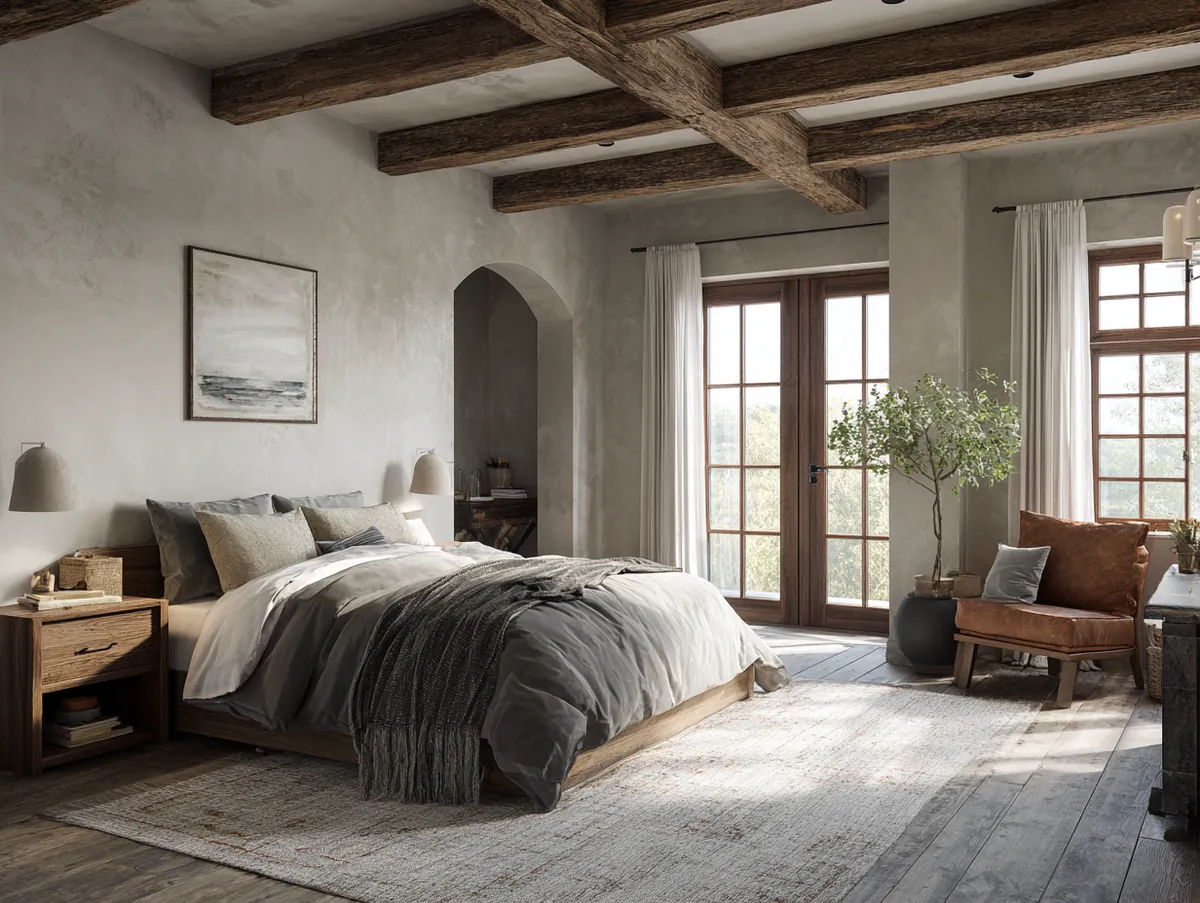
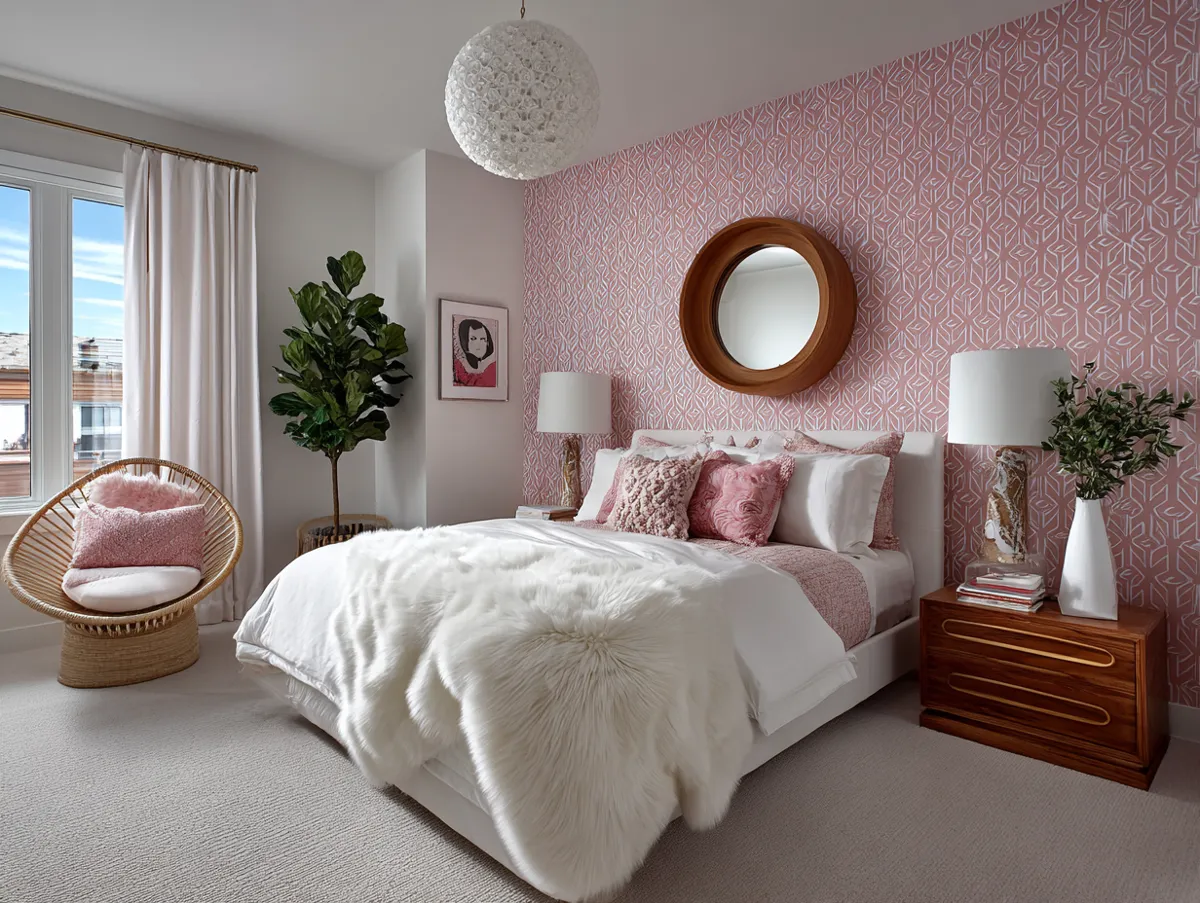
Quick Scan
- Dusty rose, aged butter yellow, warm sage, and faded denim blue are the four vintage color palettes working hardest in 2026 kids rooms.
- Mix one or two genuine secondhand furniture pieces with simple new basics — the contrast between old and new creates the lived-in feeling reproductions can't.
- Natural fiber textiles (cotton, linen, wool, jute) are non-negotiable in vintage room design — polyester kills the aesthetic immediately.
- Distribute books throughout the room rather than confining them to one shelf — it adds warmth and signals the childhood story you're building.
Vintage kids bedroom design is the fastest-growing search in the kids room category right now, and for good reason — parents are craving rooms that feel warm, storied, and real instead of trend-chased and disposable. The 2026 Pinterest Parenting Trend Report confirms a 100% surge in related searches, with retro furniture, throwback color palettes, and childhood-classic textiles dominating spring refresh boards. This isn’t nostalgia for its own sake. It’s a deliberate design choice that makes a child’s room feel genuinely personal from day one.
Vintage Color Palettes That Actually Age Well in a Child’s Room
The first decision in any vintage kids bedroom is color, and the wrong move here is reaching straight for beige. Beige reads as blank. The palettes that work — the ones appearing over and over on the most-saved Pinterest boards this spring — are dusty rose, aged butter yellow, warm sage, and faded denim blue. These are colors with memory baked in.
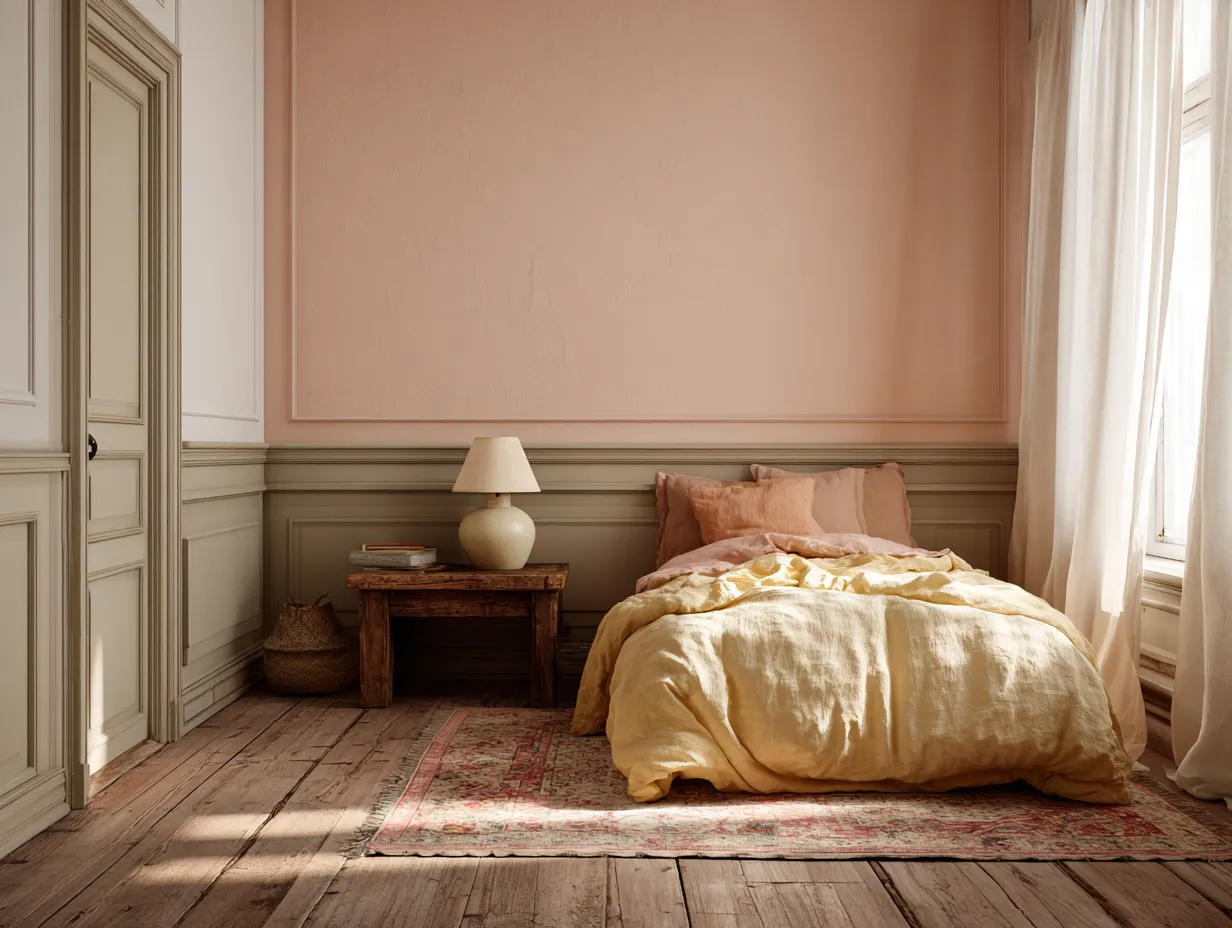
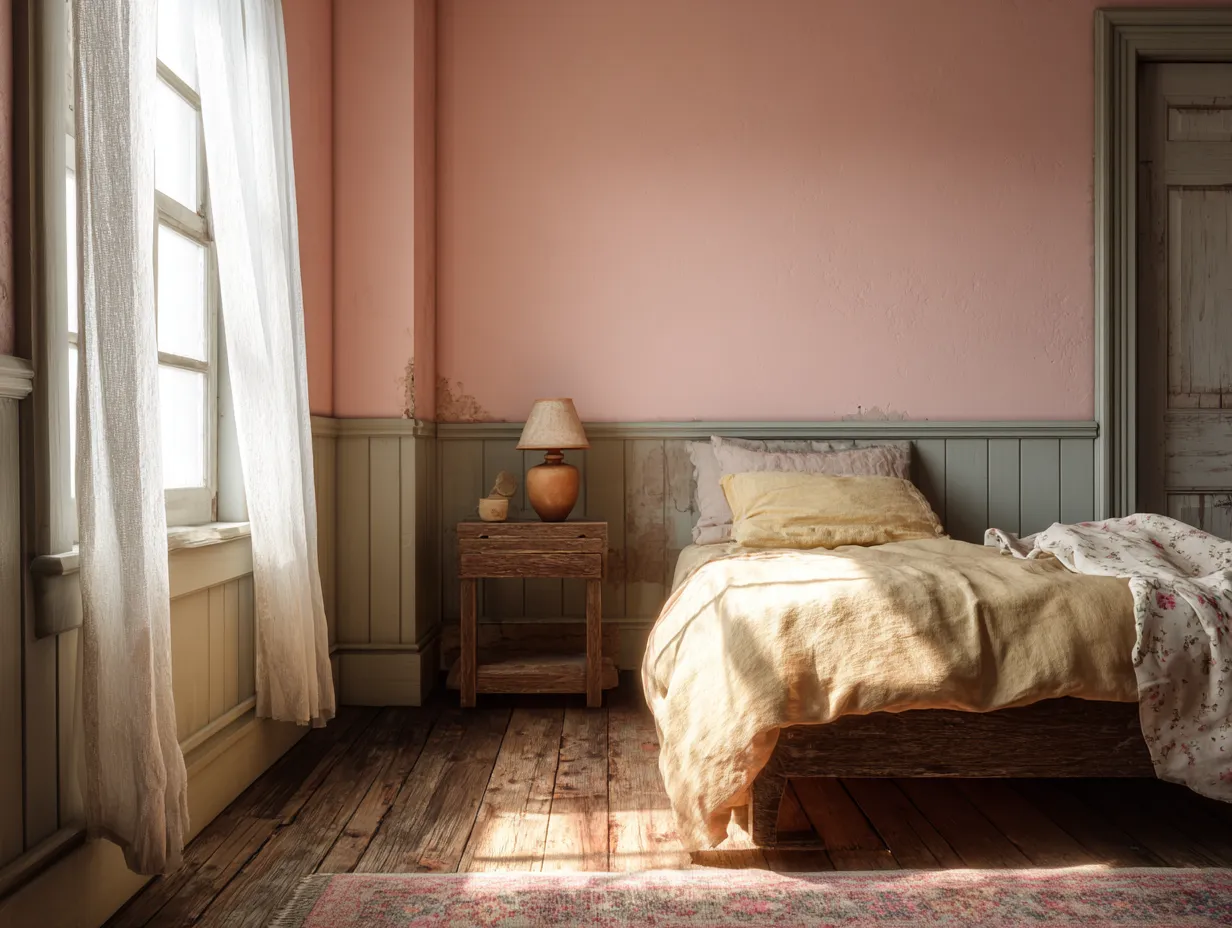
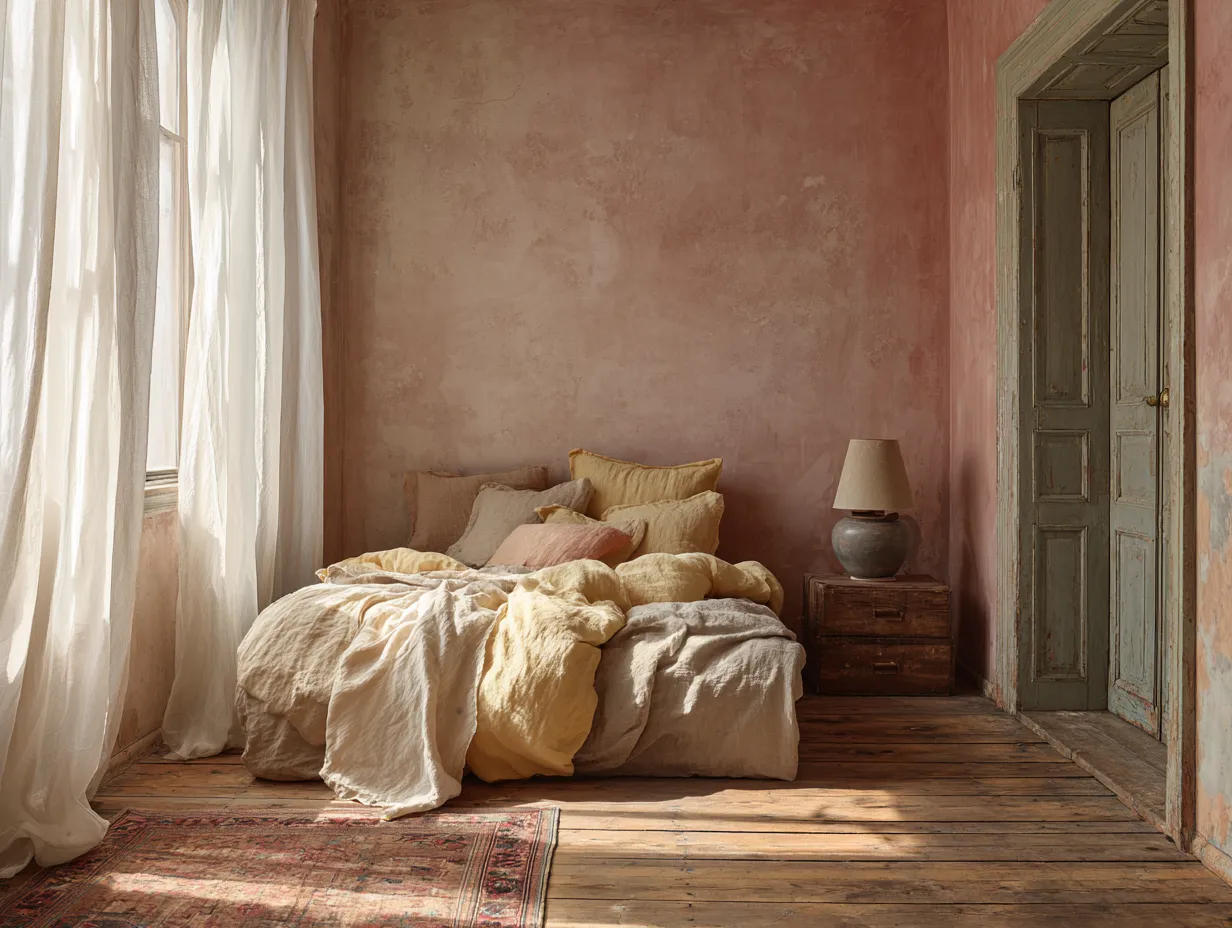
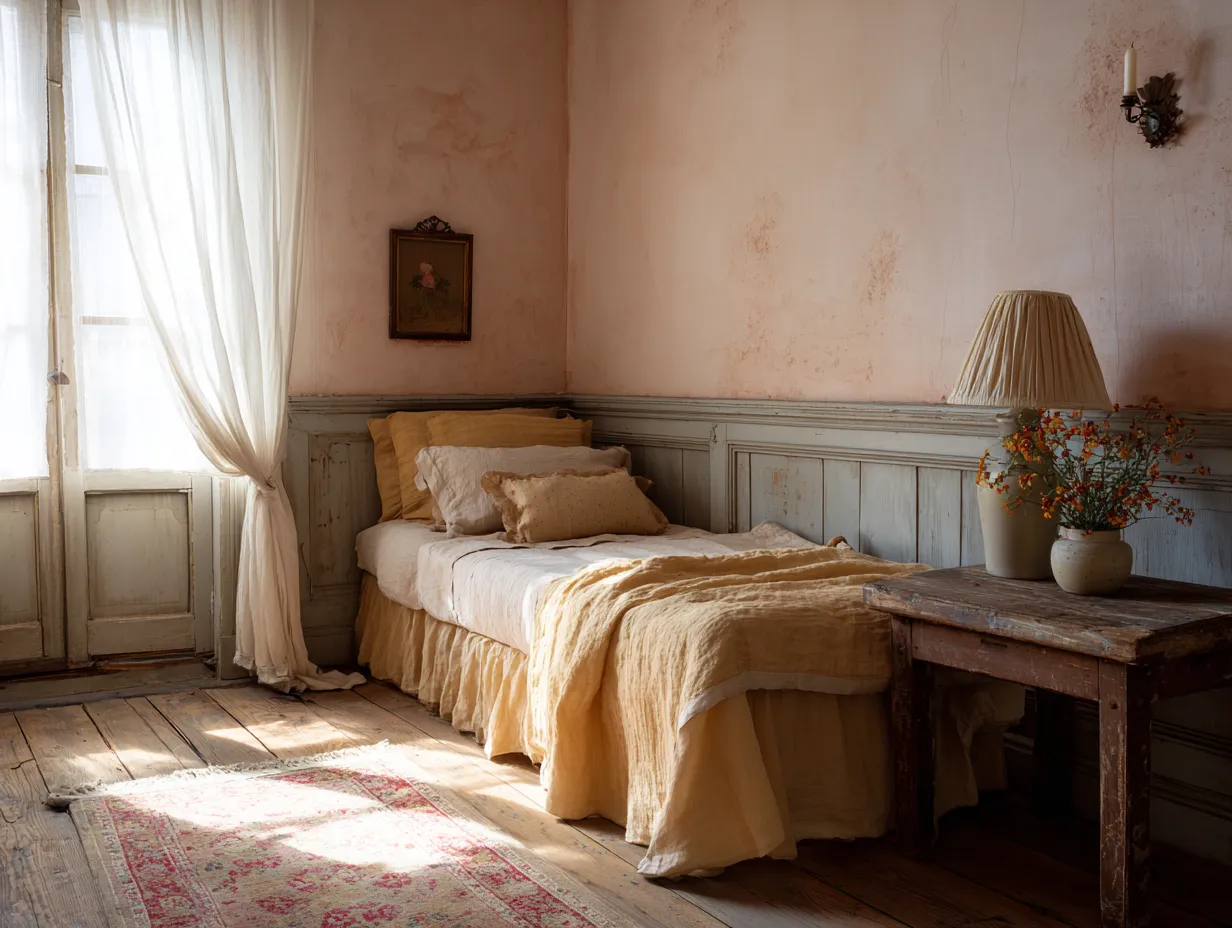
Sherwin-Williams’ Antique White (SW 6119) paired with Rosy Outlook (SW 6329) gives a nursery that instant 1970s softness without feeling dated. Benjamin Moore’s Pale Straw (2154-60) is a go-to for that worn, sun-faded yellow that reads both vintage and fresh. What’s the right finish? Eggshell. Flat paint shows every fingerprint in a kid’s room, and high gloss kills the aged feeling entirely.
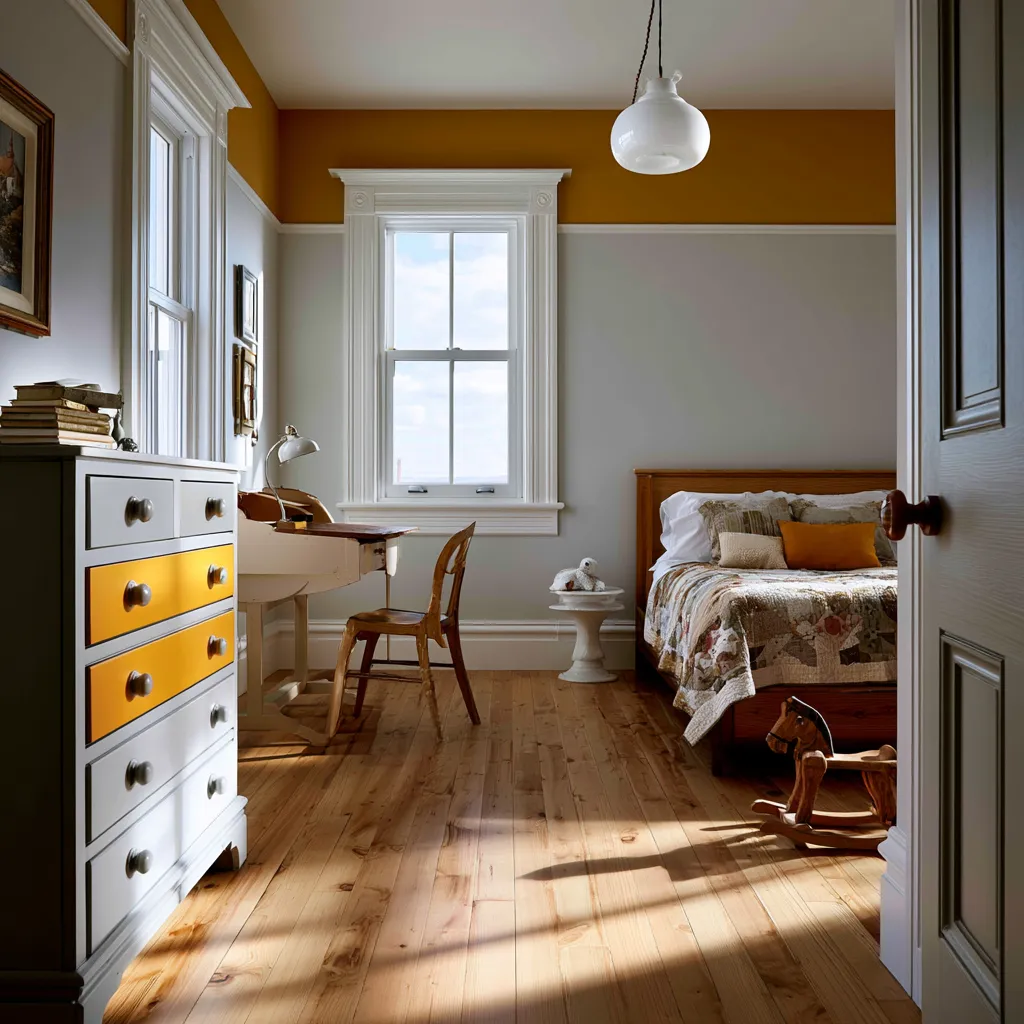
Don’t paint every wall a vintage tone. One strong feature wall in a warm, muted color does more work than four walls fighting for attention. Solid color behind the bed or the reading nook is enough to anchor the room’s era without overwhelming it.
For parents who want to go deeper into how pattern plays into retro room design, Modern Geometric Wallpaper Spices Up a Vibrant Kids Room shows how a single bold wall treatment can shift a room’s entire mood. The same logic applies to vintage-style wallpaper — Rifle Paper Co.’s Garden Party or Vintage Rose prints (around $198 per roll) bring instant warmth and pattern without requiring a full room commitment. Spoonflower also sells retro-style fabric-based wallpaper starting at $22 per square foot, which is a smart choice for renters.
Dusty blue works especially well in rooms shared by siblings of different ages. It reads calm for a toddler and quietly cool for a six-year-old. Faded terracotta is another underused option — it pairs beautifully with natural wood and cream linens, and it photographs warmly on the feeds parents are actively building for memory-keeping.
Don’t Do This
- Don't paint all four walls a vintage tone — one strong feature wall behind the bed does more work and avoids making the room feel heavy or theatrical.
- Don't commit to a single specific decade — real vintage rooms accumulate across time, and mixing mid-century furniture with 1970s textiles and a Victorian print is exactly what makes a room feel genuinely storied rather than themed.
- Don't buy distressed wooden signs with inspirational words — they date the room to a specific trend moment and undercut the timeless quality vintage design is meant to create.
- Don't use overhead LED lighting as the only light source — it flattens every warm tone and texture you've invested in. A low ceramic or rattan lamp is not optional.
Furniture Choices That Give a Vintage Kids Room Real Character
Furniture is where most vintage kids bedroom attempts go wrong. People buy reproduction antiques — pieces that look old but feel hollow — and the room ends up looking more like a prop house than a child’s actual space. Real vintage character comes from mixing one or two genuinely aged pieces with functional, simple new ones.
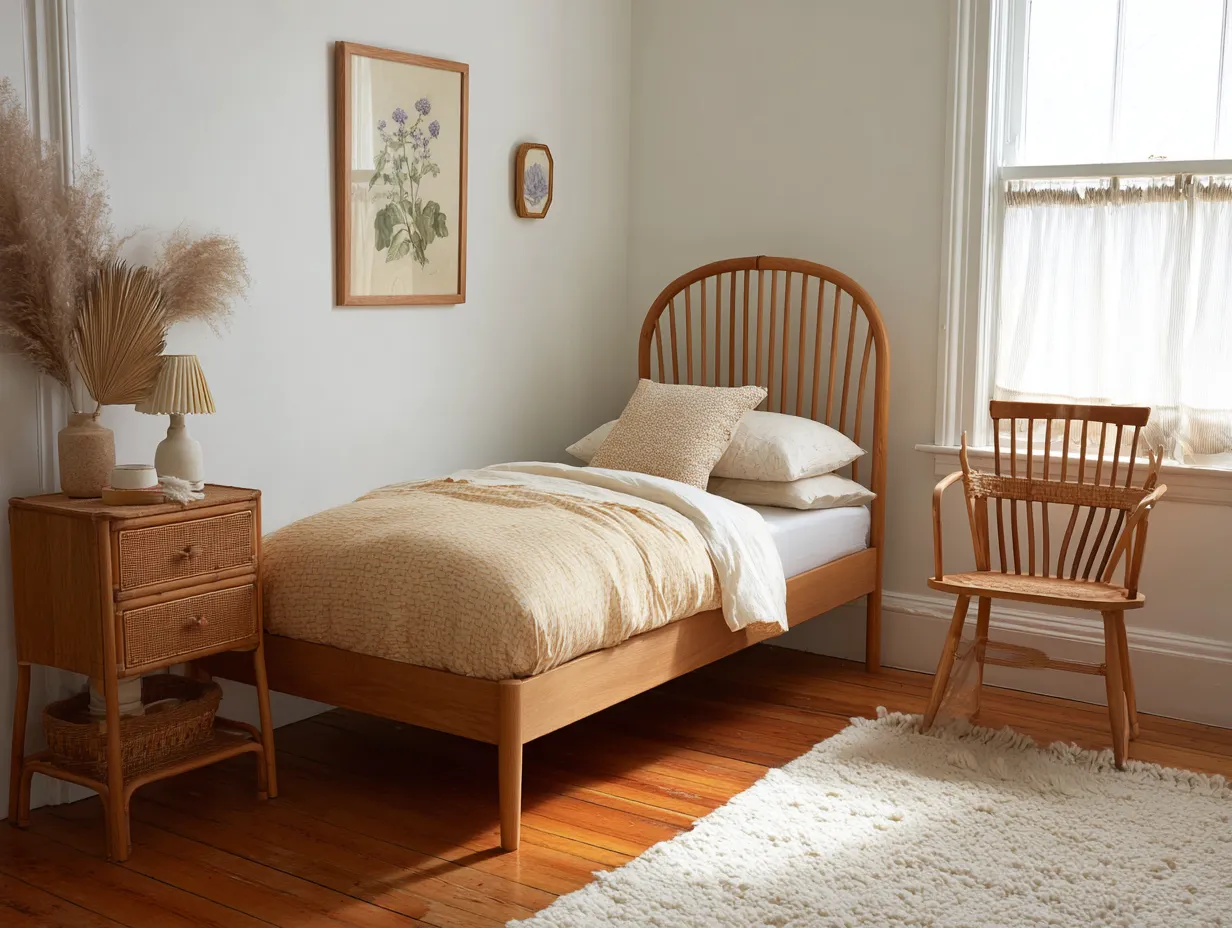
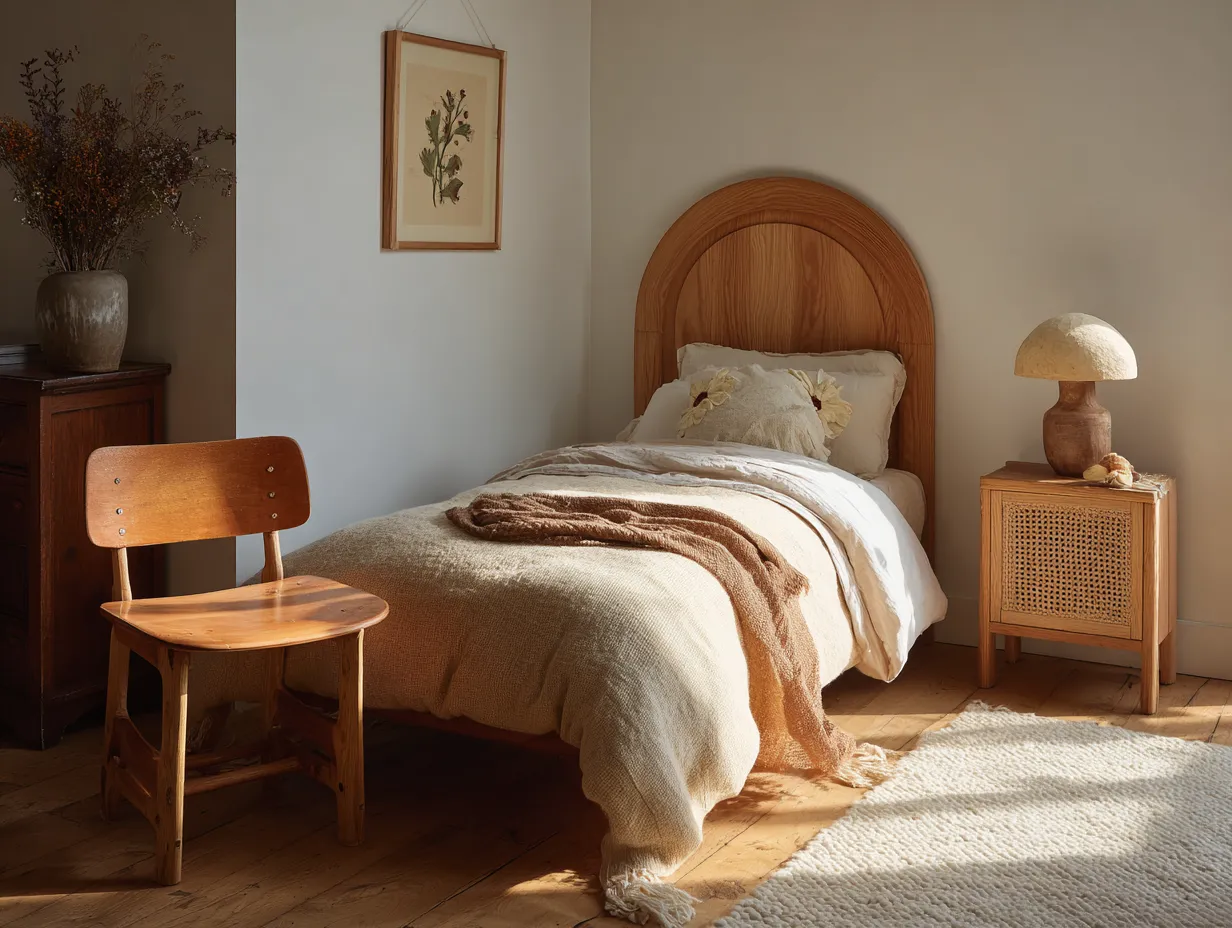
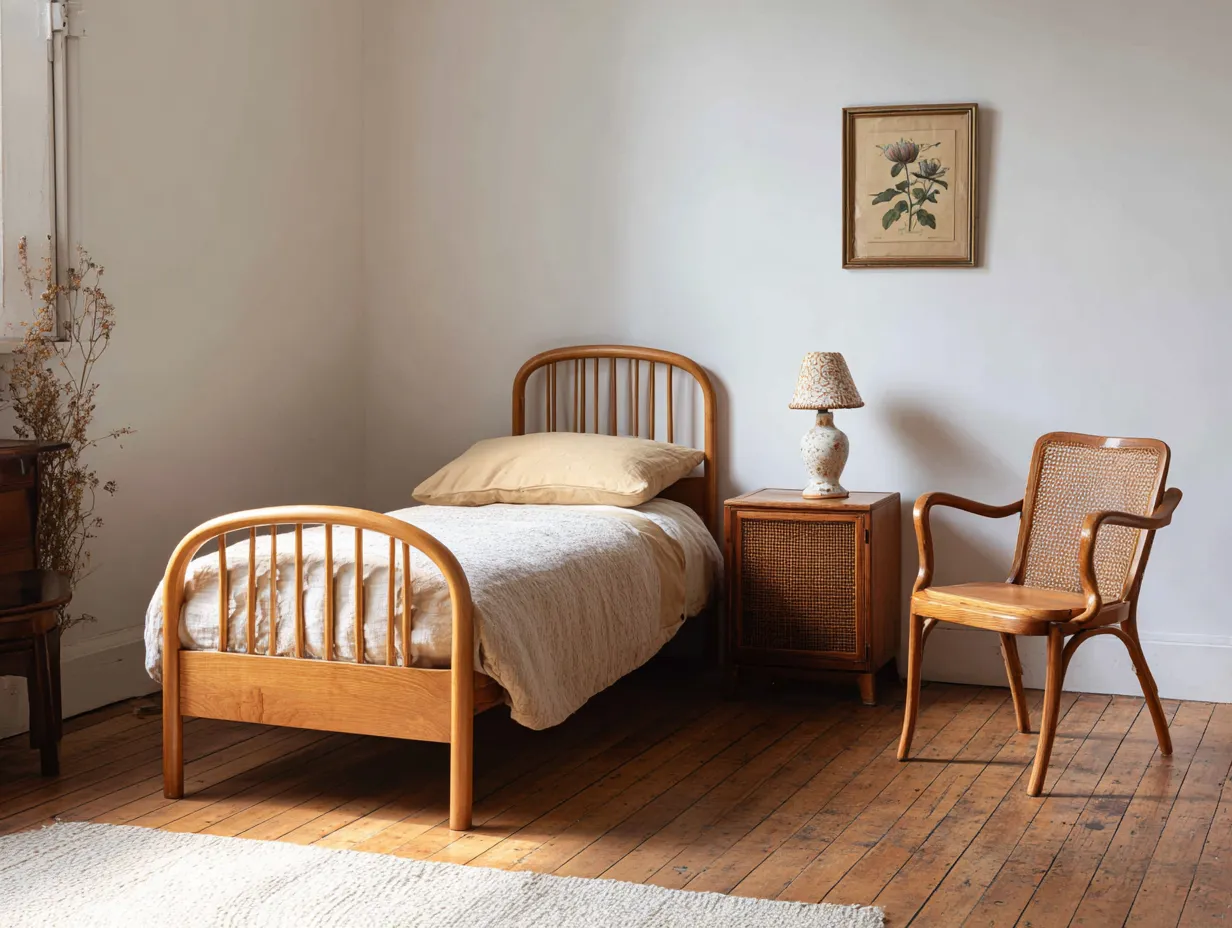
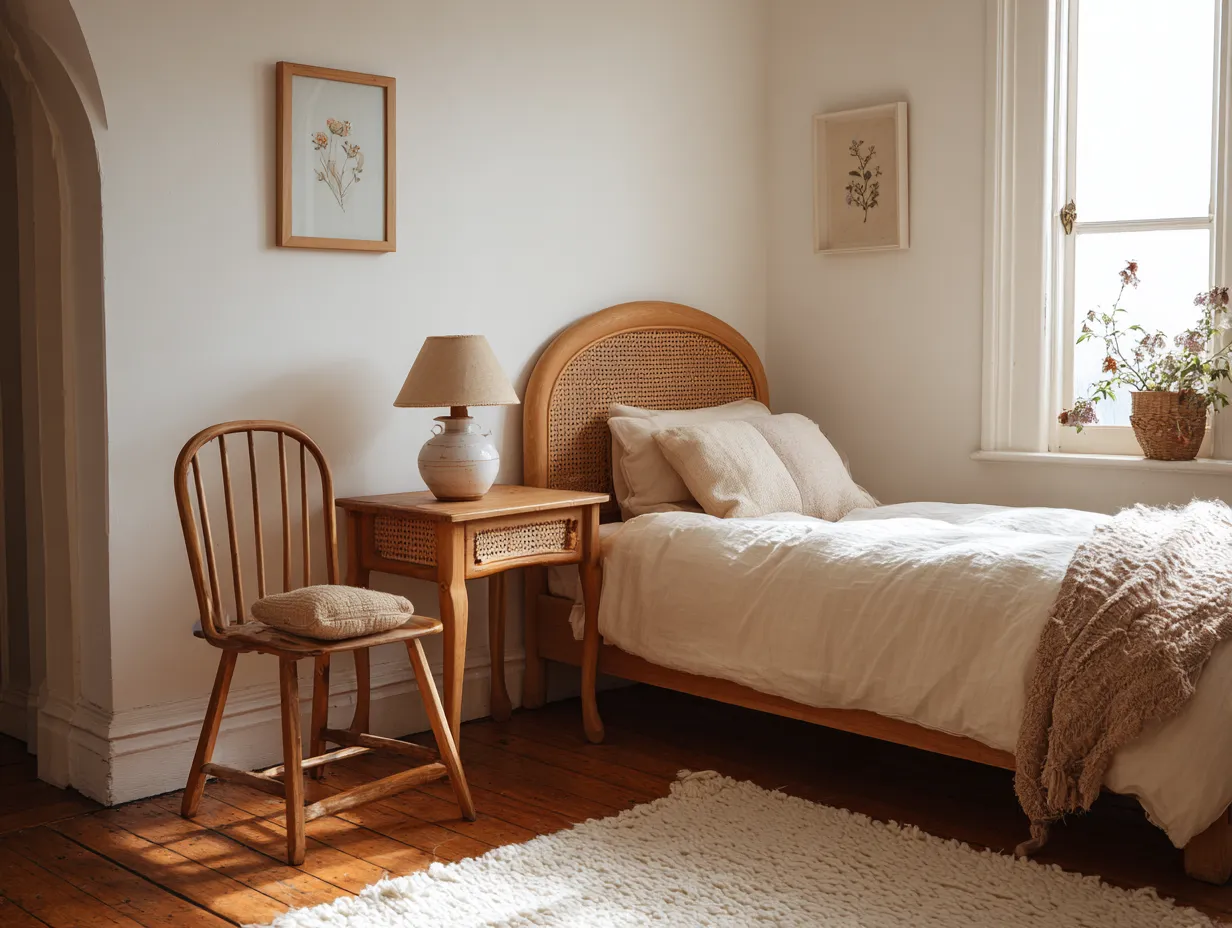
IKEA’s Sundvik crib and dresser line (around $179–$249) has clean, rounded lines that read softly vintage without being precious. Pair a Sundvik dresser with a genuine secondhand find — a 1960s wooden school chair from Facebook Marketplace for $15, or a worn rattan nightstand from a local thrift — and the contrast between new and old is what creates that layered, lived-in feeling. For older kids, Pottery Barn Kids’ Audrey bed frame ($799) nails the curved headboard silhouette of mid-century children’s furniture. It’s an investment, but it’s the kind of piece that photographs well and doesn’t age out of style.
For those drawn to wood-forward, artisan-feeling design, the article Whimsical Kids Room Shines with Geometric Wall Design in Wood demonstrates how natural wood textures anchor a room’s warmth — a principle that applies directly to vintage styling, where unfinished or lightly stained wood always outperforms painted MDF.
What furniture shape signals vintage fastest? Rounded edges. Square, sharp-cornered modern furniture is the fastest way to accidentally modernize a room you’re trying to age. Look for curved headboards, barrel-shaped chairs, and tapered legs — all hallmarks of 1950s through 1970s children’s furniture design that are now widely reproduced at accessible price points.
Don’t overload the room with furniture. Vintage rooms were often simpler in layout than today’s fully-furnished setups. A bed, a dresser, one small chair or bench, and open wall space is the formula. The temptation to add a reading nook, a play table, a bookshelf, and a clothing rack all at once is real — resist it. Empty floor space is part of the vintage room’s appeal; it signals a slower, less curated childhood that today’s parents are genuinely craving.
Target’s Hearth & Hand with Magnolia line (from $49 for small pieces) includes wooden toy chests, rattan baskets, and simple painted nightstands that bridge the gap between accessible pricing and the vintage farmhouse aesthetic. World Market also carries a consistently strong selection of woven baskets and low wooden shelving that fits the retro brief without requiring a full antique budget.
| Element | Budget Option | Mid-Range Option | Investment Pick |
|---|---|---|---|
| Bed Frame | IKEA Sundvik ($179) | Thrifted curved wood frame + new hardware ($80–$150) | Pottery Barn Kids Audrey ($799) |
| Quilt | Target Hearth & Hand patchwork ($49) | Garnet Hill heirloom cotton ($129–$195) | Anthropologie floral quilt ($188) |
| Rug | IKEA Vonge braided ($39) | Ruggable faded Persian 5×7 ($199) | Lulu and Georgia Beni Ourain 5×8 ($350–$600) |
| Lamp | Thrifted ceramic base rewired ($30–$60) | Ferm Living Ease table lamp ($129) | Schoolhouse Electric rattan pendant ($175–$220) |
| Wallpaper | Spoonflower retro print ($22/sq ft) | Rifle Paper Co. Garden Party ($198/roll) | Hand-painted mural by local artist ($400–$900) |
Vintage Textiles and Bedding That Do the Heavy Lifting
In a vintage kids bedroom, textiles carry more visual weight than almost any other element. The right quilt, the right rug, the right curtains — these are what make a room feel genuinely aged and warm rather than just painted in old colors. Textiles are also the most forgiving place to invest, because they can move rooms, be layered, and be swapped without repainting or refurnishing.
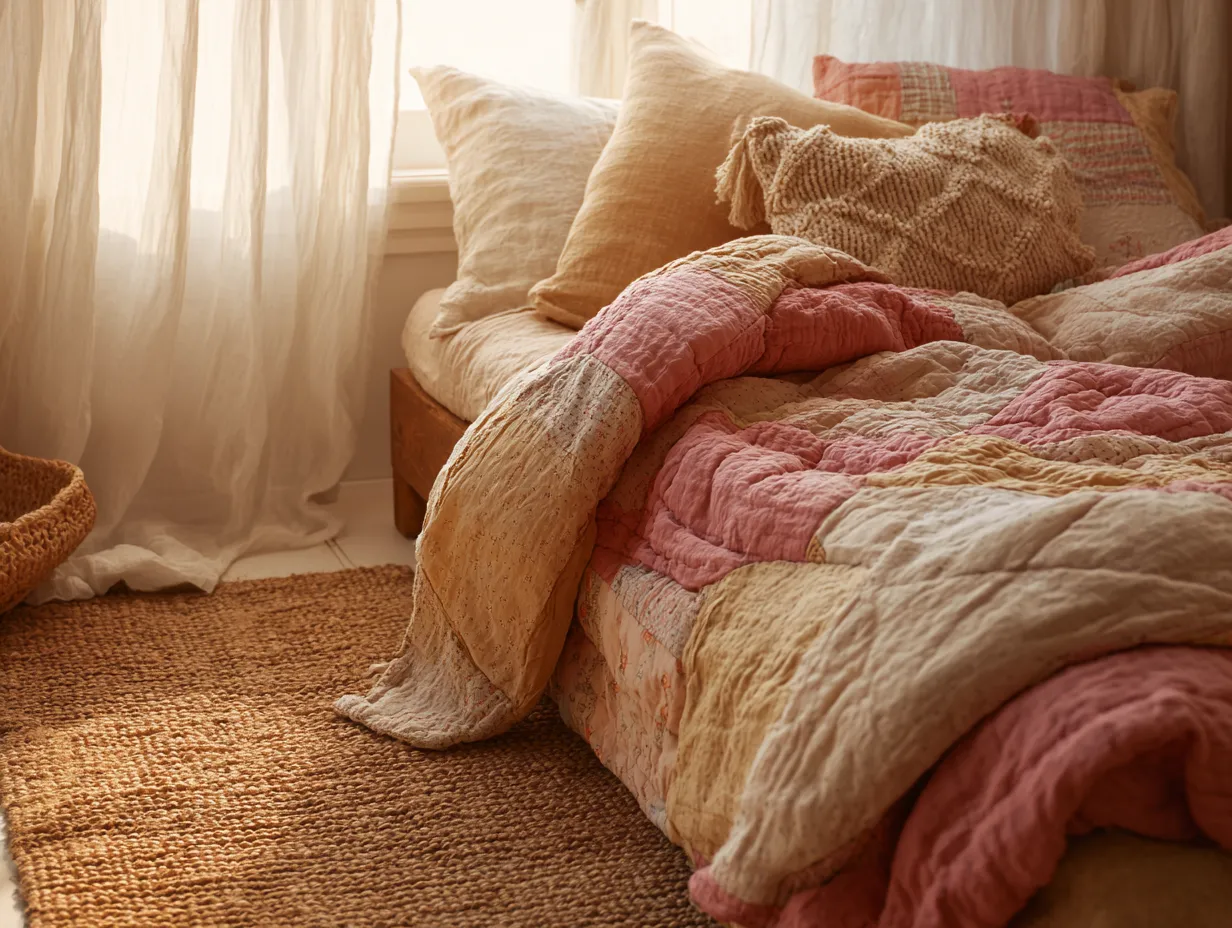
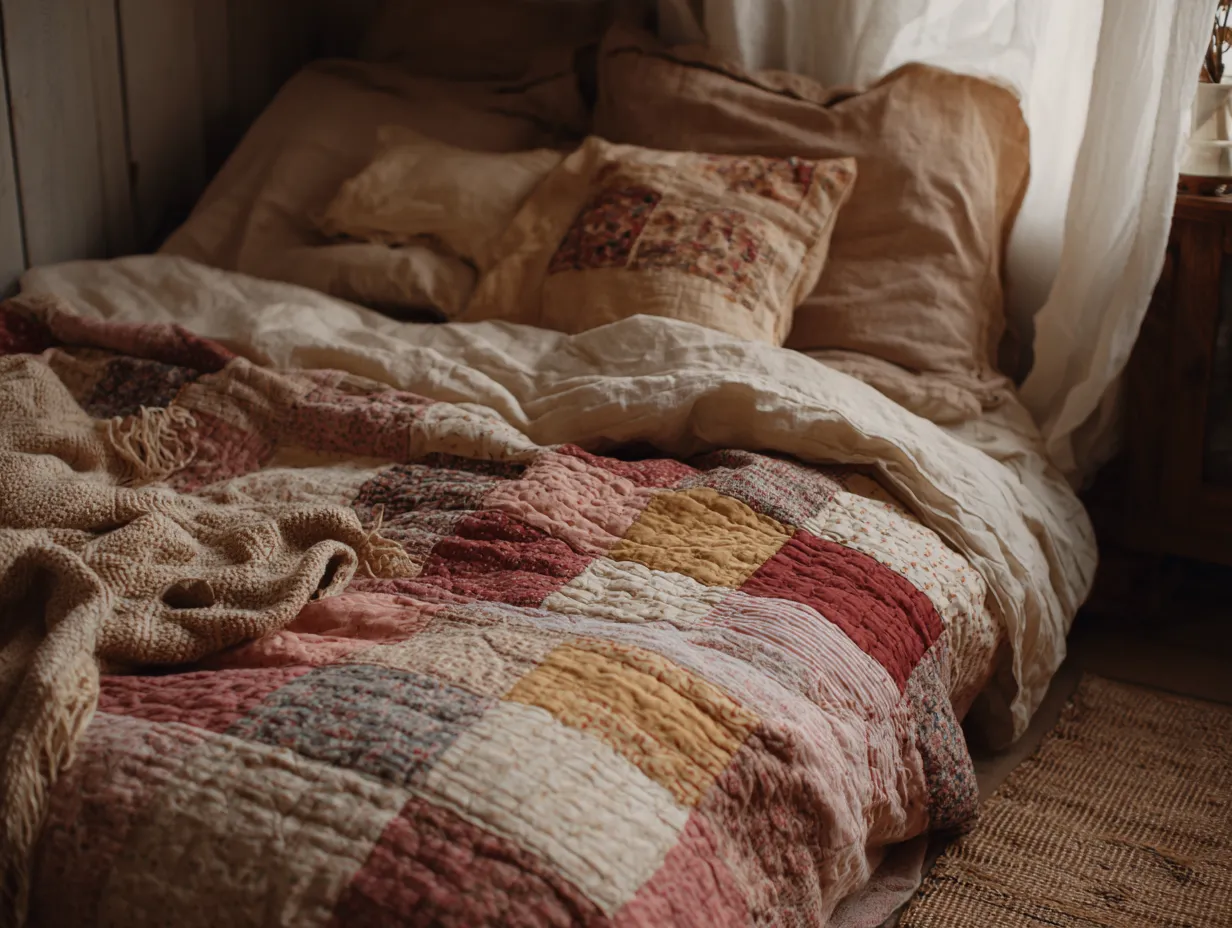
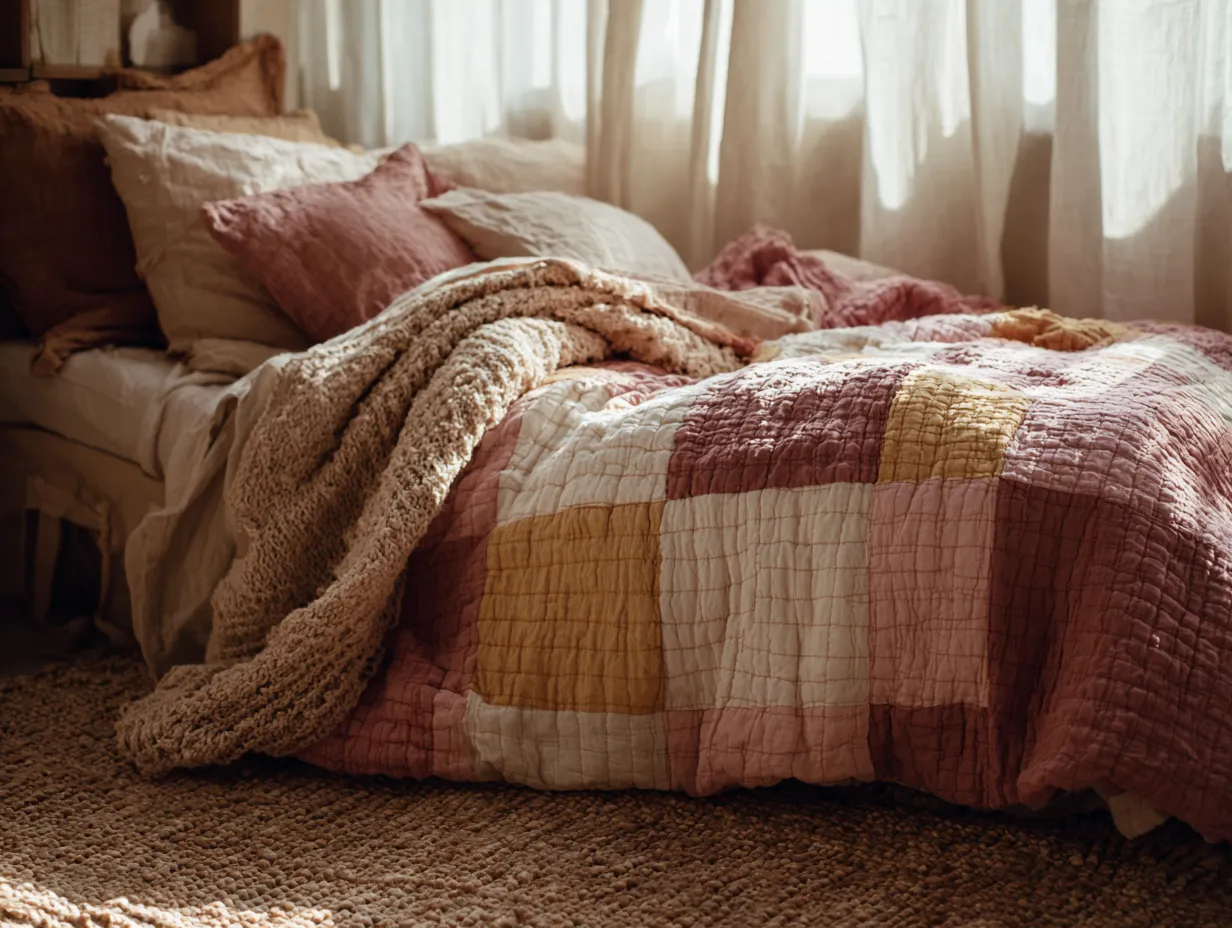
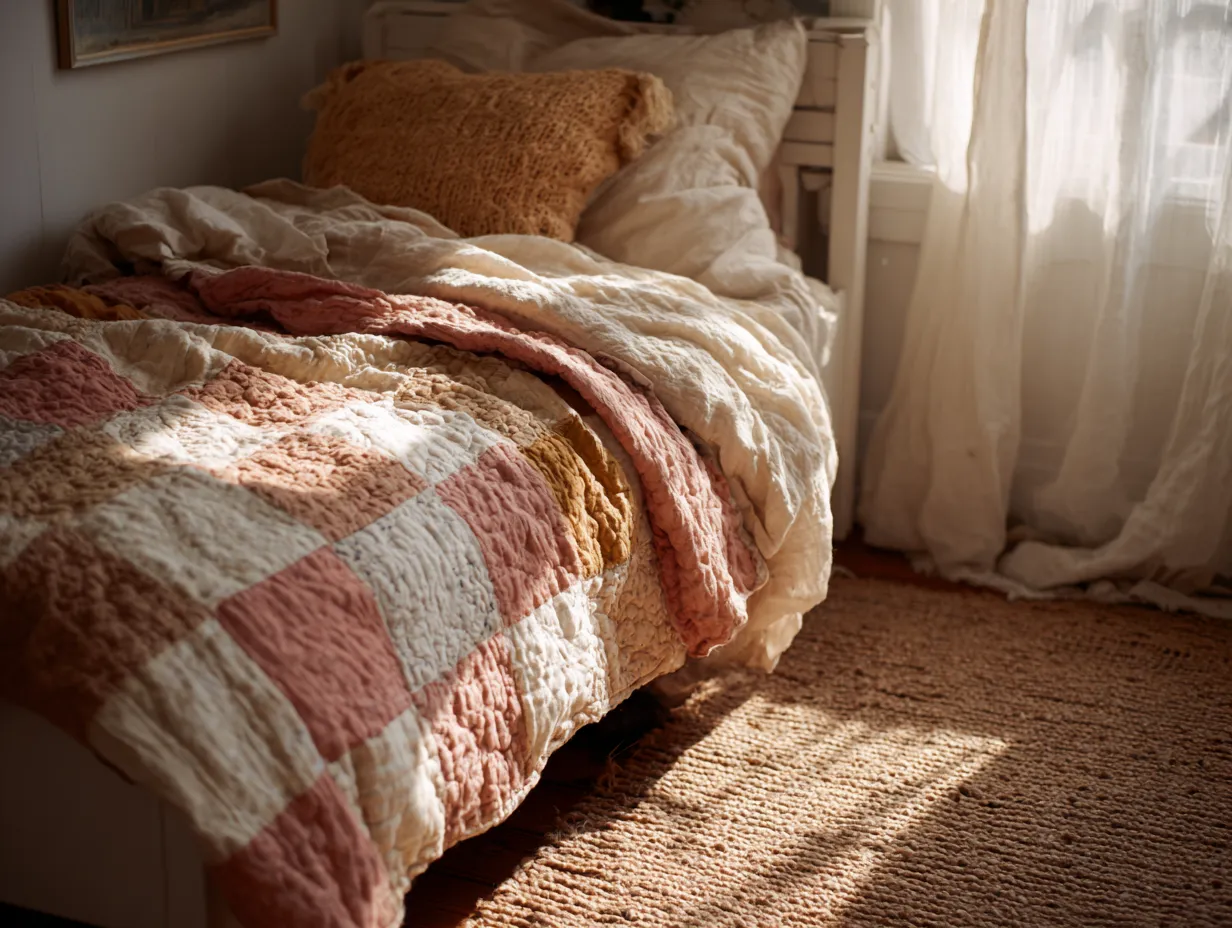
Patchwork quilts are the single fastest route to a vintage kids room aesthetic. Garnet Hill’s heirloom quilt collection ($129–$195) includes genuine cotton patchwork designs that read as handed-down without being fussy. Anthropologie’s Bedding line consistently releases vintage-style floral and gingham quilts in the $148–$188 range, and their seasonal drops in spring 2026 leaned heavily into the cottagecore-meets-retro direction that aligns perfectly with this trend.
What’s the biggest textile mistake in vintage room design? Polyester. Synthetic fabrics — shiny, flat, pill-prone — kill the vintage feeling immediately. Every soft element in the room should be natural fiber: cotton, linen, wool, or jute. This isn’t only aesthetic; natural fibers are also better for kids’ skin and room air quality, which makes the choice easy to justify beyond style alone.
For rugs, the categories to shop are faded Persian-style, braided oval cotton, or simple striped dhurries. Ruggable’s washable faded Persian collection (from $199 for a 5×7) is a practical choice for parents who need machine-washable options. Beni Ourain-inspired rugs from Lulu and Georgia ($350–$600 for a 5×8) bring a slightly more global vintage feel that works well in sage or terracotta rooms.
Layer the textiles. A quilt over solid linen sheets, a small knit throw at the foot of the bed, a braided rug under a wool runner — this is the visual language of the vintage room. Each layer adds depth and the sense that the room has been slowly assembled over time rather than ordered in a single cart checkout. That perception of accumulation is exactly what parents are chasing when they search for vintage kids bedroom inspiration.
Curtains often get treated as an afterthought. Don’t. White cotton gauze or natural linen panels hung high and wide are the correct move — they diffuse light in a way that makes the entire room glow in photographs and in person. IKEA’s Liselott sheer curtains ($19.99 per pair) are an underrated choice here; the fabric has enough weight to hang well but enough transparency to keep the room airy. Avoid blackout curtains in vintage-style rooms unless they’re concealed behind a decorative panel — their thick, modern silhouette reads against the entire aesthetic.
Vintage Accessories That Add Story Without Creating Clutter
Accessories are where a vintage kids bedroom either comes alive or collapses into visual noise. The goal is to make the room look like it has a history — like some of these objects were here before the child was born, and some arrived as gifts, and some were found. That narrative quality is the actual target, not the objects themselves.
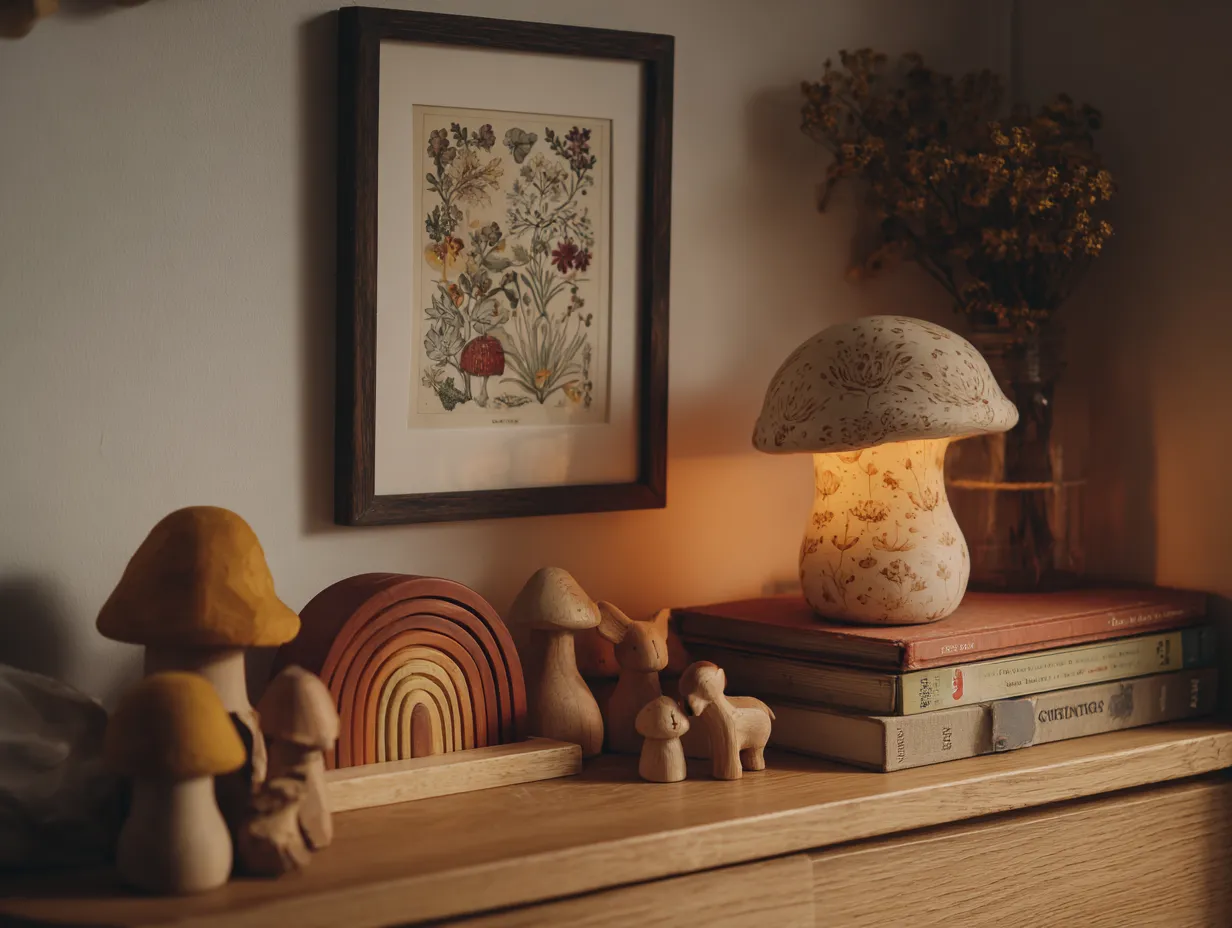
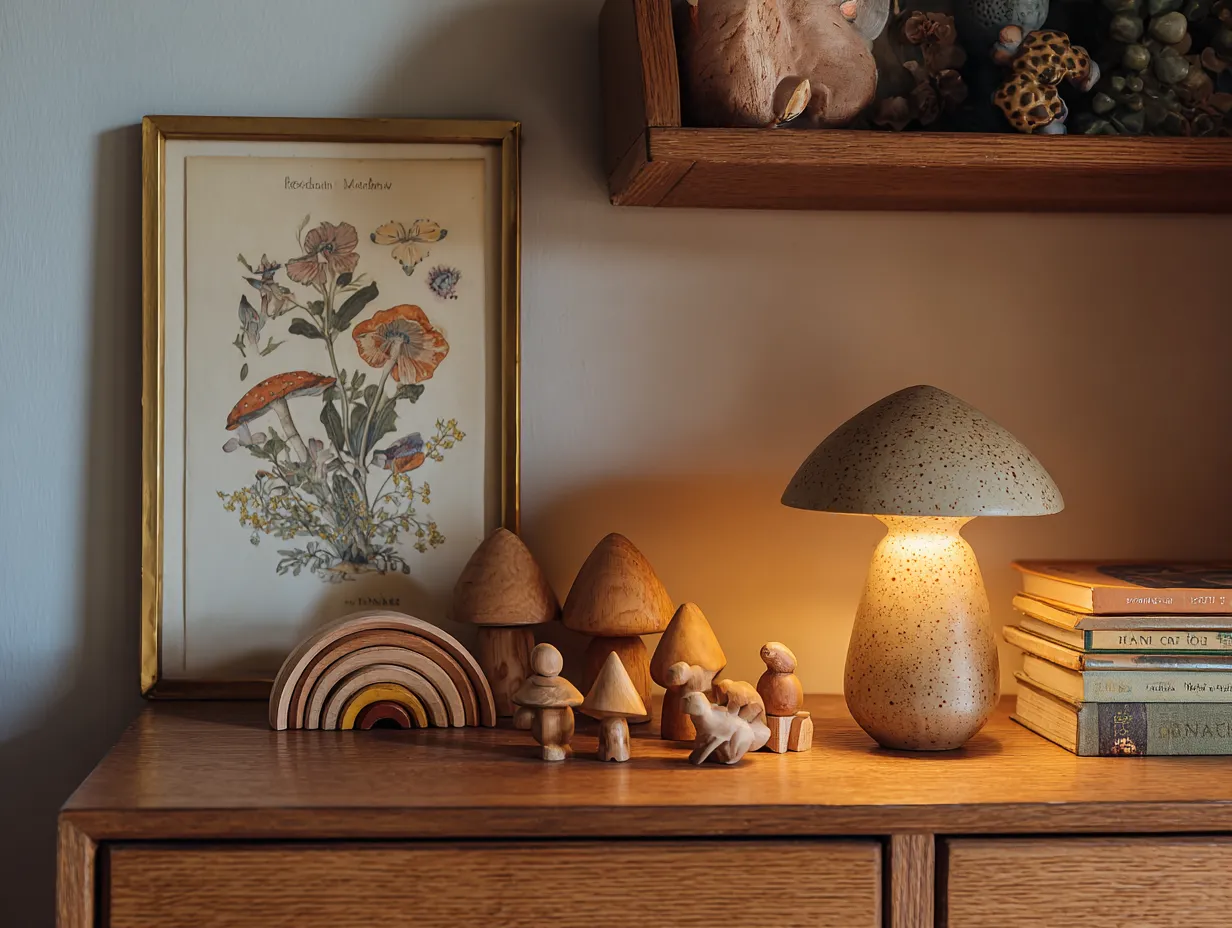
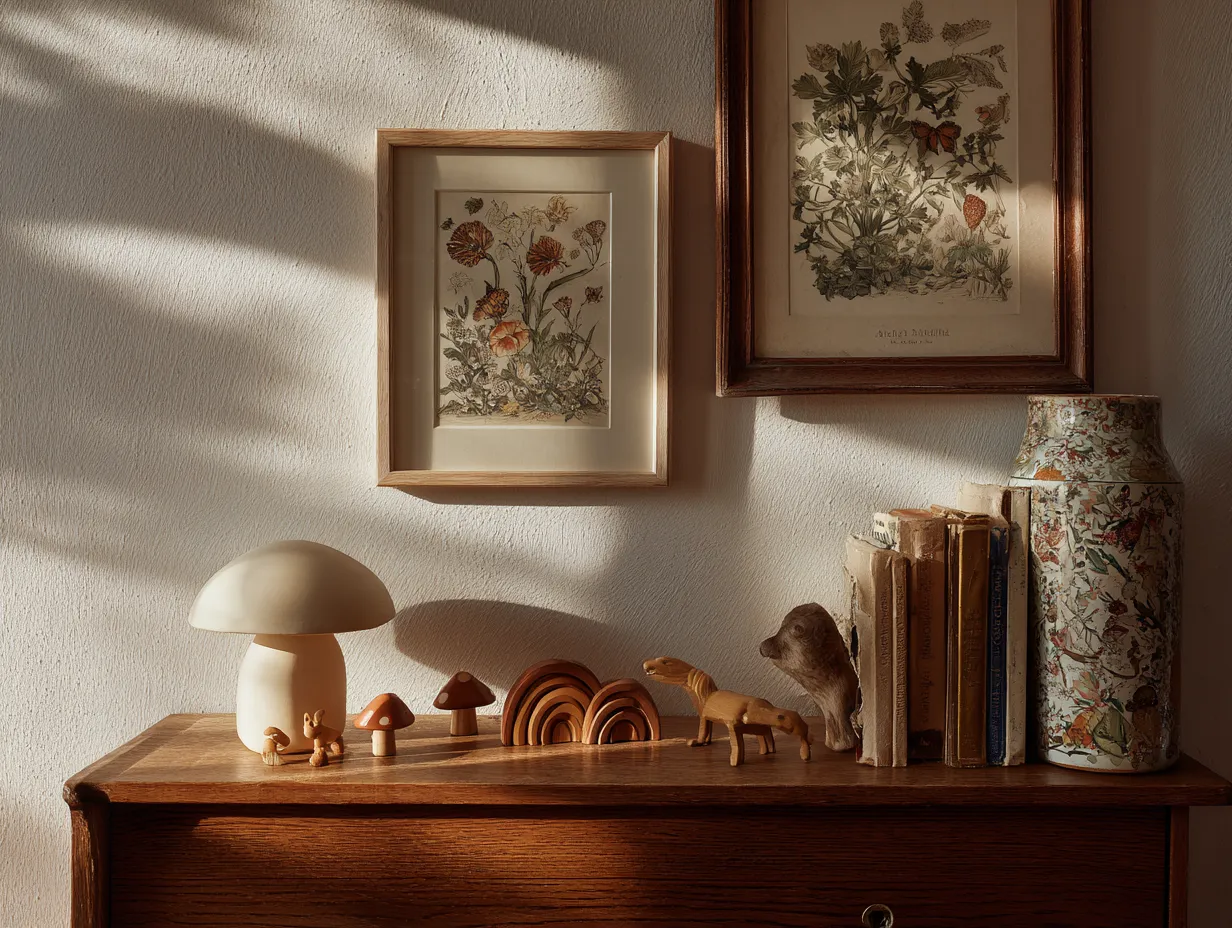
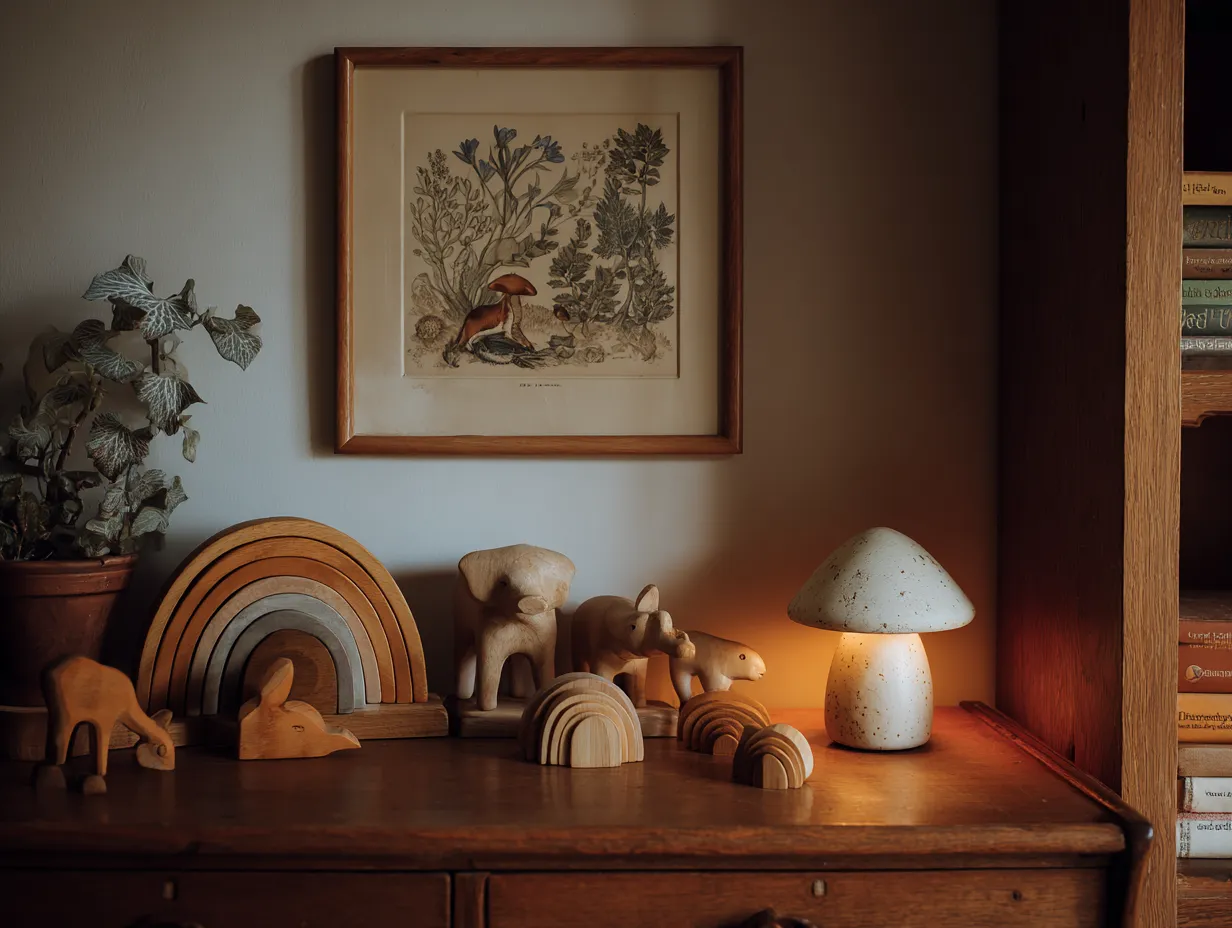
Start with the walls. One or two framed vintage children’s book illustrations — think Arthur Rackham prints or vintage Eloise artwork (available on Etsy from $12–$45 framed) — anchor the room’s vintage story immediately. Don’t fill every wall. Two well-placed frames with intentional spacing read more vintage than a gallery wall of twelve prints that looks more like a modern design blog move.
Vintage toys displayed on shelves serve double duty: they’re functional storage and they’re the room’s best storytelling objects. A row of wooden Grimm’s Rainbow pieces ($109 at most natural toy retailers), a few Ostheimer wooden animals ($14–$22 each), and one or two vintage Fisher-Price Little People figures from a thrift store ($2–$5 each) create a shelf that looks genuinely collected rather than styled. The mix of new wooden toys with actual old plastic ones is the key — it signals real use and real time passing.
What’s the accessory equivalent of overpainting? Over-theming. A room that commits to one very specific vintage sub-genre — all 1950s diner, all Victorian nursery, all 1970s boho — loses the lived-in quality and starts feeling theatrical. The best vintage kids rooms borrow from multiple decades loosely. A mid-century dresser, a 1970s-color quilt, a Victorian-style botanical print, and a 1980s wooden pull-toy can all share a room successfully because real homes accumulate across time, not within a single decade.
Lighting is the most underestimated vintage accessory. A ceramic mushroom lamp (the Ferm Living Ease table lamp at $129 is a current favorite), a rattan pendant shade from Schoolhouse Electric ($175–$220), or even a thrifted 1960s ceramic base rewired with a new cord ($30–$60 at most vintage markets) changes the room’s mood entirely. Overhead lighting alone — especially recessed LED — flattens the vintage atmosphere. Always add a warm-toned secondary light source at low level.
Don’t buy vintage-style signage with words on it. Wooden signs that say things like ‘Dream Big’ or ‘Adventure Awaits’ in a distressed font are the fastest way to undercut a room’s genuine vintage credibility. They read as trend-decoration rather than actual curation, and they’ll date the room to 2026 rather than to the timeless feeling you’re building toward. Objects without words age better and travel further.
For books, spine-out shelving on a low Montessori-style shelf (the KidKraft Montessori shelf is $89 and works well) lets vintage-edition children’s books — Golden Books, classic Penguin picture books, worn hardcover fairy tale collections — become part of the room’s visual texture. A stack of three books on the nightstand, a few propped on the dresser, a small crate of board books beside the reading chair: books distributed throughout the room add warmth and signal exactly the kind of childhood that today’s parents are trying to build.
FAQ
what colors are most popular for vintage kids bedrooms in 2026
Dusty rose, aged butter yellow, warm sage, and faded denim blue are the four palettes dominating vintage kids bedroom boards this spring. Sherwin-Williams Rosy Outlook and Benjamin Moore Pale Straw are two of the most-pinned specific paint choices. All four work best in an eggshell finish, which diffuses light softly without looking flat or high-gloss.
where can I find vintage furniture for a kids room on a budget
Facebook Marketplace and local thrift stores are the best sources for genuine vintage pieces at low cost — 1960s wooden school chairs and rattan nightstands often sell for $10–$30. For new pieces with a vintage feel, IKEA's Sundvik line and Target's Hearth & Hand with Magnolia collection offer accessible price points from $49. The key is mixing one or two real finds with simple, affordable new basics.
is vintage decor safe for a baby or toddler room
Genuine vintage furniture should be checked for lead paint — pieces made before 1978 in the US may contain lead-based paint and should be tested before use in a child's room. Test kits are available at hardware stores for under $10. Vintage textiles like quilts and rugs are generally safe and add warmth without risk, as long as they're washed thoroughly before use.
what bedding works best for a vintage nursery
Patchwork cotton quilts are the single most effective bedding choice for a vintage nursery — they read as handed-down and warm without requiring any other vintage elements in the room. Garnet Hill's heirloom quilt collection ($129–$195) and Anthropologie's seasonal vintage-style florals are strong options. Always choose natural fibers; synthetic quilts flatten the aged, soft aesthetic immediately.
how do I make a new kids room look vintage without buying antiques
Three moves do most of the work: a muted, warm wall color in eggshell finish, a patchwork or floral cotton quilt in faded tones, and one warm secondary light source like a ceramic or rattan lamp. Vintage-edition children's books displayed spine-out on a low shelf and one or two framed vintage illustrations add narrative depth without requiring any genuine antiques at all.
can vintage kids room design work for a shared siblings room
Yes — dusty blue and warm sage are the two vintage palette colors that work most easily across age groups and genders. Keep furniture simple and low to the floor, differentiate the two beds with different quilt patterns rather than different color schemes, and use the shared floor rug and curtains to tie the room together. The vintage aesthetic is flexible enough that a toddler and a seven-year-old can both feel at home in it.
Save this
Vintage Kids Bedroom Design Rewards Patience Over a Single Shopping Trip
The rooms that get saved the most on Pinterest aren't the ones assembled in a weekend. They're the ones that look like they've been slowly gathered — a quilt from a grandmother, a lamp from a thrift run, a print ordered after months of searching. That feeling of accumulation is something you can build intentionally, one object at a time, without a large budget or a decorator.
Start with color. Pick one warm, muted wall tone and commit. Add a patchwork quilt, a natural fiber rug, and one genuine vintage find. The room will tell you what it needs next. Save this post.
📌 Save to Pinterest