
A modern classic living room blends clean contemporary lines with timeless traditional details, creating a space that feels both current and enduring. This style works when you want the calm of neutrals, the polish of classic proportions, and the comfort of practical furniture without leaning fully modern or fully traditional.
The mix succeeds in most homes because it avoids extremes: sleek sofas sit beside antique-inspired tables, soft drapery softens geometric lighting, and a restrained palette lets texture and form do the work. The result is a living room that looks intentional and stays usable every day.
Focus on balance rather than perfect symmetry. One strong classic piece paired with two or three modern elements usually reads clearer than an even split of both styles.
- Pair a streamlined sofa with one or two ornate accent pieces for instant contrast.
- Keep walls and large surfaces neutral so textures and lighting stand out.
- Mix lighting eras: one classic chandelier or sconce with simple modern lamps.
- Layer soft textiles early—rugs and pillows prevent the room from feeling cold.
- Preserve architectural details like moldings or a fireplace when they exist.
- Limit bold color to art and small accessories so the palette stays cohesive.
Sleek Furniture That Anchors Classic Details
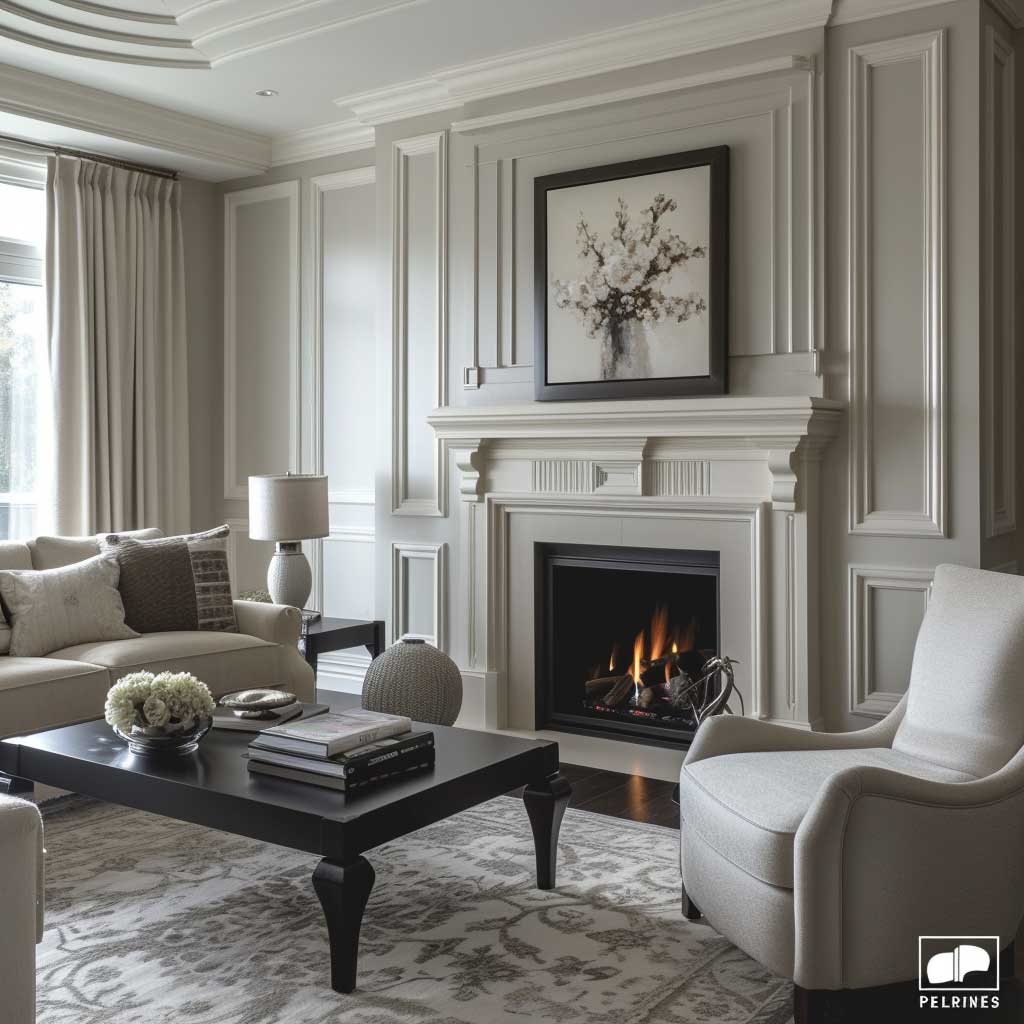
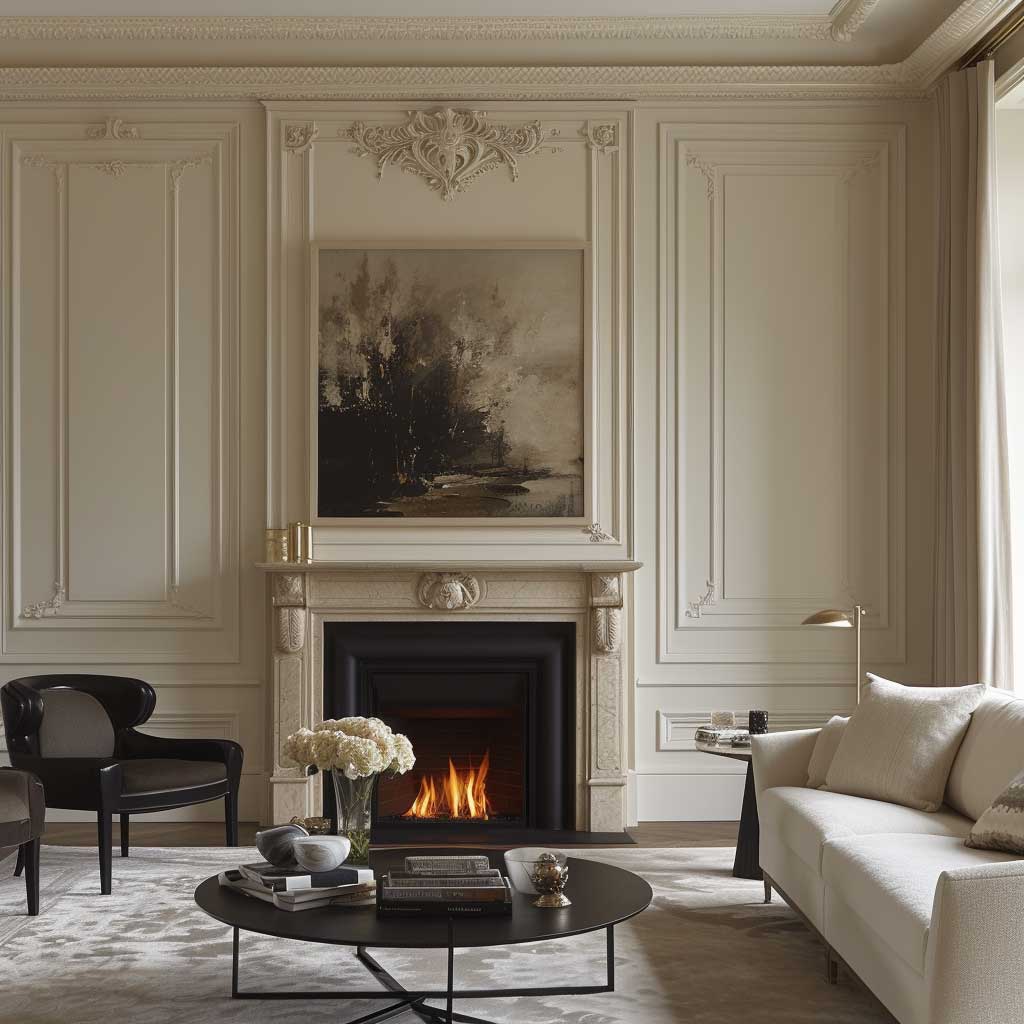
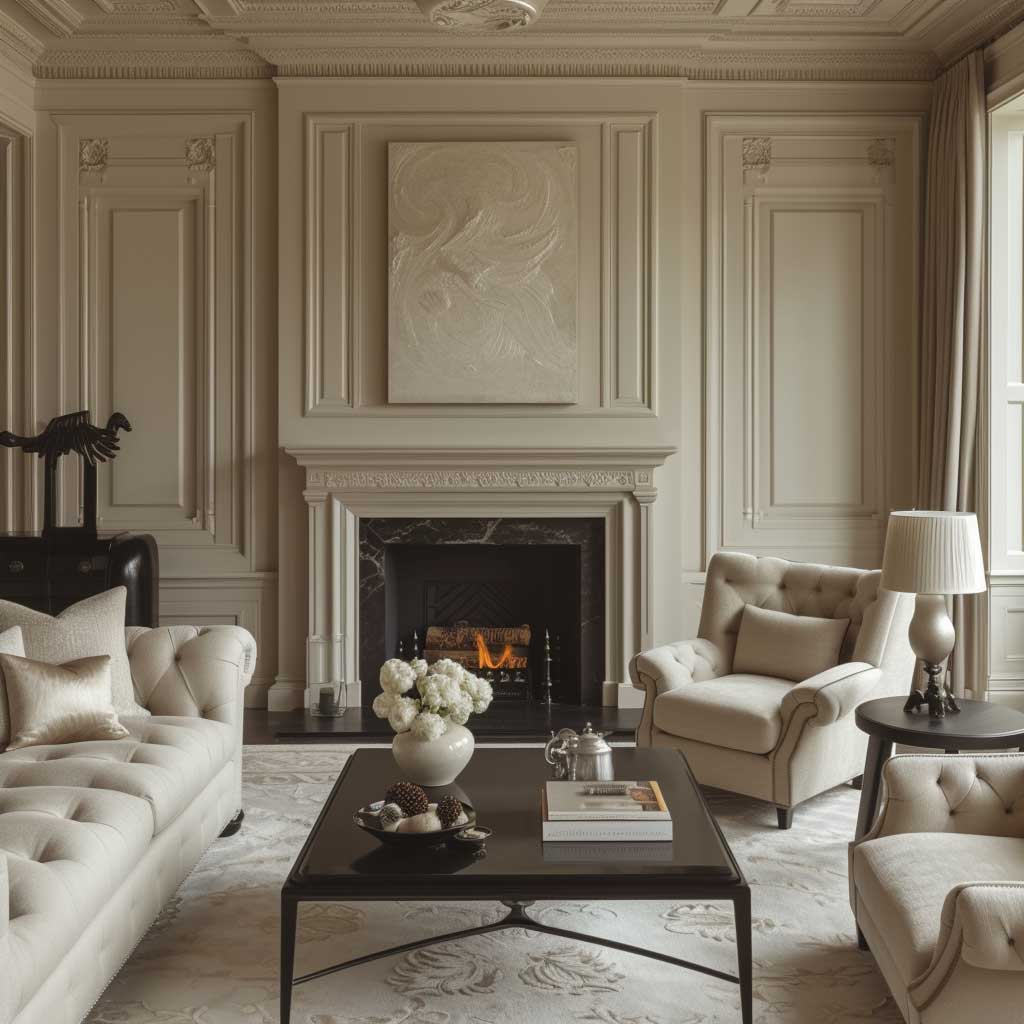
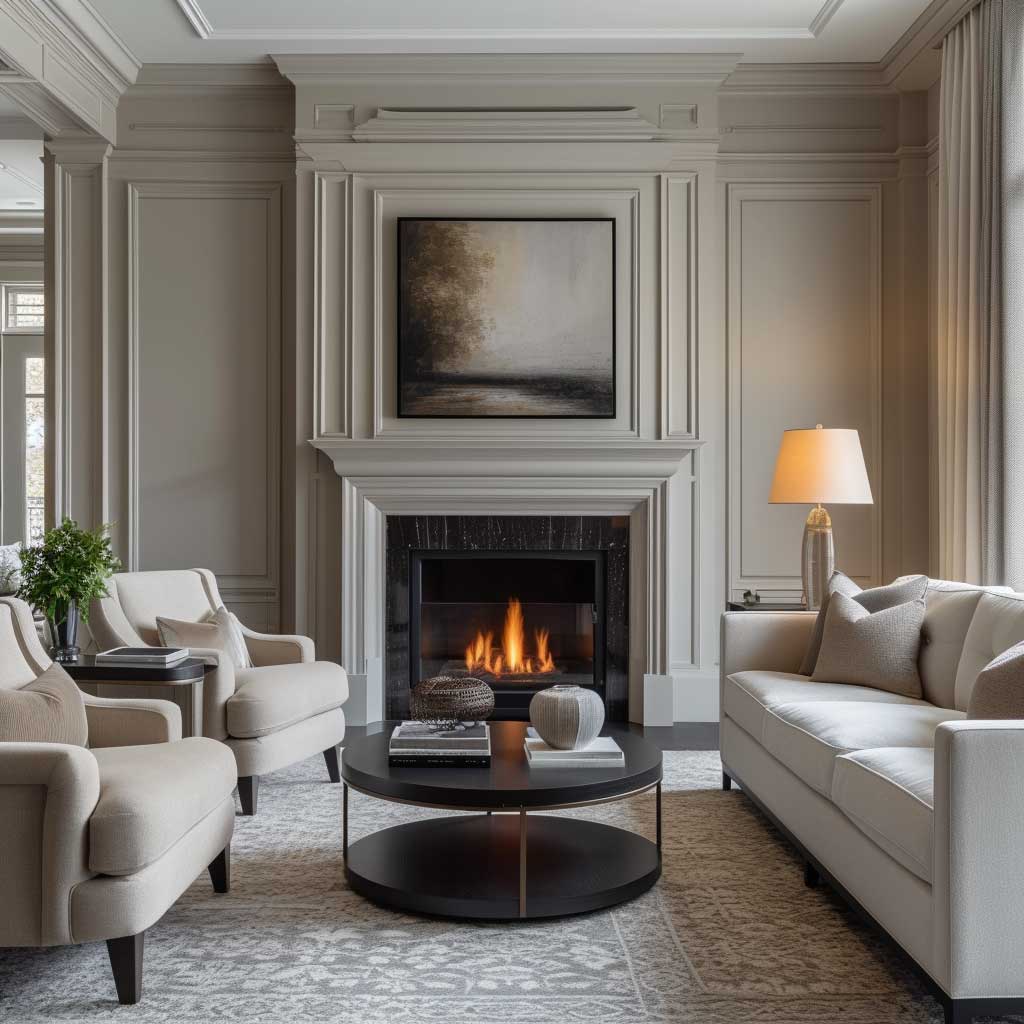
Classic contemporary living room furniture starts with a low-profile sofa that has straight arms and a tight seat. Why choose this over a deeply tufted traditional piece? The clean silhouette keeps the room feeling open while still supporting classic accents nearby. Average mid-range sofas in this category often fall between $1,200 and $3,500 depending on fabric and frame quality, according to major retailers.
Place a vintage or vintage-style coffee table opposite the sofa so the eye travels between eras. Avoid matching every wood tone exactly—slight variation in stain reads more collected than catalog-matched. A simple rectangular table in walnut or oak works harder than an overly carved piece that competes with the sofa.
Think of the seating arrangement as a conversation circle rather than a showroom display. Pull chairs in close enough for easy talk yet leave clear walking paths of at least 30 inches. This practical spacing keeps the modern classic living room comfortable instead of formal and stiff.
Neutral Palettes That Let Texture Speak
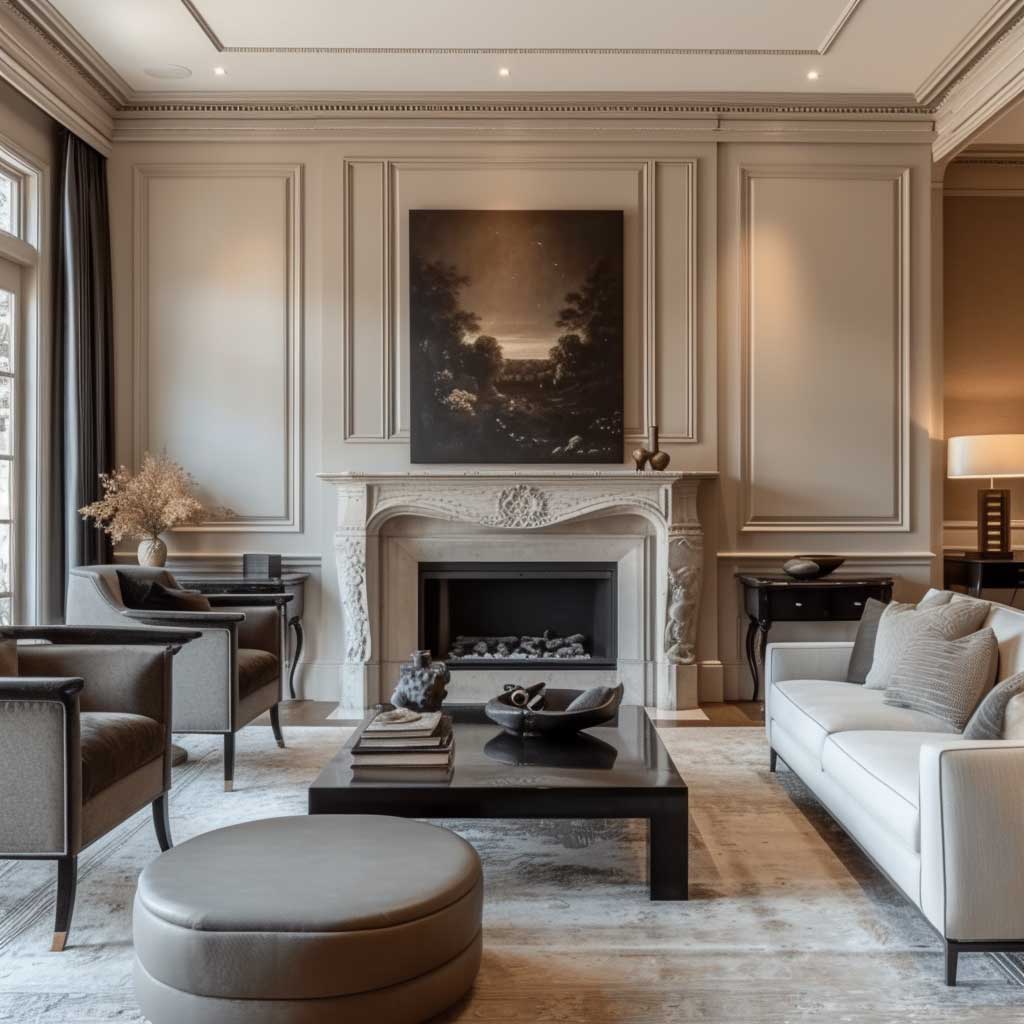
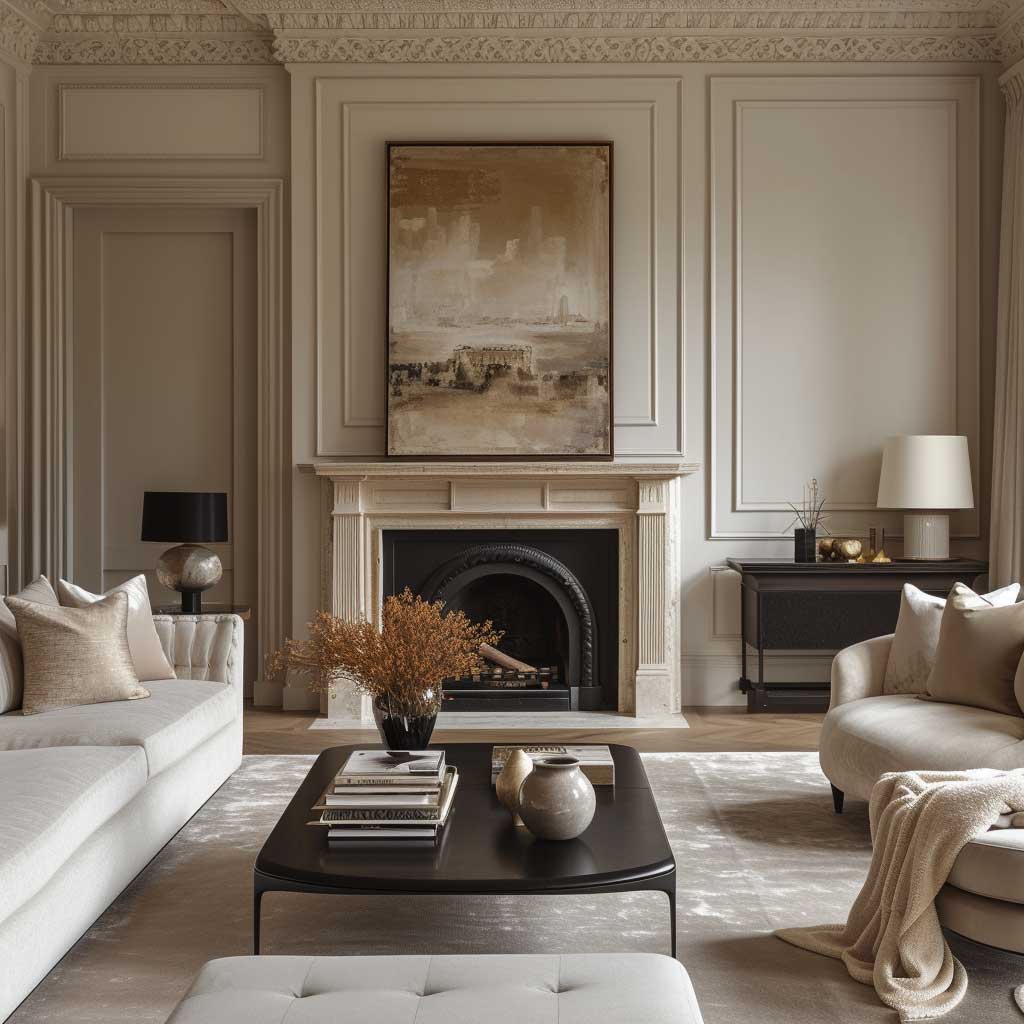
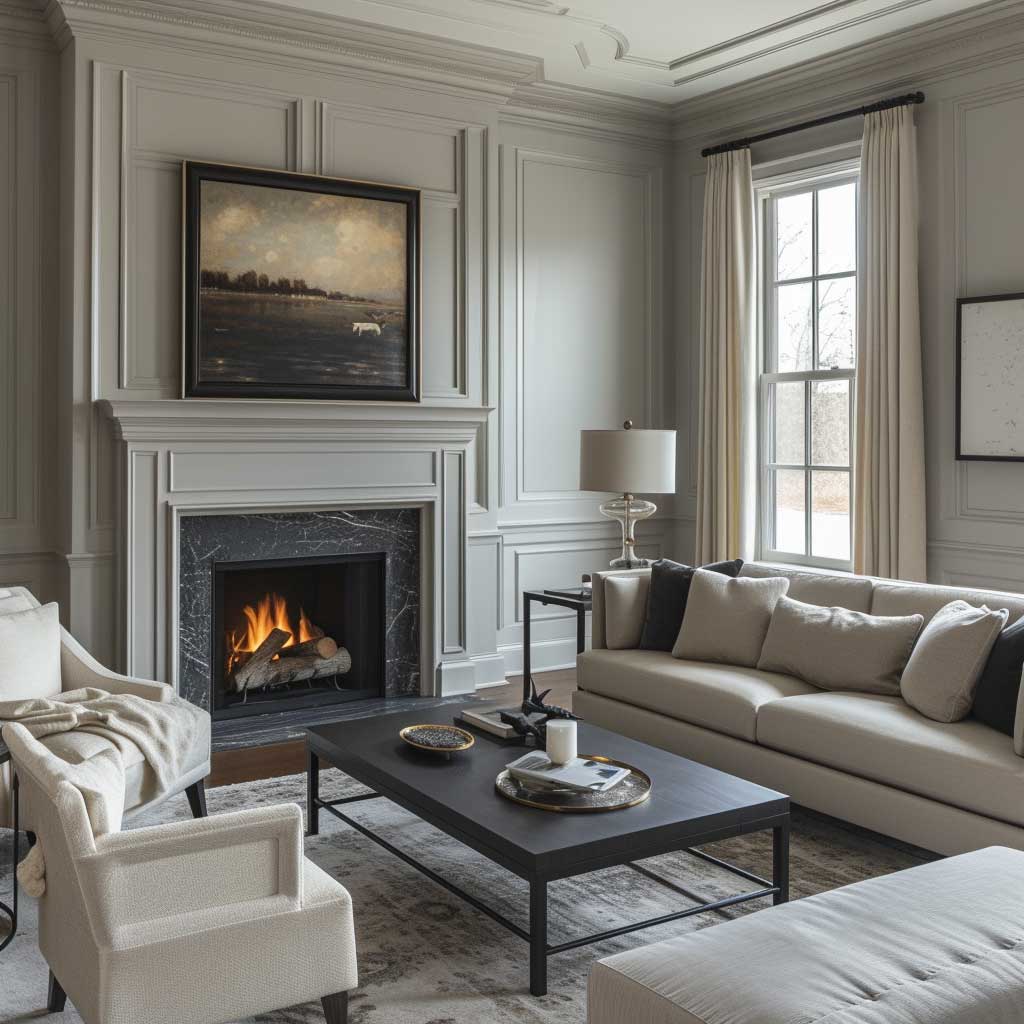
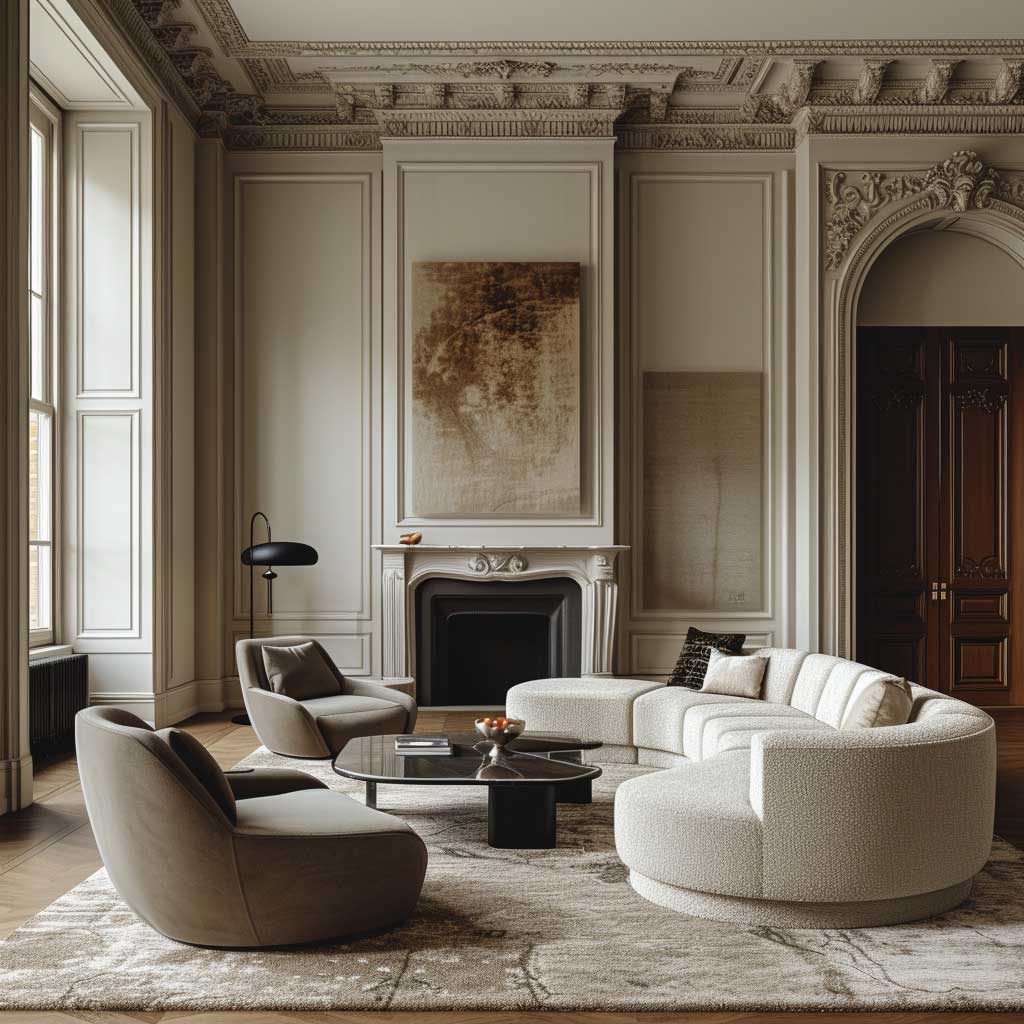
Classic design for living room walls almost always begins with soft white, warm gray, or muted beige. These tones act like a quiet stage so moldings, art, and furniture can take the spotlight. Rooms painted in pure stark white can feel clinical next to traditional architecture; a warmer undertone usually softens the contrast.
How much pattern is safe? Keep large surfaces solid and introduce pattern only in pillows, a single rug, or window treatments. A common mistake is covering every surface in busy prints—that approach quickly overwhelms the calm the style needs. Limit strong pattern to two or three items so the eye can rest.
Layering is the real secret. A wool or jute rug underfoot, linen or velvet pillows, and medium-weight drapery add the softness modern pieces sometimes lack. Quality area rugs for a typical living room size start around $200–$600 for solid mid-grade options and climb higher for handmade pieces, based on retailer ranges.
Lighting That Bridges Eras Without Clash
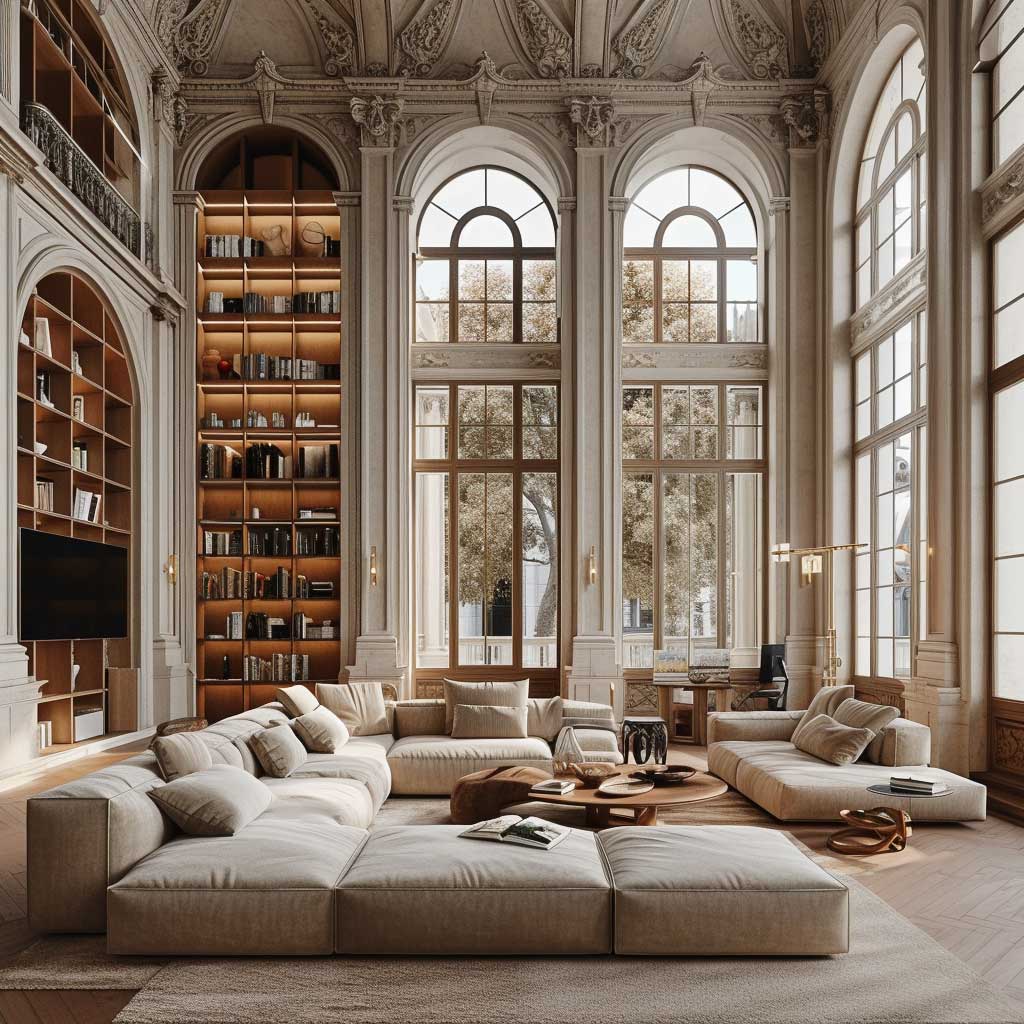
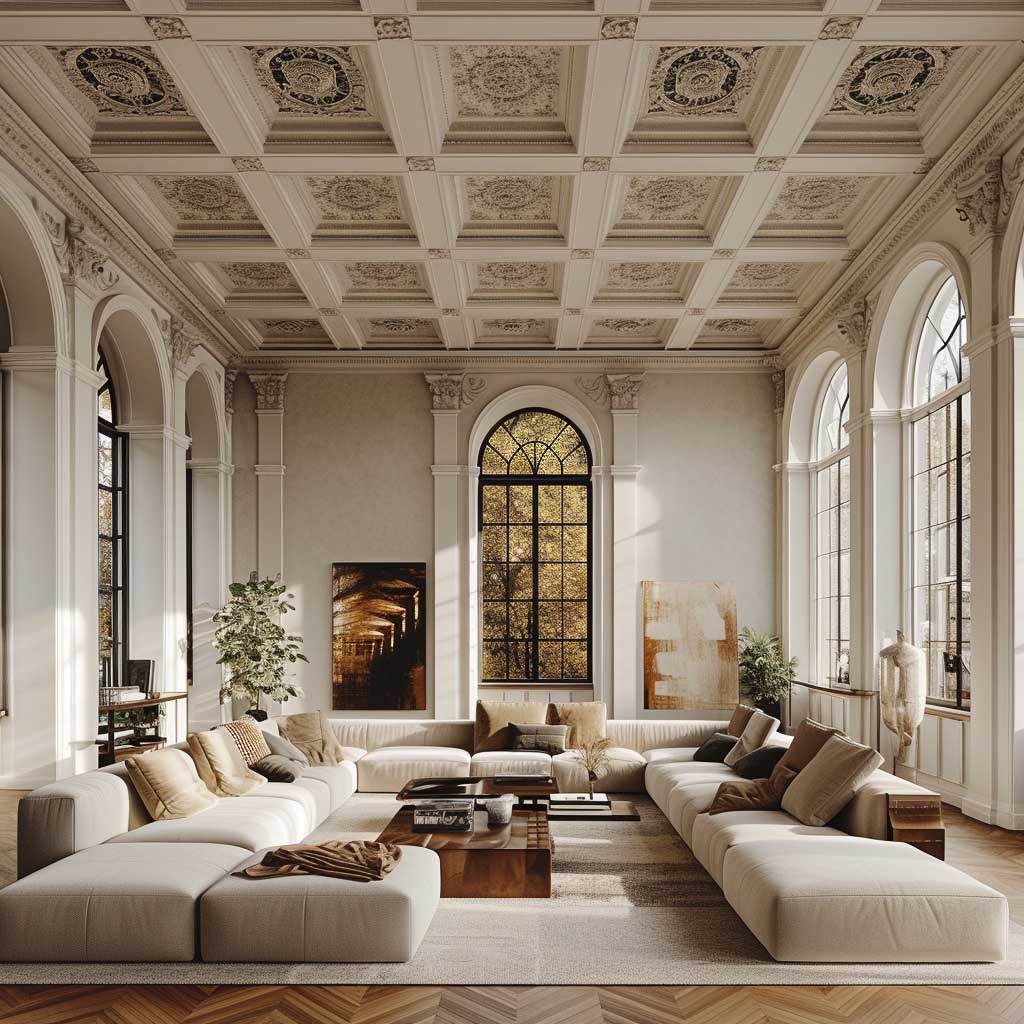
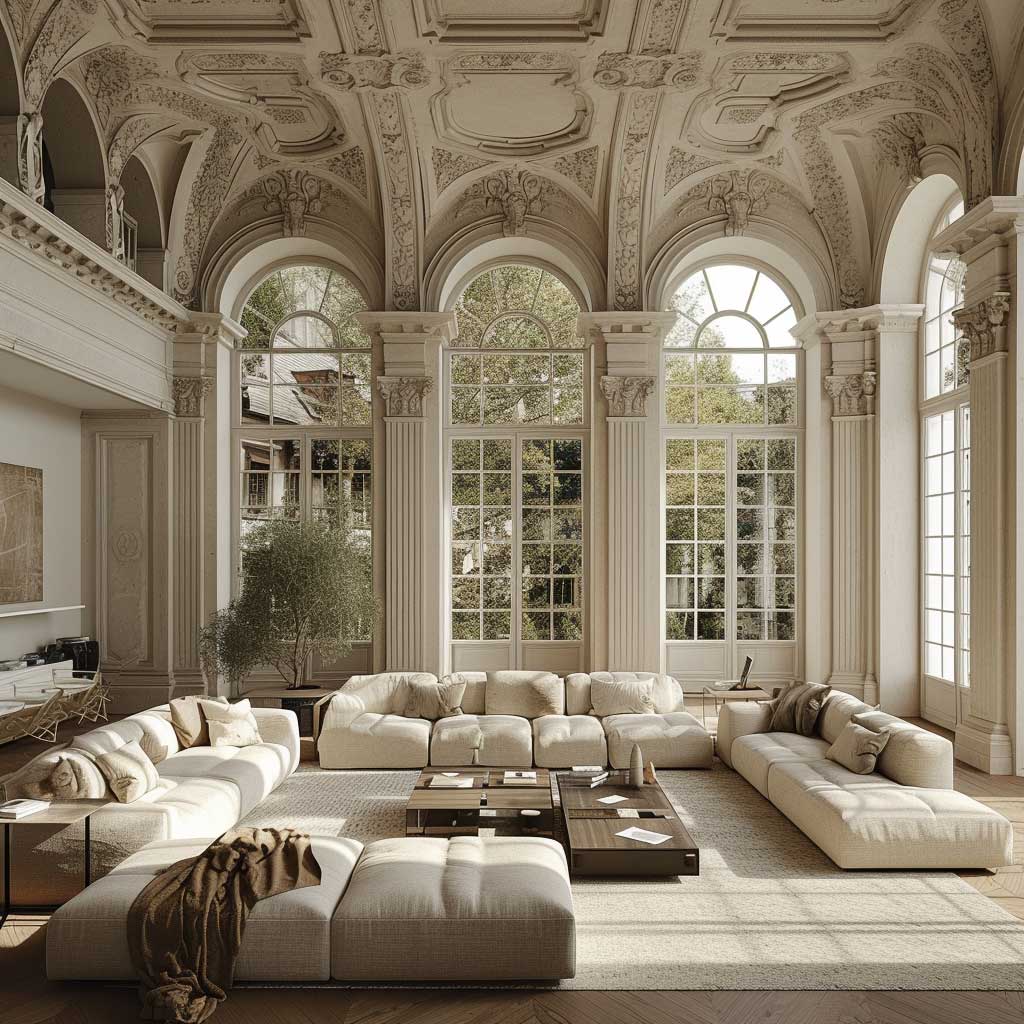
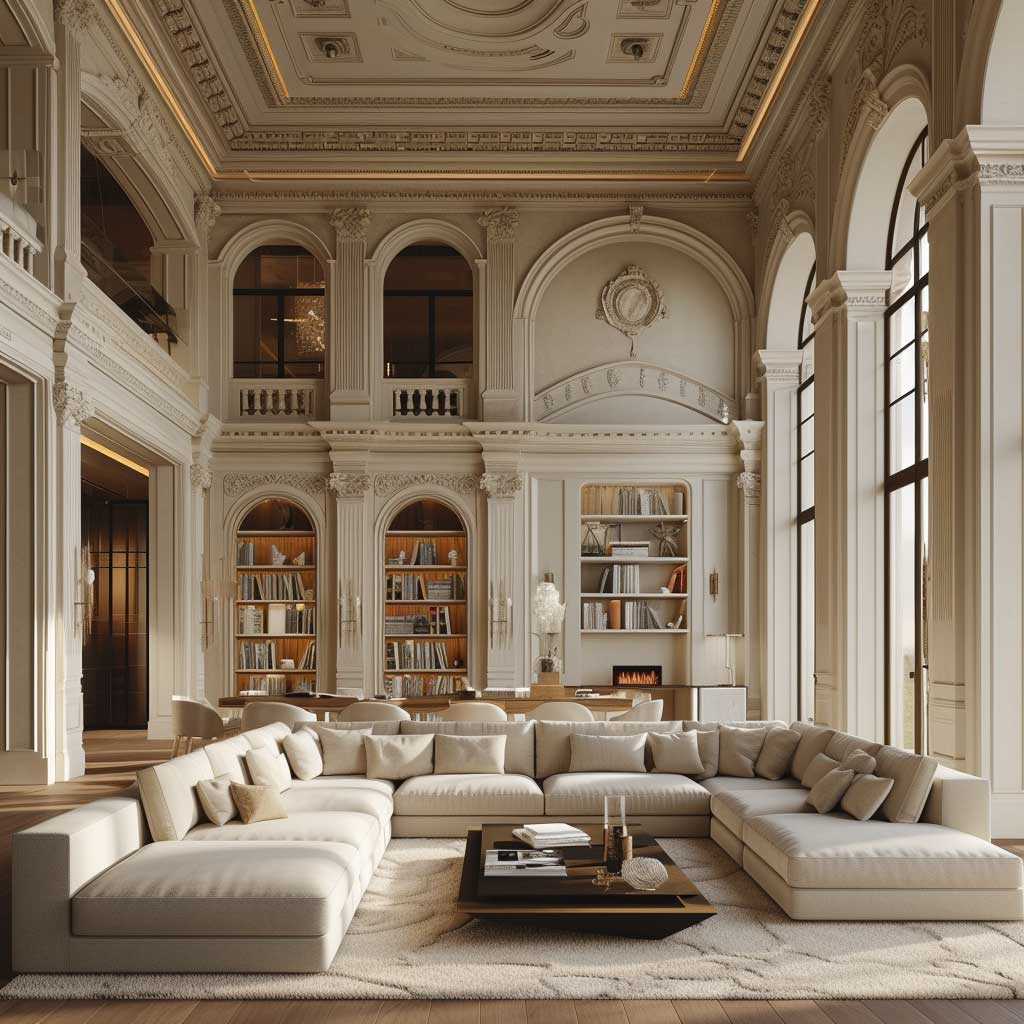
Living room classic design relies on layered light rather than a single overhead source. A crystal or glass chandelier can sit above a clean-lined seating group without looking costume-like if the rest of the fixtures stay simple. Floor lamps with slim metal stems or ceramic bases keep the modern side visible.
Do not hide every wire or junction box if it means damaging original plaster or moldings. Work around existing architecture instead of forcing recessed lights into every ceiling. Many designers recommend at least three light sources in a living room so the space can shift from bright daytime to softer evening mood.
Think of lighting like seasoning: too little leaves the room flat, too much makes every surface compete. Dimmer switches on the main fixture give flexible control and cost little to add during a simple electrical update.
Architectural Features Worth Keeping Intact
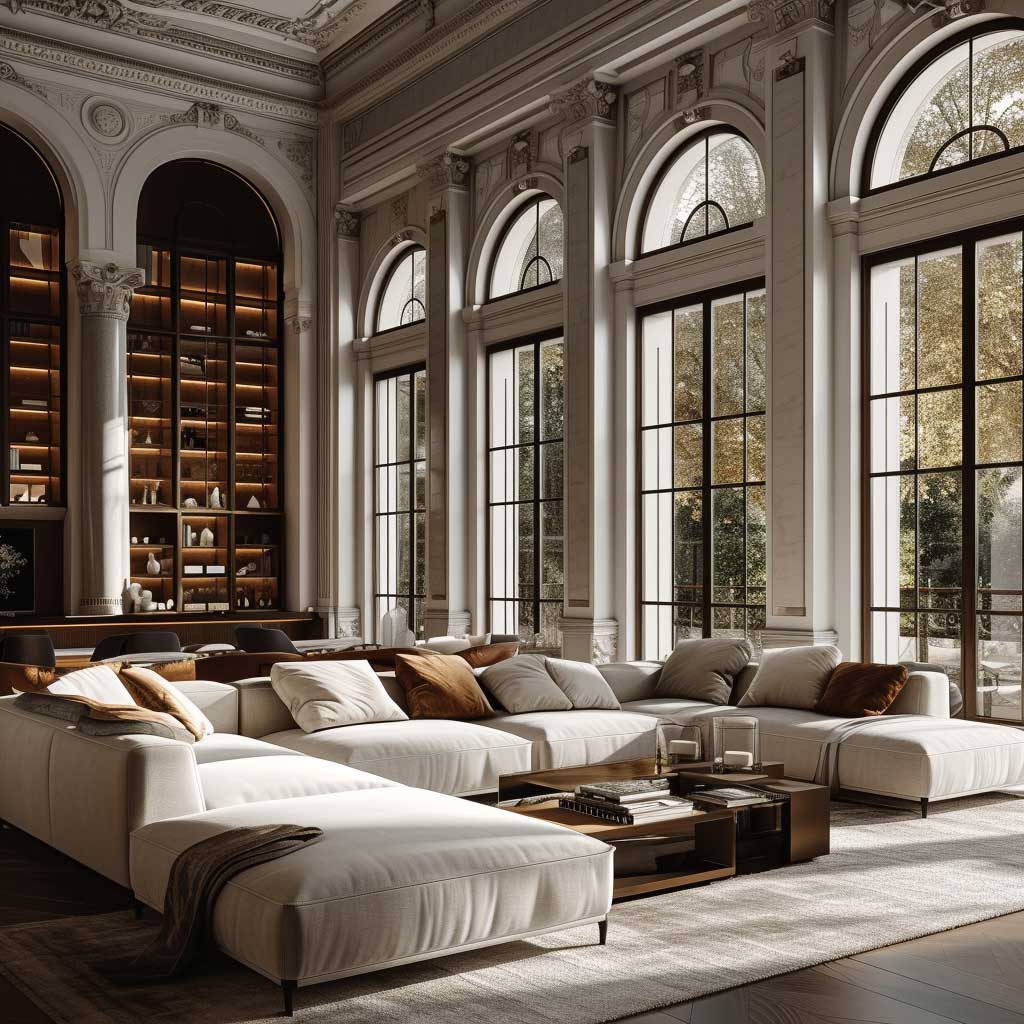
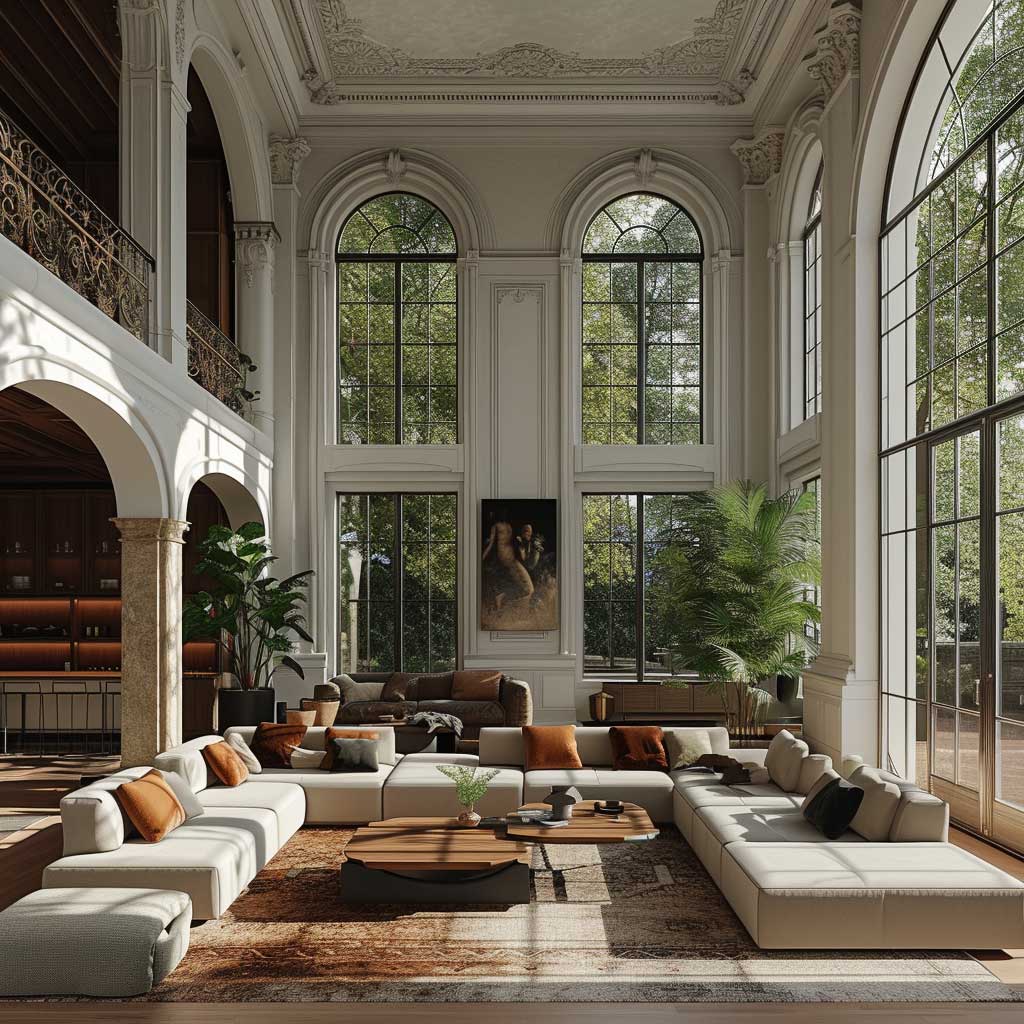
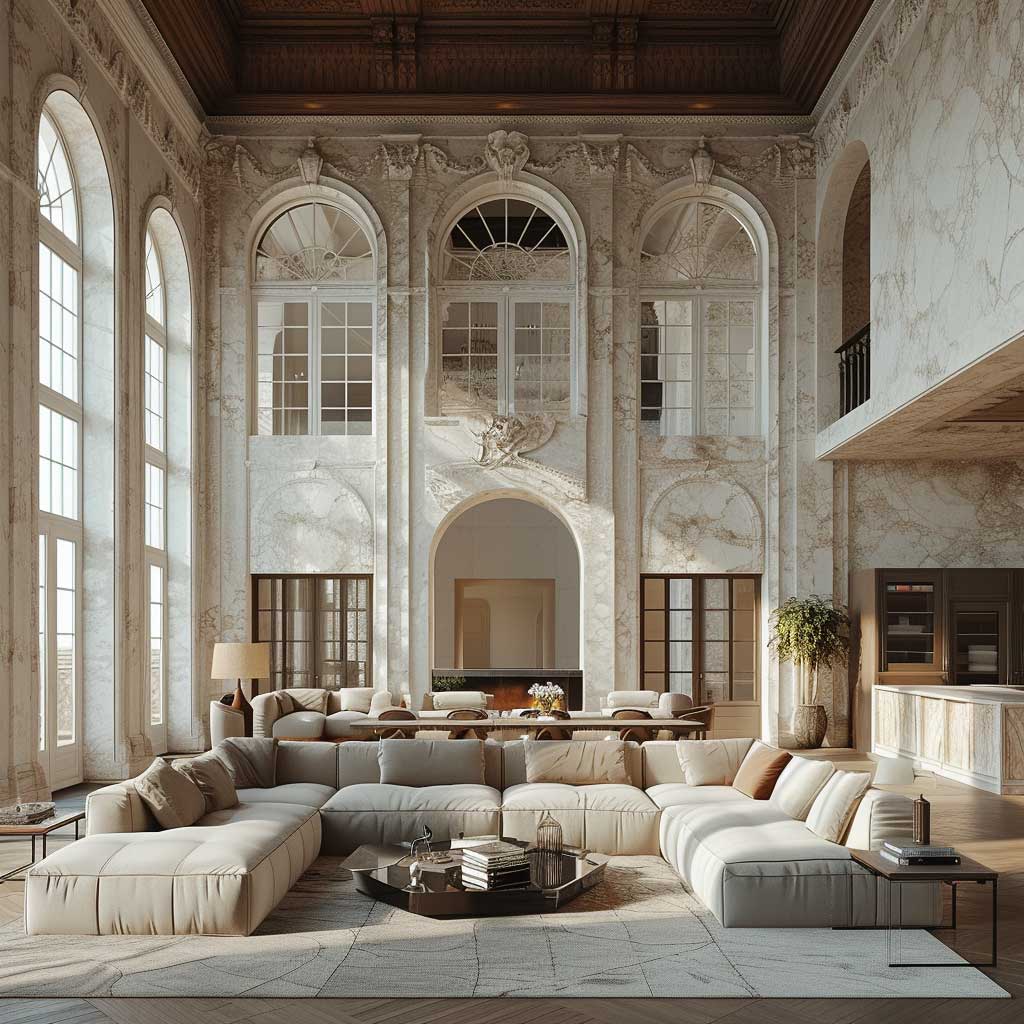
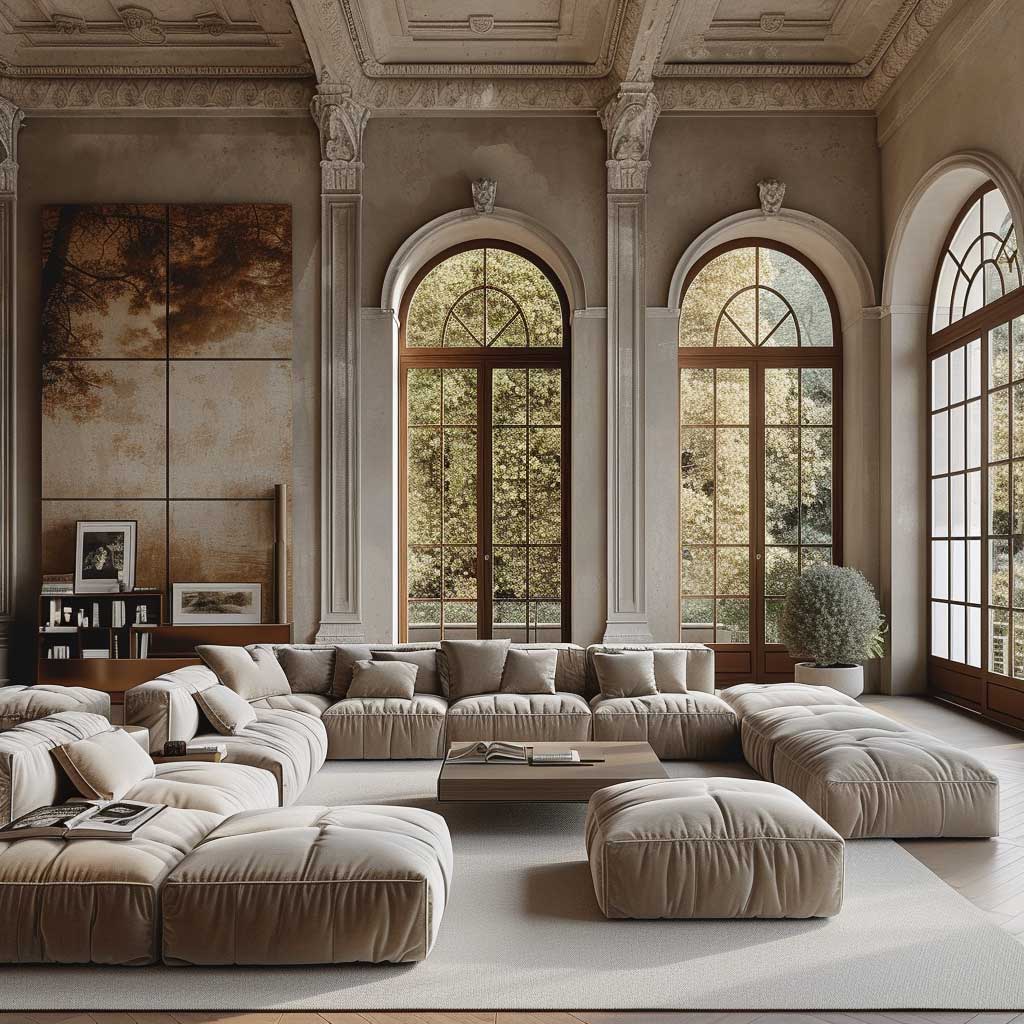
Contemporary comfort in a time-honored setting starts by protecting what already works. High ceilings, crown moldings, and an original fireplace give the room instant gravity that new construction rarely matches. Covering or removing these elements usually costs more later than working with them now.
Furniture with low backs and open legs lets the architecture remain visible. Tall, bulky sectionals can swallow moldings and make the room feel smaller. When the architecture is strong, let it lead and keep upholstery quieter in both color and shape.
Smart home devices and media systems can hide inside existing cabinetry or behind simple panels so they do not interrupt the classic lines. The goal is everyday function without the visual noise of exposed wires and black boxes.
Art and Objects That Create Visual Tension
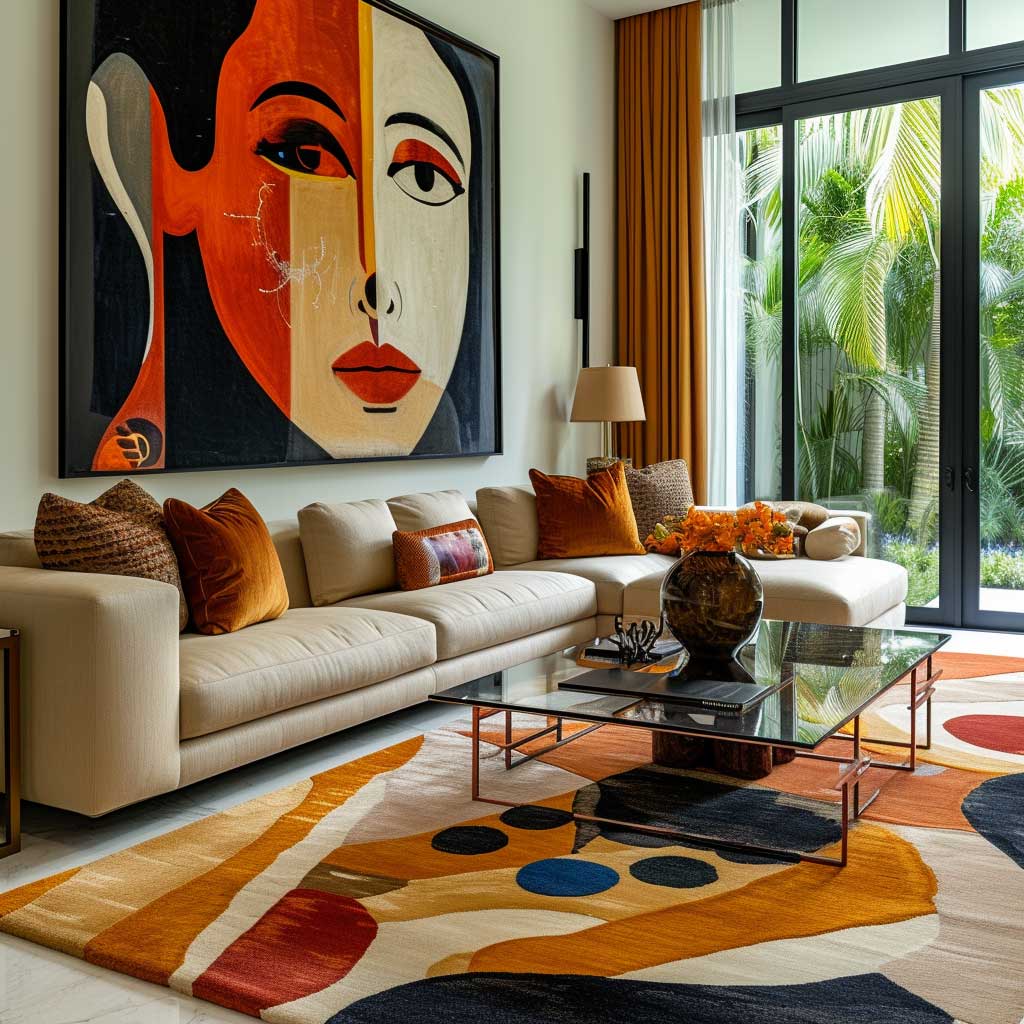
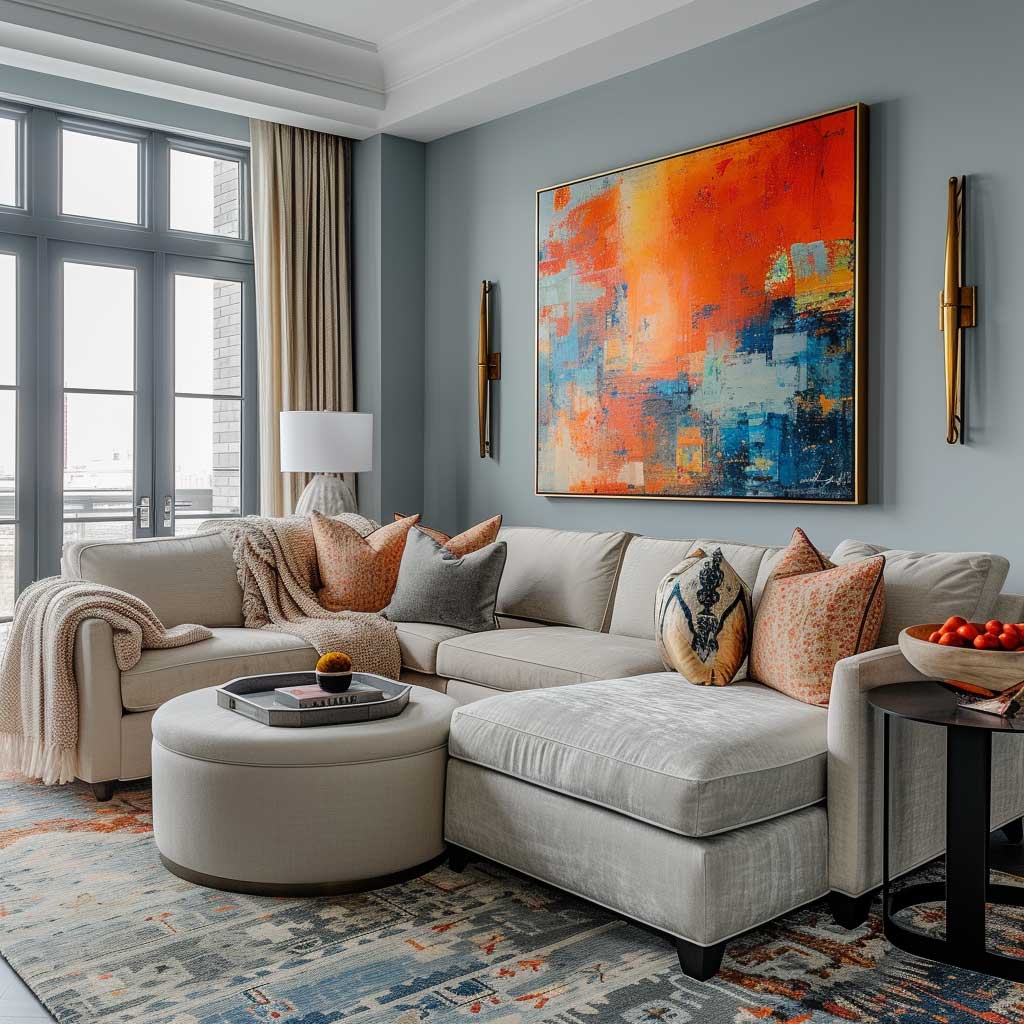
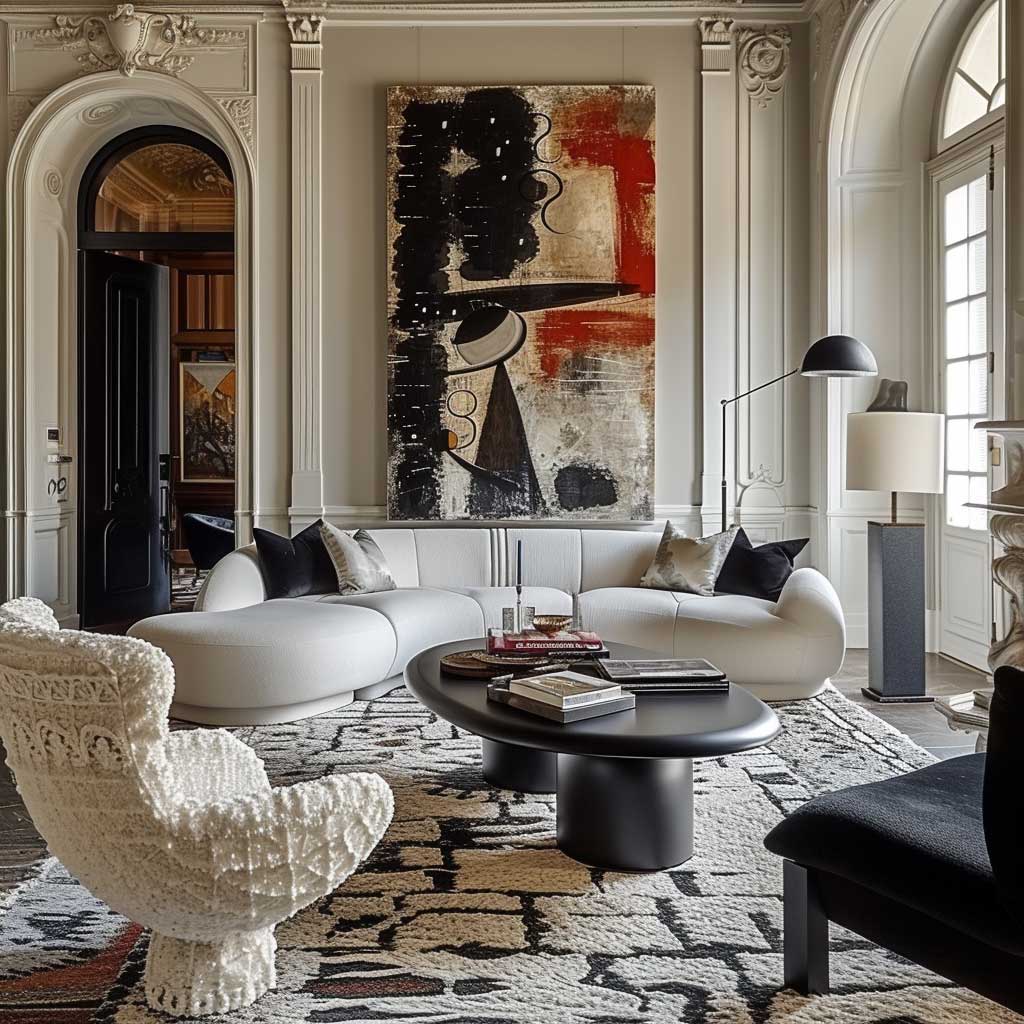
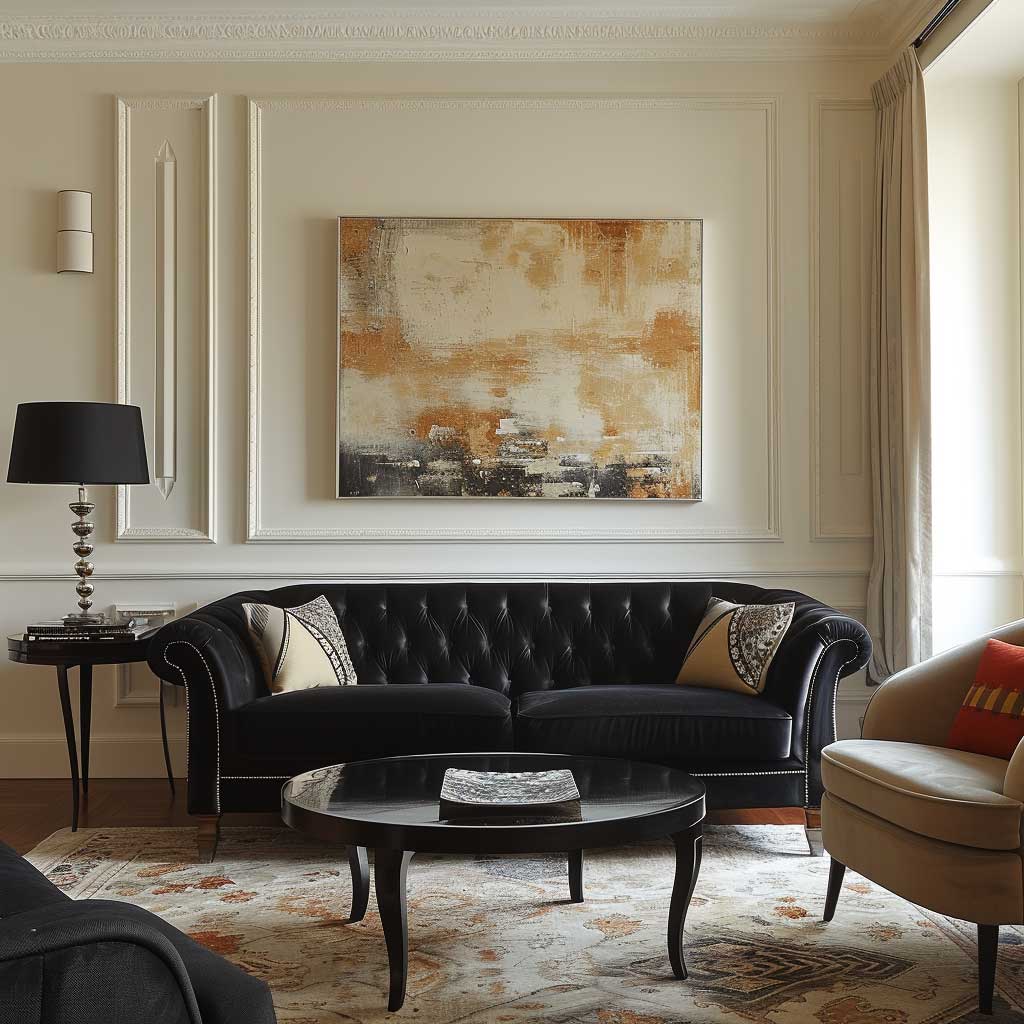
Harmony of modern artistry and classic sophistication appears most clearly when a strong contemporary painting or sculpture faces traditional furniture. The contrast keeps the room from feeling locked in one decade. Choose one large piece rather than a wall of small frames so the statement stays clear.
What happens if every object tries to be special? The space turns restless. Select a few meaningful pieces—an antique clock, a modern ceramic vase, a single bold canvas—and leave breathing room around them. Empty surface area is part of the design, not a failure to fill.
Rotate smaller objects seasonally if the room starts to feel static. A change of throw pillows or a new stack of books can refresh the look without buying new furniture. This light-touch approach keeps the modern classic living room current over years rather than months.
Textiles and Finishes That Add Depth
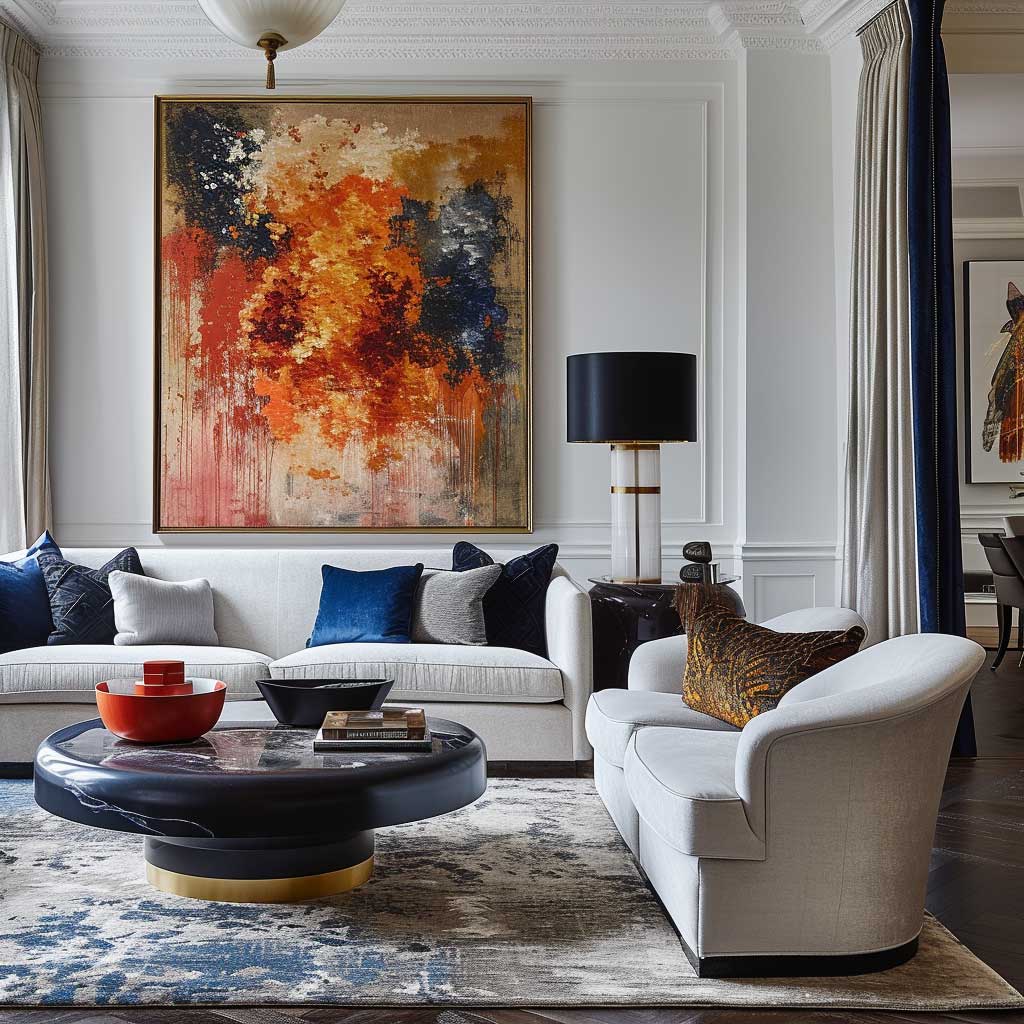
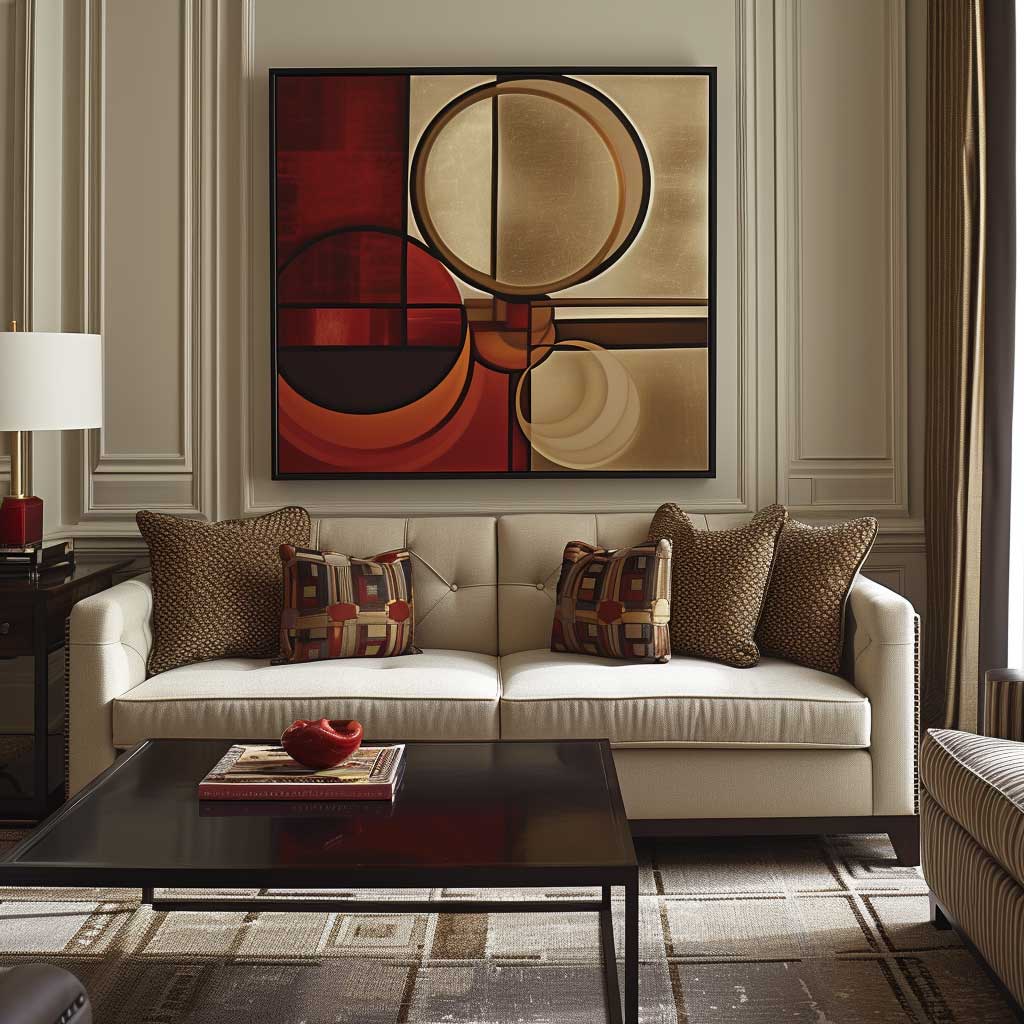
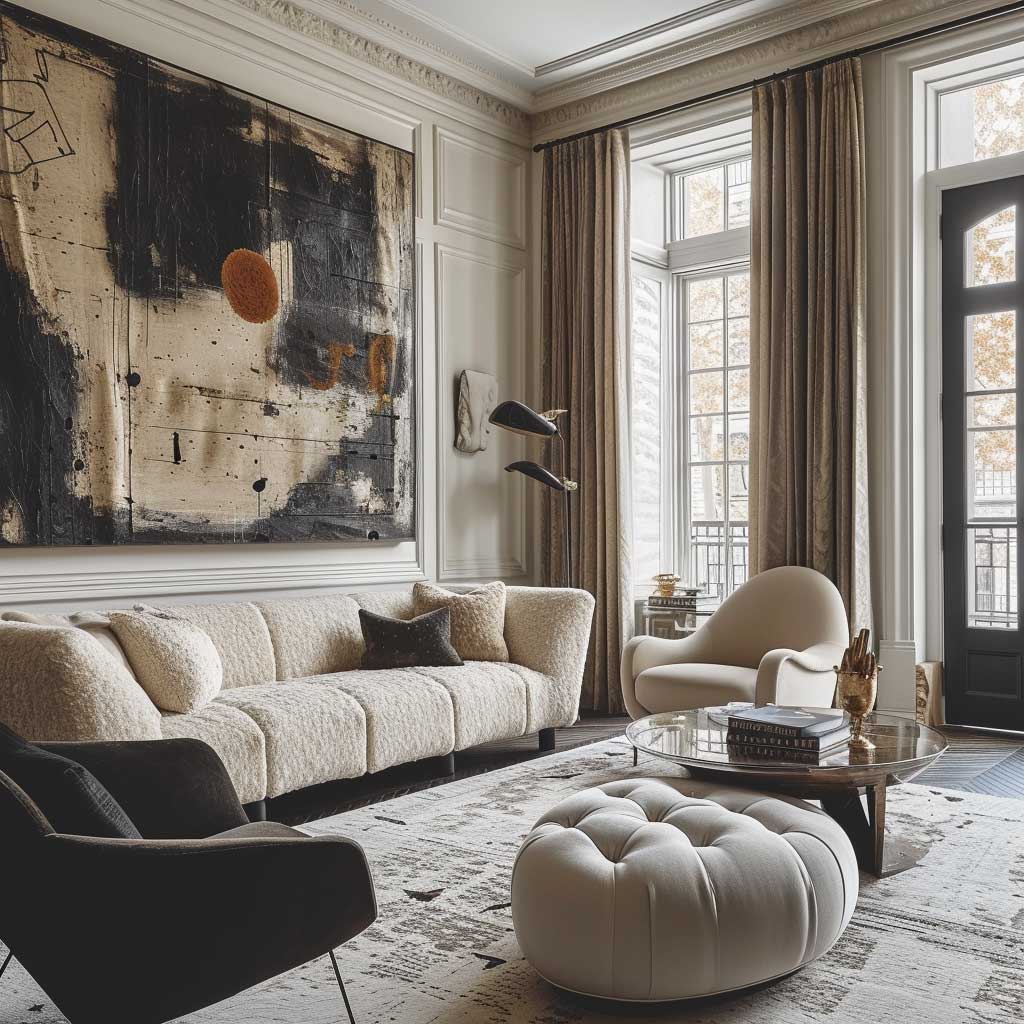
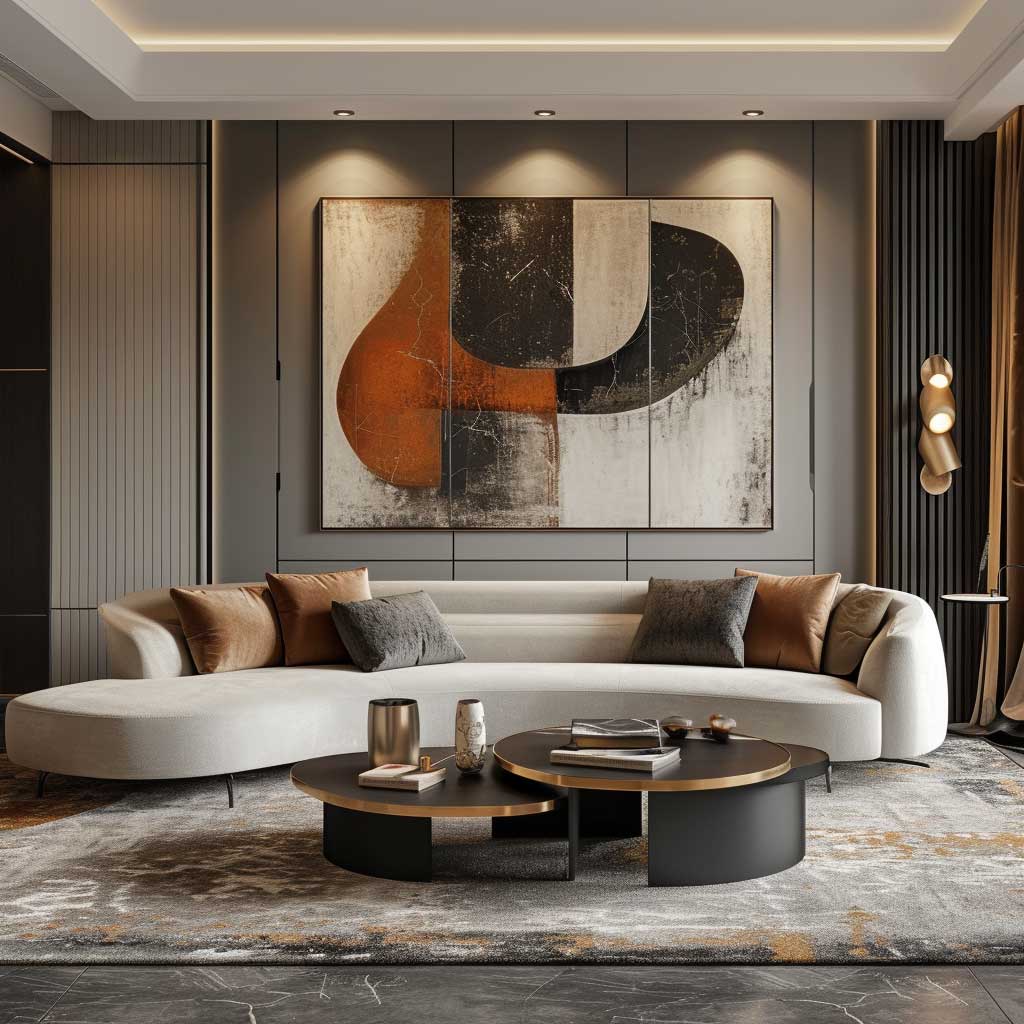
Classic style living room textiles work best when they contrast with the furniture frames. A velvet pillow against a linen sofa or a silk-like drape beside a metal lamp base creates the tactile interest the style needs. Avoid matching every fabric to the same exact shade—small shifts in tone look richer.
Skip the matching furniture set entirely. Buying an entire suite in one finish flattens the room and removes the collected quality that makes modern classic interiors interesting. Mix one wood tone with painted pieces or metal legs for better visual rhythm.
Performance fabrics with stain resistance have improved significantly and now appear in many mid-range collections. Choosing them for high-use seats protects the investment without sacrificing the soft hand that classic fabrics traditionally offered.
Practical Layout Rules for Daily Living
Modern classic living rooms fail when they look good in photos but frustrate daily movement. Keep clear paths of roughly 30–36 inches between major pieces so people can walk without turning sideways. Position the main seating so conversation happens face-to-face rather than side-by-side only.
Storage should stay mostly invisible. Built-in cabinets or a low console with drawers hide remote controls, chargers, and books better than open shelves stacked with decor. The cleaner the surfaces remain, the more the architecture and carefully chosen objects stand out.
Test the seating for actual comfort before committing. A sofa that looks perfect but has a shallow seat or stiff back will push people to other rooms. Sit for at least ten minutes in the showroom or at home if possible—comfort is part of the style, not an afterthought.
| Element | Modern Approach | Classic Approach | Balanced Mix |
|---|---|---|---|
| Sofa | Low profile, clean arms | Tufted, rolled arms | Streamlined frame with soft cushions |
| Lighting | Simple pendant or floor lamp | Crystal chandelier or sconces | One ornate fixture + simple supporting lights |
| Color | Pure neutrals or bold accents | Rich jewel tones or patterned walls | Warm neutrals with limited accent color |
| Art | Large abstract or photography | Traditional portraits or landscapes | One strong contemporary piece against classic furniture |
Common Mistakes That Undermine the Style
The biggest error is treating the room as a museum of either pure modern or pure traditional pieces. Too many ornate items tip the scale toward period décor; too many hard surfaces tip it toward gallery coldness. Aim for a clear majority of one language with deliberate accents of the other.
Another frequent misstep is ignoring scale. A tiny vintage table next to an oversized sectional looks accidental rather than intentional. Measure both the room and the furniture footprint before buying so proportions feel considered rather than forced.
Finally, avoid covering every surface with accessories. Negative space is essential. When every shelf and table is full, the eye has nowhere to rest and the blend of styles becomes noisy instead of refined.
Choosing Pieces That Last Beyond Trends
Furniture built with solid frames and quality joinery outlasts trend-driven pieces that rely on particleboard and staples. Look for hardwood frames and high-density foam that recovers shape after use. These construction details matter more than the current finish color.
For more ideas on balancing styles in adjacent rooms, explore modern farmhouse living room ideas that share a similar respect for practical comfort and timeless materials.
When selecting window treatments, medium-weight fabrics that hang in clean folds usually work better than heavy formal swags or ultra-sheer panels alone. They filter light, add softness, and still read as contemporary when cut simply.
Putting the Look Together Without Overwhelm
Start with the largest pieces and the wall color. Once the sofa, main chairs, and paint are set, the smaller decisions become easier. Introduce one classic element at a time and step back to evaluate the balance before adding the next.
If the room still feels incomplete, check lighting and textiles first rather than buying more furniture. Better light and softer layers often solve the problem more effectively than another chair or table.
For additional guidance on cohesive home styling, see minimalist living room ideas that emphasize clarity and intentional selection—qualities that also strengthen a modern classic space.
A Living Room Built for Real Days
A successful modern classic living room feels calm the moment you enter and remains useful long after the initial setup. The style rewards restraint, good proportions, and a few carefully chosen contrasts rather than constant addition of new pieces.
Keep the palette quiet, protect existing architectural character, and mix furniture eras with purpose. Lighting and textiles do more work than most people expect—invest there early.
Measure for movement, test seating for comfort, and leave some surfaces empty. These practical habits protect the refined look while making the room easy to live in every day.
When the balance feels right, the space stops reading as a style exercise and simply becomes a comfortable, polished room that holds up over time.
Complete guide
The Living Room Design Ideas Vault Every Home Needs Right Now
Color, walls, furniture, layouts, styles, smart tech — 300+ ideas in one place
You Might Also Like
Related Topics