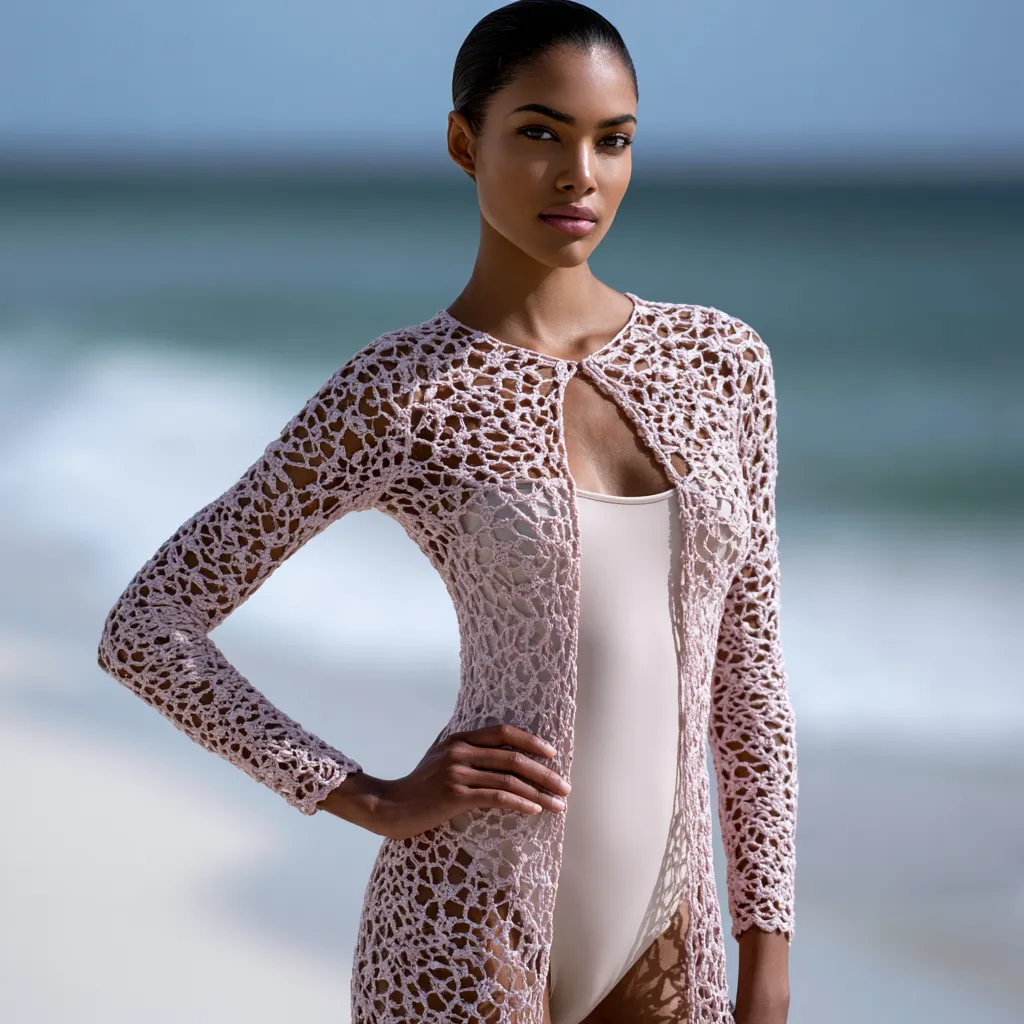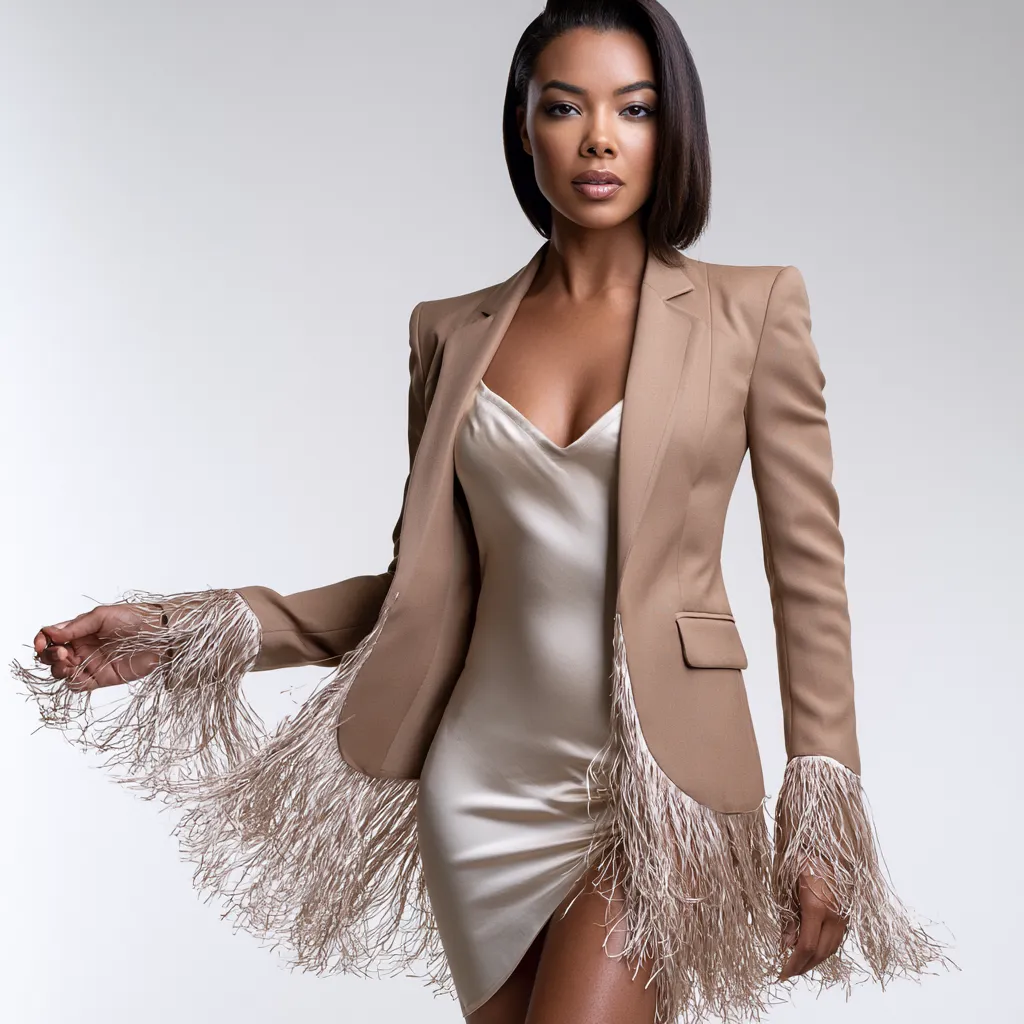
A retro beach outfit does something a plain swimsuit never can — it tells a whole story before you even hit the sand. I’ve worn high-waisted bikinis at Malibu, tie-dye maxis at Costa Rica, neon one-pieces in Miami, and nothing gets more eyes than a look that’s rooted in a specific decade. The 1950s, 1970s, and 1980s each handed us a completely different visual language for the beach, and all three are fully wearable right now.
You’ll notice that most modern “vintage” swimwear misses the point entirely. Throwing on a floral print doesn’t make something retro. The real signatures — cat-eye accessories, tie-dye that actually drips color, neon paired with geometric cuts — require commitment. These nine looks deliver that commitment in full.
Quick Scan: What’s in This Post
- High-waisted polka dot bikinis from the 1950s pin-up era
- Tie-dye maxi dresses for a 1970s bohemian beach look
- Neon one-piece swimsuits straight from 1980s beach fashion
- Exact accessories that complete each era’s aesthetic
- What to skip if you want the look to read vintage, not costume
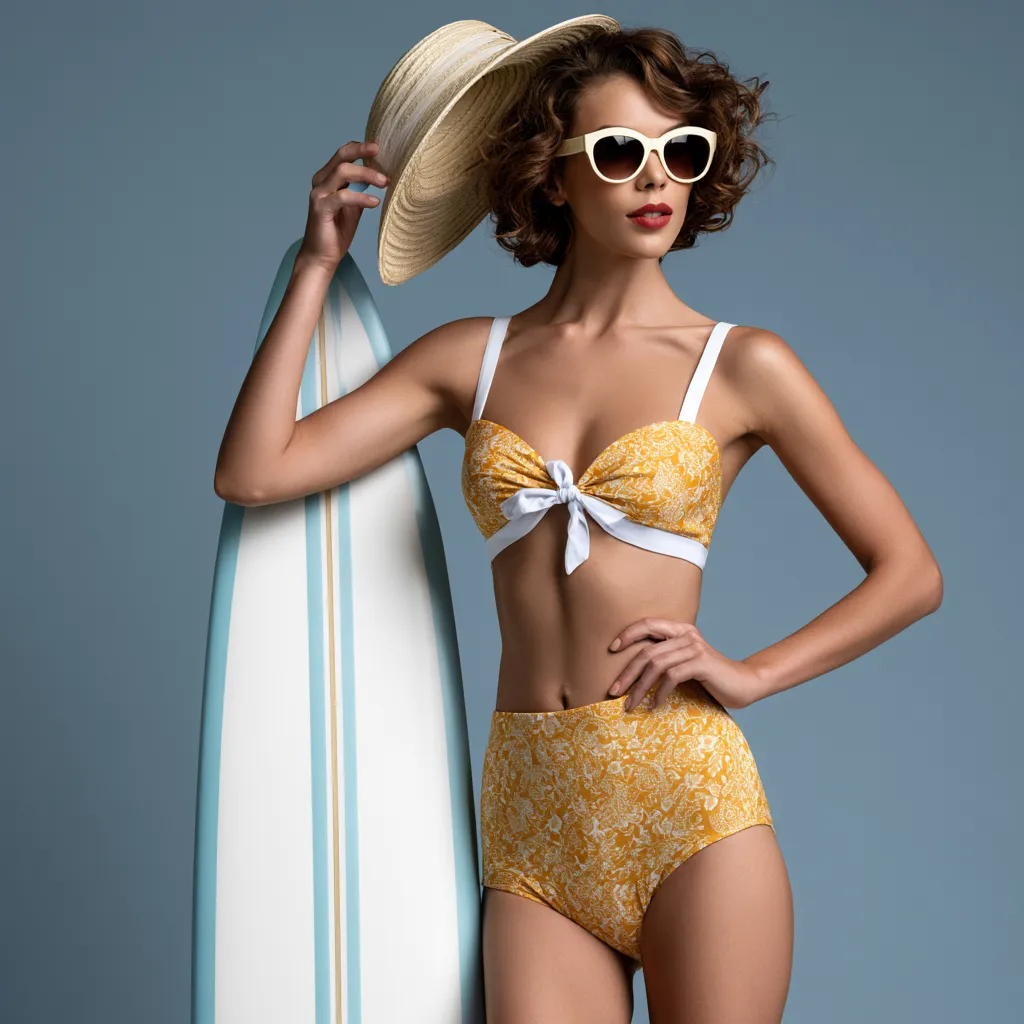
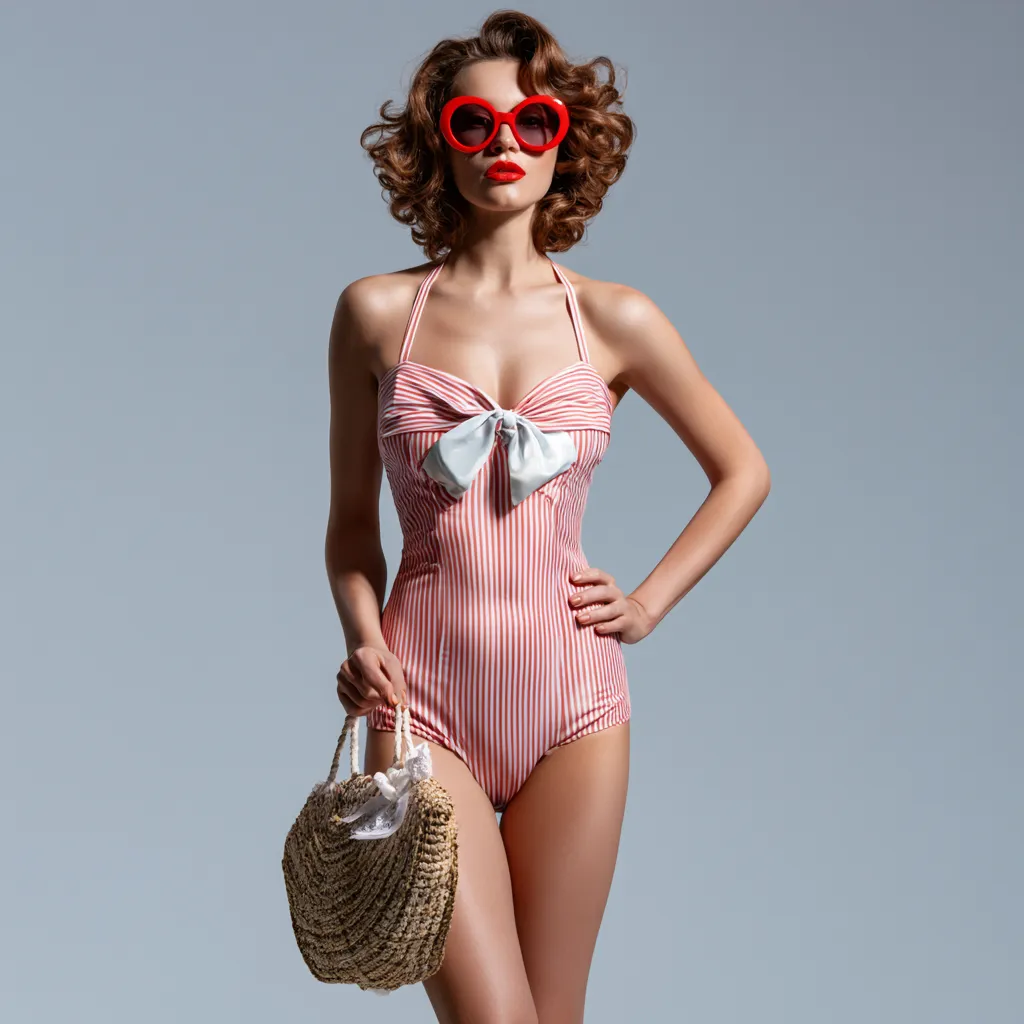
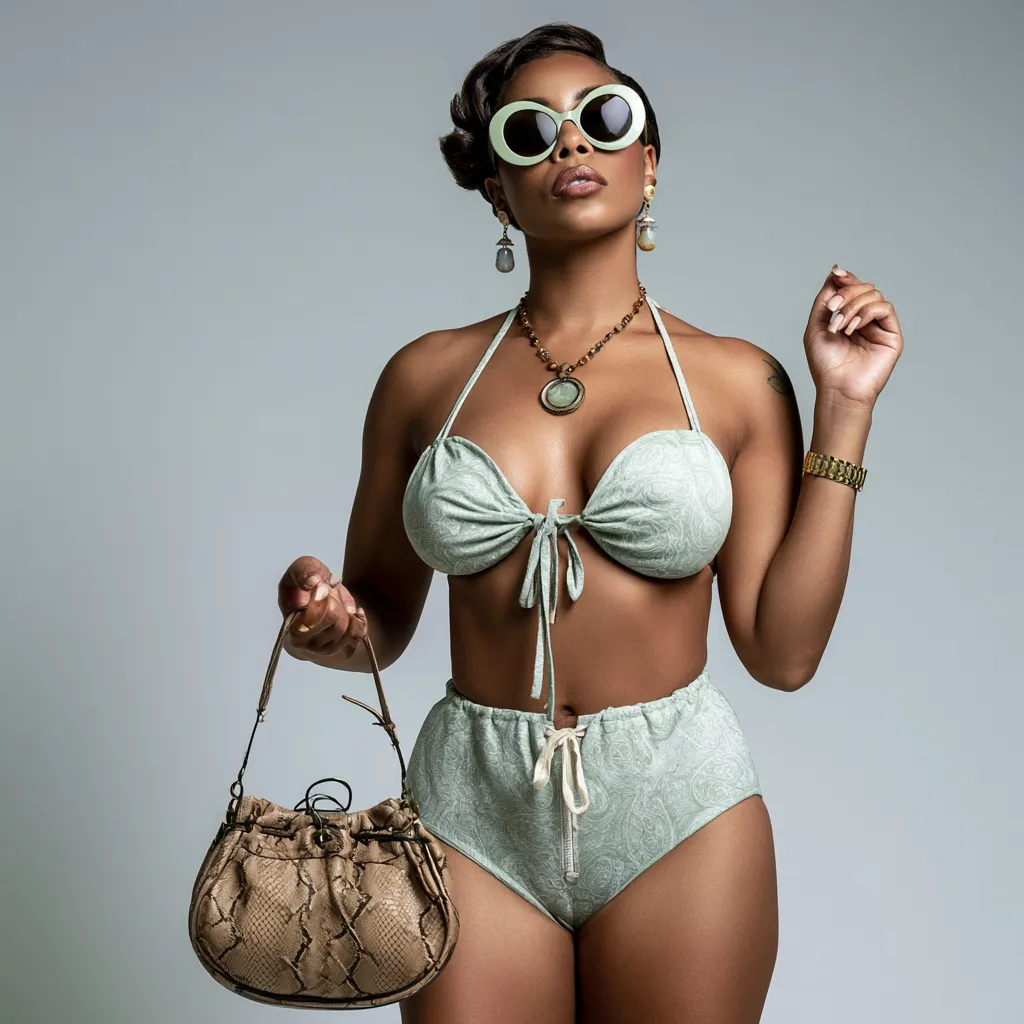
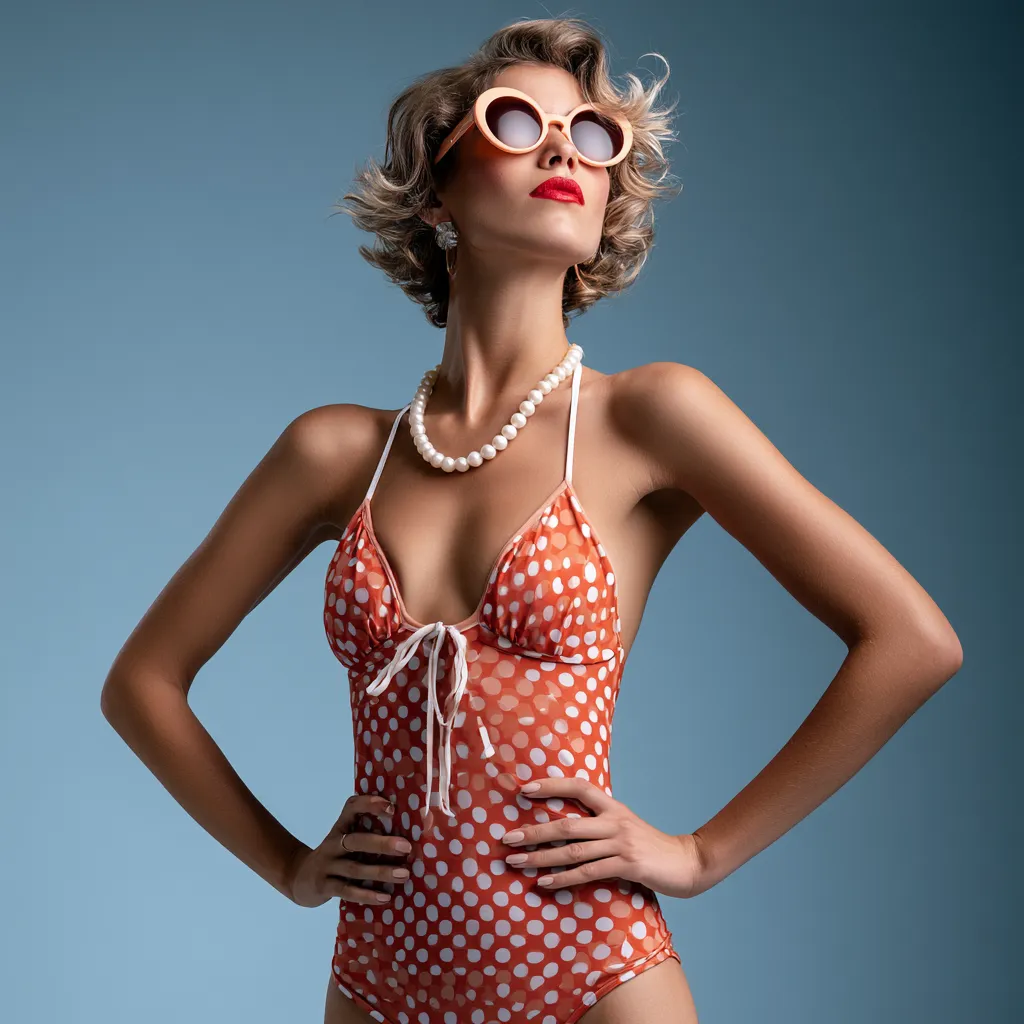
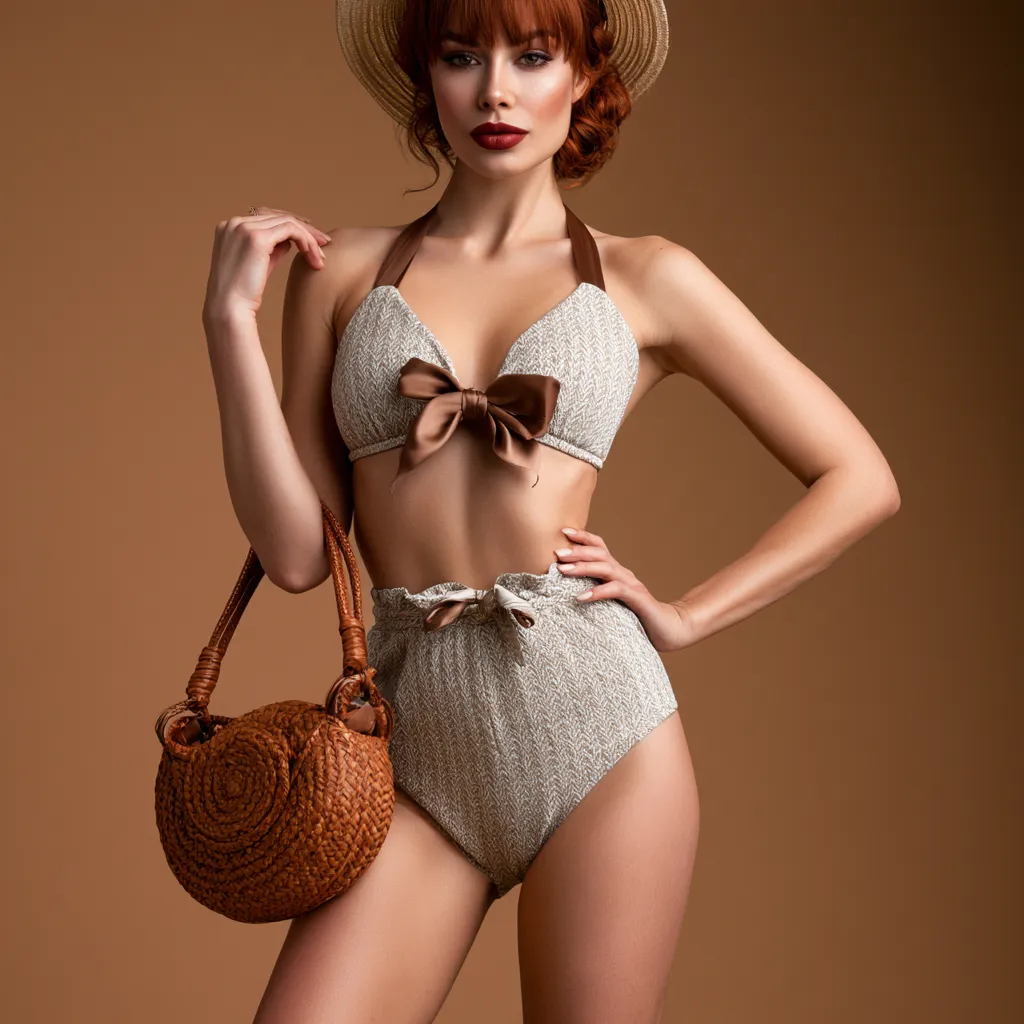
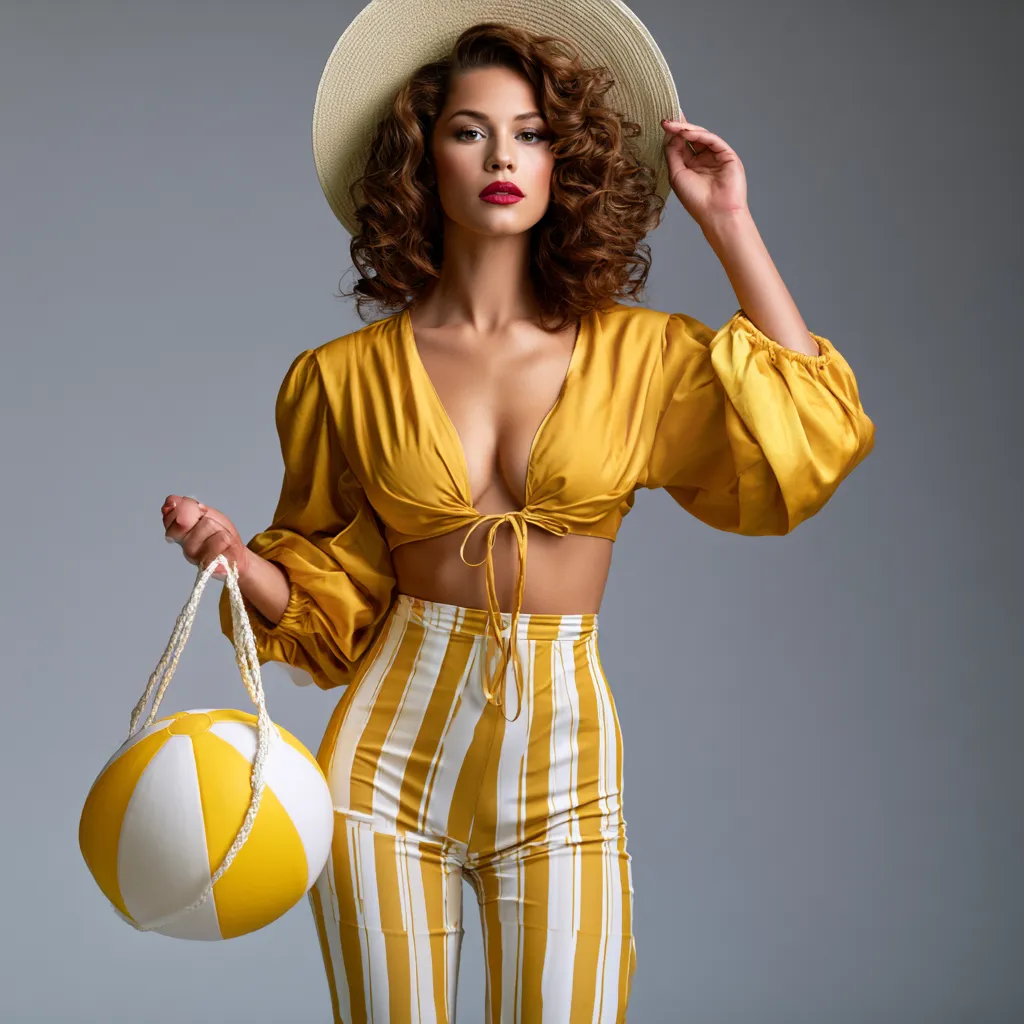
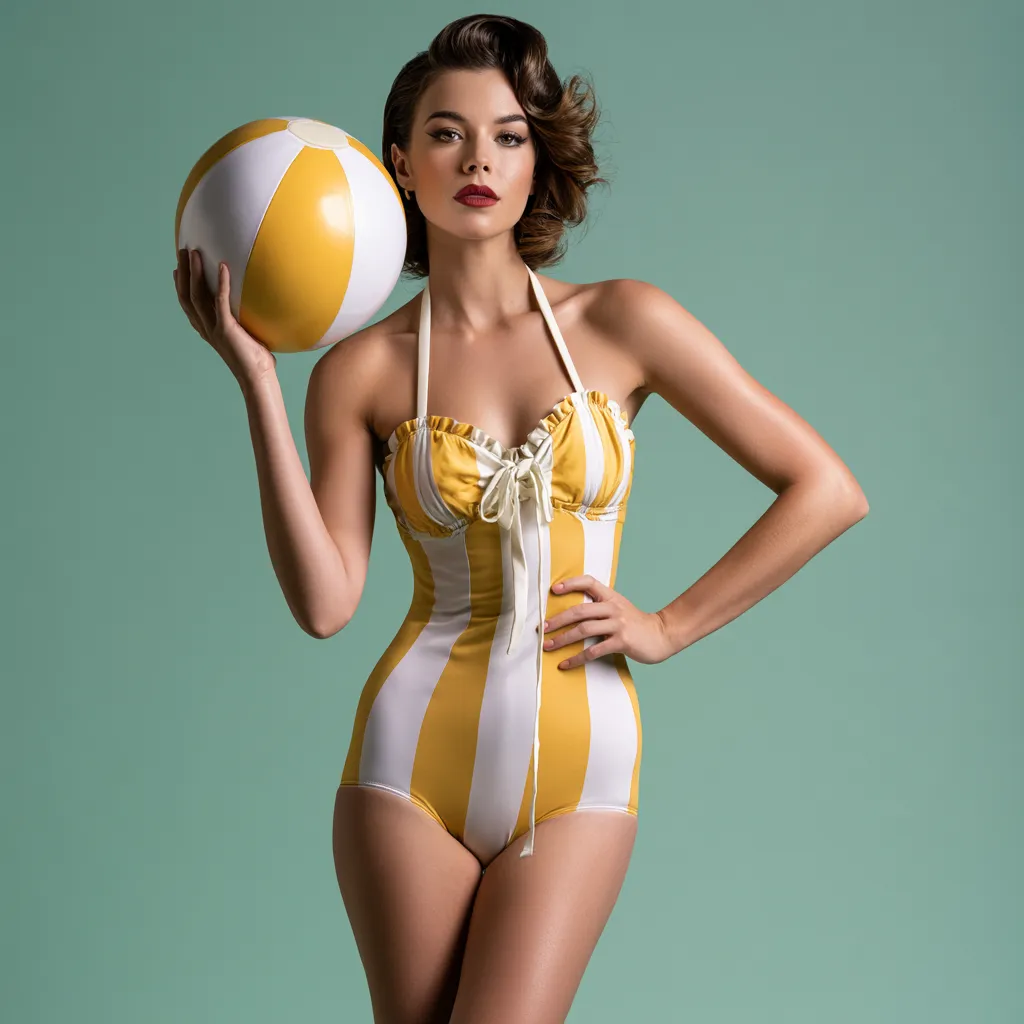
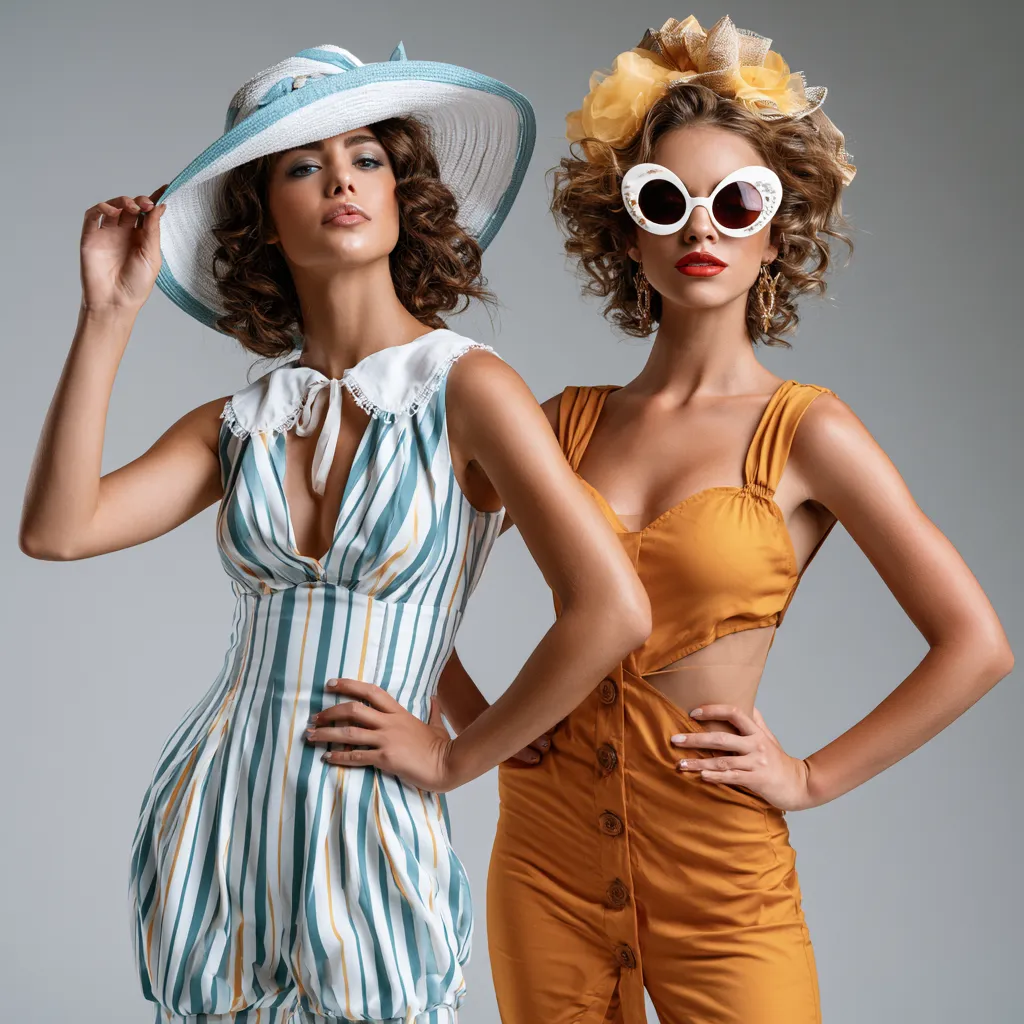
High-Waisted Bikinis Earn Their Rep One Polka Dot at a Time
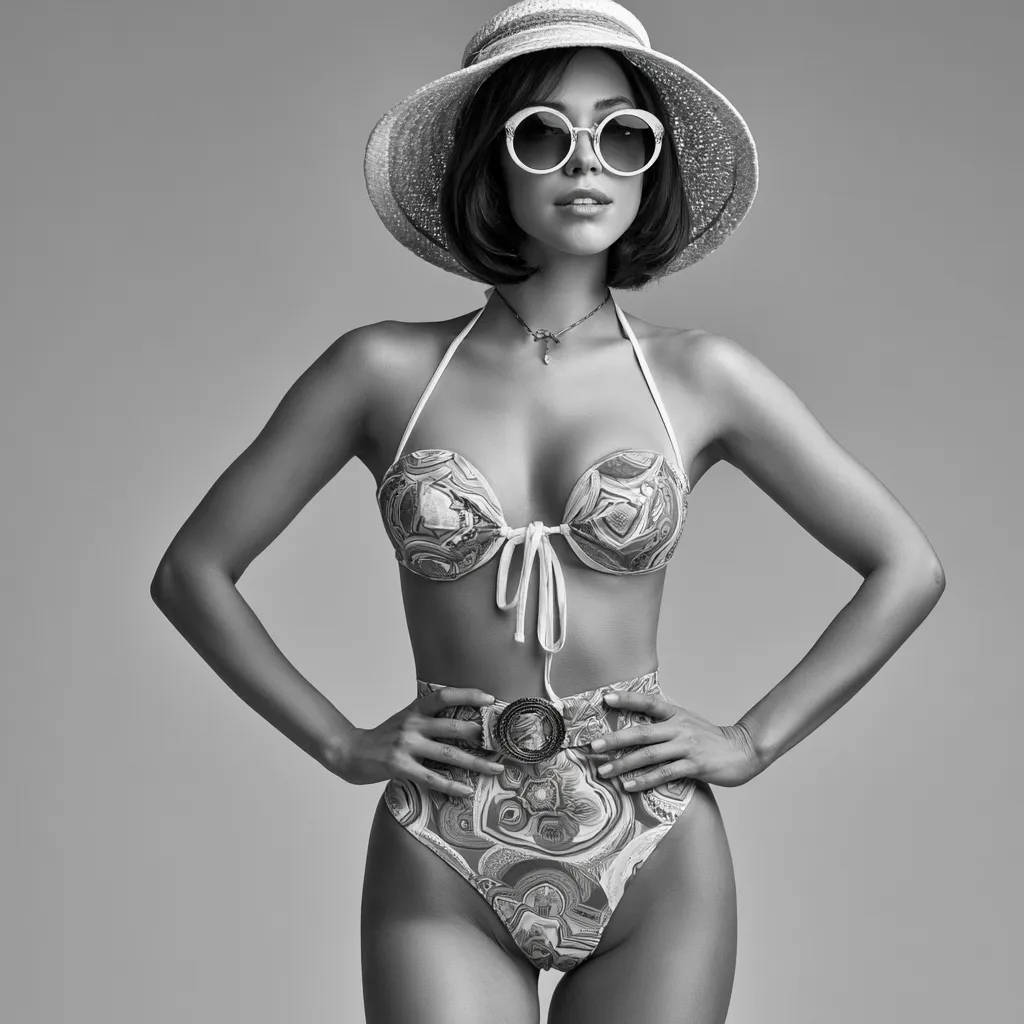
Unique Vintage’s retro two-piece sits around $65–$85 and is the easiest entry point into this look — my go-to order whenever I’m building a 1950s beach outfit from scratch. The high waist does the heavy lifting structurally: it holds the torso, defines the waistline, and gives you the pin-up silhouette without needing any shapewear underneath. Red and white polka dots are the classic call, but I’ve also bought navy-on-cream and it photographs just as sharp.


The accessories are where this look either lands or dies. A knotted headscarf — Etsy has hand-hemmed silk ones for around $18 — tied at the crown turns a regular swimsuit moment into a full editorial. Cat-eye sunglasses from Quay run about $65 and hold the frame of the face exactly the way the era intended. Skip oversized aviators here; they flatten the whole era reference into noise.


Can this swimsuit handle actual swimming? Yes — and that’s underappreciated. The high waist provides compression around the core that low-rise suits don’t, which matters when you’re in the water for real, not just posing. I stole this trick from a surfer I met in Portugal: buy the Rose Marie Reid–inspired styles with boning in the bodice for extra chest support on active beach days. Modern versions from ASOS Curve run $35–$45 and include that structure without the 1950s discomfort.
Tie-Dye Maxi Dresses Work Because the 1970s Understood Fabric Movement
Free People’s tie-dye maxi dresses sit around $128 and are the most-pinned items in my retro beach folder — full stop. The 1970s didn’t just pick bright colors by accident; orange, gold, and deep purple together mimic the exact color cast of late afternoon sun on water. A tie-dye maxi in those shades doesn’t compete with the beach setting. It becomes part of it, like the dress is a natural extension of the landscape rather than clothing sitting on top of it.





What kills this look? Wearing a tie-dye dress that’s too short. The whole power of the 1970s maxi is the ankle-grazing length; a midi-length tie-dye dress just reads as a swim cover-up from Target. You also don’t want it in synthetic fabrics that crinkle — look for viscose or rayon blends that move like water. Pairing this with a wide-brim hat takes the whole boho beach look further, and it’s one of the most underused styling moves I’ve seen.


Footwear: barefoot is always right here, but if you need shoes, Ancient Greek Sandals’ basic leather flat runs about $140 and has the proportions the era calls for. Don’t go with platform espadrilles — they push the look into 2010s festival territory, which is a completely different decade and aesthetic. Keep it flat, keep it natural, keep the focus on the dress.
Neon One-Pieces Are Honest About What 80s Beach Fashion Actually Was
Electric pink. High-cut legs. Geometric panels in contrasting colors. That’s the 1980s beach outfit formula, and it has not aged — it has only gotten more confident with time. ASOS’s neon one-piece selection runs $30–$55 and reliably hits the silhouette right. The decade was bold about color in a way that was almost aggressive, and a neon one-piece at the beach is the visual equivalent of walking into a room and announcing yourself before you’ve said a word.


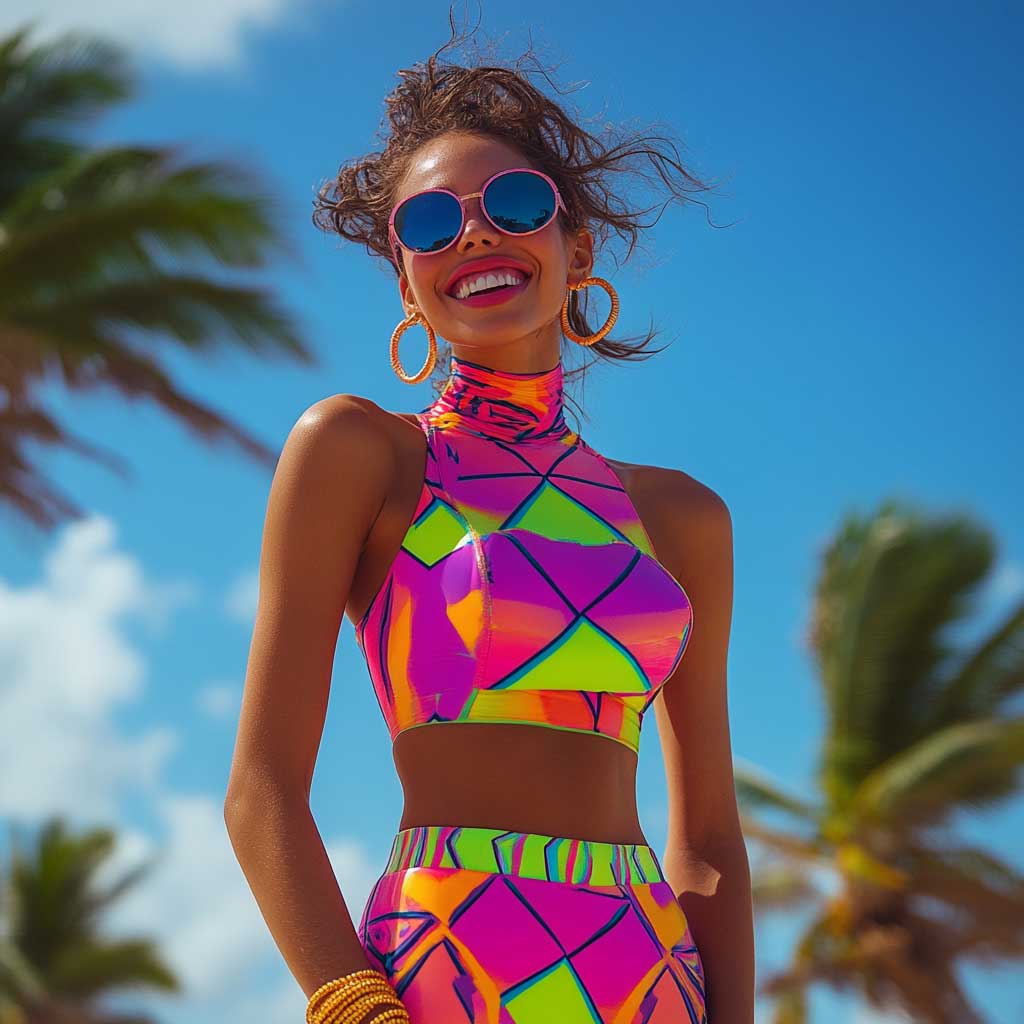


The one thing to avoid with 1980s beach outfits: mixing too many neon colors at once. One dominant neon — pink, yellow, or orange — with black or white contrast panels is the actual 80s formula. When you stack neon green, neon orange, and neon yellow together, you stop looking like the decade and start looking like a highlighter set. Pick your color. Commit to it.
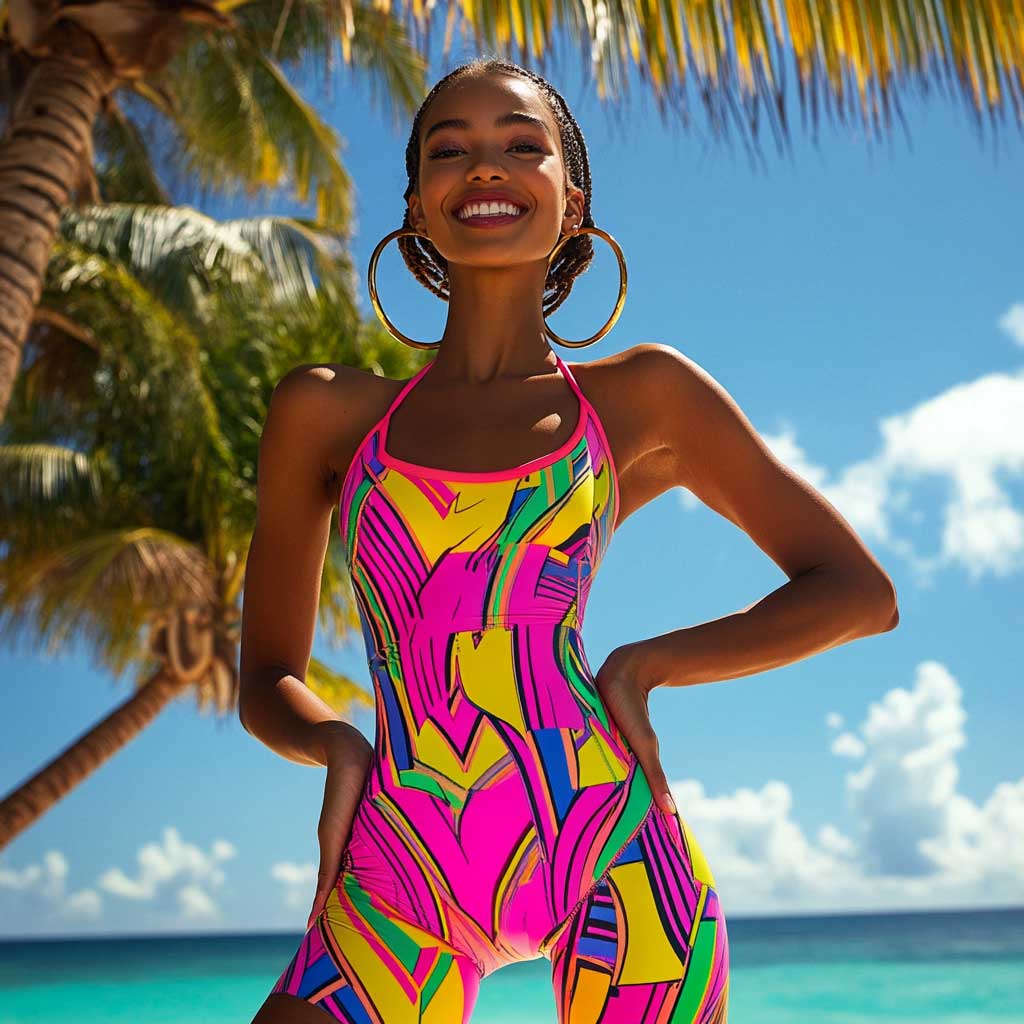


Accessories for this era are thick and loud — that’s the whole point. Oversized gold hoops from BaubleBar run about $38 and are sized correctly for the decade. Chunky plastic bangles, the kind you can buy in sets of five for $12 at any vintage market, stack exactly the way the era intended. What doesn’t work here is delicate jewelry. A thin gold chain against a neon swimsuit reads as a mistake, not a styling choice. The Fashion History Timeline at FIT documents how the 1980s turned swimwear into an athletics and glamour hybrid, and the accessories were always part of that performance.
Don’t Do This
- Don’t layer cat-eye accessories over an 80s look. Each decade has its own eyewear signature. Cat-eyes belong to the 1950s. For 80s beach outfits, you want oversized square frames or the wraparound sport silhouette.
- Don’t wear a tie-dye dress in a cold-toned colorway for a 70s look. Blue-and-purple tie-dye reads as 2020s modern. The 1970s used warm earthy tones — orange, mustard, rust, olive — and ocean greens at most.
- Don’t buy a “retro” swimsuit in a fabric that doesn’t hold its shape in water. Many fast-fashion vintage-inspired suits lose their silhouette entirely when wet. Look for suits with at least 15% elastane content.
Retro Beach Party Outfits Demand a Decade Commitment, Not Just a Vibe
Retro beach party outfits fail when they’re assembled from multiple eras simultaneously. I’ve seen 1950s high-waisted bikinis paired with 1990s chokers and 1980s neon sarongs in the same outfit — the result looks like a costume department clearance sale, not a nostalgic look. The rule is simple: pick one decade, research it for twenty minutes, and dress from it exclusively for that day.
For a 1950s-themed beach party, the polka dot bikini or a ruched one-piece from Esther Williams’ legacy line is the anchor. Add a wide sun hat — not a floppy sun hat, a structured one — and wrist-length white gloves for group photos. It’s theatrical, yes. But that’s what a retro beach party asks for. For 1980s parties, think neon swimsuit, matching bike shorts on top, and a side ponytail. If you want to take the 80s aesthetic further beyond the beach, pastel color palettes work for full retro 80s outfits that translate from sand to street.
What decade gets overlooked for retro beach parties? The 1970s. Everyone defaults to the 1950s or 1980s because the references are louder. But a group showing up in tie-dye maxis, wooden-bead jewelry, and bandana headbands looks genuinely cohesive and visually striking in photos — and costs half what a well-executed 1950s look runs in accessories. Worth considering.
Final Word
The decade you choose is the commitment. Everything else follows from it.
A retro beach outfit works because it’s coherent — one era, one visual language, executed with intention. Pick your decade, buy the one signature piece that anchors it, and build outward from there.
The 1950s gives you structure and pin-up glamour. The 1970s gives you movement and color depth. The 1980s gives you volume and attitude. None of them are subtle.
Save this post before your next beach trip — the details matter more than you’d expect when you’re standing in a store trying to remember which silhouette belongs to which decade.