Quick Scan
- Asymmetric hem dresses span four sub-styles — handkerchief, high-low, diagonal, and godet — each reading differently on different body proportions.
- Fabric weight is the critical variable: silk and structured crepe hold the diagonal drape; stiff or rigid fabrics make the uneven hem look accidental.
- Price range spans $30 (Zeagoo) to $300+ (REVOLVE/Michael Costello) — fabric quality, not price alone, determines whether the silhouette lands.
- Pinterest's Summer 2026 Trend Report flags this silhouette with an 88% historical forecast accuracy — the trend is accelerating, not peaking.
- Keep accessories minimal — the hemline is the statement, and competing visual elements break the dress's geometric logic.
Something shifted in summer dressing, and it happened fast. Asymmetric hem dresses — the ones with diagonal cuts, handkerchief drapes, and high-low silhouettes that refuse to land at the same point on both sides — are climbing Pinterest searches sharply right now, weeks after the platform’s Summer 2026 Trend Report flagged off-kilter silhouettes as a defining look for the season. Pinterest’s trend forecasts carry an 88% historical accuracy rate. That number matters when you’re deciding where to put your money.
Who What Wear editors confirmed in early June 2026 that handkerchief hems and godet-insert styles rank inside the top five trends cool fashion people are actively buying right now — not just pinning. The Dress Outlet’s summer 2026 trend report, published one week ago, names asymmetry one of eight silhouettes set to soar, noting it delivers avant-garde high fashion without requiring heavy embellishments. That’s the appeal in one sentence.
The category spans more ground than most trends do. One-shoulder cuts, diagonal hemlines, high-low drapes, and cascading godets all fall under the asymmetric hem umbrella — which is exactly why searches are spiking across casual, resort, and formal occasions at the same time. This isn’t a one-dress moment. It’s a full silhouette shift.
Handkerchief Hems and High-Low Cuts Are Moving Fast Across Every Price Point
The first thing worth knowing: this trend is priced for everyone. Zeagoo’s asymmetric floral midis start under $30 and top out around $50, making entry-level access immediate. On the other end, REVOLVE carries asymmetric styles from Michael Costello, Camila Coelho, and Superdown ranging from roughly $88 to well over $300, crafted in silk and structured crepe that holds the diagonal drape the way cheaper fabric simply won’t. The gap between those two tiers is real, and it shows in movement.
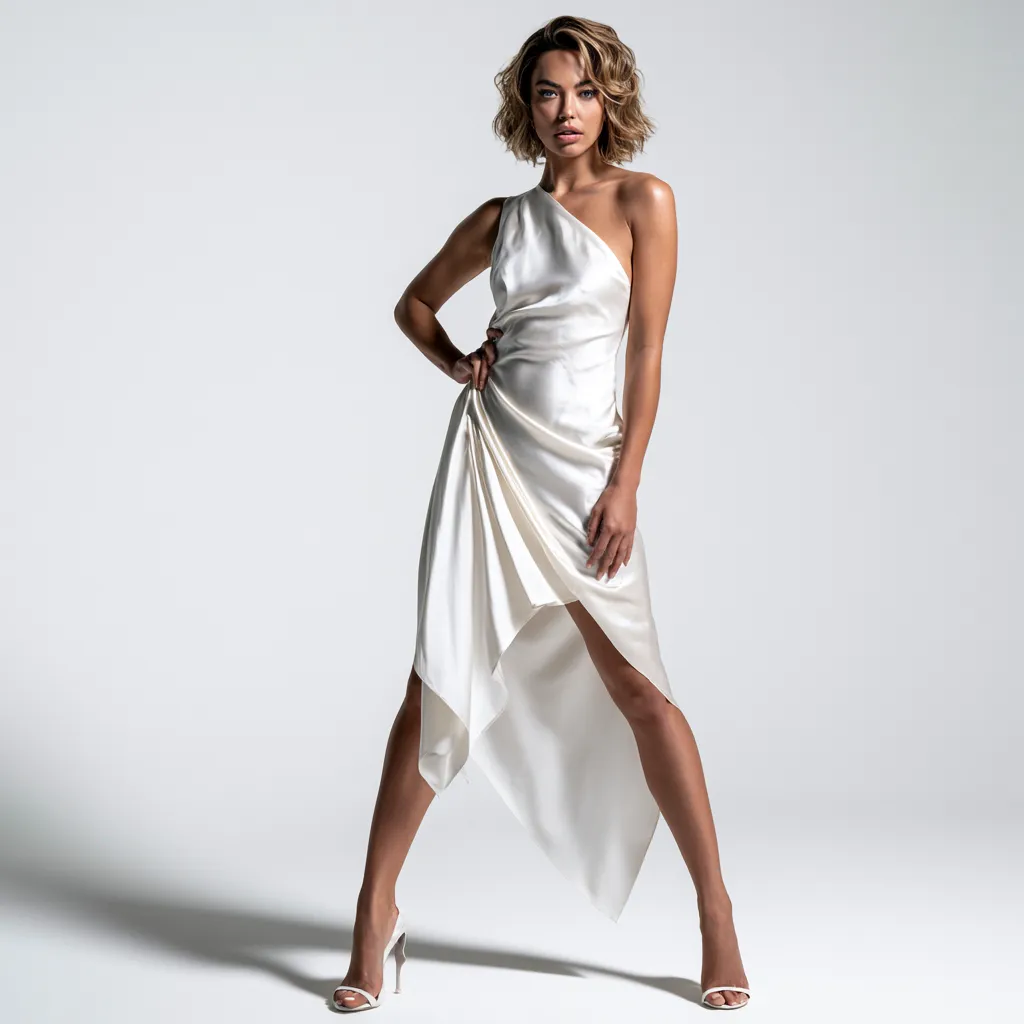
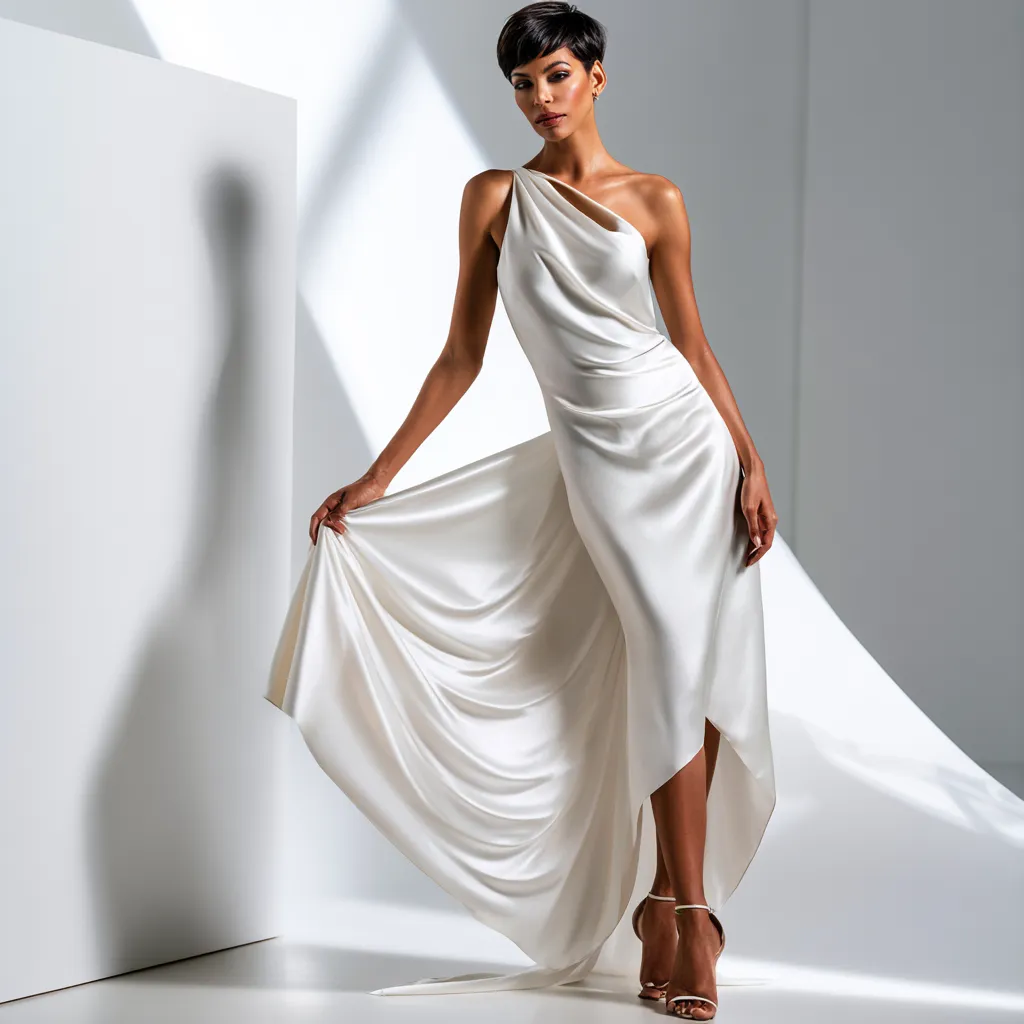
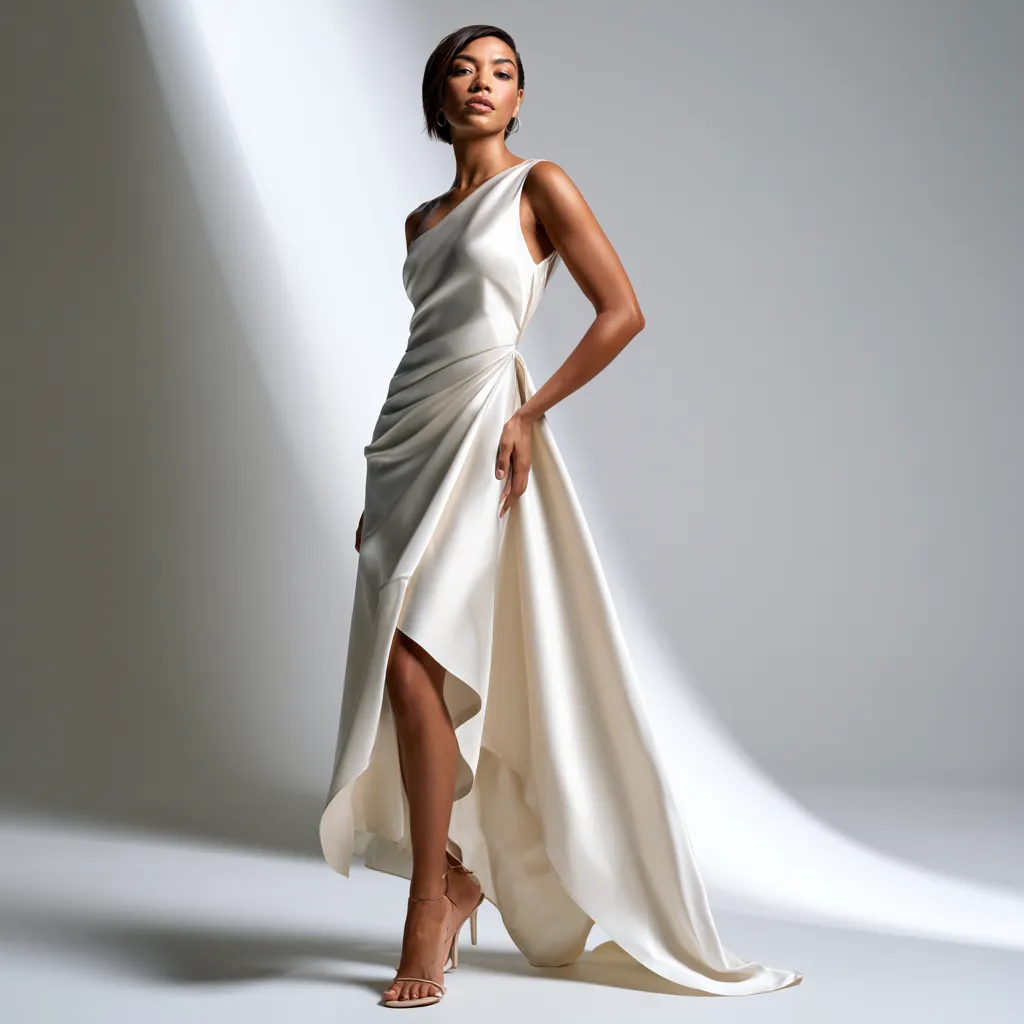
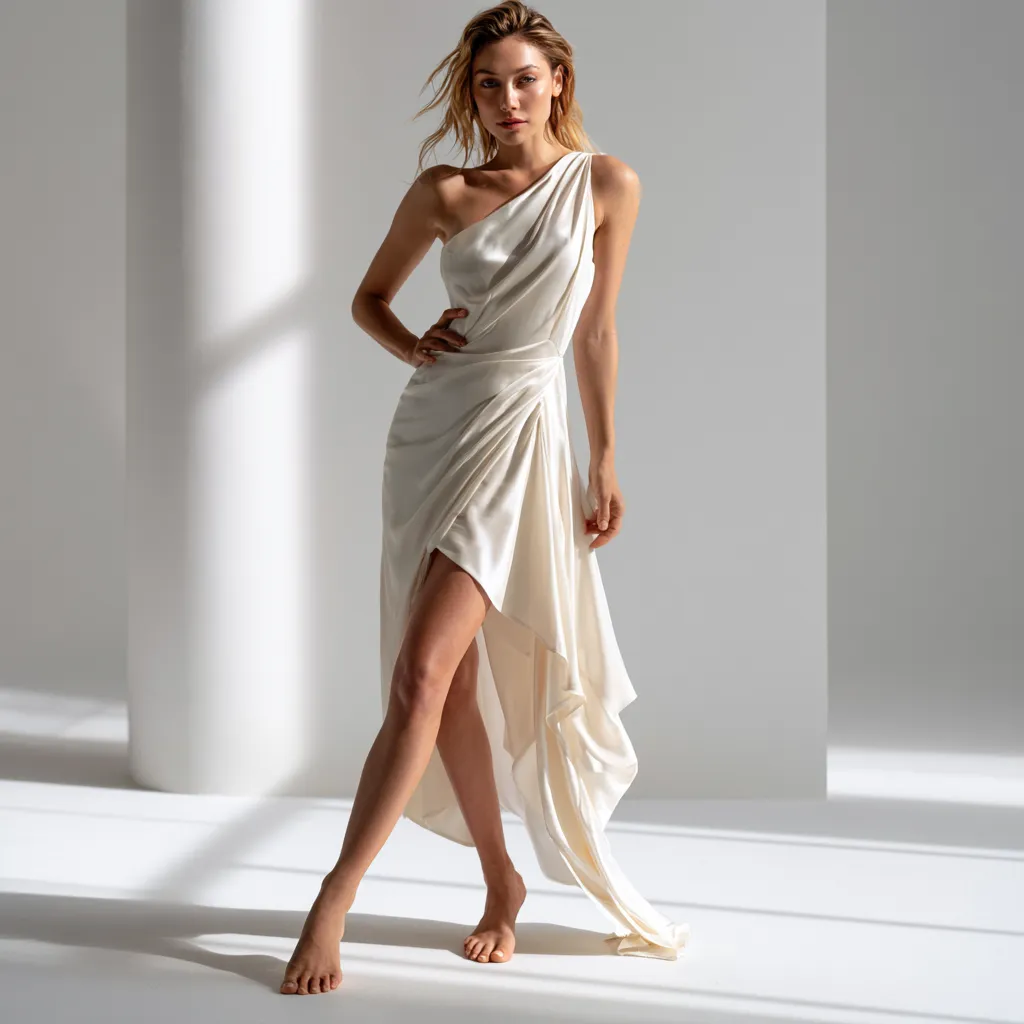
Why does fabric choice matter so much with asymmetric hems specifically? Because the uneven cut only reads as intentional when the fabric falls with enough weight and fluidity to trace the line cleanly. A handkerchief hem in stiff polyester bunches at the low points. The same cut in silk or crepe cascades. That single material decision is what separates a dress that looks purposeful from one that looks like an accident.
Adrianna Papell’s asymmetric ruffle and one-shoulder styles sit in the $150–$250 range and target occasion-wear directly — wedding guests, garden parties, summer rehearsal dinners. The brand understands that the diagonal silhouette photographs exceptionally well, which is part of why the style is gaining traction so quickly on image-first platforms like Pinterest. Movement in photos reads as energy. Asymmetry creates that movement even in a still image.
What you shouldn’t do: don’t buy an asymmetric hem dress in a heavy structured fabric like thick denim or stiff cotton twill expecting it to behave. The whole visual logic of the style depends on the hemline appearing to move — even at rest. Rigid fabric kills that entirely, and you end up with a dress that just looks unfinished rather than architecturally considered. As one reference point for how structural fashion details translate into visual language, Turning Brick Wall Design Exterior Into a Fashion Trend explores exactly how angular visual elements carry intentionality when executed in the right material context.
The sub-categories matter for shopping. Godet inserts — triangular fabric panels sewn into seams — add flare at the hem rather than cutting it diagonally across the body. High-low hems drop sharply from front to back, creating drama from behind. Diagonal hemlines slice across the body at an angle, often paired with one-shoulder or asymmetric necklines that mirror the lower cut. Each reads differently on different body proportions, so knowing which sub-style you’re shopping for narrows the search considerably.
Don’t Do This
- Don't buy an asymmetric hem dress in stiff or structured heavy fabric — the style depends on fluid movement, and rigid material makes the uneven cut look unfinished rather than intentional.
- Don't wear a visible bra strap under a one-shoulder asymmetric dress — the clean diagonal line from shoulder to hem is the entire visual argument, and a horizontal strap breaks that geometry immediately.
- Don't over-accessorize — stacking necklaces, layering bracelets, and adding a belt all at once competes with the hemline's geometry and turns architectural dressing into visual noise.
- Don't let an oversized jacket or coat obscure the asymmetric hem — if outerwear hides the uneven cut, you've removed the only element that makes the dress worth wearing.
Diagonal Silhouettes Read Differently on Body Proportions You Already Have
The asymmetric hem isn’t a one-size-reads-the-same situation. A high-low hem that drops to ankle length in the back adds significant visual length to the lower body — useful if you’re trying to elongate the leg line without committing to a full maxi. The front hemline stays short enough to show footwear, which keeps the look from reading as formal when you want it casual. That dual-length logic is part of why the style works across such a range of occasions.
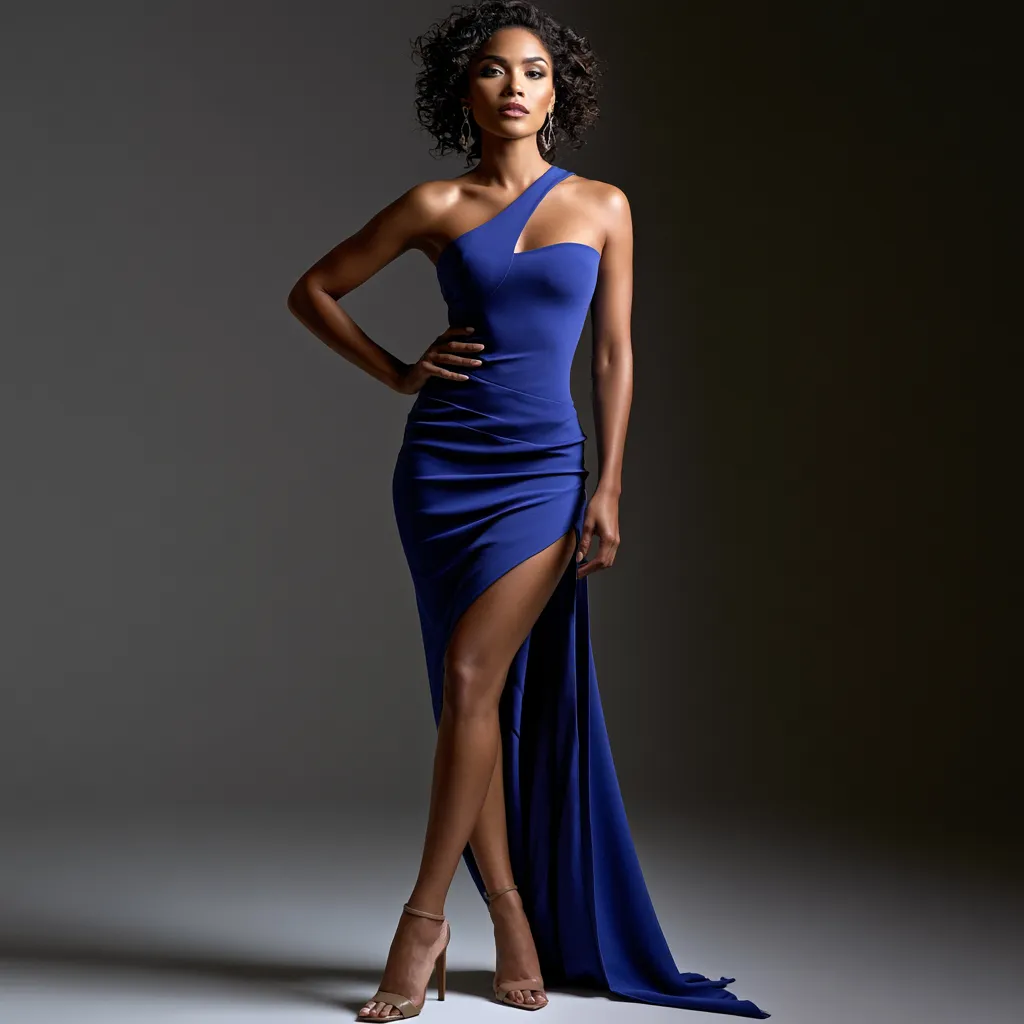
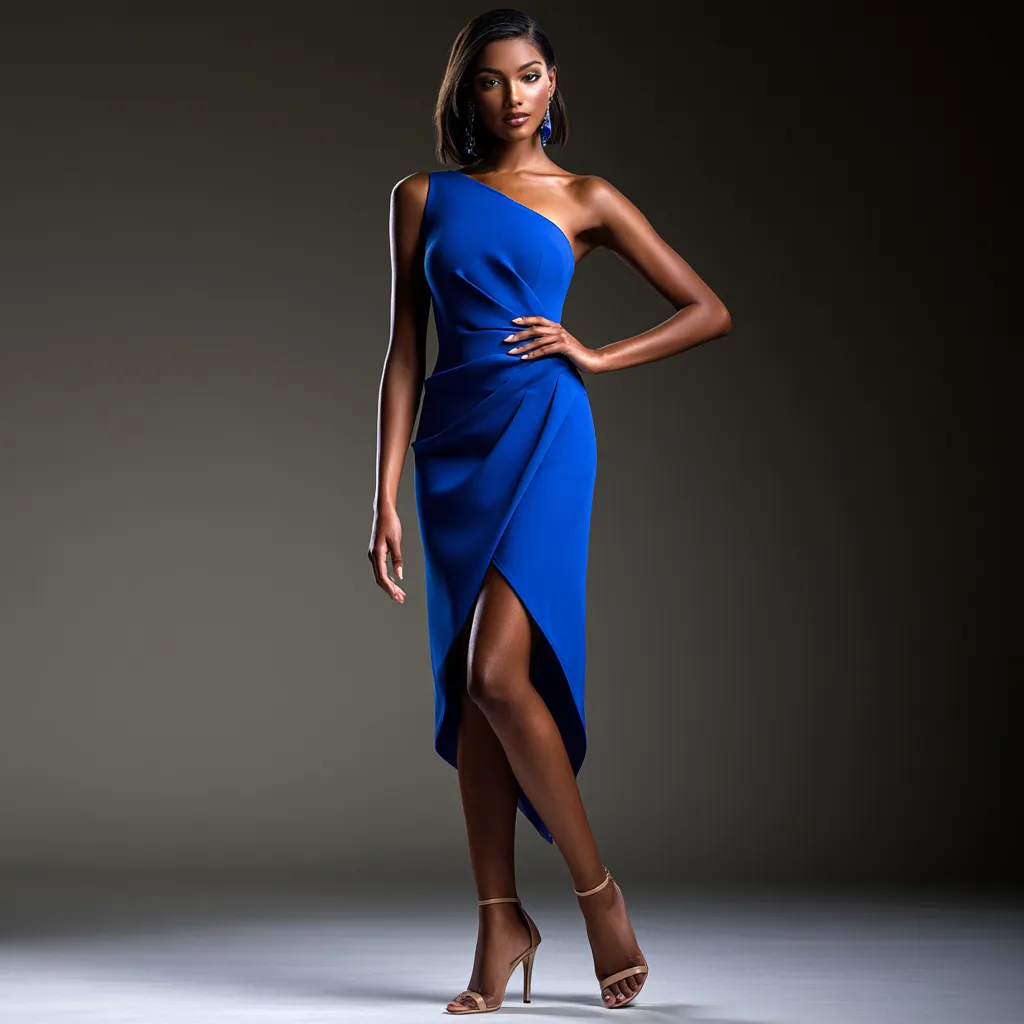
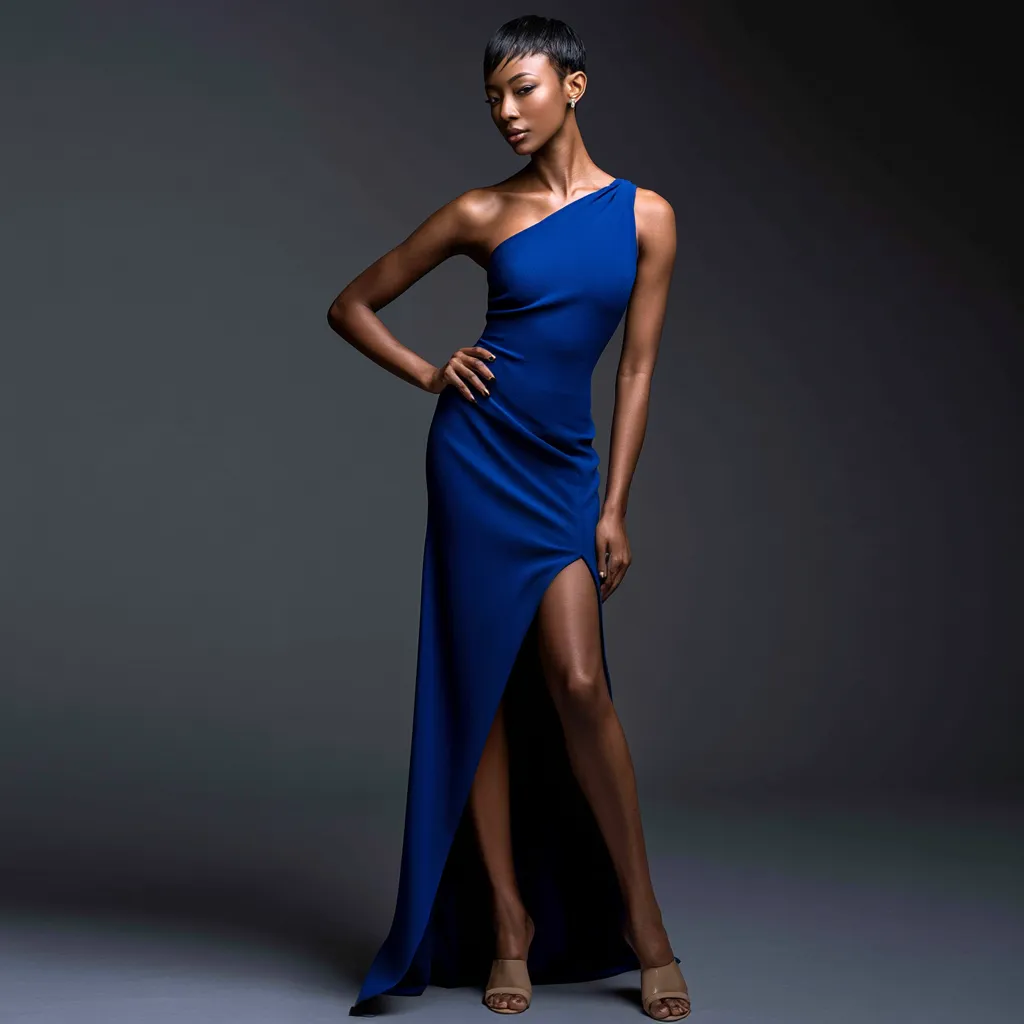
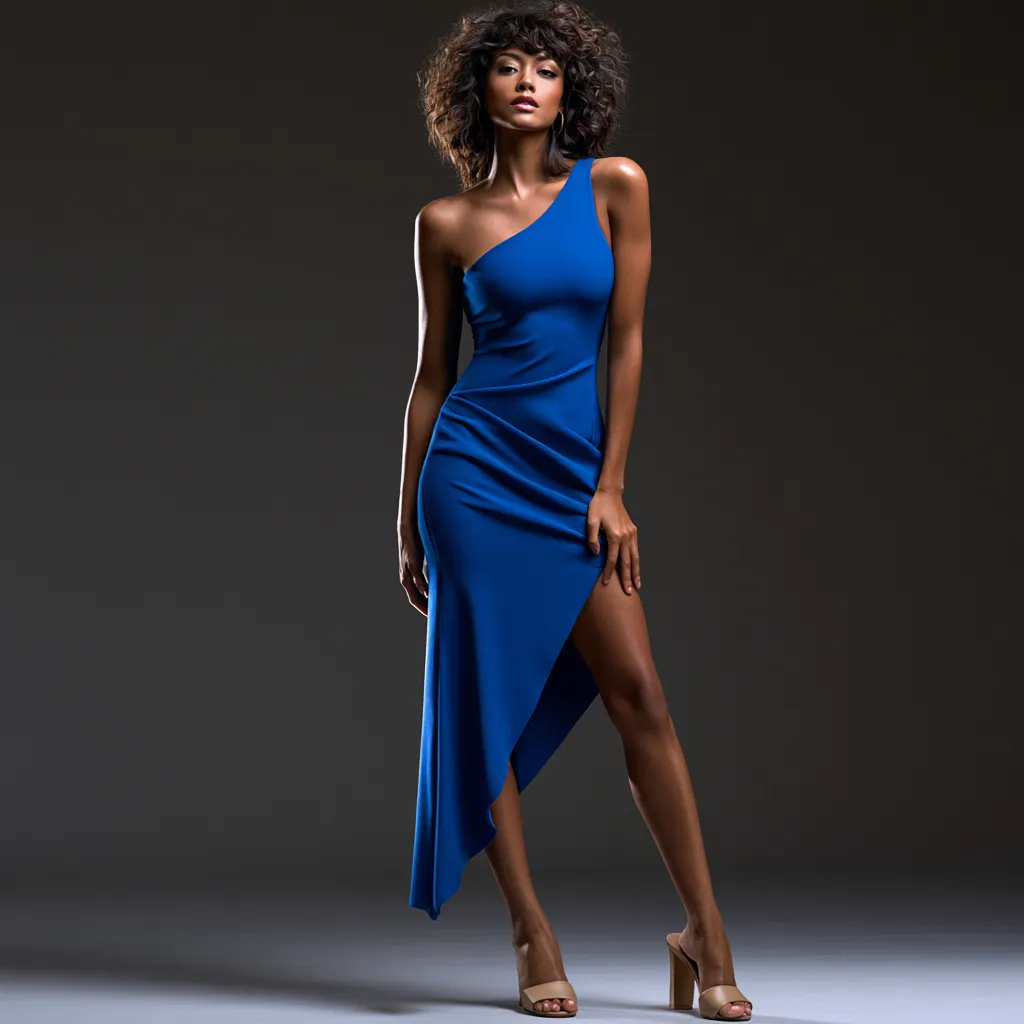
For women with shorter torsos, the diagonal cut across the body draws the eye laterally and then downward — which can visually compress the midsection in a way that straight hemlines don’t. For women with longer torsos, the same diagonal reads more dramatically, amplifying the architectural quality of the cut. Neither outcome is wrong. They’re just different, and knowing which you’re working with before you buy saves a return.
One-shoulder asymmetric dresses add a second off-kilter element at the neckline that mirrors the hemline’s logic. The visual weight moves diagonally across the entire body from shoulder to hem, creating a line that pulls the eye continuously. This is the sub-style that photographs most powerfully — and the one that has driven the most Pinterest saves in the current cycle, according to the platform’s 2026 trend data. It’s also the sub-style where fit at the shoulder point is most critical.
What not to do here: don’t pair a one-shoulder asymmetric dress with a visible bra strap, even a clear one. The whole visual argument of the style is the clean diagonal line from shoulder to hem. A strap that crosses that line horizontally breaks the geometry the dress is built around. Strapless or adhesive solutions only. It’s the kind of detail that looks minor but reads immediately in photos.
Styling the shoe matters more with asymmetric hems than with straight cuts. The uneven hemline creates a visual end-point that changes with footwear height. A low sandal under a high-low dress keeps the silhouette casual and elongated. A block-heel mule shifts the same dress into evening territory. The footwear is essentially setting the register for the whole look, which gives you significant range from a single dress — something worth factoring into cost-per-wear math when you’re deciding between the $30 Zeagoo option and the $200 Adrianna Papell. For more on how single structural design choices multiply outfit potential, How to Make Fashionable Single Story Roof Design? applies similar proportion logic to architectural thinking.
Color plays differently on asymmetric cuts too. Solid colors let the silhouette’s geometry do all the work — which is why white, ivory, and black asymmetric dresses are currently the highest-converting searches on Pinterest. Prints interact with the diagonal in ways that can either amplify or fight the cut: vertical stripes that cross the hemline diagonally create visual tension that can look either intentional or chaotic depending on stripe weight. If you’re new to the silhouette, start with a solid.
| Brand / Retailer | Price Range | Best For |
|---|---|---|
| Zeagoo | $30–$50 | Casual daywear, trend testing |
| REVOLVE / Superdown | $88–$120 | Everyday elevated, resort wear |
| Adrianna Papell | $150–$250 | Wedding guest, formal occasion |
| REVOLVE / Michael Costello | $200–$300+ | Investment piece, silk construction |
Godet Inserts and Ruffle Hem Variations Carry the Trend Past July
Godet inserts are the quieter entry point into asymmetric dressing — and the one most likely to carry past summer into early fall. The triangular panels are sewn into side seams or back seams, adding flare and movement at the hem without slicing the silhouette diagonally across the body. The result reads as flowy and feminine rather than architectural, which broadens the wearability significantly. You can style a godet-hem dress for a farmers market Saturday or a rooftop dinner without the look feeling overcalculated.
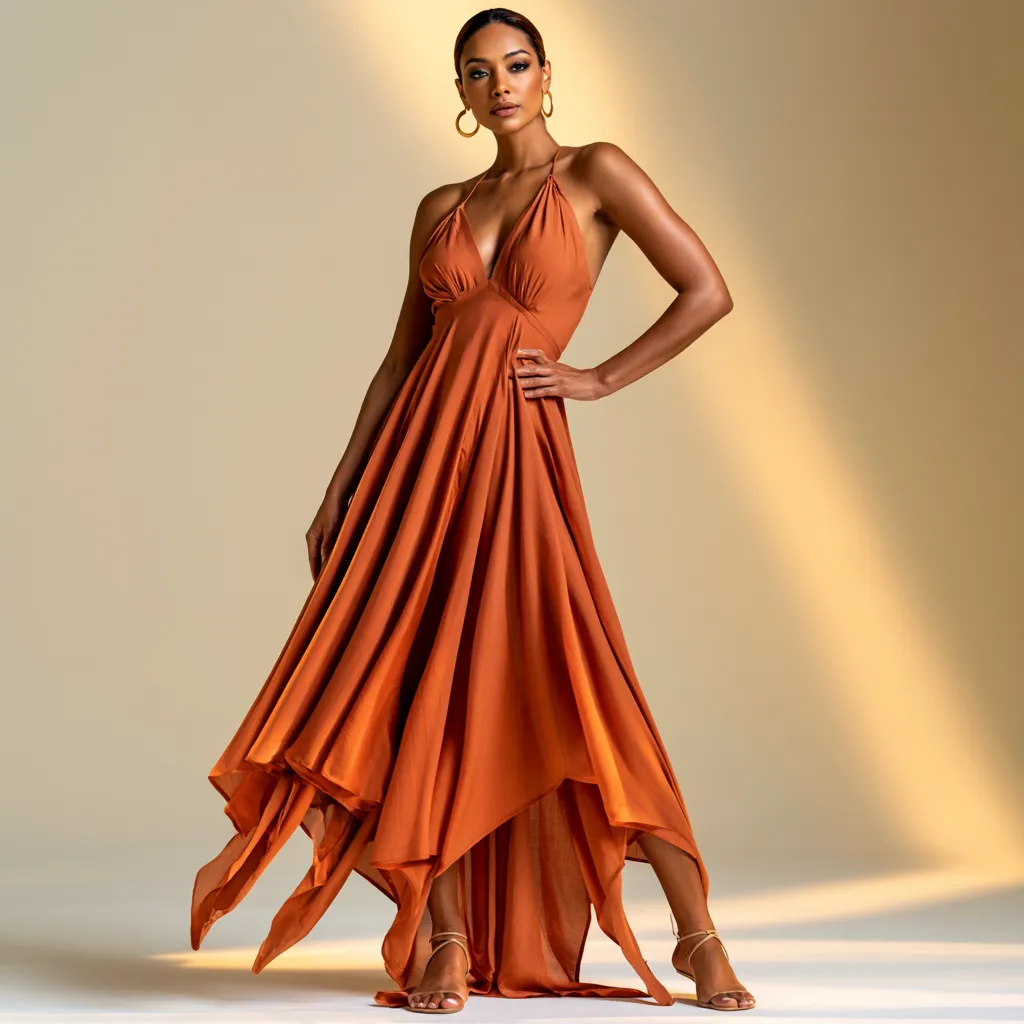
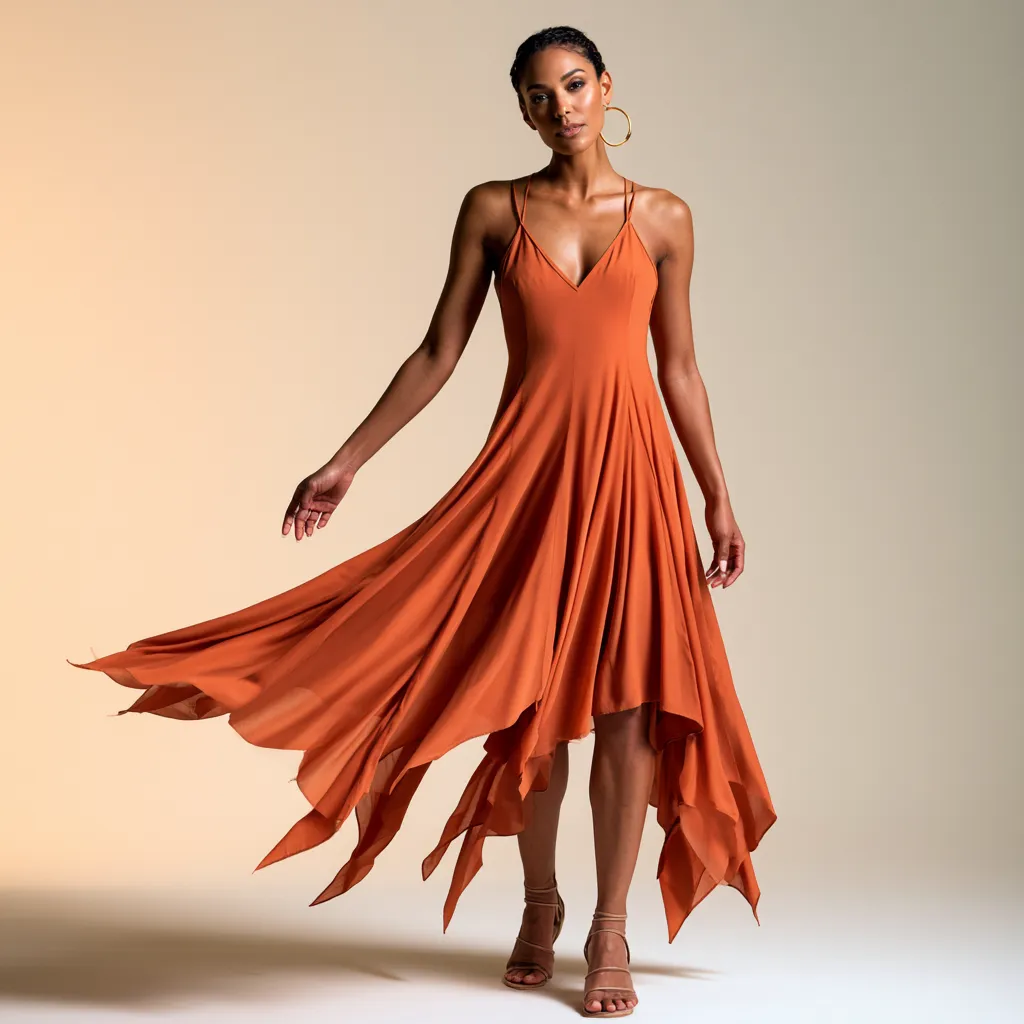
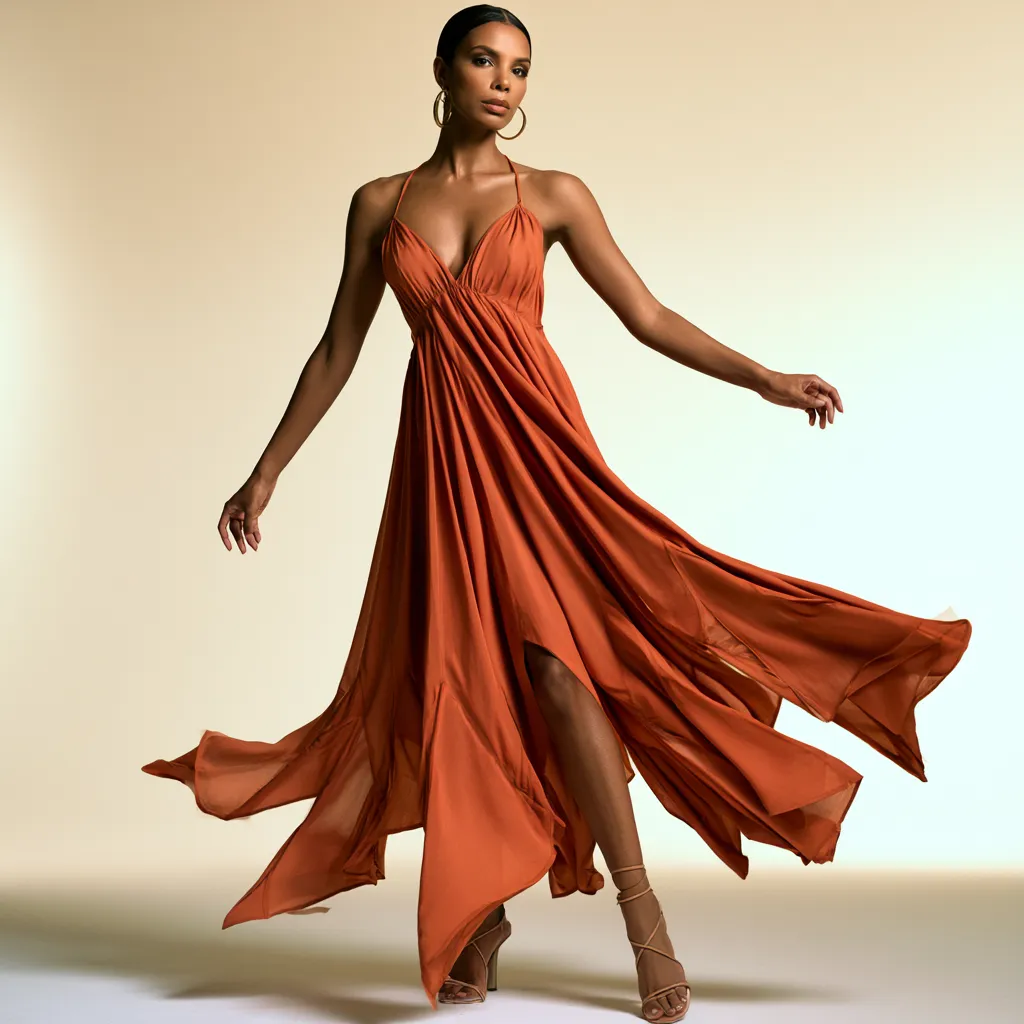
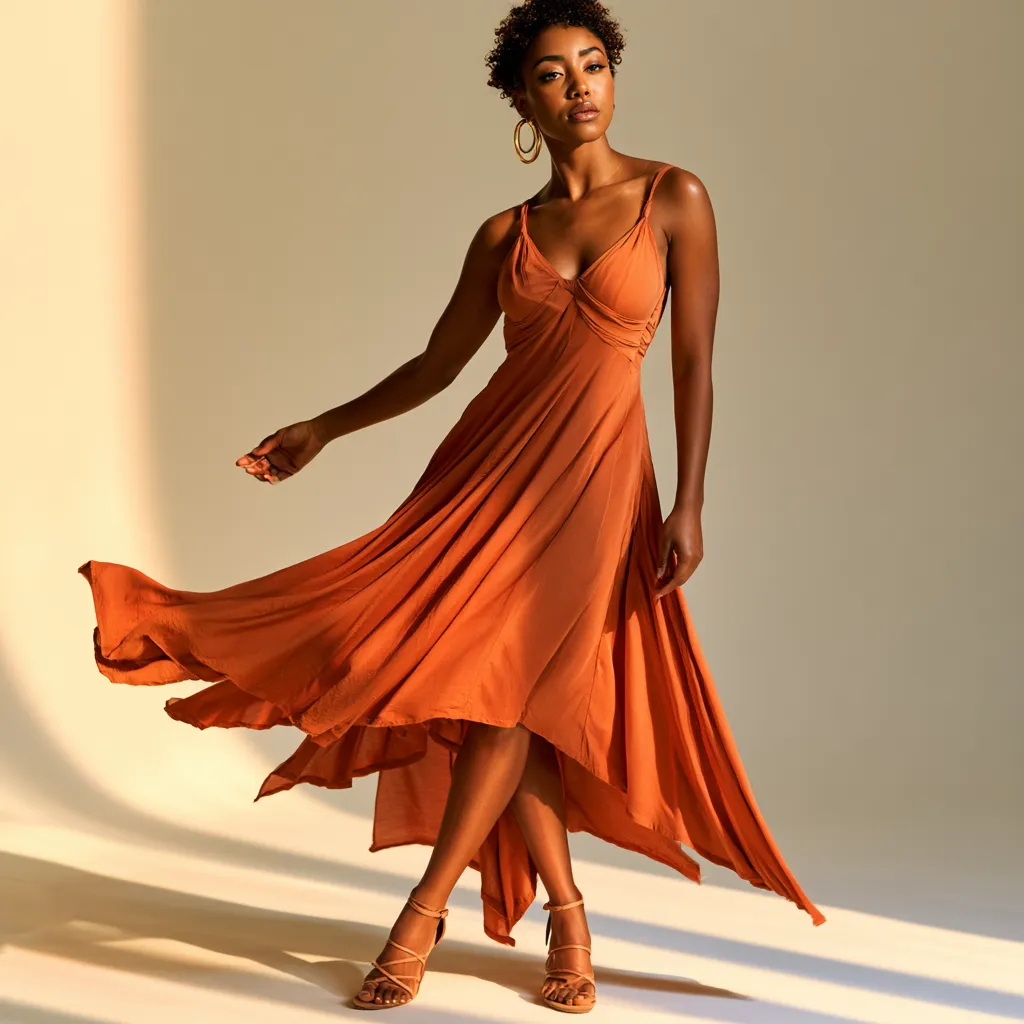
REVOLVE’s current asymmetric lineup from Superdown sits in the $88–$120 range and includes several godet-style options in lightweight cotton-blend and rayon fabrics that handle warm weather without adding visual weight. These are the everyday versions of the trend — the ones you’re more likely to reach for on a Tuesday than save for an occasion. That accessibility matters right now because the trend is accelerating, and daily wearability is what converts a trend into a wardrobe staple rather than a one-season experiment.
Ruffle hems that fall asymmetrically — layered on one side only, or spiraling from a diagonal seam — are the most maximalist expression of the category. Adrianna Papell’s ruffle asymmetric styles in the $150–$250 range lean into this fully, with structured bodices that contrast against the movement of the ruffle hem below. This is the occasion-wear version: wedding guest, garden party, formal dinner. The construction is more involved, which justifies the price point, and the movement in photos is the kind that makes a dress look expensive even in an amateur iPhone shot.
Don’t make the mistake of over-accessorizing an asymmetric hem dress with multiple statement pieces competing for visual focus. The hemline itself is the statement. A single earring on the bare side of a one-shoulder dress, or a minimal ankle bracelet visible through the high-low split, is the right level. Stacking necklaces, layering bracelets, and adding a belt all at once fights the dress’s geometry and turns an architectural silhouette into visual noise.
The longevity signal here is worth taking seriously. Trends that span multiple sub-categories — casual godet styles through formal ruffle constructions, $30 entry points through $300 investment pieces — don’t disappear at the end of one season. They settle into the wardrobe as a recurring silhouette category. Who What Wear’s confirmation that handkerchief and godet styles are actively selling now, not just trending in searches, is the clearest indicator that asymmetric hems are crossing from trend to staple territory. Buying one piece now while the selection is widest is the practical move.
The final styling note: asymmetric hems work best when the rest of the outfit stays compositionally simple. Tucked-in blouses don’t apply here — this is a dress category. But outerwear choices matter. A clean blazer over an asymmetric dress works only if the jacket is short enough to not obscure the hemline’s geometry. A cropped jacket or nothing at all. The moment an oversized coat hides the uneven hem, you’ve dressed around the one thing that makes the dress worth wearing.
FAQ
what shoes to wear with asymmetric hem dress
Footwear height sets the register for the entire look. Low flat sandals keep the silhouette casual and elongated under a high-low hem, while a block-heel mule or strappy heeled sandal shifts the same dress into evening territory. Avoid ankle-strap shoes with a high-low hem that shows the ankle — the horizontal strap interrupts the vertical line the hemline creates.
are asymmetric dresses flattering for petite women
High-low hems with a longer back panel add visual length to the lower body, which works well for petite frames by extending the leg line. Diagonal cuts that angle upward on one side also draw the eye vertically. The key is avoiding godets or ruffle hems with heavy volume at the lower hip, which can visually shorten the torso-to-leg ratio.
how do I style a one-shoulder asymmetric dress for a wedding
Keep the shoulder hardware minimal — a single delicate earring on the bare side is enough. Stick with adhesive or strapless undergarment solutions to keep the neckline clean. Adrianna Papell's one-shoulder asymmetric styles in the $150–$250 range are specifically designed for this occasion category and photograph well in both indoor and outdoor ceremony settings.
what is a handkerchief hem dress
A handkerchief hem is created by cutting fabric in a square or diamond orientation and attaching it at the waist so the pointed corners of the fabric fall at different lengths around the body. The result is multiple diagonal drop-points that create a soft, flowing asymmetric hem. It's one of the most movement-friendly asymmetric sub-styles and works best in lightweight silk or chiffon.
best asymmetric dress brands under 50 dollars
Zeagoo is the strongest entry-level option right now, with asymmetric floral midis priced between $30 and $50. The fabric quality is best suited for casual daywear rather than formal occasions, but the silhouettes are accurate to the trend and the price makes testing the style low-risk before investing in a higher-construction option.
can asymmetric hem dresses be worn to work
Yes, with the right sub-style and fabric choice. A diagonal-hem midi in structured crepe in a neutral color reads as polished in most professional environments. Avoid high-low hems with dramatic length differences or ruffle cascades in office settings — those lean heavily toward occasion-wear. A godet-insert dress in a clean solid color is the most workplace-appropriate asymmetric option currently available.
Save this
Asymmetric Hem Dresses Are Already Past the Trend Conversation
The searches are climbing, the editors have confirmed it, and the price range already spans every budget from $30 to $300 — which means the adoption curve is moving faster than most summer trends do. Asymmetric hem dresses aren't a silhouette you'll be early to much longer. The godet and handkerchief styles are the ones with the longest staying power, and solid-color options in silk or crepe are the highest-ROI starting points if you're adding one piece now.
Pick your sub-style based on how the diagonal logic reads on your proportions, keep the accessories minimal, and let the hemline do exactly what it was cut to do. Save this post.
📌 Save to PinterestComplete guide
Party Fashion Outfits That Turn Every Room Into a Runway
Disco, holiday, pool, white party, themed dress codes — all in one place
Complete guide
Retro Fashion Outfits From Every Decade Worth Stealing
1920s, 60s, 70s, 80s, 90s — vintage looks, party outfits, decade dressing — all in one place
Complete guide
The Fashionable White Outfit Playbook Every Wardrobe Needs
Dresses, blazers, trousers, all-white looks, color pairings — all in one place