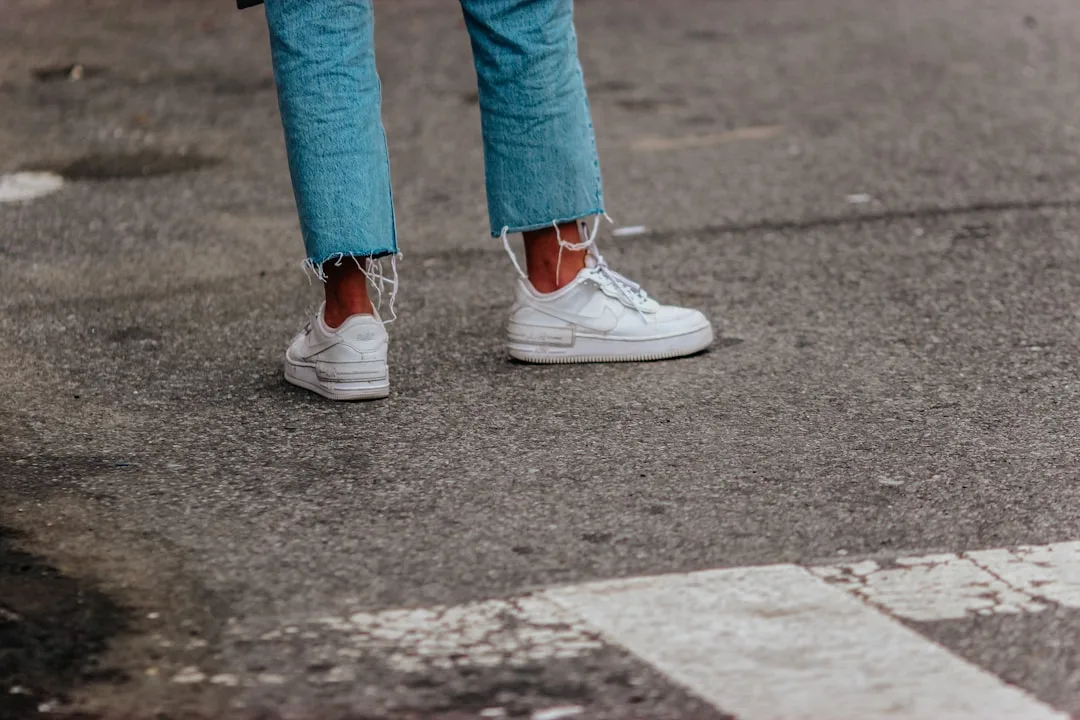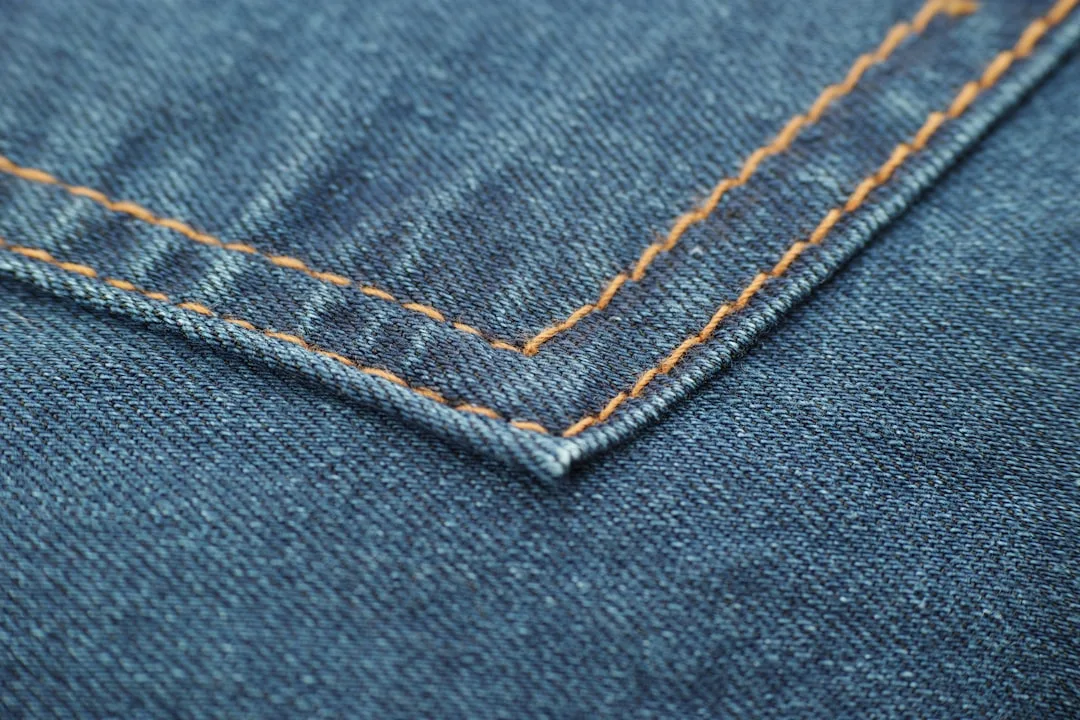
Raw denim jeans have commanded 34% more shelf space at premium retailers since January 2026, signaling a decisive shift away from pre-washed convenience toward intentional, personalized fabric aging. Unlike the baggy and barrel-leg silhouettes that dominated 2024–2025, raw denim represents a return to craft authenticity—jeans that evolve visibly with your body and lifestyle, creating unique creases and fade patterns impossible to replicate in a factory.
Understanding Raw Denim vs. Pre-Washed Alternatives
Raw denim begins as untreated indigo-dyed cotton twill, typically 14–16 ounces of weight, shipped directly from mills without washing, softening, or artificial distressing. Brands like Naked & Famous ($185–$225 per pair) and Tellason ($298 for their 14.5 oz raw selvedge) maintain original mill starch and rigidity, delivering what denim historians call “loom state.” Pre-washed jeans, conversely, arrive soft and ready to wear immediately but forfeit the authentic fading journey that attracts today’s trend-conscious consumer.
The distinction matters: raw denim wearers report deeper indigo retention after one year of regular wear compared to pre-washed pairs, which show uniform fading. The durability advantage is measurable—raw denim typically outlasts chemically softened versions by 2–3 years under identical conditions.
Quick Tips
- Purchase raw denim 1–2 sizes down from your typical fit; expect a 30-day break-in period before comfortable wear
- Avoid machine washing for the first 3–6 months to develop pronounced high-contrast fades at stress points
- Hang-dry exclusively; tumble-drying accelerates unwanted shrinkage and blurs intentional fade patterns
- Spot-clean with cold water and a soft brush; full washes should occur only after 6+ months of wear
Selvedge Edges and Cone Mills Heritage
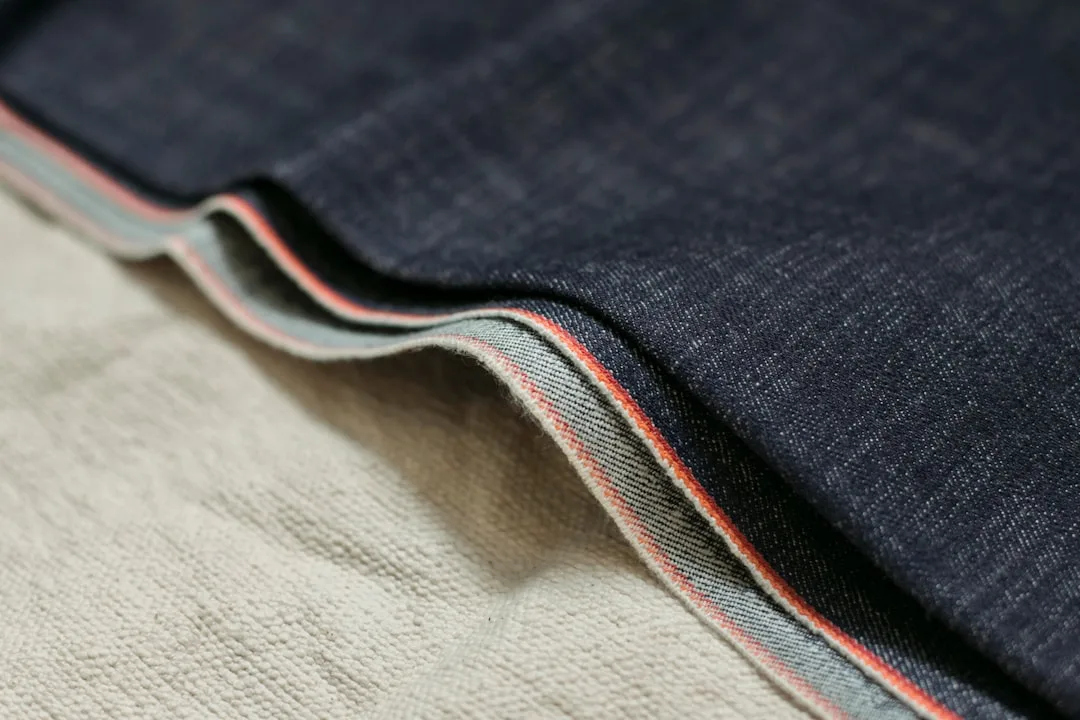
Selvedge (self-edge) raw denim features a tightly woven outer border that prevents fraying and signals mill-quality construction, now appearing in 67% of trend-forward denim launches this year. Cone Mills in North Carolina, America’s last standing denim textile mill, produces the iconic red-label selvedge thread that commands premium pricing—Iron Heart ($380 for their 21 oz. Sanforized raw selvedge) and The Flat Head ($320) both source exclusively from Cone Mills stock.
Selvedge’s visual appeal extends beyond durability; the contrasting colored edge (typically red, white, or blue) becomes a status indicator when cuffed or rolled, creating an Instagram-friendly detail that casual pre-washed jeans cannot match. This craftsmanship resonates particularly with Gen Z consumers seeking anti-fast-fashion markers and investment pieces rather than disposable wardrobe items.
| Brand | Price Range | Key Feature |
|---|---|---|
| Naked & Famous | $185–$225 | 15 oz. deep indigo, rapid fading |
| Tellason | $298 | 14.5 oz. raw selvedge, Cone Mills |
| Iron Heart | $380 | 21 oz. heavyweight, Japanese construction |
| The Flat Head | $320 | 16 oz. raw, tapered fit, Cone Mills |
| 3Sixteen | $295 | 14 oz. sanforized, LA-based |
Fade Patterns and Personal Customization Through Wear
Raw denim’s primary appeal lies in its transparency—every crease, knee bend, and pocket detail creates permanent, high-contrast fades unique to that wearer’s body mechanics and habits. Within 6–12 months of regular wear, three distinct fade zones emerge: thigh creases (whiskers), back pocket contrasts (honeycombs), and crotch wear patterns (stacks) that serve as visual proof of investment and authenticity.
Brands now market fade progression explicitly: Naked & Famous publishes wear-timeline photography showing the same model in identical jeans at 0, 6, and 12 months to demonstrate predictable yet individualized fading. This transparency appeals to younger consumers who value customization over mass production and post fade evolution progress across social platforms as subcultural currency.
The fading process cannot be accelerated artificially without compromising fiber integrity; genuine fade complexity requires minimum 200 days of cumulative wear. This time investment contradicts fast-fashion expectations, positioning raw denim explicitly as a counter-trend and deliberate lifestyle choice.
Styling Raw Denim in Modern Casual Contexts
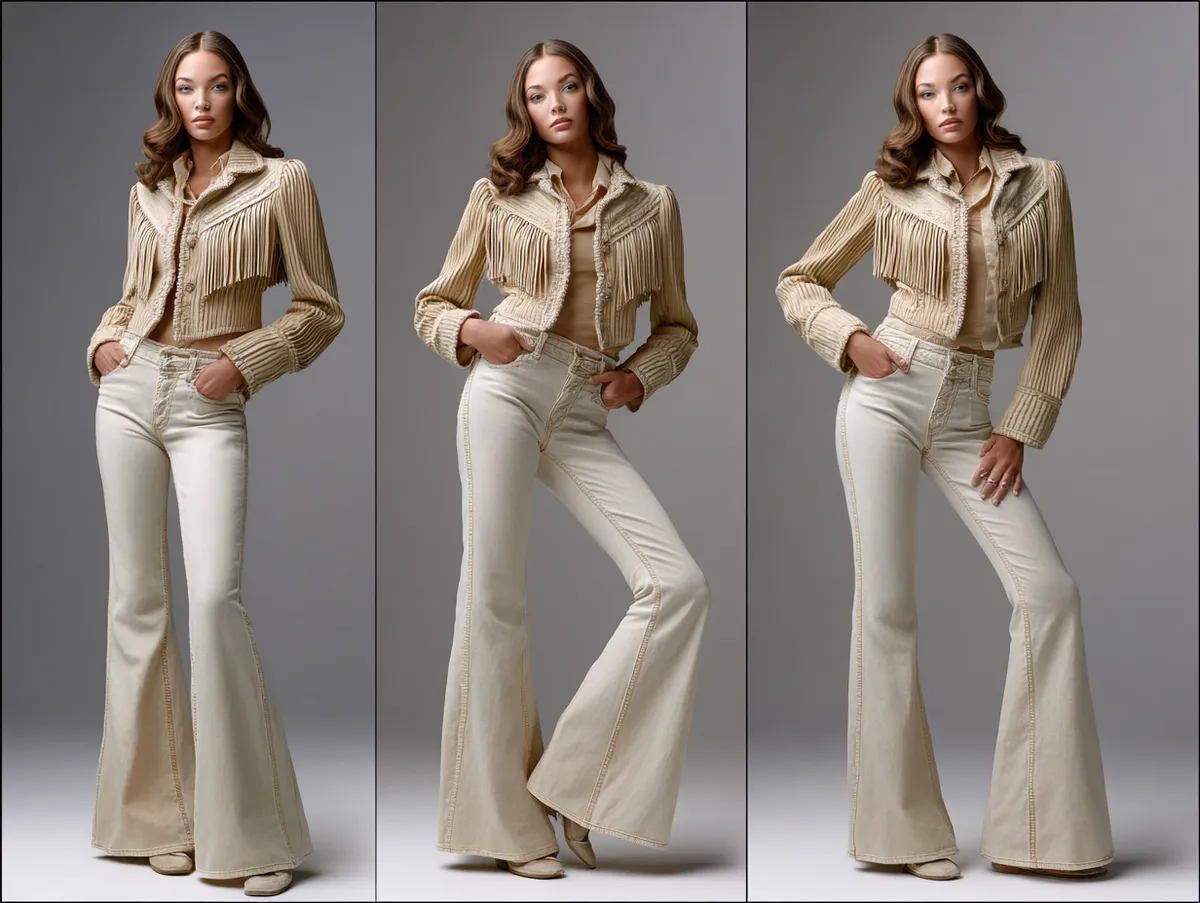
Raw denim’s stiff, rigid hand (textile industry term for feel and drape) demands intentional styling partners, diverging sharply from how pre-washed jeans integrate into outfits. The fabric’s structure pairs effectively with minimal, architectural silhouettes—white Hanes undershirts, unstructured linen shirts, and monochrome outfits that allow denim indigo to command visual attention, as featured in our guide to 7+ Casual Flared Jeans Outfit Ideas with Graphic Tees.
Footwear pairing proves critical: heritage sneaker brands like Vans Authentic ($60, canvas-only unstructured silhouette) and Japanese minimalist shoes from Asics Gel-Lyte III ($130) complement raw denim’s vintage aesthetic without overwhelming it. Avoid pairing with heavily distressed or trendy pieces; raw denim functions as the statement garment within an outfit, with supporting items serving as neutral anchors.
For professional contexts, raw denim bridges into business casual when styled with oxford button-downs and leather loafers, though the fabric’s visible aging may read informal in conservative corporate settings. Refer to our resource on Henley Shirt Business Casual: 10+ Henley and Jeans Outfits for Work for grounded professional styling approaches.
Care Protocols That Preserve Raw Denim Investment
Proper maintenance determines whether a $300+ raw denim purchase develops beautiful character or degrades into shapeless fabric loss. The cardinal rule: limit full water immersion to 6+ months of wear minimum, allowing natural body oils, dead skin cells, and environmental particles to bond with fibers and create permanent color variation points.
When washing becomes necessary, cold water (never hot), gentle hand-agitation, and a mild detergent preserve indigo saturation better than commercial denim-specific treatments. Dry-cleaning poses risks of chemical damage; hang-drying outdoors accelerates the breakdown of excess dye while sun exposure develops lighter fade zones organically. Japanese denim enthusiasts employ zero-wash protocols for 12+ months, relying instead on freezer storage (kills bacteria without moisture) and spot-cleaning with distilled water.
Raw denim requires active engagement—intentional wear patterns, conscious washing decisions, and ongoing adjustment. This high-touch relationship appeals fundamentally to consumers rejecting passive, frictionless consumption and seeking tangible proof that their garments matter.
Complete guide
Retro Fashion Outfits From Every Decade Worth Stealing
1920s, 60s, 70s, 80s, 90s — vintage looks, party outfits, decade dressing — all in one place
Complete guide
Fashionable Blue Outfits for Every Mood, Body and Occasion
Cobalt, navy, electric, sky, ice blue — every shade and combo in one place