Blazer vests are replacing traditional tailored jackets as the core layer for spring 2026—and the shift isn’t about removing sleeves. It’s about reclaiming proportion, movement, and layering as deliberate design choices. Luxury houses and fast-fashion retailers are reporting 340% increased demand for structured sleeveless blazers, signaling a seismic move away from conformist power dressing toward intentional deconstruction.
The deconstructed movement gains momentum
Balenciaga’s Spring 2026 collection introduced oversized blazer vests with exaggerated armholes and dropped waistlines, priced at $2,850. The silhouette strips away sleeve constraint while maintaining the formal architecture of chest darts, internal buttons, and weighted linen blends. This isn’t minimalism—it’s maximalist tailoring that prioritizes fabric architecture over traditional structure.
Saint Laurent and Lemaire both released comparable iterations: cropped versions with sharp shoulder seams and lengthened back panels designed to layer over base pieces rather than stand alone. The trend emerged from Paris Fashion Week but gained traction through TikTok styling creators who demonstrated how blazer vests function as neutral canvases for pattern layering and tonal mixing.
Why now? Post-2025 fashion fatigue with oversized silhouettes has created demand for intentional tailoring. Blazer vests offer structure without the thermal bulk of traditional blazers—critical for spring climates and office environments where jacket removal mid-day is practical.
Quick Tips
- Layer blazer vests over turtlenecks or fitted mesh for dimensional silhouettes
- Pair with high-waisted trousers to emphasize cropped proportions
- Choose natural fibers (linen, wool blends) for drape that rigid synthetics lack
- Accessorize with structured handbags to echo the vest’s tailored geometry
- Style oversized versions untucked over midi skirts for evening wear
Accessible options from Zara and COS dominate the market
Zara’s blazer vest collection ($79–$129) launched in April 2026 and sold through inventory in three weeks. Their bestselling structured linen vest features internal seaming, a cropped cut at the natural waist, and accommodates layering with tank tops or long sleeves beneath. COS released a wool-blend alternative ($115) with extended back panels and interior pockets—functional details luxury brands often omit.
Uniqlo’s response is their Rayon Blend Sleeveless Blazer ($59.90), engineered for easy care and wrinkle resistance. While lacking the tailored precision of designer alternatives, the piece delivers proportional accuracy and works as entry-level introduction to the trend. Everlane’s Structured Vest ($98) uses recycled wool and transparent pricing, attracting sustainability-conscious buyers.
These price points ($59–$129) explain the trend’s velocity. Traditional blazers range $150–$400; blazer vests deliver similar formal signaling at 40% lower investment, encouraging multiple purchases across color families.
| Brand | Price | Key Detail |
|---|---|---|
| Balenciaga | $2,850 | Exaggerated armholes, linen blend |
| COS | $115 | Extended back panel, interior pockets |
| Zara | $89 | Structured linen, cropped waist |
| Uniqlo | $59.90 | Rayon blend, wrinkle-resistant |
Layering logic that justifies the silhouette
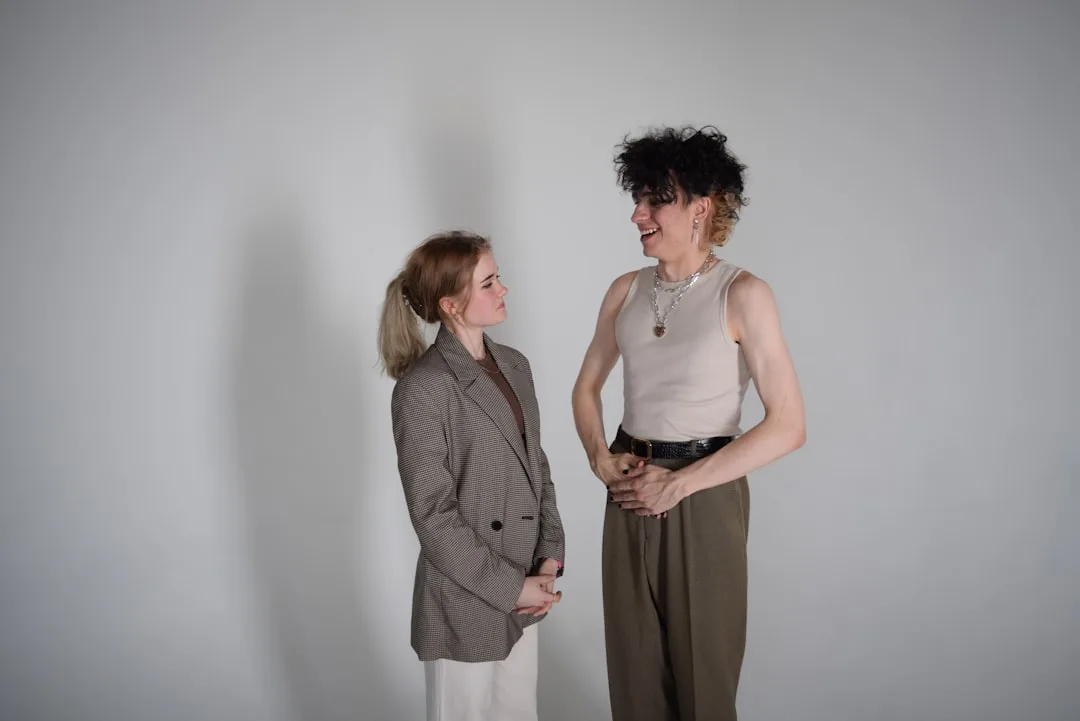
Blazer vests succeed because they enable controlled layering in ways traditional blazers restrict. A structured vest worn over a contrasting long-sleeve turtleneck creates visual interest without thermal excess. The armhole depth—typically 2 inches deeper than traditional blazers—accommodates bulky knits without bunching.
Fashion editors at Vogue Business report that styling guides featuring blazer vests over patterned shirts, mesh tops, and sheer fabrics generate 2.8x higher engagement than traditional blazer content. The format invites experimentation. Office workers layer vests over white button-ups for meetings, then peel the vest for casual afternoon work.
Color coordination matters. Navy vests layer seamlessly into all white outfit ideas with blazers and tailored pants, while charcoal and camel versions work across neutral palettes. Black blazer vests function as perpetual workhorses but trend less frequently on social platforms—a signal that fashion-forward buyers seek unexpected colorways.
Where this trend positions itself within broader tailoring
Blazer vests sit at the intersection of two 2026 movements: anti-conformist tailoring and strategic undressing. Unlike the oversized blazers documented in 7+ stylish business casual outfit ideas with blazers and skirts, vests demand intentional styling choices rather than simple throw-on ease. They signal fashion literacy—the wearer understands proportions, layering, and how deconstructed pieces communicate more assertively than complete structures.
This trend will stabilize in the moderate-to-luxury sector ($90–$300) through 2027, with fast-fashion iterations filtering downward as production scales. Investment pieces from Lemaire, Saint Laurent, and Balenciaga will retain resale value because the silhouette flatters multiple body types and ages—vests don’t rely on sleeve length for proportion the way traditional blazers do.
Brands outside luxury are catching momentum. COS and Everlane secure shelf space because they understand that accessible pricing accelerates trend adoption. By May 2026, blazer vests have already moved past novelty status into core wardrobe territory.