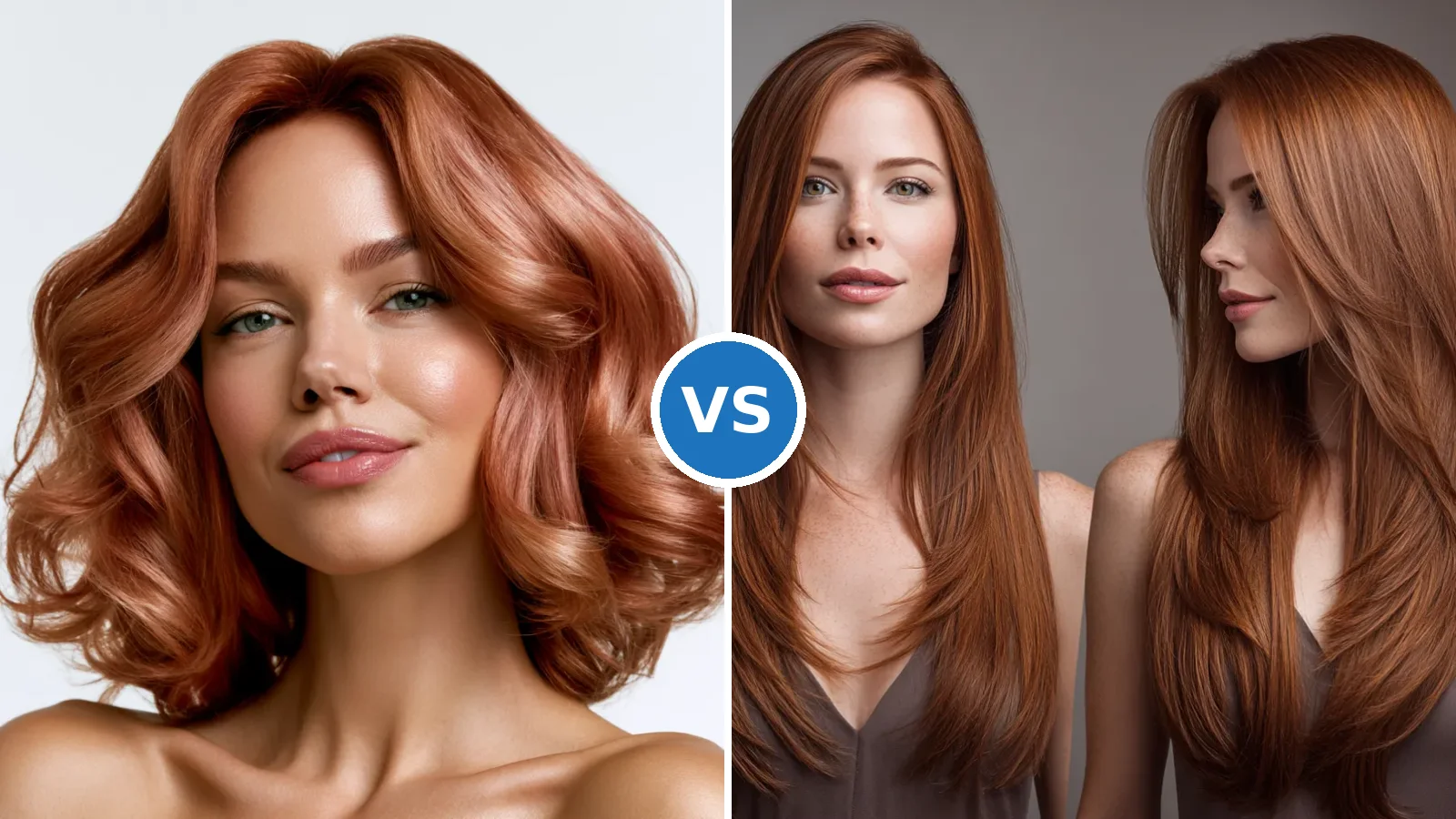
Finding the perfect balance between maintaining length and achieving voluminous movement is a constant pursuit in the world of hairstyling. For years, the only solution to bulky, heavy hair was to chop it into severe, visible tiers that often left the ends looking thin and stringy. However, the beauty industry has recently embraced a revolutionary approach that defies traditional cutting geometry. This innovative method focuses on internal architecture, removing weight and adding incredible lift without ever compromising the solid, beautiful perimeter of your haircut. By working completely underneath the top canopy of your strands, stylists can craft a customized shape that pushes the outer lengths forward, beautifully highlighting your bone structure. If you are tired of hair that lays flat and lifeless against your cheeks, unlocking the secrets of this invisible texturizing method will completely transform your daily aesthetic.
Mastering Invisible Ghost Layers for Thick Hair
Managing a massive amount of dense hair can often feel like an unwinnable battle against gravity. When strands are incredibly thick, they have a natural tendency to clump together and pull straight down toward the floor, resulting in a shape that resembles a heavy triangle rather than a dynamic, flowing mane. Women with this hair type frequently request traditional texturizing, only to find that standard thinning shears leave their ends frayed and their overall silhouette looking excessively choppy. This is exactly where the brilliance of ghost layering truly shines. By fundamentally changing how and where the weight is removed, this technique offers a sophisticated solution that preserves the visual thickness you love while completely eliminating the suffocating bulk that drags your roots flat.

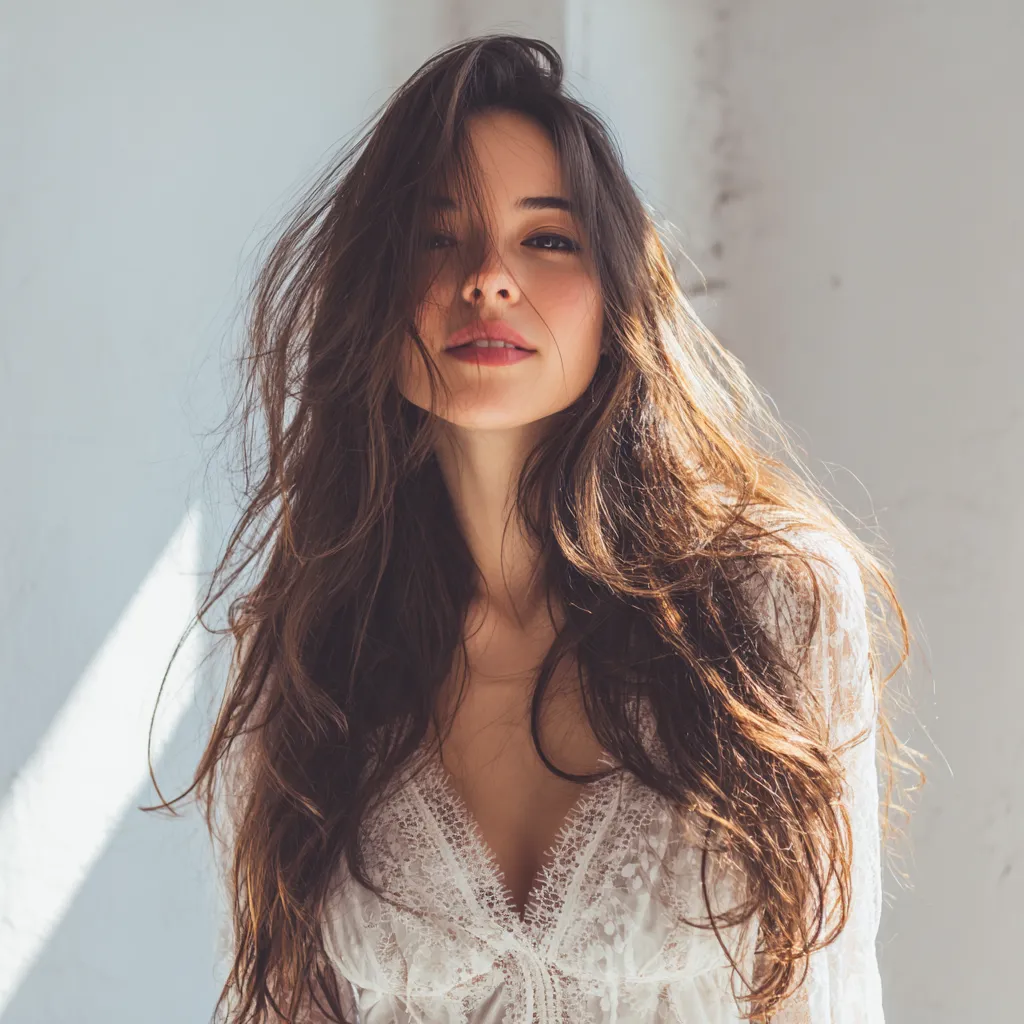


The mechanics of ghost layering are entirely hidden from the naked eye, which is precisely how it earned its intriguing name. To execute this technique, a skilled stylist will section off the uppermost layer of your hair, essentially clipping away the visible canopy that sits on top of your head. Once this protective veil is secured out of the way, they begin working on the interior sections. Instead of cutting straight across, the stylist uses specialized shears to snip shorter lengths dynamically throughout the underlying bulk. These hidden pieces vary in length, but they are all intentionally cut shorter than the top canopy. When the top section of hair is finally released and allowed to fall naturally over the interior, the shorter, freshly cut pieces are completely concealed, leaving the outward appearance of a blunt, solid haircut.
While the cuts themselves are invisible, the physical results of ghost layering are immediately apparent in how the hair behaves. The fundamental principle at play here is structural support. When you remove the heavy, dense lengths from the inside, you create pockets of air within the hair shaft. Furthermore, the shorter hairs that now live underneath act as a hidden scaffolding system. Because these shorter strands weigh less, they naturally want to spring upward. As they lift, they physically push against the longer, heavier strands lying on top of them. This creates a permanent, built-in volume that lifts the hair away from the scalp and encourages a beautiful, sweeping movement that was previously impossible to achieve with a solid block of dense hair.
Communication with your salon professional is absolutely vital when requesting this specific type of interior work. Because ghost layering is a customized, bespoke service rather than a standardized template, your stylist needs to understand exactly how you wear your hair on a daily basis. You must discuss your natural parting, your typical heat styling routine, and how much volume you are ultimately trying to achieve. If you have extremely dense hair, the stylist might need to take larger, more aggressive sections from the interior to make a noticeable difference. Conversely, if your hair is only moderately thick, a more delicate approach is required to ensure the top canopy remains opaque enough to hide the structural work beneath it.
The most profound benefit of implementing ghost layers into your thick hair is the sheer physical relief you will feel upon leaving the salon chair. Beyond the visual upgrade of having hair that sways and bounces with your every step, there is a tangible lightness that completely changes how your head and neck feel. You will likely notice that your blow-dry time is cut precisely in half, as there is simply less water-logged density to heat and evaporate. Ponytails become peppier and less heavy, and updos require far fewer pins to secure. By embracing this hidden texturizing technique, you are not just upgrading your aesthetic; you are actively improving the daily manageability and comfort of your natural hair, turning a heavy burden into a weightless, glamorous asset.
Creating Movement with Hidden Face Framing Techniques
The way your hair interacts with your facial features dictates the entire energy of your personal style. Heavy, unbroken lines that drop straight past your cheeks can visually drag your face downward, masking your bone structure and creating a severe, enclosed appearance. Conversely, traditional face-framing cuts, while effective, often rely on highly visible, stair-step pieces that can feel dated or overly styled. The modern aesthetic demands something much more fluid and unstudied. This is where the magic of ghost layering steps in to completely revolutionize how we approach framing the face. By utilizing internal snips strategically placed around the front perimeter, you can coax your hair into hugging your cheekbones and sweeping away from your eyes without ever cutting a visible, distinct fringe or a harsh, disconnected front tier.
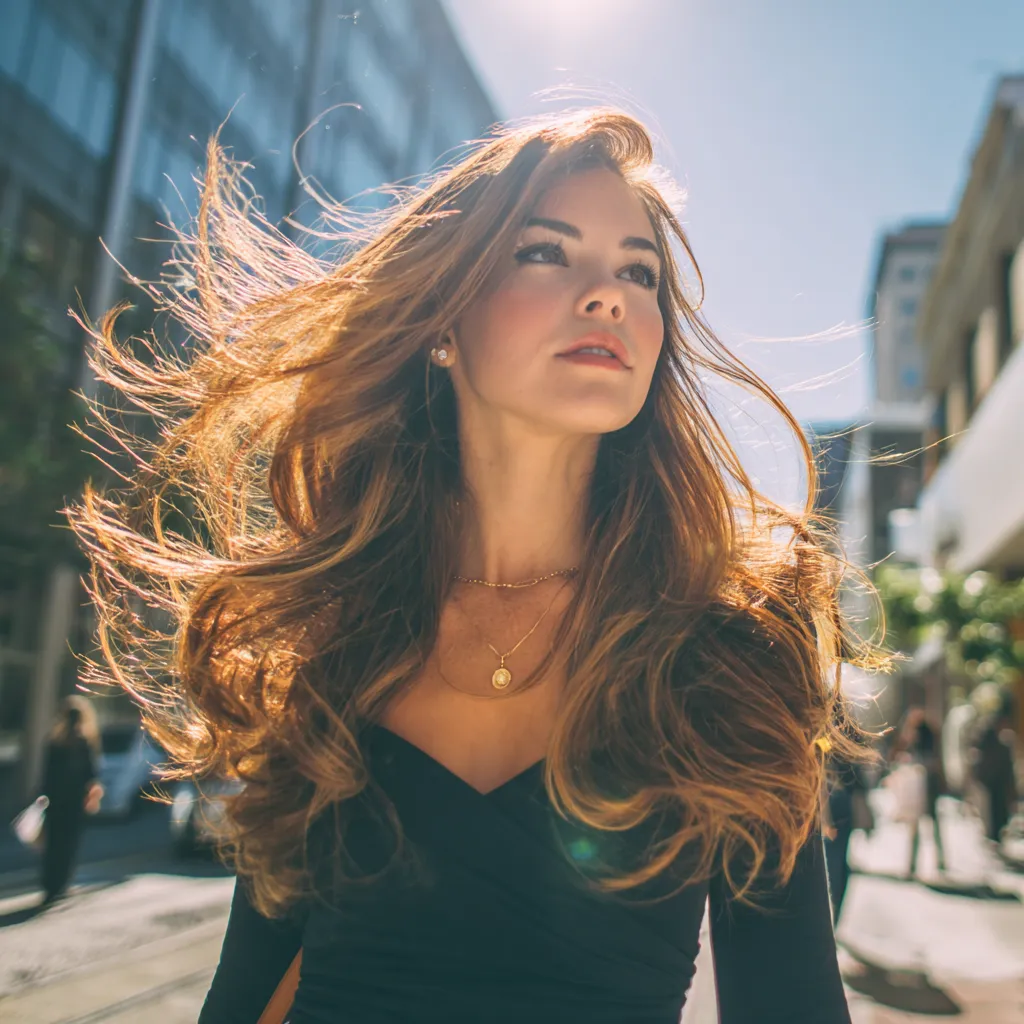

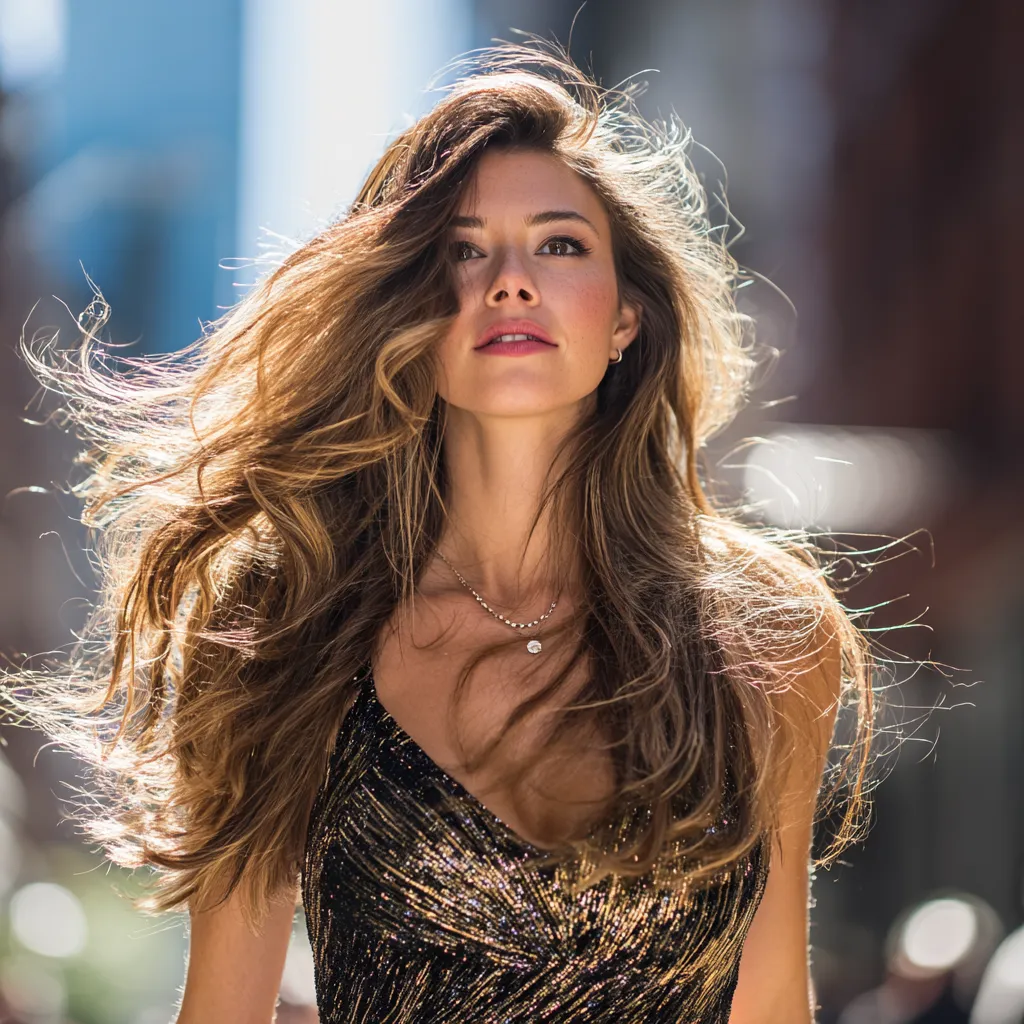
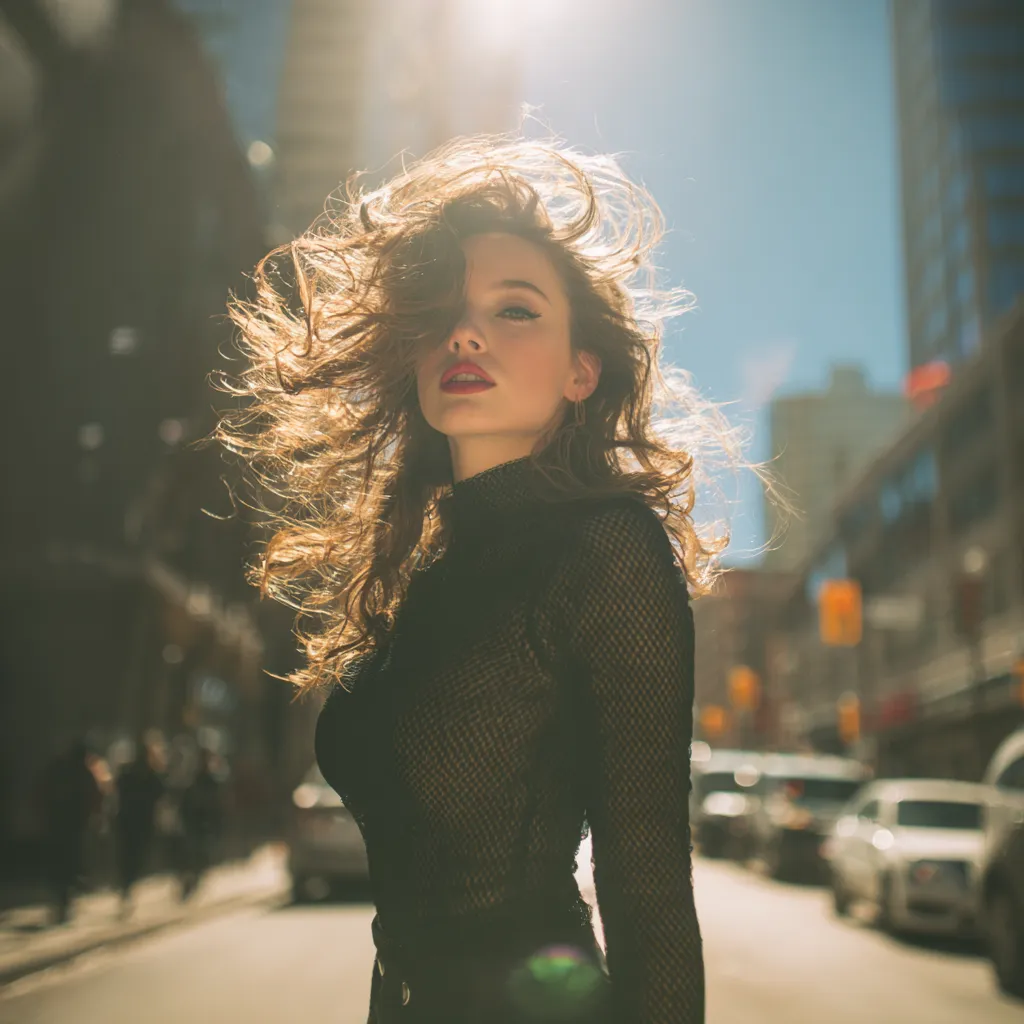
To achieve this seamless effect, the focus of the ghost layering shifts toward the front quadrants of the head. The stylist works just behind the very front hairline, carefully lifting the top sections that frame the face. By meticulously cutting shorter, supportive pieces directly underneath the longer front sections, a beautiful physical reaction occurs. The hidden short pieces create a subtle wedge effect, gently pushing the longer top strands forward and outward. This creates a soft, natural curve that sweeps toward the face before cascading down the shoulders. It is a brilliant optical illusion. The world sees a gorgeous, sweeping contour that beautifully highlights your jawline and cheekbones, completely unaware of the hidden architectural snips that are forcing the hair into that exact, flattering position.
One of the most compelling reasons to utilize ghost layering around the face is how beautifully it interacts with natural textures. If you have a slight wave or a bend to your hair, heavy front sections will pull that texture perfectly straight, eliminating any natural movement. By removing the interior bulk right at the cheek level, you suddenly free up those natural waves, allowing them to spring to life. The hair becomes airy and responsive to the slightest turn of your head. When the wind blows, the hair moves in separated, feather-light ribbons rather than a single, heavy curtain. This dynamic movement is the hallmark of modern, expensive-looking hair. It conveys a sense of effortless glamour, suggesting that your hair simply falls perfectly on its own without hours of painstaking manipulation.
This hidden technique also offers a brilliant compromise for anyone who is terrified of the commitment required for bangs or heavy face-framing pieces. Traditional front layers demand constant maintenance, requiring frequent trims to keep them out of your eyes and precise daily styling to keep them from looking flat. Ghost layers, on the other hand, are inherently low maintenance. Because the supportive cuts are hidden beneath the longer canopy, you can still easily pull all of your hair back into a sleek ponytail or a tight bun without random short pieces falling out and ruining the look. You get the aesthetic benefits of a customized face frame when you wear your hair down, while retaining the practical versatility of one-length hair when you need it pulled back.
Ultimately, the goal of incorporating ghost layering around the face is to open up your features and bring light to your expressions. When hair is too dense around the face, it casts shadows and hides your eyes. By introducing this invisible, airy texture, you allow light to pass through the strands, creating a softer, more radiant appearance. The hair becomes a delicate, movable frame rather than a solid wall. It invites people to look at your face rather than just your hair. Whether you are walking down a bright street or sitting in a dimly lit restaurant, the subtle, built-in movement will ensure that your hair is constantly catching the light and framing your features in the most flattering, dynamic way possible.
Styling and Maintaining Your Seamless Texturized Cut
Walking out of the salon with the perfect internal architecture is only the beginning of your hair journey. To truly maximize the benefits of a seamless, internally texturized cut, you must adapt your home styling routine to support and activate the hidden movement. The beautiful thing about ghost layering is that it actually does a significant amount of the heavy lifting for you. Because the volume is physically cut into the interior of the hair, you no longer need to rely on excessive teasing, heavy backcombing, or pounds of sticky holding sprays to achieve a lifted look. However, you do need to understand how to wash, dry, and protect your strands to ensure those invisible supportive pieces perform their intended job day after day.

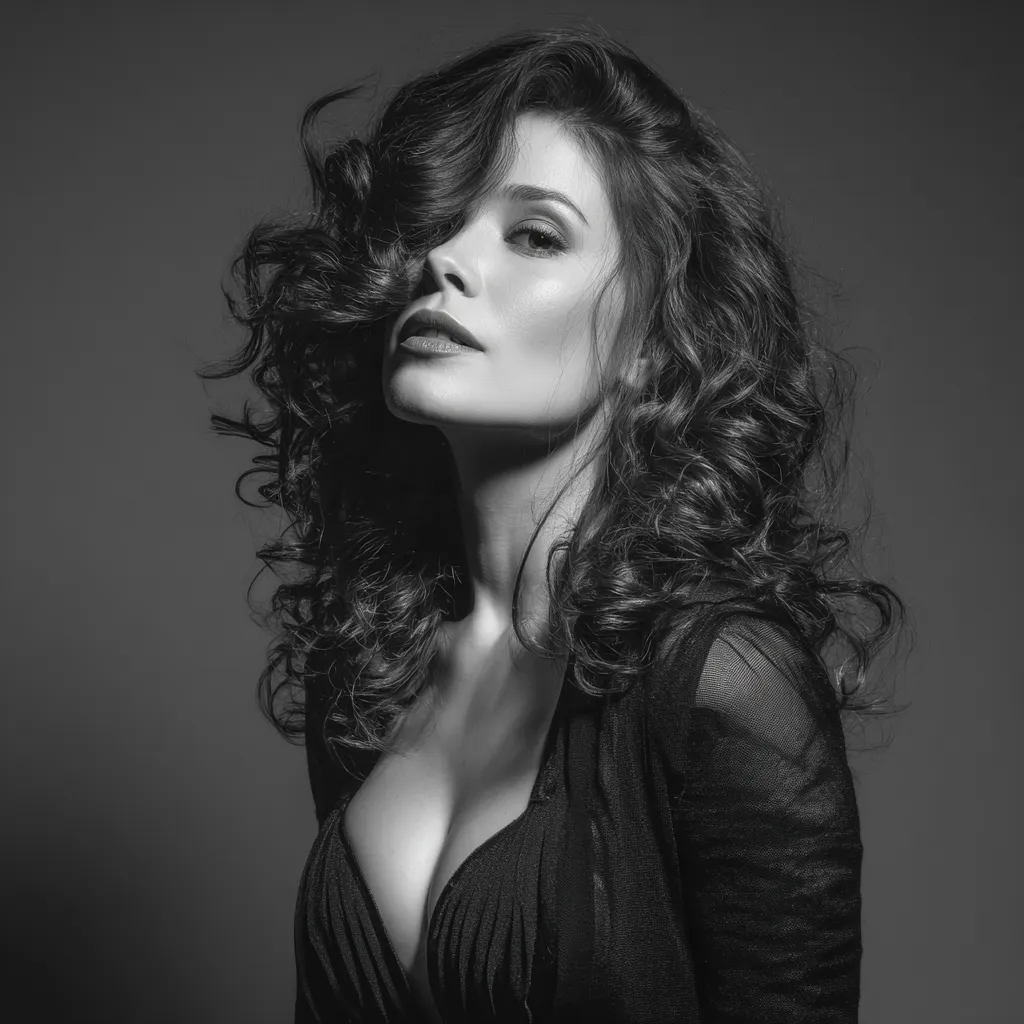
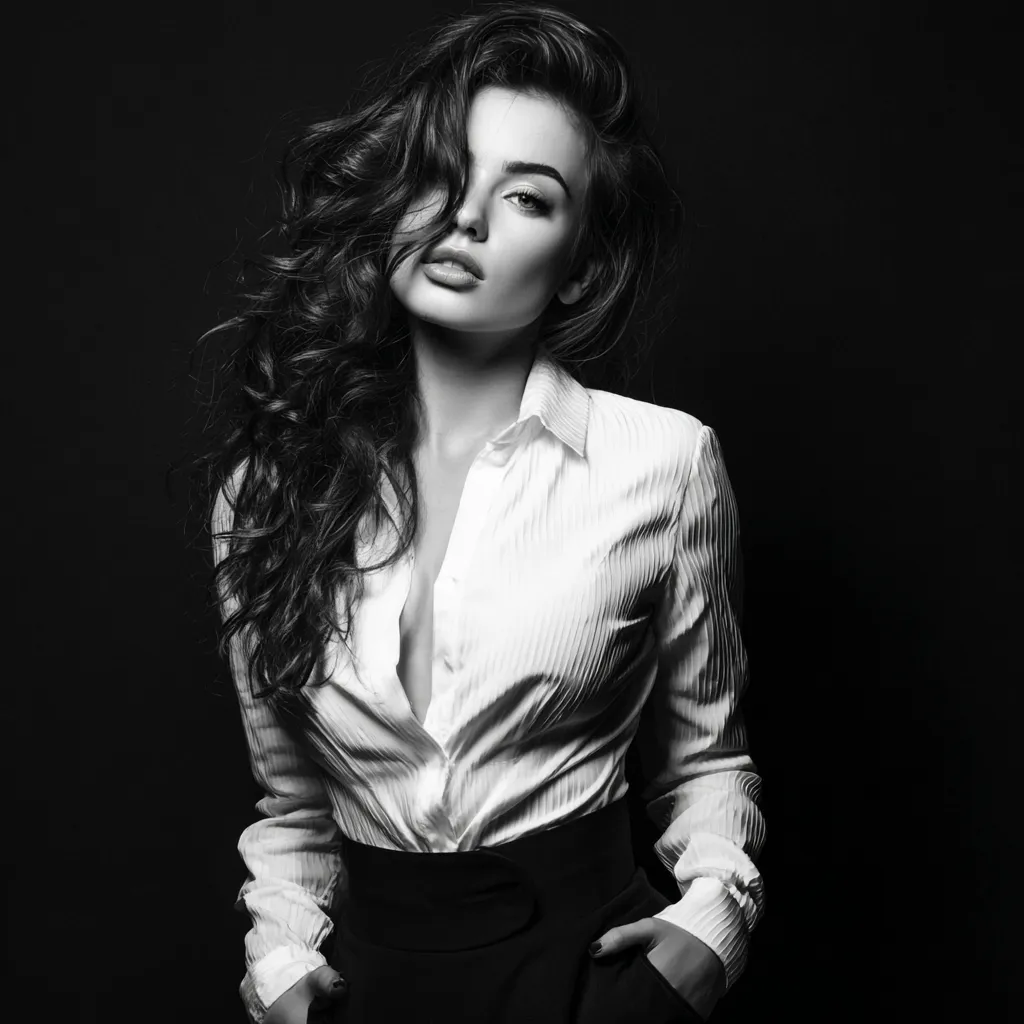
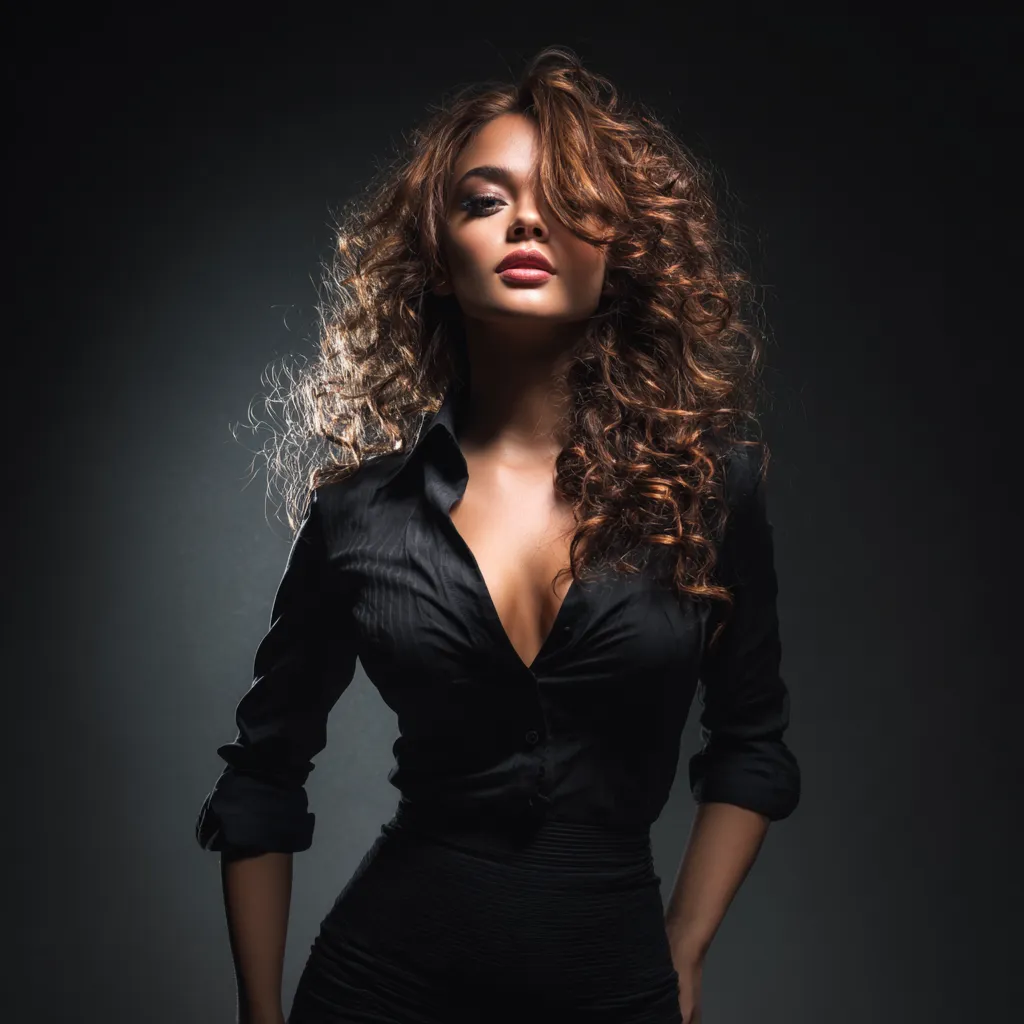
The foundation of your styling routine begins in the shower, and product selection is more critical than ever. When you have hidden short layers designed to push the top hair upward, the absolute worst thing you can do is weigh those short pieces down with heavy, silicone-laden products. You must swap out rich, buttery shampoos for lightweight, volumizing formulas that cleanse the scalp thoroughly without leaving a heavy residue. When applying your conditioner, be incredibly disciplined about keeping it entirely off your roots and the mid-shaft of your hair. Apply hydration strictly to the bottom few inches of your outer canopy. If you apply heavy conditioner to the interior where your ghost layers live, they will become slick and heavy, entirely defeating the purpose of the structural cut.
Once you are out of the shower, the blowout process is where the true magic happens. Before applying heat, distribute a generous amount of lightweight volumizing mousse from your roots down to the mid-lengths. Mousse provides the necessary grip for the hidden short pieces to stand up and support the longer hair. When blow-drying, flip your head entirely upside down for the first eighty percent of the drying process. This forces the hidden interior hairs to dry in an upright position, locking in maximum root lift. Once the hair is mostly dry, flip back up and use a large ceramic round brush to smooth the top canopy. Remember, you only need to polish the long outer layer; the interior is already dry, lifted, and doing its job invisibly beneath the surface.
For the days when you want to enhance the piecey, sweeping aesthetic of your face-framing sections, dry texturizing spray is your ultimate secret weapon. Unlike hairspray, which freezes the hair in place, a dry texturizing spray adds grit and separation while still allowing the hair to move freely. Lift the top canopy of your hair and spray the product directly into the interior where the ghost layers reside. Massage the roots vigorously with your fingertips to activate the spray, then let the top canopy fall back down. You will instantly see the hair expand and push outward, creating that effortlessly chic, windblown look that makes this specific cutting technique so highly coveted in the fashion world.
Maintaining the structural integrity of this cut requires a dedicated and consistent salon schedule. While the top canopy will grow evenly, the internal short pieces will also grow, eventually losing their ability to support the heavy hair above them. If you wait too long between appointments, the hidden layers will grow past the critical support zone, and your hair will slowly return to its original, heavy, triangular shape. To prevent this, you should be sitting in your stylist’s chair every eight to ten weeks for an internal refresh. The stylist will not necessarily need to trim the perimeter length at every visit, but they must go back into the interior to re-establish the short, supportive snips. By committing to this maintenance routine and perfecting your lightweight styling habits, you ensure that your ghost layering continues to provide flawless, invisible volume all year round.
Final Thoughts on Invisible Texturizing
Embracing this completely concealed cutting method is a game changer for anyone who wants the aesthetic benefits of massive volume and dynamic movement without sacrificing the sleek, solid appearance of one-length hair. The genius lies entirely in the hidden architecture, allowing the hair to perform beautifully without revealing the mechanical work behind the scenes. By understanding the physics of how interior weight removal pushes the exterior strands upward and outward, you can completely redefine your relationship with your hair. It offers a level of customized, effortless glamour that traditional chopping simply cannot match, giving you the freedom to enjoy hair that feels as incredibly light and airy as it looks.
Related Topics