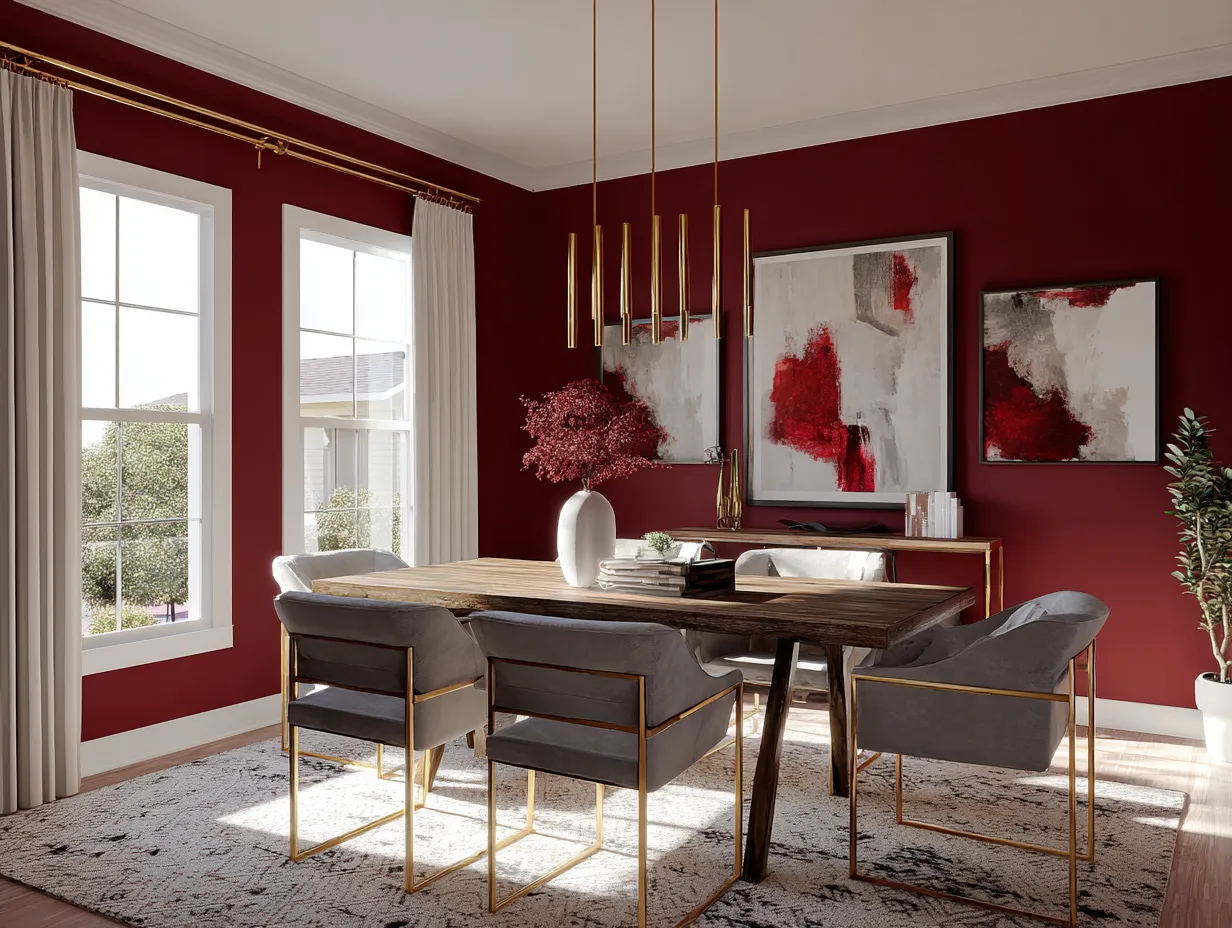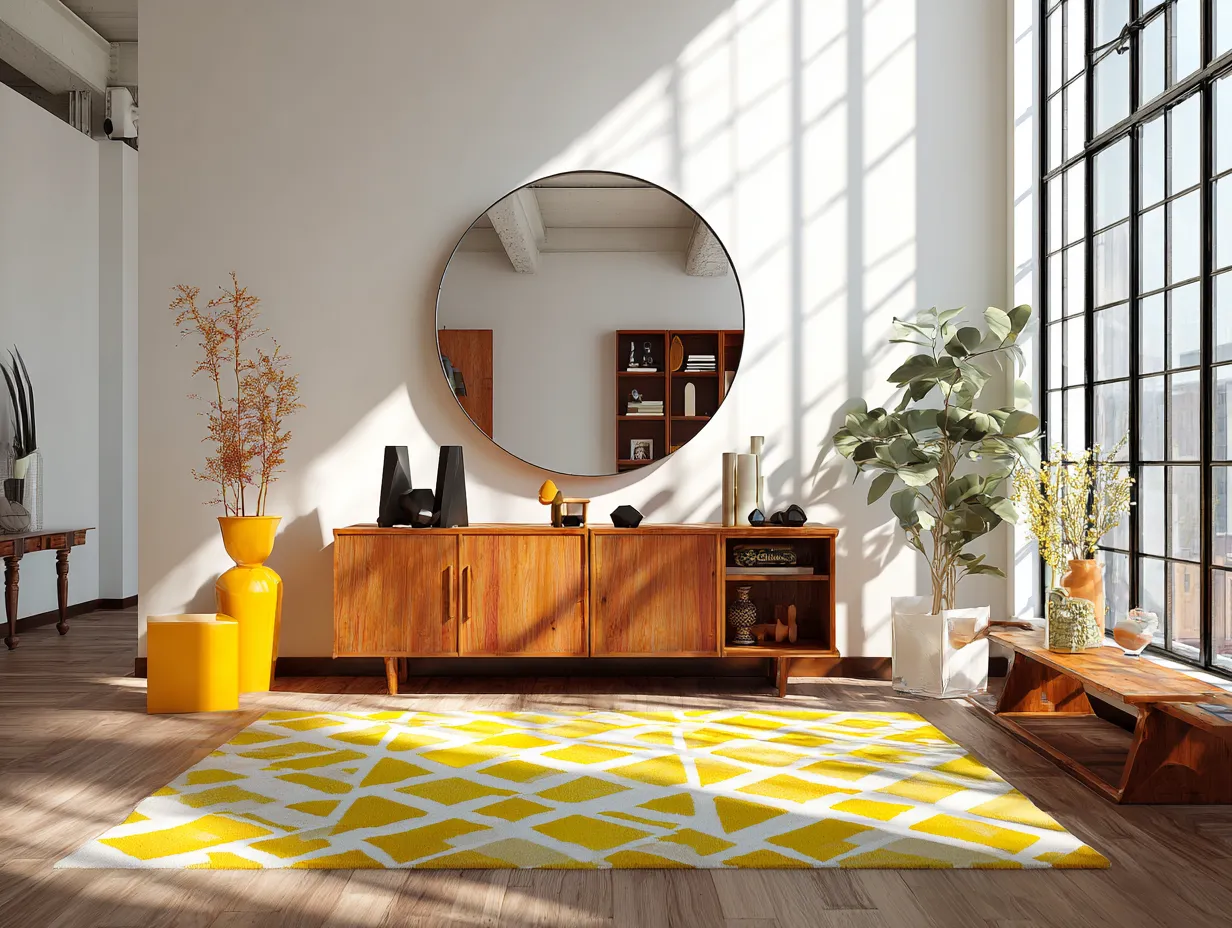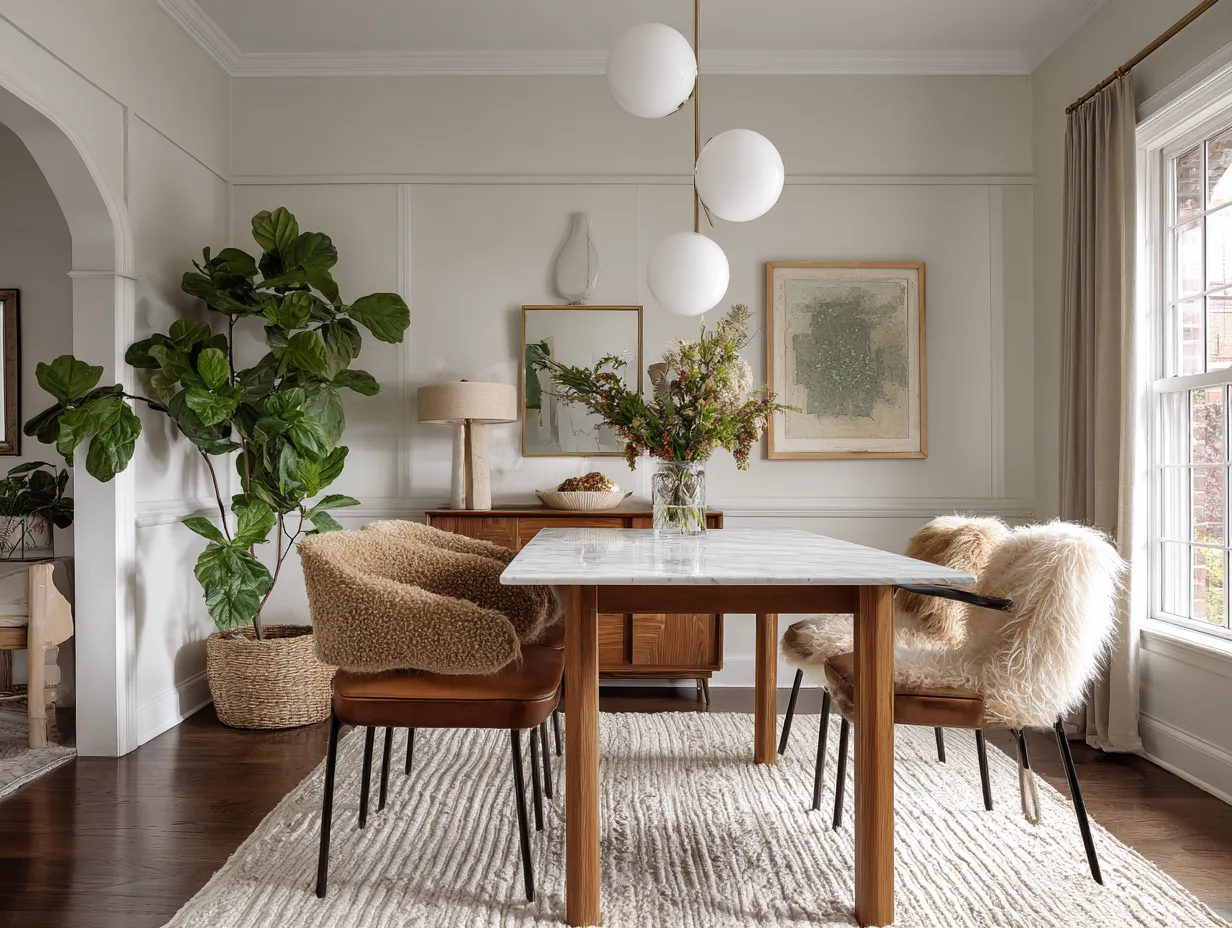
Creating an environment that feels both historically rich and refreshingly current is a delicate balancing act in interior design. The dining room, inherently a place of gathering and connection, provides the perfect canvas for this specific aesthetic tension. When we lean too heavily into historical pieces, a room can quickly feel heavy, dark, and overly formal, resembling a museum rather than a home. Conversely, a strictly contemporary approach often results in a stark, clinical atmosphere that lacks the warmth necessary for relaxed entertaining. The magic happens in the middle ground. By thoughtfully blending the patina and character of older elements with the clean, unencumbered lines of current design, homeowners can craft an environment that is deeply personal and inherently relaxing. This approach requires intention, a discerning eye, and a deep understanding of visual weight to ensure the resulting environment feels unified rather than chaotic.
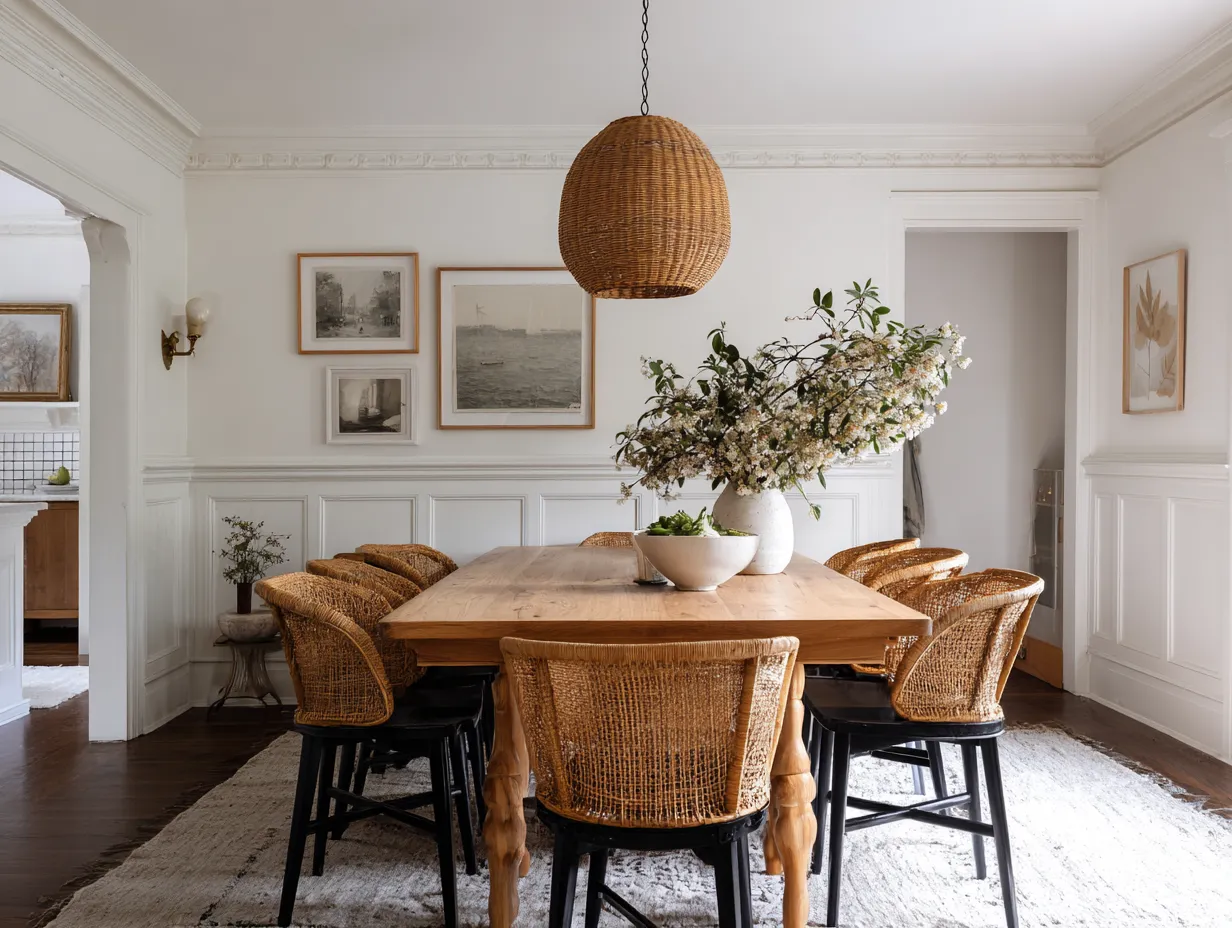
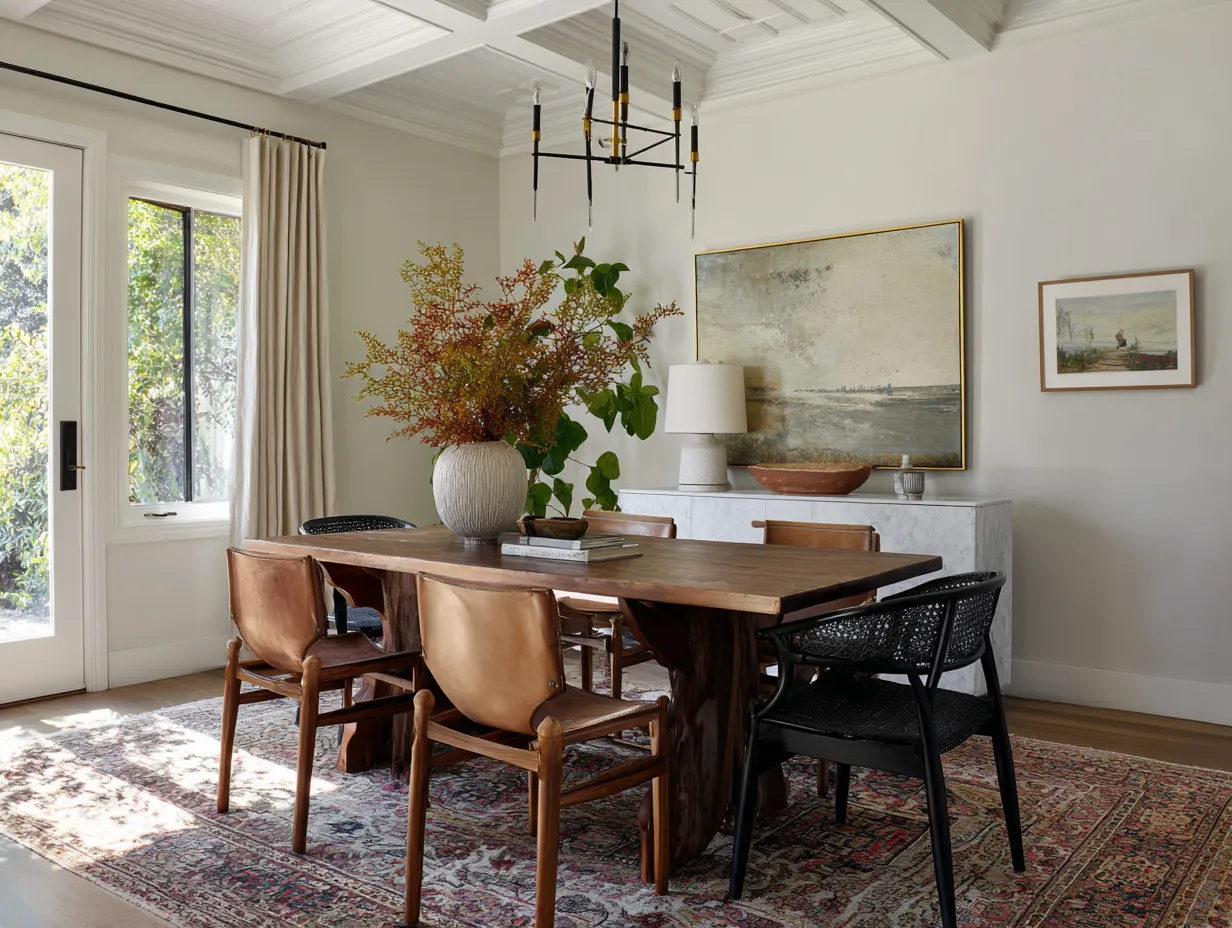
Blending Antique Tables With Contemporary Seating For A Serene Dining Area
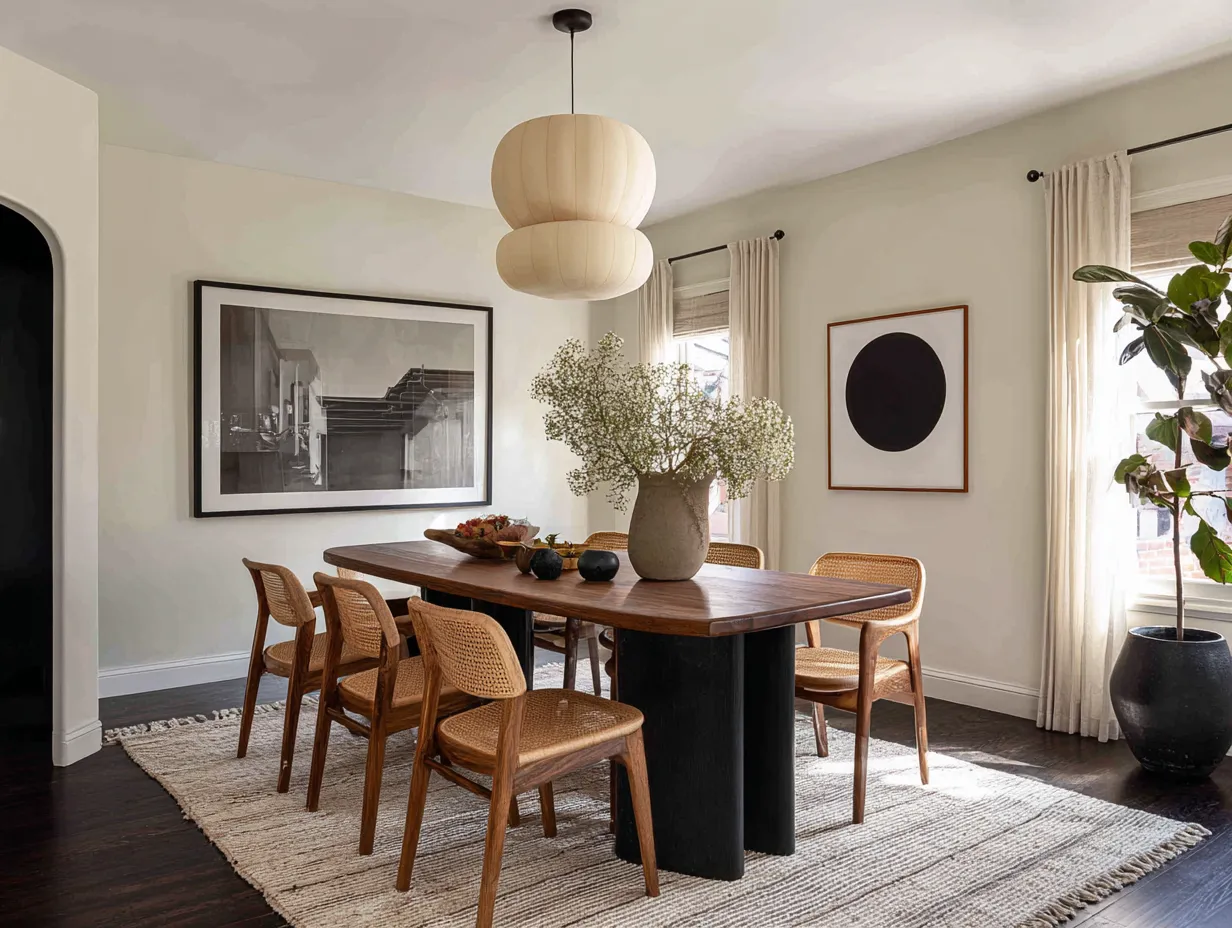
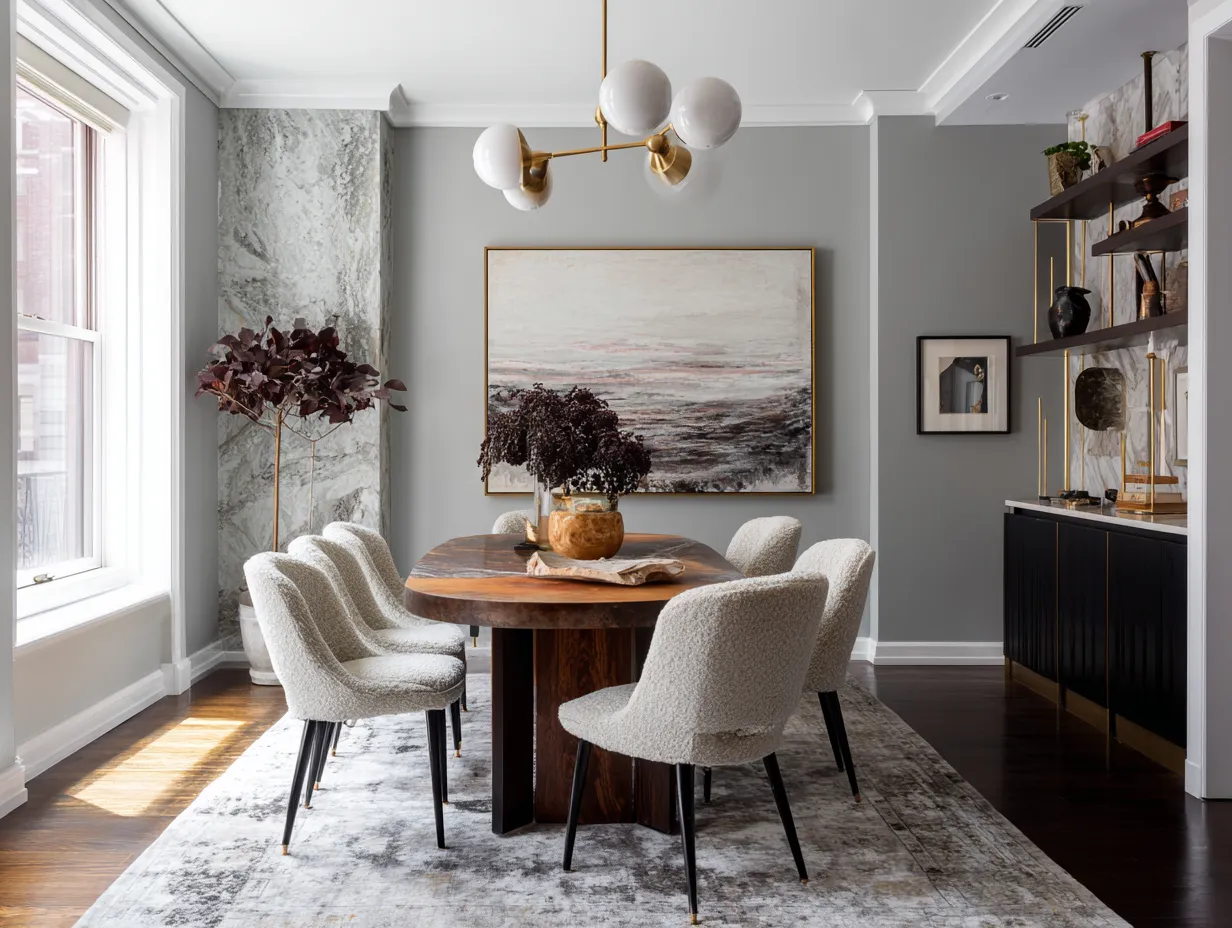
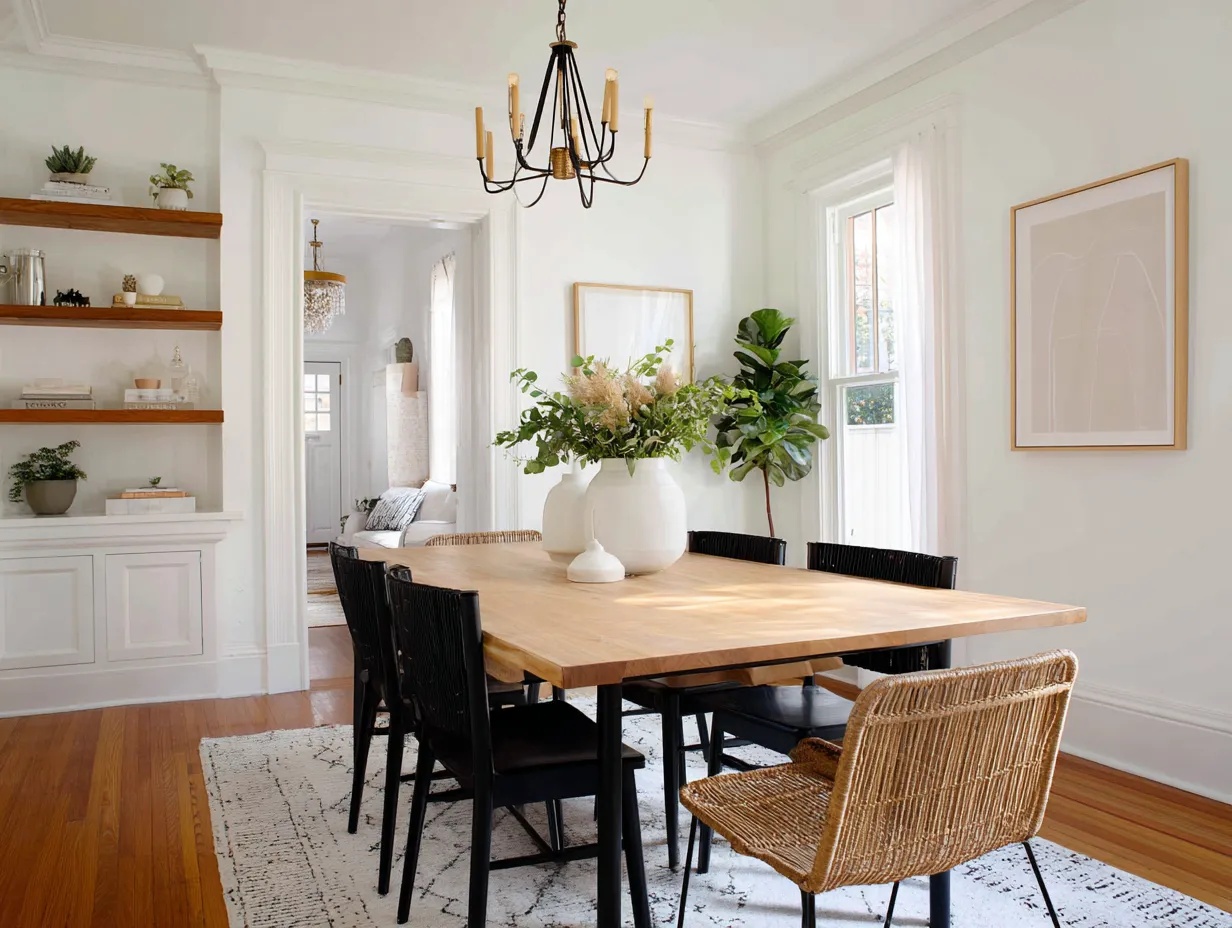
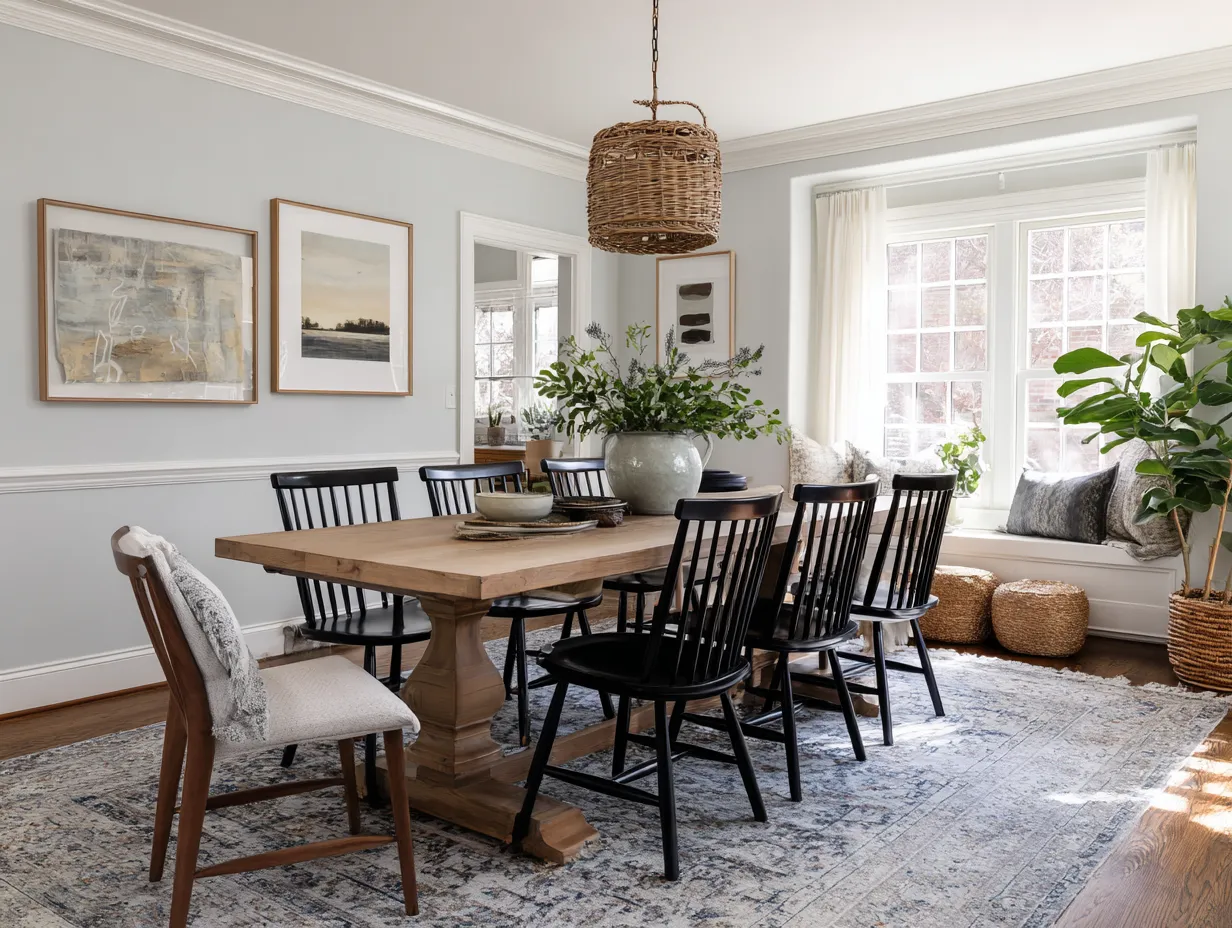
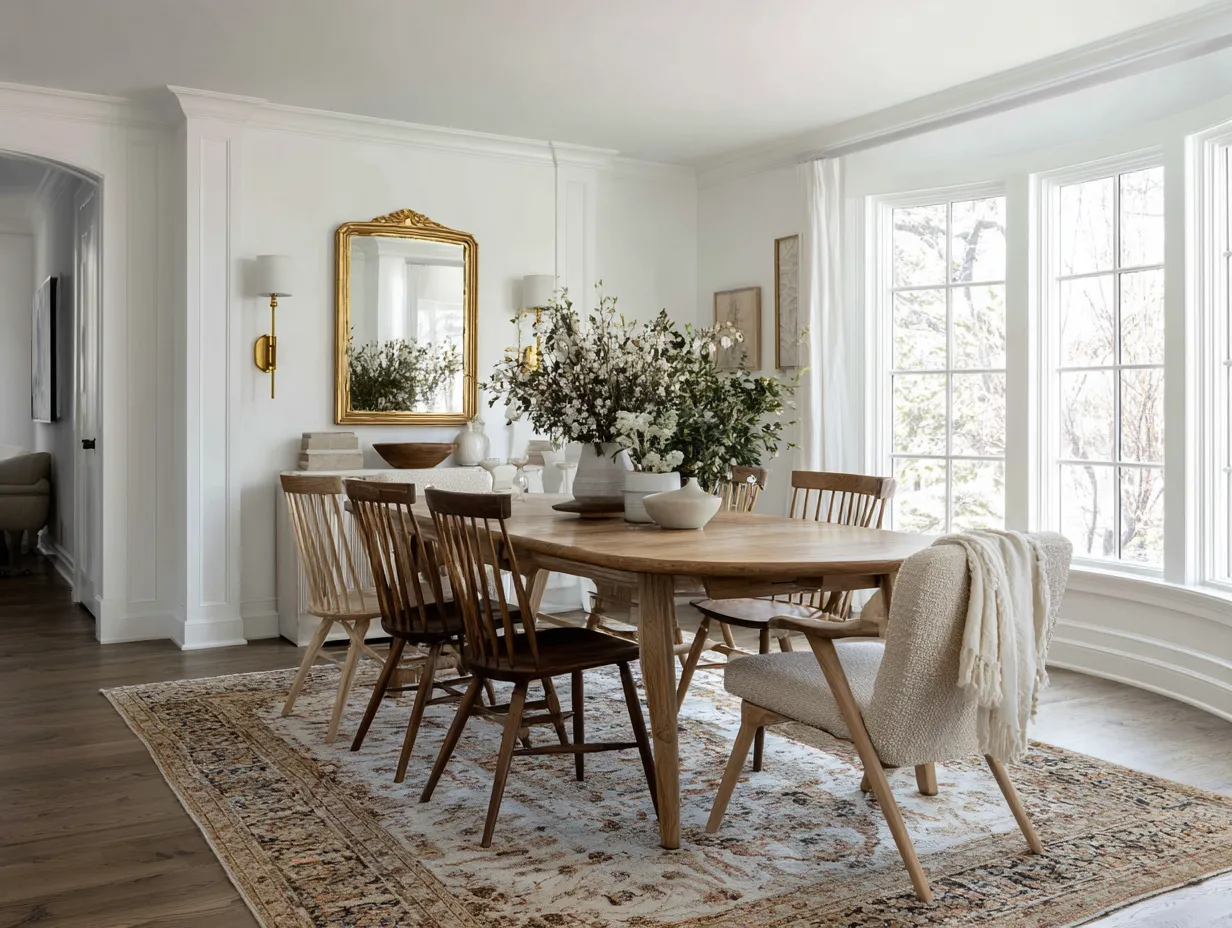
The dining table is undeniably the gravitational center of the room, dictating the flow of traffic, the scale of the surrounding pieces, and the overall mood of the gatherings it hosts. Utilizing an antique or vintage table as this foundational anchor is a masterful way to inject immediate soul and history into your home. Older wooden tables, whether they are distressed farmhouse planks, polished mid-century teak, or intricately carved mahogany, possess a tangible sense of time. The imperfections, the worn edges, and the depth of the wood grain tell a story that brand-new manufactured pieces simply cannot replicate. However, matching such a heavy, historically significant piece with equally aged seating can quickly suffocate the room, making it feel formal, stuffy, and visually overwhelming.
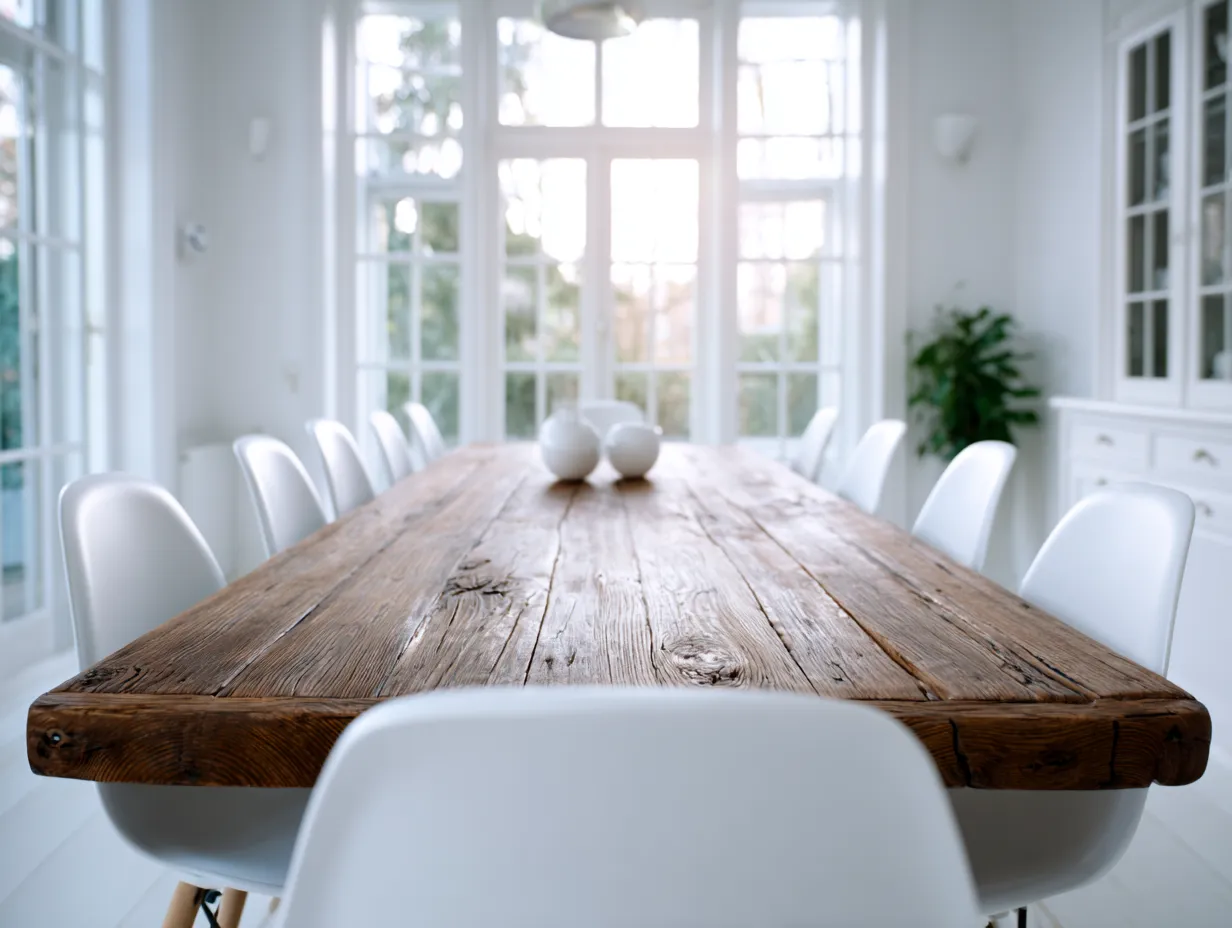
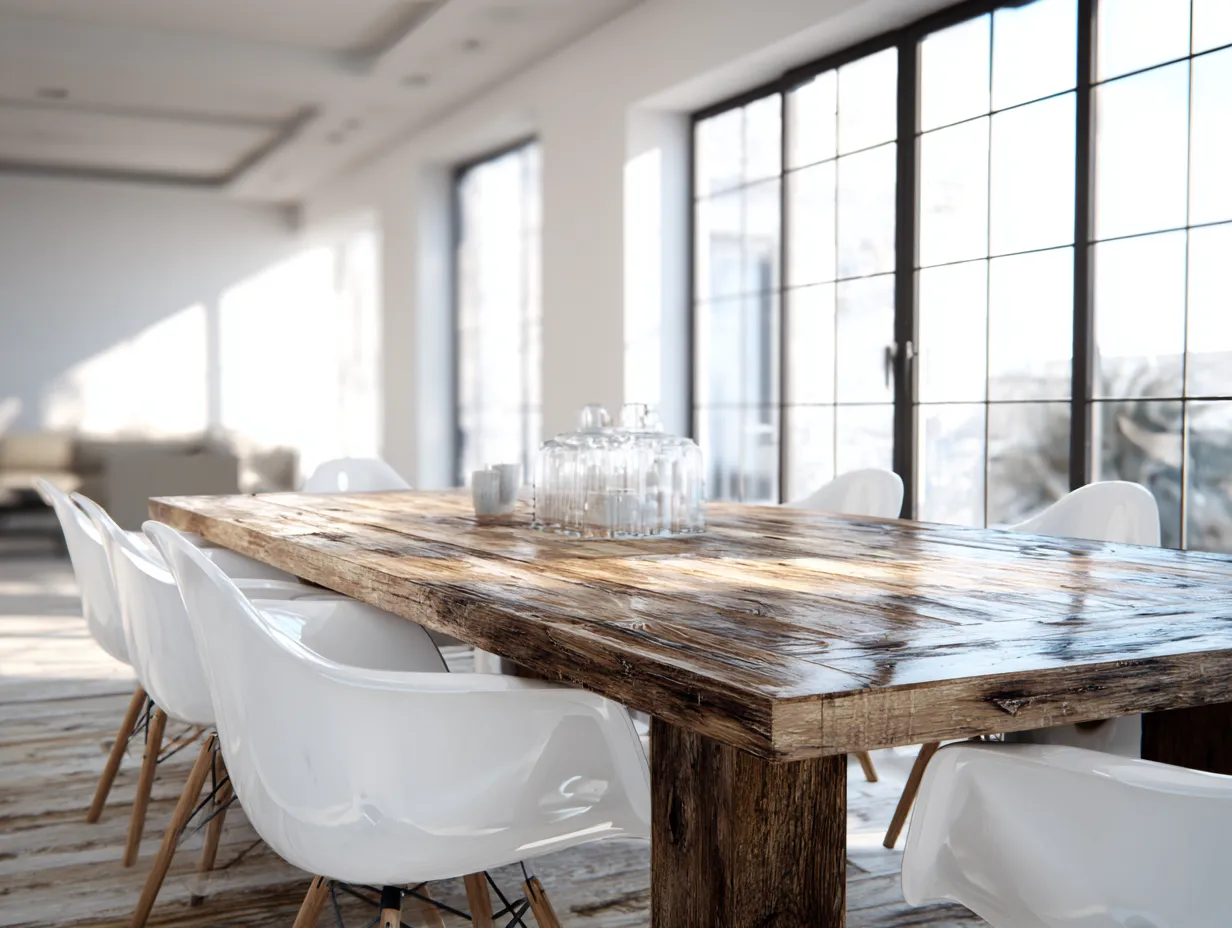
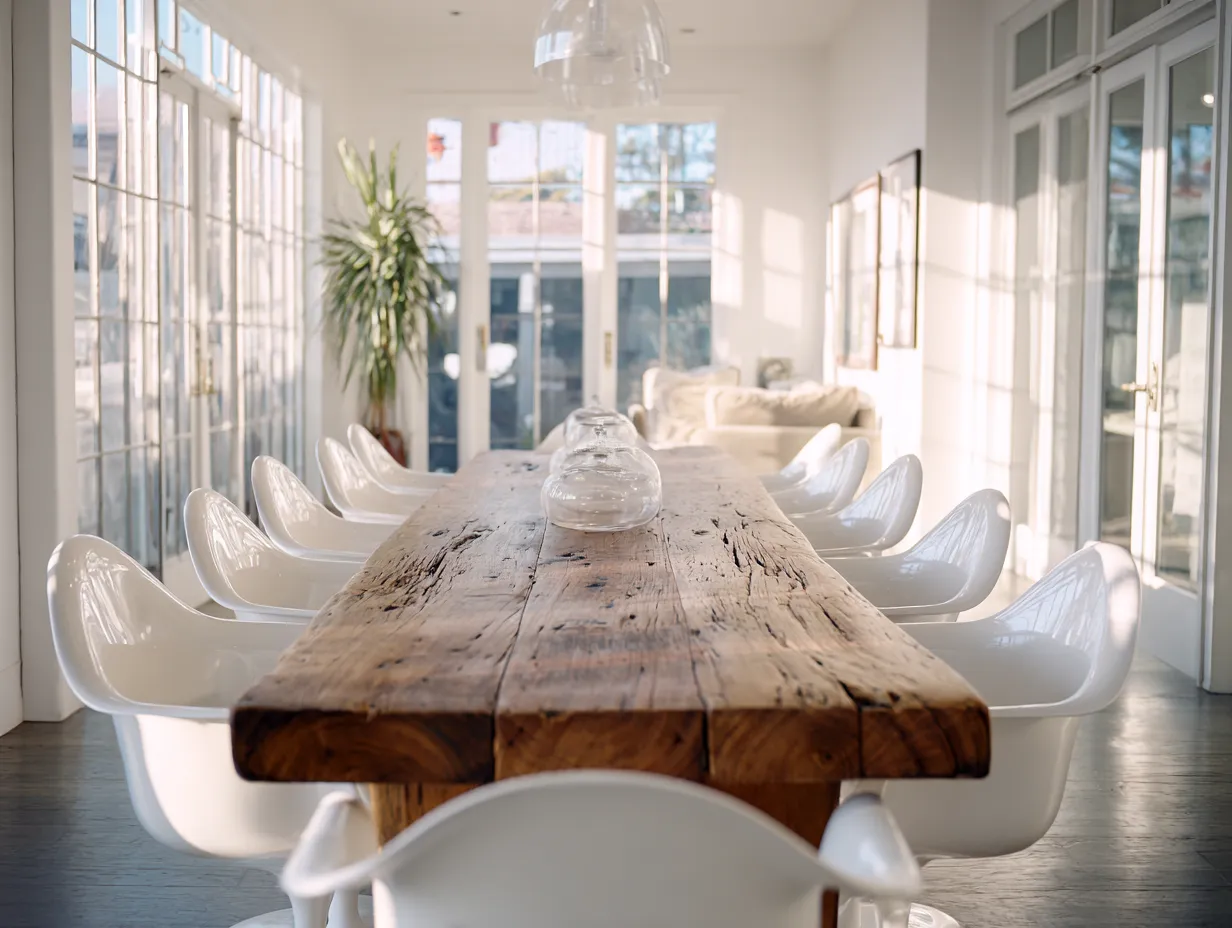
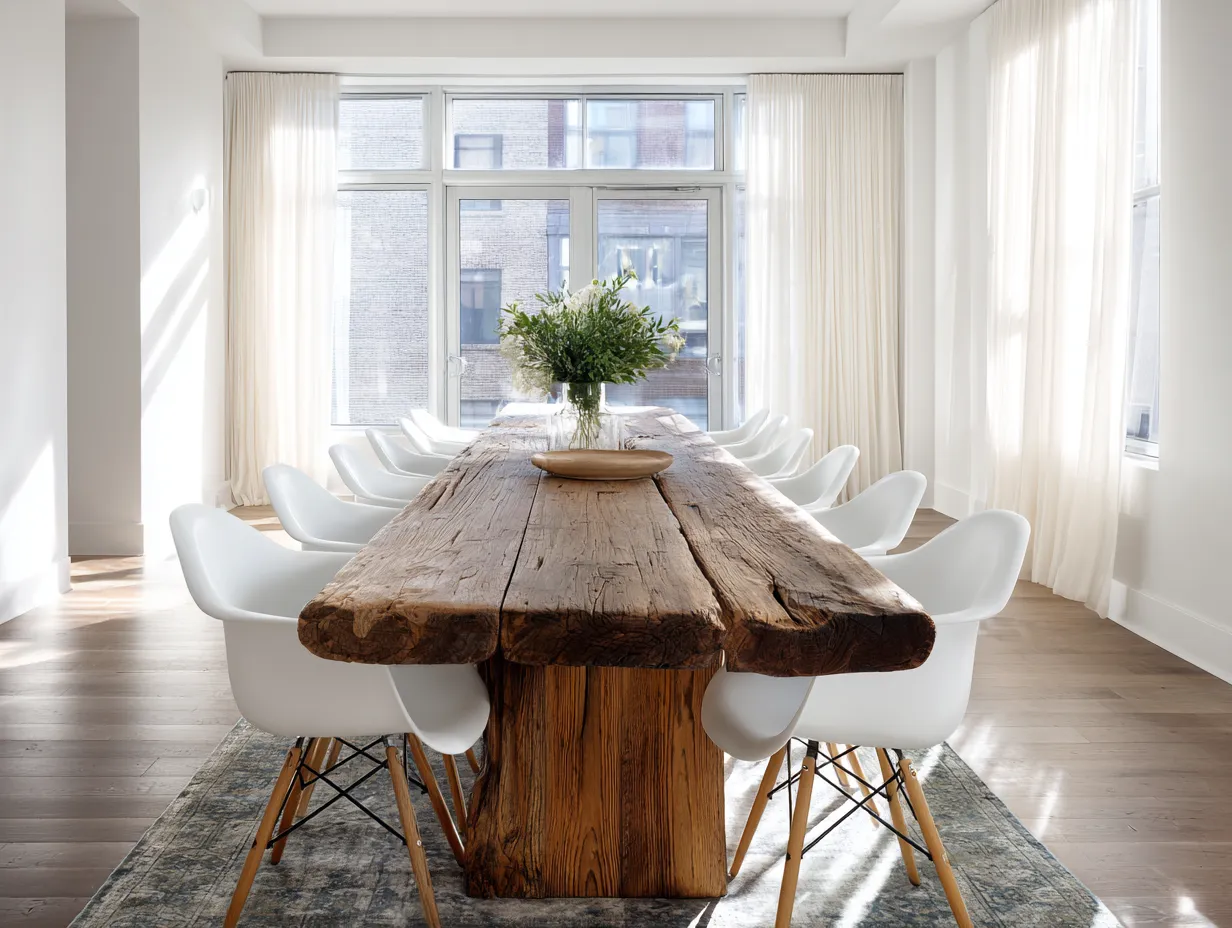
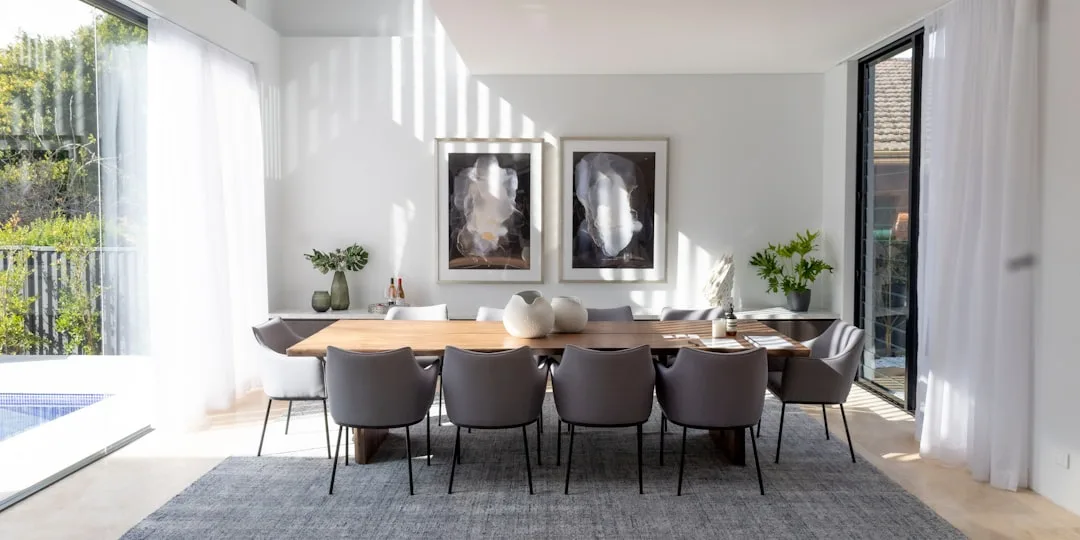
To successfully mix vintage and modern styles, the seating must provide a sharp, intentional contrast to the table. Surrounding a heavy, rustic oak table with sleek, contemporary chairs completely transforms the dynamic of the room. Imagine the visual impact of crisp white molded plastic chairs, or minimalist wire-framed seating, tucked beneath a centuries-old wooden surface. This deliberate juxtaposition instantly lightens the visual load of the heavy timber. The clean, unadorned lines of contemporary seating allow the intricate details and rich textures of the antique table to stand out, rather than competing with them. This strategy is essential for establishing a curated calm dining space, as it prevents the eye from becoming overwhelmed by too much ornate detail or heavy material in one concentrated area.
Color theory plays a massive role in bridging the gap between centuries of design. When you mix vintage and modern styles, maintaining a restrained, cohesive color palette is the secret to ensuring the room feels intentional. If the antique table has deep, warm, reddish undertones, choosing contemporary chairs in a stark, cool matte black or a soft, warm ivory creates a unified visual language. The goal is to let the shapes and eras contrast while the colors harmonize. A chaotic color scheme combined with contrasting furniture eras will shatter the illusion of a serene dining area, leading to visual confusion. By keeping the surrounding walls and flooring relatively neutral, the tension between the old table and new chairs becomes a celebrated focal point rather than a chaotic collision.
Spatial planning also heavily influences how these contrasting elements interact. Contemporary chairs often boast a smaller physical footprint and a more open, airy silhouette compared to their traditional upholstered counterparts. This openness allows more light to pass through the dining arrangement, illuminating the base and legs of the antique table and making the entire room feel more spacious and breathable. In a curated calm dining space, the negative space—the empty areas around and between the furniture—is just as important as the pieces themselves. By utilizing streamlined seating, you preserve this vital negative space, allowing the room to feel expansive and tranquil even when accommodating a large dinner party.
Furthermore, the tactile experience of blending these eras adds an incredible layer of sophistication to the room. The sensory contrast between running a hand over the deeply grooved, time-worn surface of an antique farm table and then touching the smooth, cold, industrial finish of a modern chair is incredibly engaging. It grounds the inhabitants in the present moment while acknowledging the past. This sensory diversity prevents the room from feeling one-dimensional or flat. The success of this design approach lies in its inherent balance. It proves that you do not need to choose between the charm of yesteryear and the sleekness of today. By confidently placing them side by side, you elevate both styles, creating an environment that is uniquely tailored, effortlessly chic, and perfectly suited for creating new memories.
Harmonizing Retro Lighting Fixtures In A Balanced Dining Room Decor
Lighting is frequently referred to as the jewelry of a room, but in a dining setting, its role is far more structural and atmospheric than mere decoration. The fixture suspended above the table acts as a secondary focal point, drawing the eye upward and establishing the vertical boundaries of the gathering space. When attempting to mix vintage and modern styles, the lighting fixture presents a brilliant opportunity to introduce historical grandeur without consuming valuable floor space. An ornate, retro chandelier or a beautifully aged mid-century pendant can completely redefine the architectural feel of a stark, contemporary room. However, integrating these complex, historically weighted pieces into a streamlined environment requires a careful understanding of scale, proportion, and visual harmony.
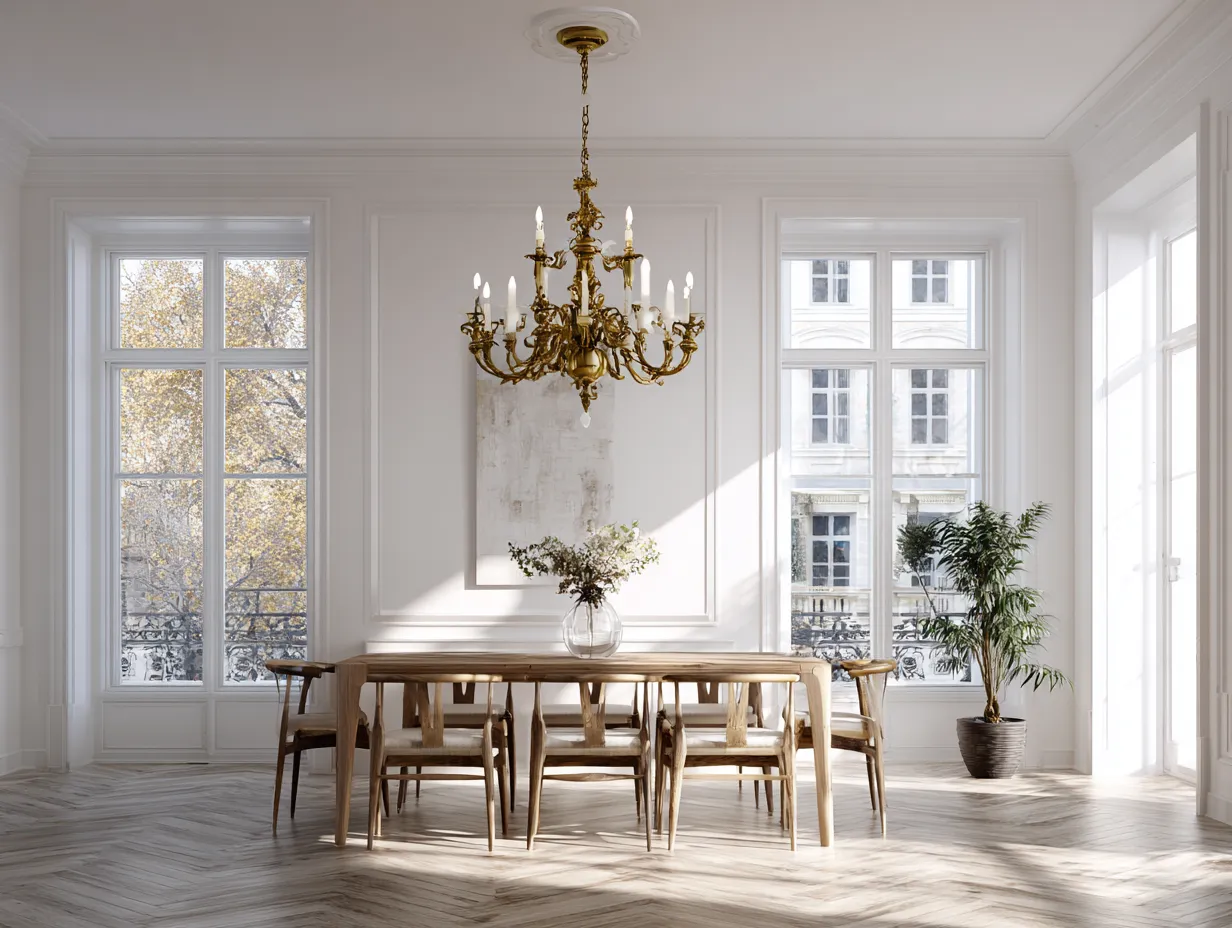
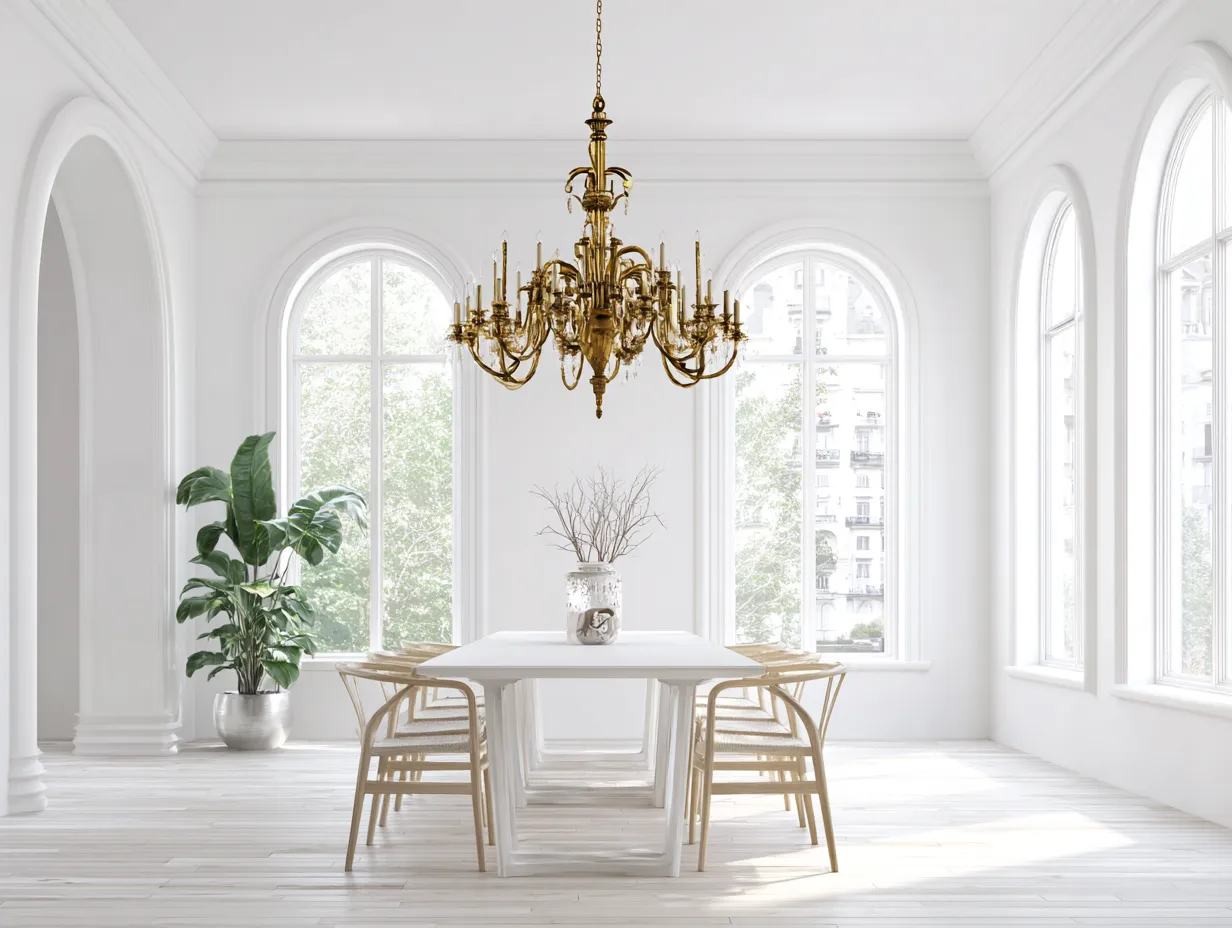
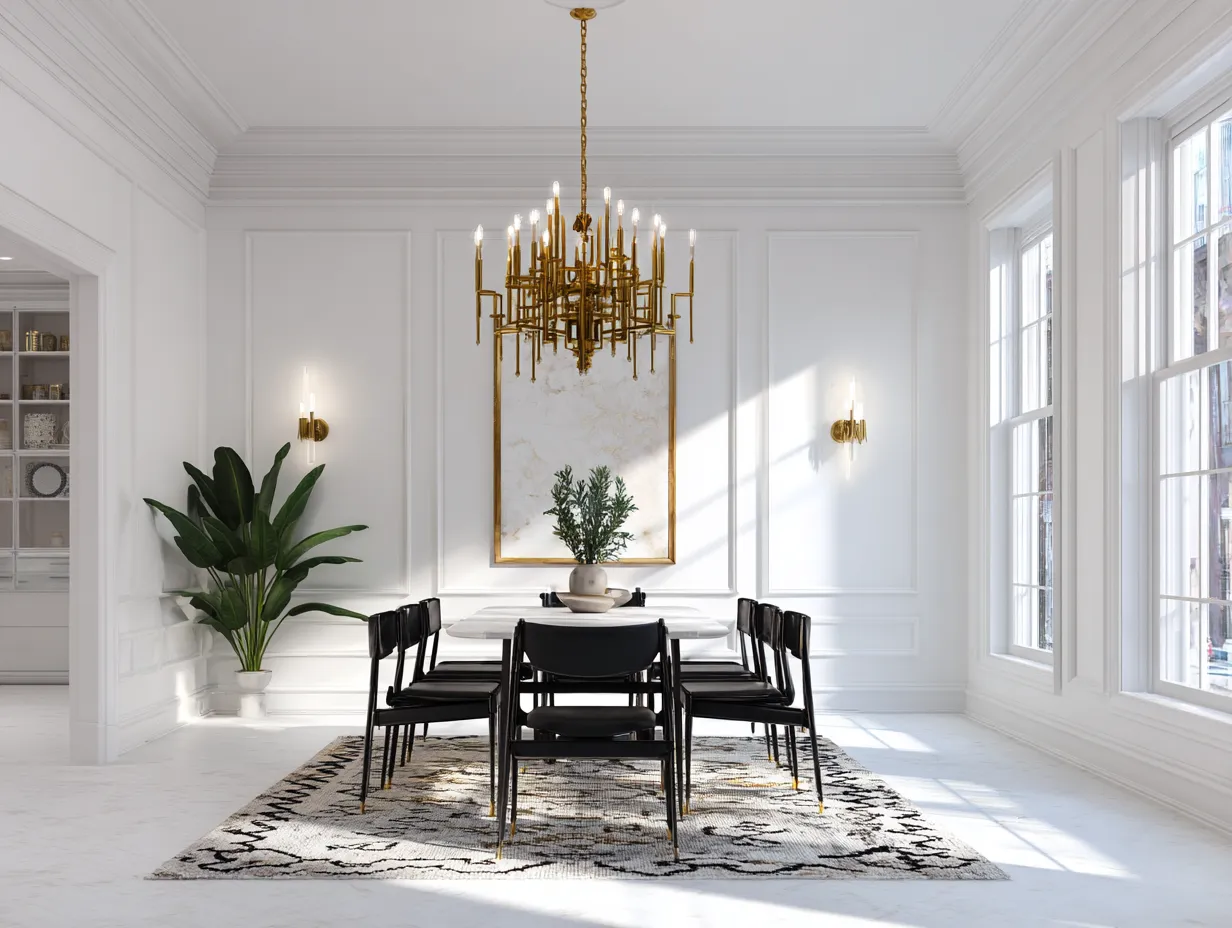
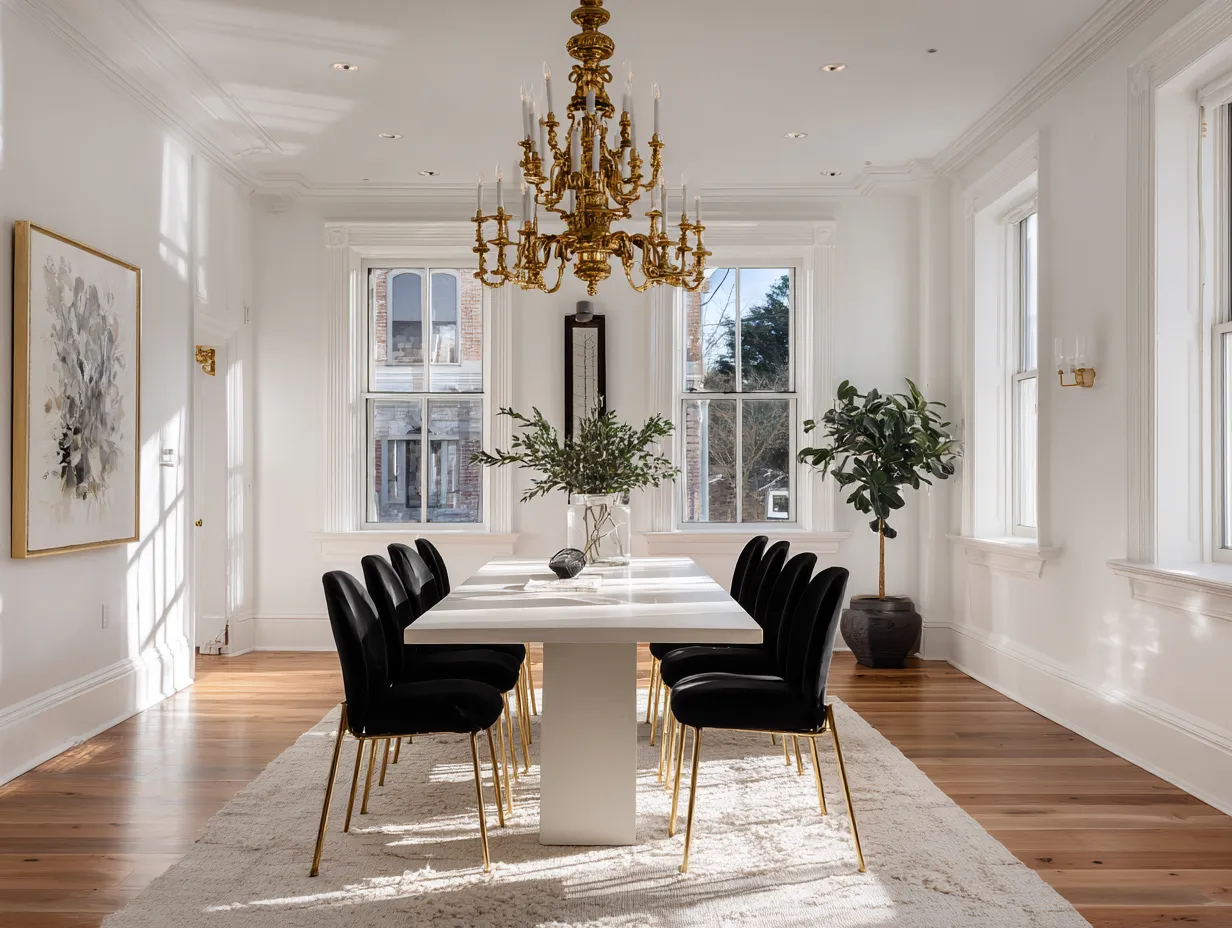
The inherent beauty of retro lighting lies in its craftsmanship and detailing. An Art Deco glass pendant, a sprawling brass Sputnik chandelier, or a dripping crystal Victorian fixture brings a level of intricacy that is rarely found in mass-produced contemporary lighting. To make these pieces work within a curated calm dining space, the surrounding architecture and furniture must serve as a quiet, unassuming backdrop. If you hang a highly detailed antique chandelier in a room already overflowing with heavily patterned wallpaper, ornate crown molding, and heavily carved furniture, the fixture becomes lost in the noise, and the room becomes visually exhausting. The true power of a vintage fixture is unlocked when it is juxtaposed against clean, minimalist lines and unadorned surfaces.
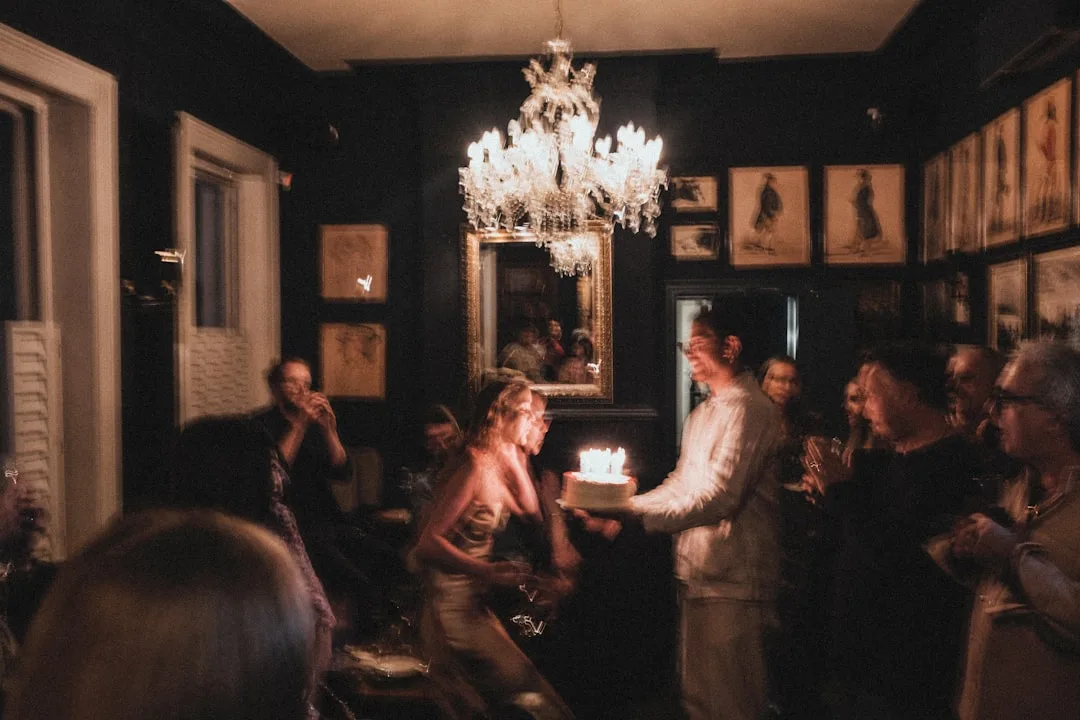
Imagine a dining space featuring smooth, gallery-white walls, a simple monolithic concrete dining table, and sleek, low-profile seating. Suspending a massive, tarnished brass vintage chandelier above this hyper-modern setup creates a breathtaking moment of design tension. The chandelier becomes a sculptural masterpiece, its intricate details celebrated against the blank canvas of the modern room. This specific method to mix vintage and modern styles ensures that the historical element is honored and highlighted rather than buried. It provides the room with a distinct personality and a conversation starter, while the minimalist surroundings guarantee that the overall atmosphere remains serene, uncluttered, and conducive to relaxation.
The physical materials of the lighting fixture also dictate how successfully it will blend into a balanced dining room decor. The patina of aged metals—the soft tarnish of vintage brass, the blackened depths of aged bronze, or the smoky finish of antique mirrored glass—adds a layer of organic warmth that stark contemporary spaces often lack. To harmonize these elements, it is highly effective to subtly echo the material of the retro fixture in small, modern touches elsewhere in the room. If the vintage chandelier is made of warm, aged brass, incorporating sleek, modern brass cabinet pulls on a nearby sideboard or utilizing contemporary brass candlestick holders on the table creates a subtle, subconscious link between the eras.
The quality of the light itself is another crucial factor. Vintage fixtures were often designed for a different era of illumination, sometimes emitting a softer, more diffused glow. To maintain a curated calm dining space, the lighting must be highly controllable. Installing vintage fixtures on modern dimmer switches allows you to manipulate the atmosphere effortlessly, transitioning from bright, practical illumination for daytime tasks to a low, moody, and intimate glow for evening meals. The interplay between the historical design of the fixture and the modern control of its output perfectly encapsulates the philosophy of blending these two worlds. It results in a room that respects the artistry of the past while fully embracing the functional comforts and serene aesthetics of contemporary living.
Styling Heirloom Decor Alongside Sleek Minimalist Furniture
The true personality of any room is cemented in its final layers—the art, the accessories, and the decorative objects that populate the space. In a dining area, these elements are often displayed on sideboards, buffets, or floating shelves. When executing a design plan meant to mix vintage and modern styles, the way you handle these smaller decor pieces determines whether the room feels intentionally designed or accidentally cluttered. Heirloom pieces—whether inherited family silver, vintage porcelain, weathered landscape oil paintings, or antique mirrors—carry immense emotional and historical weight. The challenge lies in displaying these treasured items in a way that feels fresh, relevant, and entirely aligned with a clean, contemporary aesthetic.
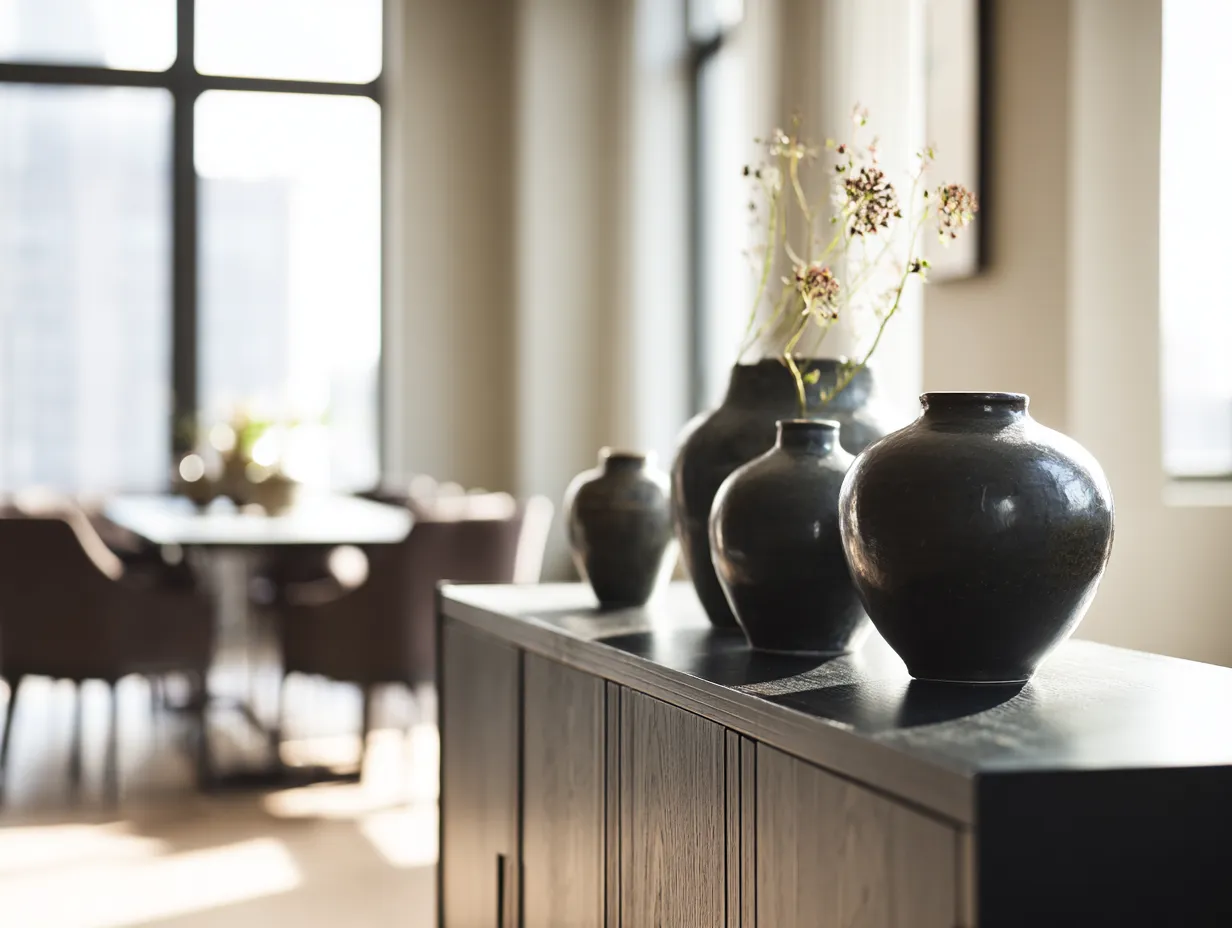
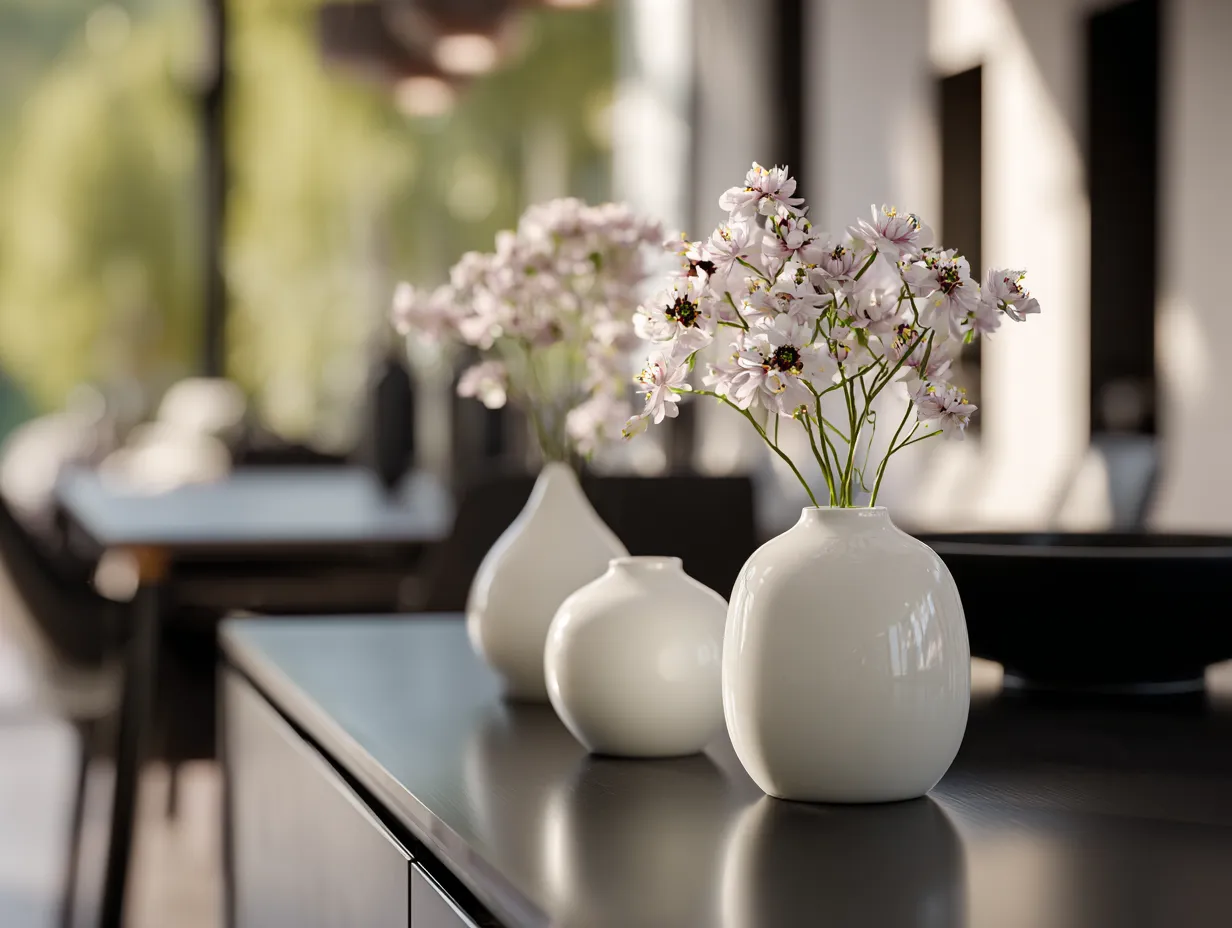
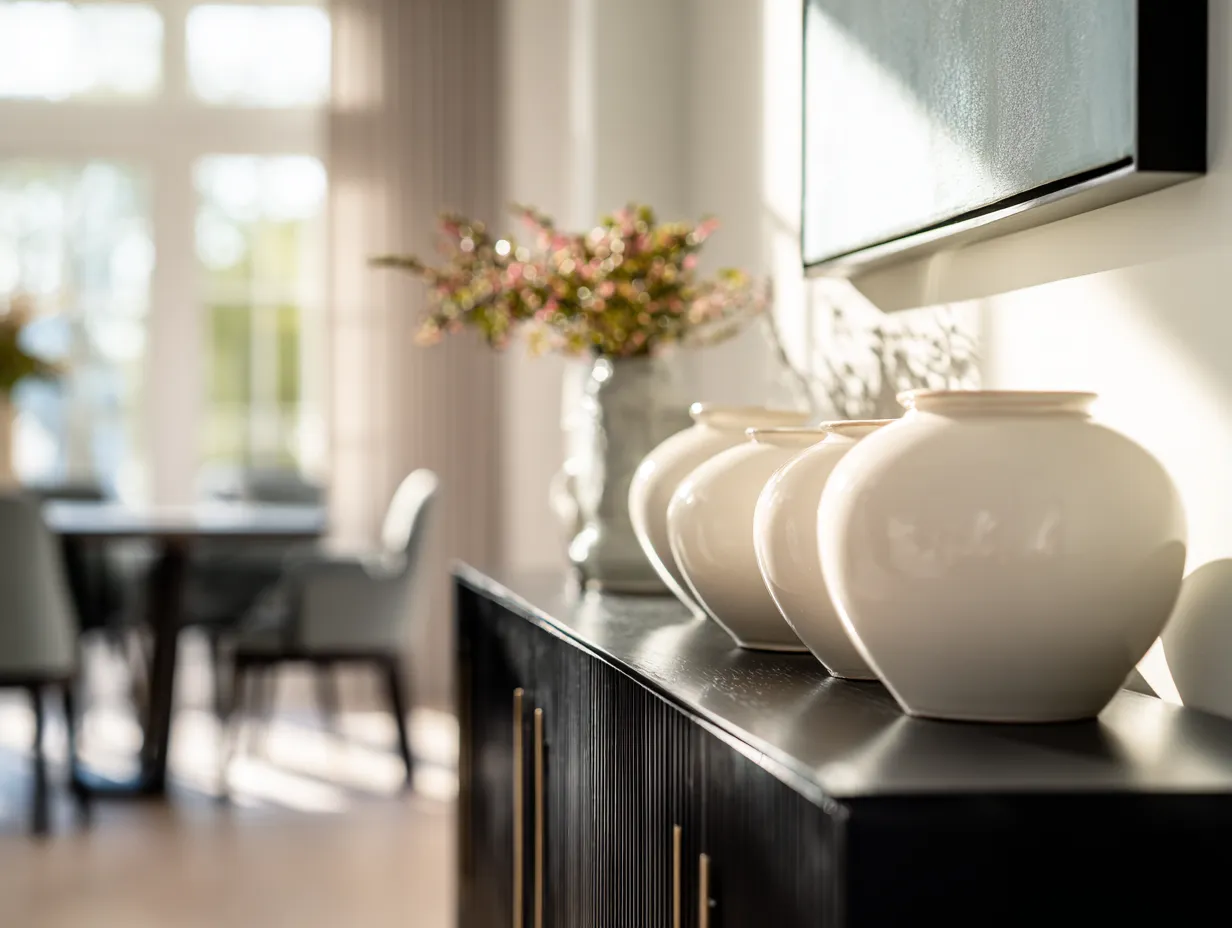
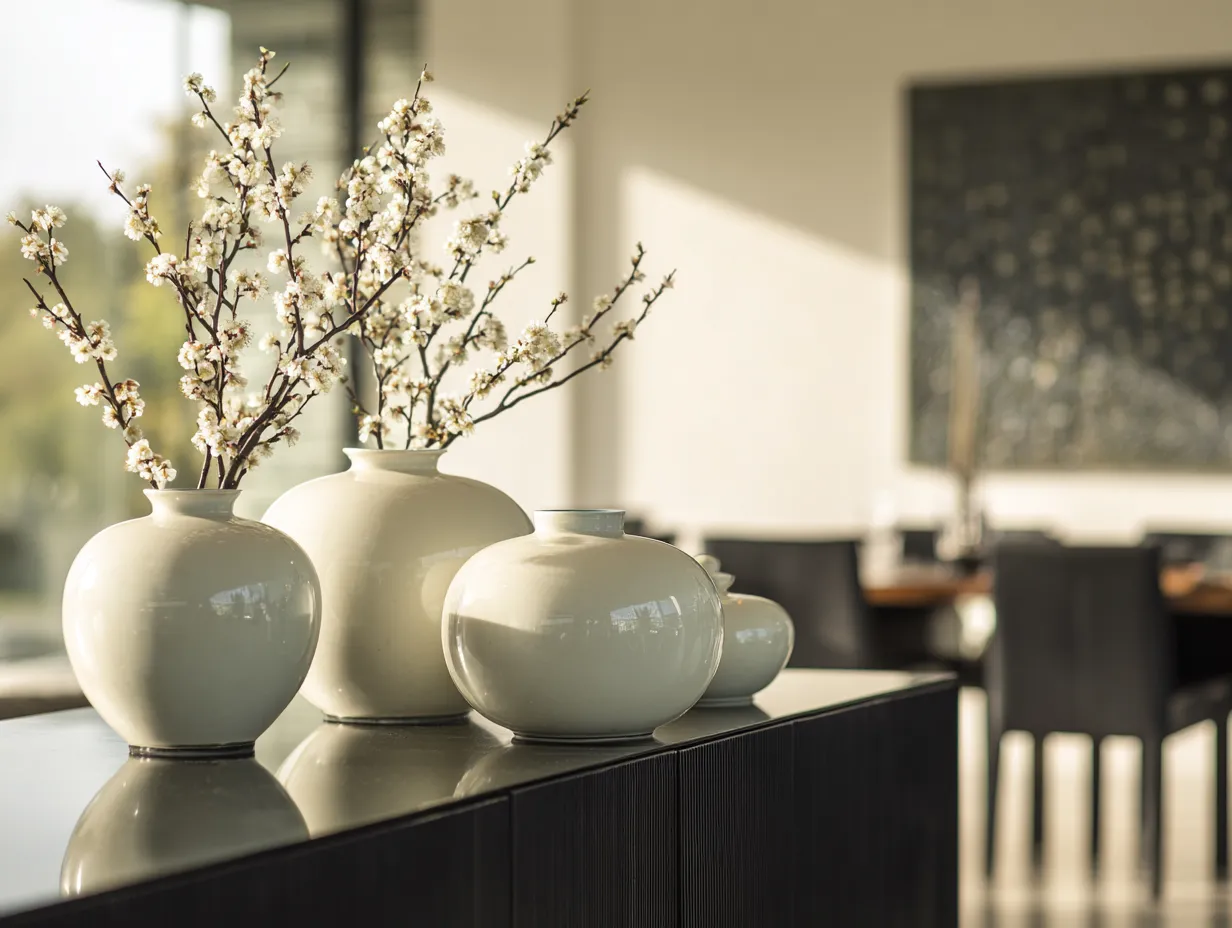
The foundation for this display is critical. Placing intricate, delicate vintage decor on top of an equally ornate, heavily carved antique buffet often results in a visually heavy, dated appearance. To achieve a curated calm dining space, the foundational furniture must act as a stark, modern stage. A sleek, matte black minimalist sideboard with handleless doors and razor-sharp geometric lines provides the ultimate contrast for displaying antique items. When a delicate, hand-painted vintage porcelain vase or an ornate, tarnished silver candelabra is placed upon this unapologetically modern surface, the heirloom is instantly modernized. The crisp lines of the contemporary furniture frame the antique, forcing the viewer to appreciate its intricate details in a completely new, elevated context.
Curation is the most vital skill when styling these environments. The urge to display every piece of a vintage collection must be fiercely resisted. A serene, balanced dining room decor relies heavily on negative space and breathing room. Instead of clustering ten vintage plates together, select the three most visually striking pieces and display them with deliberate, asymmetrical spacing on a modern floating shelf. This restraint is the hallmark of sophisticated design. By limiting the number of historical objects, each piece is granted the respect and visual attention it deserves. It transforms a collection from looking like a crowded antique shop shelf into a highly deliberate, gallery-like exhibition.
Wall art provides another incredible avenue to mix vintage and modern styles harmoniously. A large, classical, gilded mirror with an ornate, distressed frame looks incredibly striking when hung on a stark, minimalist white wall above a sleek contemporary console. Conversely, hanging a large, bold, abstract modern painting above a deeply patinated, vintage wooden buffet creates an equally compelling dynamic. The key to making these pairings work is finding a common thread, usually through color. If the abstract painting contains subtle streaks of deep ochre, pulling that same ochre tone from the wood of the vintage buffet creates a silent, cohesive dialogue across the decades.
Ultimately, styling heirloom decor within a contemporary framework is about honoring the past without being trapped by it. It allows homeowners to keep the items that hold personal, sentimental value while still enjoying the psychological benefits of a clean, uncluttered, modern living environment. The curated calm dining space is achieved precisely through this thoughtful friction. The sleekness of the modern furniture prevents the vintage decor from feeling overly sentimental or dusty, while the historical objects prevent the modern furniture from feeling cold and impersonal. Together, they create an atmosphere that is deeply layered, emotionally resonant, and perfectly balanced for modern entertaining.
Bringing The Vision Together
Mastering the blend of historical character and contemporary sleekness transforms a standard eating area into an extraordinary, personalized retreat. This design philosophy is not about following rigid rules, but rather about developing an intuitive sense of balance, proportion, and restraint. By anchoring the room with contrasting furniture pairings, utilizing retro lighting as sculptural focal points, and displaying cherished heirlooms against minimalist backdrops, you build an environment rich in narrative and high in style. The resulting atmosphere is one that respects the craftsmanship of the past while fully embracing the clean, uncluttered tranquility of the present, ensuring your dining area remains a timeless, welcoming space for years to come.
Related Topics