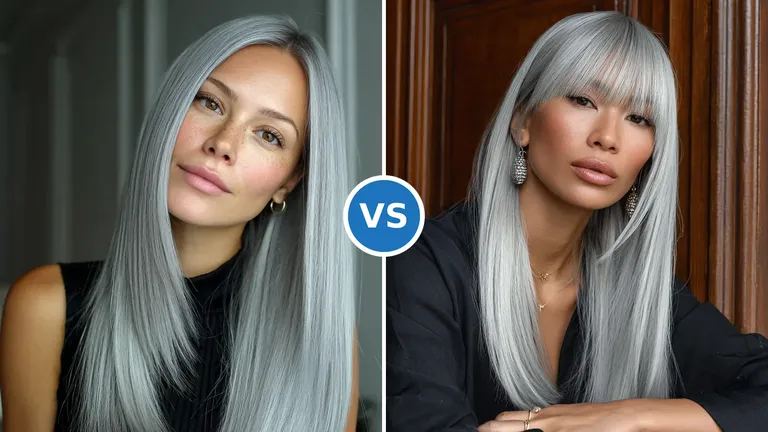
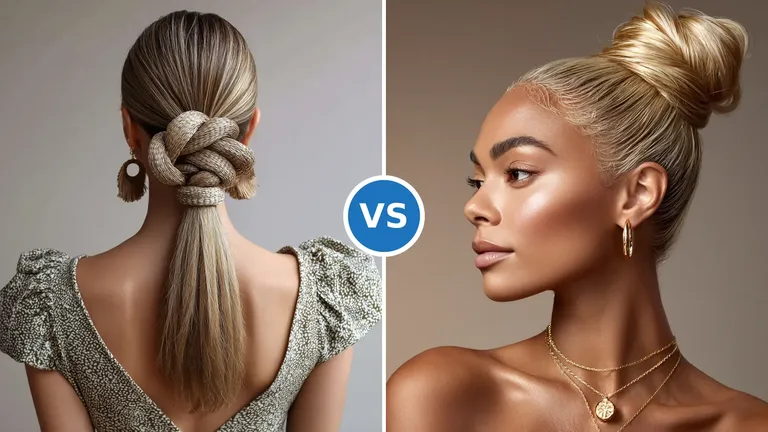
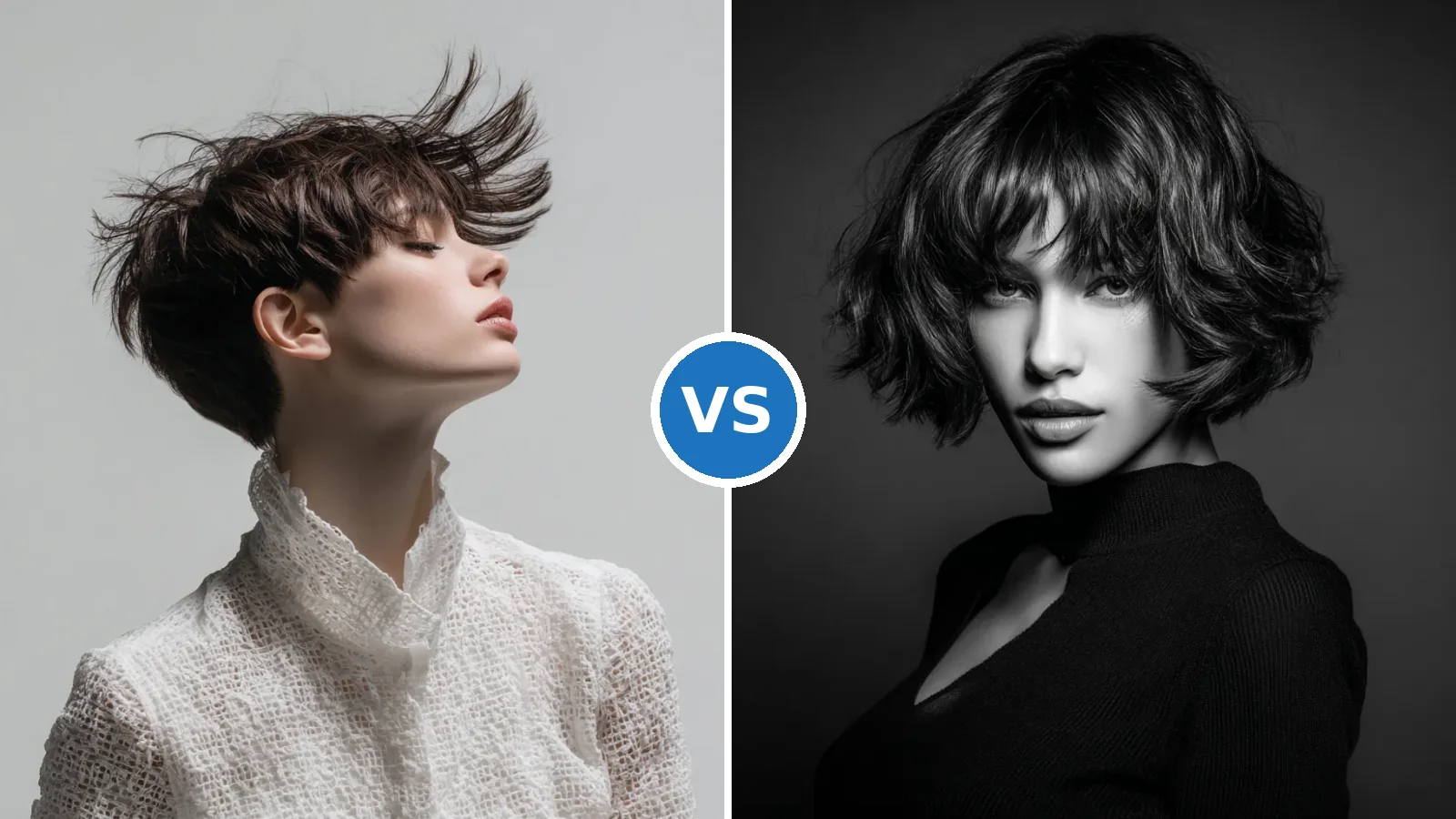
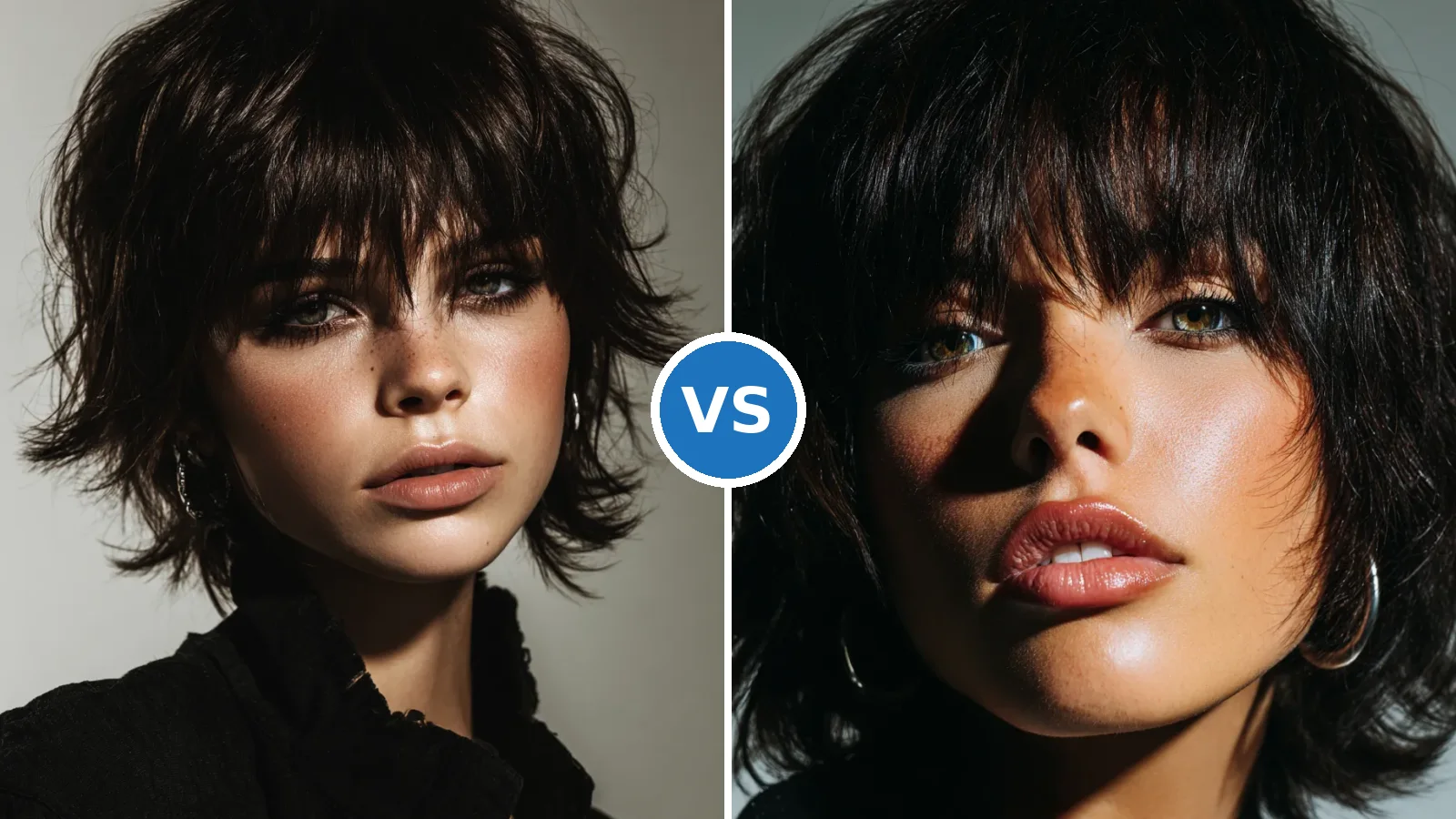
A Japanese layered haircut uses soft, light layers cut through the mid-lengths and ends rather than heavy, stacked steps at the crown. The goal is movement and a rounded, natural outline that looks good air-dried or with a quick blow-dry, so it suits anyone who wants shape without a long styling routine.
It works best on fine to medium hair that needs lift but not bulk, and on straight or slightly wavy textures that show off the transitions between lengths. The three versions below differ in how the layers are cut, airy, tousled or wispy, and each is shown in a muted color that makes those layers easier to see.
Use the comparison and the stylist checklist further down to pick the version that matches your hair type, your morning routine and how much irregularity you are happy with.
Quick Scan
- Japanese layering removes weight inside the hair instead of stacking short layers on top.
- Airy layers suit fine to medium hair that needs volume without a rigid crown.
- Tousled layers are cut with a razor or slide-cutting for a deliberately uneven, lived-in fall.
- Wispy layers are the finest and most subtle, best for framing the jawline and collarbones.
- Muted colors such as beige, gray-lilac and olive gold make soft layers more visible.
- Styling is minimal: fingers or a flat brush, plus one light product.


Airy layers in vanilla beige for natural volume
Airy layers are the easiest entry point to the Japanese layered haircut, because they add lift without changing the overall shape much. The layers are designed to lift rather than define, so the hair gains volume while keeping a soft outline that moves with light and motion.
Vanilla beige, a creamy neutral with a hint of warmth, suits this cut well. It reflects just enough light to show where one layer ends and the next begins, without the sharp contrast of bold highlights.


The layers are feathered from the mid-lengths to the ends, avoiding heavy graduation near the crown. This keeps volume evenly spread and the shape close to an oval, a hallmark of the Japanese approach. A light blow-dry with fingers or a flat brush is enough to bring out the lift built into the cut.
This version is the most practical for fine to medium hair and for anyone who wants a calm, everyday look. It can be tucked behind the ears or left to fall around the cheeks and collarbones, and it pairs easily with understated wardrobe tones like cream, stone and light gray.
Tousled layers in graphite lilac for a lived-in look
Tousled layers suit people who like a looser, more expressive Japanese layered haircut that looks a little different every day. Graphite lilac, a blend of muted gray and faded violet, gives the layers a smoky, editorial finish.
Unlike sculpted cuts, this variation allows deliberate irregularity. Layers are created with a razor or slide-cutting technique, which encourages movement when the hair is finger-styled or air-dried. The shape is never identical from day to day but stays balanced.


The color shifts with the light. Indoors it reads smoky and subtle, while brighter light brings the lilac undertones forward. Pastel, gray-based shades are usually applied over lightened hair, so ask your colorist how often the tone will need refreshing.
Styling is quick: a texturizing mist or a small amount of lightweight pomade defines the layers and lets the shape shift with each movement. Razor-cut ends can look frayed on very fine or damaged hair, so this version works best on healthy hair with some natural body.
Fashion pairings lean toward contrast, such as black and white combinations, structured silhouettes and abstract jewelry. The result is minimal in effort but strong in personality, close in spirit to the texture-led cuts covered in our wolf cut vs shag comparison.
Wispy layers in olive gold for subtle face framing
Wispy layers are the most delicate take on the Japanese layered haircut, made for people who prefer detail over drama. The layering is very fine, with strands of varying lengths barely overlapping, which leaves small air gaps and a soft, light edge.
Olive gold merges the greenish undertone of olive with the sheen of antique gold. On layered hair, it catches the light in glints rather than flashes, a quieter form of shine that suits the restrained cut.


The cut relies on internal or so-called invisible layering, where layers sit within the hair mass rather than on top of it. This adds volume without obvious stacking, so the result looks spontaneous while being carefully built underneath.
The wispy edges fall against the skin and highlight the jawline and collarbones without interrupting the natural lines of the face. It is especially flattering on smaller frames and oval faces.
Maintenance is light. A dry oil mist or a gentle leave-in cream keeps the texture supple, and because the layers move independently they adapt well to changes in weather and humidity. Wardrobe tones such as bronze, cream and sage echo the earthy color.
How the three Japanese layered cuts compare
The right version depends on hair density, how much daily variation you want and how often you can visit the salon for color.
| Feature | Airy layers | Tousled layers | Wispy layers |
|---|---|---|---|
| Cutting approach | Feathered mid-lengths to ends | Razor or slide-cutting | Fine internal layering |
| Overall effect | Soft lift, rounded outline | Uneven, lived-in movement | Light, delicate edges |
| Best hair type | Fine to medium | Healthy hair with body | Fine to medium, straight |
| Styling product | Usually none | Texturizing mist or light pomade | Dry oil mist or leave-in cream |
| Color shown | Vanilla beige | Graphite lilac | Olive gold |
What to ask your stylist for
Japanese layering is about where weight is removed, so describe the result rather than just saying layers. Bring a photo and use clear terms.
- Ask for layers through the mid-lengths and ends, not short layers at the crown.
- Request internal weight removal so the outline stays smooth.
- Say whether you want a rounded, airy shape or a deliberately uneven, tousled one.
- Mention how you dry your hair, since air-drying and blow-drying need different layer placement.
A common mistake is asking for too many layers on fine hair. The ends become thin and see-through, and the soft shape collapses quickly. If your hair is fine, keep the perimeter fuller and let the stylist take weight out only where it lies flat. For a fuller, more choppy alternative, see why clients ask for a shag haircut for texture and volume.
Choosing your Japanese layered style
Each style explores a different side of minimalism: airy softness, tousled expression and quiet detail. Vanilla beige, graphite lilac and olive gold add nuance to each silhouette without loud contrast.
Pick airy layers for an easy daily routine on fine to medium hair, tousled layers if you enjoy texture and can maintain a pastel color, and wispy layers to frame the jaw and collarbones with minimal product. In every case, precision in the cut matters more than the amount of styling.