Finding the perfect hairstyle is a deeply personal journey that goes far beyond simply following the latest seasonal trends. The relationship between your bone structure and the way your hair falls dictates how balanced and harmonious your overall appearance feels. Understanding the geometry of your features is the secret to unlocking styles that enhance your natural beauty. When hair is cut with precision and an understanding of proportions, it acts as a customized frame that highlights your best features while softening areas you might feel less confident about. This comprehensive guide delves into the transformative power of dimension, movement, and customized styling to help you navigate your next salon visit with complete confidence.
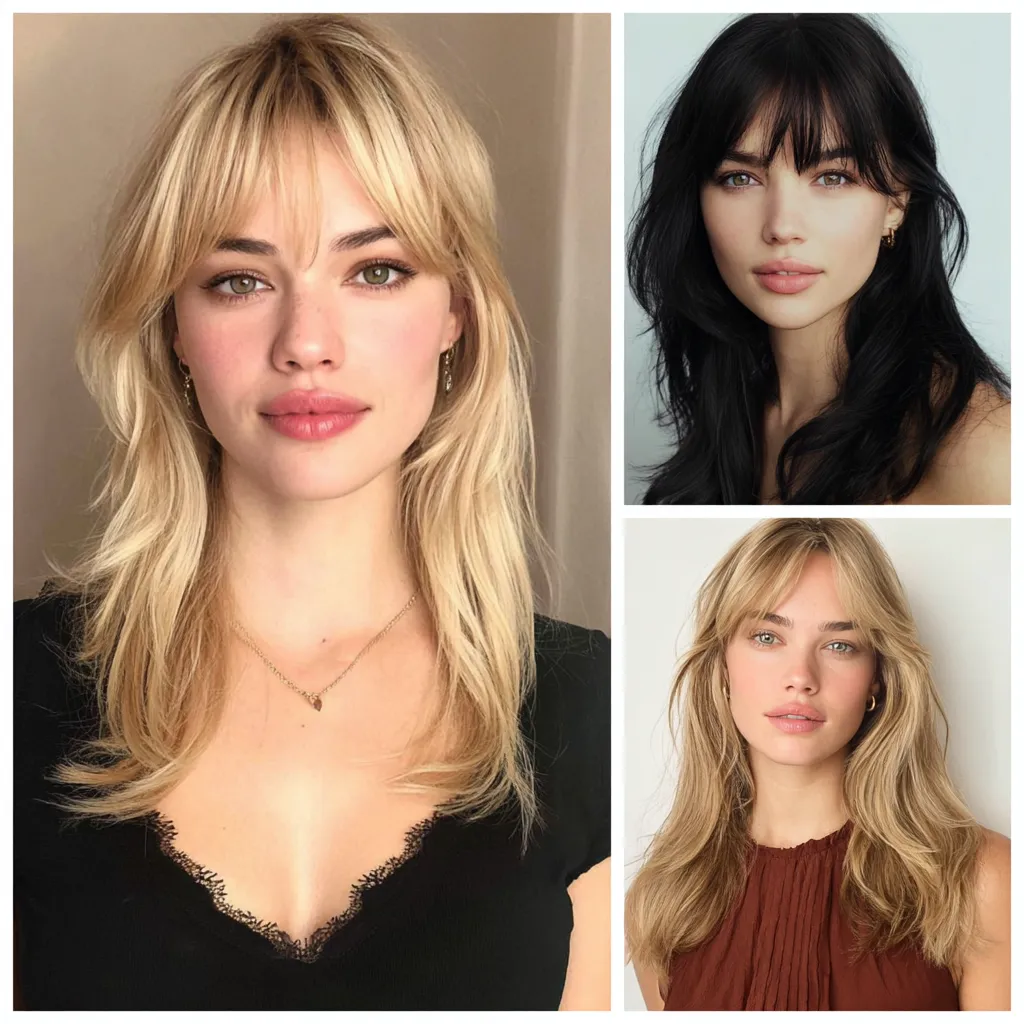
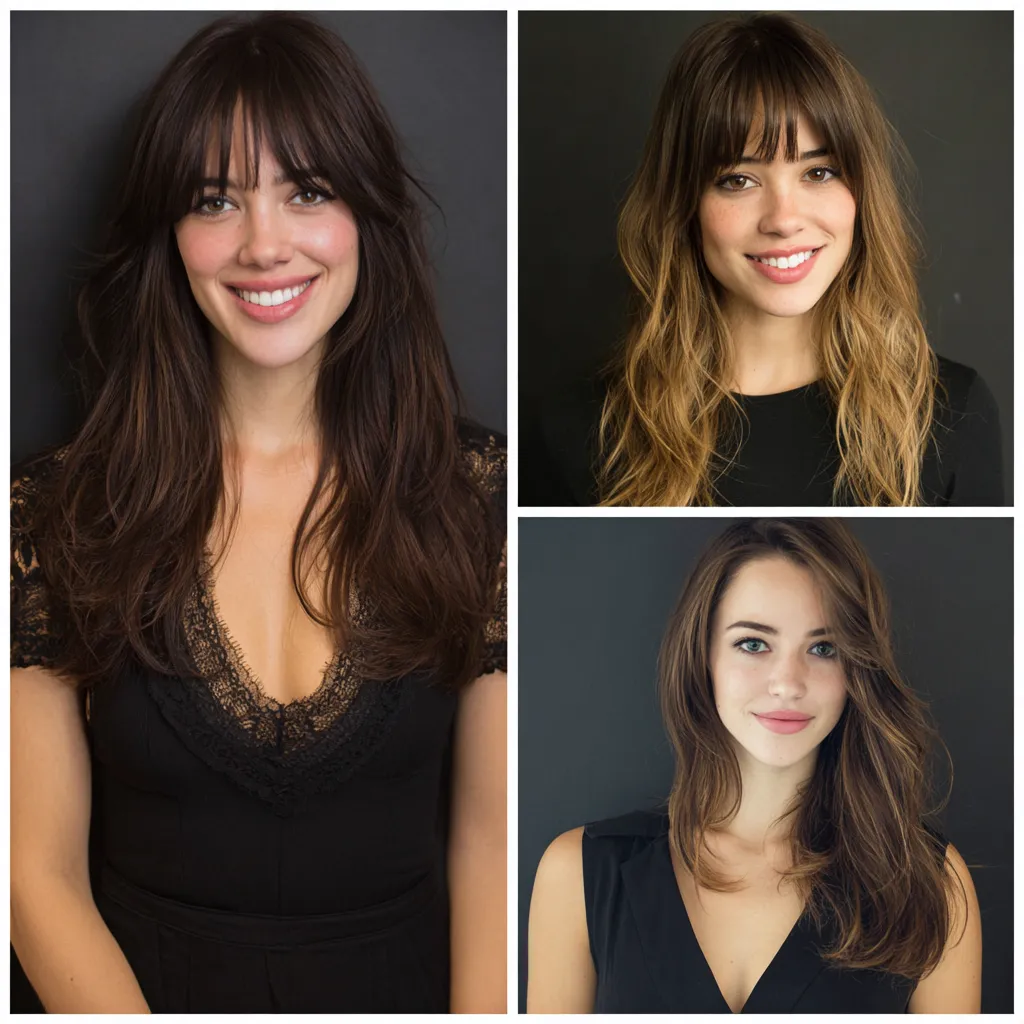
Round Face Flattering Layered Hairstyles
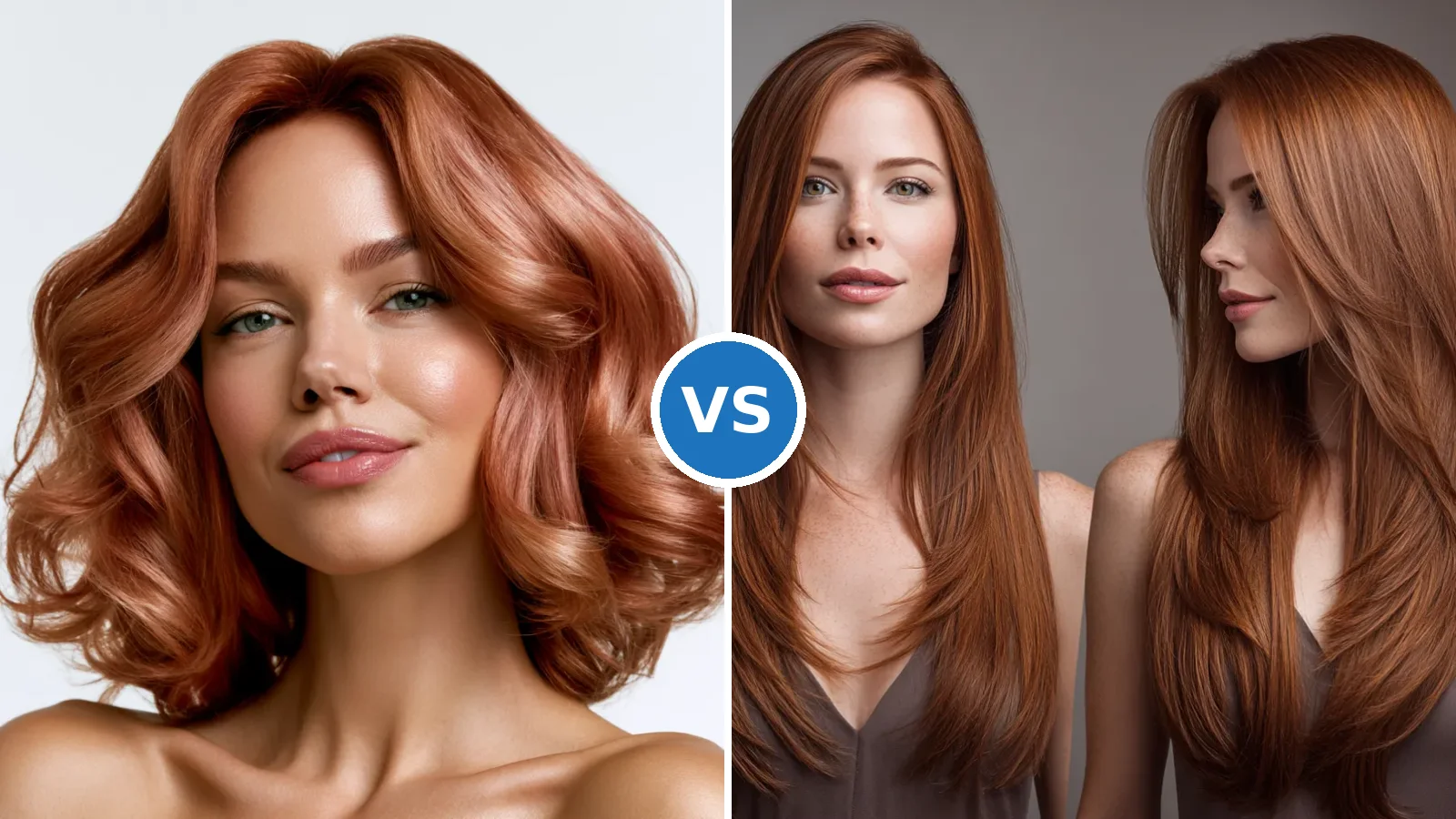
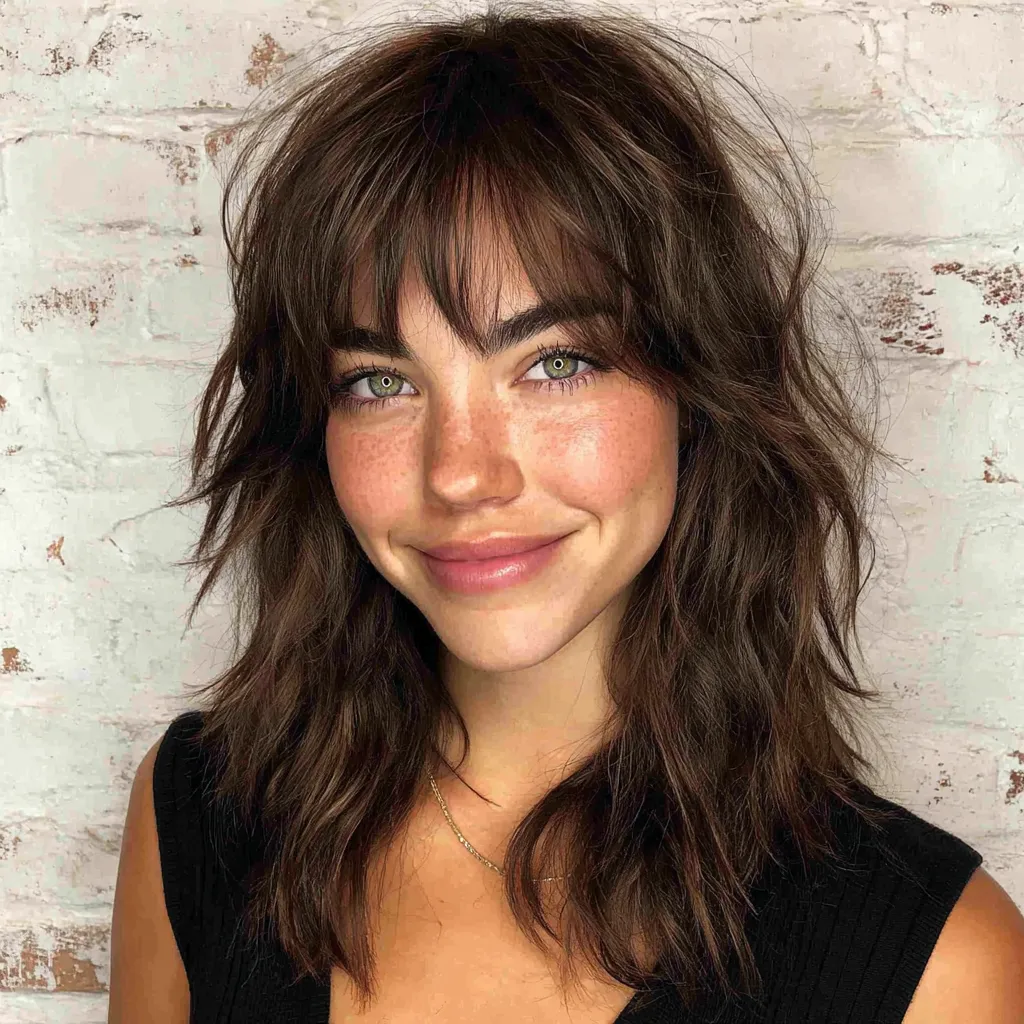
When examining the unique characteristics of a round facial structure, the primary goal of any cut is to introduce angles and create an illusion of vertical length. Individuals with this specific bone structure often possess beautiful, youthful features with full cheeks and a gently curved jawline where the width and length of the face are nearly identical. To optimize these natural attributes, layered haircuts are an absolute necessity. The strategic placement of varying lengths works to draw the eye downward, elongating the overall silhouette and breaking up the symmetrical width that a blunt, one-length cut would otherwise emphasize.
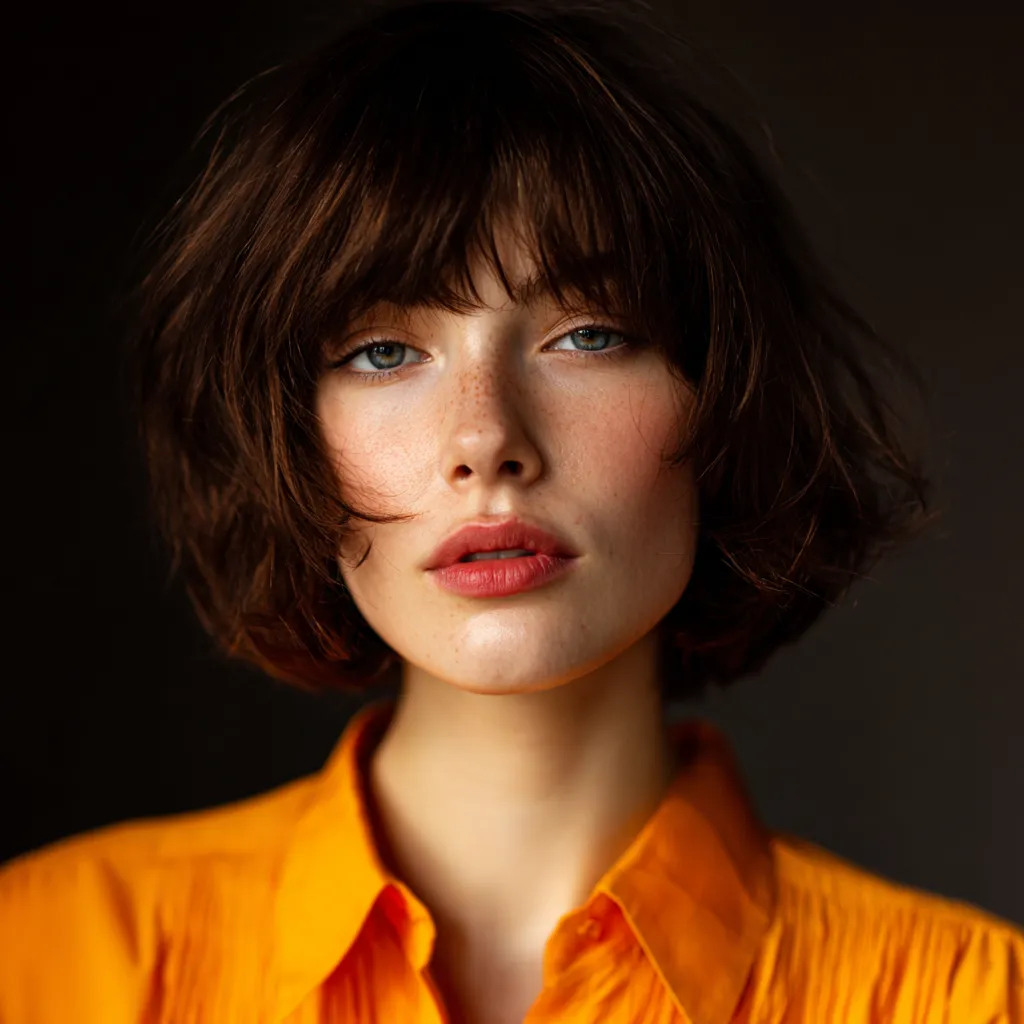
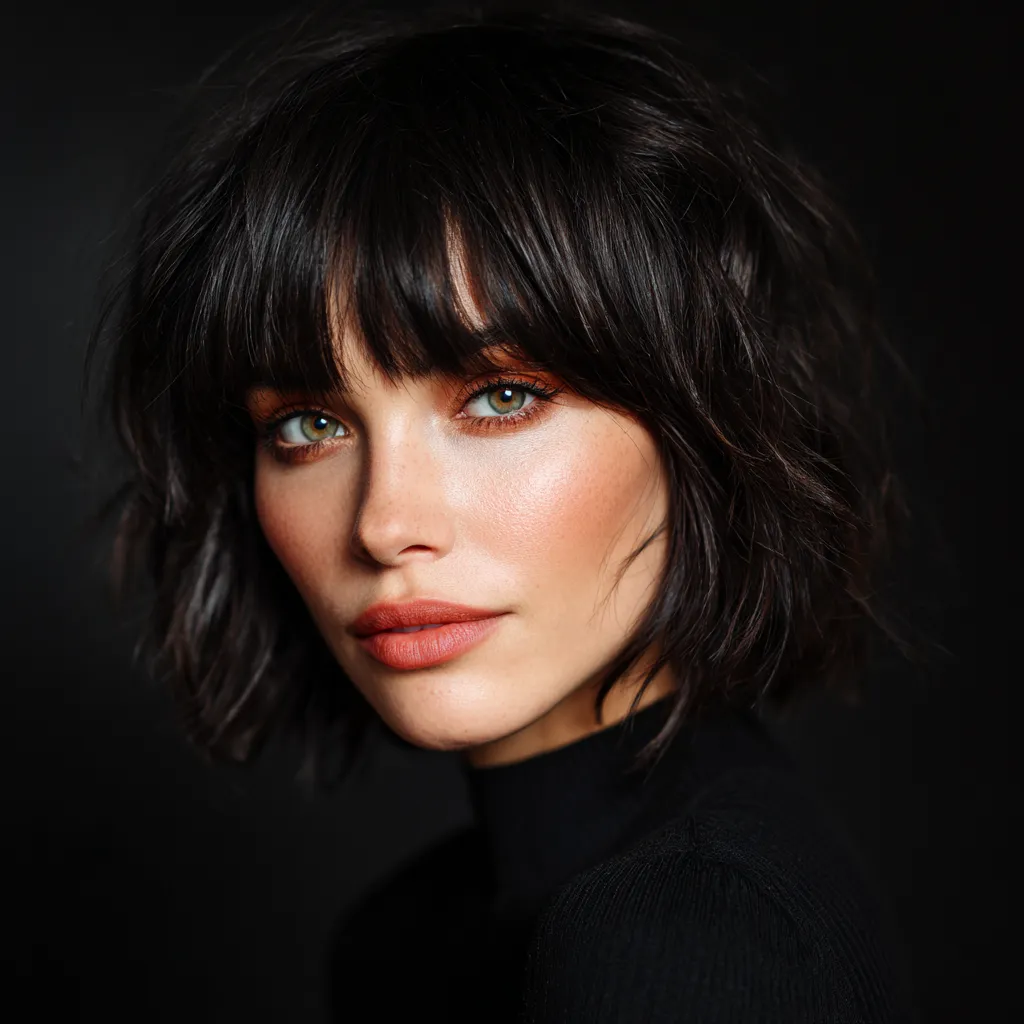
The fundamental rule for this specific structure is to ensure that the shortest pieces of hair never terminate exactly at the cheekbones or the chin. If volume is concentrated at the widest part of the face, it inadvertently exaggerates the roundness. Instead, flattering layered styles for this geometry should feature face framing pieces that begin at the collarbone or slightly below the jawline. By cascading past the cheeks, the hair acts as a subtle curtain, slimming the sides of the face and creating a beautifully elongated oval illusion. This downward motion is the cornerstone of effective styling for fuller, circular features.
Volume placement is another critical factor in mastering this look. The magic happens when height is introduced at the crown of the head. By lifting the hair at the roots on top, you visually stretch the facial proportions vertically. This can be achieved through internal texturizing techniques performed by a skilled stylist, where shorter pieces are hidden beneath the top section of hair to provide natural, built in lift. When you combine height at the crown with long, sweeping layers that fall below the shoulders, you create a striking, elongated profile that feels incredibly elegant and refined.
Daily styling routines play a massive role in maintaining the integrity of these layered haircuts. A deep side part is a powerful tool in your styling arsenal. A center part can sometimes draw a harsh line down the middle of a round face, emphasizing symmetry and width. Conversely, a deep, swooping side part creates an immediate diagonal line across the forehead, altering the perceived shape of the face and adding an element of soft, asymmetrical intrigue. Using a large barrel curling iron to direct the hair away from the face, rather than curling it inward, also helps to open up the features and prevent the style from looking overly spherical or enclosed.
Product selection is equally vital to ensure these flattering layered styles remain weightless and dynamic. Heavy creams and thick pomades can drag the hair down, eliminating the hard-earned volume at the root and causing the hair to hug the cheeks too tightly. Instead, opt for lightweight volumizing mousses applied to damp roots before blow drying. Texturizing sprays applied through the mid lengths and ends can emphasize the varying lengths of the cut, providing that effortless, lived in movement that makes modern hair look so desirable.
The psychological impact of finding the right cut cannot be overstated. Many individuals with rounder features spend years hiding behind long, shapeless curtains of hair, believing that more hair equates to more coverage. However, excessive bulk only adds to the perceived width. By embracing strategic layering, you remove unnecessary weight, revealing your neck and shoulders, which adds to the elongating effect. The result is a lighter, more dynamic appearance that moves beautifully and requires significantly less effort to style on a daily basis.
Ultimately, clear communication with your stylist is the key to achieving this transformation. When you sit in the chair, discuss your daily routine and how much time you are willing to dedicate to styling. Request that the weight be removed from the sides and explicitly ask for the shortest pieces to start below the chin. By understanding the mechanics of how layered haircuts interact with a round face shape, you empower yourself to make informed decisions, ensuring you walk out of the salon with a style that perfectly complements your unique, inherent beauty.
Best Face Framing Layers Oval Face Shapes
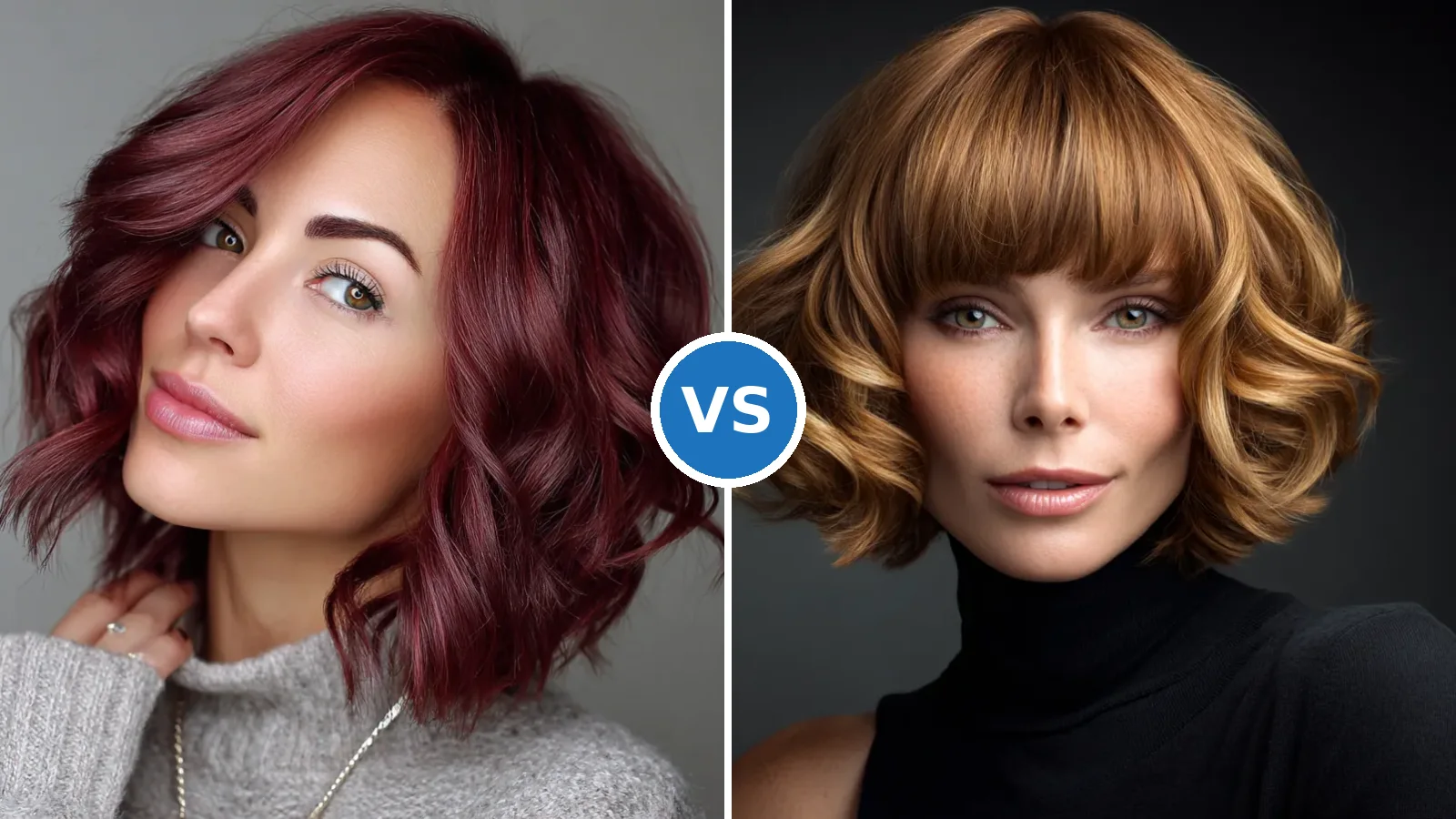
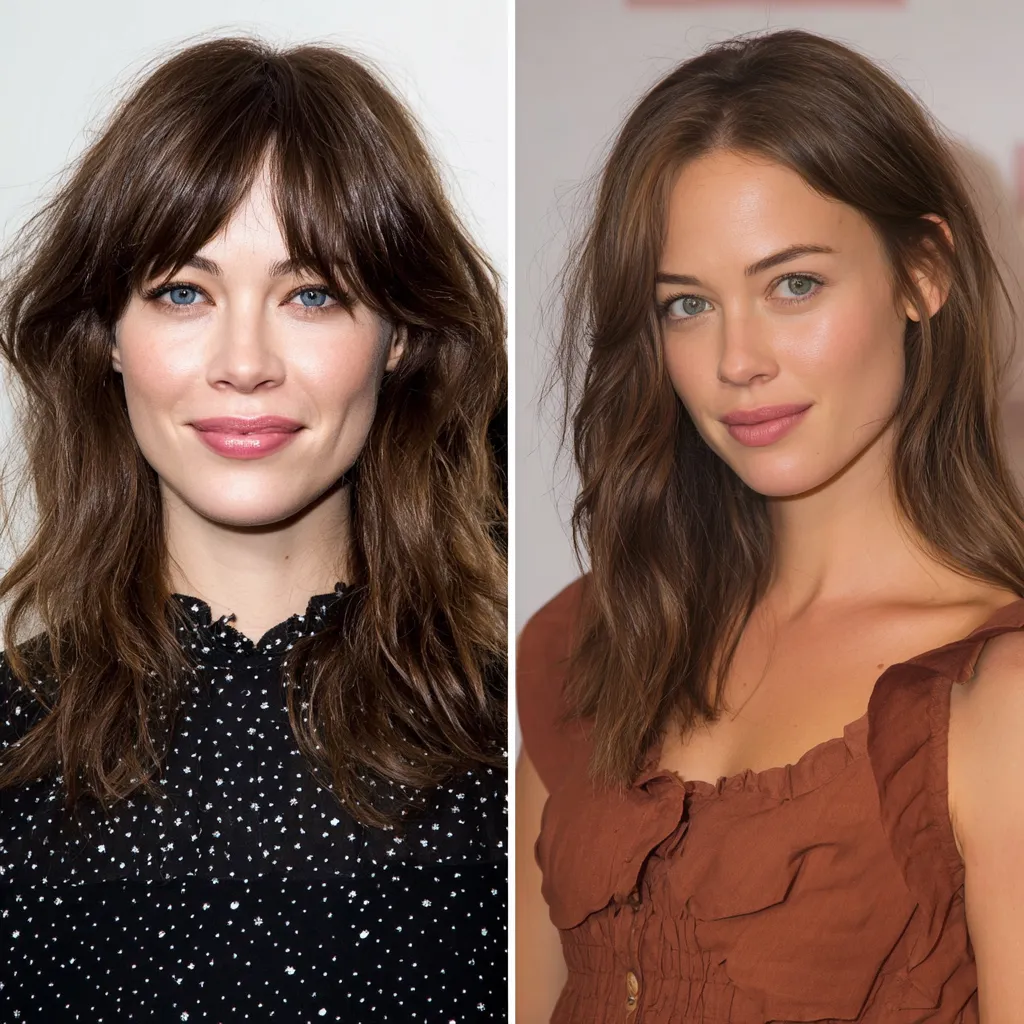
The oval facial structure is widely celebrated in the beauty industry as the most versatile and balanced canvas for styling. Characterized by a length that is noticeably greater than its width, a gently rounded hairline, and a subtly narrower chin, this geometry naturally possesses the harmonious proportions that most hair techniques attempt to artificially create. Because the underlying bone structure is inherently balanced, those with an oval shape have the incredible freedom to experiment with almost any trend. However, to truly elevate this natural advantage, layered haircuts designed to add width and magnificent volume are the ultimate choice.
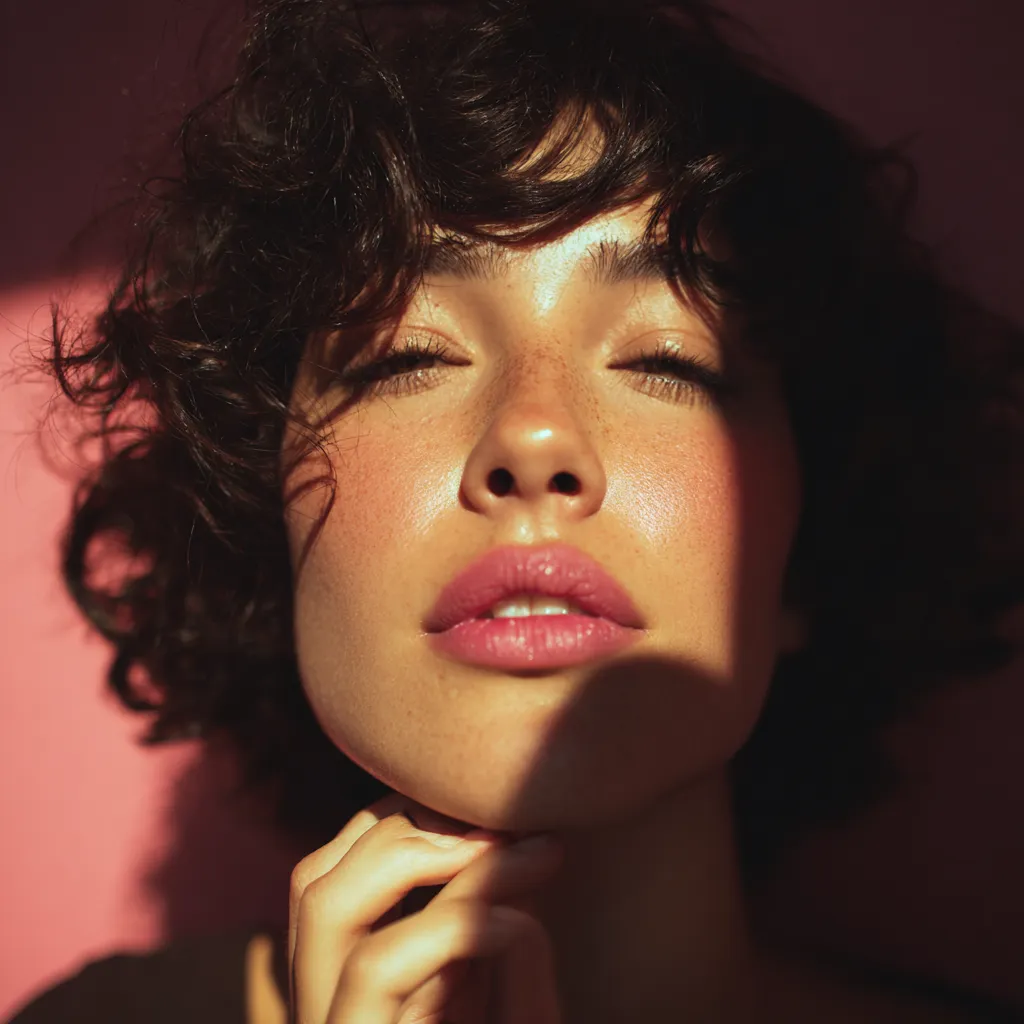
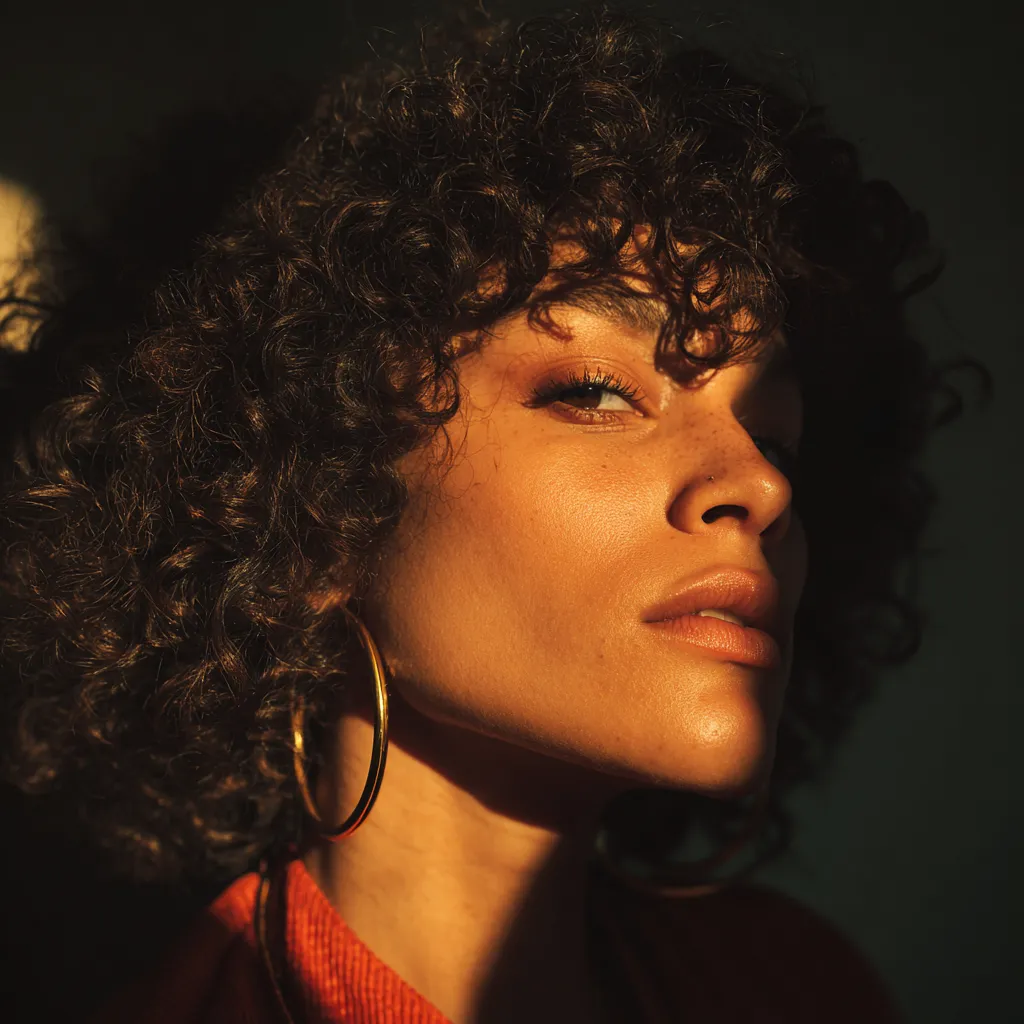


While an oval structure does not require corrective styling to hide or elongate specific features, it can sometimes appear excessively long if weighed down by heavy, one-length hair. The objective here is to introduce lateral movement. Best face framing layers are essential because they break up the vertical lines and add a sweeping, horizontal dimension. By cutting varying lengths that draw attention outward toward the cheekbones, eyes, and lips, you highlight the face’s natural symmetry rather than simply dragging the eye straight down to the collarbone.
Curtain bangs and swooping face framing layers are particularly transformative for this bone structure. These elements work beautifully because they open up the face, sweeping away from the center to create a stunning, winged effect that adds the illusion of width across the midsection of the face. When these shorter pieces are blended seamlessly into longer layered haircuts, the result is a cascade of bouncy, voluminous hair that feels both incredibly glamorous and effortlessly modern. The layers act as directional arrows, intentionally pointing toward the features you wish to emphasize most.
The styling versatility of this cut is arguably its most significant benefit. Because the proportions of the face are balanced, you can effortlessly transition from a sleek, straight look to wild, voluminous curls without worrying about distorting your facial geometry. A classic blowout using a round brush is the most effective way to showcase flattering layered styles on an oval canvas. By lifting the hair at the roots and rolling the ends outward, you create maximum movement and highlight the precise, tiered structure of the cut. The varying lengths catch the light differently, creating depth and a three dimensional quality that flatters the face immensely.
Maintenance for this type of cut requires a slightly different approach than other styles. While the oval shape can pull off grown out layers better than most, frequent trims are still necessary to keep the ends looking crisp and the face framing pieces falling at the correct points on the face. If the shortest layers grow too long, they lose their ability to highlight the cheekbones and can begin to drag the features downward. Visiting a professional every eight weeks ensures that the internal architecture of the cut remains intact and that the style retains its intended bouncy, voluminous character.
Color placement can also be used to dramatically enhance the effect of these layered haircuts. Techniques like balayage or strategic highlighting work hand in hand with the physical cut. By placing lighter tones on the shortest, face framing layers, you create a halo effect that instantly brightens the complexion and draws the eye directly to the center of the face. Darker tones placed in the underlying, longer layers provide a rich backdrop that makes the lighter, textured pieces pop, further emphasizing the dimension and lateral width that flatter the oval shape so perfectly.
When discussing your vision with a professional, it is important to focus on the desired density and texture rather than trying to fix a perceived flaw. Explain that you want to enhance your natural symmetry by adding movement and breaking up the length. Discuss your comfort level with shorter pieces around the eyes and cheekbones, as these will be the most impactful elements of the cut. By leveraging your naturally balanced proportions and introducing dynamic, sweeping movement, you can achieve a signature look that feels consistently fresh, vibrant, and perfectly tailored to your elegant bone structure.
Square Face Shape Choppy Layered Cuts
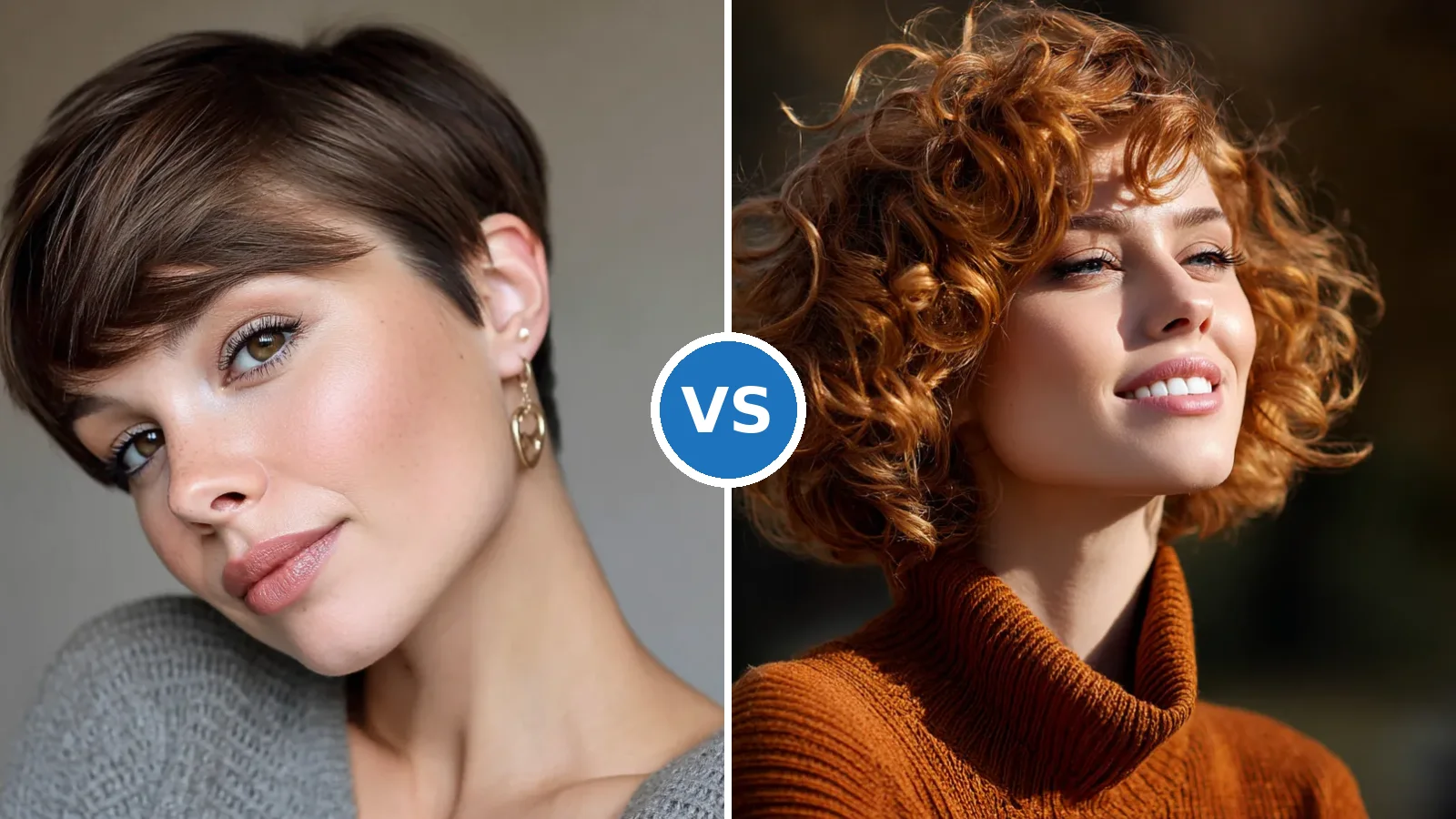
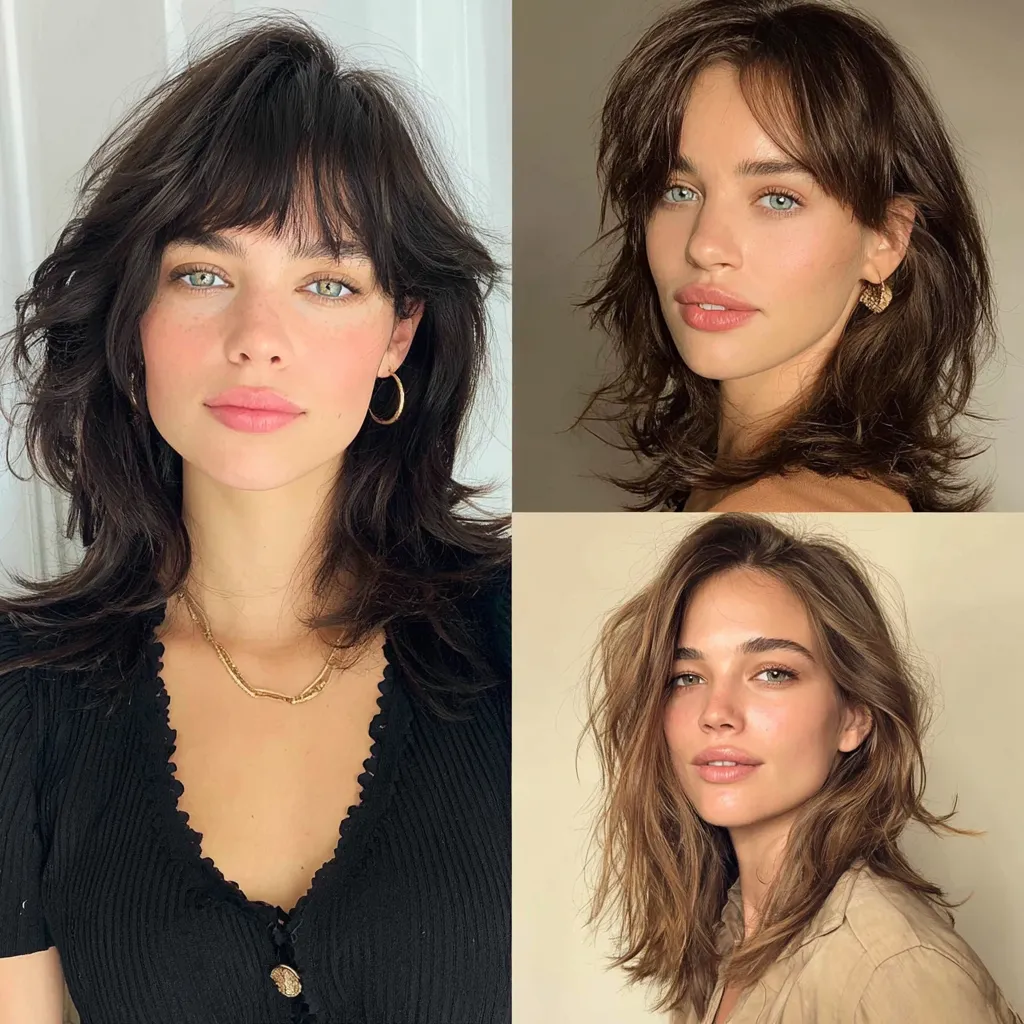
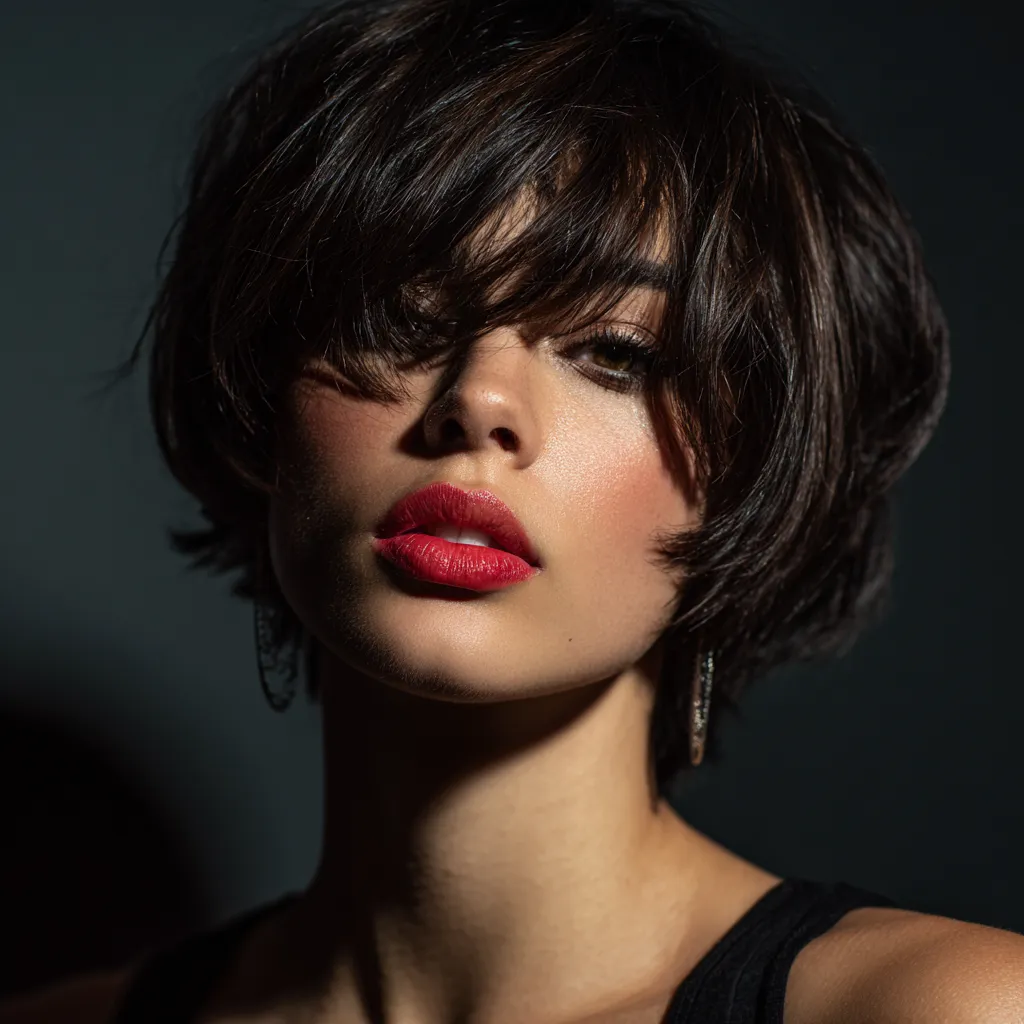
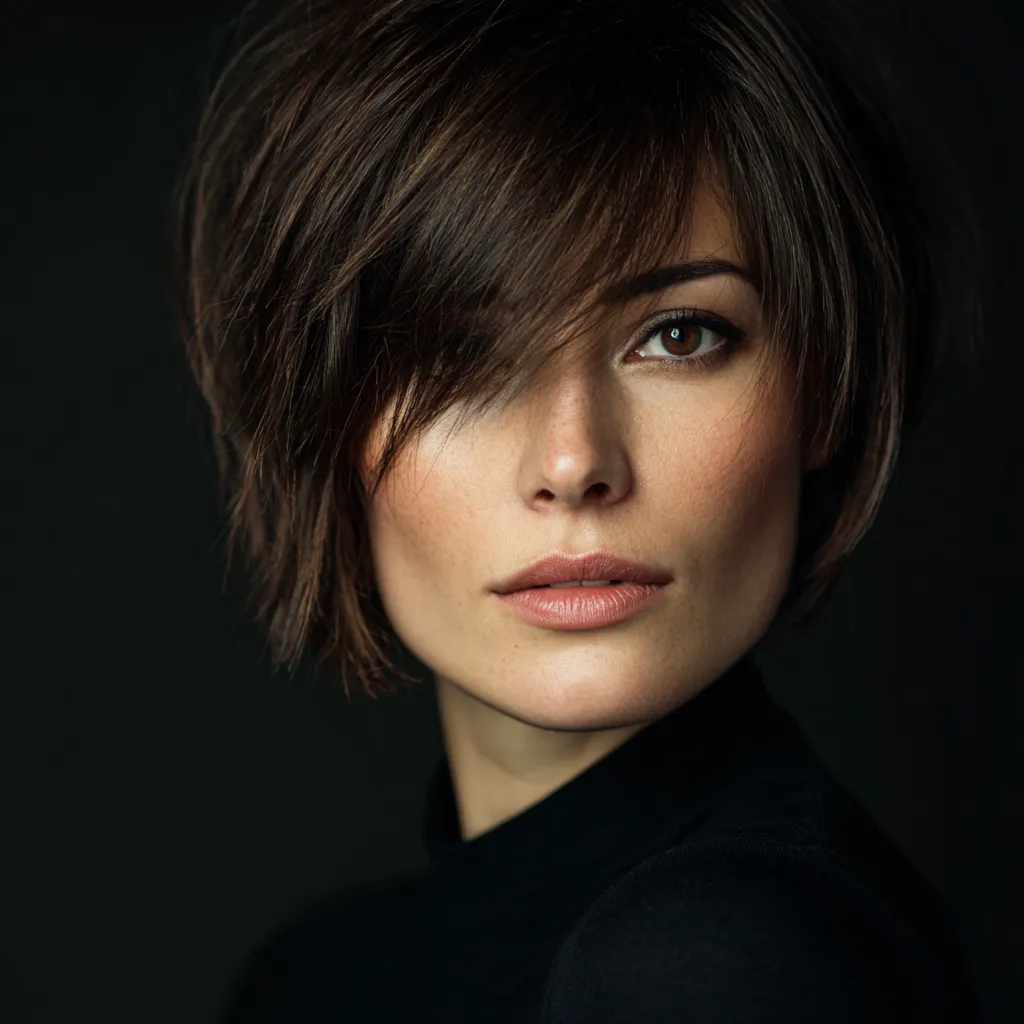
A strong, angular bone structure commands attention and exudes a striking, natural confidence. The square facial geometry is defined by a broad forehead, wide cheekbones, and, most distinctively, a sharp, prominent jawline. The width and length of the face are roughly equal, creating a powerful and highly photogenic canvas. When approaching styling for this bold structure, the objective is rarely to hide the jawline, but rather to soften the sharp right angles and introduce curves that provide a beautiful, feminine contrast. Choppy layered cuts are the absolute best method for achieving this delicate balance between strong bones and soft, touchable texture.
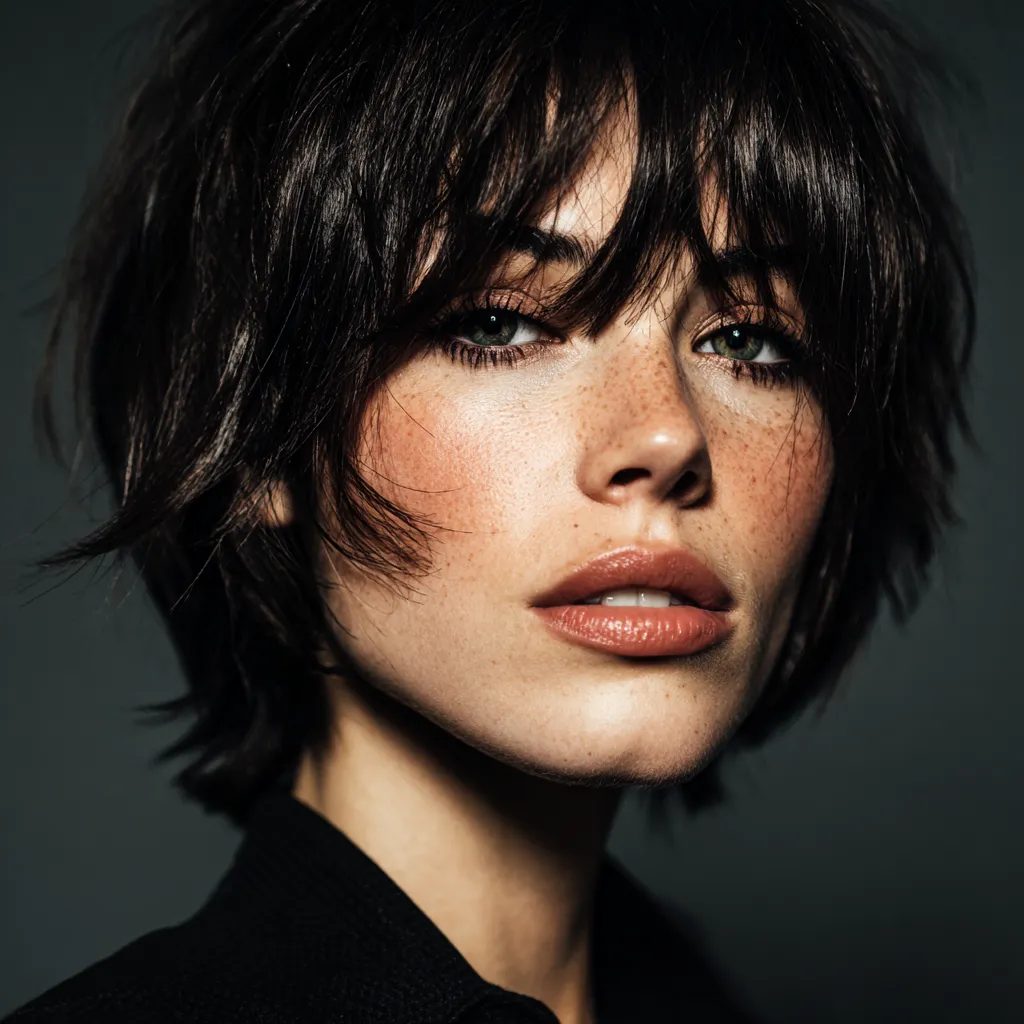

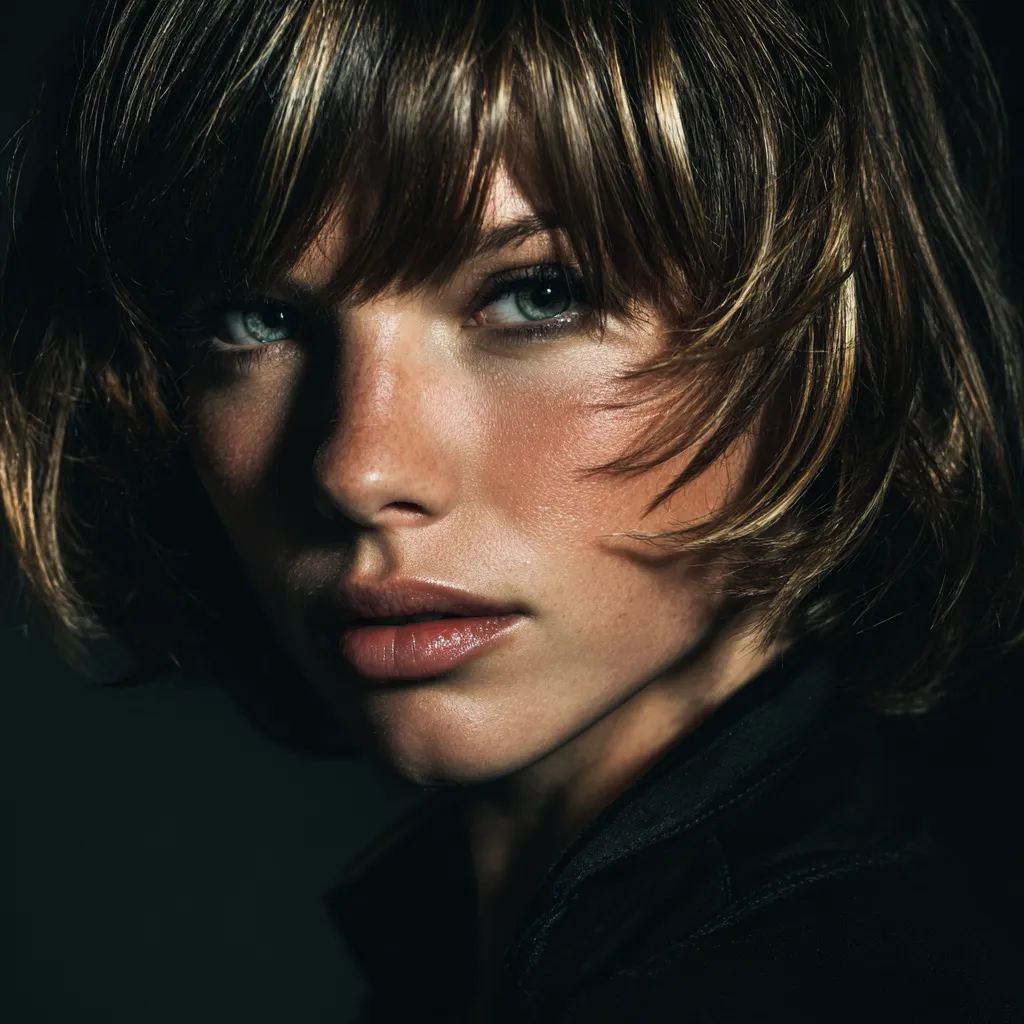
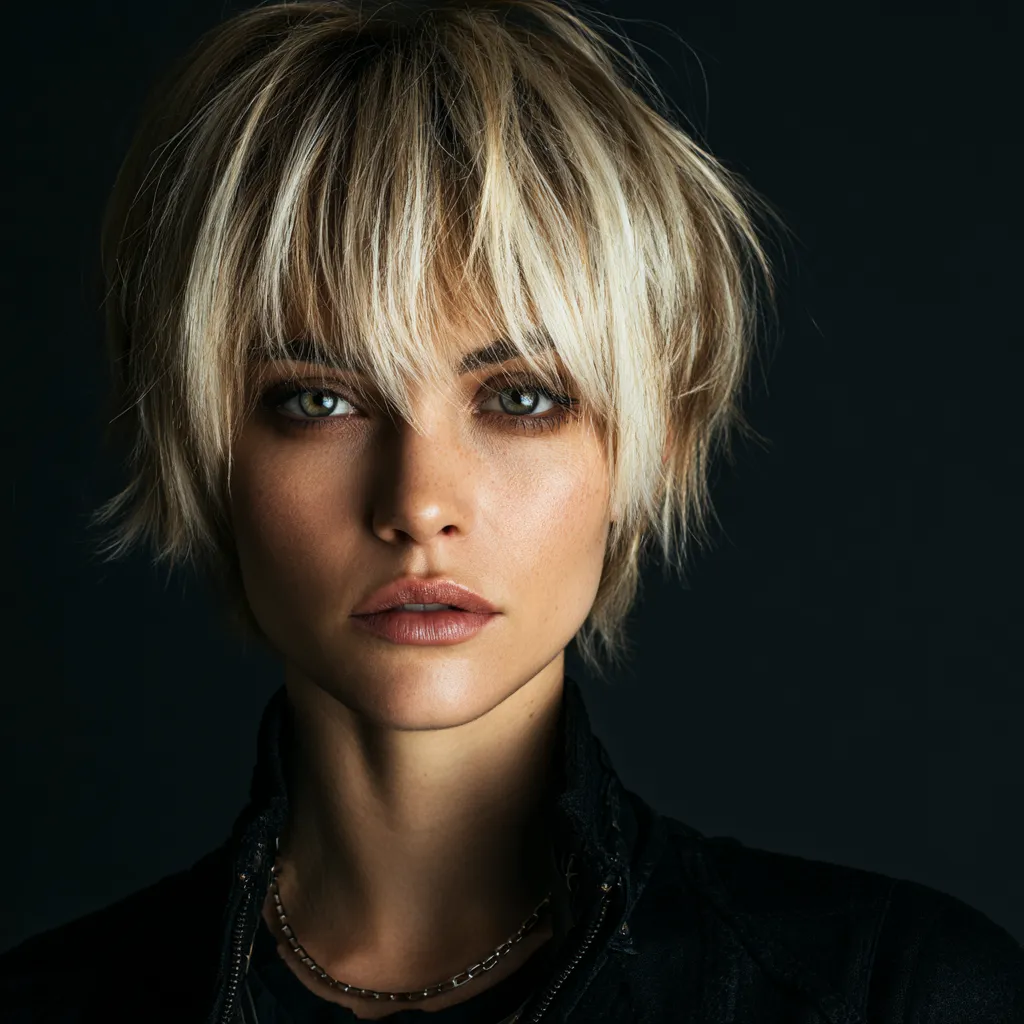
The primary styling challenge with a square shape is avoiding rigid, blunt lines. A sharply cut bob that ends exactly at the jawline, or heavy, straight across bangs, will only serve to mirror the natural geometry of the face, resulting in a boxy and overly severe silhouette. To counteract this, layered haircuts must prioritize diffusion and movement. By incorporating heavily texturised, uneven ends, you break up the solid lines of the hair. This shattered texture creates a soft, hazy boundary around the face, beautifully offsetting the crispness of the underlying bone structure.
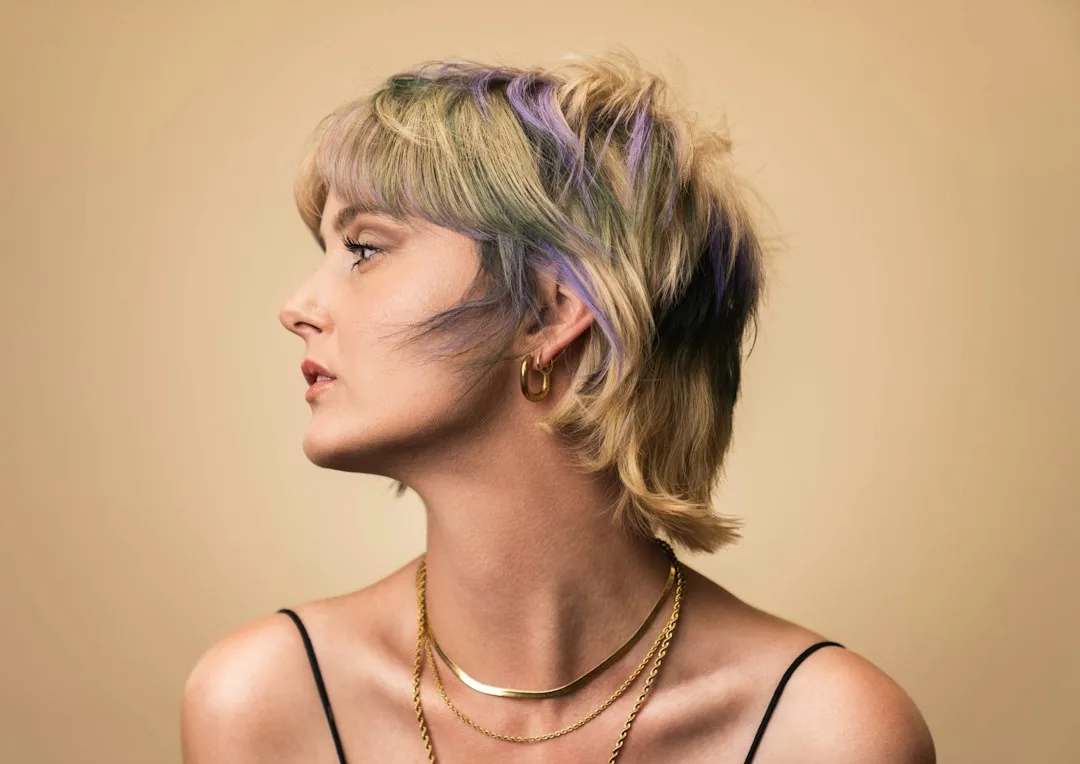
The modern shag or heavily textured lob are incredible examples of flattering layered styles for this geometry. These cuts rely on extensive interior layering, removing bulk from the ends and creating a naturally messy, undone aesthetic. When the hair falls around a strong jaw in soft, wispy, and irregular pieces, it immediately softens the overall appearance. The choppy nature of the cut means that the hair never sits completely flat or straight; it bends, kicks out, and curves around the face, introducing the exact type of circular movement needed to complement the square shape.
Styling these specific cuts requires a shift away from perfection. The goal is to encourage natural texture and avoid looks that are too polished or sleek. Air drying with a good quality texturizing cream is often the best approach to bring out the natural wave and choppy nature of the cut. If heat styling is preferred, using a flat iron to create slight, irregular bends in the hair—rather than perfect, uniform curls—enhances the shattered, edgy vibe. You want the ends of the hair to look piecey and separated, which draws the eye softly along the jawline rather than creating a harsh, definitive border.
The length of the layers is crucial for a square structure. The shortest layers should ideally fall either well above the jawline, perhaps at the cheekbones to highlight the eyes, or well below it, dusting the collarbone. If heavy layers terminate exactly at the corners of the jaw, they will only add volume to the widest and sharpest part of the face. By keeping the length either slightly shorter or significantly longer than the jawline, the hair gently grazes the angular features, creating a slimming and softening effect that is incredibly striking and sophisticated.
Embracing this type of style often requires a mental shift for those who are used to perfectly neat, uniform hair. Choppy layered haircuts are inherently a bit rebellious and require you to embrace a slightly lived in, effortless aesthetic. However, this is precisely why they work so brilliantly on a strong bone structure. The contrast between the powerful, undeniable presence of a sharp jawline and the relaxed, airy, and irregular texture of the hair creates a visual tension that is undeniably captivating and fiercely stylish.
When you sit in the salon chair, vocabulary is everything. Use terms like shattered ends, point cutting, heavy texturizing, and soft movement. Explicitly state your desire to avoid any blunt, heavy lines near your chin or forehead. A skilled professional will understand how to use their shears to carve out weight and create the necessary softness. By actively choosing styles that contrast with your natural geometry rather than mimicking it, you create a harmonious, deeply flattering look that celebrates your strong features while enveloping them in beautiful, soft, and dynamic movement.
Understanding the delicate interplay between your natural facial geometry and the way your hair falls is the ultimate key to unlocking a truly tailored appearance. By acknowledging whether your features are defined by soft curves, balanced symmetry, or striking angles, you can make informed decisions that elevate your daily aesthetic. Utilizing strategic dimension and texture allows you to sculpt your silhouette, turning your hair into an active, face enhancing accessory. Armed with this knowledge, you are entirely prepared to step into the salon and advocate for a style that not only looks spectacular but feels inherently and authentically yours.
FAQ
How often should I trim my hair to maintain its shape?
Can fine hair benefit from this type of texturizing?
What is the best way to explain what I want to my stylist?
Related: The Shattered Bob: Why Fragmented Texture Is Replacing Sleek in 2026