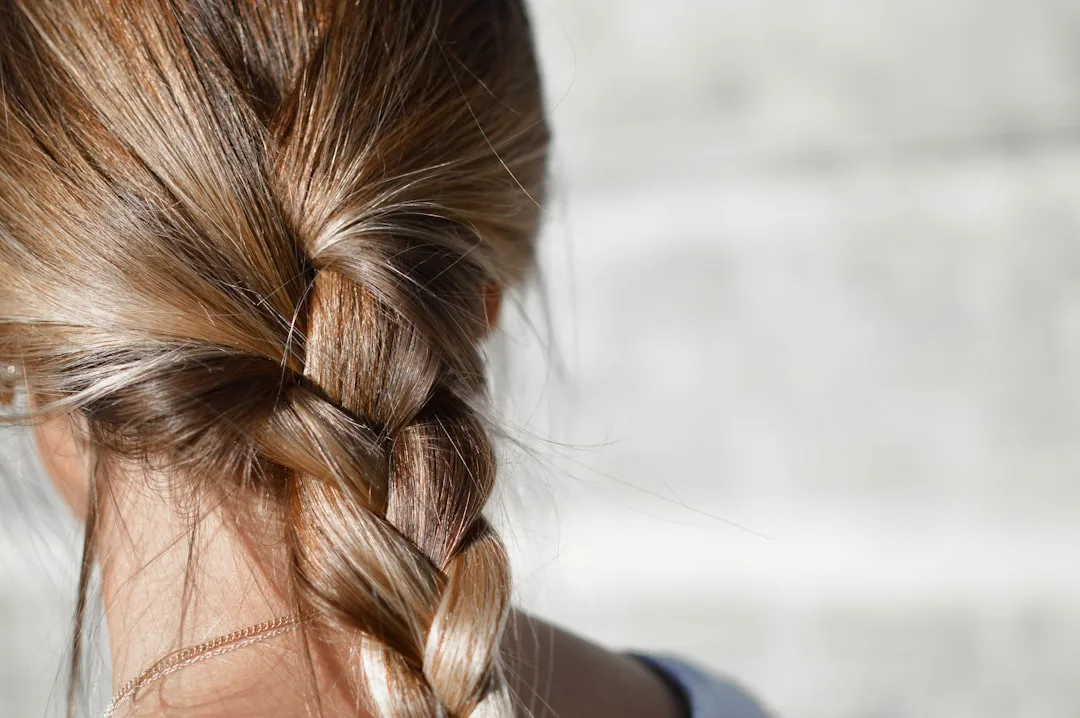
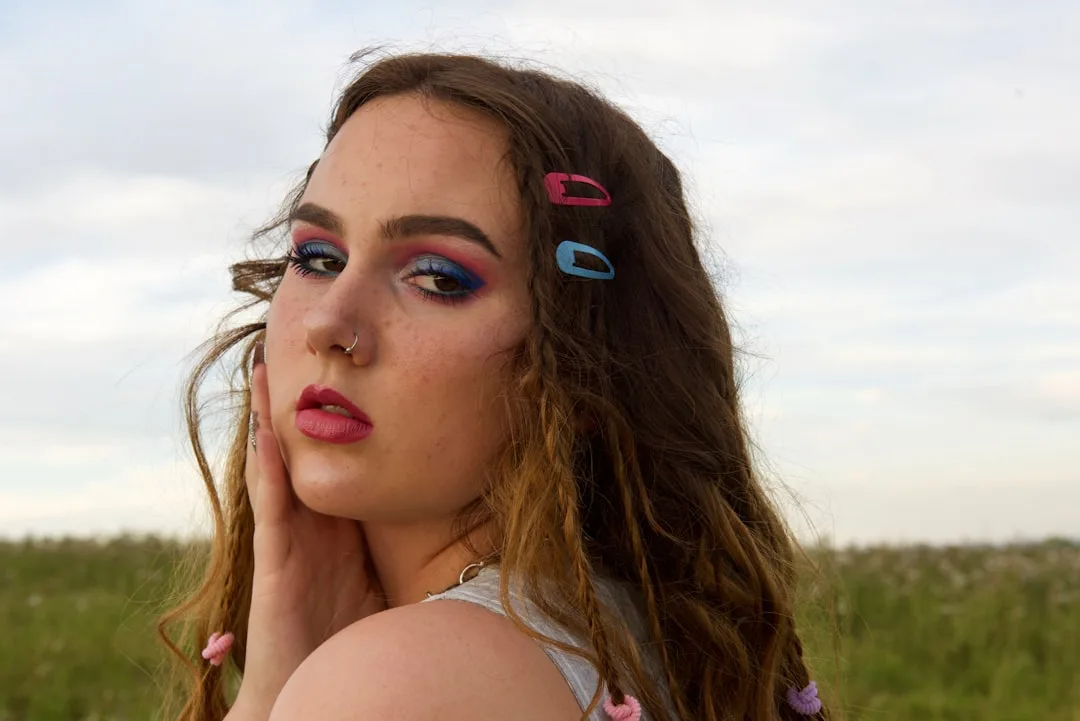
Long hair micro braids are experiencing a resurgence in 2026, with professional installations running $300–$800 depending on length and braid count, because Gen Z and millennial consumers are finally inverting the speed-over-care narrative that dominated 2024–2025. Instead of chasing Instagram-bait styles that require daily styling, micro braids solve a real problem: they lock in length retention, reduce manipulation damage, and deliver genuine weeks-long wear without heat or restyling. The micro braid category is trending because it bridges high-fashion credibility (seen on runways in Paris and Lagos) with functional longevity—something that fast-fashion hair trends simply cannot claim.
Why Micro Braids Returned as the Protective Standard
Protective styling had been flattened into a single aesthetic—sleek, monochromatic, minimal—until 2026 reintroduced texture as luxury. Micro braids demand technical skill: a stylist must section hair into 200–500 individual braids, each sized 1/8 inch to 1/4 inch in diameter, without scalp tension that causes traction alopecia. That precision is why the trend is spreading: it signals investment, patience, and actual hair health rather than cosmetic illusion. Brands like Kanekalon synthetic hair ($8–$15 per pack at Sally Beauty) and human hair extensions ($40–$120 per bundle depending on origin) have become status markers because they affect final cost and longevity.
Quick Tips
- Book installations 2–3 weeks in advance; top stylists are booked through summer.
- Expect 6–10 hours for a full head of micro braids on long hair.
- Invest in silk pillowcases ($25–$45) to minimize frizz and breakage overnight.
- Refresh edges and roots every 4–6 weeks if wearing braids continuously.
- Use lightweight oils (not heavy creams) to avoid buildup and product residue.
| Braid Type | Installation Time | Cost Range |
|---|---|---|
| Micro braids (full head) | 6–10 hours | $350–$800 |
| Micro braids with color | 7–11 hours | $450–$950 |
| Micro braids (partial, front section) | 2–3 hours | $80–$200 |
| Knotless micro braids | 7–9 hours | $400–$900 |
| Micro braids (maintenance touch-up) | 2–4 hours | $100–$300 |
Installation Brands and Stylist Credentials Matter Now
The 2026 micro braid trend has created a credentialing hierarchy. Salons charging $600+ typically employ stylists certified through organizations like the Braiding Technology Institute or with 5+ years of documented portfolio work. Brands like Crown&Co ($120 synthetic braiding hair in 24-inch lengths) market directly to premium salons, not retail, signaling professional-only positioning. Hair extension supplier companies such as Great Lengths (human hair, $60–$140 per bundle) and Kanekalon’s professional line ($12–$18 per pack wholesale) have become gatekeepers—retail access is restricted to licensed professionals. This gatekeeping is intentional: it protects stylists’ pricing power and prevents bargain-hunting consumers from self-installing poorly and damaging their hair.
Celebrity stylists have amplified the trend’s legitimacy. Kiyah Wright, who works with Zendaya and Yara Shahidi, charges $1,200–$1,500 for custom micro braids with hand-sewn cuffs and gold or silver hardware ($40–$180 per cuff from artisanal makers). This price point has normalized mid-tier installations ($400–$700 at independent studios in major metros) because consumers now understand that micro braids require expertise that carries genuine cost. The psychological shift is critical: 2026 consumers are treating braids as semi-permanent infrastructure, not disposable fashion.
Long Hair Micro Braids Require Disciplined Maintenance Routines
What separates trending micro braids from failed attempts is the maintenance protocol that must begin during installation and extend 8–12 weeks after. Professional stylists apply edge control (Carol’s Daughter Black Vanilla Moisture & Shine Edge Control, $10) around the hairline during installation, then instruct clients on nightly silk-wrapping and weekly scalp cleansing with diluted shampoo (1 part clarifying shampoo to 4 parts water). This routine prevents buildup, mold, and odor that previously plagued braid longevity in humid climates. Brands like SheaMoisture Raw Shea Butter Restorative Elixir ($10–$14) have reformulated for braid-wearers specifically, offering lightweight hydration that doesn’t accumulate.
Scalp health is now marketed as a luxury concern. Dermatologist-recommended products like Nizoral A-D Shampoo ($8–$12) are positioned in the micro braid conversation because prolonged braid-wearing can create fungal risk if scalp isn’t dried properly post-wash. This medical angle legitimizes the trend—it’s no longer purely aesthetic; it’s preventative care. Long hair retention rates jump dramatically when stylists educate clients: micro braids worn 10–12 weeks can yield 1.5–2 inches of length retention compared to 0.5 inches for unprotected hair in the same period. That measurable outcome is why the trend is spreading beyond aesthetics into the wellness category.
Styling and Versatility Within the Micro Braid Format
The 2026 micro braid resurgence has spawned sub-trends that maximize versatility. Knotless micro braids (where the braid foundation is wrapped rather than knotted at the root) reduce scalp tension and cost $50–$150 more than traditional micro braids, but they allow for upstyles, half-ups, and edge definition that traditional braids cannot achieve without visible knots at the base. Consumers are now layering micro braids with accessories: silk scarves ($25–$60 from luxury brands like Slip), gold cuffs ($2–$20 each, purchased in bulk), and beaded clips ($8–$15 per pair) that are swapped weekly for styling variety. This accessorizing behavior has created a secondary market—micro braid decoration products are now stocked at Target, Ulta, and Sephora, normalizing the trend across demographics.
Styling versatility extends the emotional ROI of micro braids. A single installation can be worn down for 2–3 weeks, then upswept into a puff or bun for weeks 4–8, then parted and pinned into a side-sweep for weeks 9–12. This malleability addresses decision fatigue that plagued 2024–2025 hair trends: consumers no longer need to choose one aesthetic before committing $500. Photography and TikTok content from stylists like Nia Iman (@niabraidsandbeyond, 850K followers) showcase these micro braid restyle sequences, proving legitimacy and reach. Internal links to related articles like our guide on 10+ Playful Long Curly Hair Styles with Pastel Pink Hues highlight how textured long hair can also achieve protective benefits through different methods. The trend’s staying power hinges on this visual proof—micro braids must deliver on their promise of both protection and transformation across an 8–12 week wear cycle.