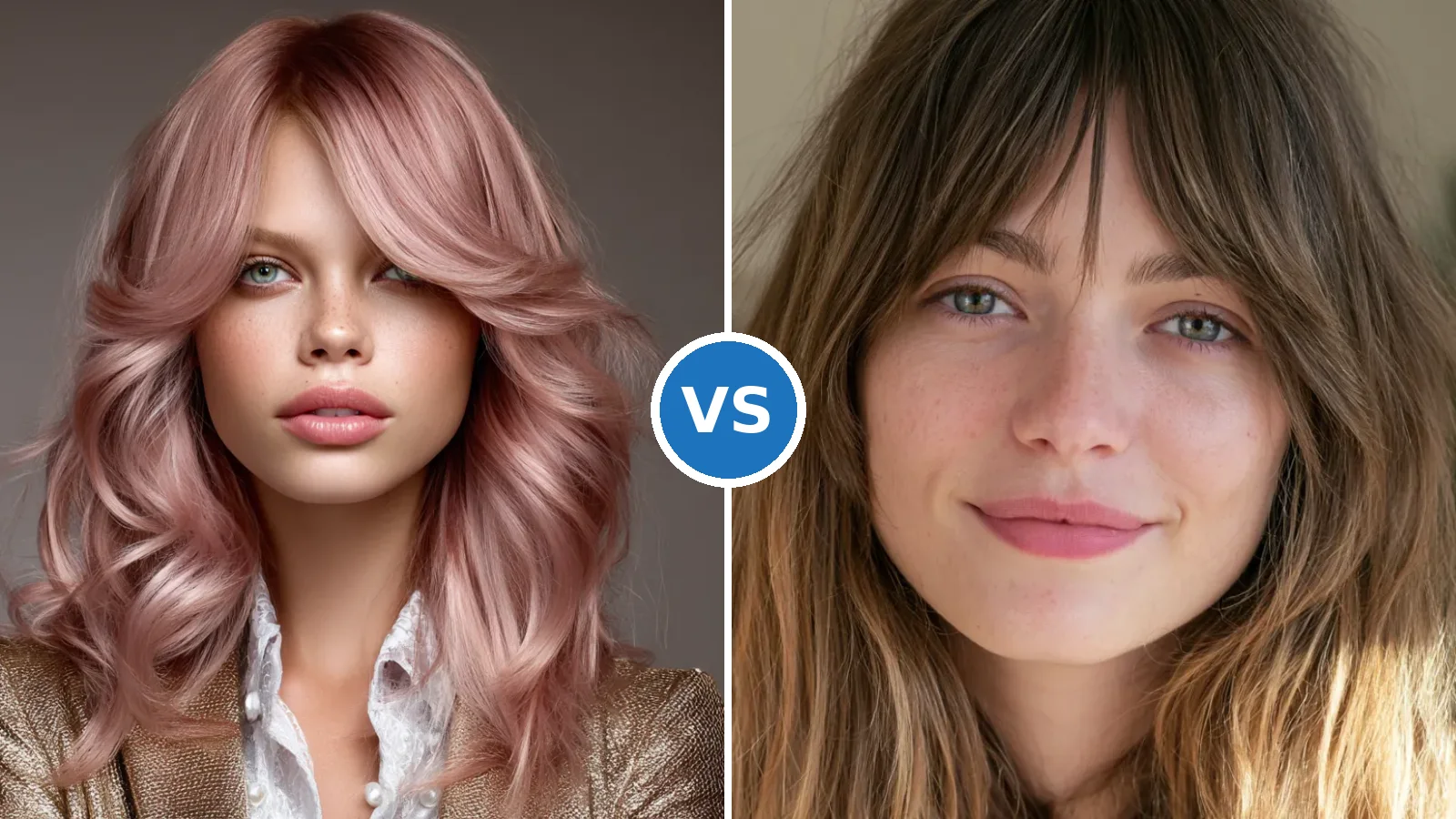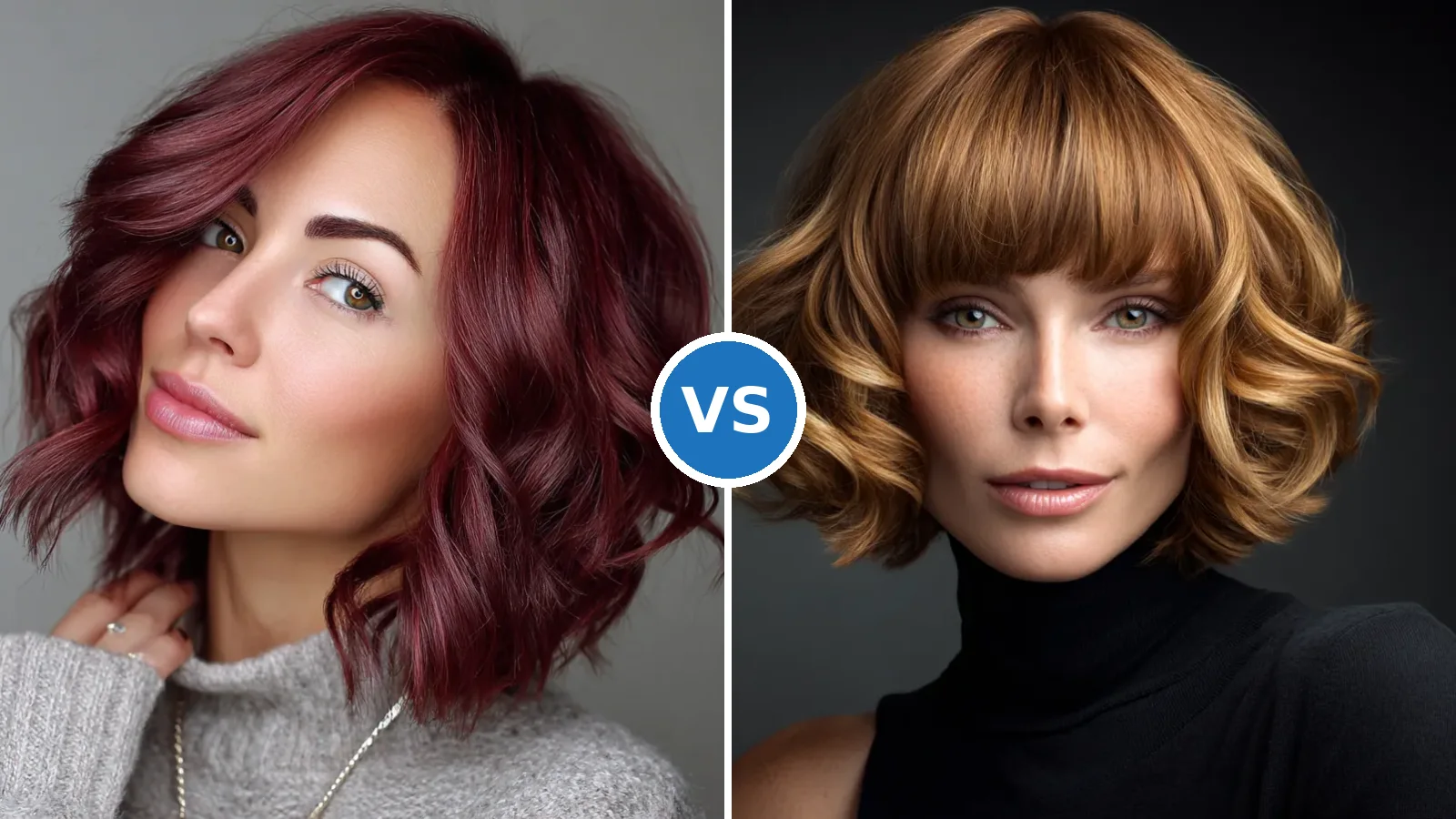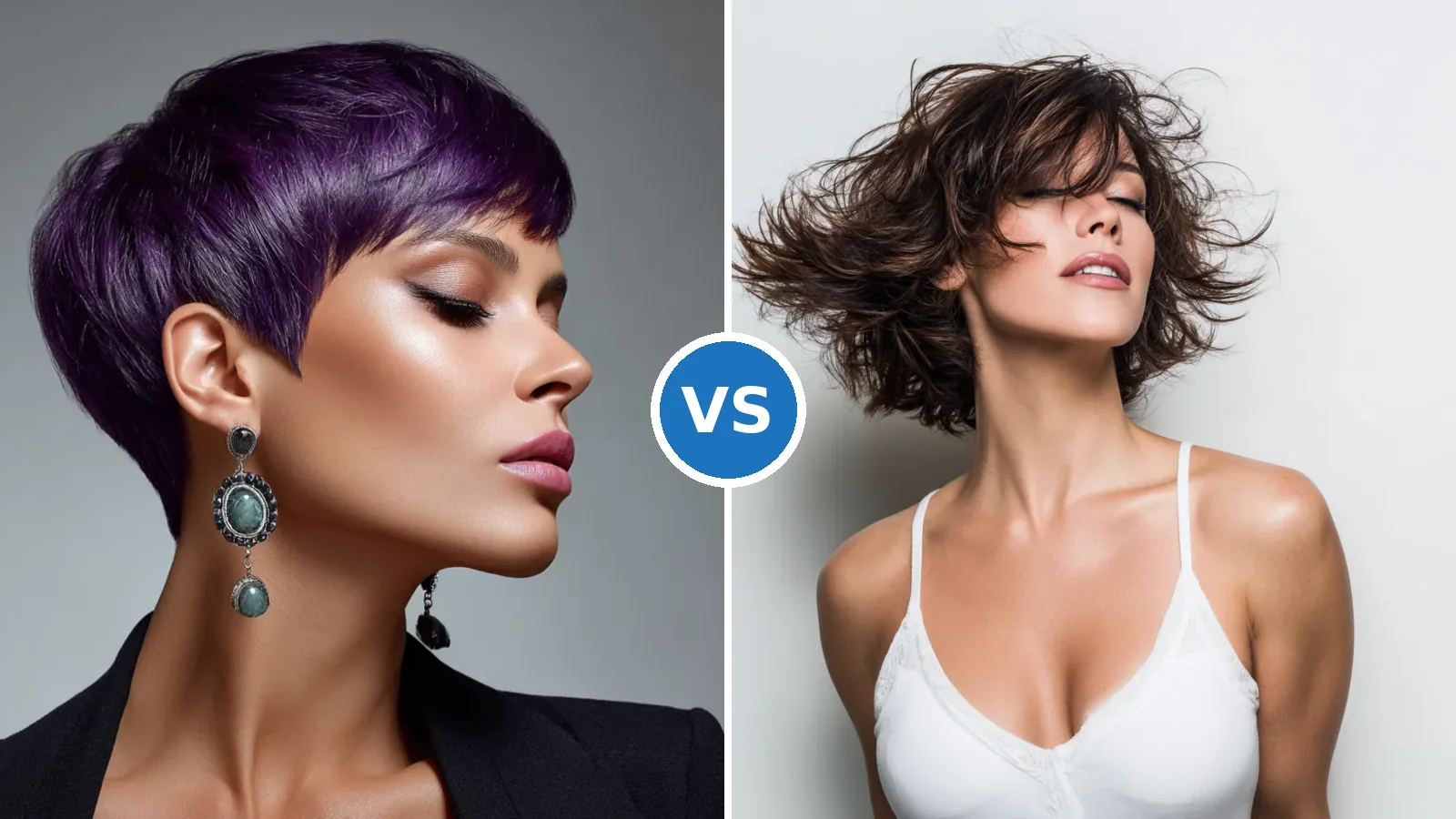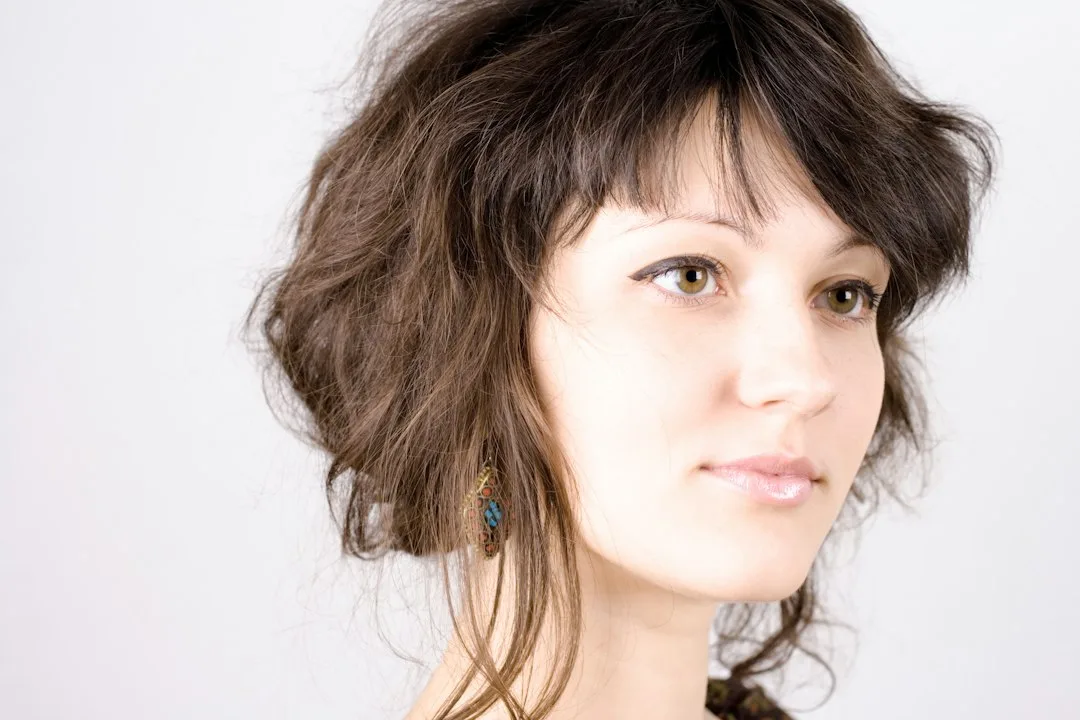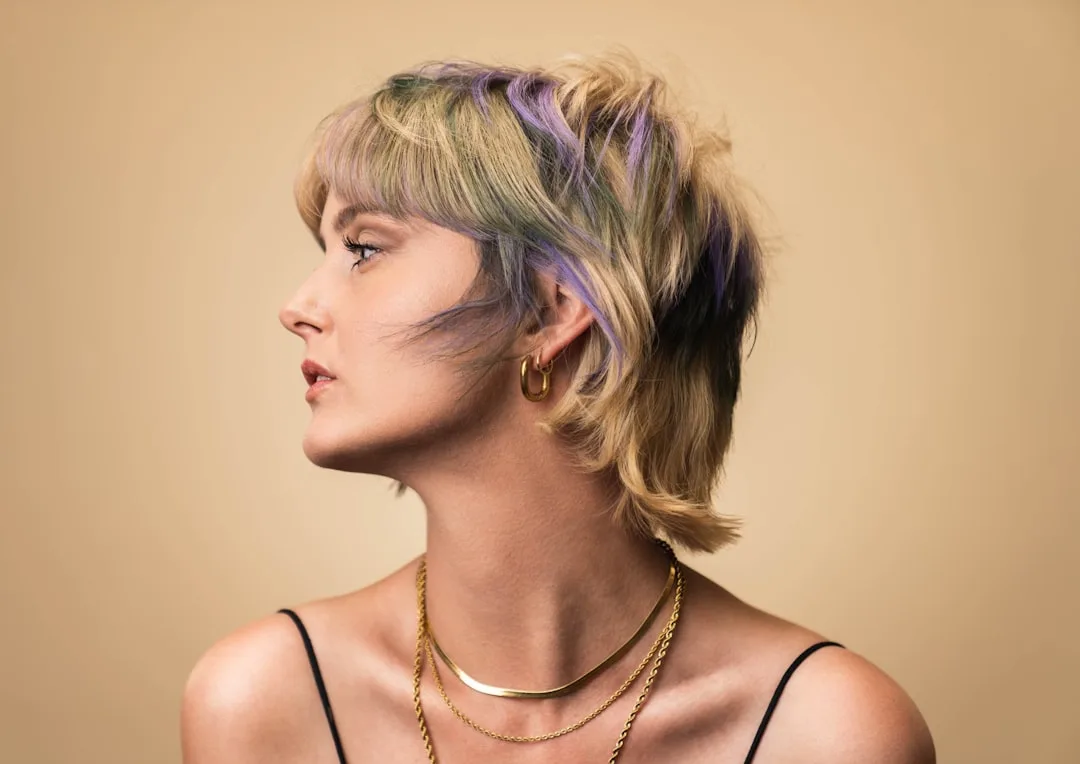
You’re scrolling Instagram and notice something unexpected: the blunt, severe bangs from 2023 have vanished. In their place, a softer alternative is everywhere. Textured curtain bangs—the kind that piece apart at the ends, move independently, and frame the face with intention—are now the dominant bang trend of mid-2026. This shift matters because it signals a broader move away from precision-heavy styling toward texture that feels alive and effortless.
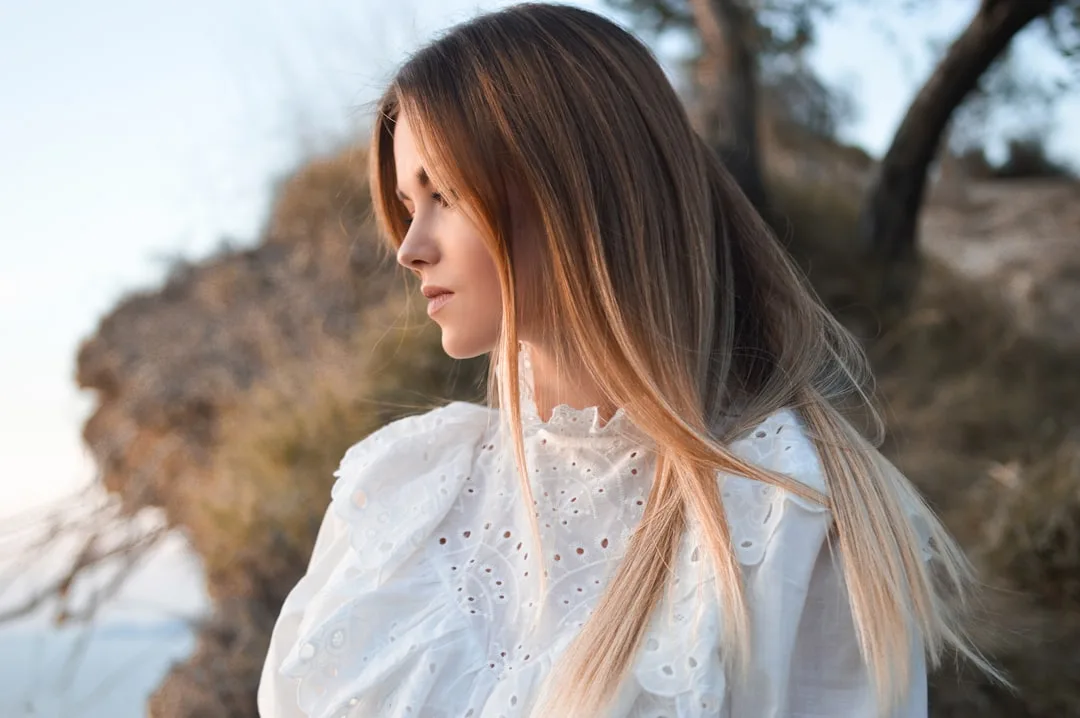
Why Textured Curtain Bangs Lead the Trend in June 2026
The return of textured curtain bangs isn’t accidental. After three years of razor-sharp, blunt-edge styling dominating the space, stylists and clients are exhausted by the maintenance. Textured bangs require less frequent trims—micro-trims every 4-6 weeks instead of every 3 weeks—because the graduated layers hide growth naturally. The texture also plays into the broader 2026 movement toward undone, movement-forward hair that doesn’t look intentional.
This trend emerged from Seoul’s high-fashion salons in late 2025, where colorists began layering bangs at different lengths to create visual depth without the weight. The style landed in Los Angeles by February 2026, then spread to New York, London, and Toronto by April. Today, it’s the second-most-requested bang style after micro bangs.
- Ask your stylist for “soft-layered curtain bangs”—not blunt or full bangs
- Textured bangs work on straight, wavy, and curly hair types equally
- Blow-dry with a round brush for volume, or air-dry for organic texture
- Use dry shampoo or texturizing spray 2-3 days post-cut to avoid flatness
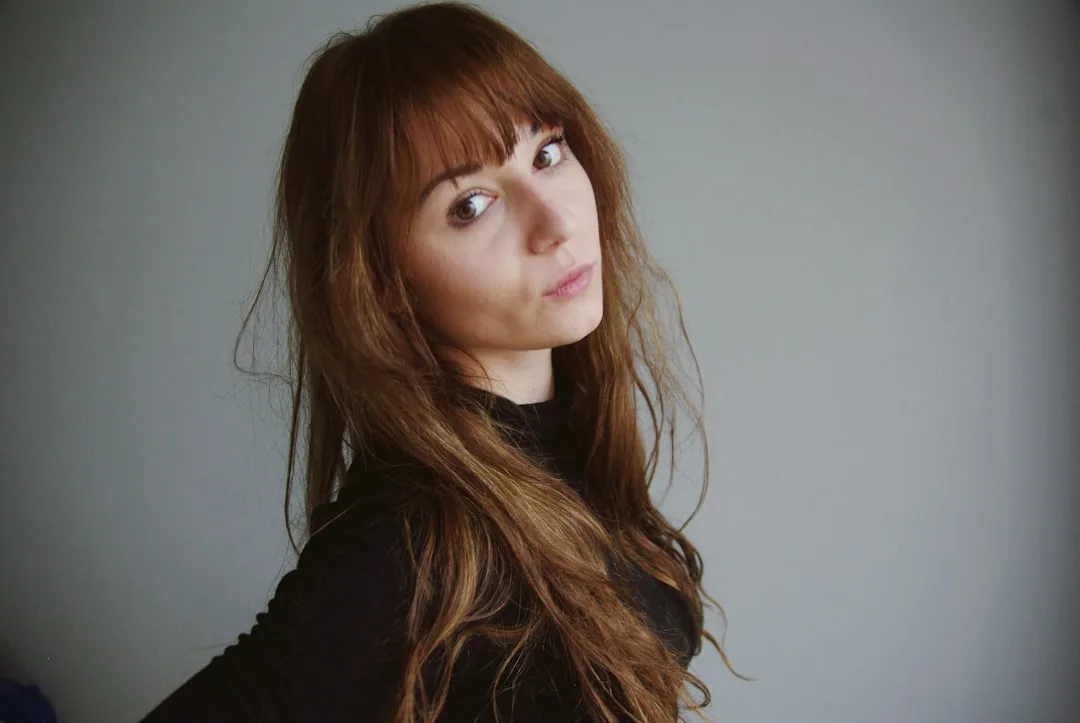
How Stylists Build Textured Curtain Bangs Structure
The execution separates good textured bangs from disappointing ones. A skilled stylist cuts each section at a different angle, creating 5–7 distinct layers within the bang area. Point-cutting (holding the scissors vertically and snipping into the ends) softens the edge, while longer interior layers provide weight and movement. The shortest pieces sit at the cheekbone; the longest reach below the jaw.
Salon Services NYC charges $185 for a textured bang cut as part of their color service, or $95 standalone. That pricing is 40% higher than their blunt bang service ($65), reflecting the additional technical skill required. In comparison, salon chain Supercuts offers bang trims for $15–20, but stylists there lack training in graduated layering, making the results flat and shapeless.
At home, cutting textured bangs is high-risk. The most common mistake is cutting straight across, then wondering why the layers look choppy instead of intentional. This happens because most people lack the angle understanding and confidence to hold scissors at varied degrees.
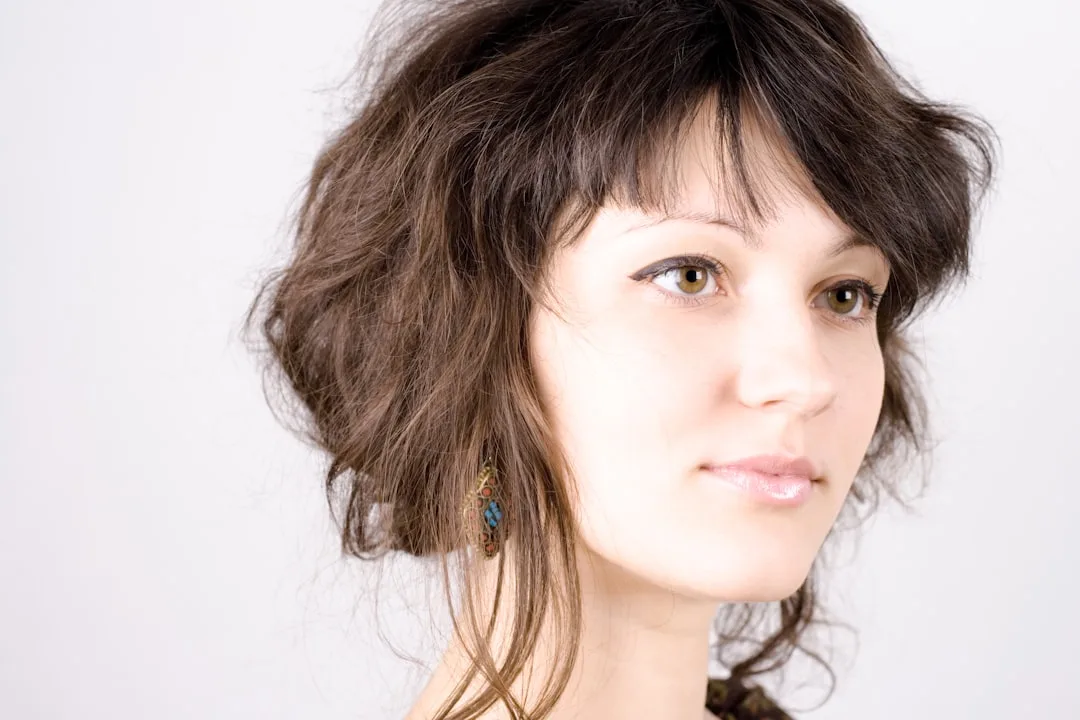
Product Recommendations and Styling Techniques
Textured curtain bangs demand specific products to maintain movement and prevent the dreaded “flat pancake” look that ruins the effect. Olaplex No. 4C Bond Maintenance Clarifying Shampoo ($30) removes product buildup that weighs down fine layers—use it weekly. That’s $30 for a 8.5 oz bottle that lasts 6 weeks for daily users, or roughly $5 per week versus traditional sulfate shampoos at $8 per bottle that require more frequent replacement due to buildup.
For texture, Living Proof Dry Volume Blast ($38) adds grit and separation to damp bangs before blow-drying. A single 1.9 oz canister lasts 8–10 weeks with daily use. Apply to damp bangs, rough-dry with fingers (not a brush), then shape with a blow dryer on medium heat. The result: textured, piece-y bangs with zero crunch.
Dyson Supersonic hair dryer ($399) isn’t required, but its precision nozzle helps stylists create intentional texture direction. The ionic technology reduces frizz that undermines the structured-yet-soft aesthetic. Budget blow dryers ($30–60) lack this precision, causing diffused results. Over a 4-year lifespan, the Dyson costs $100 annually versus constant replacements of cheaper models.
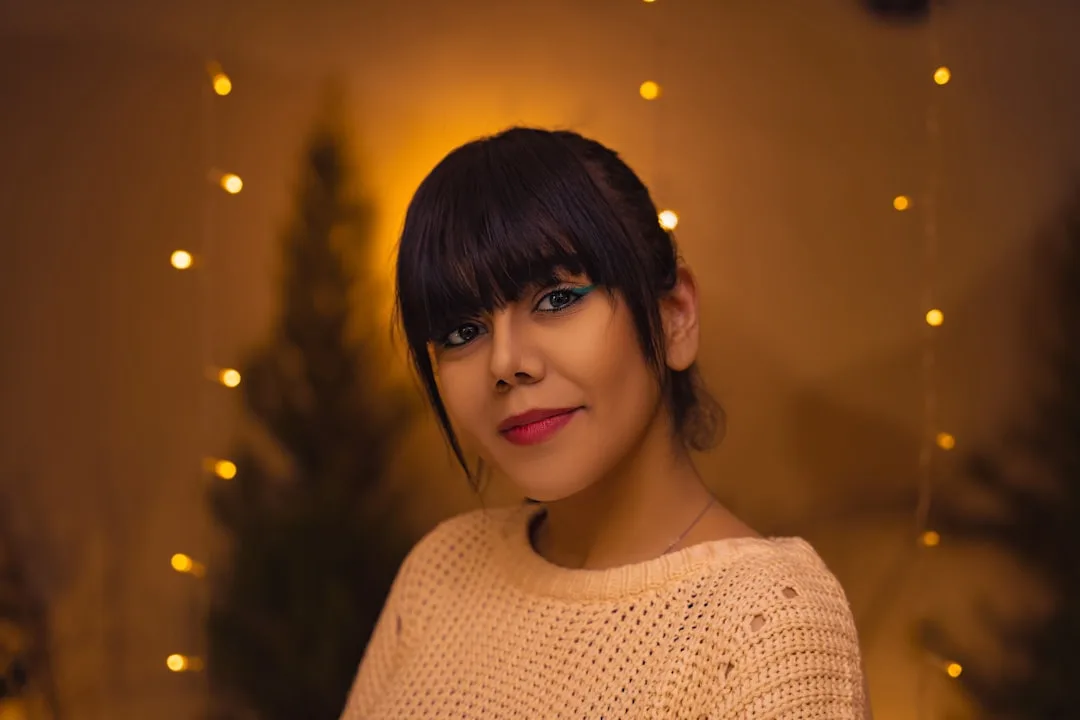
Where Textured Curtain Bangs Go Wrong and How to Avoid It
The #1 failure mode: customers request “textured curtain bangs” but receive what amounts to choppy, fried-looking hair that reads as damaged rather than intentional. This happens when stylists use razors too aggressively or cut at home with kitchen scissors. The result: split ends visible within the bang area, flyaways that can’t be controlled, and a texture that reads as “bad hair day” rather than chic.
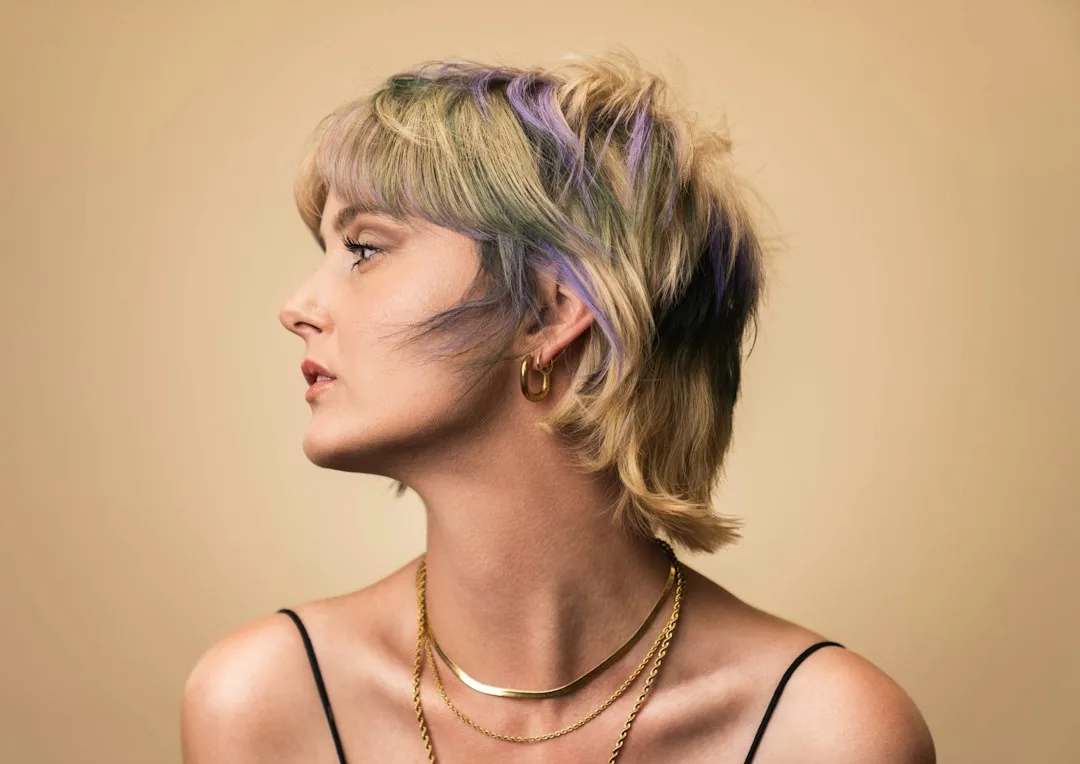
Example of what NOT to do: bleached blonde hair cut with kitchen scissors and point-cutting too heavily creates a destroyed, straw-like appearance. The bangs won’t sit in the framing position you want; they’ll stick out randomly and require daily styling to manage. Instead, work with a stylist trained in graduated layering, and if your hair is compromised, do a protein treatment (Olaplex No. 8 Bond Intense Moisture Mask, $68 for 5.1 oz) before the cut.
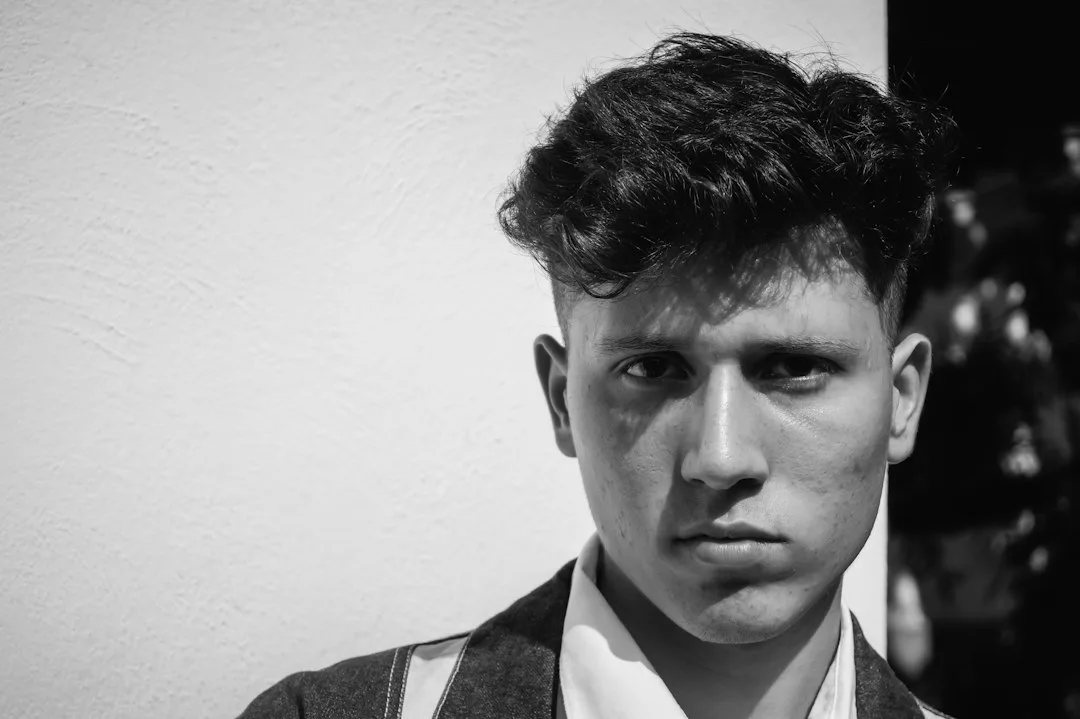
A second risk: over-texturizing straight hair, which makes bangs look thin and wispy rather than defined. Fine or thin hair needs longer layers to maintain shape. Textured bangs work best on hair with natural body or waves. For straight, thin hair, consider 10+ Trendy Short Black Hairstyles for a Bold Look as alternatives that hold shape without relying on texture.
Styling Textured Curtain Bangs for Different Hair Types
Curly and coily hair types benefit most from textured bangs because natural curl pattern already provides movement. Apply leave-in conditioner (SheaMoisture Raw Shea Butter Restorative Conditioner, $11 for 13 oz) to damp bangs, then allow them to air-dry or diffuse. The texture layers enhance the curl pattern instead of fighting it. Reactivate curls daily with a curl-refreshing spray ($12–18) to maintain definition without daily washing.
Straight hair requires intentional styling. Blow-dry bangs with a round brush, directing the layers outward and slightly under. Use a light texturizing spray (Bumble and bumble Thickening Full Form Mousse, $32 for 5 oz) while hair is still damp for hold without stiffness. The mousse costs $32 per 5 oz but lasts 6–8 weeks, making it $4–5 per week for daily styling versus daily blow-dry time with flat irons.
Wavy hair is the sweet spot. Your natural wave already supports the textured aesthetic, so styling takes minimal effort. Scrunch in leave-in conditioner, let air dry, and you’re done. This is why textured curtain bangs have become synonymous with low-maintenance styling in 2026.
Face Shapes That Benefit From Textured Curtain Bangs
Round faces benefit dramatically from textured curtain bangs because the layers create vertical lines that elongate. The soft framing also softens the width of the cheekbones. Long, rectangular faces gain width and face-flattering softness from bangs that hit at the cheekbone. See Short Black Hairstyles: 11 Cuts That Hold Shape All Day for additional face-shape guidance.
Square faces are less suited to textured curtain bangs. They risk emphasizing the jawline’s angularity. For square faces, side-swept textured bangs (longer on one side, shorter on the other) work better, creating asymmetry that softens the features. Heart-shaped faces do well with textured bangs because the layers frame and minimize a prominent forehead without adding bulk to the narrower lower face.
The versatility of textured curtain bangs across face shapes is precisely why salons are seeing consistent client requests. By mid-2026, they’ve moved from trend novelty to reliable, face-flattering option with staying power.