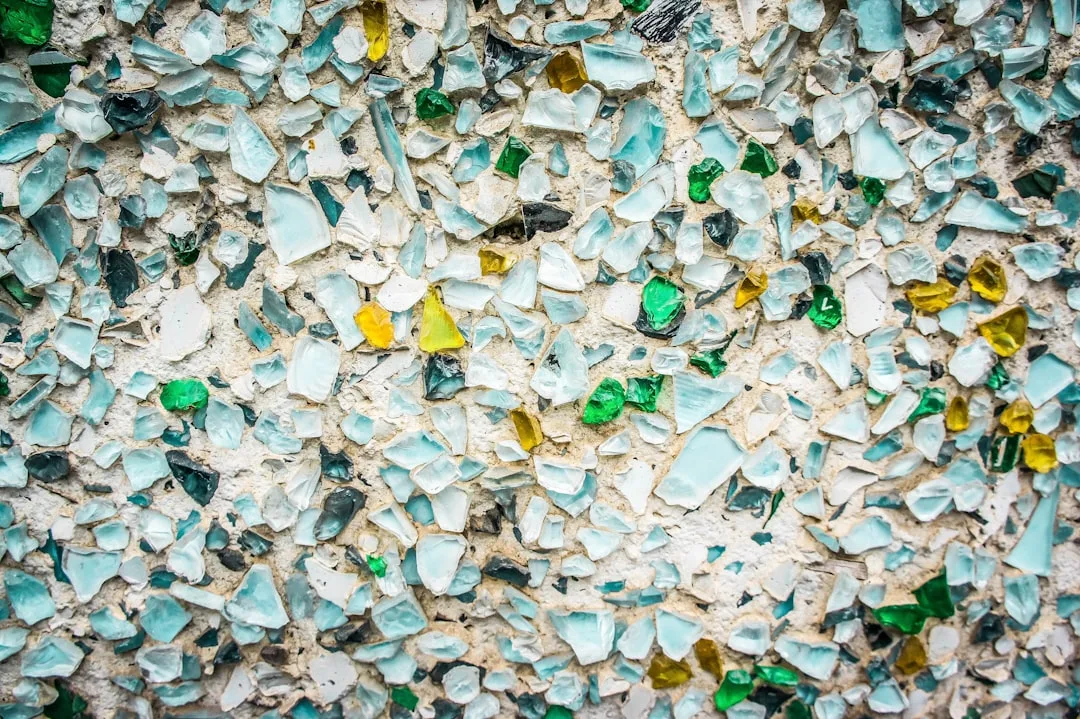
Recycled glass aggregates now comprise 15–30% of eco-conscious concrete and terrazzo projects, replacing virgin aggregates that require energy-intensive extraction and processing. The material trend exploded in 2025 and dominates May 2026 specification lists across residential and commercial builds because it delivers cost parity with conventional stone while cutting embodied carbon by up to 40%. Architects and builders are racing to source crushed post-consumer glass—dishware, wine bottles, phone screens—as landfill diversion mandates tighten across North America and Europe.
Why Recycled Glass Aggregates Trend Now in 2026
The EPA’s 2025 construction waste framework incentivized glass recovery, and by Q2 2026, supply chains stabilized enough for residential adoption. Homeowners pay $45–$65 per square foot for recycled glass countertops versus $50–$70 for natural granite, erasing the sustainability premium that blocked mainstream uptake in 2024. The material satisfies both carbon-conscious buyers and budget-conscious renovators—a rare overlap that manufacturers like Vetrazzo and Eco-Atelier capitalized on immediately.
Color consistency and sparkle are the psychological drivers. Recycled glass aggregates create terrazzo-like surfaces with visible depth that photograph dramatically on Instagram, making them aspirational rather than guilt-driven. Design professionals cite the material as a legitimate aesthetic choice, not just an environmental compromise.
Quick Tips
- Request CoC (chain-of-custody) documentation; verify glass source (post-consumer vs. post-industrial)
- Compare resin-bound recycled glass ($55–$70/sq ft) against cement-bound ($40–$55/sq ft) for durability
- Seal surfaces quarterly to prevent staining; recycled glass is porous without protective coatings
- Budget 2–3 weeks lead time; custom color sorting adds $8–$12/sq ft but ensures visual cohesion
Where Recycled Glass Sourcing Happens in 2026
Vetrazzo (California-based, founded 2003, now with 8 US distribution hubs) remains the largest supplier, offering 40+ color palettes at $52–$68 per square foot installed. Their Peacock Blue and Honeycomb Gold lines use 85% post-consumer glass and command premium pricing because color curation is hand-sorted. Seattle-based Eco-Atelier launched a regional competitor in May 2026 at $45–$55/sq ft with 12-week lead times but lower color variety.
European suppliers dominate commercial projects: Glascoat (UK, £38–£55/sq ft equivalent) and Ricchezza (Italy, €50–€75/sq ft) ship globally for high-end residential and hospitality work. Costco and Home Depot trialed Vetrazzo DIY countertop kits ($28–$36 per linear foot for premade edges) in March 2026, making the material accessible to budget renovators but with limited design flexibility.
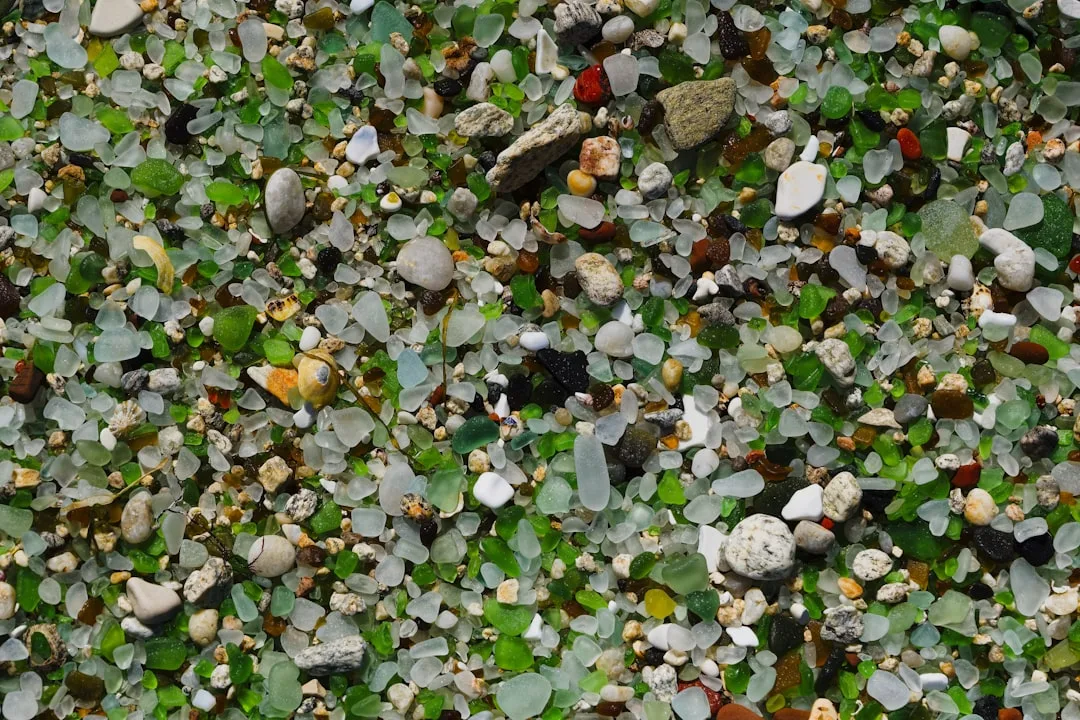
Direct glass collection from waste streams is accelerating. Some fabricators now partner with local glass recycling centers, processing crushed wine and beer bottles into aggregate for a 15–20% cost reduction. The supply chain remains geographically dependent—West Coast projects source locally; East Coast buyers still rely on Vetrazzo distribution.
| Supplier | Price/Sq Ft (Installed) | Lead Time |
|---|---|---|
| Vetrazzo (USA) | $52–$68 | 2–3 weeks |
| Eco-Atelier (Seattle) | $45–$55 | 12 weeks |
| Ricchezza (Italy) | €50–€75/sq ft | 4–6 weeks |
| Glascoat (UK) | £38–£55/sq ft | 3–4 weeks |
| Costco DIY Kits | $28–$36/lin ft | Stock |
How to Specify Recycled Glass in Kitchen and Bath Design
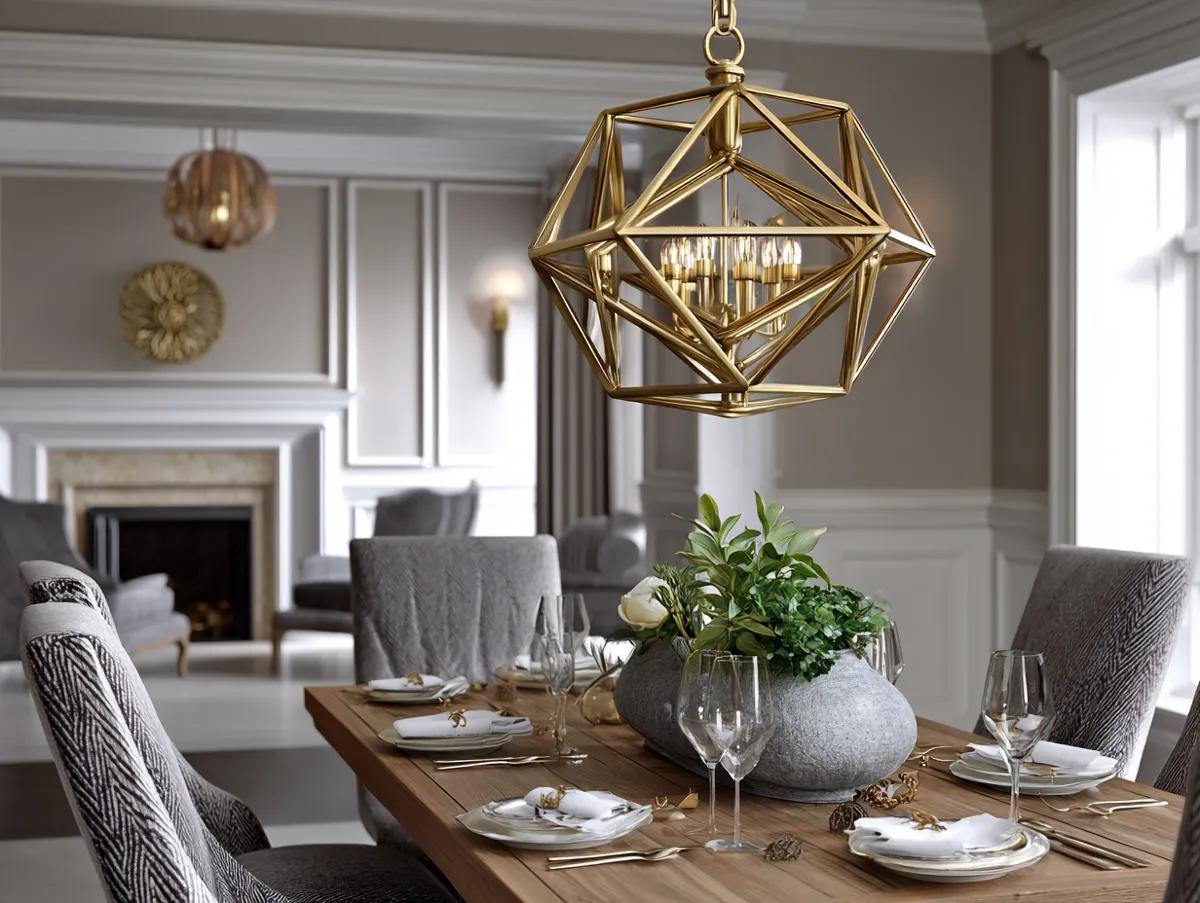
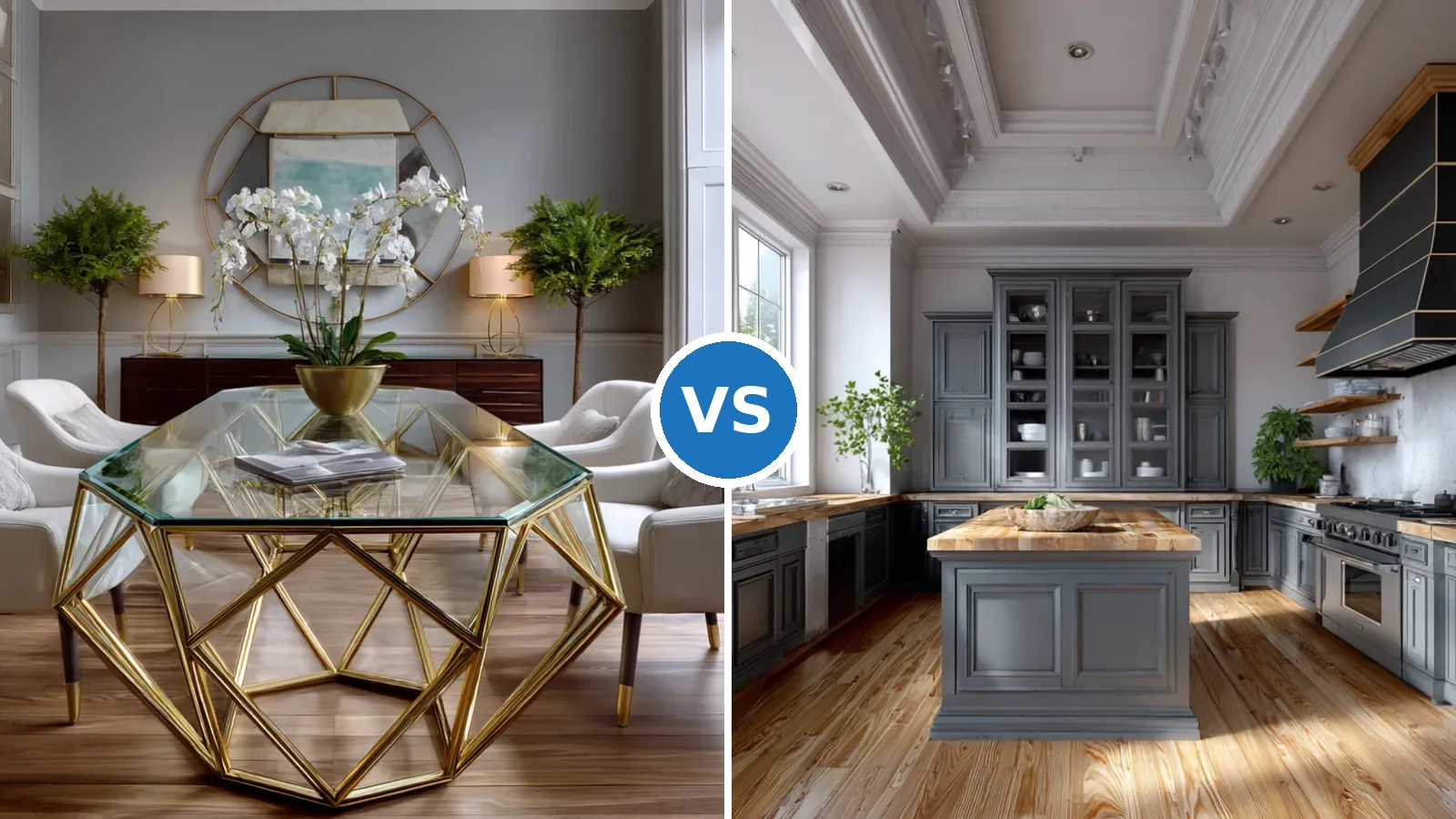
Kitchen countertops are the primary application; recycled glass aggregates work in vanities, islands, and backsplashes with standard fabrication tools (wet saws, polishing wheels). The material pairs visually with stainless steel and matte black cabinetry—as seen in the Geometric Glass Pendant Light Casting Elegance in a Chic Kitchen showroom installation, where Vetrazzo Glacier Blue ($58/sq ft) echoes pendant glass geometry.
Resin-bound systems (Vetrazzo’s proprietary blend) outperform cement-based alternatives for moisture resistance, making them code-compliant for wet zones without additional sealant. Bathroom applications require quarterly sealing with penetrating sealer ($25–$40 per quart, covers 400 sq ft). Flooring installations demand honed-finish aggregates for slip resistance; polished surfaces are slippery when wet and breach ADA compliance.