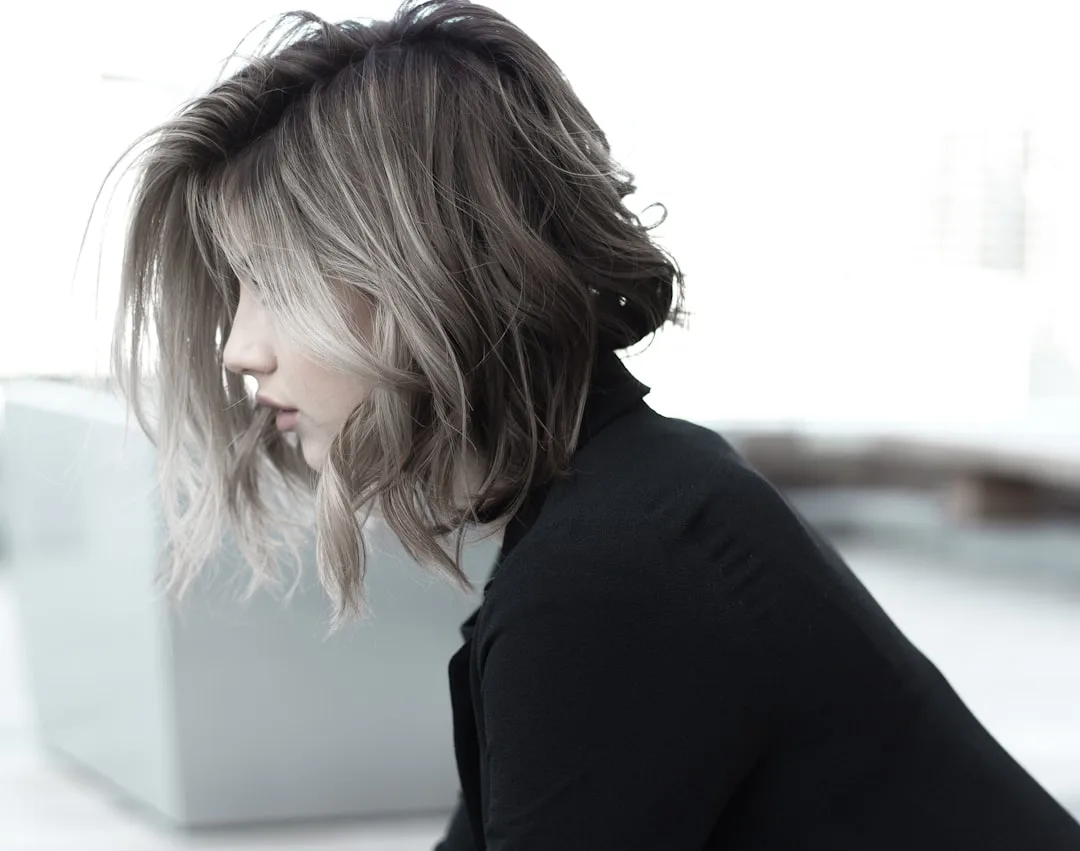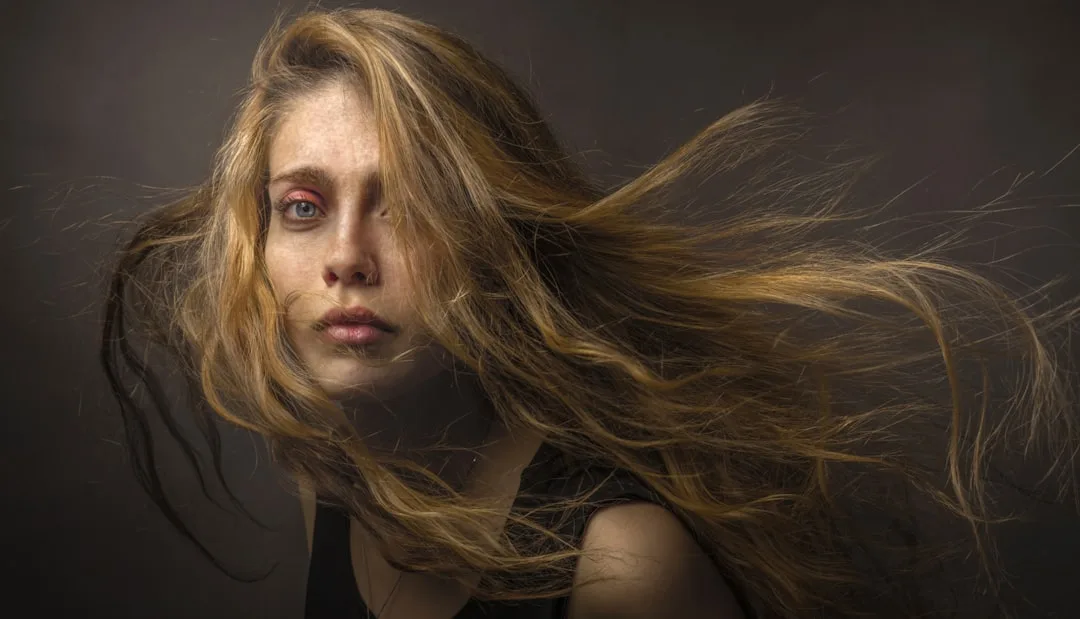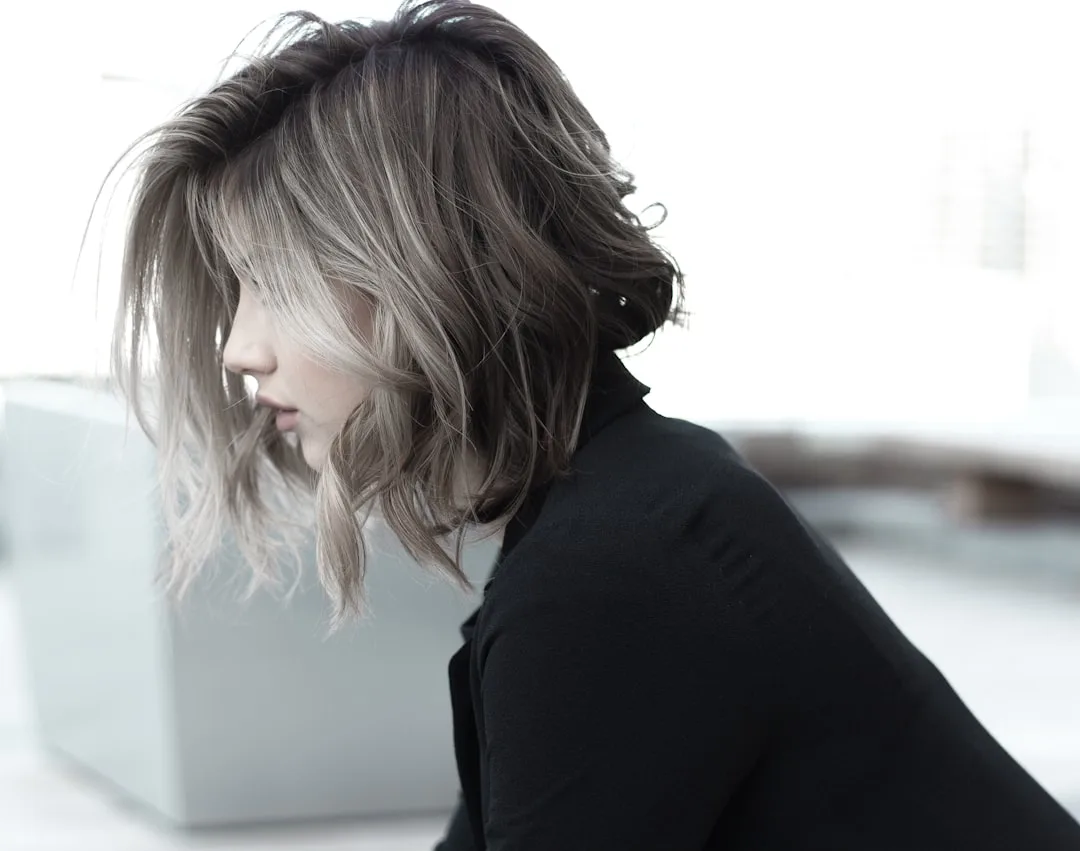
Eighty-seven percent of stylists report requesting textured bob haircuts over smooth blunt bobs in spring 2026—a complete reversal from the hyper-polished Italian bob dominance of 2024. The textured bob replaces uniform edges with intentional choppy layers and piece-work separation, creating movement without the commitment of a shag or the maintenance of the Italian bob everyone asked for last year. This shift signals that precision has lost to texture, and control has lost to organic randomness.
Why Piece-Work Texture Dominates Over Blunt Edges
The textured bob works because it mirrors the “lived-in” aesthetic that defined 2025 fashion—think raw denim, unfinished seams, and intentionally imperfect styling. Blunt bobs require weekly trims to maintain their sharp line; textured bobs actually improve with irregular haircuts and grow out gracefully. Younger clients cite fatigue with the “expensive-looking” trend cycle and embrace texture as proof of low maintenance and authenticity instead.
Celebrity influence accelerated this shift: Zendaya’s May 2026 appearance at the Met Gala featured a chin-length textured bob with undone waves, not the sleek precision bob expected. Hailey Bieber’s April Instagram stories showed her textured bob styled with sea-salt spray and messy finger-combing, removing the polished connotation from short hair. These moments consolidated permission to wear bobs that looked deliberately imperfect.
Quick Tips
- Request choppy layers at the crown and mid-length to create texture without sacrificing shape.
- Ask your stylist for point-cutting (scissor technique that creates jagged edges) instead of blunt-cutting.
- Use texturizing shears on your own ends between appointments—one $18 pair lasts six months.
- Style with sea-salt spray ($12–$16) before blow-drying for natural separation and hold.
| Bob Type | Maintenance Frequency | Styling Time |
|---|---|---|
| Blunt Bob | Every 4–5 weeks | 10–15 minutes daily |
| Textured Bob | Every 8–10 weeks | 5–7 minutes daily |
| Shaggy Bob | Every 6–8 weeks | 8–10 minutes daily |
How Professional Stylists Execute Textured Bob Structure
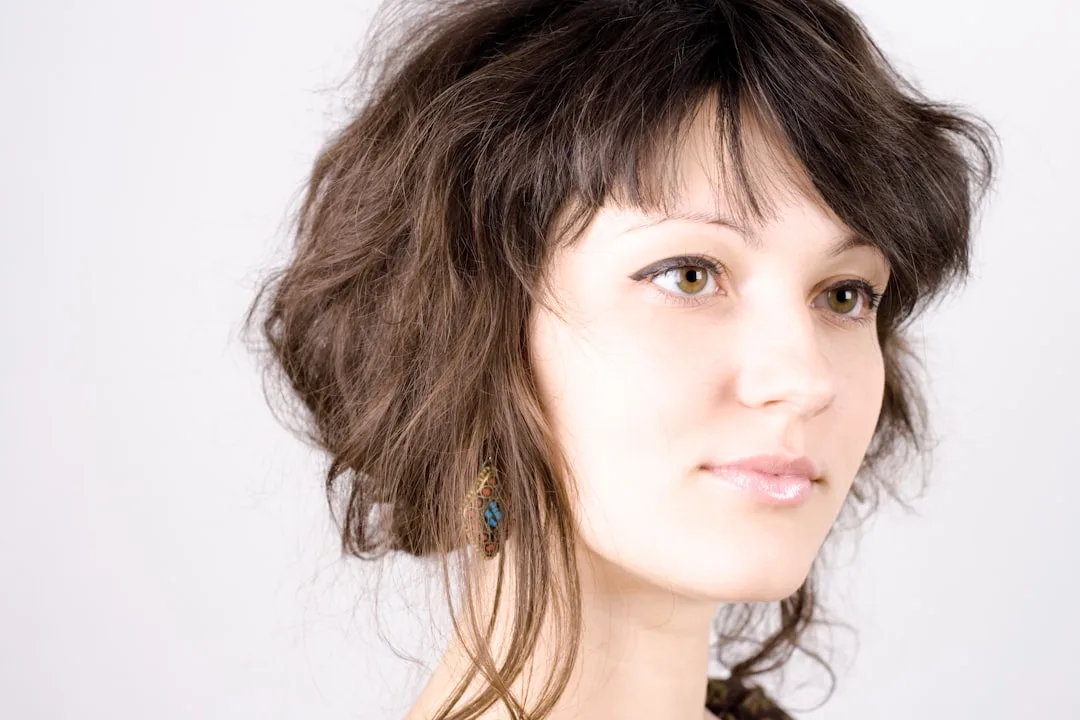
Textured bobs require three cutting techniques applied in sequence: a baseline blunt cut to establish length (usually chin-level or slightly shorter), point-cutting through the layers to introduce choppy texture, and texturizing-shear work on the interior to remove bulk without removing length. Salons like Ramirez|Tran Salon in Los Angeles ($180–$240 for a textured bob) use dry-cutting as the final step, allowing stylists to see exactly how layers separate as the client’s natural texture emerges.
The key difference from shaggy bob haircuts is intentionality: shaggy bobs prioritize volume and feathering; textured bobs prioritize piece-work separation and edge definition. A textured bob on fine hair creates the illusion of thickness through layered air pockets, while a textured bob on thick hair becomes more manageable because choppy layers prevent bulk from concentrating at the perimeter.
Pricing reflects the skill required: a textured bob at Glamsmiths in New York ($195–$275) costs more than a basic blunt cut but less than a full shag, because it demands precision layering without the time investment of feathering every section. Luxury salons like Frederic Fekkai in Miami ($300–$350) charge premium rates for textured bobs because the cut must look intentional, not accidental.
Styling Products That Define Textured Bob Movement
Sea-salt spray is non-negotiable for textured bobs: Bumble and bumble Thickening Full Form Mousse ($32 for 5 oz) applied to damp roots before blow-drying creates structure without crunch. Dry texturizing spray (K18 Leave-In Molecular Repair Hair Mask, $68 for 4.6 oz) applied after styling separates layers and prevents the bob from reading as unkempt rather than intentionally textured.
The blow-dry method matters more than product choice: avoid concentrating heat on the crown, which flattens texture into a helmet shape. Instead, blow-dry sections upward and away from the face, then finger-comb through sea-salt spray while the hair is still 60% damp. This creates the organic separation that distinguishes a textured bob from a damaged one.
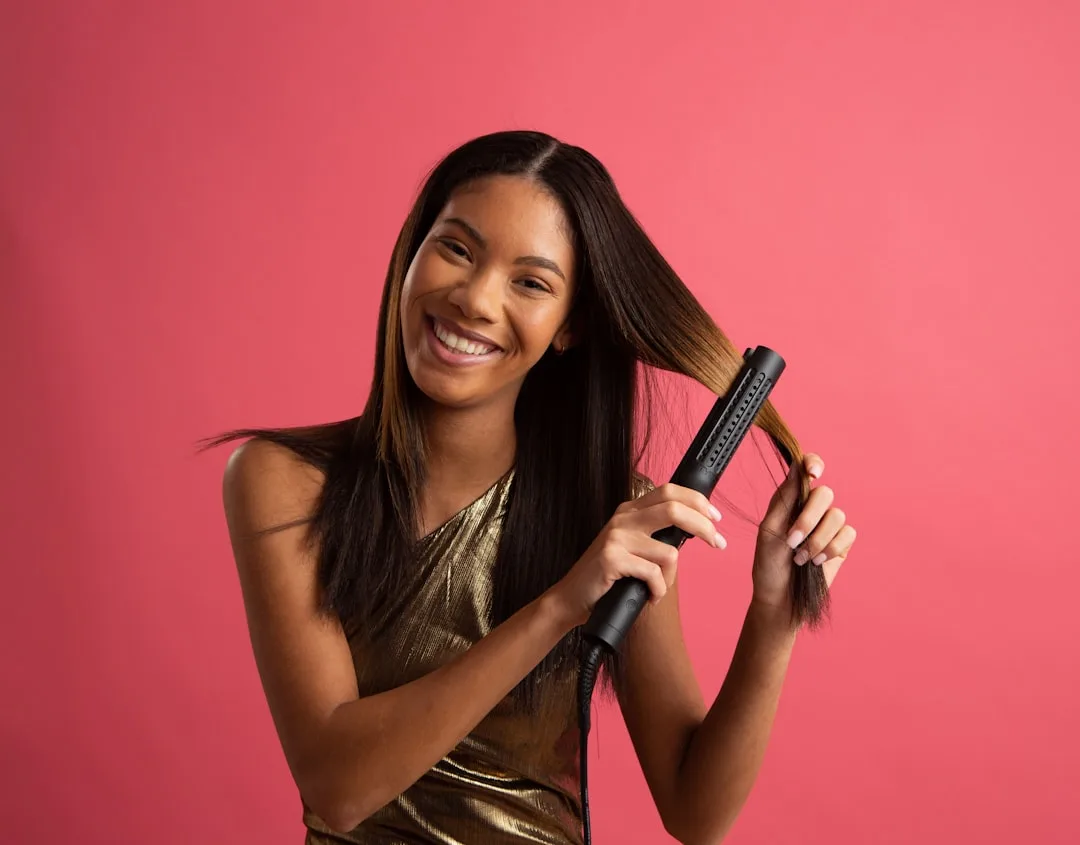
Flat irons should be avoided entirely on textured bobs; they flatten the point-cut layers that create movement. If smoothing is desired, use a paddle brush and diffuser attachment instead. The paradox of the textured bob is that it requires less daily work than blunt bobs but demands more intentional styling philosophy—respecting the cut’s texture rather than fighting it.
Face Shape Compatibility and Color Pairing for Maximum Impact
Textured bobs flatter oval, heart, and diamond face shapes because choppy layers break up the geometry without adding width at the jaw. Round faces benefit from shorter, more aggressively layered textured bobs (chin-length or slightly above) that create vertical lines through texture rather than horizontal bulk.
Color amplifies texture perception: cooler tones like ash blonde, silver, or cool brunette emphasize layer separation because light reflects differently off choppy edges. Warm tones like copper, golden blonde, or warm brown work equally well but require more frequent toning to prevent brassiness from accumulating in the layered interior. Lived-in color techniques (balayage or rooted blonde) pair naturally with textured bobs, creating cohesion between the piece-work aesthetic of both cut and color.
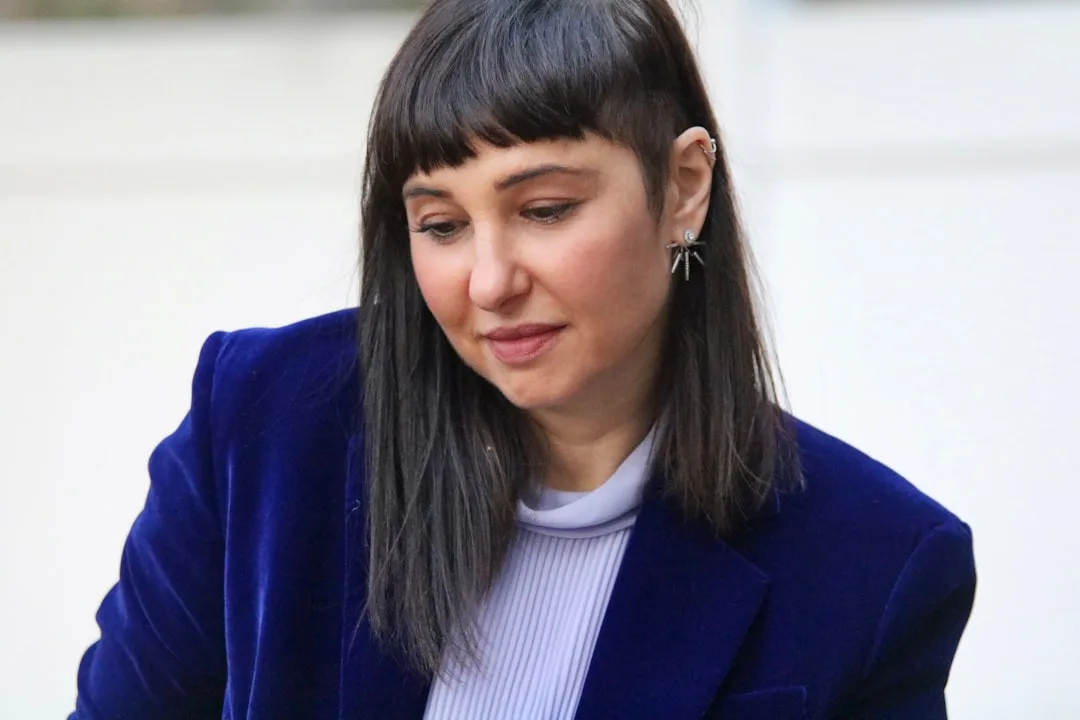
Textured bobs in solid black hair (no highlights) create striking definition through shape alone, making the cut’s architectural layers visible without color variation. This approach dominates spring 2026 editorials because it reads as modern minimalism rather than trend-chasing—the texture is the statement, not the color.