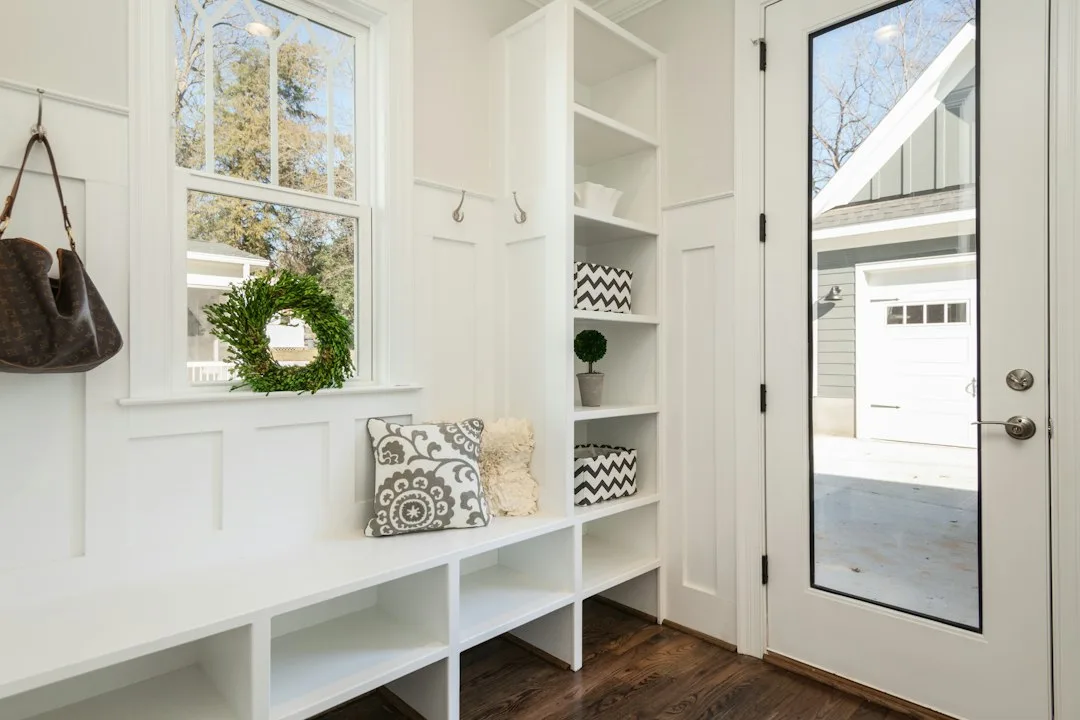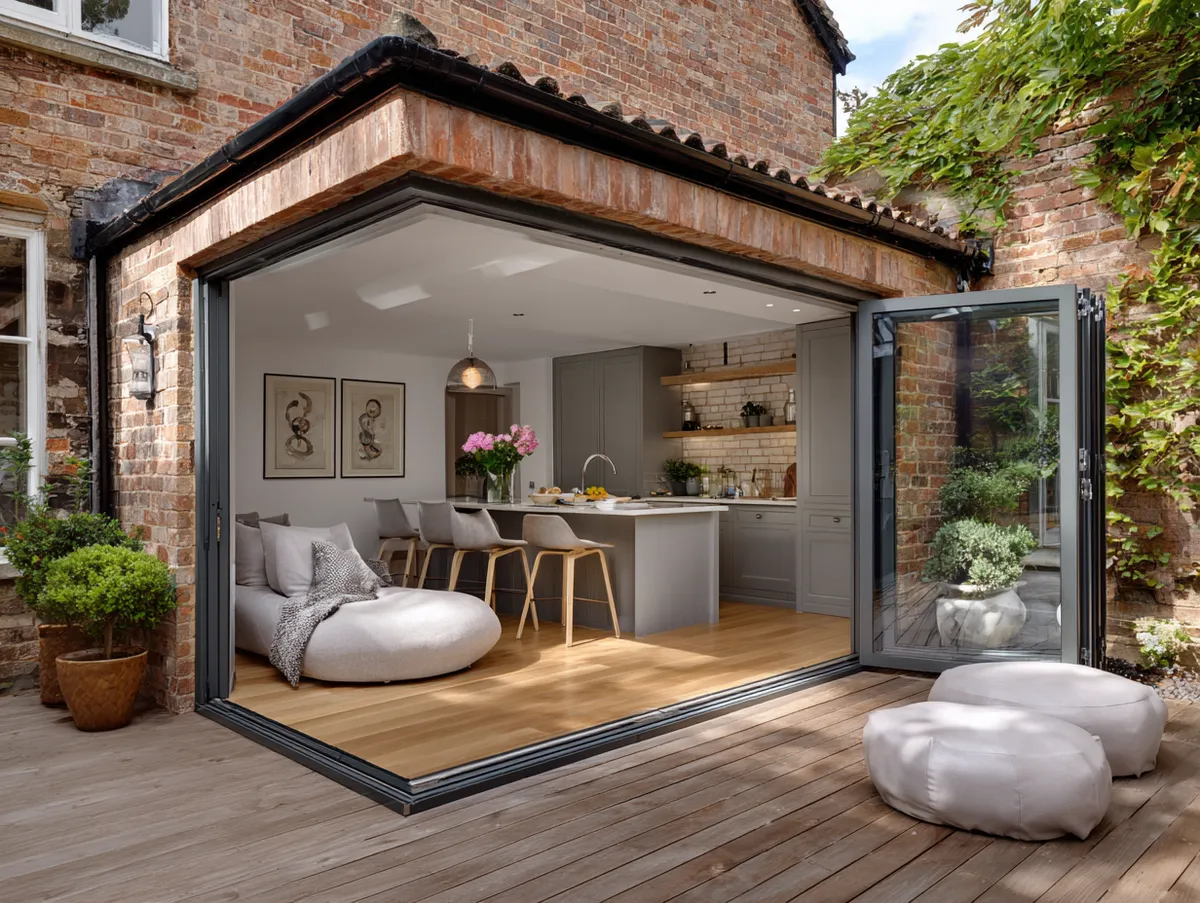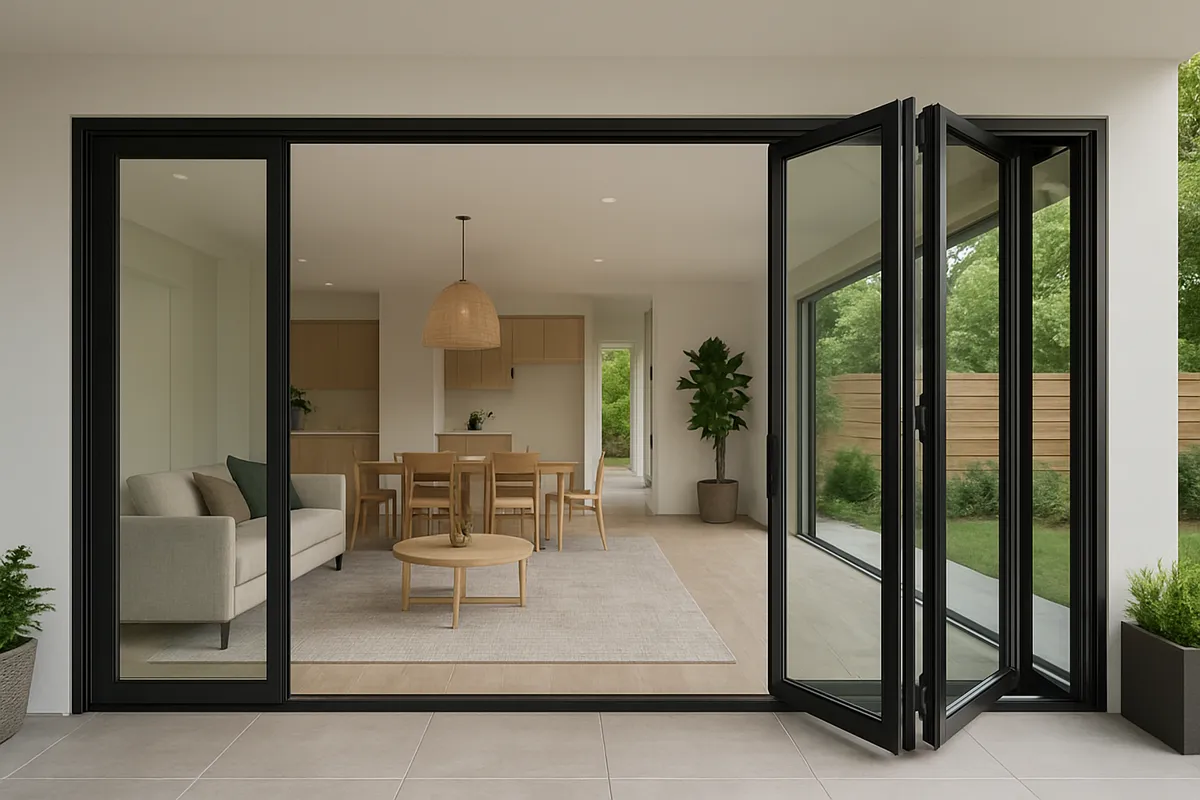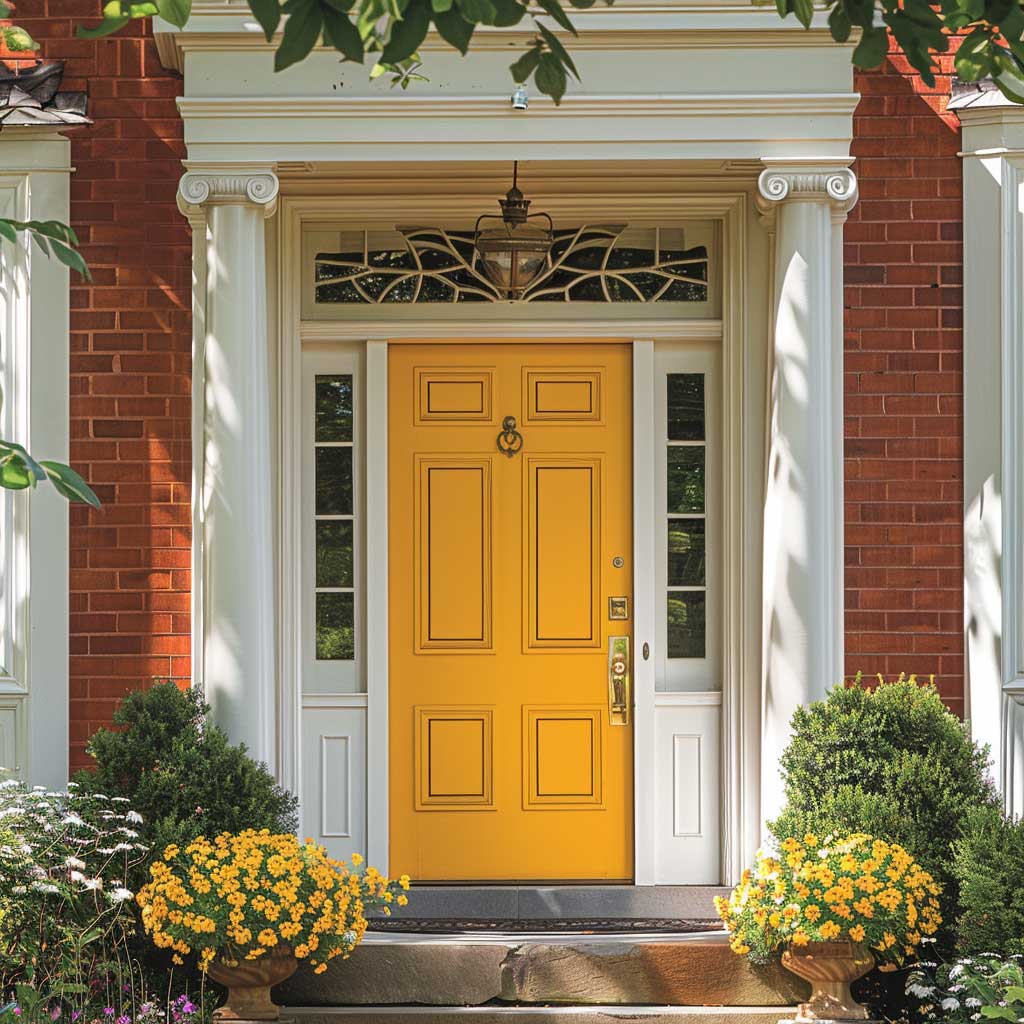
The front door is the first thing guests notice — and the last thing they remember. Whether you’re building a new home, renovating a cottage, or upgrading a flat entrance, choosing the right main entrance design sets the tone for everything inside. In this guide you’ll find 111+ front door ideas covering wooden doors, double doors, modern entrance gates, villa entrances, building lobbies and more — organized by style and use case so you can find inspiration fast.
Quick Summary: Main Entrance Design
- Best materials: solid wood, steel, aluminum, glass composites
- Popular styles: modern minimalist, classical, rustic, Mediterranean
- Key elements: door, canopy/shed, steps, lighting, gate, wall cladding
- Double doors: best for houses wider than 8 m facade
- Climate tip: in cold regions, add a vestibule or double-door system
- Budget upgrade: repaint door + replace hardware + add two planters
Front Entrance Design Ideas: Where to Start
Every present-day house is unique…but you have to understand the door designs are more consequential than you might think! The truth is when you are going to planning your amazing future home and specially when you thinking about front door design there are so many options!
When planning your front entrance, start by identifying the architectural style of your home. A Scandinavian house suits a clean, minimalist door in matte black or white. A Mediterranean villa calls for arched double doors in dark wood. A modern urban home pairs well with aluminum and frosted glass. Consider the direction the door faces — a south-facing entrance gets maximum light and suits bold colors, while a north-facing one benefits from warm tones and good artificial lighting near the threshold.
Front Entrance Decor Ideas That Make a Strong First Impression
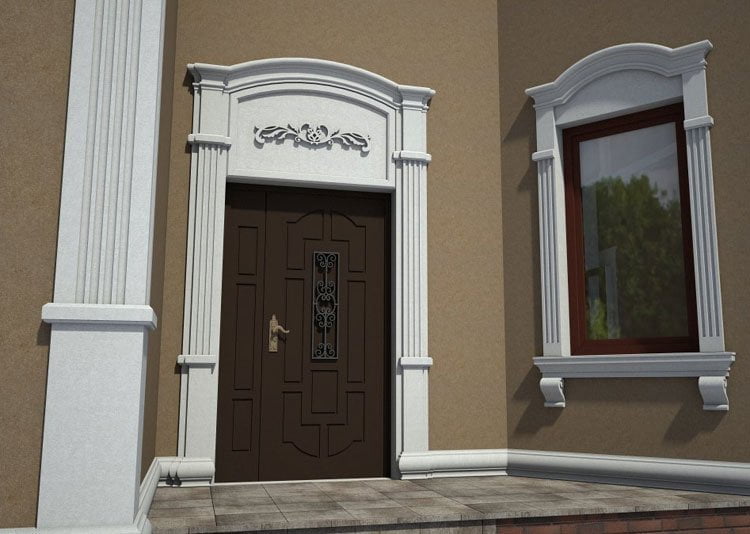
Here we will tell you about many gorgeous and new-fashioned front door designs chosen up to inspire your mind and make you be involved the latest methods, concepts, information, or styles!
House Front Entrance Design: Choosing Your Style
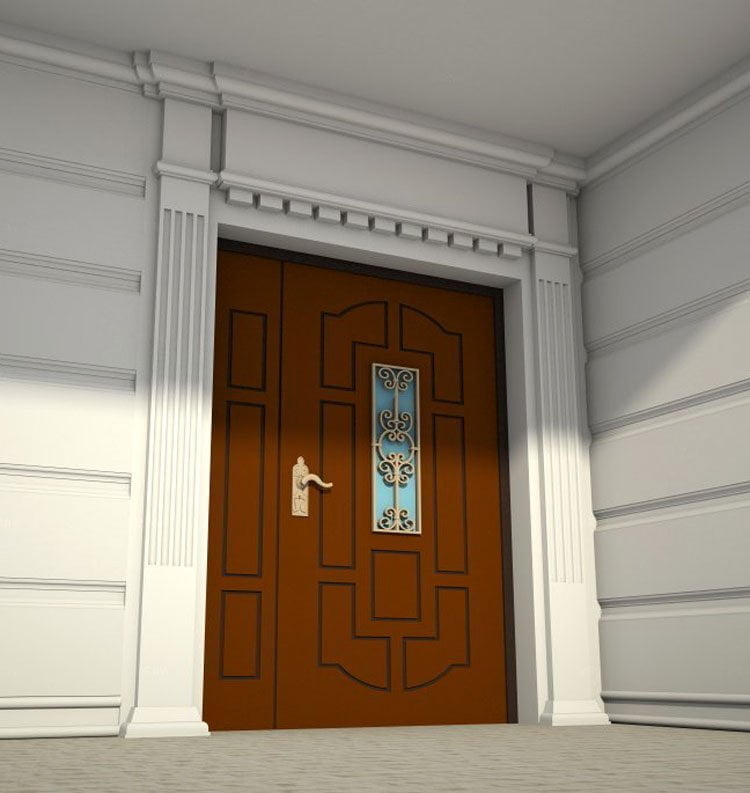
When we start to consider the possibility or advantages of buying or building the first or next future home, or remodeling our current one, of course first thing that cross our minds is significant general look where illustrious facade and general outstanding shape of the house come first. Will my remarkable house have simple main door designs for home or maybe teak wood main door designs for houses is better?
Which one to choose?
Home Entrance Decoration Ideas Inside and Outside
Well…home front door design of course can be more meaningful than you might think especially when contemplating about long building your future impressive home or even remodeling the existing one. Zeroing in on the marvelous front door designs for your house is not only an expression of your sensual personal tastes like if you want to make some main door grill design but also helps increase curb appeal while giving people something to remember your house by for example front door landscaping!
House Entrance Decor Ideas for Every Budget
Beyond choosing a door style, entrance decor includes the framing elements around it: planters, doormats, house numbers, lanterns, and wall cladding. Simple additions like a pair of matching potted evergreens or a statement wall light can transform an ordinary entrance into a memorable one. If you have limited space, a recessed entrance with a single pendant light and a slim console table inside the foyer creates a strong impression without clutter. Even repainting the existing door in a new color costs very little but delivers an immediate visual impact that affects the entire facade composition.
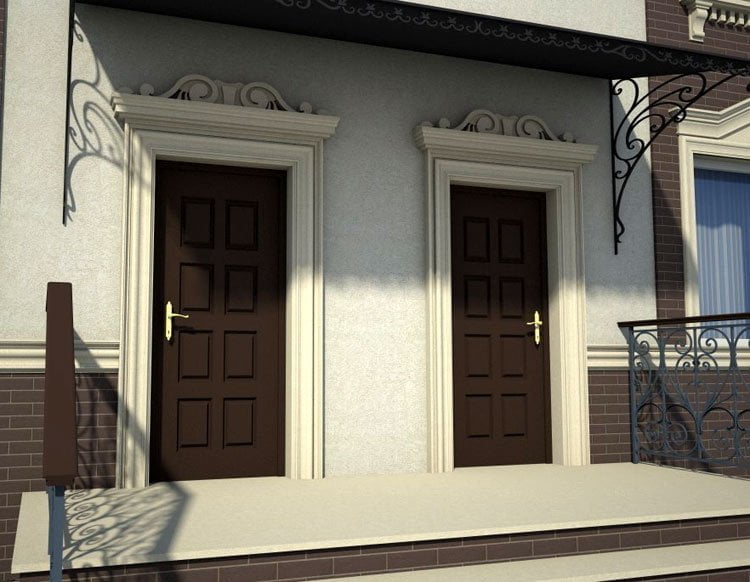
The possibilities with these main door designs are truly endless and restricted only by your imagination. Have you ever heard about front double door designs Indian houses?
House Main Entrance Design: From Gate to Door
The main entrance sets the visual hierarchy of your facade. A well-proportioned door — ideally 10–12% of the facade width — anchors the composition. Symmetry is a classic approach: flanking windows, matching columns, or identical planters on both sides of the door reinforce a sense of order and welcome. Asymmetric modern designs work too, but require careful attention to balance through material contrast and lighting placement. Think of the entrance as a sequence: gate, pathway, steps, canopy, door — each element should lead the eye naturally to the next.
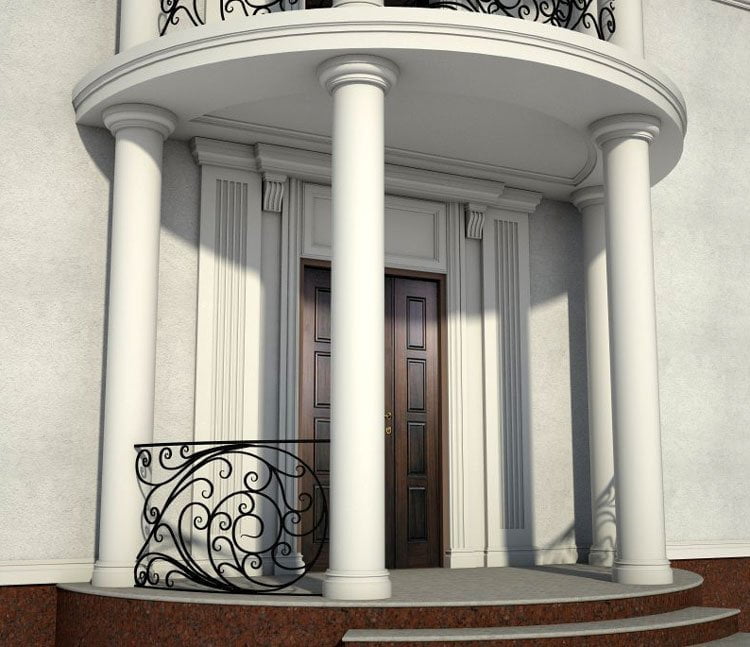
The current front door design is often the focal point of a home exterior a door is the first thing guests see when they arrive, it’s the last thing they contemplate after leaving, it’s visited daily by the mail delivery, and it gives potential buyers something to remember the house by.
Front Door Entrance Designs for Houses: Wood, Steel & Glass
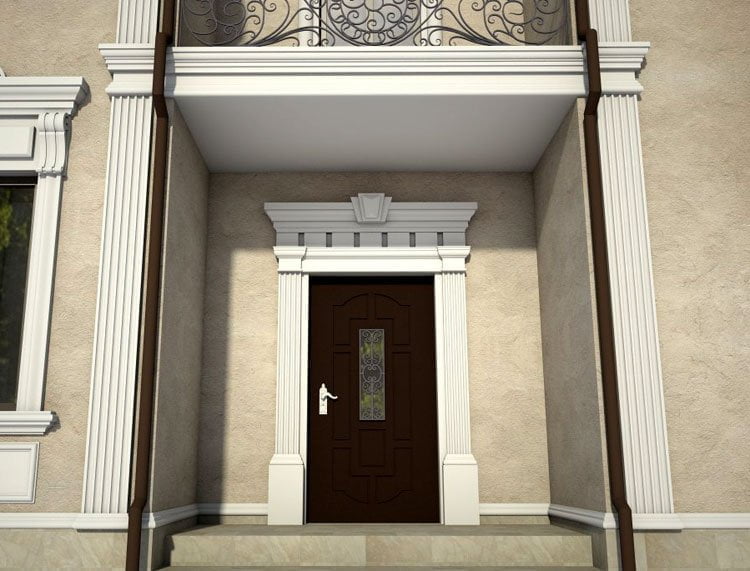
An ordinary home can become “the house with the red door” with nothing more than a simple coat of paint, while a magnificent piece of architecture can rely on a unique door style to tie its exterior design together.
Main Entrance Door Designs for Home: Single & Double Options
| Door Material | Best For | Durability | Maintenance | Cost Range |
|---|---|---|---|---|
| Solid Wood | Classic, rustic, Indian-style homes | Medium–High | Annual oiling/painting | $$–$$$ |
| Steel | Security-focused, modern homes | Very High | Low | $$ |
| Aluminum | Contemporary, coastal, apartment | High | Very Low | $$–$$$ |
| uPVC | Budget builds, cold climates | High | Very Low | $ |
| Glass + Frame | Modern villas, commercial | Medium (frame-dependent) | Medium | $$$ |
| Fiberglass | All climates, wood-look without warping | Very High | Low | $$–$$$ |
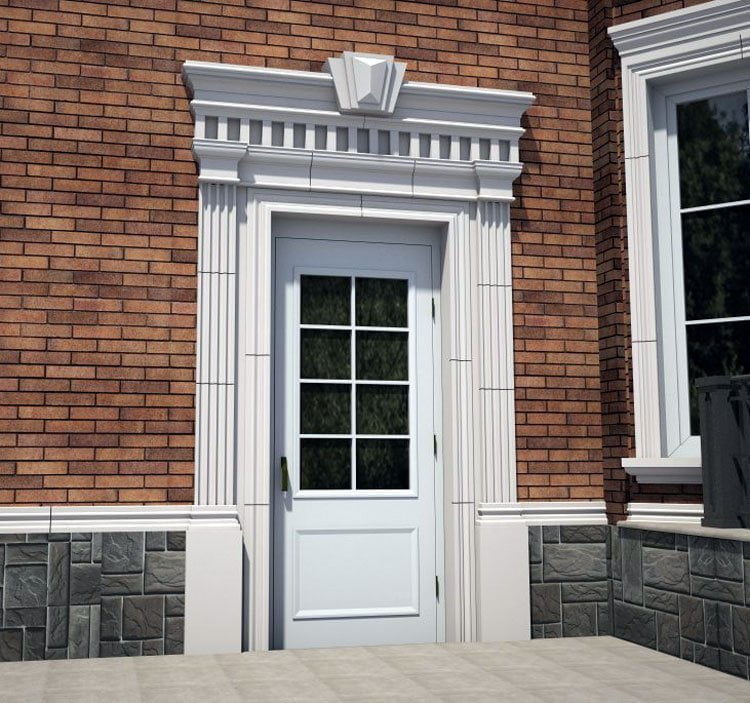
Why settle with normal?
So you truly have a desire to look more rich? Look at the front single door designs for Indian homes! Rich and stylish!
Modern House Entrance Design: Clean Lines & Bold Statements
Modern entrance design focuses on clean geometry, minimal ornamentation, and high-contrast material combinations. Popular choices include pivot doors in steel and walnut veneer, floor-to-ceiling glazed panels beside a solid door leaf, and concrete canopies with integrated LED strips. The color palette is typically neutral — matte black, concrete grey, or natural wood tones — with a single accent element such as brushed brass hardware or a colored door panel. Oversized door formats (220–240 cm height) are a defining feature of contemporary entrance design and create an immediate sense of scale and confidence.
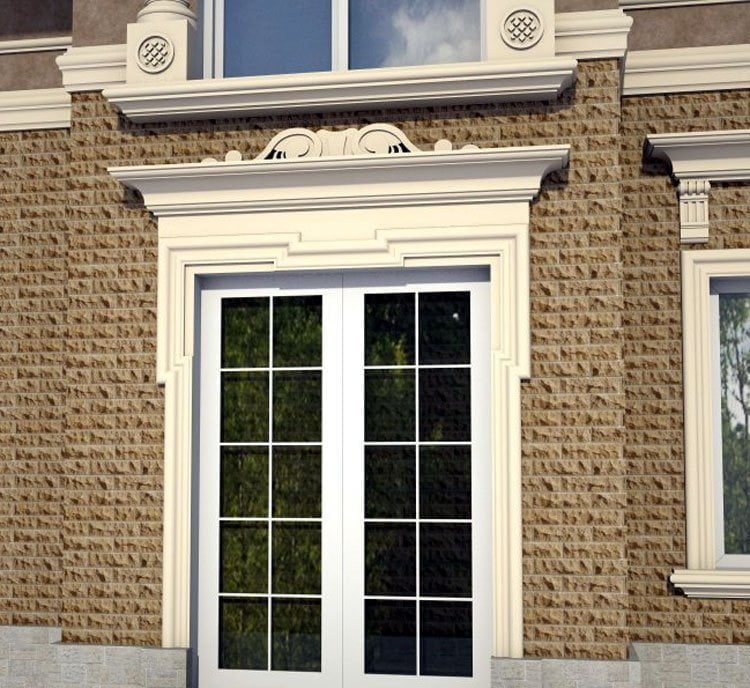
Do you want to give a strong feeling and to let other friends and neighbors know that you are wealthy and welcoming?
Home Entrance Door Design: Materials and Finishes
Your entrance door communicates your home’s personality before a visitor even steps inside. A glossy red door signals confidence and warmth. A natural oak door with iron hardware suggests craftsmanship and tradition. A black steel door with a narrow glass panel reads as contemporary and secure. Think about what impression you want to create and work backward to the material, color, and hardware that deliver it. Door hardware — handle, hinges, letterbox, knocker — should all be specified in a single coordinated finish. Mixing brass handles with chrome hinges is one of the most common mistakes in entrance design and undermines an otherwise well-considered scheme.
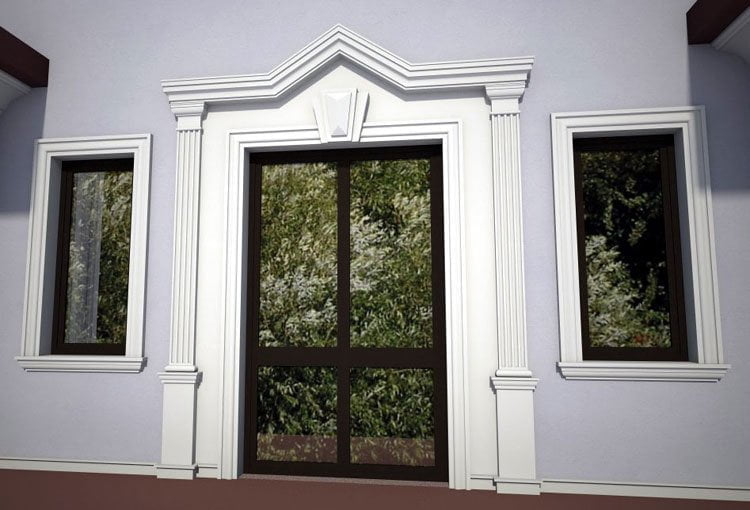
You never thought that door designs communicate these small and various things, so try to focus on what your gorgeous home tell all of them about you and your lifestyle.
Building Entrance Design for Offices and Apartments
Commercial and residential building entrances operate under different requirements than private houses. Fire safety regulations typically mandate outward-opening or sliding doors with panic hardware. Accessibility standards require a minimum clear opening width of 85–90 cm and a level or ramped threshold with no step higher than 2 cm. For apartment buildings, the entrance group must also accommodate intercom panels, post boxes, and sometimes parcel lockers. The materials chosen — brushed stainless, anodized aluminum, safety glass — need to withstand high daily traffic and resist vandalism without losing their appearance. Consistent lighting at the entrance improves perceived security and reduces incidents.
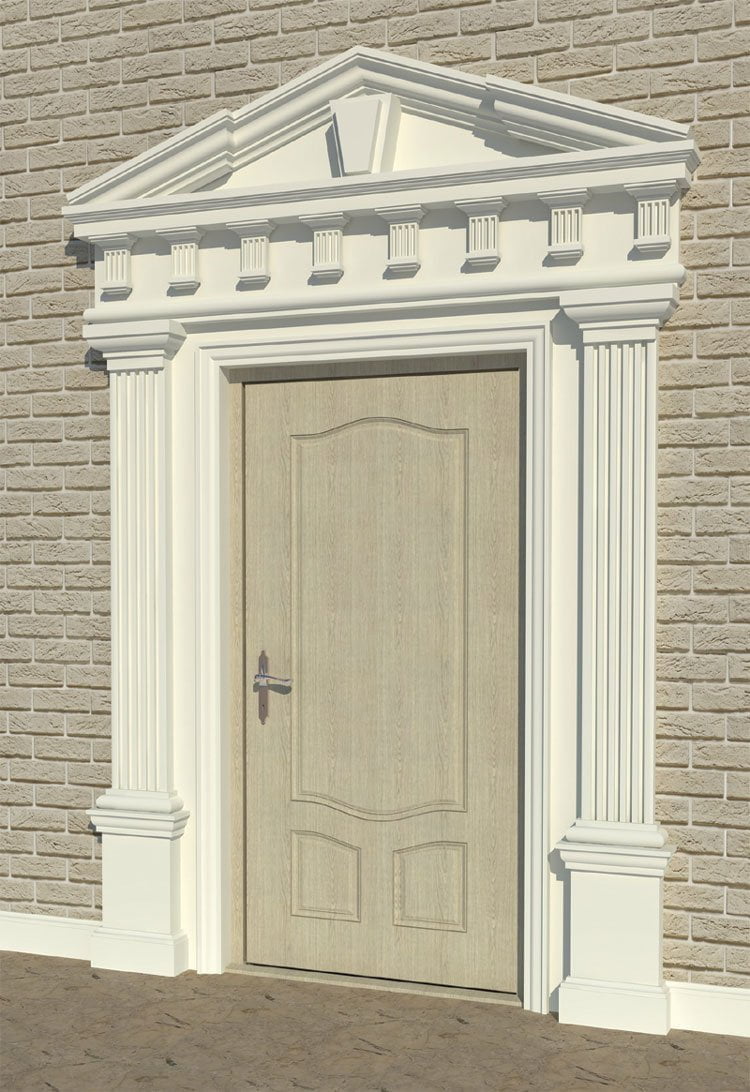
Door designs will talk so many secret things about (which you never thought about) us and we all have a huge wish and of course want to be presented in the most glorious way.
Main Entrance Gate Design Ideas for Houses and Villas
The main entrance gate is the outermost boundary of your property’s design language. It should harmonize with the fence, driveway material, and facade. Wrought iron gates suit classical and baroque homes; powder-coated steel slat gates work well for modern designs; wooden gates with metal frames feel warm and natural for country-style houses. Automated gates add convenience and security, and are now available in almost every stylistic finish. When choosing automation, opt for a system with a manual override in case of power failure, and ensure the gate opening radius is sufficient for the largest vehicle that regularly uses the driveway. Pillar lighting integrated into the gate posts completes the entrance composition after dark.

So simple to do a few right steps and choose the right option only for you!
Entrance Wall Design Ideas: Cladding, Stone & Render
The wall surfaces immediately surrounding your front door deserve as much attention as the door itself. Common cladding choices include natural stone (limestone, slate, granite), brick slips, timber boarding, and textured render. Stone cladding applied to the entrance zone only — even if the rest of the facade is plain render — creates a focal point and adds perceived value. Contrasting the entrance wall finish with the main facade is a widely used technique in residential architecture. Ensure any external cladding is fixed with appropriate fixings and a ventilated cavity where required to prevent moisture retention behind the panels, particularly in climates with significant rainfall.

And there is so many stylish doors you may create and pick according to your lifestyle!
Front House Entrance Design Ideas with Steps and Canopy
When the entrance is elevated above ground level, the design of the steps becomes as important as the door itself. Step treads should be at least 28–30 cm deep and no more than 17 cm high for comfortable use by all ages. Non-slip surface treatment — textured stone, anti-slip tiles, or cast iron nosing strips — is essential in wet climates. A canopy above the steps protects both the door and visitors from rain, and creates a covered transition zone that functions as an informal porch. Wide, shallow steps flanked by low walls or planters create a welcoming, ceremonial approach that works equally well for classical and contemporary homes.
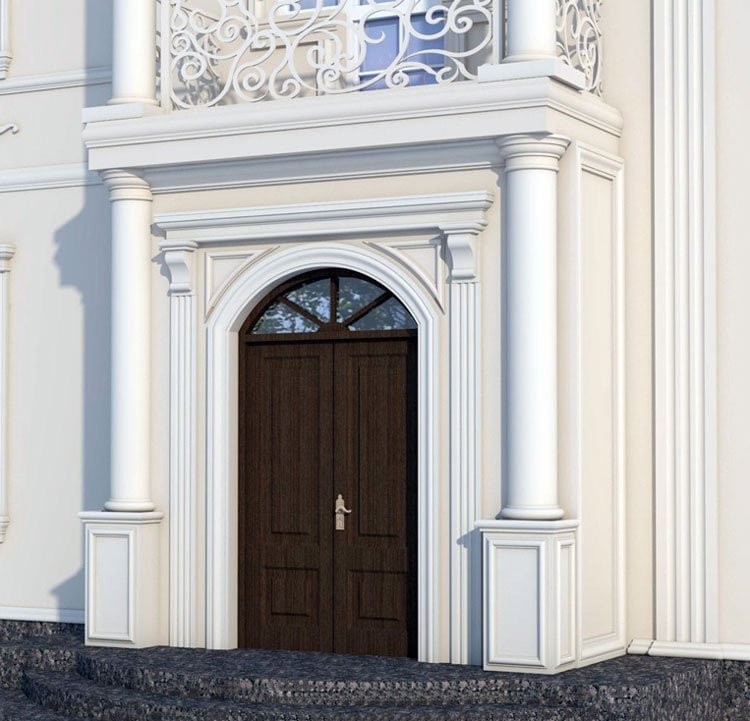
Enjoy!
House Entrance Gate Design: Iron, Wood and Modern Metal
Gate design has evolved significantly beyond the traditional wrought iron option. Contemporary steel slat gates in horizontal or vertical configurations offer privacy with a modern aesthetic. Corten steel gates develop a distinctive rust patina that requires no painting and suits industrial and contemporary rural properties. Aluminum gates are the lightest option and are ideal for automated systems, as the reduced weight puts less strain on motors and hinges. For larger properties, a pedestrian gate alongside the vehicle gate improves everyday convenience — it is the detail most commonly overlooked at the design stage but most frequently appreciated in daily use.

As you know, the theater begins with a hanger, and the house — from the front door, or rather from the entrance group. The perception of organizations behind it, shops, offices, etc., depends on how the main entrance is made in the building. To see how the entrance integrates with the full facade, explore our exterior house design ideas — over 101 examples of facades, cladding and entrance compositions.
Modern Entrance Door Design: Top Trends
Current trends in entrance door design include extra-tall door formats (up to 250 cm), flush-panel doors with invisible frame systems, mixed-material doors combining solid core with timber veneer and glass inserts, and doors with integrated smart locks and video doorbells concealed within the door leaf. Thermally broken door frames — where the inner and outer frame sections are separated by a non-conductive barrier — have become standard in energy-efficient new builds and are worth specifying even for renovation projects in cold climates. Matte finishes continue to dominate over gloss, with textured surfaces in linen, brushed wood and concrete effects gaining popularity.

Whether the design of the porch of your private house or office will be decorated in a luxurious, baroque style, highlighted with neat decor, or there will be a simple plastic finish – in any case, it will please your eye every day.
Beautiful House Entrance: What Makes It Work
A beautiful house entrance is rarely the result of a single expensive element — it is the result of considered proportions, coordinated materials, and consistent detailing throughout the entire entrance zone. The door scale should relate to the facade height. The canopy depth should relate to the door width. The step width should ideally match or exceed the door width. Hardware finishes should repeat across door handle, light fittings, and house number. When these relationships are right, the entrance feels resolved and intentional even when the individual components are modest. Conversely, a mismatched entrance reads as unfinished regardless of the materials’ quality.

Registration (decoration) of the entrance group of a country house is an extremely important issue with many details – steps, shed, balustrade, cashing in the front door, etc. With the help of our photos, create your beautiful entrance to the cottage or office.
Flat Main Entrance Design for Apartments
Flat entrances operate under different constraints than house entrances — shared corridors, building regulations, and limited wall space. Within these limits, you can still personalize your apartment door significantly: choose a door with a decorative panel insert, add a small console with a mirror in the entrance hall, use indirect lighting at floor or ceiling level, and keep the color palette cohesive with the interior just visible through the open door. In buildings where the door color is regulated by management, focus on the interior foyer instead — a well-designed entry hallway with adequate storage, good lighting, and a defined color scheme creates a strong sense of arrival even before a visitor enters the main living space.

So what is the entrance group? The official definition was formed not so long ago, and it sounds like a standard set of certain structures that form a single finished composition to create a building door decorated in a single stylistic solution.
Main Entrance Double Door Design Ideas
Double doors are most effective when the facade width and entrance opening genuinely call for them — typically in houses with an entrance width of 160 cm or more. Forcing double doors into a narrow opening results in two uncomfortably slim leaves that are difficult to operate and look disproportionate. When properly scaled, double doors convey grandeur and openness, and make the movement of large furniture significantly easier. Common configurations include symmetrical panels with matching glazed inserts, one active and one fixed leaf (French door style), and full-height double pivot doors for contemporary villas. Hardware on double doors should include flush bolts on the inactive leaf and a multi-point locking system for security.

The door group includes a whole complex of design, technical, marketing solutions, which are embodied in the design of the entrance to a particular building.
Outside Front Entrance Ideas: Landscaping & Lighting
Outside the front door, the immediate surroundings matter as much as the door itself. A well-lit path leading to the entrance improves both safety and kerb appeal. Solar stake lights along a path, a motion-sensor lantern above the door, and a reflective house number plate are low-cost upgrades with high visual impact. If you have a porch, a painted floor in a geometric pattern instantly elevates the entrance zone. Planting design at the entrance should consider year-round structure — deciduous plants look bare in winter, so balance them with evergreens. A simple hedge line defining the approach path, even just 40–50 cm high, adds architectural clarity to the front garden and directs the eye toward the entrance.
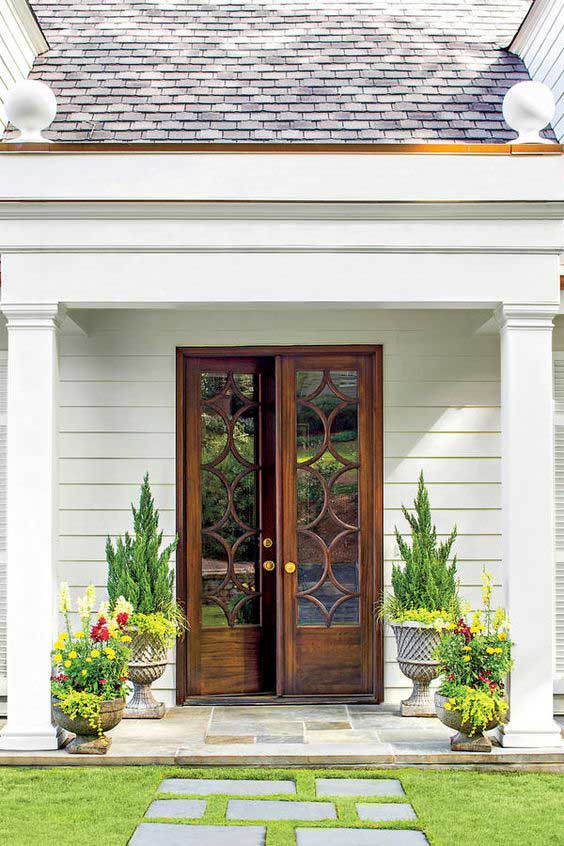
Marketers unanimously hold the opinion that the formation of the first impression about the building itself and the company located in it depends on how the entrance group looks.
Front Entrance Ideas Exterior: Canopies, Columns & Steps
The exterior entrance zone is defined by three structural elements that work together: the canopy, the columns or supports, and the steps. A canopy without adequate support looks fragile; columns without a canopy look incomplete; steps without any overhead shelter leave visitors exposed. When all three are designed as a unit — consistent in material, proportion, and style — the entrance achieves the architectural quality called “resolution.” For classical homes, this might mean stone steps, rendered columns, and a hipped roof canopy. For a contemporary house, the same logic applies: concrete steps, steel posts, and a flat canopy with a thin profile. The style varies; the underlying principle of compositional unity remains constant.
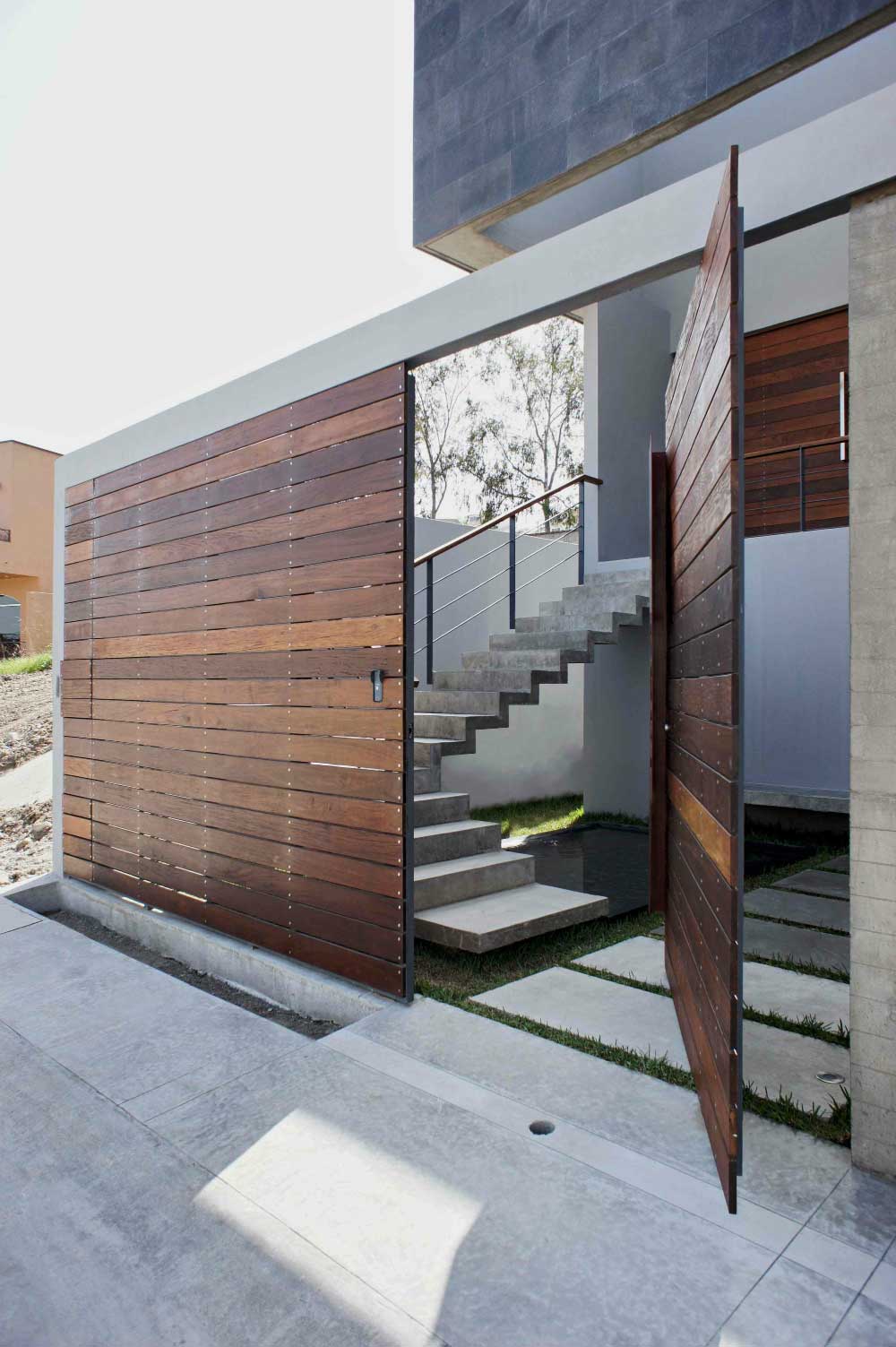
That is why the name “building’s calling card” has firmly established behind the entrance group. The design of the porch plays a central role in this — from the canopy profile to the railing detail. See our dedicated porch design ideas for covered entrance solutions with steps, columns and roofing options.
Main Entrance Wooden Door Designs: Solid, Carved & Panel
Wooden entrance doors remain the most popular choice globally because wood offers a warmth, variety, and workability that no other material fully replicates. The main species used for exterior doors are oak, teak, mahogany, sapele, and accoya (acetylated wood). Teak and accoya are the most dimensionally stable in climates with significant humidity variation, making them less prone to swelling and sticking. Carved wooden doors — particularly popular in Indian, Mediterranean and classical European design — add significant visual richness but require more maintenance than plain panel doors. All wooden exterior doors should be factory-finished on all six faces before installation to prevent moisture ingress through the unfinished end grain.

The structure of the entrance group of a cottage can be made in various architectural styles, even slightly different from the design of the facade, but the main thing is that it organically fits into the overall look. For a deeper look at individual door types — panel, glazed, pivot and carved — visit our door design catalogue with 200+ examples.
Entrance Architecture: Structural and Decorative Elements
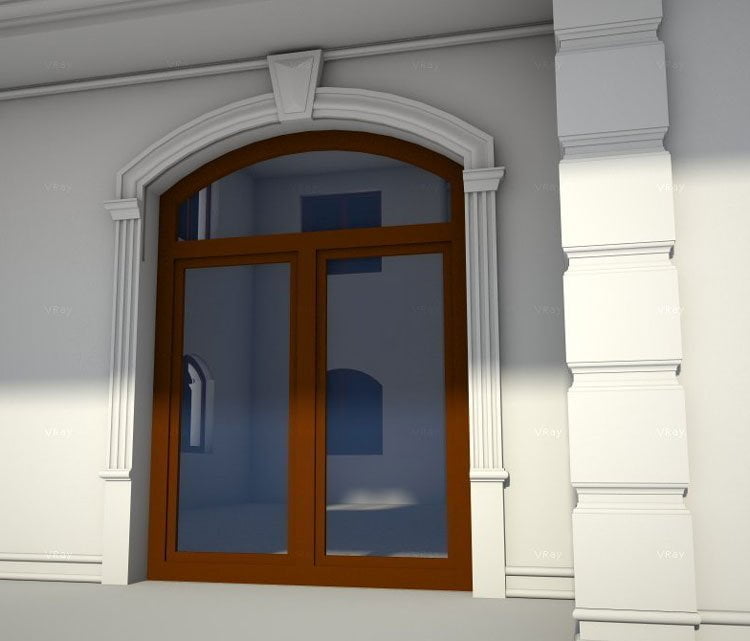
Entrance architecture encompasses both the structural framing of the doorway — lintel, jambs, threshold, arch — and the decorative elements applied to it: pilasters, cornices, keystones, transom lights, and fanlight windows. In classical architecture, the entrance portico — a projecting porch supported by columns — is the most elaborate expression of entrance design and signals the importance of the building. In vernacular and domestic architecture, the same hierarchy is expressed more modestly through a projecting bay, a gable above the door, or simple brick soldier coursing around the opening. Understanding which architectural language your building speaks allows you to add or restore entrance elements that feel authentic rather than applied.
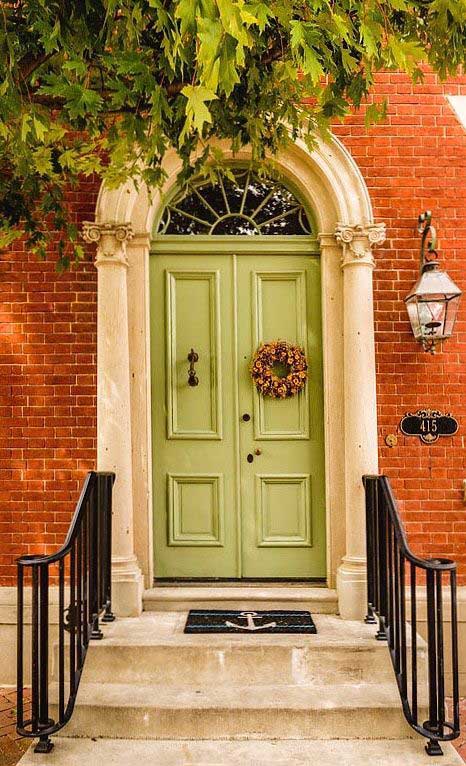
The choice of materials for the entrance group depends largely on the region’s climate. In areas with harsh winters and low temperatures, the front door should provide reliable insulation, making double-door vestibule systems or thermally broken aluminum frames the preferred solution. For a practical guide to door installation standards and insulation values, This Old House’s door resource section provides expert technical guidance for homeowners and builders.
How to Decorate the Entrance of a House: Step-by-Step
A step-by-step guide to transforming your home entrance from bare to welcoming, covering door, wall, lighting and landscaping.
Assess the architectural style of your facade
Identify whether your home is modern, classical, rustic or transitional. This determines all subsequent choices — door material, canopy profile, hardware finish and planting style.
Choose the right door material and color
Select a door that complements the facade. Wood suits warm, traditional homes; matte black steel suits contemporary ones. A contrasting color on the door — such as deep blue or forest green — adds personality without repainting the whole facade.
Add a canopy or overhead shelter
Even a simple canopy protects the door from weather and creates a visual frame for the entrance. Match the canopy material to the roof and ensure it extends at least 80 cm beyond the door width on each side.
Install adequate lighting
Place a wall lantern at eye height (150–160 cm) on one or both sides of the door. For added drama, use recessed downlights in the canopy soffit. Ensure the house number is illuminated and legible from the street after dark.
Frame the entrance with plants and decor
Two matching planters flanking the door is the simplest and most effective finishing touch. Choose evergreen plants — box balls, bay trees, ornamental grasses — for year-round structure. Add a quality doormat and, if space allows, a small bench inside the porch.
Finish with hardware and signage
Replace standard door handles, hinges and letterbox with a coordinated hardware set in one finish — brushed brass, matte black or satin nickel. A clear, well-designed house number plate completes the entrance and improves deliveries.
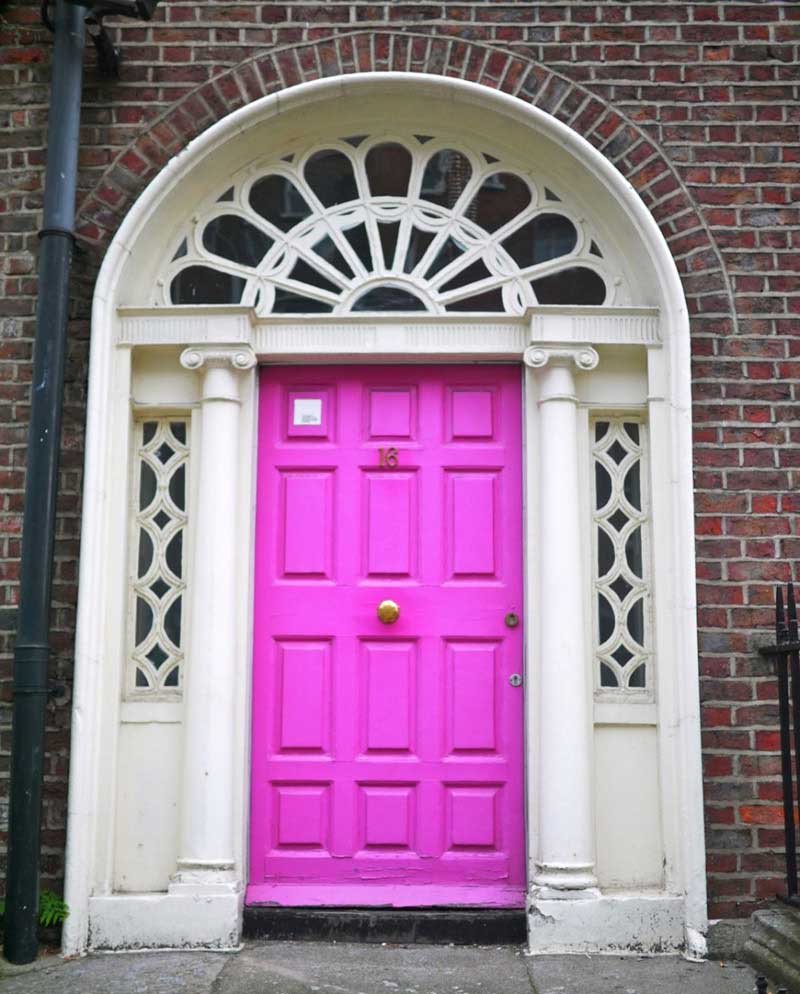
In general, the entrance group should not look separate from the entire facade, so it is better to finish the house and the entrance at the same time.
Wooden Entrance Door Design: Types and Finishes
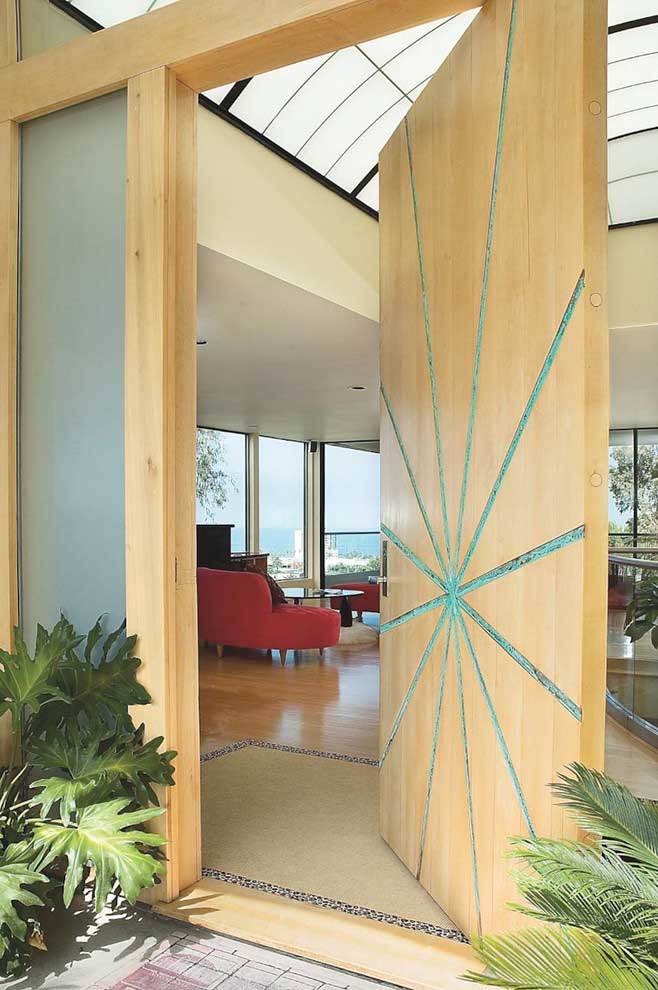
To get an idea of how best to arrange the entrance group, you can peek at the ready-made installation options for these structures in other houses.
Front Door Entrance Decorating Ideas: Plants, Lighting & Color
The entrance group or porch of the building is called the complex of elements intended for the design of the entrance. It can be constructed during the initial building phase or added during later renovation. For browsing real-world front door installations with verified project photos, Houzz’s front door design gallery is one of the most comprehensive publicly available references. Various design elements serve both functional and decorative purposes.
Decorating a front door entrance works on three levels simultaneously: structural (the door and its frame), transitional (the immediate surround — lighting, plants, mat, numbers), and contextual (how the entrance reads from the street or garden). At the structural level, the most impactful single change is repainting or replacing the door. At the transitional level, a pair of matching planters, a quality outdoor light fitting, and a visible house number are the three additions that consistently deliver the greatest improvement in kerb appeal per unit of cost. At the contextual level, clearing overgrown plants, repainting the gate, and power-washing the path can transform the approach without touching the door at all.
What Is Included in an Entrance Group?
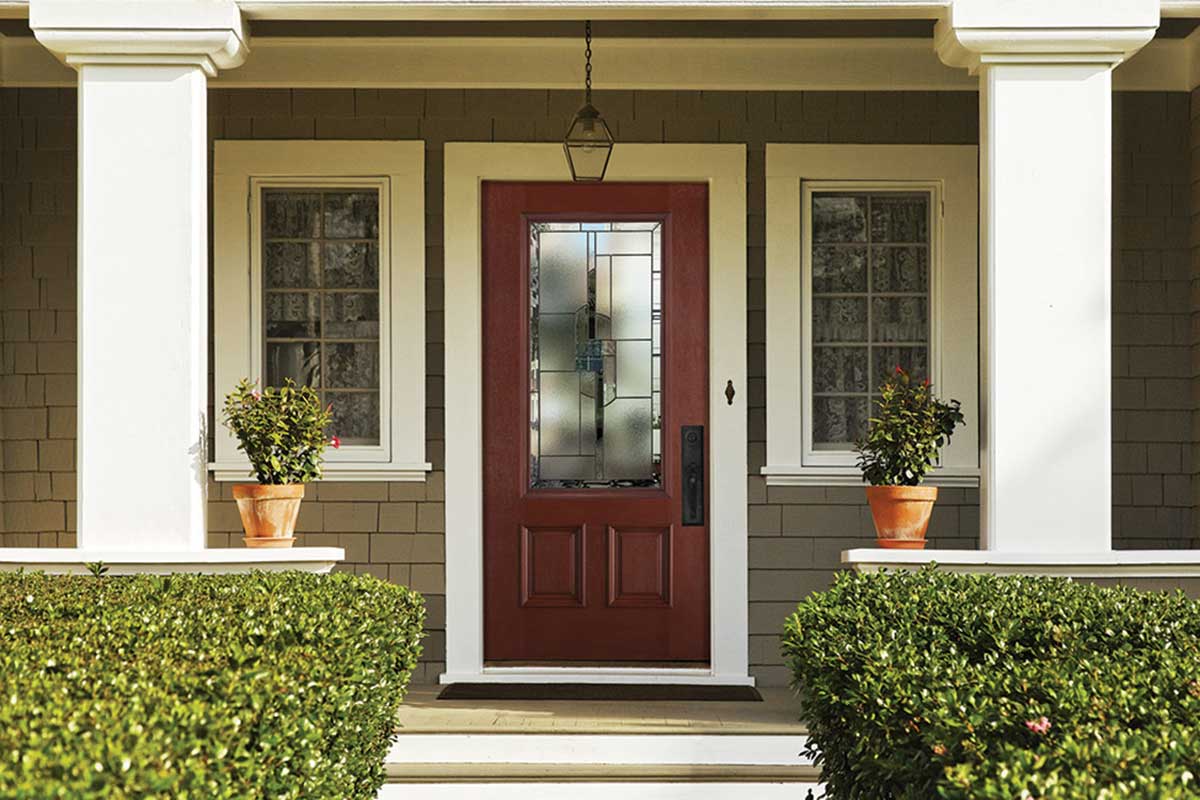
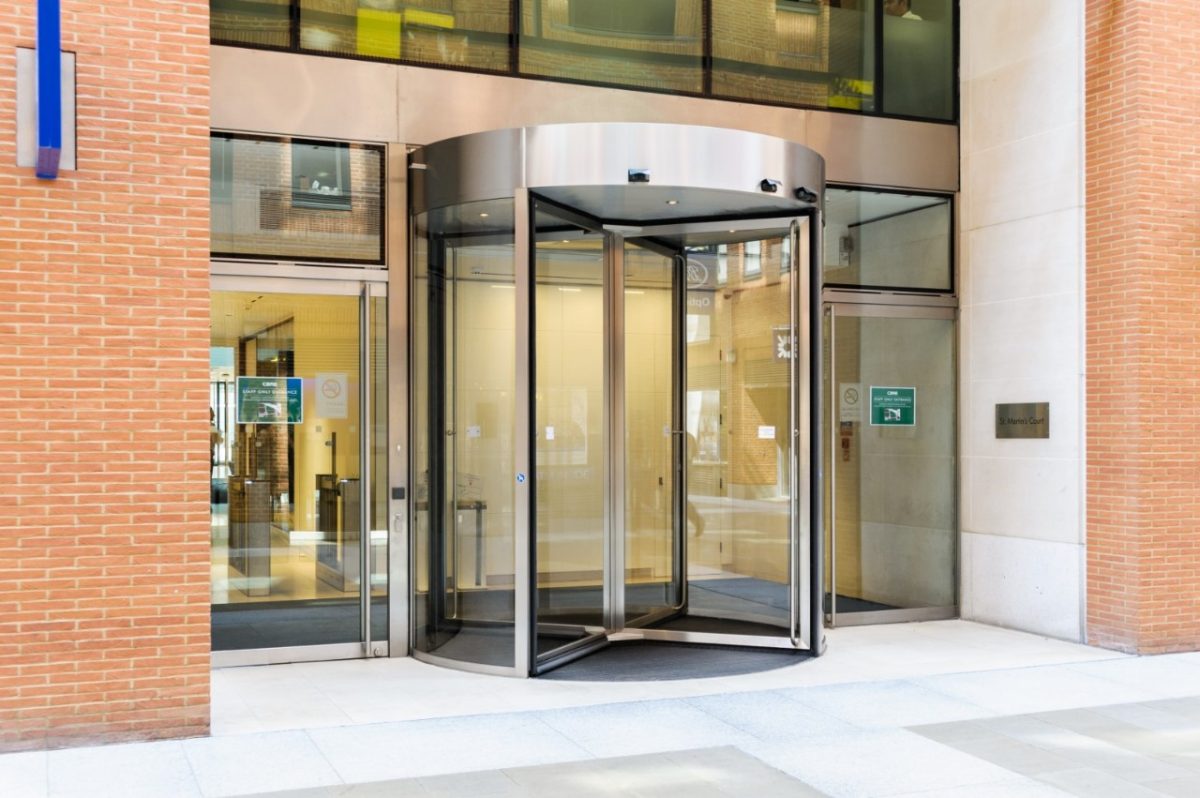
Doors
The main element of the group. They are distinguished by size, style, used materials and structural device. The best way to open doors is determined by the purpose of the building. For example, for hotels, revolving doors are almost standard. At the same time, for reasons of fire safety, there are a number of double swinging ones.
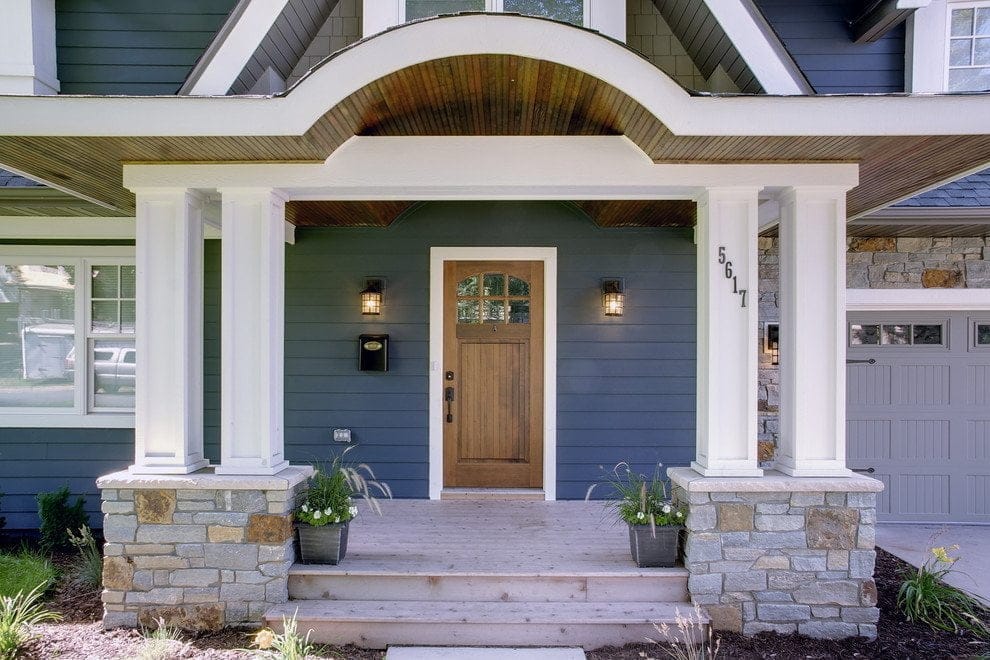
Shed
This element provides protection from rain. It can be fixed console or have support. The latter, especially if the building is built in the classical style, are often performed in the form of columns. Registration of entrance groups should be in harmony with the design of the roof. Often, the function of a canopy is performed by a balcony or ledge plate located on the floor above.
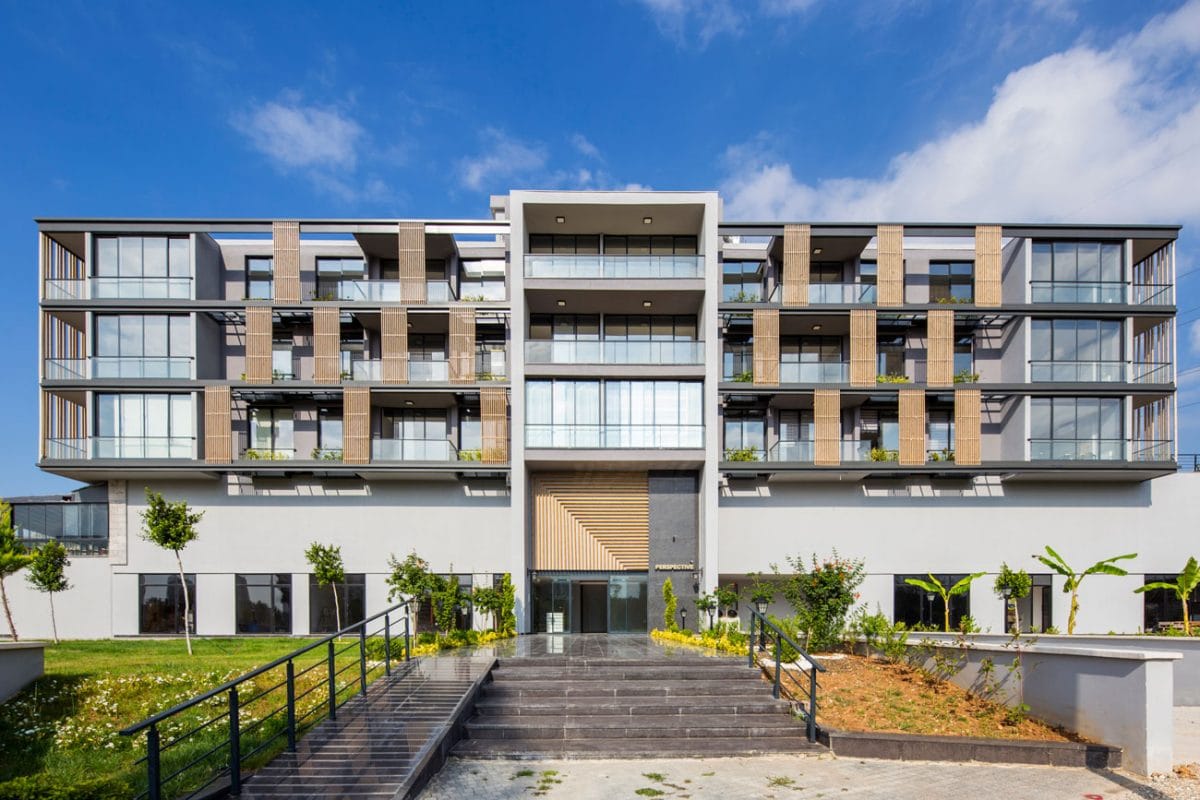
Staircase
Always used if there is a height difference between the ground level and the first floor of the building. The base is a reinforced concrete structure, which can be lined with ceramic tiles or laminated panels. When placing the entrance at ground level before the door should be organized flat ground.
In addition to the stairs, at the entrance to public buildings and modern apartment buildings there is a ramp. In combination with a properly organized local area, it provides the possibility of easy arrival of bicycles and wheelchairs.
Front Entrance Decor Ideas: Finishing Touches
The entrance group of a country house can be combined with a terrace designed for outdoor recreation. Terrace fencing and stair railings are designed as a single group of elements. The entrance is distinguished by window blocks symmetrically placed on the sides of the door, columns or false columns, tubs with year-round plants.
The design of the entrance group of the cottage may also include elements of outdoor lighting, sculptures or sculptural groups, a sign with the house number, a mailbox, communications and video surveillance.
Exterior Entryway Designs for Houses and Cottages
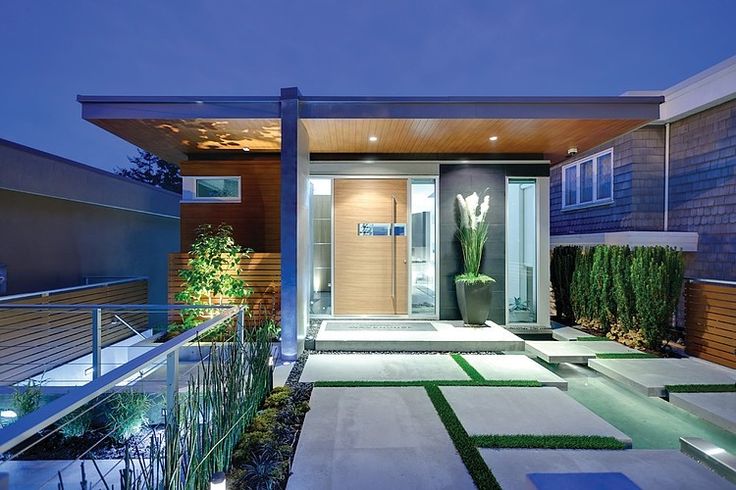
The front door of the cottage can be additionally highlighted with a frame. Exterior wall decoration around the door, as a rule, does not differ from the exterior of the first floor of the house. The door can have stained glass, transparent or frosted glazing. When using a blind door, the transom above it serves as a source of natural light inside the building. For matching window styles and sill designs, see our window design section.
Exterior Entryway Ideas: Landscaping at the Front Door

Properly chosen landscaping at the entrance to the cottage improves the appearance of the house and gives an additional feeling of comfort. For registration of entrance groups use areas of lawn, flower beds, flower beds and flowerpots. The accent element can be a natural wreath on the front door.
Villa Entrance Design: Grand, Classic & Contemporary
Villa entrance design operates at a larger scale than standard residential design and typically involves a full entrance sequence: gate, driveway, turning circle or forecourt, steps, portico, and door. The most successful villa entrances establish a clear central axis visible from the gate, with the front door at its terminus. Symmetry along this axis — matched planting, lighting, balustrades, and window bays — creates the sense of formal arrival that defines classical villa design. Contemporary villa entrances often deliberately break this symmetry to create tension and interest, using a single dramatic cantilevered canopy, an offset entrance within a glazed facade, or a sculptural pivot door as the focal element of an otherwise understated composition.

How to Design a Store or Commercial Entrance
The project of an entrance to a store or supermarket depends largely on location, footfall, and brand identity. Beyond the regulatory requirements — minimum clear width, non-slip flooring, accessible ramp — the commercial entrance must communicate the brand, attract passing customers, and manage the flow of people and trolleys efficiently. Automatic sliding doors are the standard for supermarkets and large retailers because they eliminate the barrier of pushing a door while carrying bags. For smaller boutique stores, a single high-quality swing door with a distinctive handle becomes part of the brand experience. Signage placement above the door — not on the door itself — keeps the entrance clear and legible.
- Ensure the safety of visitors, staff and product;
- Attract buyers, be convenient for the passage and passage of carts;
- Match both the building style and the store theme;
- Provide the possibility of additional registration in honor of special events;
- To be designed for a large flow of visitors and resistant to mechanical stress.
An integral part of the design of the entrance to the store is a sign. Often it is placed on a hanging bracket mounted on the facade near the door. Such a signboard requires a minimum usable area and is better seen along the sidewalk.
Building Main Door Designs for Public and Commercial Use
The main door of a public building carries additional obligations beyond aesthetics: it must comply with building regulations on fire egress, accessibility, thermal performance, and security. For buildings with over 200 daily users, automatic doors with sensor activation are the standard solution. Frameless glass entrance systems — popular in contemporary office buildings — require toughened or laminated safety glass of at least 10 mm, with clearly visible manifestation strips at eye and knee height to prevent collisions. In heritage buildings, new entrance doors must often be approved by conservation authorities and are typically required to match original proportions and materials while meeting current energy performance standards.

The door to the store or cafe can be made as part of a single glazing group. In this case, the glazed part also serves as a showcase. At the entrance you can arrange a comfortable bench or a small table where visitors can relax or drink coffee. Traditionally, entrance groups of stores are elements that form the urban environment.
Front Door with Window Design: Sidelights & Transoms

In many cities that claim to be regional cultural centers, a single design code has been adopted that regulates the requirements for signage placed on the facade. This is especially true of historic buildings, the appearance of which should not suffer as a result of the placement of the store’s design elements. On the example of the flower shop, it is clearly seen how the products of the store can play the role of an element of the entrance group.
House Entrance Door Design: Matching Door to Facade

When choosing materials it is very important to consider the appearance of the building as a whole. For example, for a historic building, a polycarbonate canopy would look inappropriate. You can decorate the entrance arch using natural wood and other natural materials.
Office Front Door Design: Professional & Welcoming
The office entrance door balances two competing requirements: security and welcome. A door that looks impenetrable discourages clients; one that looks insufficiently secure concerns staff and insurers. The most effective solution is a glazed door — full-height or with a large glass insert — combined with a controlled access system (key fob, PIN, or video intercom) that remains invisible or discreet in the design. Branded elements — etched glass with a company logo, a specific brand color on the door frame, or a custom door handle — reinforce corporate identity without requiring expensive custom joinery. Internal visibility through the glazed entrance, showing a well-designed reception area, is one of the most effective ways to communicate professionalism to a visitor before they even open the door.

Related Topics
FAQ
What is the best material for a main entrance door?
What is an entrance group in architecture?
Should the front door match the house style?
How wide should a main entrance door be?
What is the difference between a single and double main entrance door?
Every entrance group — whether for a private house, villa, flat, or office building — works best when it balances function and aesthetics. The door, canopy, steps, lighting, and surrounding landscaping should form a single coherent composition that reflects the building’s character. Use the ideas in this guide as a starting point, then adapt materials, proportions, and colors to your specific climate, architecture, and personal taste.
Complete guide
Door Design Ideas That Transform Every Entrance, Room and Style
Front doors, double doors, interior, garage, glass, wood, trim — all in one place