Messy bun hairstyles shift completely depending on your hair color — and most people style theirs the wrong way for their shade. I’ve worn this look across three different dye jobs and the product routine, the placement, and even the accessories that work are not interchangeable. Ash blonde drinks up dry shampoo and rewards it with silver-toned texture. Jet black turns slick and flat the moment you skip mousse. Pastel pink shows every elastic mark, so you need a satin scrunchie or nothing at all. The look is forgiving, but not that forgiving.
You’ll notice the silhouette changes too. High buns sit differently on cool-toned hair versus warm or vivid shades — the eye reads color temperature before it reads structure. Pick the wrong height for your tone and the whole thing looks unfinished. Nail it and you’re done in four minutes.
Quick Scan
- Ash blonde: use dry shampoo or volumizing spray before twisting — skipping this step is why your bun falls flat by noon
- Jet black: texturizing mousse is non-negotiable; sleek hair has no grip and the bun unravels in two hours
- Pastel pink: satin scrunchie only — elastic bands leave visible dents in color-treated hair
- High bun adds height and reads more energetic; low bun elongates the neck and reads more editorial
- Face-framing strands: pull two pieces loose at the temples, not at the hairline — the difference is subtle but significant
- Accessories: match metal temperature to your hair tone (cool silver for ash blonde, matte black for jet, pale gold for pastel)
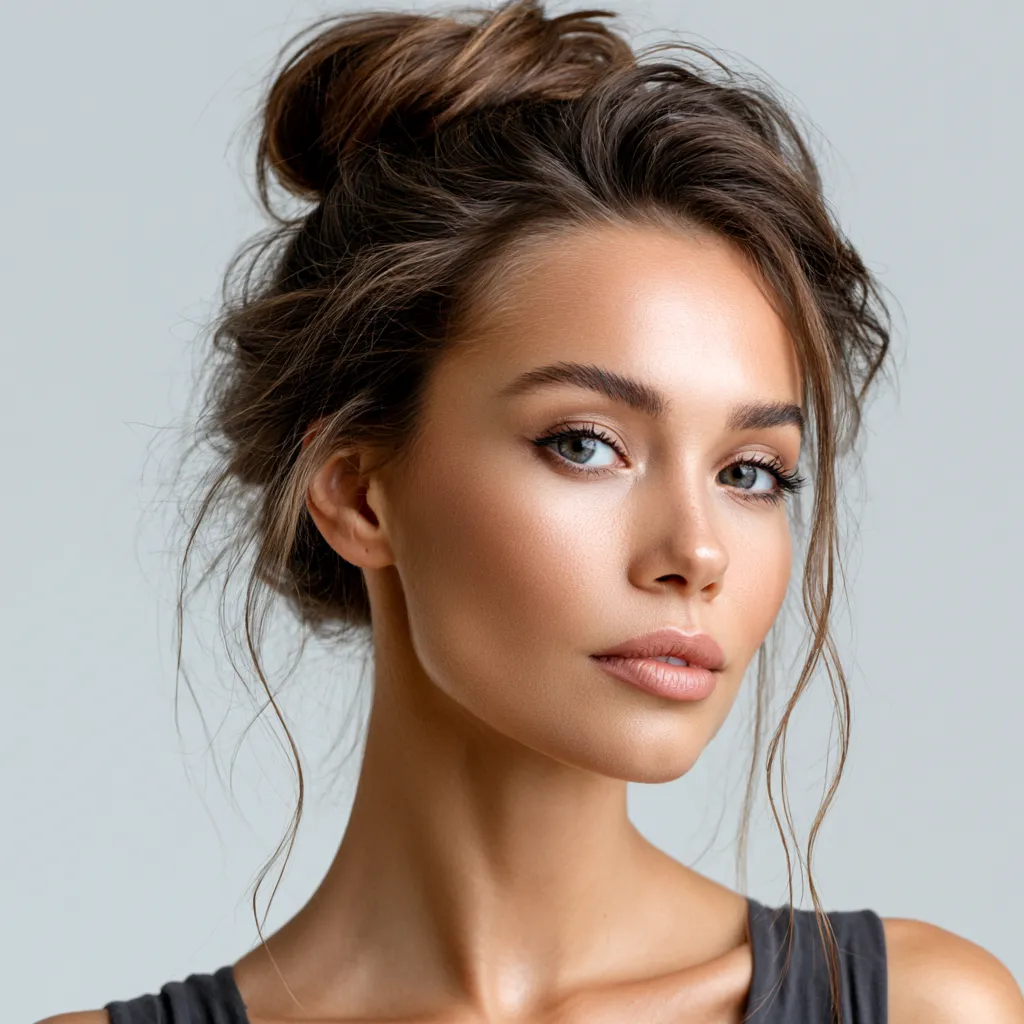
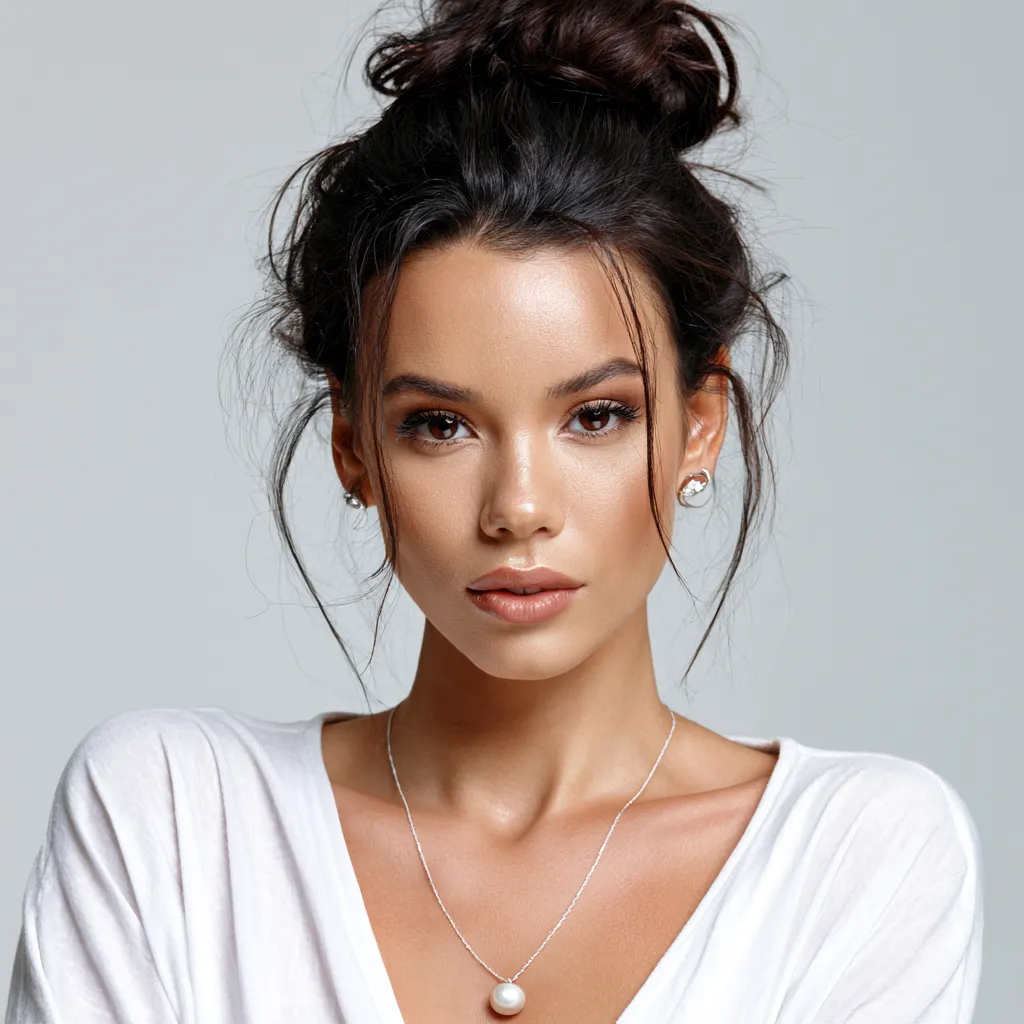
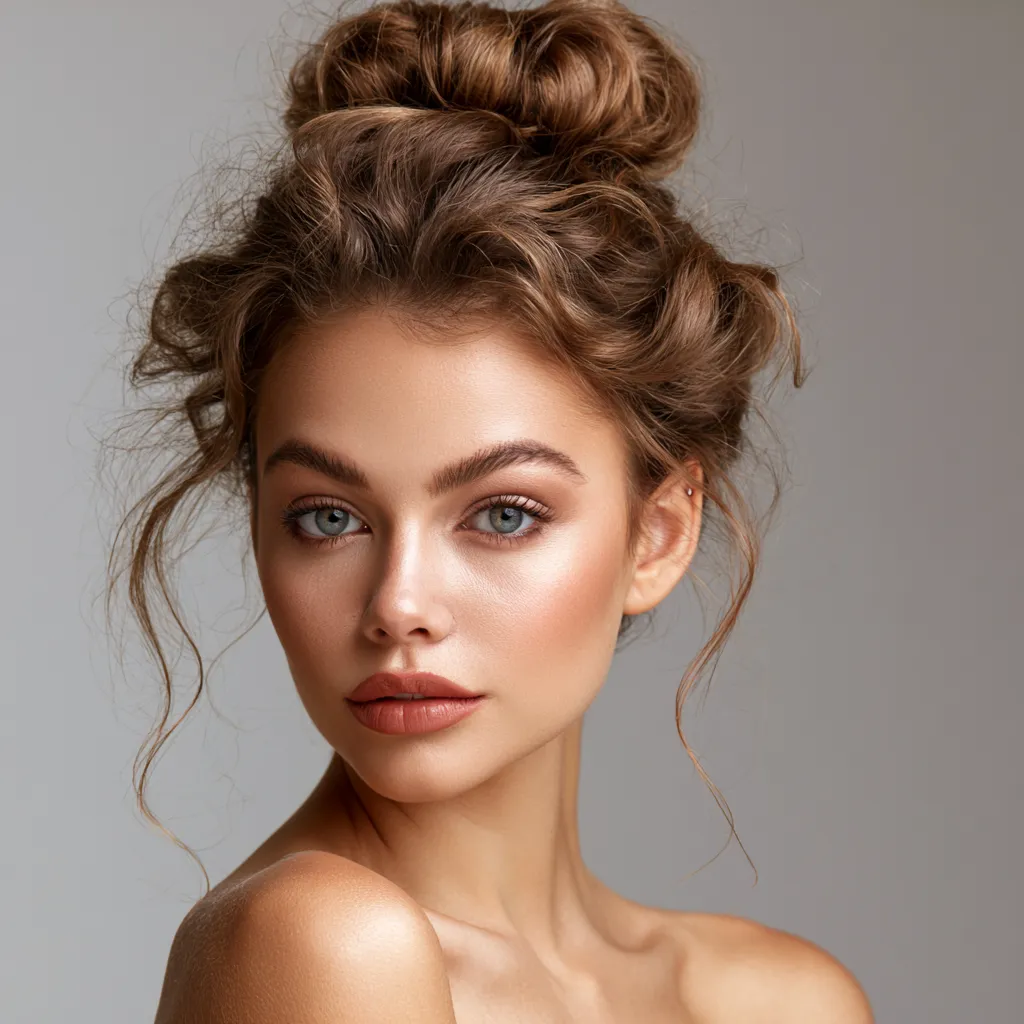
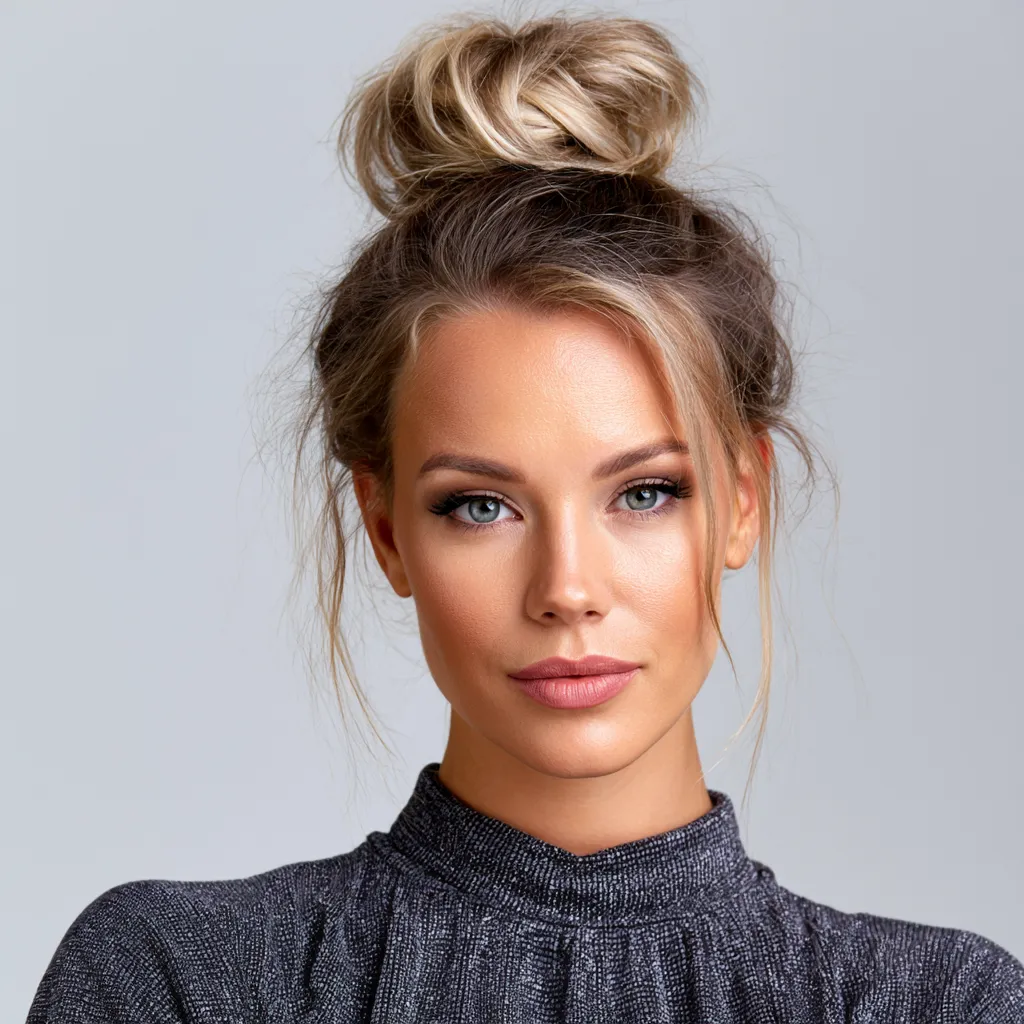
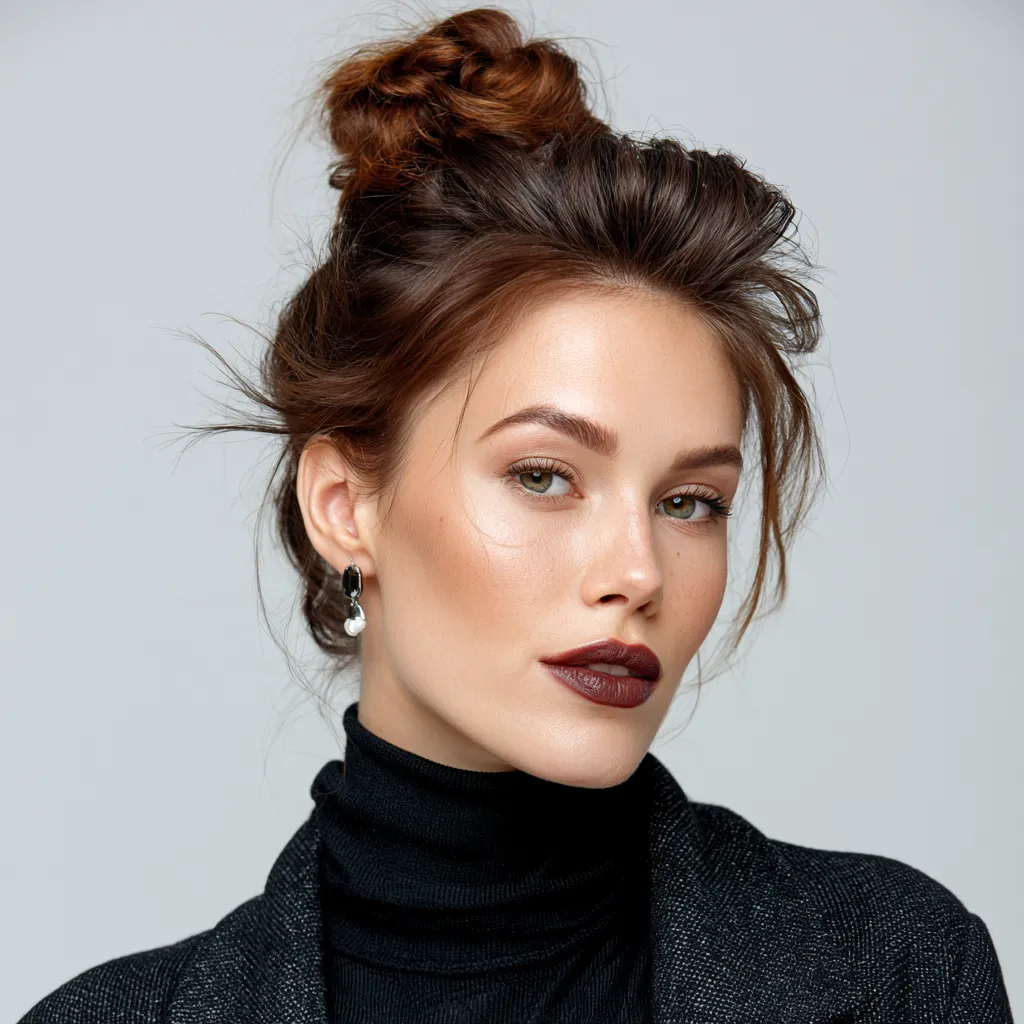
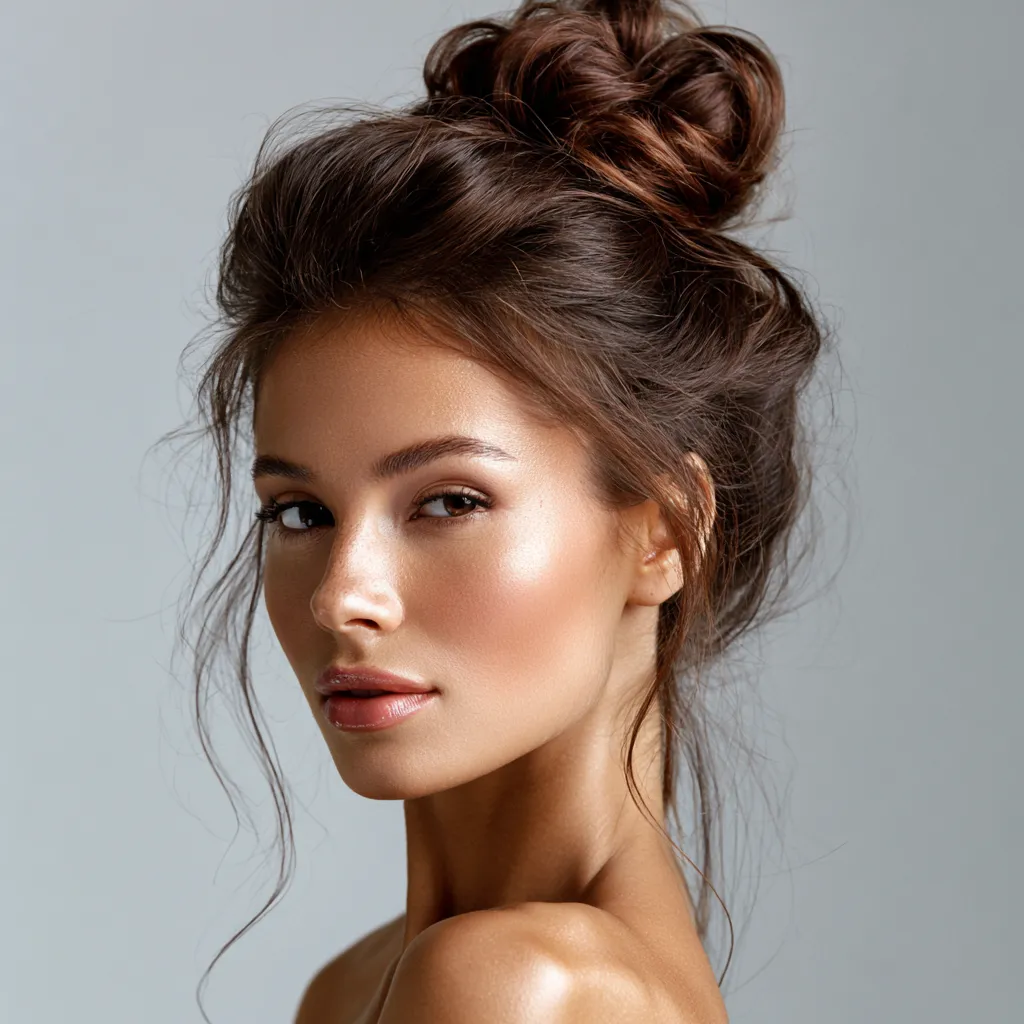
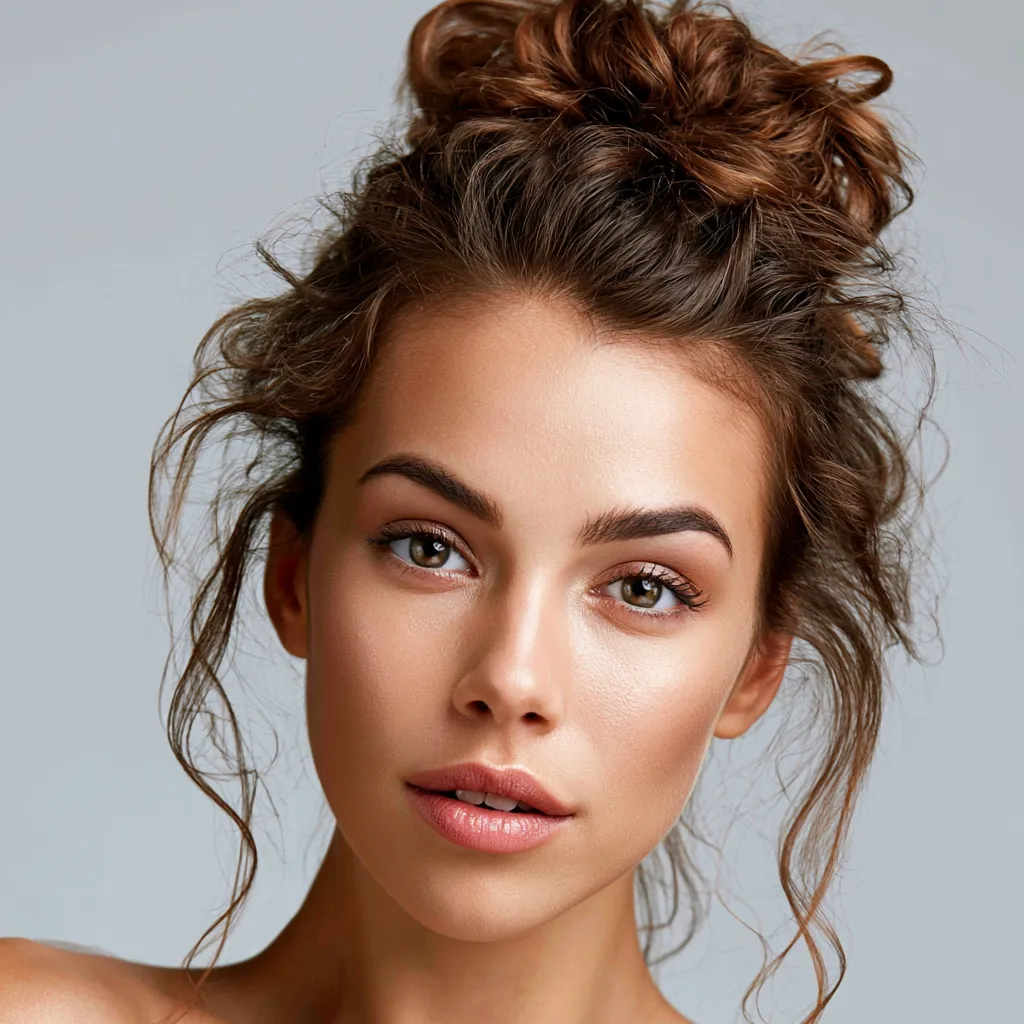
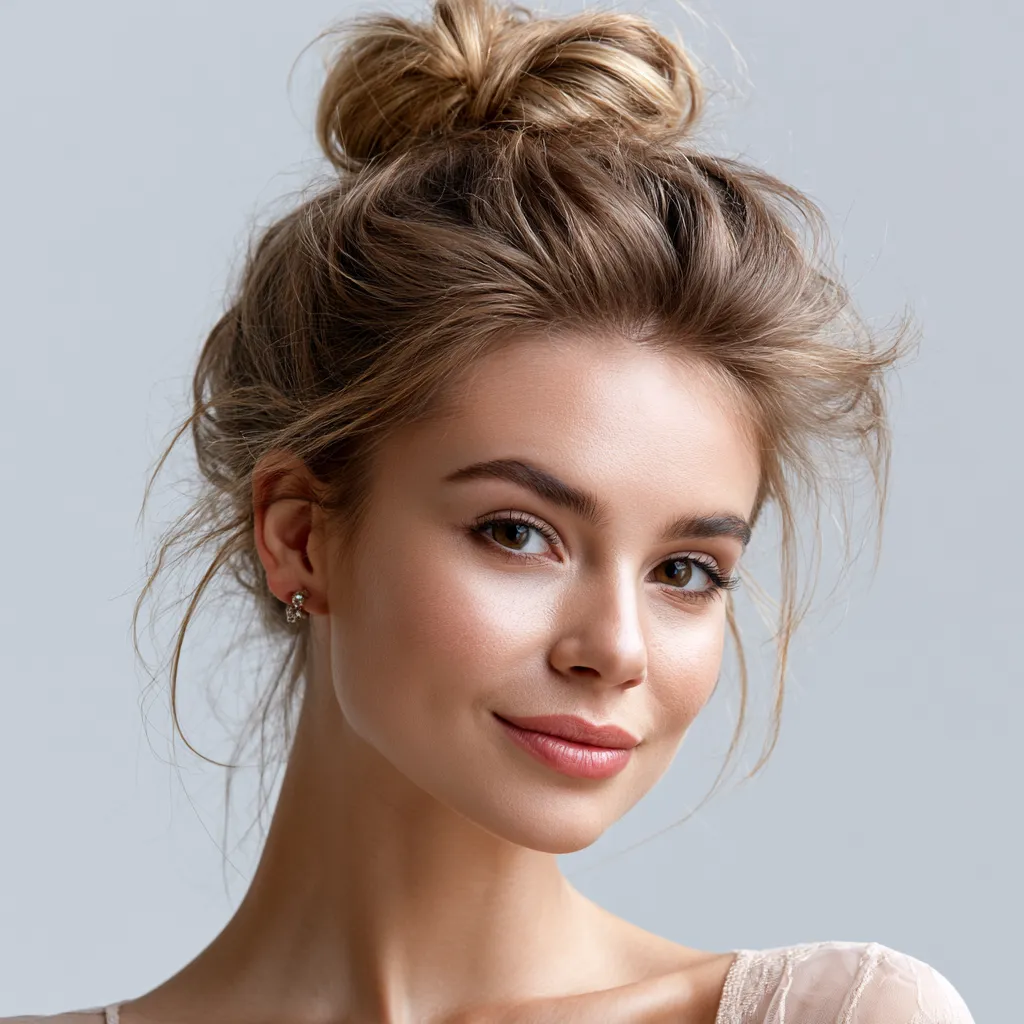
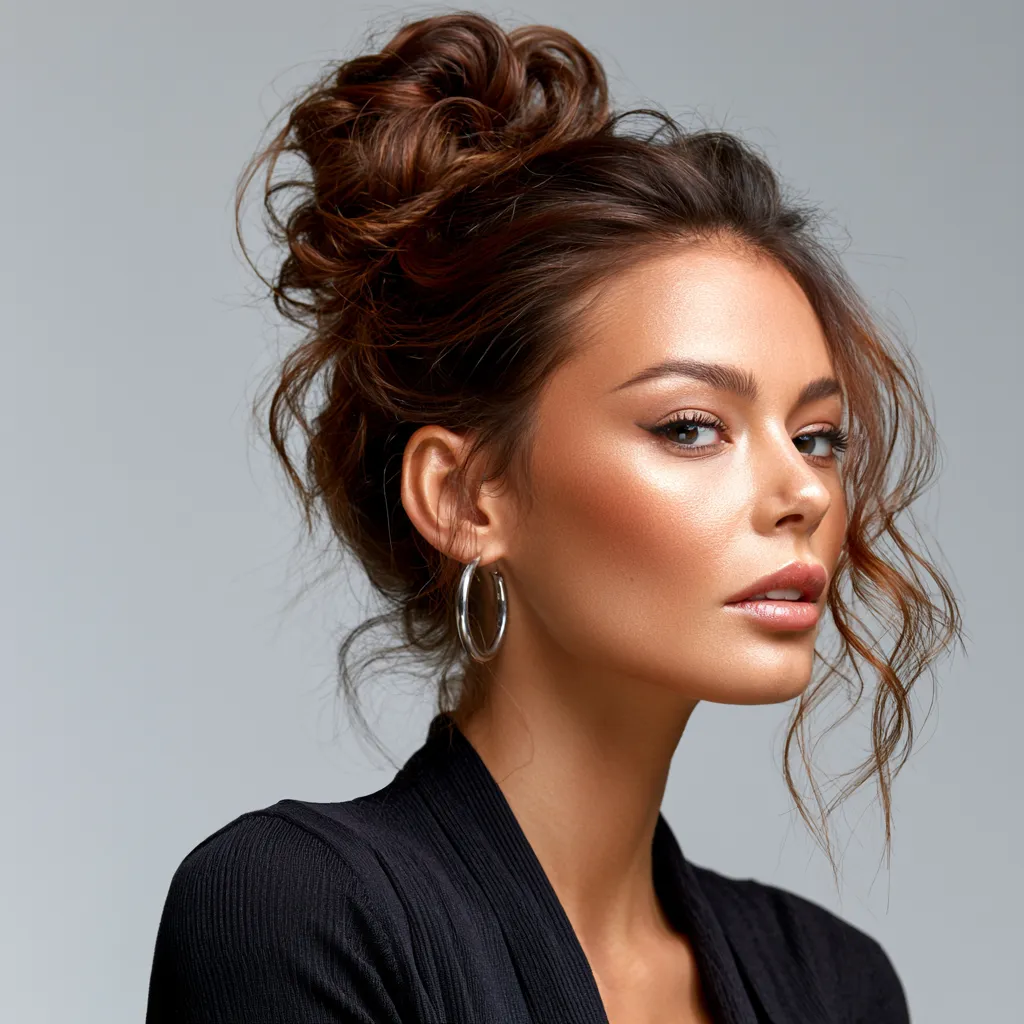
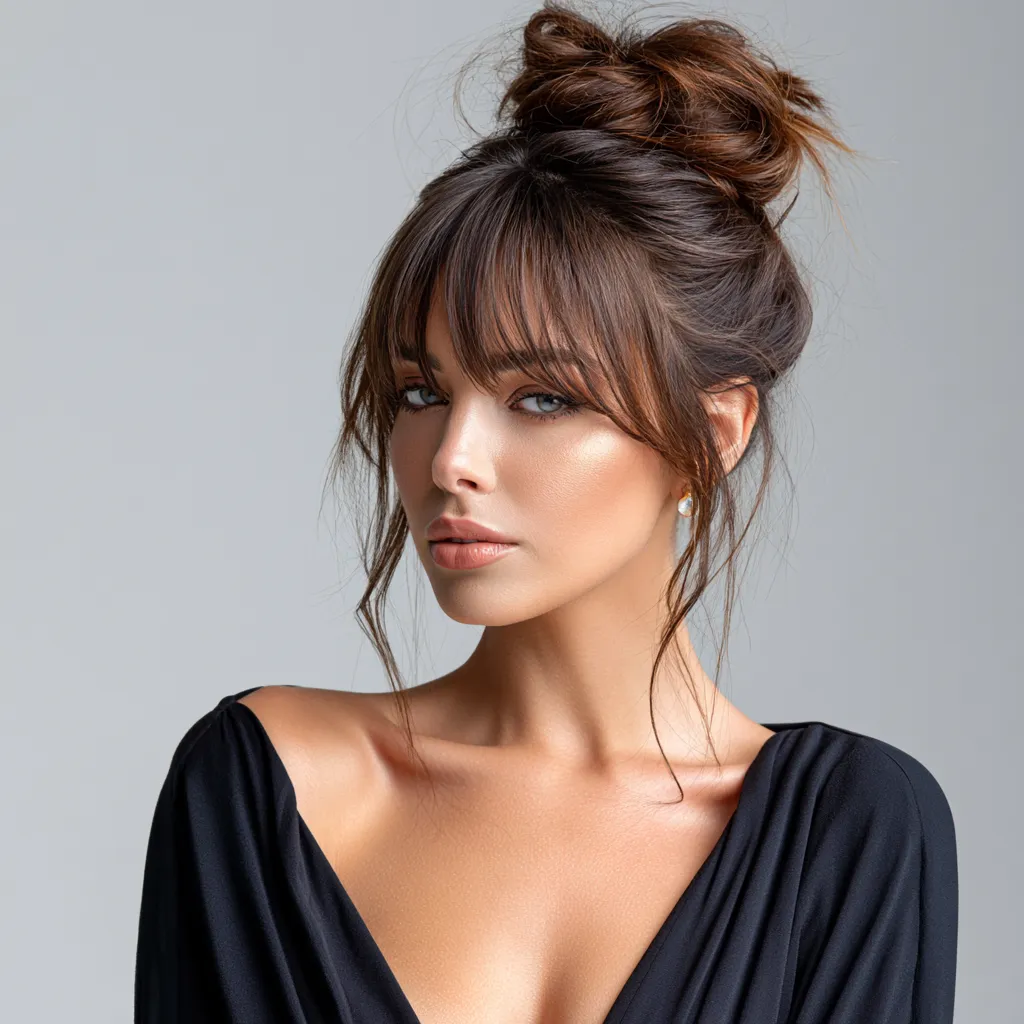
Ash Blonde Messy Bun Placement Changes the Whole Silhouette
Ash blonde has a built-in coolness that makes texture look intentional rather than accidental. My go-to for this shade is Redken’s One United Multi-Benefit Treatment sprayed on dry hair before I even think about gathering it — around $30 at Ulta, and it gives the strands just enough grip to hold a twist without product buildup. Grab the hair loosely at mid-crown, not at the very top of the head. A bun placed too high on ash blonde reads juvenile rather than effortless.


The silvery undertone in ash blonde reflects light differently than warm blondes — you’ll see the texture catch in a way that warm shades don’t. That’s actually the argument for letting strands escape at the nape rather than only at the temples. Two or three pieces hanging loose at the back make the whole thing feel deliberately undone rather than accidentally disheveled. I stole this trick from a Parisian stylist’s Instagram reel and haven’t stopped using it since. Don’t over-secure the bun; three or four bobby pins, not seven.

Avoid using gold or bronze accessories with ash tones — it’s the single most common mistake I see on this shade. The warm metal fights the cool hair and the whole look goes muddy. A thin silver bar pin from ASOS (around $8) or a cool grey scrunchie from Sephora’s accessories section works far better. What doesn’t work: those chunky claw clips in tortoiseshell. They look amazing on warm brunette hair and fight ash blonde every time.
The low ash blonde bun is underrated. Placed at the nape with a few wispy pieces left out at the crown, it references editorial styling without requiring any actual skill. You need the same loose nape technique that works for updos on long hair — the logic transfers directly to the messy bun. Less precision, same effect.

Don’t Do This
Applying a shine spray to ash blonde before twisting it into a bun. Shine spray removes grip. Your bun will last 40 minutes maximum and the whole thing will slide to the back of your neck before you leave the house. Save the shine spray for when the bun is already pinned and you’re finishing the face-framing strands — one tiny spritz on the loose pieces only.
Jet Black Hair Needs Mousse or the Bun Unravels by Lunch
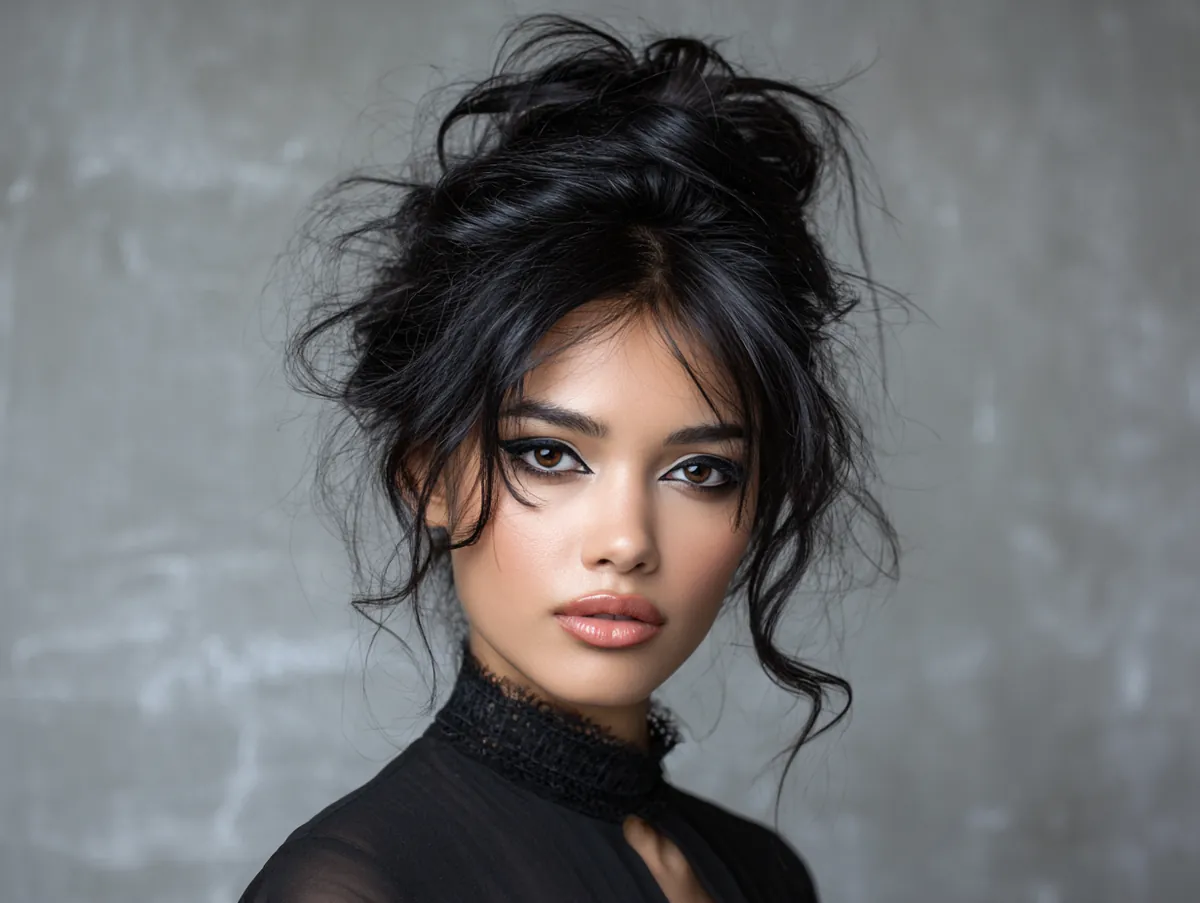
Jet black hair is naturally slick. That’s its superpower in a blowout and its liability in a messy bun. Without texture product, the strands have nothing to grip each other, and the whole structure collapses from the inside. I’ve bought and tested four texturizing mousses for this specific problem — the Moroccanoil Volumizing Mousse ($34 at Sephora) is the one I keep coming back to. Apply it to damp or dry hair, scrunch lightly, then let it set for thirty seconds before you start twisting.


The inky depth of jet black means every strand that escapes the bun catches the light individually. That’s a feature, not a flaw — but you need to place those strands deliberately. Pull two pieces loose at the temples before you secure the elastic. Don’t pull them after; yanking on already-pinned hair at the hairline creates tension creases that look nothing like the intentional face-frame you’re going for. Loose strands on jet black hair have a kind of graphic quality, like ink lines on white paper.

Accessories that work: matte black bobby pins (invisible and intentional), or thin metallic clips in silver or gunmetal. Accessories that ruin it: oversized scrunchies in bright colors. You bought them because they looked fun in the store. On jet black hair they read as an afterthought. The hair is doing the heavy lifting — let it. If your face is round, the bun placement matters more than any accessory — a high jet black bun adds vertical length that the accessories can only distract from.
A light mist of shine spray on the finished bun — just the bun body, not the loose pieces — gives jet black hair that lacquered quality that photographs so well. Think of it like gloss on a painting. The overall structure stays textured, but the surface catches the light the way a freshly blown-out strand would.

Pastel Pink Buns Lose Their Shape Without the Right Hold Strategy
Pastel pink hair is chemically processed, which means it’s more porous and softer than natural hair. That softness is what gives the bun its dreamy, ethereal quality — and also why it collapses faster than any other shade. You need grip without weight. The Living Proof Flex Shaping Hairspray ($28 at Sephora) applied before twisting gives structure without crunch. Avoid heavy creams or waxes; they make pastel pink look dull and greasy within a couple of hours.


Satin scrunchies are not optional here. Regular elastics leave a dent in color-treated, porous hair that is visible even after you remove them — it looks like a crease from sleeping on wet hair. A satin scrunchie from Slip ($18–$22 at Sephora) holds without the dent and, honestly, doubles as an accessory. Pale pink, champagne, or ivory satin against pastel pink hair reads incredibly polished for something that took four minutes. What doesn’t work: black elastics. They create too stark a contrast and chop the dreamy color effect in half.

For extra volume, gather the bun loosely and then gently tug sections outward before pinning — think of it as inflating the shape from the inside rather than adding product. Pastel pink benefits from a puffier bun body because the soft color disappears at high tension. Is there a trick to maintaining the volume all day? Yes: one or two clear bobby pins at the base, hidden under the outer layer of the bun, so it can’t sink without your permission. StyleCraze’s cosmetologist-reviewed messy bun technique breakdown confirms that pancaking the bun outward is the move for volume on finer or processed hair.
The pastel pink low bun — placed just above the nape — reads cooler and more fashion-forward than the high version on this shade. High pastel buns trend toward cute; low pastel buns trend toward editorial. Both are right. Just pick which version of yourself you’re going for that day.

Pastel pink hair benefits from braided details more than the other two shades — a loose braid wrapping around the bun base shows off the color gradient in a way solid dark shades can’t. If you’re looking at boho bun variations with braid wraps, the same techniques translate directly to pastel messy buns. The color does half the work of making it look intentional.
THE TAKEAWAY
Your hair color isn’t just a backdrop — it’s the material the bun is made from.
Ash blonde rewards texture products and cool accessories. Jet black rewards mousse and deliberate strand placement. Pastel pink rewards satin, softness, and a loose grip on the whole structure.
All three shades fall apart under the same mistake: over-securing. The bun is meant to look like it might fall. That’s what makes it work.
Save this post before you forget which products go with which shade.