Quick Scan
- The cloud cut uses a U-shaped perimeter — not just layers — to create its signature rounded, voluminous silhouette.
- Diffuse upward from roots in sections using a titanium dryer for best volume results; don't blast the whole head at once.
- Mousse from root to mid-shaft only — applying product to the ends weighs down the layers that create the cloud effect.
- Maintenance every 10-12 weeks is enough for most lengths; fine hair benefits from returning at 8 weeks.
- Tell your stylist the exact perimeter shape you want — a U-hem with internal weight removal and no face-frame disconnection.
The cloud cut haircut has become the most-saved spring style on Pinterest for one simple reason: it makes hair look genuinely full without adding bulk or sacrificing length. Celebrity hairstylist Dimitris Giannetos has been vocal about why this U-shaped, softly layered silhouette is dominating salon request lists right now — it moves, it bounces, and it works across textures in a way that most volumizing cuts simply don’t.
Cloud Cut Shape and Why the U-Silhouette Creates Real Volume
The cloud cut is built around a specific perimeter shape: a soft U that curves slightly longer in the center than at the sides. That curved hem isn’t decorative. It’s structural — it allows layers inside the cut to fan outward and upward rather than collapsing flat against the neck. Volume lives in that geometry.
Most women assume volume comes from layers alone. It doesn’t. Layers cut without a deliberate perimeter shape just create pieciness. The U-hem is what gives the cloud cut its signature puffed, rounded finish — the silhouette that reads as full even before you touch a diffuser.
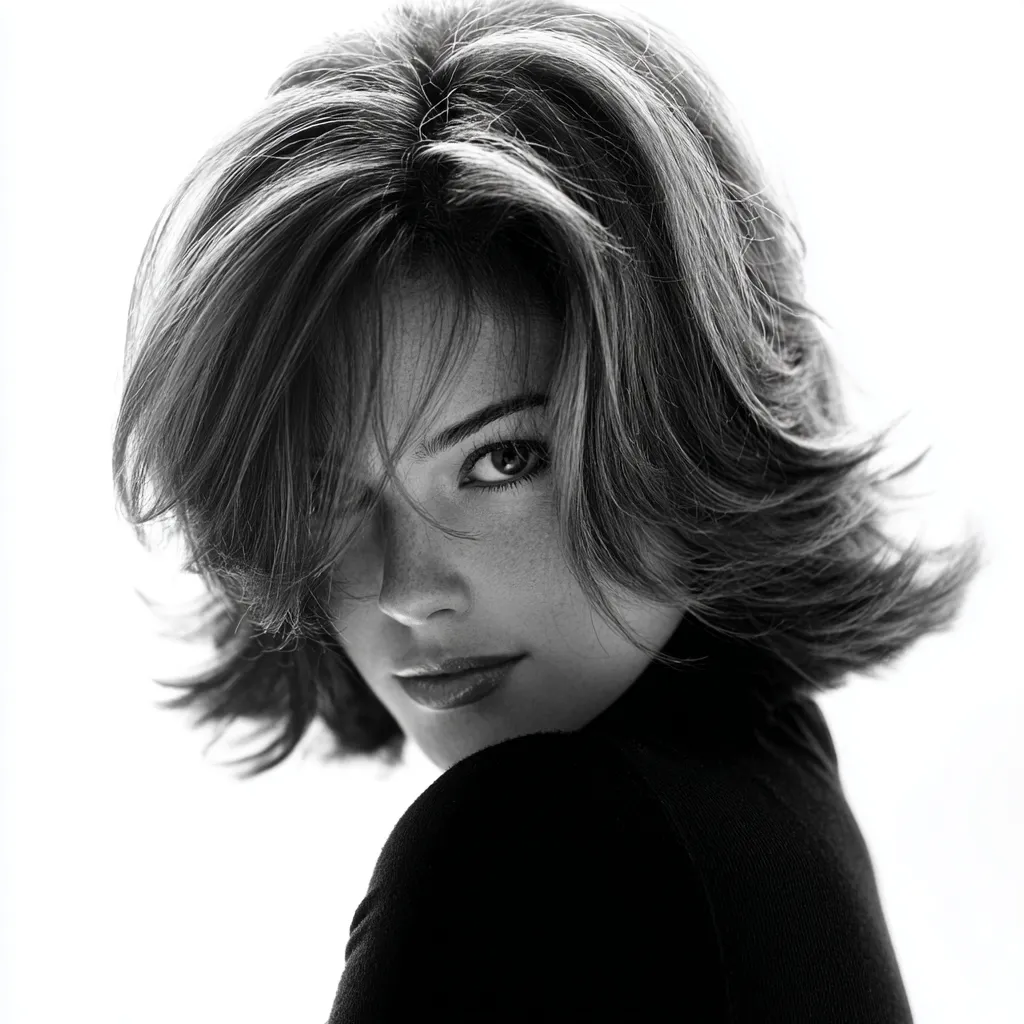
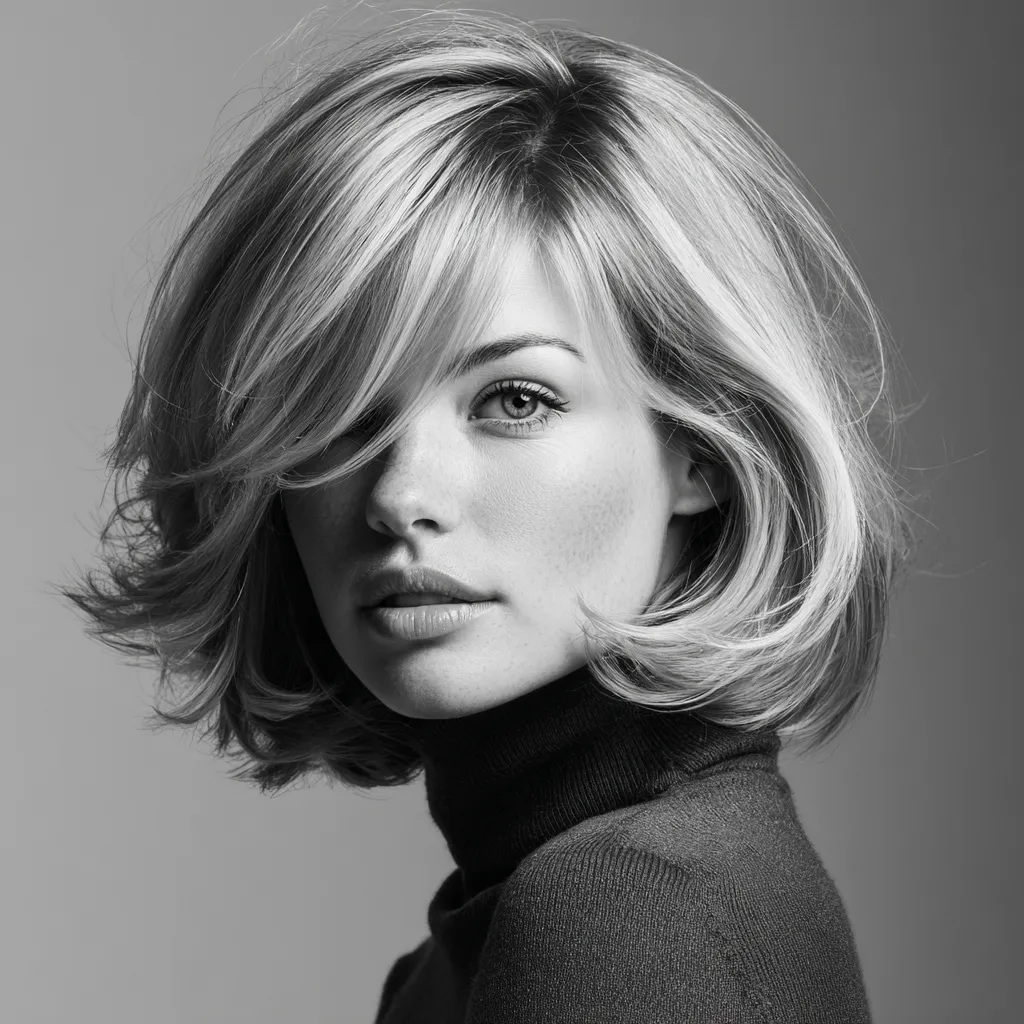
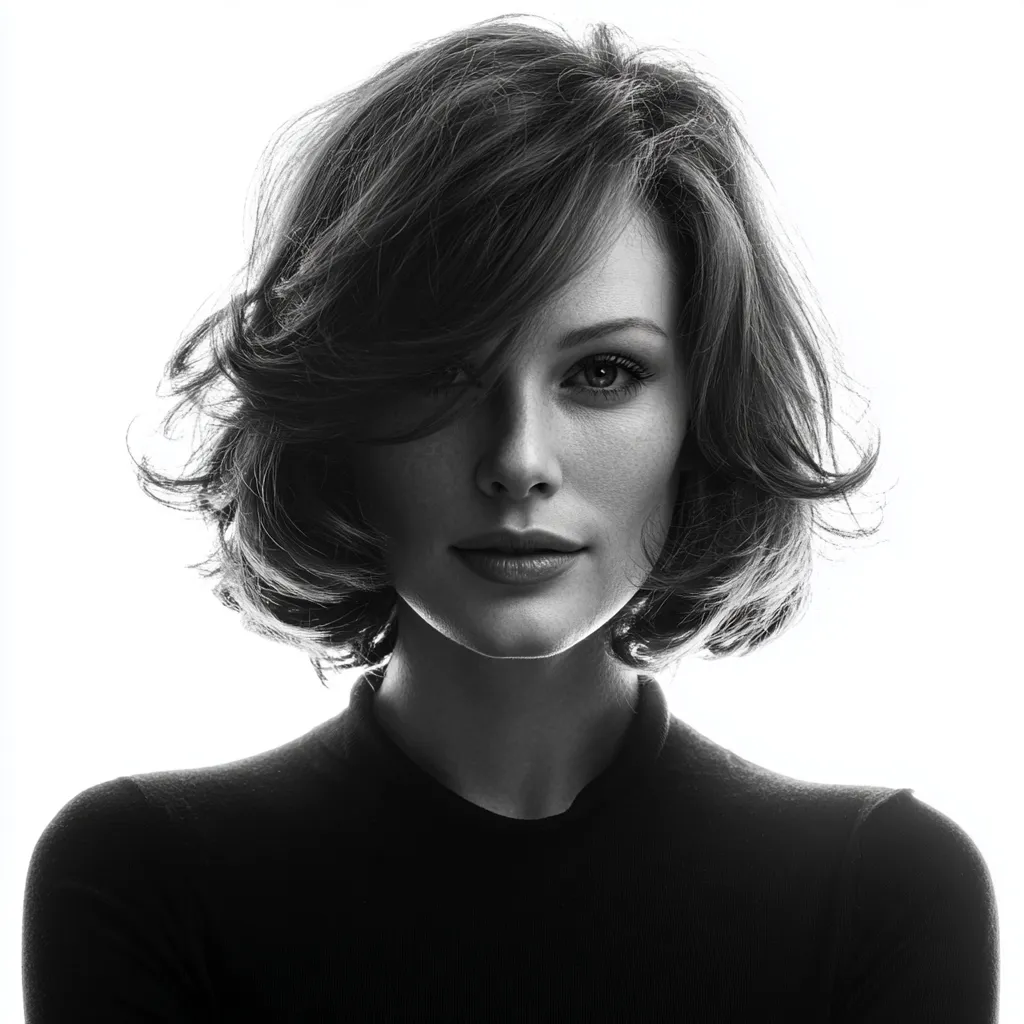
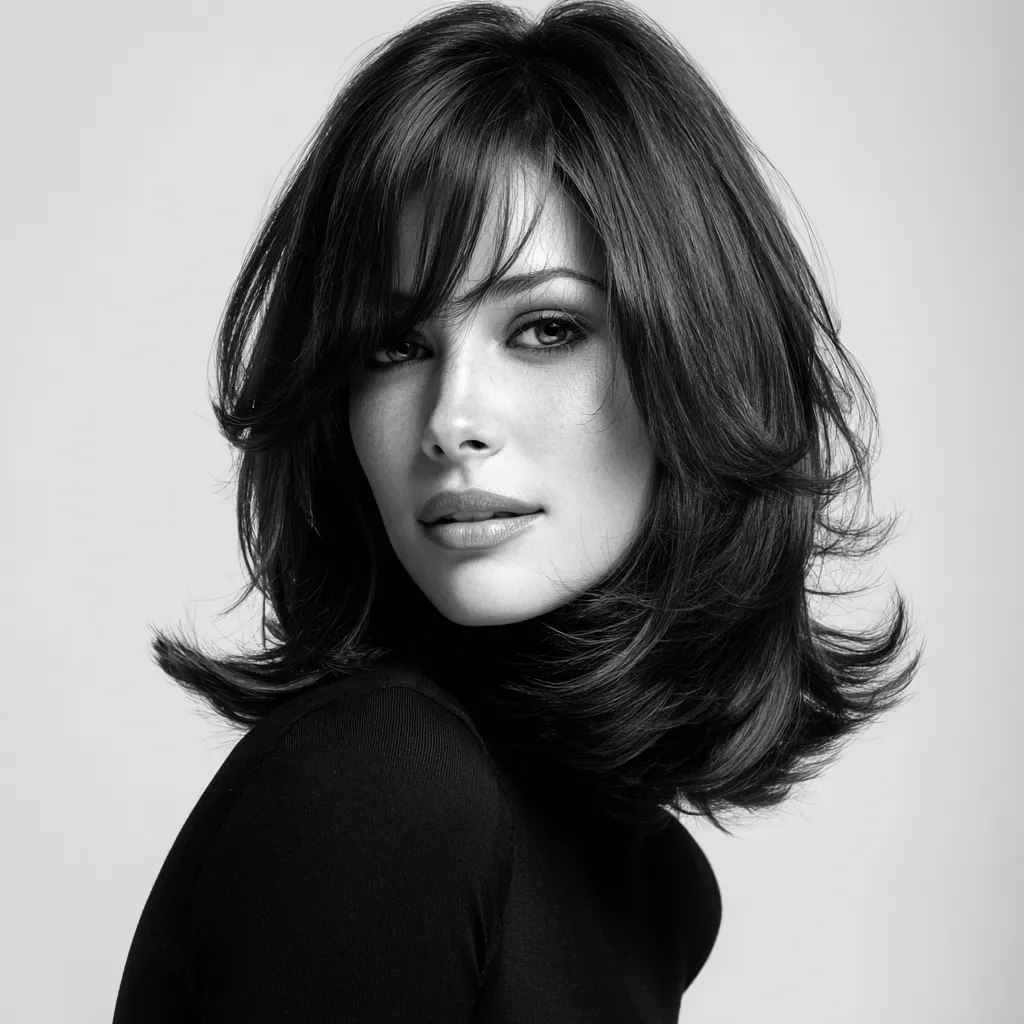
If you’ve been exploring other movement-forward cuts, like the ones in Soft Wolf Cut Hairstyles That Give Hair Movement and Attitude, you’ll notice that the cloud cut sits softer on the eye. Less disconnected, more cohesive. It’s the difference between movement that looks intentional versus movement that looks undone.
What does a cloud cut feel like to wear daily? Lighter than it looks. Because the internal layers are cut to remove weight rather than add it, fine and medium hair in particular respond immediately — hair that normally lies flat by noon holds shape through the afternoon. That’s the real sell for most clients who book this cut.
Don’t ask your stylist to add razored ends to a cloud cut. Razoring can create a wispy finish that disrupts the rounded perimeter and makes the U-shape look uneven from behind. Point cutting or soft shear-over-comb work is what preserves the clean arc this cut depends on.
For styling, a diffuser attachment is the cloud cut’s closest ally. The BaBylissPRO Nano Titanium Dryer with its Diffuser attachment (around $180 at Ulta) is a consistent salon recommendation because the titanium barrel distributes heat evenly without frying the perimeter. You’re not trying to create curl — you’re lifting the root and letting layers separate naturally. Scrunch upward at the roots, hold for three seconds, release. Repeat in sections rather than blasting the whole head at once.
Product choice matters more than most people expect with this cut. A volumizing mousse applied to damp hair before diffusing gives the layers something to hold onto. Moroccanoil Volumizing Mousse ($34 at Sephora) has a light hold that doesn’t crunch or weigh layers down mid-day. Apply from root to mid-shaft only — coating the ends defeats the purpose of those airy layers entirely.
Don’t Do This
- Don't ask for razored ends on a cloud cut — they break up the clean U-perimeter that makes the silhouette look intentional and full.
- Don't apply mousse or oil all the way to your ends — coating the tips weighs down the layers and kills the airy finish this cut is designed to create.
- Don't skip toning if you color your hair — the cloud cut's lifted layers catch light in a way that makes brassiness far more visible than on blunt cuts.
- Don't use vague styling requests like 'something with movement' — be specific about the U-shaped hem and internal layering technique or you'll get a generic result.
Cloud Cut for Different Hair Types and What to Tell Your Stylist
The cloud cut reads differently depending on your starting texture, and that’s actually one of its strengths. On straight hair it creates a polished, editorial fullness — think volume that photographs beautifully in natural light. On wavy hair it amplifies what’s already there, letting each wave pattern contribute to the rounded silhouette rather than fighting it.
Curly hair and the cloud cut? That’s where things get interesting. The U-perimeter works especially well for curl types 2C through 3B because curls naturally want to spring upward at the ends — the curved hem accommodates that spring rather than fighting it with a blunt line. The key for curly clients is making sure the stylist cuts on dry hair or at least checks the shape dry before you leave the chair.
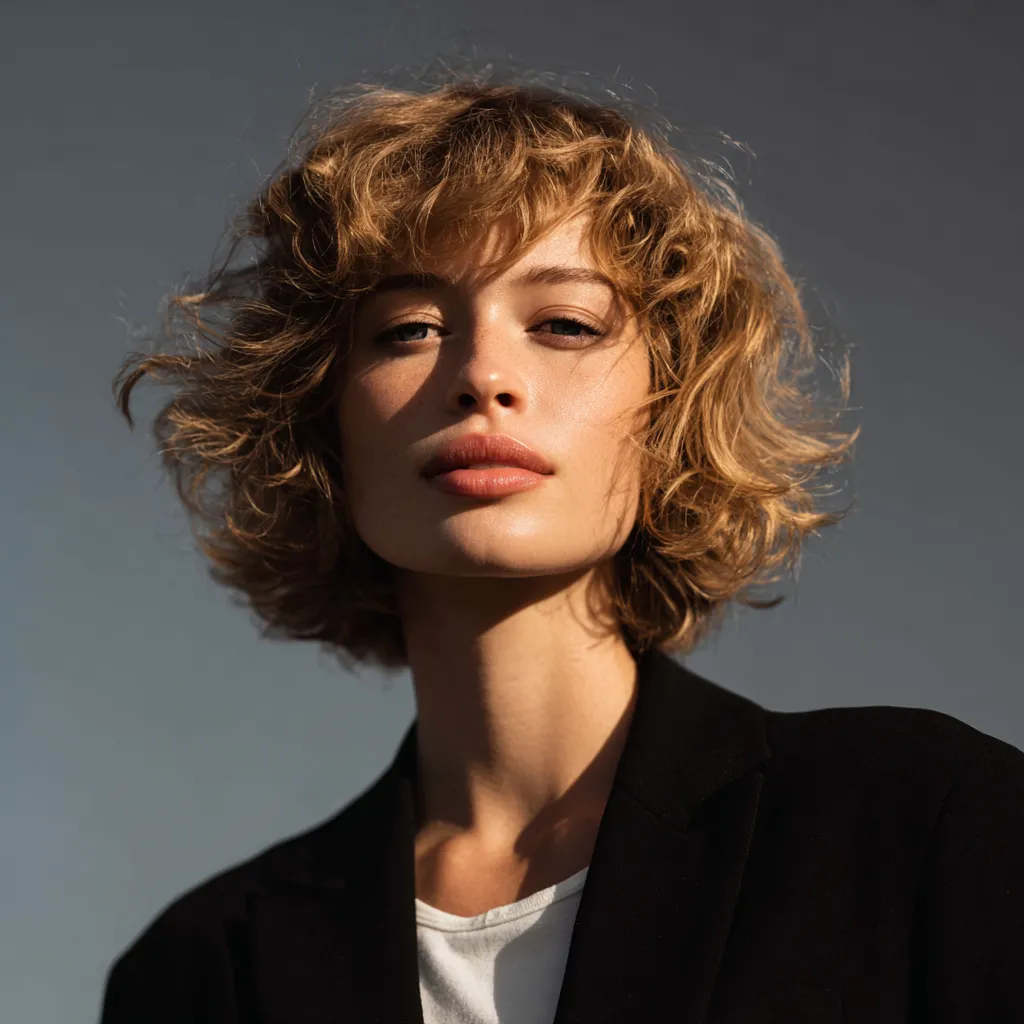



What should you actually say when you sit down? Be specific about the perimeter. Tell your stylist you want a U-shaped hem, internal layers that remove weight from the mid-shaft, and no disconnection at the face frame. Bring a reference photo — the cloud cut looks similar to a lob at first glance but the layering technique is distinct. Vague requests like “something with movement” will get you something generic.
For women exploring event-ready versions of soft, layered silhouettes, the shaping principles from Simple Yet Elegant Quince Hairstyles You Can Create Yourself offer good inspiration for how soft layers can be styled up as easily as they’re worn down. The cloud cut’s versatility in that regard is a genuine daily-life advantage.
Don’t skip the toning step if you color your hair. The cloud cut’s airy layers catch light differently than a blunt or heavily stacked cut, which means brassiness shows faster and more visibly. A toning gloss like the Redken Shades EQ Gloss (applied in-salon for around $25 added to your service cost) keeps the color reading clean between appointments. Skipping it makes layered cuts look dull rather than luminous.
Maintenance frequency is lower than you might expect — every 10 to 12 weeks for most lengths. The perimeter shape holds well because it’s not fighting gravity the way a blunt edge does. That said, fine-hair clients may want to return at eight weeks to keep the internal layers from growing out flat. Ask your stylist to mark your next appointment before you leave, because the cloud cut at its best looks intentional, and that intentionality fades quietly if you wait too long.
Two products worth keeping in your kit specifically for this cut: Olaplex No. 7 Bonding Oil ($30 at Sephora) applied to dry ends adds shine without weight, which is exactly what airy layers need to look polished rather than frizzy. And a boar bristle brush — the Mason Pearson Handy Bristle ($195) is the investment version, but Denman’s B-series brushes around $22 deliver similar results — gently smooths the perimeter without collapsing the volume you diffused in.
| Product | Use | Price |
|---|---|---|
| BaBylissPRO Nano Titanium Dryer + Diffuser | Root lift and layer separation | ~$180 at Ulta |
| Moroccanoil Volumizing Mousse | Damp-hair hold for layers | $34 at Sephora |
| Olaplex No. 7 Bonding Oil | Shine on dry ends without weight | $30 at Sephora |
| Redken Shades EQ Gloss (in-salon) | Toning to keep color fresh between cuts | ~$25 added to service |
| Denman B-series Brush | Smooth perimeter without losing volume | ~$22 at Amazon |
FAQ
how long does a cloud cut last before it needs a trim
Most cloud cuts hold their shape well for 10 to 12 weeks. Fine hair benefits from a trim closer to 8 weeks because the internal layers grow out flat faster. The U-perimeter is actually more forgiving than a blunt cut as it grows, but once the layers lose their lift you'll notice the volume disappearing quickly.
is the cloud cut good for thin hair
Yes — thin hair responds especially well to the cloud cut because the internal layers remove weight from the mid-shaft, which allows the hair to move outward rather than lying flat. The U-shaped perimeter keeps the ends from looking sparse. Pair it with a volumizing mousse like Moroccanoil's ($34 at Sephora) and a diffuser for the best result.
what is the difference between a cloud cut and a wolf cut
The wolf cut uses more disconnected, choppy layers with a heavier crown section that tapers into textured, wispy ends. The cloud cut has softer, more blended internal layers and a clean U-shaped perimeter that creates a rounded, cohesive silhouette. The cloud cut looks more polished; the wolf cut looks more editorial and undone.
can you get a cloud cut on short hair
The cloud cut works best at collarbone to mid-back length where the U-perimeter has room to curve visibly. On shorter hair the U-shape becomes harder to see and the layering effect less dramatic. If your hair is above the collarbone, ask your stylist whether a modified version would suit your specific texture and density before committing.
does the cloud cut work without a diffuser
It can, but the volume is noticeably less defined. Air drying a cloud cut tends to let the layers fall flat rather than separating outward the way diffusing encourages. If you don't own a diffuser, a light-hold mousse applied before air drying and some upward scrunching while the hair dries can approximate the effect, but a diffuser is genuinely worth the investment for this cut.
Save this
Cloud Cut Haircut Brings Real Spring Volume Back Without Losing Length
The cloud cut works because it's engineered, not accidental — the U-perimeter and internal layers create a shape that holds lift through the day without heat tools doing all the heavy lifting. Bring a reference photo to your stylist, use a volumizing mousse on damp hair, and diffuse in sections rather than all at once. Save this post.
📌 Save to Pinterest