
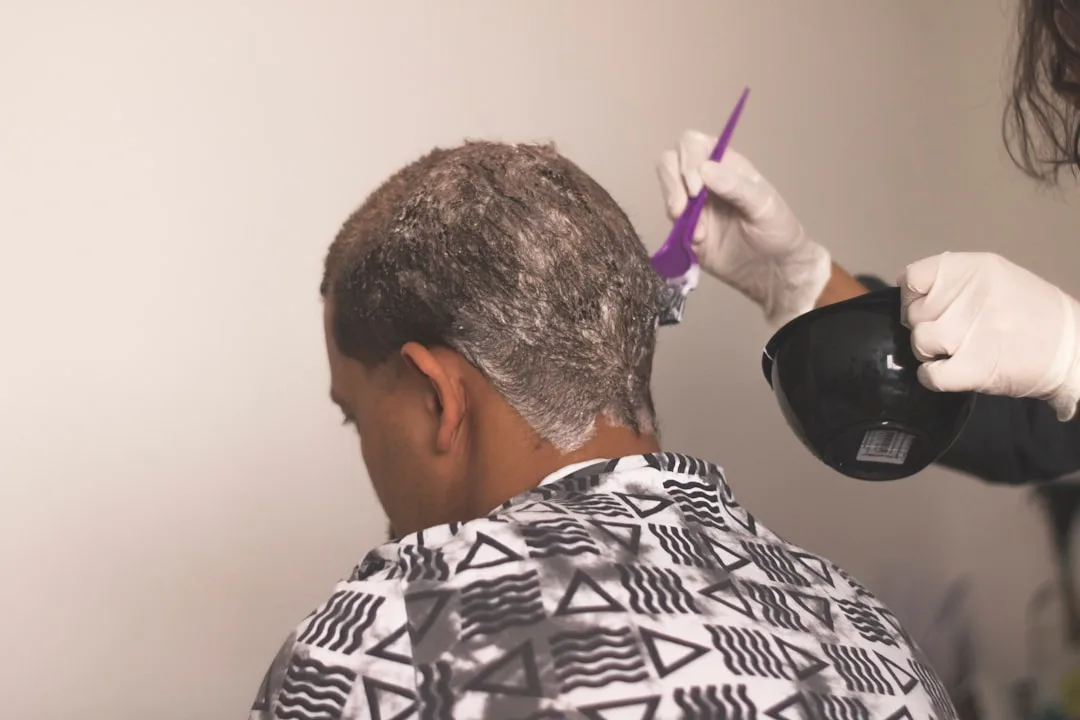
There is a specific moment when a technique stops being a trend and becomes the default. Balayage crossed that line somewhere around 2019. By 2024 it had become the safe answer — the thing clients requested when they didn’t know what else to ask for, and the thing colorists delivered without thinking too hard. That era is closing. In spring 2026, the technique eating balayage’s appointment book is color melting, and the reasons it’s winning are structural, not aesthetic.
Why Balayage Looks Dated When Color Melting Sits Next to It
The fundamental problem with balayage in 2026 is its transitions. The technique creates visible contrast — by design, it places lighter color on specific sections and leaves the demarcation visible as a feature. For years that read as dimensional and sun-kissed. Now, against the cleaner color vocabulary dominating runways and editorial, those edges read as effort showing. Color melting blends at least two — sometimes three — shades so thoroughly that you cannot tell where one color ends and another begins, unlike ombré, which carries more obvious transitions. The result photographs differently, moves differently, and ages differently as it grows out.
The technique itself is not new. Colorists at Butterfly Studio in New York and Michael Van Clarke in London have used blending approaches for years. What’s new is the precision. Colorists apply different shades at various sections — typically darker at the roots, transitioning to lighter mid-lengths and ends — then physically blend where the colors meet by rubbing them together. That physical blending step is what separates a true color melt from a softened balayage. It requires more time, more product knowledge, and more technical confidence. Which is exactly why clients are now specifically requesting it by name.
The Grow-Out Reality That Actually Closes the Sale
Anyone who has grown out balayage knows the moment — usually around week eight — when the roots become a separate color story from the lengths. It requires maintenance, and that maintenance has a cost. Color melting solves this structurally. The result mimics how hair naturally lightens in the sun, which means the new growth integrates rather than contrasts. The natural tones grow out beautifully, blending seamlessly with roots for a lived-in look that doesn’t require constant touch-ups. For clients in 2026 who are recalibrating their beauty spend, that practical argument is closing appointments faster than any aesthetic pitch.
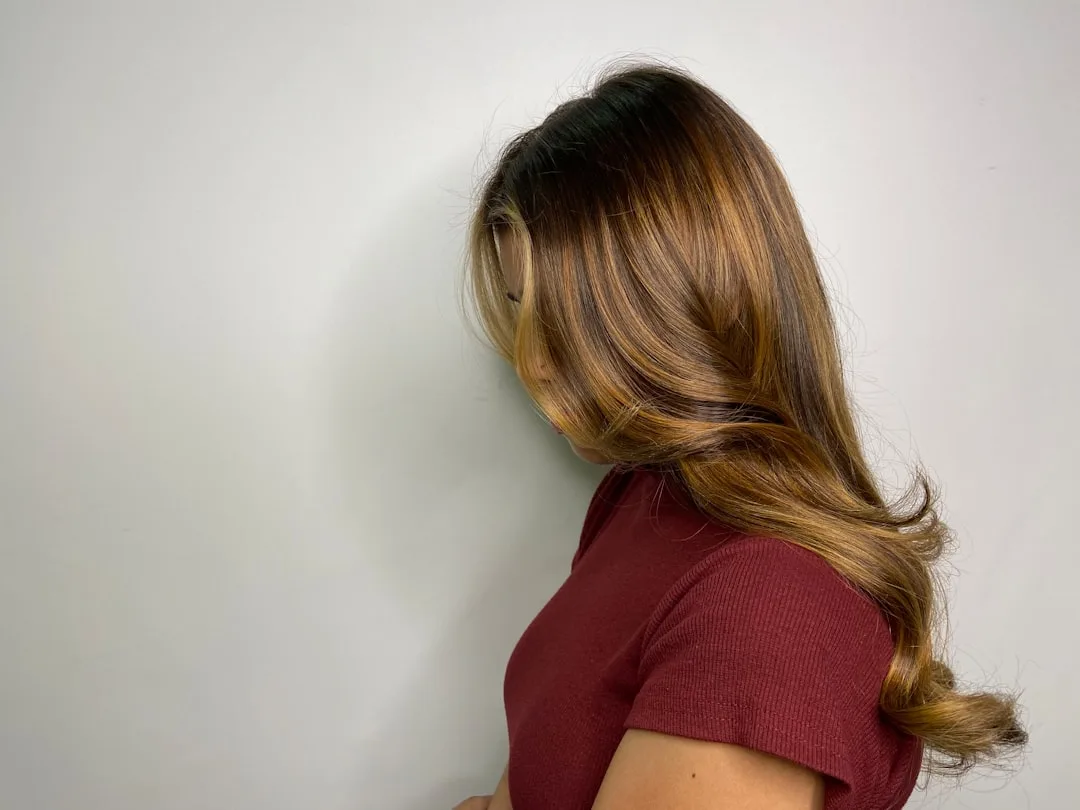
This also connects to a broader color shift happening simultaneously. Copper hair continues to rise in 2026, evolving into a more refined, editorial statement — this season’s copper tones feel richer and more dimensional, balancing warmth with depth for a finish that looks expensive rather than overtly bold. Color melting is the delivery mechanism making these refined copper and warm-neutral palettes land correctly. A flat, single-process copper looks synthetic. A melted copper — moving from deep auburn at the root through burnished mid-lengths into a lighter, warmer end — reads entirely differently.
What the Spring 2026 Runways Confirmed
The spring-summer 2026 fashion shows established their hair codes clearly. At Michael Kors, Fendi, and Ralph Lauren, three watchwords dominated: movement, texture, and naturalness. Hair that moves convincingly under runway lighting needs color that reads as intrinsic rather than applied. The flat, striped contrast of classic highlights kills that illusion immediately. Melted color, because its gradient follows the hair’s own movement patterns, sustains it.
On the catwalks of Michael Kors and Ulla Johnson, hair appeared supple and slightly wavy — the principle based on a clear idea: no longer transform your hair, but sublimate it. That editorial directive is what color melting executes at the color level. It’s not adding something foreign to the hair. It’s deepening what’s already there.
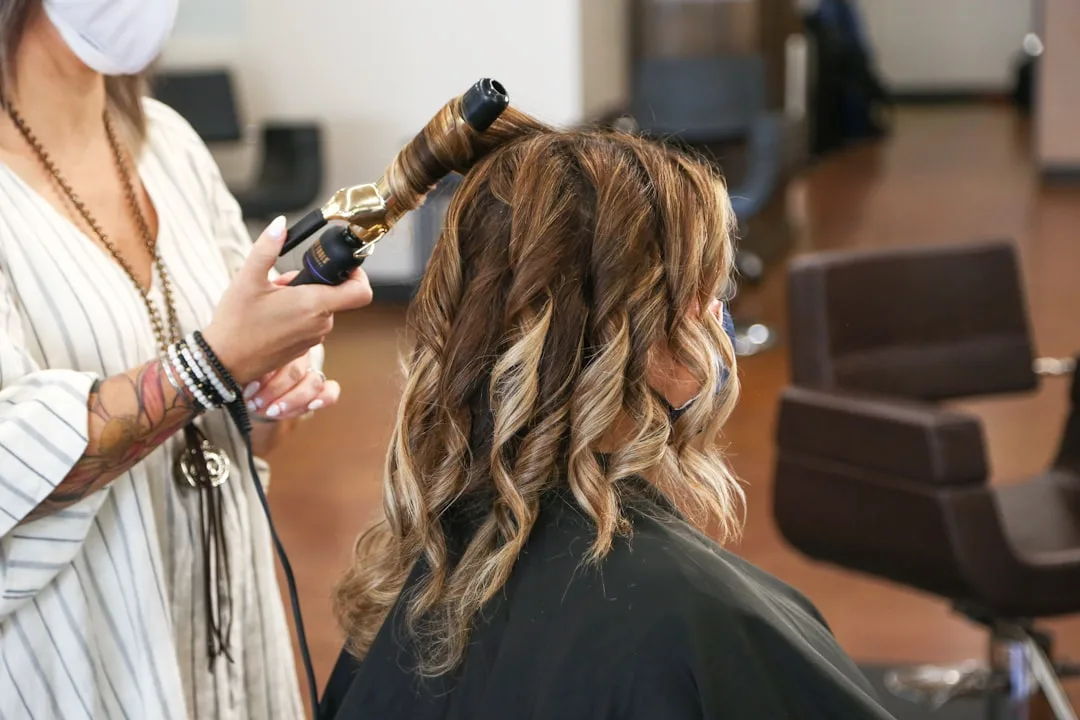
For a cut that works with this color philosophy in motion, the cloud cut — airy and voluminous with soft, nearly invisible layers, built around movement and freshness while maintaining length — provides the right canvas. The same is true for any layered cut where the color needs to travel visually through the hair rather than sit on top of it. If you’re considering a dimensional update alongside a new cut, explore options like 3+ Curly Bob Hairstyles Loved By Modern Trendsetters — curly and wavy textures in particular amplify the liquid gradient effect that makes color melting so visually compelling.
The Palette Breakdown by Hair Base in Spring 2026
Color melting works across any palette: natural brunette-to-blonde transitions, warm copper melts, or even bold fantasy colors like rose gold fading into lilac. But in spring 2026 the most requested combinations inside high-volume salons fall into three categories. First, warm neutral on brunette bases: espresso roots melting into caramel mid-lengths and a soft honey end. Second, the copper progression: dark auburn at the root transitioning through cognac to a lighter, almost terracotta tip. Third, what’s being called recession blonde — a lived-in, slightly grown out and a little golden finish, cool and French in its nonchalance — achieved through a melt rather than traditional highlights.
The fantasy end of the spectrum is also moving through color melting rather than block application. Rose gold to lilac, midnight blue to steel, forest green to sage — each of these lands as wearable rather than theatrical specifically because the transition is gradual and physically seamless. It’s the technique, not the color choice, that determines whether a bold shade reads editorial or costume.
How to Actually Request This at Your Next Appointment
The failure point for most clients asking for color melting is vocabulary. Saying “I want color melting” is the start, not the finish. Come with three reference images where the mid-lengths are visibly different from both roots and ends — not dramatically, but perceptibly. Specify where you want the darkest point to sit (root, or an inch below root for a shadow effect), where you want the lightest point to land (tips only, or from mid-shaft down), and what undertone you want to carry through the gradient. Warm, cool, or neutral undertone consistency across the three blended shades is what makes a melt cohesive rather than muddy.
Book with a colorist who uses the word “blending” when describing their process and who asks about your grow-out timeline during the consultation. Those two signals indicate they’re executing the technique properly rather than offering a renamed balayage. For inspiration that travels well and photographs well across multiple settings, see what’s working in 3+ Youthful Slope Hairstyle Trends for Travel and Adventure — the mobility-friendly cuts shown there pair directly with low-maintenance color melt applications that don’t require salon access every six weeks.
The appointment calendar at color-forward salons is already reflecting the shift. Color melting is not approaching peak — it is at peak, right now, in April 2026. The clients who understand the technique are getting better results. The ones still asking for balayage by default are getting something that already feels like last season.
Complete guide
Straight Hairstyles That Actually Work for Your Hair Type
Cuts by length, face shape, texture and color — all in one place
You Might Also Like
Related Topics