Modern glass staircase design does one thing no other material can pull off: it makes a structural element disappear without actually removing it. Glass steps, glass railings, glass panels — each version handles light differently, carries different price tags (tempered glass treads start around $200–$400 per step installed), and works in different styles. I’ve seen homeowners go wrong in every possible direction here, so let me be specific about what actually works and why.
Not every glass staircase is the same construction. Some use glass only for the railing — transparent panels replacing bulky balusters. Others go all-in with laminated glass treads, typically three layers of 1/2″ tempered panels bonded together, rated to hold 250–300 kg per step. You’ll want to understand which category you’re shopping before you get a quote.
Quick Scan
- Glass railing only (most common): $80–$150 per linear foot installed, using 1/2″ tempered or laminated panels
- Full glass tread staircase: $15,000–$40,000+ for a 12-step residential flight
- Black steel + glass combo (loft, industrial): currently the strongest design trend in contemporary interiors
- Wood + glass hybrid: warmer, more forgiving on budget, works in eco and Scandinavian styles
- Frameless vs. framed glass panels: frameless reads cleaner but requires thicker glass (3/8″–1/2″) and heavier mounting hardware
- Glass etching and frosted options: add privacy, reduce fingerprint visibility, cost 15–25% more than clear
Glass Railings Paired with Steel Make Loft Interiors Work Without Feeling Cold
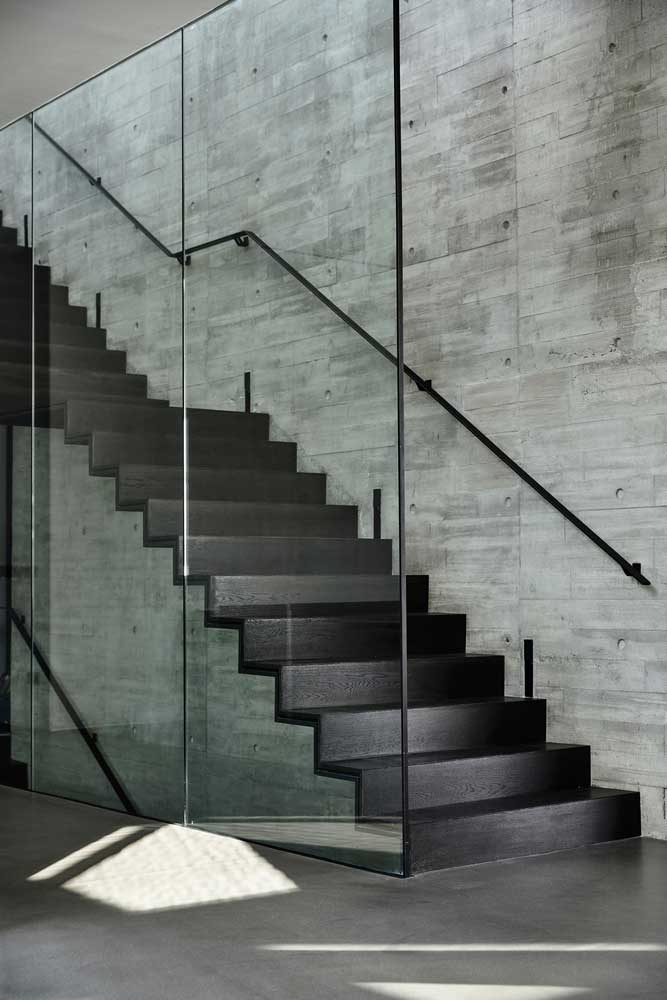
Glass combined with raw metal — black powder-coated steel frames, exposed concrete walls, polished concrete floors — is where I’ve seen the most dramatic before-and-after transformations. The glass keeps the space from feeling like a construction site. Glossy surfaces catch the light at angles that matte finishes simply can’t. Q-Railing’s Easy Glass system, which runs about $95–$130 per linear foot, is the one I’d specify first for this look because the base shoe mounts are slim enough to stay invisible.

Here’s the anti-advice: don’t pair glass railings with ornate, turned-wood balusters on adjacent sections of the same staircase. I’ve watched clients try to blend periods this way and it looks like a renovation that ran out of budget mid-project. Pick a direction. Glass belongs with straight-line handrails — round stainless, square steel, or a flat oak cap — nothing carved.

Glass steps integrated directly into a loft staircase are the boldest move in this category. Think of it like a swimming pool floor — the water is structurally irrelevant, but it changes everything about the visual weight of the space. That’s what glass treads do to a staircase. You need tempered laminated glass here, not standard tempered, and the difference in cost reflects it — standard tempered runs $150–$200 per tread, laminated starts at $280. Worth it. For more on how metal and glass work in industrial-style interiors, this breakdown of industrial staircases covers the full material pairing logic.
Wood and Glass Together Age Better Than Either Material Alone

My go-to combination for any home with warm finishes — oak floors, linen sofas, exposed ceiling beams — is wooden treads with frameless glass railing panels. The wood brings weight and warmth. The glass opens the space laterally. Together they read as a single system rather than two materials fighting for attention. White oak with a natural oil finish next to low-iron glass (which has less green tint than standard clear glass) is the pairing I’d repeat in every project if I could.
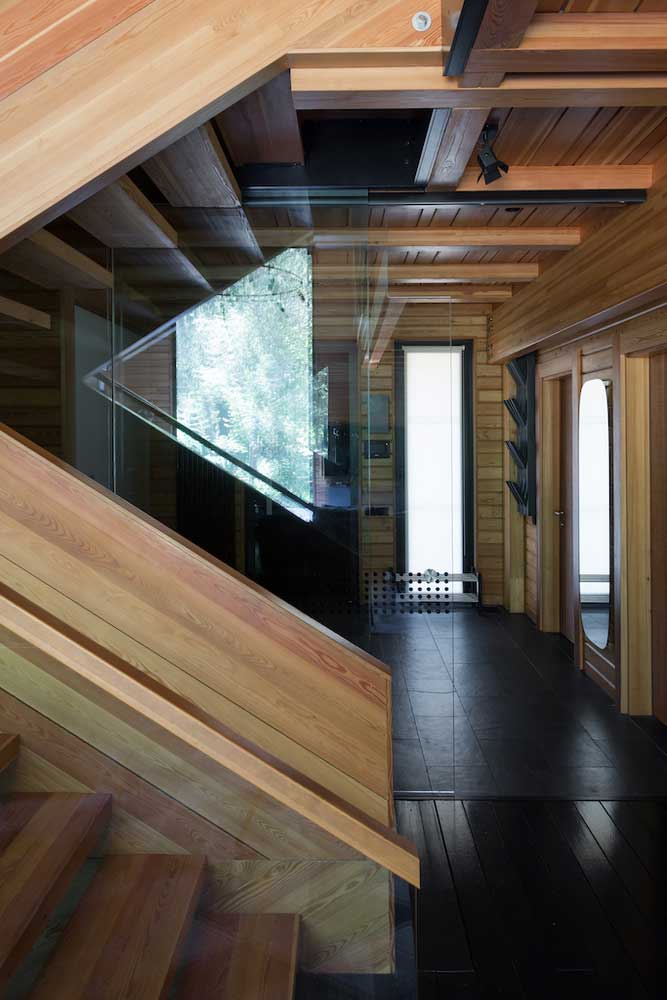
Does wood-and-glass suit smaller rooms? Yes — but only if you eliminate the risers. Closed risers with glass railings create a visual wall that runs the length of the stair flight. Remove the risers, keep open treads, add glass panels, and suddenly light moves through the structure from both sides. You’ll notice the hallway or landing below gains several degrees of perceived brightness without changing a single light fixture.
Don’t Do This
Don’t use standard float glass for stair railings, even temporarily. It isn’t rated for impact loads and will fail building inspections in most jurisdictions. I’ve seen homeowners try to save $300 on glass spec and end up paying twice to replace it. Tempered or laminated tempered only — and get documentation of the rating from your supplier before installation.
Also avoid matching your glass panel color to your wall paint. Tinted glass panels — bronze, grey, sage — that match wall finishes create a visual confusion where the railing disappears in the wrong way. The structure should be transparent, not camouflaged.
Frameless Glass Railing in Minimalist Interiors Earns Its Premium Price

Frameless glass panels in a minimalist or hi-tech interior aren’t just an aesthetic choice — they’re a spatial strategy. Remove every visual vertical between the staircase and the room beyond it, and you expand perceived floor area by a measurable amount. Architects I’ve spoken with put it around 15–20% apparent size increase in compact plans. That’s not nothing when you’re working with an 80-square-meter home.
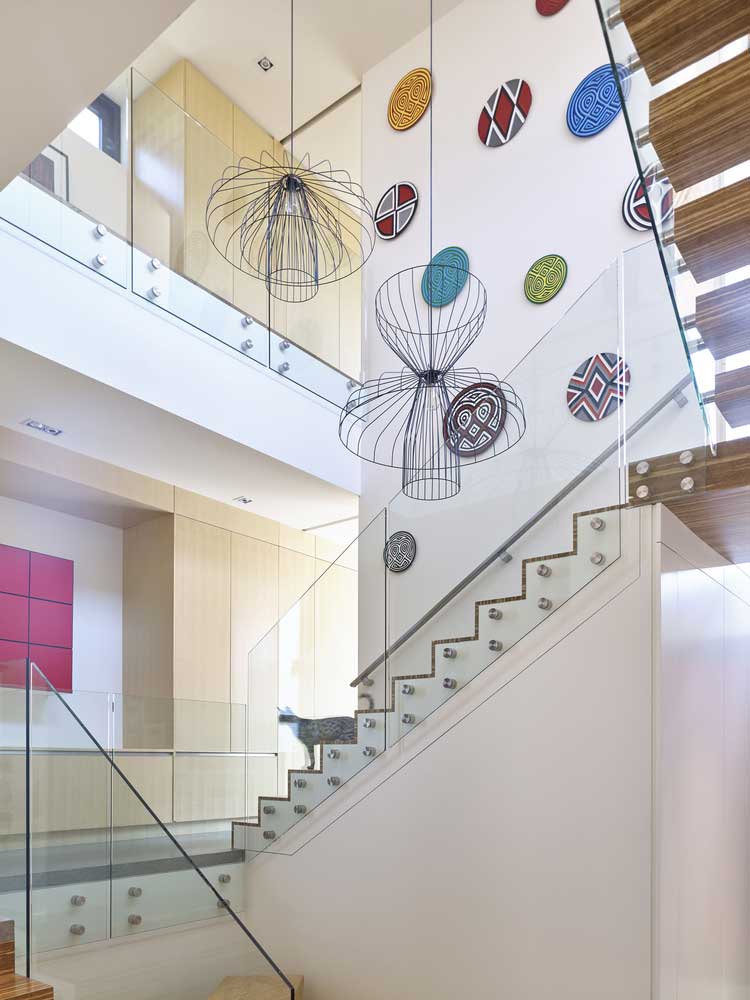
Frameless systems require 3/8″–1/2″ glass minimum and precision-drilled base shoe channels. The hardware runs more expensive than framed systems — budget an extra $25–$40 per linear foot for frameless versus framed posts. But the result is a surface that reads as a single unbroken sheet of light rather than a series of panels separated by visible posts. For hi-tech and minimalist styles, that difference is everything. If you’re weighing all the railing material options for a contemporary interior, this comparison of modern stair railing types covers metal rod, cable, and glass systems side by side.
The question I get most: is frameless glass safe with children? Safer than cable railings, actually. A solid glass panel has no gaps to climb through, no cables to treat as a ladder. The glass used in residential frameless systems is rated to withstand 200 pounds of lateral force per linear foot — the same standard as steel balusters. Homes & Gardens confirms that glass panels remain one of the strongest safety choices for floating and open-riser staircase designs in family homes.
Final Take
Glass Staircases Fail When You Treat Them Like a Decorative Upgrade Instead of a Structural Decision
Choose your glass spec first — tempered, laminated, or low-iron — before you choose your aesthetic. The material determines what’s possible. A $400 clear tempered railing panel and a $700 low-iron laminated panel look very different in real light, and no amount of styling fixes the wrong glass color against warm wood tones.
Budget the full system: glass panels, base shoe or standoff hardware, handrail, and installation. Piecemeal quotes consistently underestimate by 20–30%. The staircase is not the place to cut the spec and finish the rest of the room beautifully.
Save this post — and share it if you know someone about to start a staircase project without the right spec sheet.