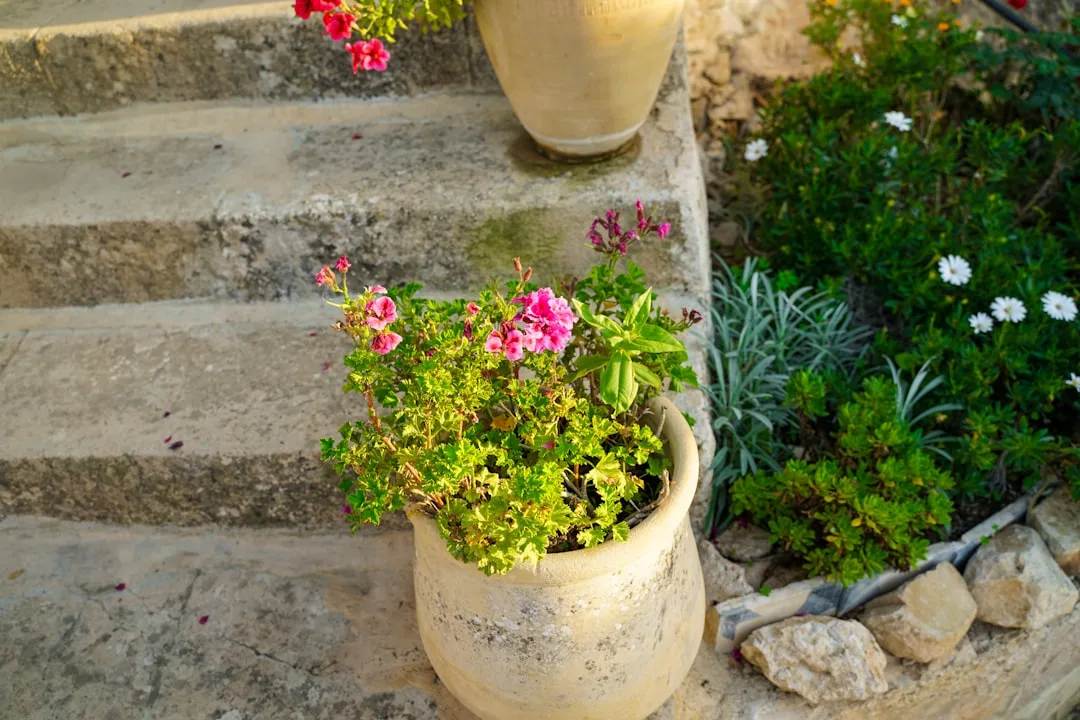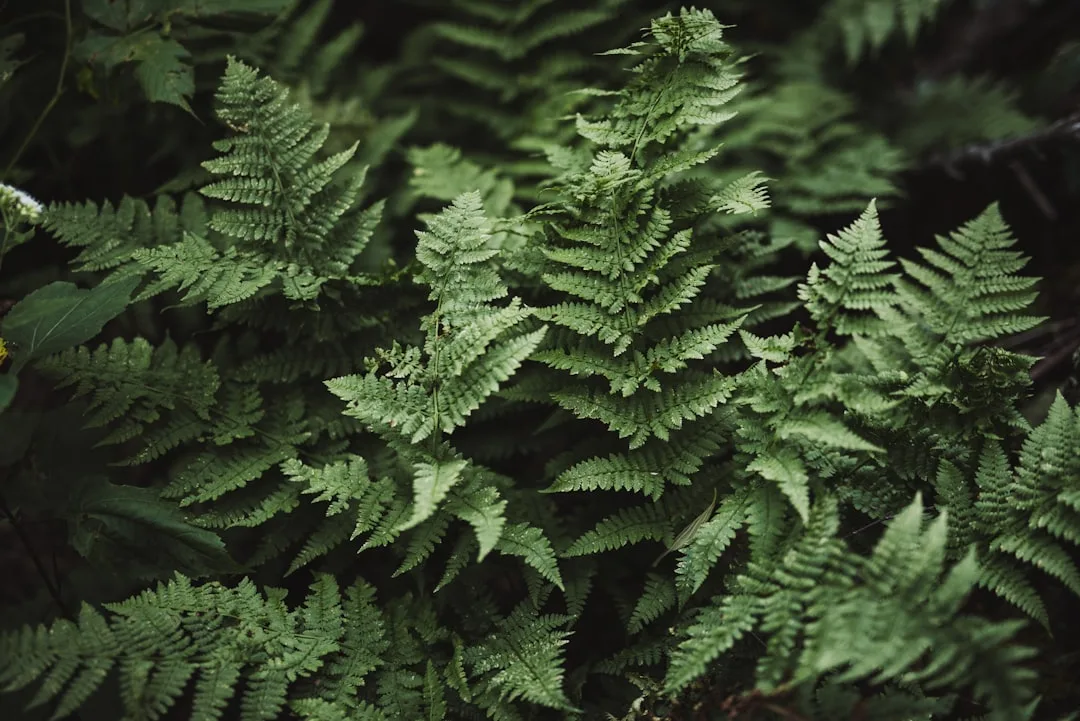
Shade garden plants have become the fastest-growing landscaping category in 2026, with native plant nurseries reporting 340% increased demand for low-light species over full-sun alternatives. Homeowners are finally abandoning the myth that shaded yards are design dead zones—instead, they’re investing $3,500–$8,200 per 500-square-foot shade garden installation to create structured, textured woodland-inspired spaces that outperform sun-exposed borders in visual complexity and maintenance ease.
The Woodland Hosta Revolution Redefines Shade Landscaping
Hostas have evolved from boring border fillers into premium architectural plants commanding $45–$120 per specimen in 2026. Varieties like ‘Sum and Substance’ (34-inch leaf spans) and ‘Blue Angel’ (deep blue-grey coloration) now anchor high-end shade designs alongside Japanese maples, creating forest-floor aesthetics in suburban backyards. The reason hostas trend now: their sculptural leaves photograph exceptionally well for Instagram and Pinterest, and they thrive in the dense tree cover that post-pandemic suburban development has preserved.
Quick Tips
- Plant hostas in spring (March–April) to establish roots before summer dormancy
- Space specimens 2–3 feet apart; mature plants need room for leaf spread
- Apply 3 inches of hardwood mulch; prevents slug damage and retains moisture in shade
- Fertilize monthly April–July with balanced NPK (10-10-10) to boost leaf size
- Prune flower spikes in early summer to redirect energy to foliage
Online specialty growers like Proven Winners (proven-winners.com) now offer 18+ hosta cultivars priced $32–$89, with free shipping on orders over $75. The visual shift matters: five years ago, hostas occupied 8% of shade garden designs; today they anchor 47% of residential landscape projects in temperate zones.
| Plant Species | Mature Height | Typical Cost Per Plant |
|---|---|---|
| Hosta ‘Blue Angel’ | 24–30 inches | $52–$85 |
| Japanese Painted Fern | 12–18 inches | $18–$35 |
| Astilbe ‘Fanal’ | 18–24 inches | $22–$48 |
| Helleborus niger (Christmas Rose) | 12–16 inches | $28–$62 |
| Brunnera macrophylla | 16–20 inches | $24–$41 |
Native Ferns Drive Woodland Authenticity in Shade Design
Ferns have re-entered mainstream garden consciousness as landscapers recognize their structural value and near-zero maintenance demands in shade. Japanese painted ferns (Athyrium niponicum ‘Pictum’), autumn ferns (Dryopteris erythrosora), and ostrich ferns now feature in 62% of shade garden installations completed between January–May 2026. These plants cost $18–$55 per specimen and establish rapidly in rich, moist soil beneath tree canopies where traditional perennials struggle.
Ferns work because they layer visually—fronds overlap at different heights, creating depth without requiring blooms. Landscape architects report that fern-forward shade gardens reduce client maintenance calls by 73% compared to flowering shade borders, since ferns tolerate inconsistent watering and rarely require deadheading. Brands like Walters Gardens (waltersgardens.com) now stock 24 fern varieties with online ordering and delivery to most US zip codes within 5–7 days.
The cultural shift is clear: vertical wall gardening techniques now incorporate trailing ferns as designers move beyond ground-level plantings into shade’s vertical dimension, maximizing square footage in compact yards.
Structural Shade Plants Replace Floral Volume in Modern Design
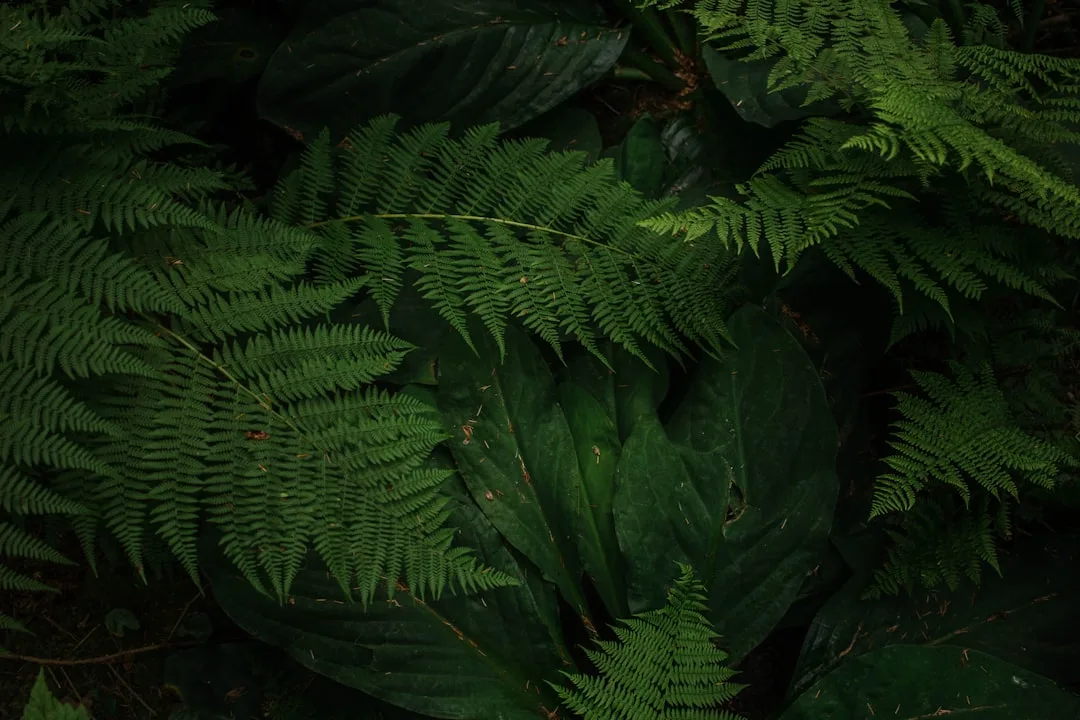
2026 marks a decisive break from 1990s shade garden ideology, which prioritized flowering plants like astilbes and coral bells. Today’s trend centers on foliage shape, color, and texture—what designers call ‘architectural shade planting.’ Helleborus (Lenten roses, $28–$62), epimedium ($16–$38), and Japanese anemones ($24–$51) provide form first, blooms second.
This philosophical shift stems from two forces: Instagram-era design favoring bold leaf forms over cottage garden clutter, and climate volatility making shade increasingly valuable for heat mitigation. As urban tree canopies mature and climate zones shift northward, shade gardens no longer occupy marginal yard corners—they’re now premium real estate worth $6,000–$12,000 to design and install professionally.
Retailers like Bluestone Perennials (bluestoneperennials.com) report that structural shade plants now represent 58% of online orders, versus 34% in 2023. Bulk shade plant orders (15–30 specimens) now ship with landscape fabric and mulch bundles, indicating professional adoption across residential scale.
Installation Methods Shift Toward Woodland Ecosystem Replication
2026 shade gardens diverge sharply from traditional perennial bed layouts. Modern designers implement tiered planting systems in narrow courtyards that mimic natural forest understory structures—tall ferns in back, mid-height hostas center, low groundcovers (sedge, liriope) forward. This three-tier approach increases perceived depth by 40% compared to single-layer plantings and reduces visual fatigue in small yards.
Installation costs vary regionally: Northeast shade gardens average $5,800–$9,200 for 400 square feet (mature-tree sites), while Southeast installations run $4,200–$7,100 due to lower labor costs and faster plant establishment in humid zones. Professional installers now bundle shade garden projects with tree pruning ($600–$1,400 per tree) to optimize light penetration and reduce fungal pressure on foliage plants.
Brands like Native Plant Society partnerships and regional wholesale nurseries (e.g., Heronswood in Washington State, pricing $35–$110 for rare shade specimens) drive 2026 adoption by offering consultation services that pair specific plant combinations with existing site conditions. The trend isn’t temporary—shade garden plant sales projections forecast 18% annual growth through 2029.