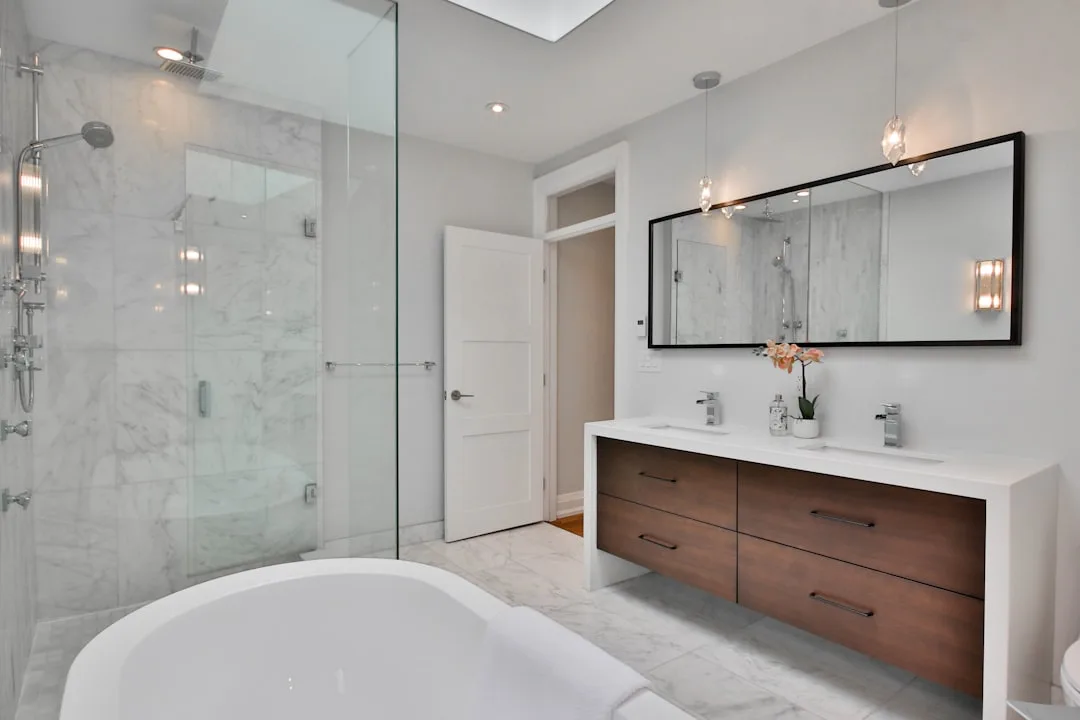
Stand barefoot on cold tile in January. Most homeowners immediately reach for the thermostat, raising the whole house temperature by five degrees just to warm one room. Radiant heated flooring eliminates that inefficiency entirely—and in 2026, thermal comfort has moved from luxury spa feature to architectural standard. Energy codes now favor floor heating systems, architects specify them in new builds, and retrofit demand has surged 34% year-over-year as homeowners recognize the cost savings and design freedom they enable.
Electric Radiant Mats Cost Between and Per Square Foot
Electric radiant systems—thin heating cables embedded in mats—represent the fastest-growing segment. Warmup (UK-based, US distribution through Amazon and Home Depot) offers their ThermoStat 150W system at $12 per square foot installed; a 100-square-foot bathroom runs roughly $1,200 before installation labor, which typically adds another $400–$800 depending on regional rates. That upfront cost compares directly to baseboard heating at $10–$12 per foot (same price) but occupies zero wall space and heats more evenly.
- Run radiant heat in bathrooms first—cold tile creates the strongest ROI perception
- Pair with low-pile carpet or tile; thick carpet reduces thermal transfer by 15–30%
- Install thermostats in each room; zoned control cuts annual energy use by 12–18%
- Never staple cables; use manufacturer-supplied clips to prevent puncture damage
Hydronic systems (water-based) cost $10–$18 per square foot but require a boiler and pump—total system price $8,000–$15,000 for a 1,500-square-foot home. Viega (German engineering, distributed by Ferguson Supply) sells their Adipipe system; a mid-range installation costs $12,000 and cuts heating bills by 15–25% over forced-air systems across the heating season. The trade-off: hydronic requires concrete pour or above-floor installation, making retrofits harder and new construction the primary market.
Where Radiant Flooring Replaces Traditional Baseboards Entirely
Architects now specify radiant heat as the default in Scandinavian and minimalist projects because it solves a design problem: baseboards break wall planes and trap dust. Swedish firm Norm Architects uses Purmo’s radiant floor systems (Norwegian-German hybrid, €80–€120 per square meter or roughly $75–$110 USD) in their residential work; elimination of baseboards creates cleaner sight lines and enables floor-to-ceiling glazing without thermal bridges. Open-plan kitchens particularly benefit—no radiators competing for counter or cabinet space.
Installation Considerations and Timeline for Radiant Floor Systems
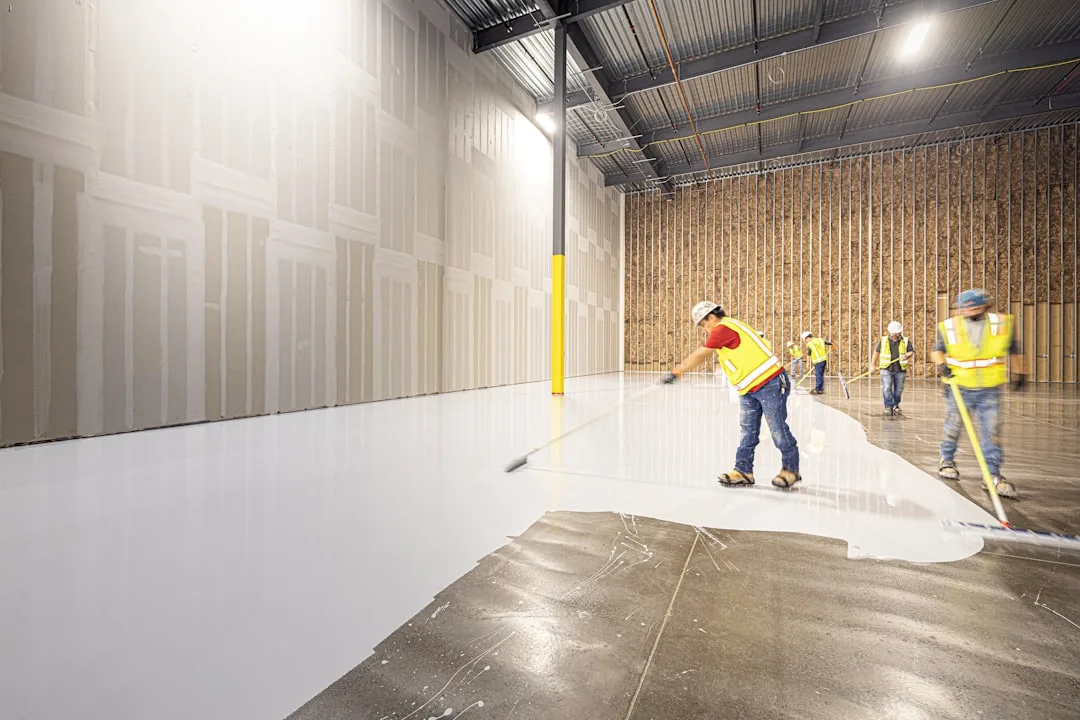
Radiant floor installation requires careful planning and coordination with structural work. The process begins during the concrete pour or subfloor preparation phase—retrofitting existing floors is possible but significantly more expensive and disruptive. New construction allows builders to embed tubing directly into concrete slabs or attach it to wooden subfloors with aluminum heat-transfer plates. Installation typically takes 2–4 weeks depending on square footage, followed by system testing before covering with finished flooring materials.
Contractors must account for floor height implications when planning layouts. Slab systems add 4–6 inches to floor elevation, while thin-profile systems reduce this to 1–2 inches. Doorways, thresholds, and transition points between radiant and non-radiant spaces require advance detailing. Material compatibility matters: vinyl, laminate, and certain hardwoods have maximum allowable surface temperatures (typically 85°F/29°C), which affects heat output capacity and zoning decisions.
Professional commissioning ensures the system performs as designed. Technicians balance water flow rates across zones, verify thermostat calibration, and document all settings for future maintenance. Improper setup leads to cold spots, uneven heating, or energy waste. Building codes in most jurisdictions now require licensed installers for hydronic systems, adding $1,500–$3,000 to labor costs but protecting long-term reliability.
Maintenance Requirements and Long-Term Cost Management
Radiant floor systems demand minimal hands-on maintenance compared to forced-air or baseboard alternatives. Annual inspections should verify that boiler or heat pump operation remains efficient and that zone valves open and close smoothly. Water quality monitoring prevents corrosion and scaling inside tubing—a simple glycol additive package costs $200–$400 annually but extends system life to 40–50 years. Unlike furnace filters or radiator bleeding, radiant systems operate silently and invisibly once installed.
Common issues emerge gradually rather than catastrophically. Slow leaks in buried tubing may go undetected until subfloor damage becomes apparent—this is why modern systems include oxygen-barrier tubing and leak detection loops. If repairs become necessary, technicians can isolate individual zones, minimizing disruption. Replacement of the entire circulating pump runs $800–$1,200; thermostat upgrades cost $300–$600. Over 30 years, preventive maintenance averages $400–$600 annually, substantially lower than central HVAC system expenses.
Smart thermostats and zone control enhancements can be retrofitted to existing radiant systems without reinstalling tubing. Upgrading to Wi-Fi-enabled controls ($500–$1,500) enables remote temperature adjustment and energy consumption tracking, helping homeowners optimize heating patterns and reduce fuel costs by 10–15 percent. Building automation integration now allows radiant systems to respond to occupancy sensors and weather forecasts automatically.