
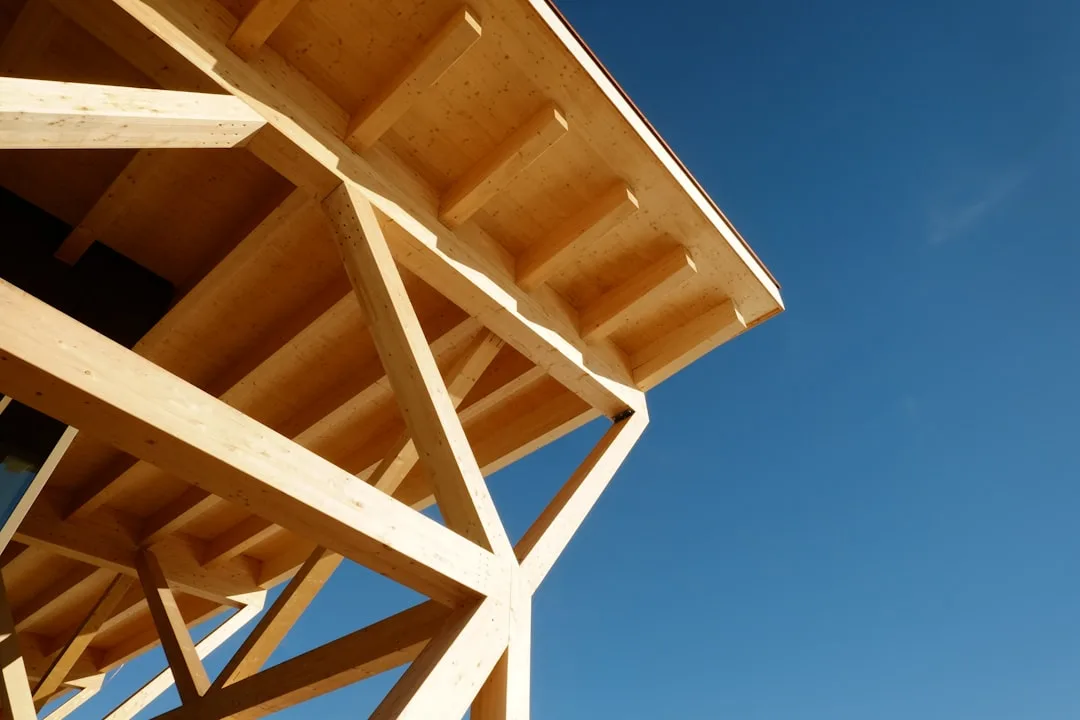
Timber construction depends on more than the beauty of large beams and the strength of upright posts. The real performance of a post-and-beam structure often lives at the connection points, where horizontal and vertical members meet. These junctions determine how loads move through the frame, how the structure resists movement, and how well the system performs over years of use. A beam may look powerful and a post may appear solid, but without proper connections, the frame lacks the coordinated strength required for dependable construction.
Modern timber projects use a mix of traditional principles and contemporary hardware. Some designs highlight exposed metal connectors, while others conceal fasteners for a cleaner architectural look. Porches, pavilions, pergolas, cabins, timber-frame homes, and commercial spaces may all require different connection strategies. The right approach depends on structural loads, span lengths, moisture exposure, installation access, and the visual style of the project. In short, timber connection planning is where engineering shakes hands with design.
Why Beam-to-Post Connections Matter
A beam-to-post connection must do several jobs at once. It needs to hold the beam in the correct position, transfer weight safely into the post, resist shifting, and support the overall geometry of the frame. In some structures, the connection also helps resist uplift, lateral movement, and twisting. These forces may come from roof loads, wind, occupancy, snow, or repeated use over time.
Poor connections can create structural problems even when the timber members themselves are strong. A beam that is not properly seated can shift. A fastener that is not sized correctly can weaken the joint. A bracket that is not suitable for the load can create stress at the connection point. This is why builders treat connectors, brackets, fasteners, and bearing surfaces as essential parts of the structural system rather than minor accessories.
What Hardware Is Commonly Used for Timber Beam Connections?
Timber structures depend on reliable connection points to transfer loads between major framing members. While beams and posts provide the primary structural framework, the effectiveness of that framework often depends on the components used to secure those elements together. Builders evaluate connection methods according to structural requirements, installation considerations, and the overall design of the project. Strong connections help maintain stability while supporting the long-term performance of the structure.
One of the most widely used connection solutions is wood beam brackets. These hardware components help secure beams to posts and other structural members while supporting load transfer throughout the framing system. Brackets are available in a variety of configurations designed to accommodate different construction methods, connection requirements, and architectural preferences. In exposed timber structures, they may also contribute to the visual character of the project by becoming part of the finished design rather than remaining hidden from view.
Connection hardware serves an important role beyond simple attachment. Properly selected components help reinforce critical junctions, improve structural consistency, and support the overall integrity of the framing assembly. The exact configuration depends on project requirements, framing layouts, and the desired balance between structural performance and appearance.
Timber construction succeeds when individual components function as a coordinated system. Beams carry loads across spans, posts provide vertical support, and connection hardware helps integrate those elements into a unified structure. Understanding the role of beam connection components allows builders and designers to make more informed decisions when planning durable and visually appealing timber projects.
Common Beam-to-Post Connection Methods
Modern construction offers several ways to connect timber beams to posts. Some projects use exposed brackets, bolts, plates, or decorative hardware. Others rely on concealed connectors, bearing notches, mortise-and-tenon joinery, or hybrid assemblies that combine traditional woodwork with modern fasteners. The best method depends on the project’s structural requirements and desired appearance.
In many outdoor structures, visible brackets are practical because they are easier to inspect and can contribute to a rugged architectural look. In refined interiors, concealed connections may be preferred because they keep attention on the timber itself. For heavy structural work, engineered connection details may be required to meet code and safety expectations. The connection should always be selected for the load, not merely for the look.
Bearing Support Is Essential
A beam should not rely only on fasteners when it carries significant weight. Proper bearing allows the beam to rest on a post, notch, seat, or supporting connector so loads transfer downward through the structure. Fasteners then help secure the assembly and resist movement. This combination of bearing and fastening creates a stronger connection than attachment alone. Like a handshake backed by a solid footing, the joint must be both secure and properly supported.
Balancing Strength With Visual Design
In exposed timber construction, connection hardware often becomes part of the finished appearance. Black steel brackets, decorative plates, visible bolts, and shaped connectors can create a strong architectural identity. This works especially well in rustic, industrial, farmhouse, lodge, and post-and-beam designs. The hardware should feel intentional, not accidental. Its scale, finish, and placement should match the size of the timber and the character of the space.
Interior design choices also affect how timber connections are perceived. Dark hardware against warm beams can create contrast, while lighter finishes may produce a softer effect. Projects that include rich wood surfaces, such as bedroom designs with elegant dark wood floors, show how deeper wood tones can support a more dramatic and grounded atmosphere. Beam connections should be planned within that same material language so the frame feels connected to the surrounding design.
Moisture, Movement, and Outdoor Conditions
Timber is a natural material, and it responds to moisture and temperature changes. Outdoor structures face rain, humidity, sunlight, and seasonal movement. These conditions can affect both the wood and the hardware used to connect it. Brackets, bolts, screws, and plates should be selected with corrosion resistance in mind, especially in exposed or damp environments.
Connection design should also avoid trapping water against the timber. Poorly detailed hardware can create pockets where moisture collects, increasing the risk of decay over time. Good detailing allows water to drain, air to circulate, and finishes to protect vulnerable surfaces. The strongest connection is not only strong on installation day; it is designed to remain reliable after years of weather, movement, and regular use.
Wood as a Structural and Design Material
Wood continues to appear across construction, interiors, furniture, and even material innovation because it offers strength, adaptability, and natural character. Its use extends far beyond framing, and modern industries continue to explore new ways to apply wood-based materials. Discussions around wood-based materials and sustainability questions show how widely wood influences design, production, and environmental conversations.
In timber construction, this broader importance becomes visible in a very practical way. A beam-to-post connection is not only a technical joint; it is part of how wood performs as a building material. The connection must respect wood grain, movement, load capacity, and exposure conditions. When hardware and timber are selected together, the structure gains strength without losing the natural character that makes wood appealing.
Brand Section: Why Quality Timber Hardware Planning Matters
Quality timber hardware planning helps builders create safer, cleaner, and more visually consistent structures. Brackets and related connectors should be chosen with attention to load requirements, timber dimensions, installation method, finish, and exposure conditions. A connection that suits an interior decorative beam may not be appropriate for an outdoor pavilion or a heavy structural frame.
Reliable bracket and timber component guidance can help project teams avoid mismatched hardware, weak connections, and awkward visual details. In exposed timber projects, the connection is part of the design. When the hardware looks proportional and performs correctly, it strengthens both the frame and the architectural impression. Good planning turns the joint from a problem area into a purposeful detail.
Installation Accuracy Protects Performance
Even well-chosen hardware can underperform if it is installed incorrectly. Beams and posts must be aligned properly, fasteners must be placed according to requirements, and brackets must sit flush where needed. Incorrect drilling, poor bolt placement, over-tightening, or insufficient bearing can weaken the connection. Builders should follow applicable engineering guidance, manufacturer instructions, and local building requirements.
Installation planning should also consider access. Large beams may require lifting equipment, temporary bracing, or multiple installers. Outdoor work may need weather protection during assembly. Interior work may need coordination with walls, ceilings, lighting, and finishes. A connection is easier to build correctly when the process has been planned before the timber arrives on site.
Conclusion
Timber beams connect to posts through a combination of bearing support, hardware, fasteners, joinery, and careful installation. These connections transfer loads, resist movement, and help the frame operate as a unified system. Brackets, plates, bolts, concealed connectors, and traditional joinery methods all have a place in modern construction when selected according to project needs.
The strongest timber structures are not defined only by impressive beams or sturdy posts. They are defined by how well every part works together. When beam-to-post connections are planned with structural care and visual intention, timber construction gains the stability, durability, and architectural character that make it valuable in both modern and traditional building design.
You Might Also Like




Related Topics