Your front door sets the mood before anyone steps inside. And honestly, most modern homes still get it wrong — a generic slab in off-white, zero personality. I’ve spent months collecting door designs that break that pattern. Below you’ll find 24+ ideas split into three camps: futuristic doors with LED strips and smart glass by brands like Schüco and Oikos, minimalist slabs in matte charcoal steel, and nature-driven entries carved from solid walnut or clad in Vals quartzite. Each section covers specific materials, approximate price ranges, and the thermal ratings you’ll actually need for a front-facing door. Pick the style that fits your facade — then steal the details.
Quick Summary
Styles covered: Futuristic (smart glass, pivot hinges, LED), Minimalist (matte steel, flush handles, hidden hardware), Nature-inspired (walnut slabs, stone cladding, raw textures)
Price range: $2,500 – $12,000 installed, depending on materials and hardware
Key brands mentioned: FritsJurgens, Schüco, Oikos, Formani, Yale, Gauzy
Thermal benchmark: U-value ≤ 1.0 W/m²K for climate-efficient front doors
Total designs: 24+ photo examples across 3 style categories
| Feature | Futuristic | Minimalist | Nature-Inspired |
|---|---|---|---|
| Primary Materials | Smart glass, composites, steel | Powder-coated steel, aluminum, glass | Walnut, oak, accoya, quartzite |
| Price Range (installed) | $5,000 – $12,000+ | $2,500 – $6,000 | $3,000 – $8,000 |
| Best U-Value Achievable | 0.7 – 1.0 W/m²K | 0.8 – 1.2 W/m²K | 1.0 – 1.4 W/m²K |
| Maintenance Level | Medium (electronics, seals) | Low (wipe-clean surfaces) | High (oiling, sealing, 1–2× year) |
| Security Features | Biometric, smart locks, app control | Concealed multi-point locks | Standard or smart deadbolt |
| Best For | Contemporary & ultra-modern facades | Clean-line, urban, Bauhaus-style homes | Rustic, Scandinavian, organic architecture |
Futuristic Front Door Designs: Smart Glass, LED Lighting, and Pivot Hinges
The concept of the main entrance has undergone a dramatic transformation in the realm of modern architecture. No longer just a barrier between the inside and outside world, it has evolved into a statement piece, especially when it comes to futuristic flair in main entrance modern door designs. These designs push the boundaries of traditional aesthetics and functionality, introducing a vision of the future into our present homes.
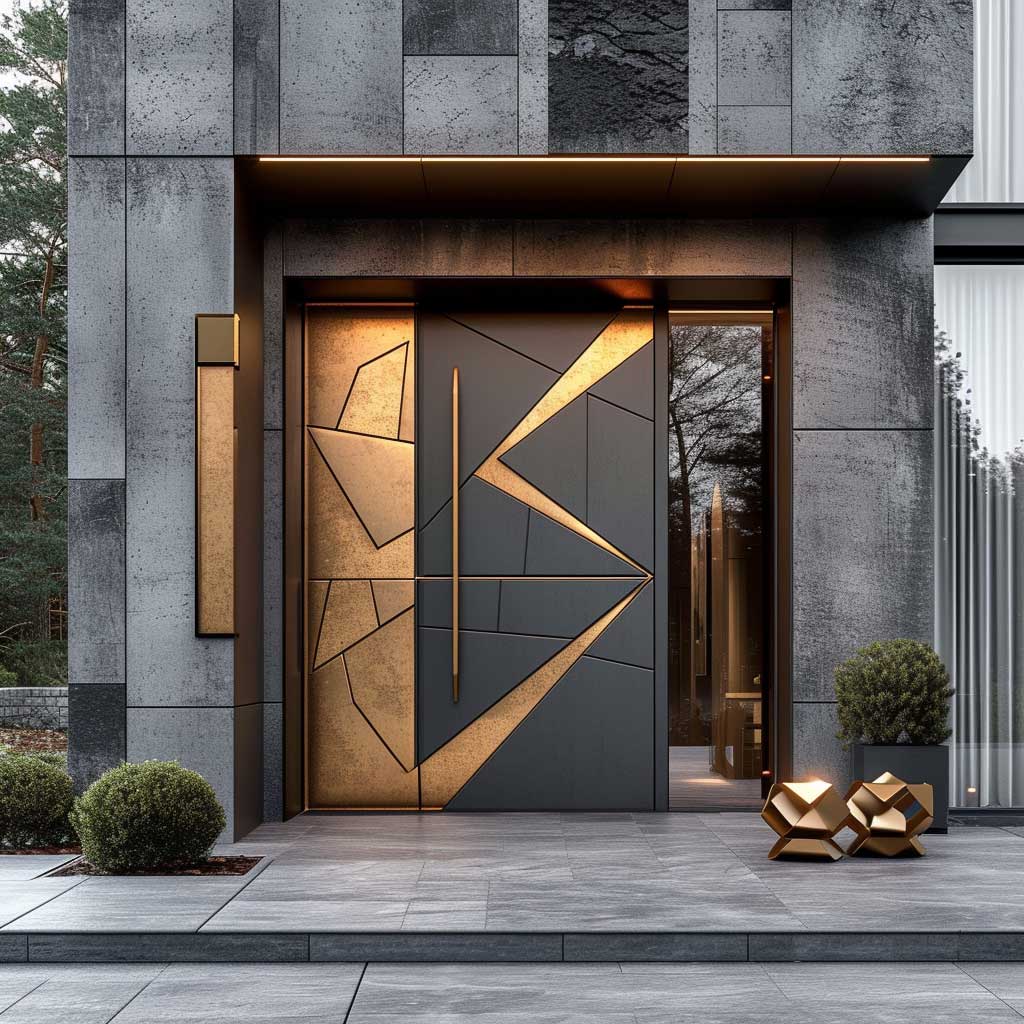


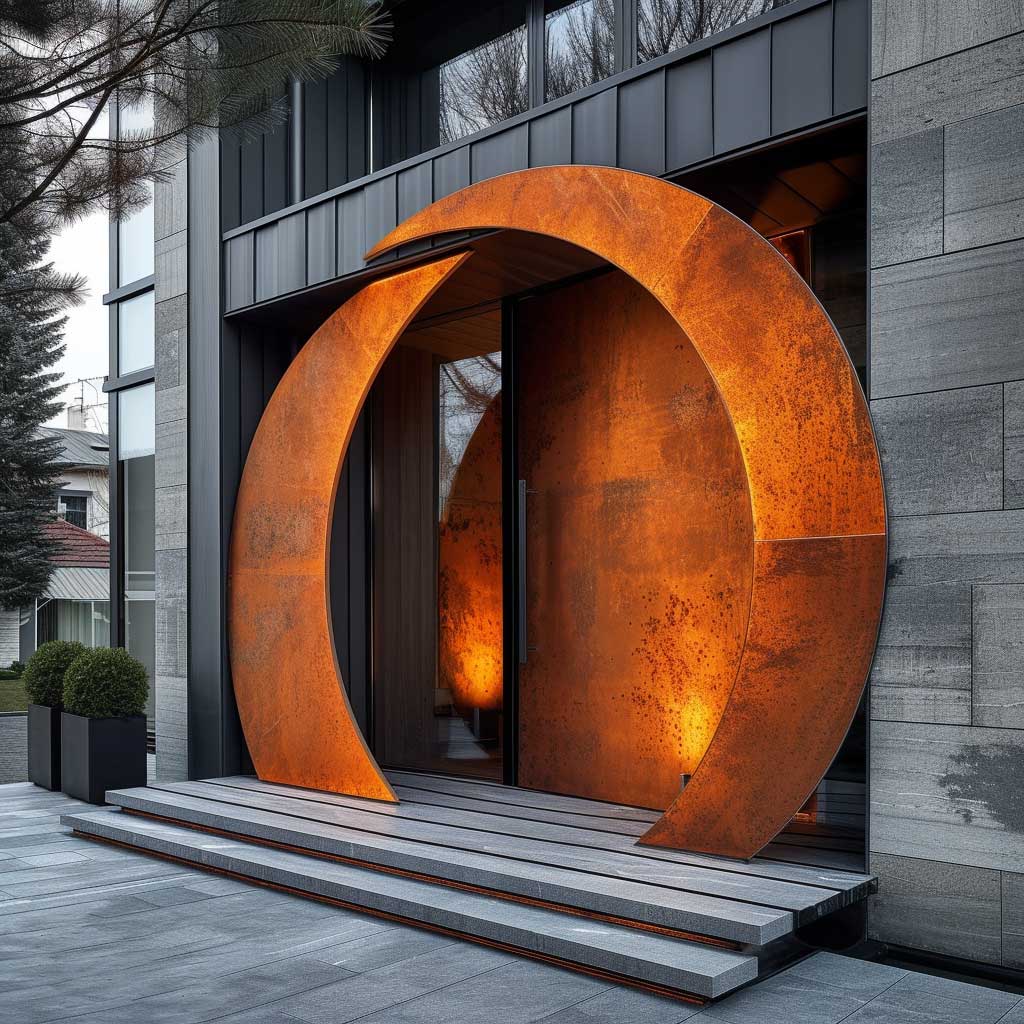
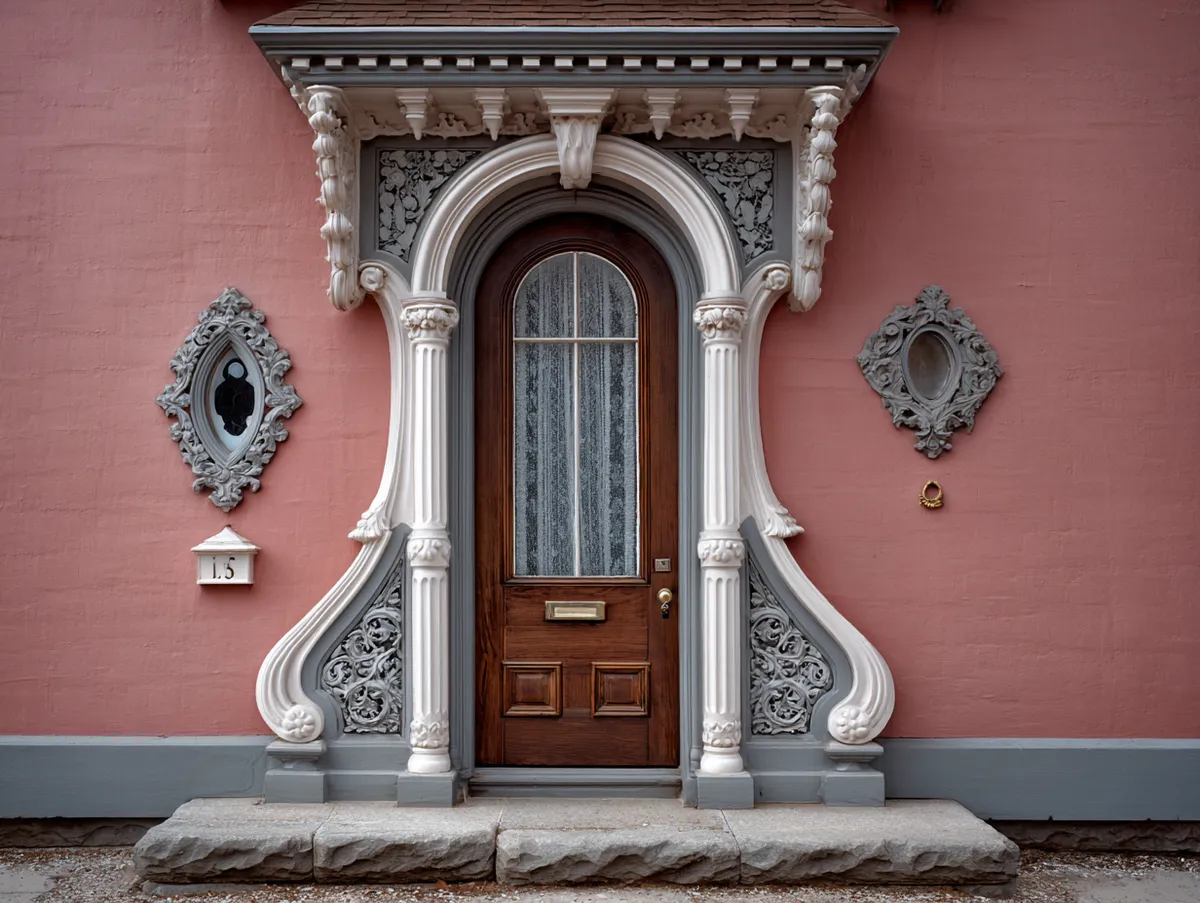
Futuristic door designs often stand out for their use of unconventional shapes and materials. Unlike the standard rectangular forms, these doors may feature curves, asymmetric patterns, or even dynamic sculptural elements. Materials such as high-tech composites, metals with unique finishes, or even smart glass that changes opacity, are commonly used. These materials are not just chosen for their appearance but also for their enhanced durability and performance, offering better insulation, security, and longevity. If you’re considering a steel door design for added security, many futuristic models now use powder-coated or thermally broken steel frames that handle both aesthetics and structural strength.
The color schemes in these modern door designs are also a departure from the norm. Bright, bold colors or even sleek black or metallic shades are used to make a strong visual statement. The use of LED lighting integrated into the door design is another aspect that adds to the futuristic appeal. This lighting can highlight the door’s features at night and can be programmed to change colors, further enhancing the modern aesthetic.
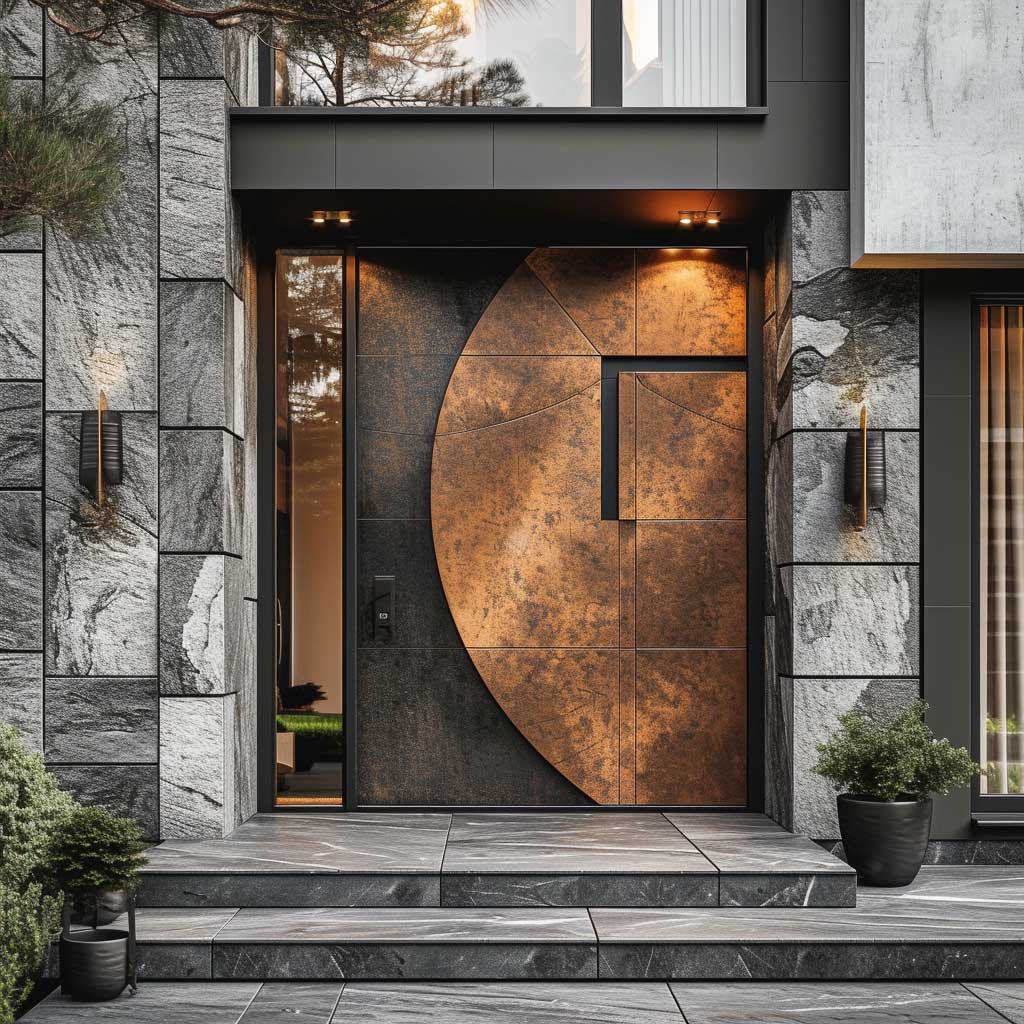

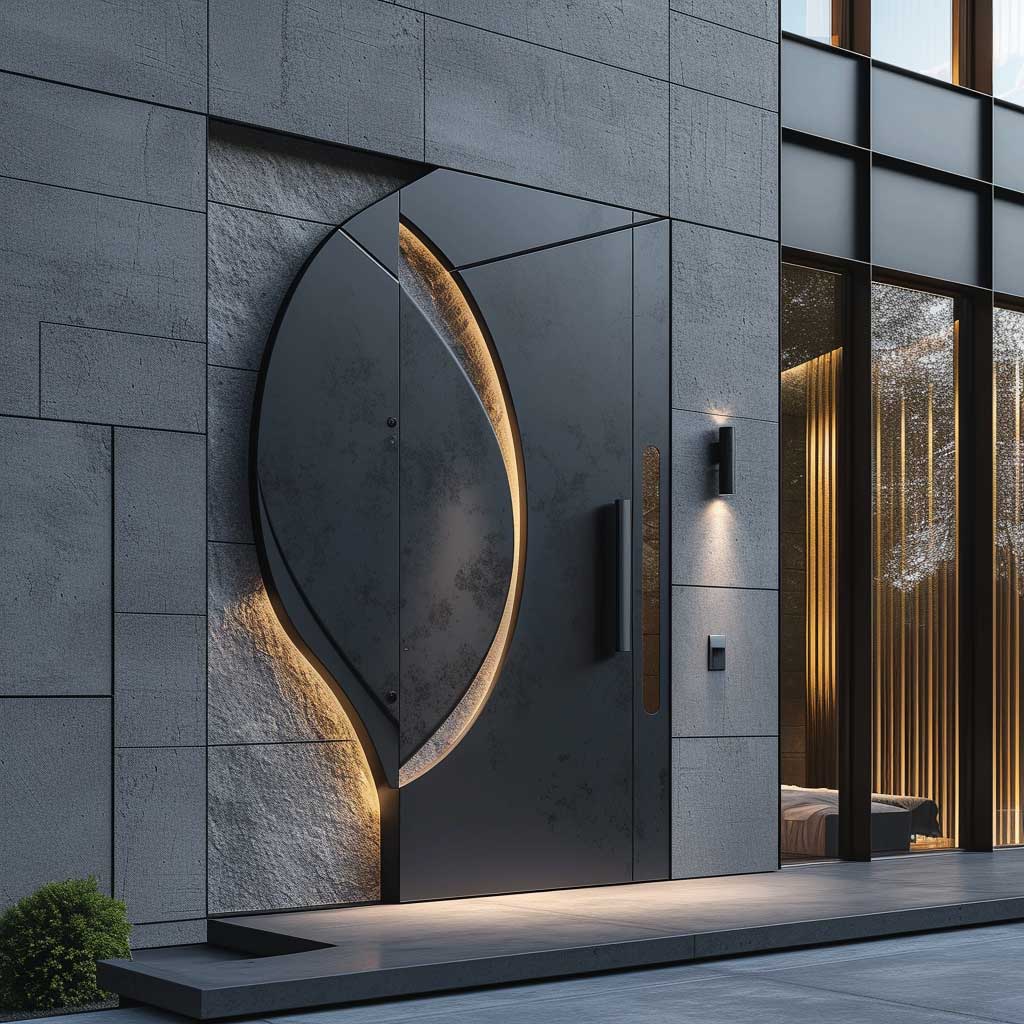
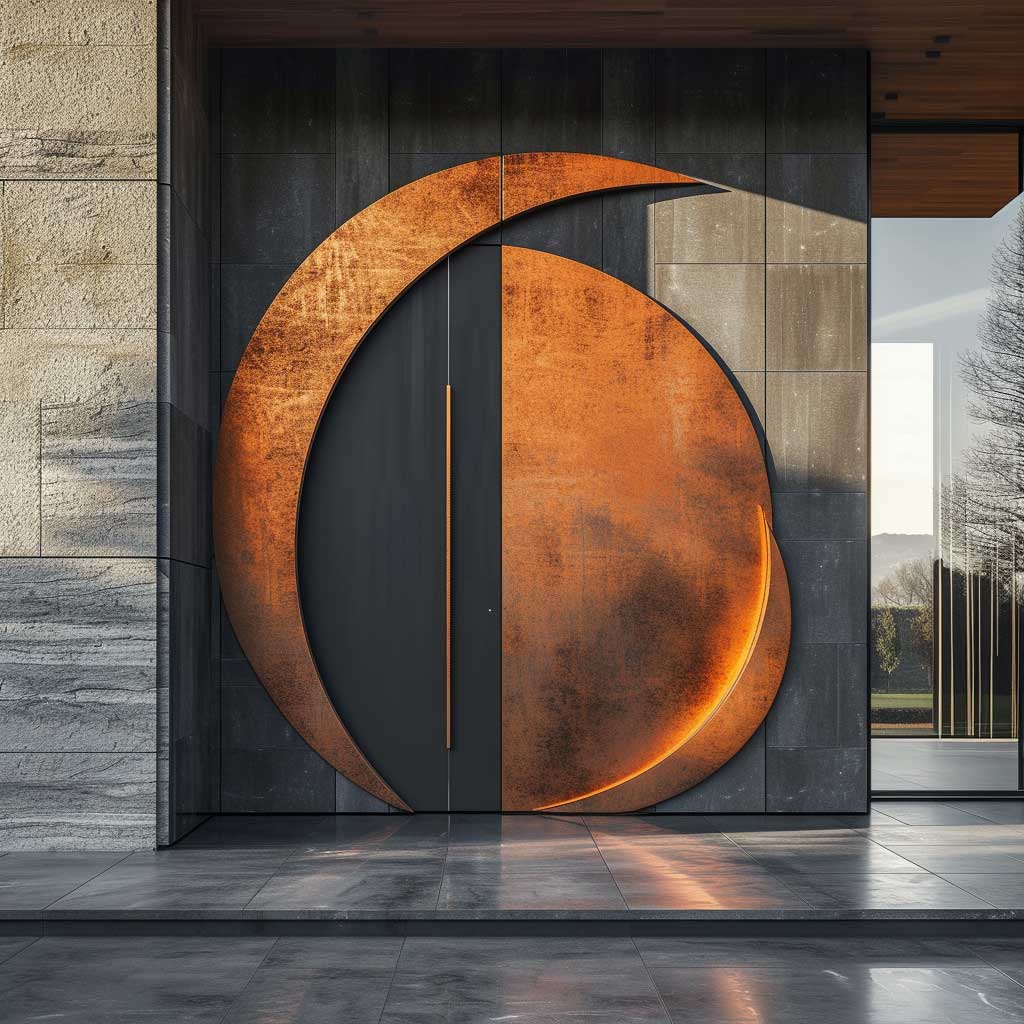
Smart technology integration is another key aspect of these futuristic door designs. Features such as biometric locks, touchless entry systems, or doors that can be controlled via a smartphone app are becoming increasingly common. This integration of technology not only adds to the convenience but also significantly boosts the security of the home.
Pivot doors deserve a separate mention. A standard hinge limits you to about 42 inches of width — a pivot mechanism handles 60 inches or more without sagging. FritsJurgens and Klose are the two brands I keep seeing in high-end projects, with their concealed floor springs rated for panels up to 500 kg. The price gap is real though. You’ll pay $3,000–$8,000 just for the hardware on a FritsJurgens System 3, before the door panel itself. But a 10-foot-tall pivot door in blackened steel and triple-pane low-E glass — that’s the kind of entrance people photograph from the sidewalk. If you’re budgeting, look at Portapivot’s Steelframe range; it starts around $1,800 for the frame kit, and you source your own panel. Smart glass — the type that switches from clear to opaque — runs about $50–$100 per square foot from brands like Gauzy or SmartGlass International. Worth it for a south-facing entry where privacy matters at noon but you still want evening light.
Environmental sustainability is also a critical component of futuristic door design. The use of eco-friendly materials and energy-efficient technologies is a reflection of modern society’s consciousness about environmental impact. Features like thermal insulation, weather stripping, and energy-efficient glass are built into these designs, contributing to reducing the home’s carbon footprint. For doors with glazed panels, it’s worth checking the ENERGY STAR residential doors certification requirements to verify that your chosen model meets the U-Factor standards for your climate zone.
In embracing the futuristic flair in main entrance modern door designs, homeowners are making a statement about their vision of the future. These doors are not just functional elements but are artworks that reflect a blend of innovation, style, and forward-thinking.
Minimalist Modern Door Designs: Matte Steel, Flat Panels, and Hidden Hardware
In the world of modern architecture and design, minimalism has become a significant trend, especially in the design of main entrances. The minimalist marvel in main entrance modern door designs is about stripping away the unnecessary, focusing on simplicity, and highlighting the beauty of clean lines and unadorned surfaces. This approach not only offers a visual respite from the chaos of everyday life but also elevates the entrance to a work of art.


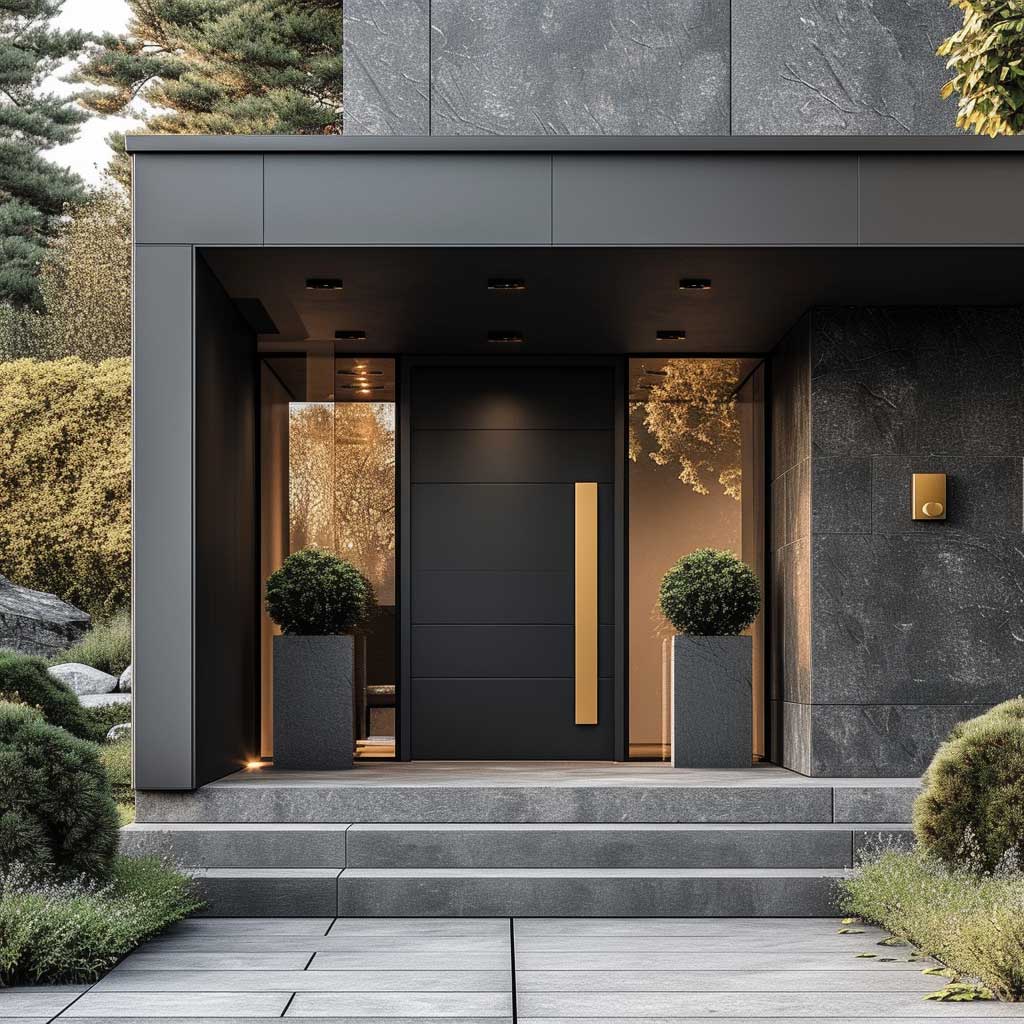
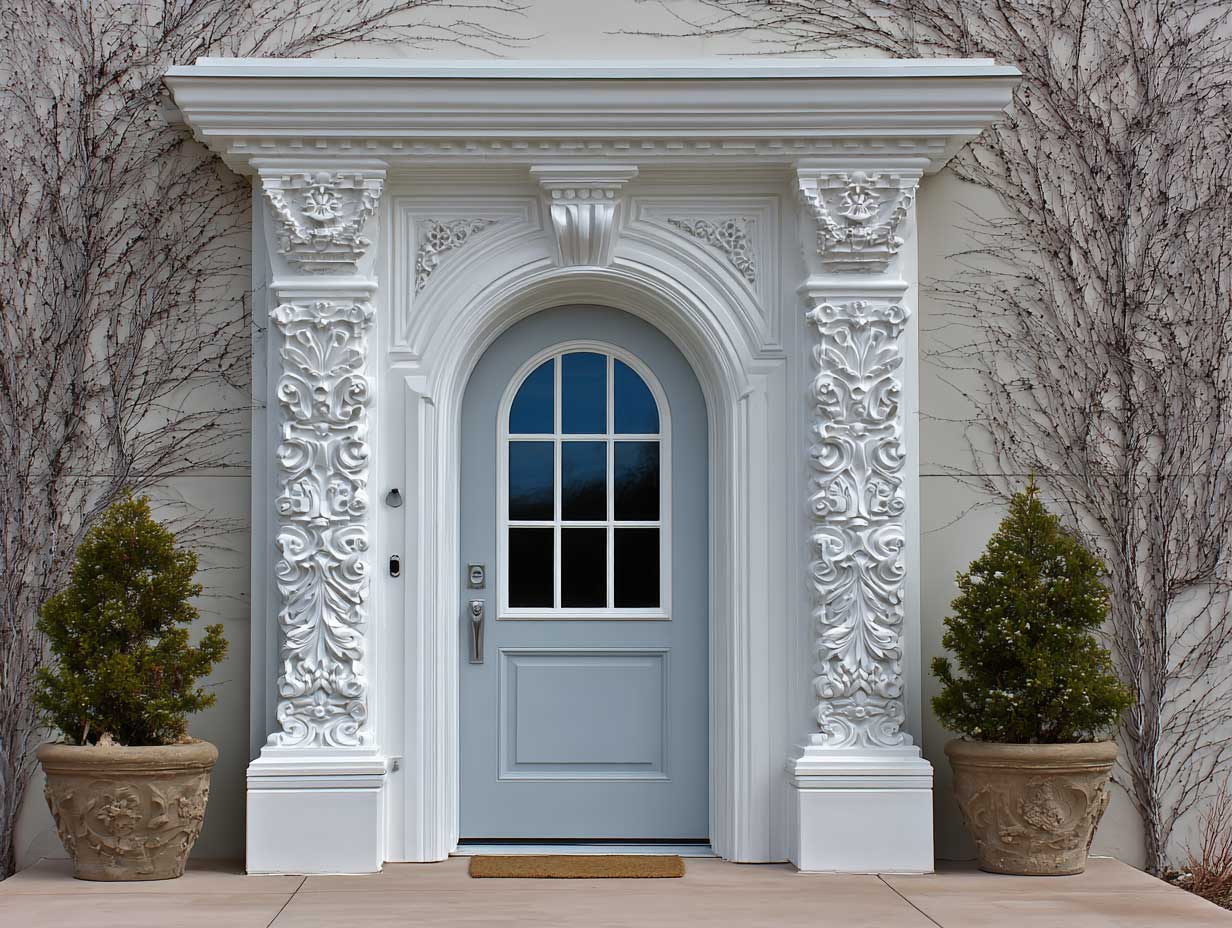
The essence of minimalism in door design is characterized by a restrained color palette and a lack of superfluous decoration. Colors are typically monochromatic – whites, blacks, or greys – creating a serene and cohesive look. The beauty of these doors lies in their subtlety and the focus on the purity of form. There is an emphasis on geometric shapes, clean lines, and flat surfaces, making the door blend seamlessly with the modern architectural style of the home. For a deeper look at how this approach works with double door configurations at the main entrance, minimalist principles scale beautifully to wider openings.
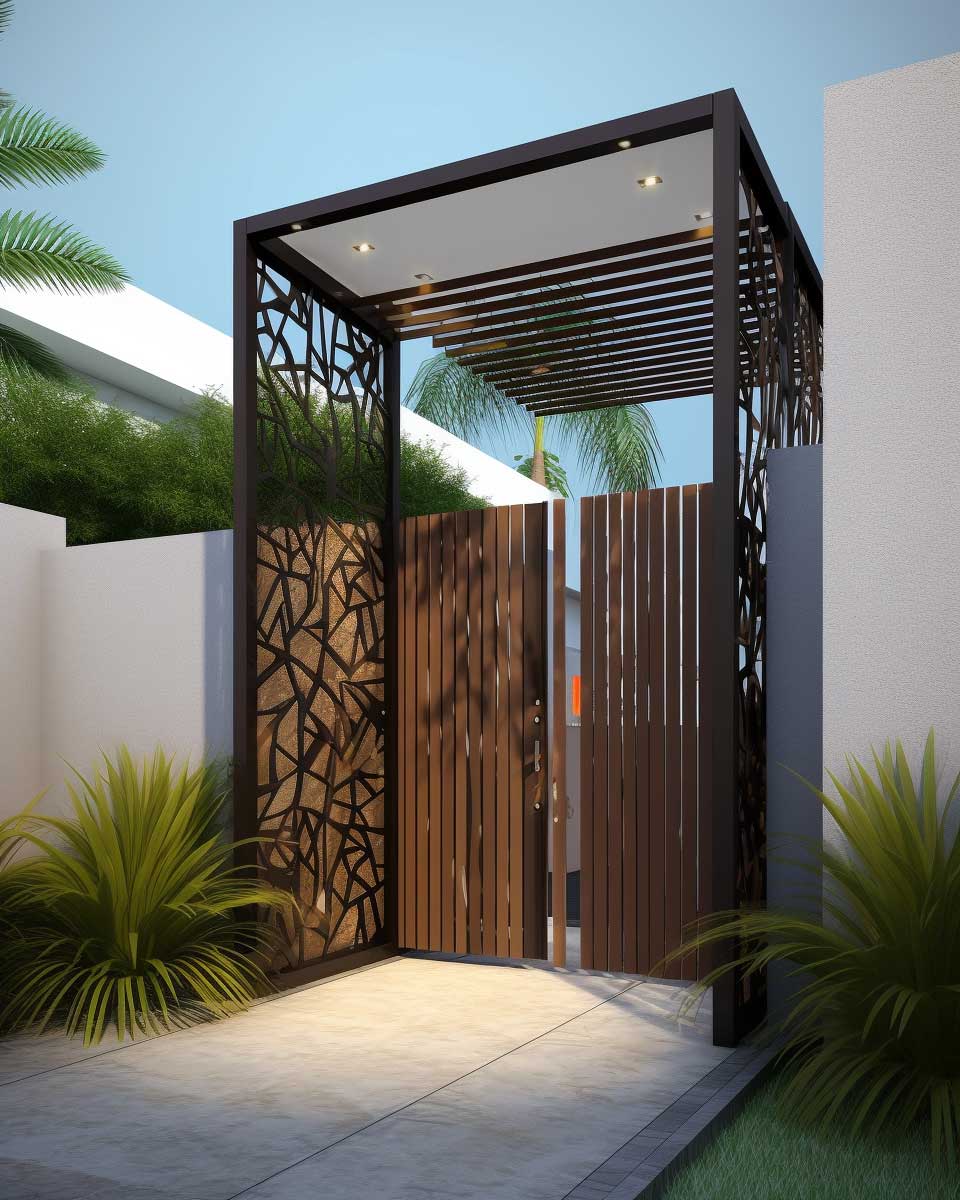
Material choice in minimalist door designs is crucial. Materials are selected for their quality and texture, with a preference for natural materials like wood or stone, or industrial ones like steel or glass. The finishes are often matte or satin, contributing to the understated elegance of the design. The hardware, including handles and hinges, is usually sleek and unobtrusive, furthering the minimalist aesthetic.
Let me get specific about handles because they make or break a minimalist door. Flush-pull handles — the kind recessed into the panel — keep the surface clean. Formani, a Dutch brand, makes the ONE series in PVD-coated stainless steel at about $180–$350 per unit. Cheaper but decent: the Griffwerk R8 One at around $90. Skip anything with a visible rosette. For locks, a keypad or fingerprint reader tucked into the door edge beats a standard cylinder on minimalist designs. Yale’s Assure Lock 2 costs about $250 and sits nearly flush. And here’s something many people overlook: the threshold. A recessed zero-level threshold with a drop seal — like the ones from Planet or Assa Abloy — removes that visible metal strip at the bottom and makes the door look like it floats above the floor line.


Functionality is not sacrificed for form in these minimalist designs. Modern technologies are integrated subtly, ensuring that the door is as practical as it is beautiful. Security features like advanced locking mechanisms are discreetly incorporated, maintaining the clean lines of the design. Energy efficiency is also a key consideration, with materials and construction techniques chosen to ensure optimal insulation and sustainability. The U.S. Department of Energy’s guide to energy performance ratings explains how U-Factor and SHGC values work for doors, which helps you compare minimalist models side by side on thermal performance alone.
The minimalist marvel in main entrance modern door designs is not just about following a trend; it’s a lifestyle choice. It reflects a preference for uncluttered spaces, a love for simplicity, and a desire for a home that is a sanctuary of calm and order. In this context, the main entrance becomes more than just a door; it’s a statement about the value of simplicity and the beauty of restraint.
Nature-Inspired Front Door Ideas: Walnut Slabs, Stone Cladding, and Raw Textures
The integration of natural elements in modern design has gained significant traction in recent years, and this trend is beautifully encapsulated in nature-inspired main entrance modern door designs. These designs bridge the gap between the natural world and contemporary living, bringing a sense of balance and harmony to the forefront of home design. This approach to door design is not just about aesthetics; it’s about creating a connection with the natural environment.
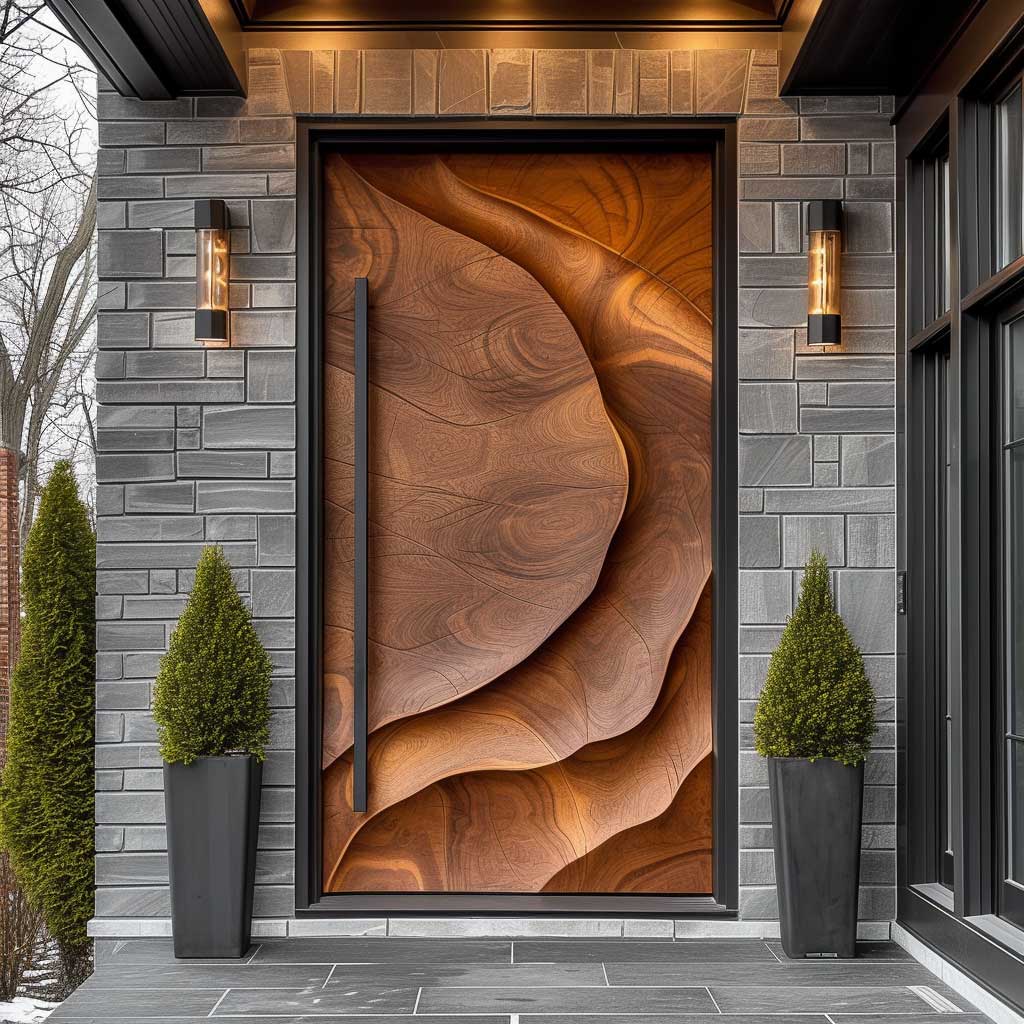


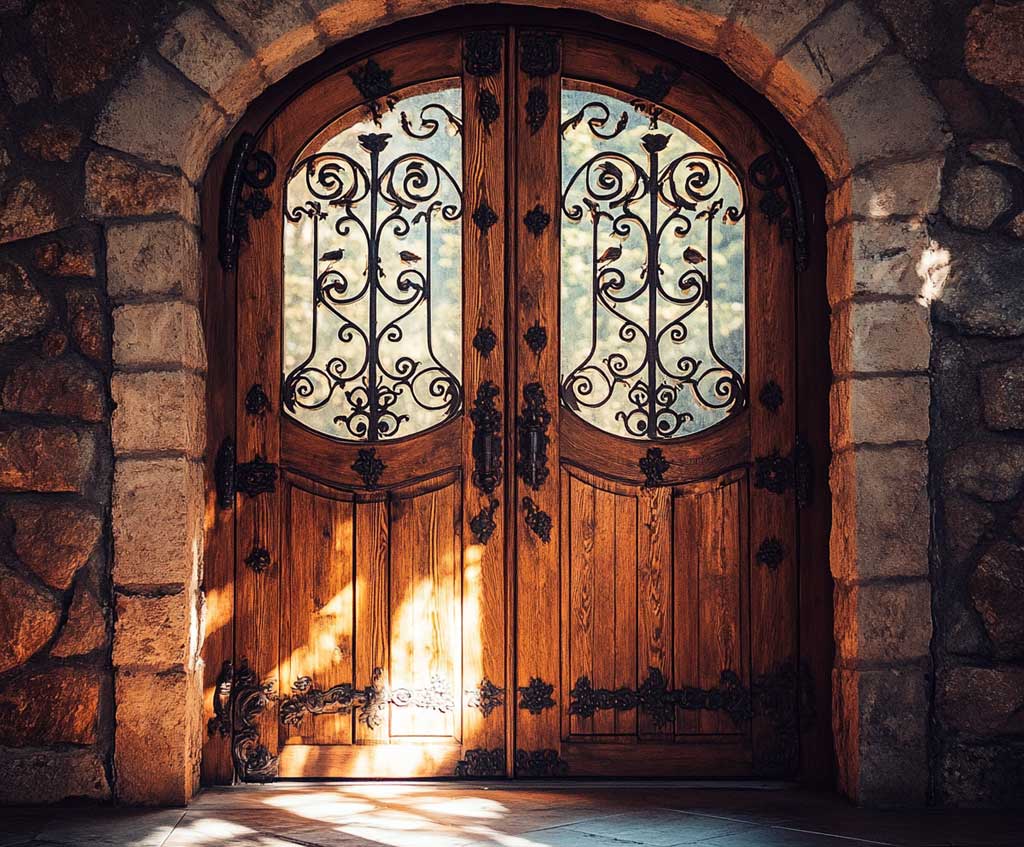
In these nature-inspired designs, materials like wood and stone play a central role. Wood, with its diverse textures and colors, brings warmth and organic beauty to the door. The grains and patterns in the wood are often highlighted, celebrating its natural charm. Stone elements, whether used as accents or main components, add a sense of solidity and timelessness to the design. These natural materials are often combined with glass, which allows light to filter through and creates a connection between the indoors and the outdoors.
The color palette in these designs is typically drawn from nature. Earthy tones like browns, greens, and greys are common, allowing the door to harmonize with the surrounding landscape. The use of natural finishes ensures that the beauty of the materials is showcased in its most authentic form.
One wood species I’d recommend over any other for an exterior slab door: accoya. It’s acetylated pine that performs like tropical hardwood — 50-year warranty against rot, and it takes stain beautifully. A full-size accoya front door panel (36 × 84 inches, 2¼-inch thick) costs roughly $1,200–$2,000 unfinished. Compare that to genuine teak at $3,000+ or iroko at about $1,500. For stone accents, thin-cut Vals quartzite panels (12 mm thick) can be bonded directly to a steel or aluminum door core. They weigh around 30 kg per square meter, so your hinges need to be rated accordingly — standard butt hinges won’t cut it. And if you’re blending wood with glass, go for double-glazed units with warm-edge spacers and argon fill. A U-value of 1.0 W/m²K or lower keeps your heating bill from spiking every winter.


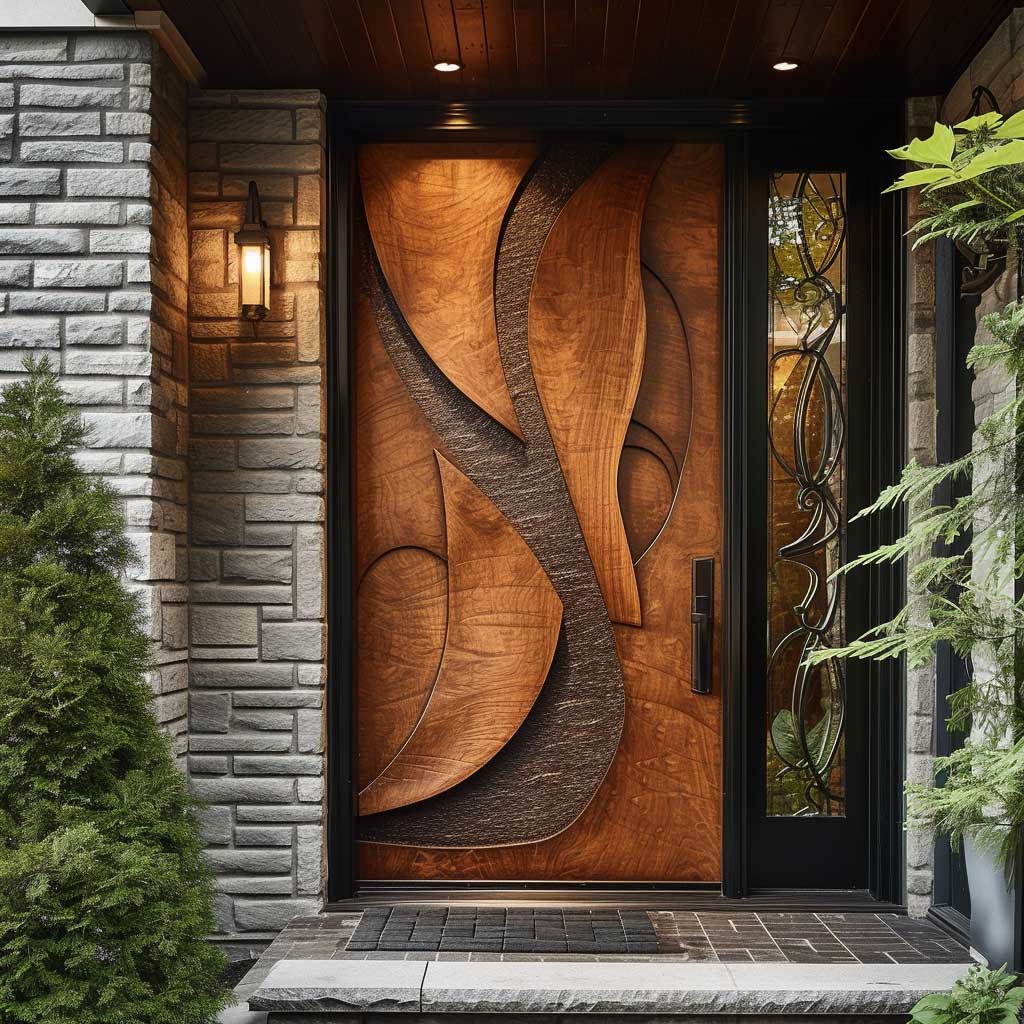

The design of these doors often reflects natural themes. Patterns and motifs inspired by flora and fauna can be incorporated, either through carving, etching, or the use of decorative glass. This not only adds visual interest to the door but also creates a unique and personalized entrance. You can see similar organic detailing applied to wood front doors with integrated window panels, where the glass opening follows the natural flow of the wood grain.
Sustainability is a key consideration in nature-inspired door designs. Eco-friendly materials and construction methods are prioritized, reflecting a commitment to environmental stewardship. Features like energy-efficient glazing and weatherproofing contribute to reducing the environmental impact of the home.
Nature-inspired modern door designs for main entrances are a celebration of the natural world. They offer a way to bring the tranquility and beauty of nature into our homes, creating entrances that are not just doorways but gateways to a harmonious and balanced lifestyle.
FAQ
What is the best material for a modern front door?
How much does a modern entrance door cost?
Are smart locks worth installing on a front door?
What U-value should a modern front door have?
Can I install a pivot door on an existing door frame?
How to Choose a Modern Front Door for Your Entrance
A step-by-step process for selecting the right modern door based on your home’s architecture, climate, and budget.
Tools & Materials You’ll Need:
- Tape measure (for door opening width, height, and wall thickness)
- U-value specification sheet from the manufacturer
- Material samples (request from Oikos, Schüco, or your local supplier)
- Climate zone reference (ENERGY STAR zone map or local building code)
Measure Your Door Opening and Wall Depth
Grab a tape measure. Record the width, height, and wall thickness of your existing opening. Standard single doors are 36 × 80 inches, but modern designs often go taller — 42 × 96 inches is common now. Wall depth determines whether you need a standard or extended frame. Write down all three numbers before contacting any supplier.
Match the Door Style to Your Facade Material
Steel and glass doors pair with rendered or concrete facades. Walnut and oak slabs look best against brick or natural stone. A matte charcoal minimalist door disappears into a dark-clad exterior — which is the whole point. Look at your home from the street and ask: does the door contrast or blend? Both approaches work, but pick one intentionally.
Check the Thermal Performance (U-Value)
Ask the manufacturer for the door’s U-value. For a north-facing entrance, you want 1.0 W/m²K or lower. South-facing with overhang? You can go up to 1.4 W/m²K. Triple-glazed glass panels with warm-edge spacers and argon fill hit these numbers. Skip any door that doesn’t publish its U-value — that’s a red flag.
Choose Your Hardware: Hinges, Handle, Lock
Hardware decisions matter more than panel finish. For pivot doors: FritsJurgens System 3 or Klose concealed floor springs. For standard swing doors: three concealed hinges rated for the panel weight. Handles — a Formani ONE flush pull for minimalist, a D-shaped stainless bar for futuristic, a bronze lever for nature-inspired. Lock: Yale Assure 2 keypad for smart entry, or a multi-point hook lock from Winkhaus for maximum security.
Request Samples and Compare in Natural Light
Never pick a finish from a screen. Request physical material samples — most premium brands (Oikos, Schüco, Urban Front) ship them free. Hold each sample against your facade at midday and again at dusk. Matte black steel looks completely different under overcast sky versus direct sun. Test the handle in your hand. If it feels cheap at the showroom, it’ll feel cheap every single day you come home.
Bottom Line on Modern Front Door Design
A pivot door in blackened steel with triple-pane glass runs $5,000–$12,000 installed. A minimalist flush-panel door in powder-coated aluminum starts closer to $2,500. And a solid accoya slab with stone accents sits somewhere in between. The right choice depends on your facade material, your climate zone, and honestly — how much you care about that first three seconds when someone walks up to your house.
My advice: pick the style that matches your architecture, then spend your budget on the hardware and thermal performance rather than surface decoration. A $200 FritsJurgens hinge upgrade matters more than a $200 decorative panel detail. And always check the U-value — anything above 1.4 W/m²K on a north-facing entrance is money leaking out every winter.
Three doors from this collection I’d install on my own house? The matte black steel pivot with integrated LED strip lighting, the solid walnut slab on concealed hinges, and the flush-panel minimalist door with a Formani ONE handle. You’ll find all three in the images above.