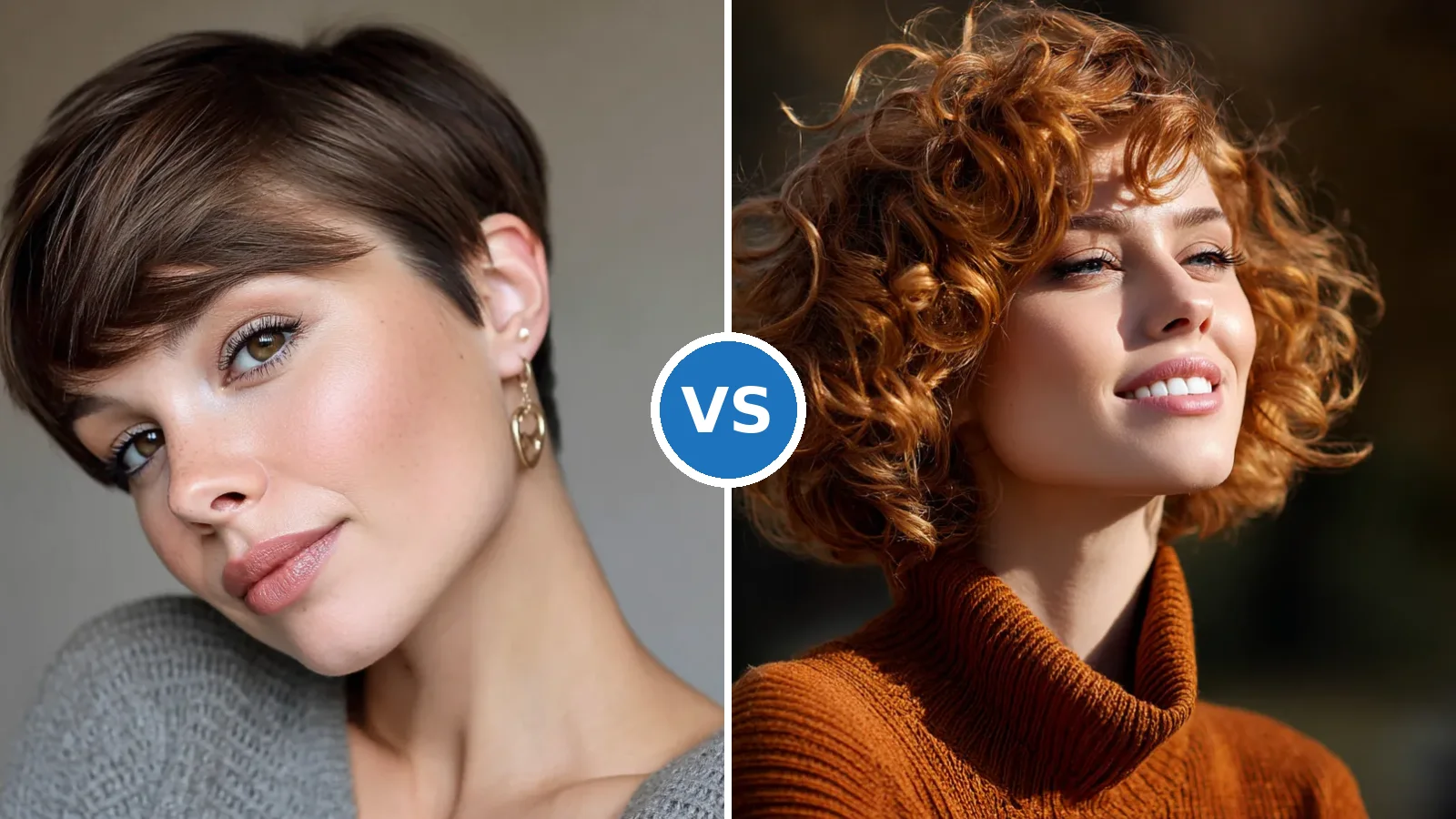
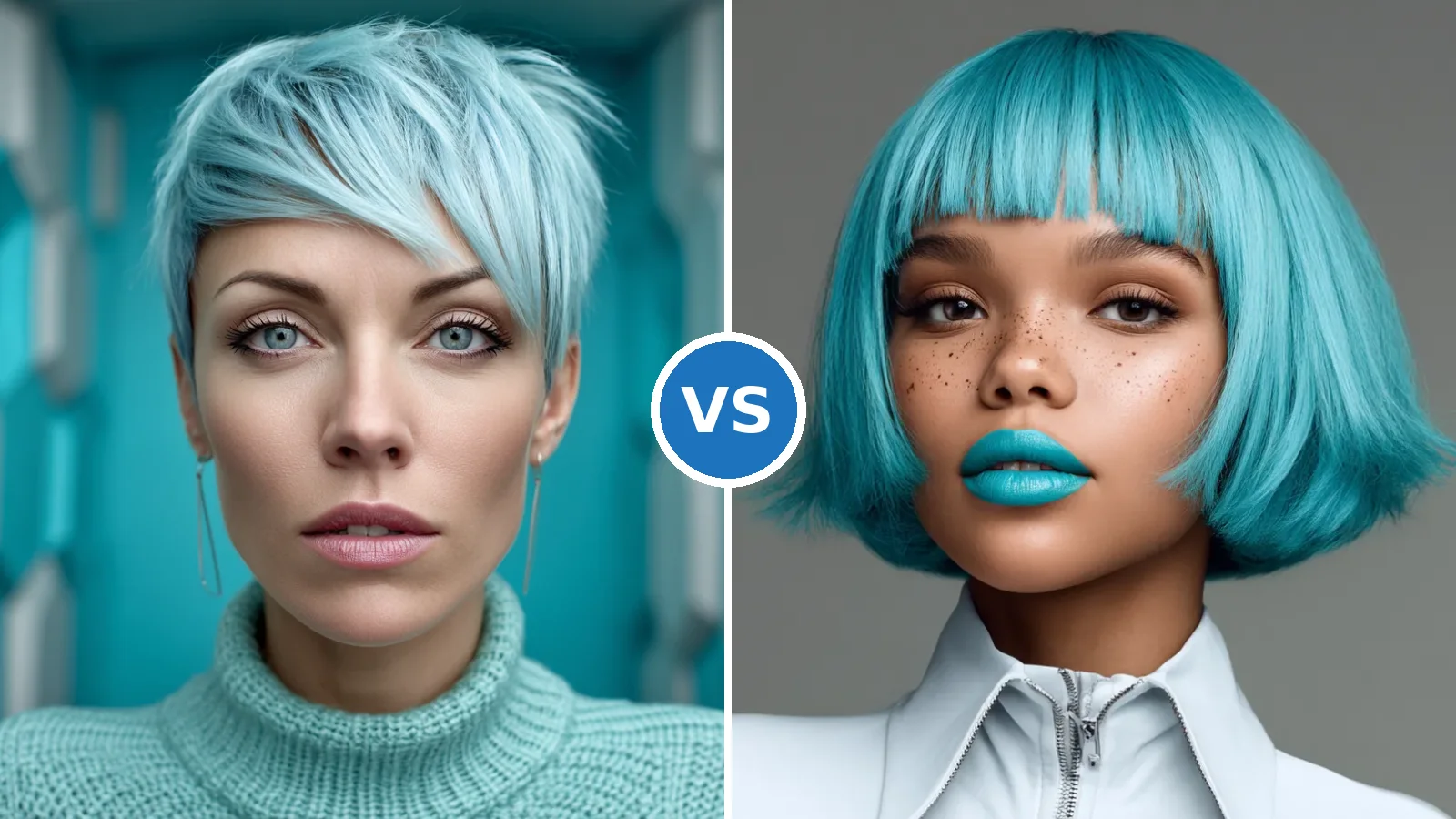
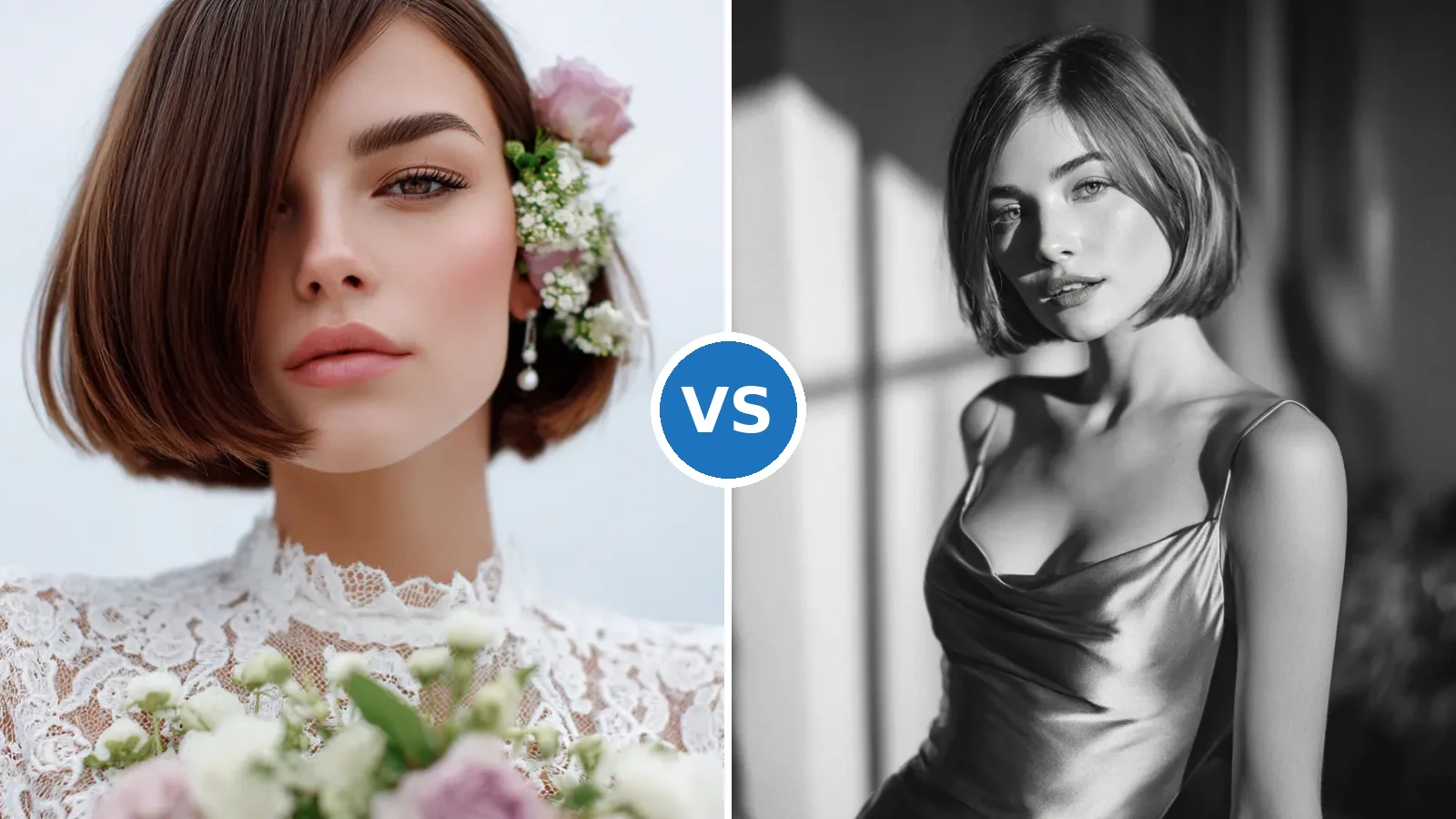
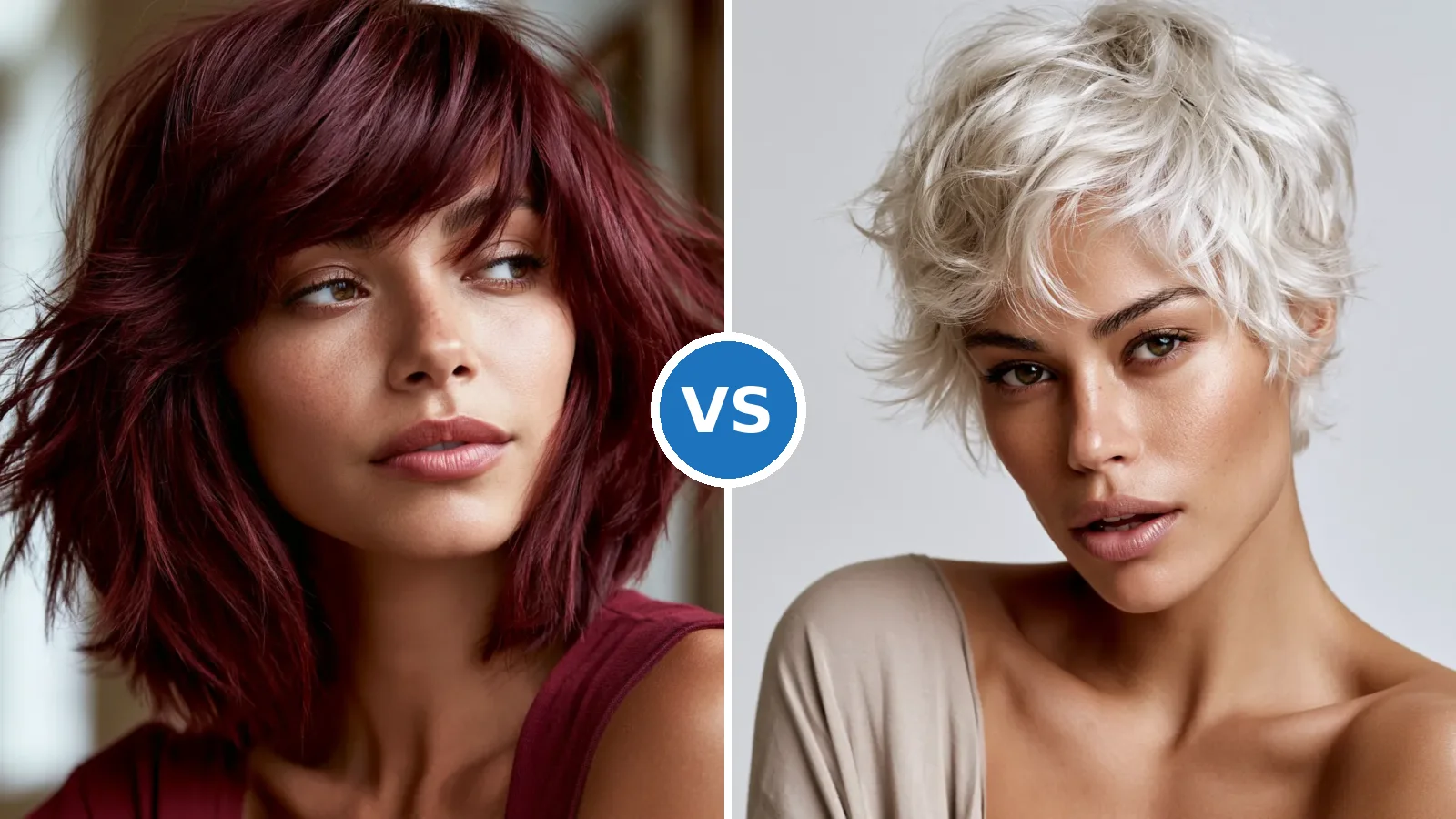
There is a particular kind of haircut that arrives quietly and then suddenly appears on every stylish woman you pass on the street. The Italian bob is exactly that haircut. This year, it has moved from the pages of Milan fashion week coverage into real-life salons, real-life conversations, and real-life mirror moments. Women are walking in with phone screens full of reference photos and walking out with something that feels like a genuine reinvention of themselves. It is not a dramatic overhaul. It is not a radical statement. It is something more considered than that, something that sits at the precise intersection of effortless and intentional, which is exactly where Italian style has always lived.
What makes this cut different from the classic bob that has circulated for decades is a matter of detail and philosophy. The Italian approach brings a looseness to the line, a softness to the perimeter, and a lived-in quality to the finish that feels nothing like the stiff, geometric versions of the past. The length tends to land just below the jaw or at the collarbone, giving the face a natural frame without demanding perfection. The texture is everything. Layers are cut in a way that moves with the hair rather than against it, and the overall effect is one of controlled ease, as if the wearer simply dried her hair and stepped outside looking like this without trying.
This article breaks down the Italian bob from every angle: how it is shaped, how it is styled, which variations work for different hair types and face shapes, and why it has quietly become the most requested cut in salons this season.
How the Italian Bob Cut Is Changing the Way Women Wear Short Hair
For decades the bob has been one of those cuts that stylists describe as foolproof and clients quietly resist because foolproof so often turns out to mean boring. The Italian version changes that calculus entirely. This is not the blunt, architectural bob that dominated the early 2000s, nor the overly polished version that reads more like a helmet than a hairstyle. The Italian interpretation brings a different sensibility to the silhouette, one rooted in movement and ease rather than precision for its own sake. Understanding what makes it specifically Italian, and specifically different, requires looking at how the cut behaves across lengths, textures, and hair types rather than focusing on a single idealized image of it.
What is driving the current wave of interest in this particular style is less about fashion momentum and more about a genuine shift in how women are thinking about their relationship with their hair. There is a growing impatience with cuts that demand daily effort to look correct, with styles that are beautiful in a salon and exhausting at home. The Italian bob addresses this directly. Its structure is designed to work with the hair rather than impose a shape on it, which means the cut performs consistently whether the wearer has twenty minutes to style or two. The sections that follow examine specific aspects of the cut, from length and layering to texture and technique, that explain why it is reshaping how women wear short hair right now.
The Jaw-Grazing Length That Flatters Every Face Shape

The jaw-grazing bob has become the most requested variation of the Italian cut because it works across such a wide range of face shapes. When the hair ends right at or just below the jaw, it creates a visual widening effect that balances longer faces and softens angular jawlines without hiding them. For round faces, a slightly longer version that skims the collarbone adds vertical length and definition. The key to making this length truly Italian in character is the finish: the ends are not blunt and hard but instead cut with a subtle point cut technique that allows each strand to sit independently and move freely.
Stylists in Rome and Florence have long relied on this particular length because it requires almost no daily effort to look intentional. The hair dries into its natural shape, and a few passes with a round brush or a diffuser are enough to elevate it from casual to polished. The weight distribution in the cut does most of the work, meaning the style holds throughout the day without being stiff or helmet-like.
Soft Layers That Make Fine Hair Look Twice as Full

One of the reasons the Italian bob has become so popular among women with fine or thin hair is the way layers are incorporated. Rather than stacking the hair heavily at the perimeter, Italian-trained stylists tend to remove weight from the interior sections while keeping the outer silhouette relatively clean. This creates an illusion of fullness that does not rely on product buildup or teasing, both of which tend to look overdone and feel heavy by midday.
The technique involves point cutting and sometimes a small amount of razor work through the mid-lengths, which allows fine strands to catch the light individually and read as thicker than they are. The result is a bob that moves with genuine bounce and does not collapse flat against the head within an hour of styling. For women who have spent years struggling to make thin hair look intentional, this cut often feels like a small revelation.
The Role of Texture in Making This Cut Look Italian

Texture is the single most important element that distinguishes an Italian bob from any other version of the cut. In many interpretations of the bob, texture is an afterthought, something added on top through products or heat tools. In the Italian approach, texture is built into the cut itself. The stylist works with the natural behavior of each client’s hair, identifying where wave or bend naturally occurs and then cutting in a way that encourages rather than suppresses it.
This philosophy produces a bob that looks different on every woman who wears it, which is part of its enduring appeal. Two clients can leave the salon with the same basic structure and the same general length, but the cut reads entirely differently on each of them because it has been calibrated to their individual hair. That level of personalization is what gives the Italian bob its reputation for looking expensive and considered without being precious or high-maintenance.
Why Salons Are Reporting Record Requests for This Specific Style

Salon owners and senior stylists in multiple countries have noted a significant uptick in clients specifically asking for the Italian bob by name this year. This is a meaningful shift from previous seasons, when clients would bring in reference images without having a name for what they wanted. The fact that the style has acquired a recognized identity suggests it has crossed from trend into something closer to a classic, at least for the moment.
The reasons behind the surge are layered. Social media has played a role, particularly the circulation of images from Italian street style accounts and fashion week coverage. But the more practical driver is the way the cut performs in real life. Women who got the cut in the past year have reported that it grows out gracefully, requires less frequent trimming than a blunt bob, and adapts easily to both professional and casual settings. Word of mouth from satisfied wearers has become its own kind of advertising.
Italian Bob Variations Worth Knowing Before Your Next Salon Appointment
The phrase Italian bob has become something of an umbrella term in salons, which is both its strength and the source of occasional confusion. A client who arrives asking for the Italian bob and a client who arrives with a specific collarbone-length reference image may both be asking for the same thing, or they may be asking for something that differs by several centimeters and an entirely different approach to fringe. Before sitting down with a stylist and committing to a cut, it is worth understanding the range of interpretations this style encompasses and which of them is most likely to suit your specific hair type, face shape, and lifestyle. The variations are not just about length. They involve decisions about fringe, texture, the presence or absence of layers, and whether the perimeter is symmetrical or carries a deliberate imbalance.
Each variation described in this section starts from the same philosophical foundation, that the cut should flatter and simplify rather than demand and restrict, but arrives at a different visual outcome. Knowing these options in advance transforms the salon consultation from a moment of passive acceptance into a genuine conversation. You become a client who understands what you are asking for and why, which gives your stylist both better information and more creative latitude to bring the right version of the cut to your specific hair.
The Collarbone Bob with a Barely-There Bend

For women who are not ready to commit to a shorter jaw-length cut, the collarbone variation offers a gentler entry point into the Italian bob world. At this length, the hair retains enough weight to move in a single graceful wave from root to end, which is particularly flattering on women with naturally straight or slightly wavy hair. The cut still incorporates the signature Italian elements, a softened perimeter, interior layering, and a textured finish, but the longer length makes the transition from previous styles feel less abrupt.
Stylists often recommend this version to clients who describe their lifestyle as active or low-maintenance, because the extra length allows for easy ponytails and half-up styles when needed. It is also a practical starting point for a progressive shortening approach, meaning the first visit establishes the foundation and subsequent appointments bring the length up gradually as the client becomes comfortable with the proportions.
The Curtain Fringe Bob That Transforms the Face Frame

The addition of curtain fringe to an Italian bob has become one of the most requested combinations in salons this year. Curtain bangs, which part naturally in the center and sweep to either side of the face, work with the bob’s structure to create a complete frame around the features. The bangs draw the eye toward the center of the face and specifically toward the eyes and cheekbones, which most women consider their most expressive features.
What makes this combination particularly successful is that curtain bangs grow out gracefully alongside the bob. Unlike a blunt fringe that requires frequent trimming and looks noticeably awkward between appointments, curtain bangs at any length between freshly cut and several months grown-out continue to perform their face-framing function. This forgiving growth pattern makes the curtain fringe bob a practical choice for women who do not want to schedule haircuts every four to six weeks.
The Wavy Italian Bob for Naturally Curly and Textured Hair

The Italian bob is not exclusively a straight-hair style, and some of its most striking interpretations appear on women with natural wave and curl patterns. The approach to cutting curly hair into this shape differs significantly from the straight-hair technique. Rather than cutting the hair dry, many curl specialists will cut the hair in its natural dried state, assessing how each section springs up and then removing length and weight in a way that produces the desired silhouette after the hair has fully returned to its natural form.
The result is a bob that expresses the full personality of the curl or wave while maintaining the Italian character of controlled looseness. Women with wavy hair often find that the bob shape amplifies their wave pattern because the shorter length means less weight pulling the wave down into flatness. The ends become more expressive, the overall silhouette has more presence, and the daily styling routine often becomes simpler because the cut has removed the bulk that previously made the hair difficult to manage.
Asymmetric Length Options and How to Wear Them

The asymmetric version of the Italian bob introduces a subtle imbalance into the silhouette that reads as deeply intentional. The most wearable approach is a modest difference in length between the two sides, perhaps a centimeter or two, rather than a dramatic swing from chin to collarbone. This restrained asymmetry gives the style a graphic quality that photographs beautifully and reads as fashion-forward in person without requiring the wearer to constantly manage the look.
Choosing which side to carry the longer length depends on the individual’s features and parting preferences. Most stylists recommend placing the longer side on the same side as the natural part, as this works with the hair’s existing tendency rather than fighting it. Women with a strong jaw on one side often benefit from placing the longer section over that side to soften the angle. The conversation between stylist and client about these specifics is part of what makes an Italian bob feel custom-built rather than off-the-shelf.
Styling the Modern Italian Bob at Home Without Losing the Salon Look
There is a particular disappointment that comes with leaving a salon looking extraordinary and arriving home the following morning looking like an entirely different person. It is not the stylist’s fault and it is not the cut’s fault. It is a gap in translation between what a professional does with particular tools, particular products, and years of trained muscle memory, and what the client is expected to replicate with what she has on hand. The Italian bob, more than most haircuts, is designed to close that gap. Its structure does more of the work than the styling, which means the daily maintenance requirement is genuinely lower. But there is still a gap, and bridging it requires understanding a small number of techniques and principles that can be learned quickly and practiced until they become automatic.
This section focuses on the practical, repeatable elements of at-home maintenance for the Italian bob: the products that actually help, the tools and techniques worth investing time in learning, and the second and third-day strategies that keep the cut looking intentional throughout the week. None of it requires professional training. All of it requires a willingness to practice a small number of things until they stop requiring conscious effort.
The Two-Product Rule That Italian Women Actually Follow

One of the first things that strikes visitors to Italian salons is how little product ends up in the hair. The Italian approach to styling is fundamentally about technique over product, and the bob is the cut that best illustrates this principle. Most Italian stylists recommend a maximum of two products for daily bob maintenance: a lightweight leave-in that provides just enough hold to encourage the hair’s natural movement, and a finishing product applied sparingly to the ends to define texture and add a subtle sheen.
The specifics depend on hair type. For fine hair, a volumizing foam applied to damp roots before blow-drying provides the lift the hair needs without weighing it down. For thicker hair, a small amount of smoothing cream through the mid-lengths before drying prevents frizz without creating the heavy, coated feeling that comes from over-product application. The governing principle in both cases is that the product should disappear into the hair, becoming undetectable, rather than sitting on top of it as a visible layer.
Round Brush Techniques That Recreate the Salon Blow-Out

The round brush blow-out is the foundational styling technique for the Italian bob, and it is more learnable than most women initially believe. The key is matching the brush size to the hair length. For a jaw-length bob, a medium round brush with a barrel diameter of approximately four to five centimeters is ideal. For a collarbone-length version, a slightly larger barrel creates the long, sweeping movement that suits the extra length.
The technique involves working in small sections, rolling the brush under the hair at the roots to create lift, then drawing it down toward the ends while following closely with the blow-dryer. At the ends, a slight inward or outward roll determines whether the hair flicks under in a classic style or flips out in a more modern interpretation. Practicing the motion on one or two sections each morning until the movement becomes muscle memory is more effective than attempting a full blow-out from scratch every day.
Air-Drying the Italian Bob for a Second-Day Texture Look

Not every morning calls for a full blow-out, and the Italian bob is uniquely well-suited to air-drying in a way that still produces a polished result. The secret is preparation. After washing, the hair should be gently squeezed rather than wrung out, and a small amount of texture-enhancing product, a sea salt spray or a light mousse, should be distributed evenly through the damp lengths before the hair is left to dry on its own.
The natural drying process encourages whatever movement and wave is present in the hair to express itself fully, and because the Italian bob cut has been shaped to work with that movement, the result is a style that looks like a considered choice rather than an accident of inattention. Running the fingers through the roots while the hair is about sixty percent dry can add additional volume and separation. The final result typically looks slightly fuller and more textured than the blow-dried version, which suits certain occasions and personal styles better.
How to Refresh the Bob Between Wash Days

The practical longevity of the Italian bob between wash days is one of the reasons it has found such a devoted following among busy women. On the second day, a light application of dry shampoo at the roots addresses any flatness or oiliness that has developed overnight. The product should be applied, worked through with the fingertips, and then brushed out almost entirely, leaving only the volume and absorbing effect behind rather than a visible powdery residue.
If the ends have lost their shape or begun to look limp, a flat iron on low heat can smooth and re-direct them in about two minutes. For women who prefer a wavier finish, a one-inch curling wand used to create a single loose wave through the lengths can refresh the style and make it read as deliberate rather than neglected. The entire second-day refresh process typically takes under five minutes, which contributes significantly to the cut’s reputation as genuinely low-maintenance rather than aspirationally low-maintenance.
The Italian bob has earned its status as this year’s most talked-about haircut not through novelty but through a kind of timeless practicality that is easy to overlook until you are wearing it. It is a cut built on philosophy as much as technique, on the belief that hair should move and breathe and respond to the person it belongs to rather than being forced into a shape it needs to be constantly maintained against.
What the various interpretations covered in this article share is an underlying commitment to ease and authenticity. Whether the cut is jaw-length or collarbone-grazing, worn with curtain bangs or without, styled with a round brush or left to air-dry, it retains a quality of looking right without looking labored. That quality is what Italian women have understood for generations, and it is what is drawing women in salons around the world to ask for this specific cut right now.
If you are considering it, the most useful thing you can do before your appointment is study your own hair’s natural behavior rather than fixating on someone else’s reference image. The Italian bob at its best is a cut that works with what you already have. That is, in the end, the most Italian approach of all.