There is a universal desire among people with fine or thinning strands to find a magic solution that instantly adds volume and density. For years, the default advice was to ask for layers, with the assumption that removing weight would somehow create lift. However, modern hairstyling has uncovered a totally different approach that defies outdated logic. By maintaining maximum density at the perimeter while introducing subtle, almost invisible texture at the very ends, a fresh structural aesthetic has emerged. This modern approach to cutting creates a visual illusion of immense density, transforming limp, lifeless strands into a magnificent canopy of volume. This subtle shift in geometry is revolutionizing how we approach flat hair, offering a chic, manageable, and highly effective way to amplify your natural texture.



Achieving Voluminous Hair With A Modern Blunt Cut
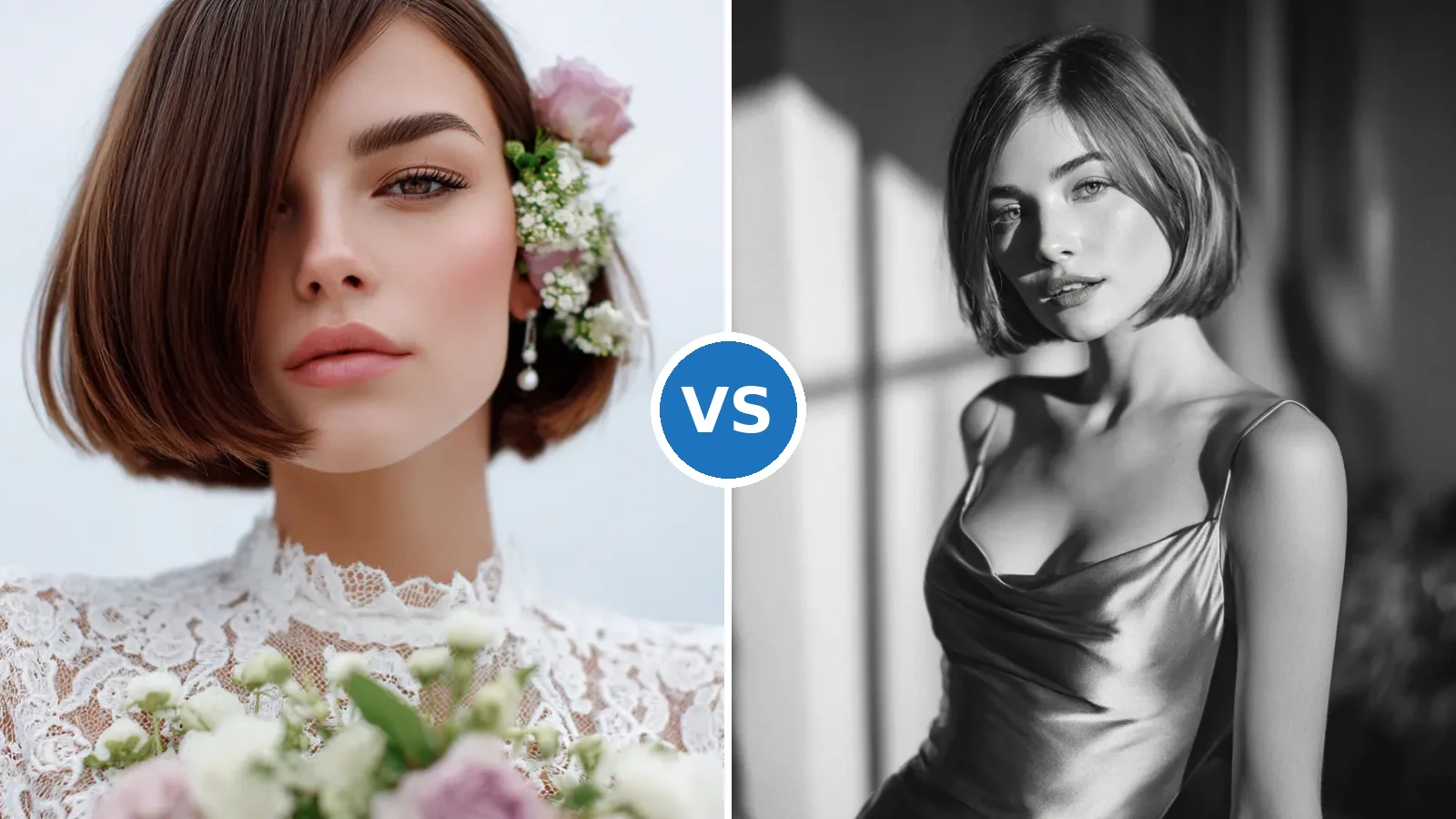
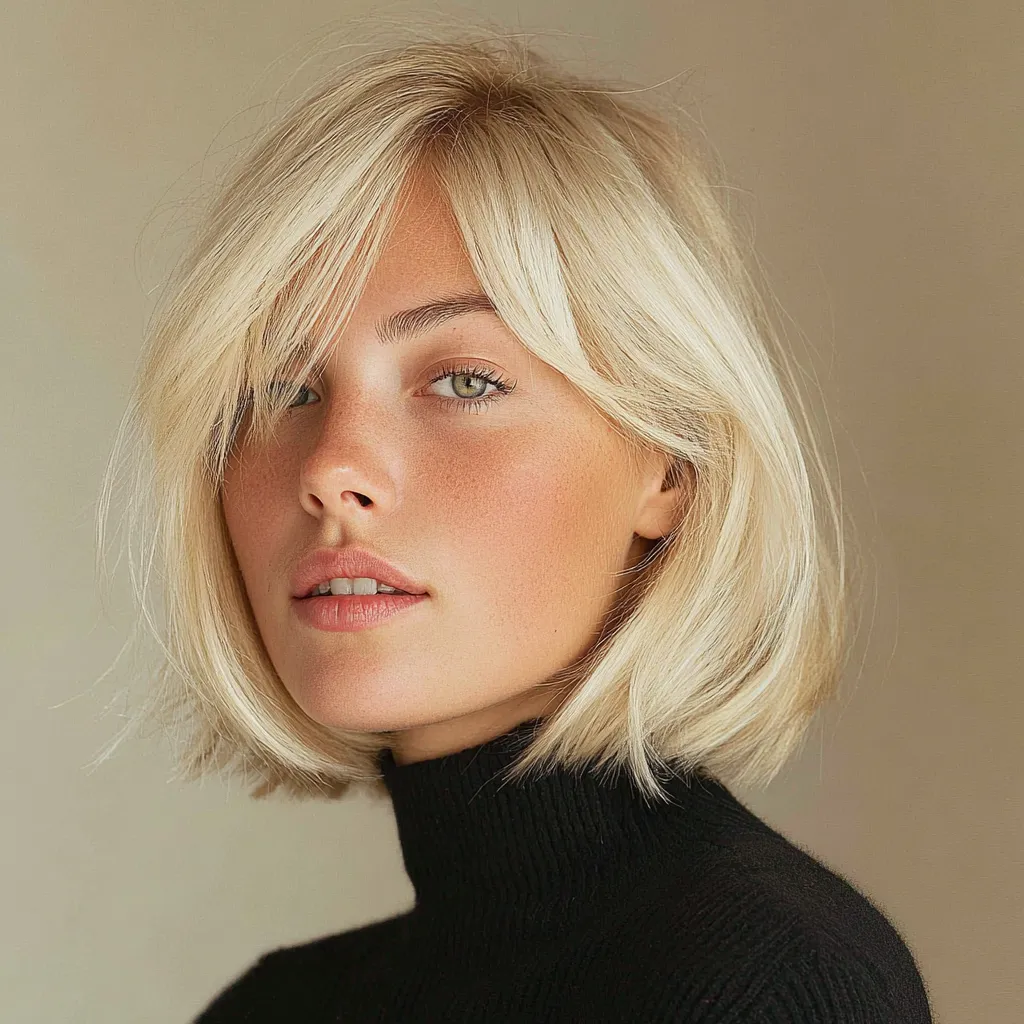
The foundational geometry of a haircut dictates entirely how the hair behaves and how the eye perceives its overall mass. When you look at the ends of fine strands, they often taper off, becoming wispy, transparent, and fragile. This transparency at the bottom of the hair creates a visual effect that makes the entire head of hair seem sparse, regardless of how much lift you manage to achieve at the root. The soft blunt bob directly counteracts this issue by establishing a stark, definitive weight line at the very bottom of the hair. By cutting all the strands to fall at exactly the same length, the physical mass of the hair accumulates in one single, undeniable horizontal plane.




This accumulation of mass is the exact reason why this style is synonymous with thick looking hair. Instead of the light passing right through the thinned out ends, the light hits a solid wall of hair, instantly signaling density and fullness to the observer. However, the secret ingredient that elevates this from a rigid, helmet like shape into something incredibly chic and wearable is the softness integrated into that baseline. A traditional, geometrically strict line can sometimes appear harsh or severe, dragging the facial features down and looking distinctly unnatural. The modern variation uses point cutting techniques, where the shears are angled vertically into the very tips of the hair, to break up the absolute stiffness of the line without actually removing any of the structural weight.
This tiny adjustment allows the ends to move naturally, swing beautifully when you walk, and blend seamlessly, all while maintaining that crucial accumulation of density at the perimeter. The soft blunt bob essentially gives you the best of both worlds, providing the architectural strength necessary for maximum volume and the fluid movement required for a contemporary, effortless aesthetic. Understanding this balance is vital when communicating with your stylist. You want to request a solid baseline for maximum fullness, but specify that the very tips should be texturized just enough to avoid a heavy, blocky appearance.
Furthermore, the length at which you choose to place this solid baseline plays a massive role in the final result. Generally, the shorter the hair, the thicker it will appear, because the strands have less distance to travel and therefore less opportunity to taper off or become damaged. A length that grazes the jawline or sits just above the collarbone is typically the sweet spot for maximizing the illusion of density. At this length, the hair is incredibly responsive to styling, holding volume at the roots effortlessly because it is not being dragged down by the sheer gravity of excessive length.
The psychological impact of transitioning to this style can be quite profound for someone who has struggled with fine, flat hair their entire life. Suddenly seeing a solid, impenetrable line of hair where there used to be transparent, stringy ends completely changes your profile and your self perception. It offers a level of polish and sophistication that instantly elevates any look, serving as a powerful accessory in its own right. The soft blunt bob does not just change the physical behavior of the hair; it fundamentally alters the optical physics of your silhouette, making thick looking hair an accessible reality rather than a genetic lottery win.
Maintaining this precise structural integrity requires commitment, as the sharp visual impact diminishes as the hair grows and the ends naturally begin to weather and taper. Regular trims are non negotiable if you want to keep the illusion operating at peak efficiency. However, the styling time saved on a daily basis more than makes up for the slightly increased frequency of salon visits. When the architecture of the cut is doing all the heavy lifting, you are no longer relying on a cabinet full of sticky products and exhausting round brush sessions to manufacture volume out of thin air.
Styling The Gentle Solid Perimeter For Maximum Fullness
While the architecture of the cut provides the necessary foundation, your daily routine is what brings the absolute maximum potential out of the style. The primary goal when dealing with this specific geometry is to encourage root lift while preserving the heavy, unified aesthetic of the ends. Because the soft blunt bob inherently provides a dense baseline, you do not need to overwork the mid lengths and ends to create the illusion of thick looking hair. Instead, your efforts should be highly concentrated at the scalp.



The process begins in the shower, long before you pick up a blow dryer. Using heavy, moisture rich shampoos and conditioners can coat fine strands, adding unnecessary weight that directly fights against the natural bounce you are trying to achieve. Opting for lightweight, clarifying, or specifically volumizing wash products ensures the hair is stripped of environmental buildup and natural oils that drag it down. Furthermore, applying conditioner only to the bottom two inches of the hair prevents the roots from becoming slick and flat.
Once the hair is clean and towel dried, product application must be strategic. A high quality root lifting spray or a lightweight volumizing mousse should be applied directly to the scalp area, avoiding the ends entirely. The ends need to remain free moving and dense, and coating them in sticky styling products will only cause them to separate and appear stringy, defeating the entire purpose of the solid baseline. When blow drying, the technique of over direction is your greatest ally. By pulling the hair at the roots in the opposite direction of where it will naturally fall, you force the hair to dry with a built in pocket of air at the base.
Using a classic flat wrap technique with a paddle brush, pushing the hair tightly across the curve of the head from left to right and back again, helps to smooth the cuticle while establishing incredible root volume. Only when the hair is about eighty percent dry should you introduce a round brush, and even then, it should only be used to slightly bevel the ends under or flick them out, depending on your preference. Overusing a round brush on the mid lengths can sometimes create a dated, overly spherical shape, whereas the modern soft blunt bob thrives on a sleeker, straighter fall with just a hint of bend at the bottom.
For those who prefer a more lived in, textured aesthetic, hot tools can be used to introduce subtle movement. A flat iron is actually the perfect tool for this, rather than a curling wand. By gently clamping the flat iron at the mid shaft and creating a slight, alternating S bend down the hair, you introduce beautiful, effortless looking waves that do not disrupt the solid perimeter. Traditional curling techniques often result in the ends pulling inward and narrowing, which sacrifices the wide, dense appearance of the baseline. The flat iron wave keeps the ends straight and thick looking while adding width to the sides of the head.
To finish the style and guarantee longevity, dry texturizing spray is vastly superior to traditional hairspray. Hairspray can lock the strands together in rigid clumps, whereas a texturizing spray uses microscopic powders to create friction between individual hairs. This friction allows the hair to expand and sit away from the scalp, creating an airy, voluminous finish that still looks incredibly dense at the bottom. Sleeping on a silk pillowcase is the final step in the routine, ensuring the friction from tossing and turning does not fray the solid baseline or rough up the cuticle, allowing you to wake up with the shape perfectly intact for the next day.
Why A Textured Straight Edge Bob Outperforms Layers
For decades, the standard protocol for anyone sitting in a salon chair complaining about flat, lifeless hair was to immediately add layers. The prevailing theory was that cutting the hair at multiple different lengths would remove heavy bulk from the bottom, allowing the shorter pieces on top to spring up and create volume. While this logic applies beautifully to incredibly dense, coarse hair types that genuinely need weight removed to become manageable, it is fundamentally disastrous for fine or thinning hair. When you add layers to hair that already lacks density, you are actively removing the very mass that you need to create the illusion of fullness.


Every time a layer is cut into fine hair, the overall perimeter becomes thinner, weaker, and more transparent. You might achieve a tiny bit of temporary lift at the crown, but the bottom half of the hair will look like fragile, straggly cobwebs. The soft blunt bob completely rejects this outdated methodology by preserving absolutely every ounce of available mass. By bringing all the hair down to a single, unified point, the baseline becomes a powerful visual anchor. Instead of drawing the eye to the sparse, varying lengths of a layered cut, the eye is drawn to the thick, opaque line at the bottom, automatically signaling health and abundance.
Furthermore, layered cuts on fine hair require an immense amount of daily heat styling to look intentional. If layered fine hair is left to air dry, it typically falls flat against the head, with the varying lengths looking messy and unkempt. A textured straight edge bob, on the other hand, possesses intrinsic architectural style. Even when perfectly straight and unstyled, the sheer geometry of the cut looks deliberate and chic. It provides a built in silhouette that does not rely entirely on the user’s styling skills to look presentable, making it a much lower maintenance option for daily wear.
The way light interacts with the hair surface is also completely different between the two styles. Layers break up the surface of the hair, scattering light and sometimes highlighting frizz or split ends. A solid, unlayered surface acts more like a mirror, reflecting light uniformly and creating a high gloss, healthy sheen. This uniform reflection further enhances the appearance of thick looking hair, as healthy, shiny hair always appears more voluminous than dull, fragmented hair. When you incorporate modern hair color techniques, such as a subtle root smudge or finely woven dimensional highlights, you can amplify this effect even further.
Darker roots fading delicately into slightly lighter ends create a 3D effect, adding visual depth to the solid perimeter. This makes the soft blunt bob look incredibly dynamic without having to physically chop the hair into varying lengths. The longevity of the cut is another area where the straight edge drastically outperforms heavily layered alternatives. When layers grow out, they often hit awkward stages, flipping in different directions and requiring frequent reshaping. A solid perimeter grows downwards evenly. While you will eventually need a trim to restore the absolute sharpness of the line, it grows out into a longer, equally solid shape, meaning you can comfortably go much longer between salon visits without your hair looking completely out of shape.
Ultimately, choosing to abandon the safety blanket of layers is a paradigm shift for many. It requires trusting the geometry of a strong baseline over the false promise of texturizing shears. However, once you experience the sheer density, the ease of styling, and the sophisticated silhouette that comes from keeping your ends solid, it becomes glaringly obvious why this approach has become the absolute gold standard for maximizing fine hair. The transition away from shattered, thinned out ends towards a unified, powerful perimeter is the single most effective physical change you can make to your overall aesthetic.
The journey toward achieving a voluminous and dense aesthetic does not require magic, but rather a fundamental understanding of geometry and hair behavior. By concentrating the weight of your strands into a single, gently texturized baseline, you instantly eliminate the transparent, wispy ends that sabotage your volume. Embracing this specific cut, combined with targeted root styling and an abandonment of outdated layering techniques, provides a reliable and stunningly chic daily look. It is a powerful structural change that allows anyone to finally experience the feeling of having genuinely massive, luxurious locks.