Quick Scan
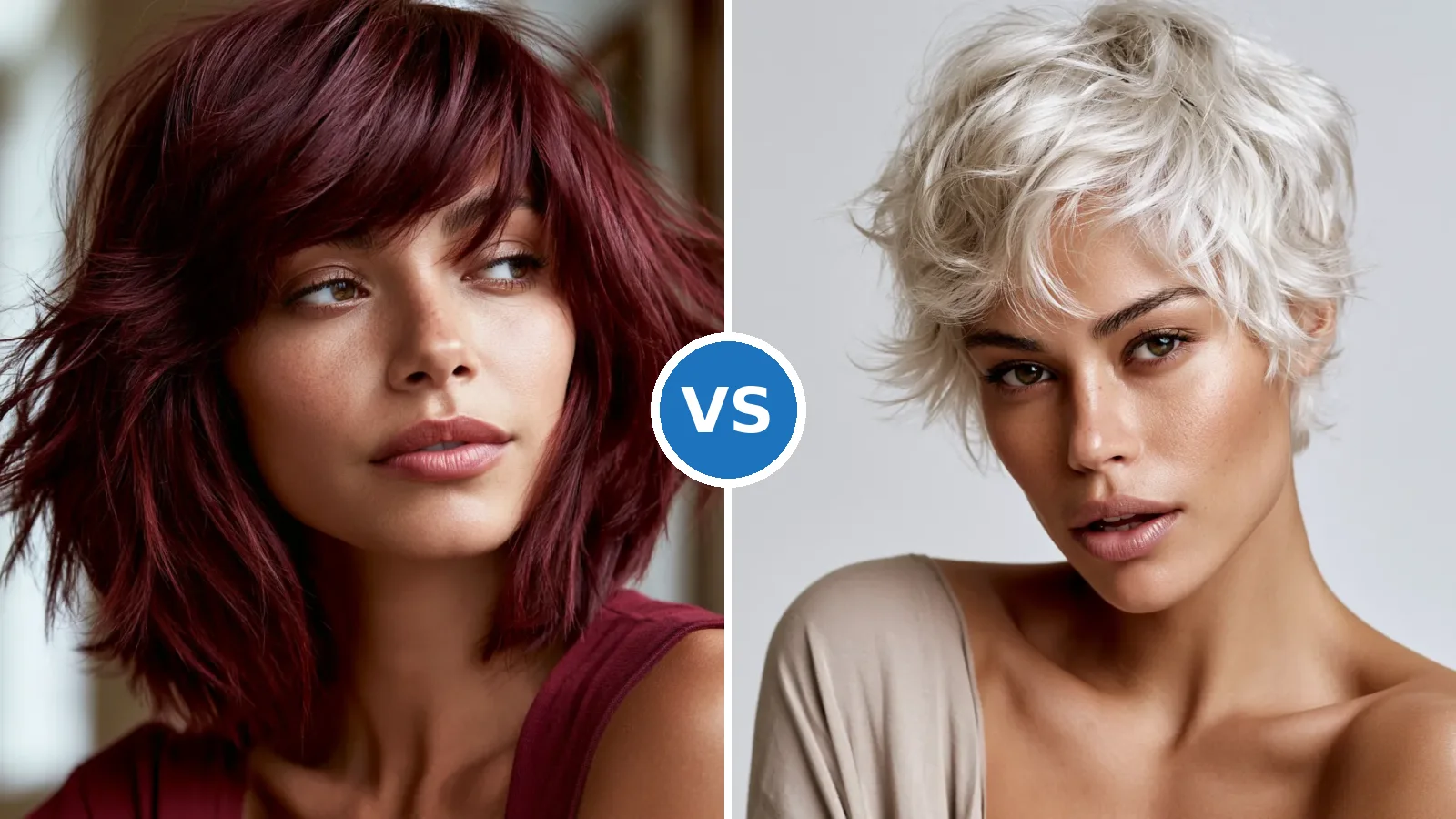
- The shaggy bob hits between neck and shoulders with feathered layers — not a finish applied to an existing cut, but a structural build from scratch.
- Fine hair benefits most from the mini shag variant, which can add up to 40% more volume without extensions according to April 2026 specialist data.
- Maintenance is 8–10 weeks between trims versus 6 weeks for a precision bob — the grow-out reads as intentional, not overdue.
- PATTERN by Tracee Ellis Ross Palo Santo Styling Cream ($28, Ulta Beauty) is the current stylist-recommended product for finishing this cut on damp hair.
- Flat-ironing daily destroys the texture the cut was designed to show — use a diffuser or low-heat round brush finish instead.
Salons are booked out. Reference photos are flooding stylists’ inboxes. The shaggy bob haircut is the summer 2026 moment no one saw coming — except everyone who was paying attention. Celebrity stylist Samantha Cusick, a ghd ambassador, described it as ‘a natural shift away from the precisely cut styles that we’ve been seeing towards something more relaxed,’ and that assessment landed in Who What Wear just weeks ago.
This is not nostalgia. The shaggy bob of 2026 is lighter, more intentional, and structurally smarter than its 1970s reference points. It lives somewhere between the neck and shoulders, built from feathered layers and soft ends — and it is moving faster through consultation queues than almost any cut this decade.
What makes it genuinely different from every textured cut that came before it is the combination of wearability and growth cycle. You are not locked into a maintenance schedule. You are not fighting the shape every morning. The hair just moves.
Why the Shaggy Bob Haircut Took Over Summer 2026 Salons
The numbers tell a clear story. Neale Rodger, style director at STIL salon London, specifies the shaggy bob should hit ‘somewhere between the neck and shoulders’ with feathered layers and soft ends. That window — not quite chin, not quite collarbone — is deliberate. It is the exact length that works with summer’s heat, collar lines, and the kind of low-effort morning routines most women actually have.
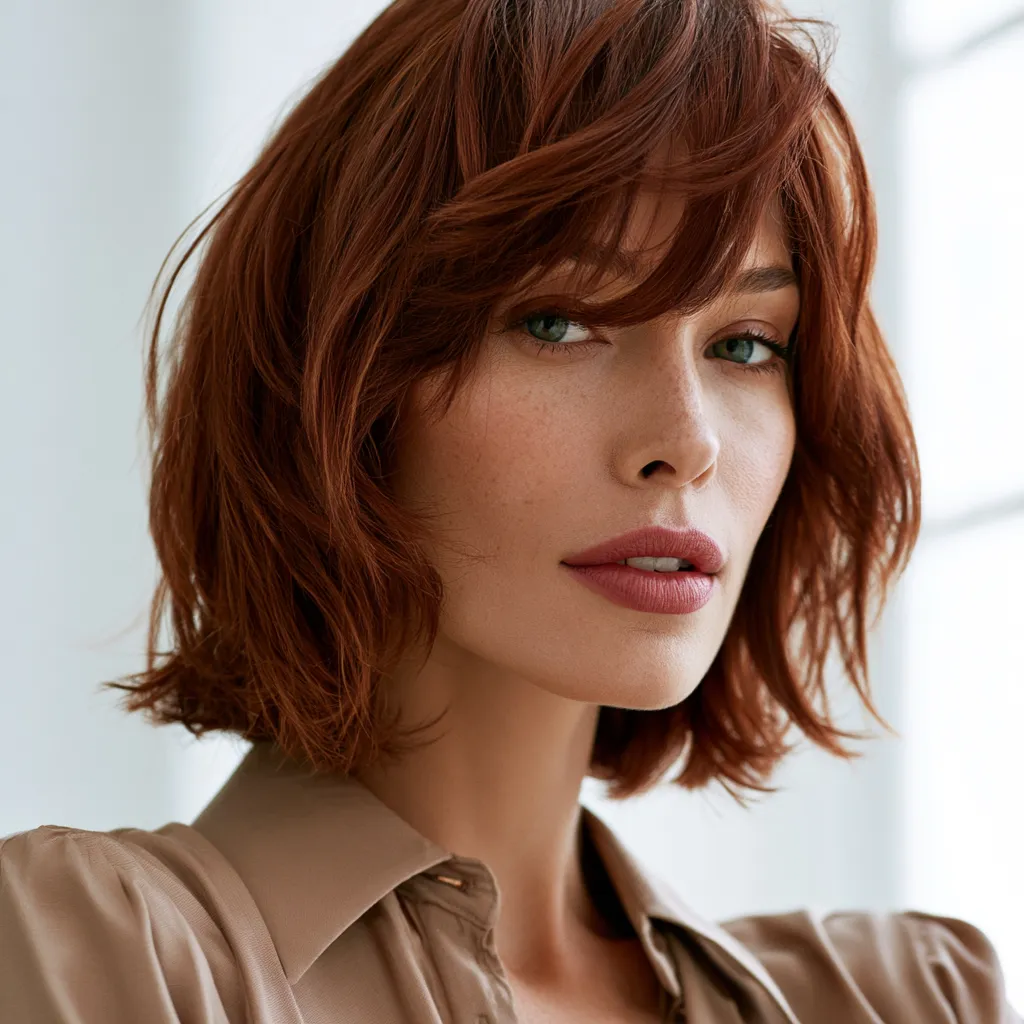

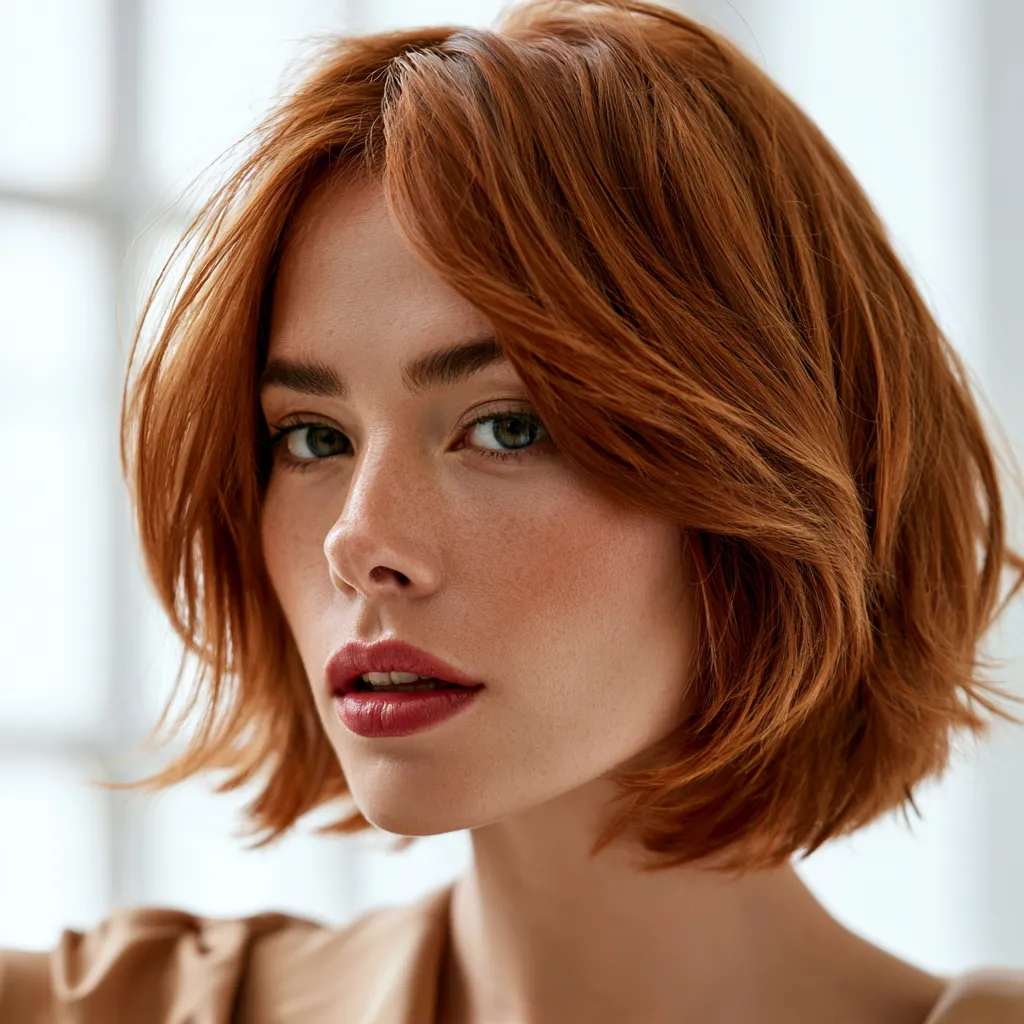
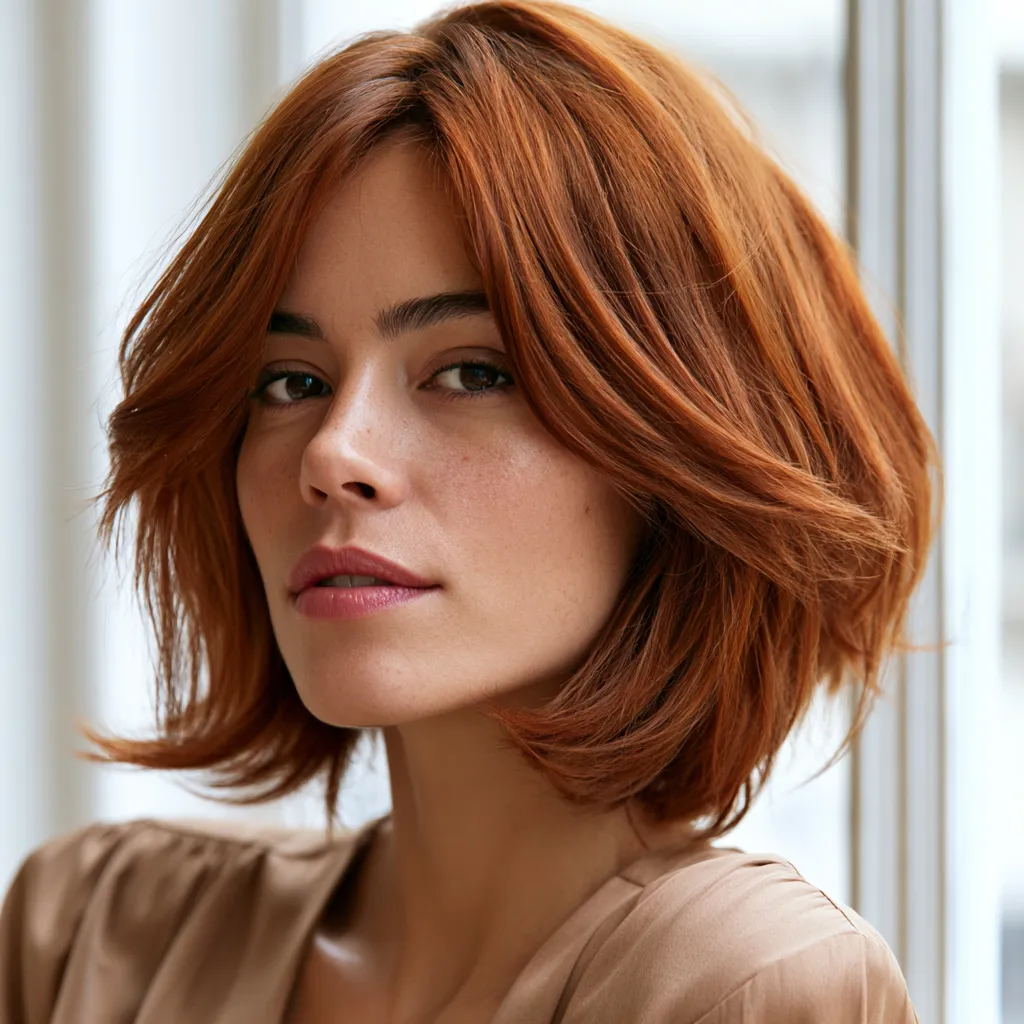
What drove the surge? The 2025 obsession with precision cuts — blunt bobs, razor-sharp lobs, geometric shapes — left a lot of women with high-maintenance haircuts that punished them for skipping a blowout. The shaggy bob is a direct reaction. Layers forgive. Texture hides a multitude of sins. Air-dried, it looks intentional.
Ayo Edebiri’s appearance at the 2026 Golden Globes made this undeniable. Her stylist Dublin framed her version as a ‘polished, old Hollywood update to the shaggy bob’ — flipped-under ends, deep side part, nothing sloppy about it. Refinery29 reported it became one of the top salon reference photo requests across the US in spring 2026. That kind of cultural moment accelerates a trend by months. It already happened.
If you want to understand texture-forward cuts more broadly — especially if you are drawn to color alongside the cut — 7+ Bold Red Passion Twist Hairstyle Ideas for Vibrant Looks shows how dramatic color and lived-in texture coexist in 2026’s most requested looks. The overlap in aesthetic logic is not accidental.
What NOT to do: do not ask your stylist for ‘just a little texture’ on an existing blunt bob and expect a shaggy bob result. The shaggy bob is not a finish — it is a structural cut. The layers need to be built in from the start, using point cutting, slide cutting, or razor finishing. Asking for a polish pass on a precision cut will give you frizz, not movement.
Vogue Scandinavia (2026) tracked a related variant — the cowboy bob — after Megan Fox debuted it. Stylists at Oslo’s Gevir Atélier confirmed it as the summer cut with the fastest consultation uptick in their market. The cowboy bob is essentially a movement-forward shaggy bob with a slightly wider silhouette and more pronounced flick at the ends. Same DNA, different emphasis. Both are worth discussing at your next appointment.
Don’t Do This
- Don't ask for 'a little texture' on a blunt bob and expect a shaggy bob — the layers must be built in structurally from the start using point cutting, slide cutting, or razor finishing.
- Don't apply a smoothing serum like Moroccanoil Treatment to finish this cut — it flattens the texture that the feathered layers exist to show.
- Don't flat-iron a shaggy bob daily — straightening erases the layer movement and leaves you with an uneven blunt shape that serves neither look.
- Don't choose high-contrast highlights through a shaggy bob — color blocks interrupt the visual flow of layered movement; tonal color melting works with the cut, not against it.
Shaggy Bob Variations That Actually Look Different on Different Hair Types
Not every shaggy bob is the same cut. The version your stylist recommends should depend heavily on your density, not just your face shape. Fine hair and thick hair require completely different layer placement — and confusing the two is how you end up with a cut that looks great for three weeks and then collapses.
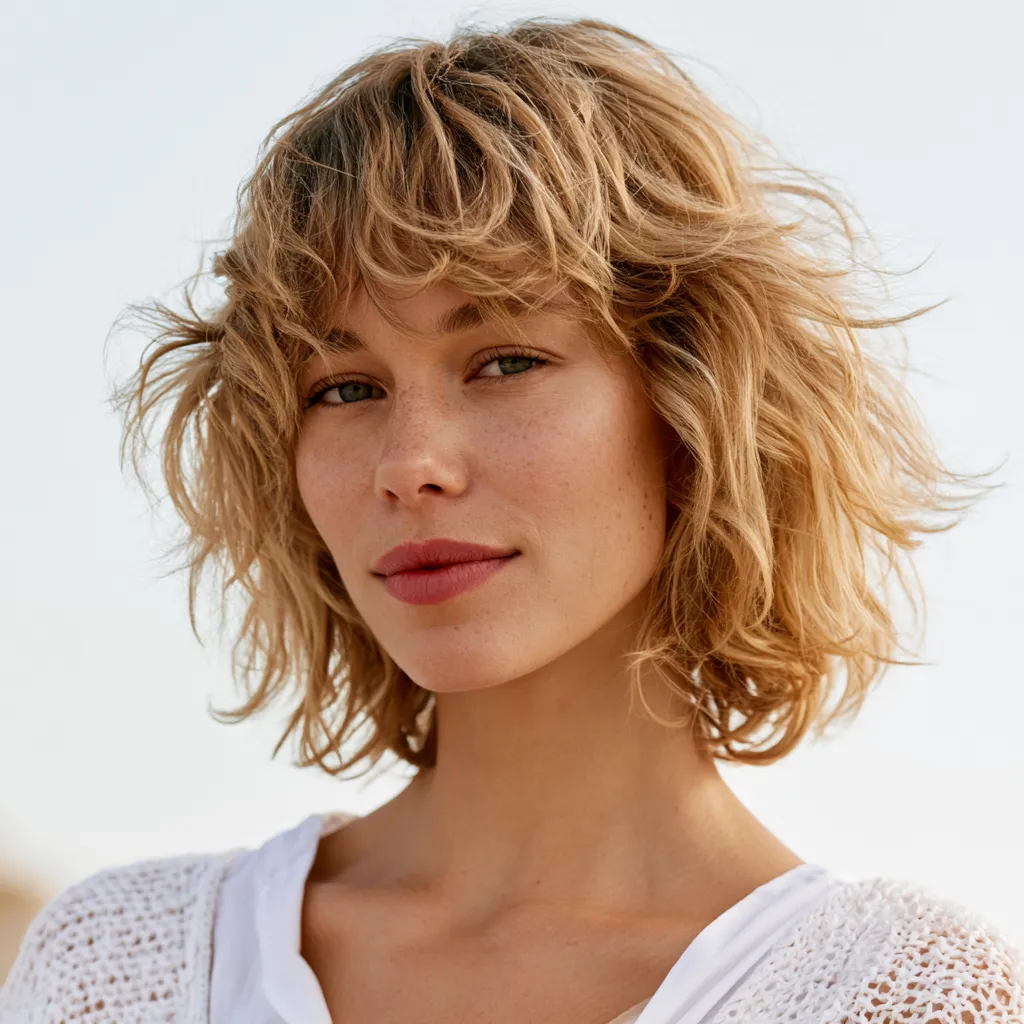
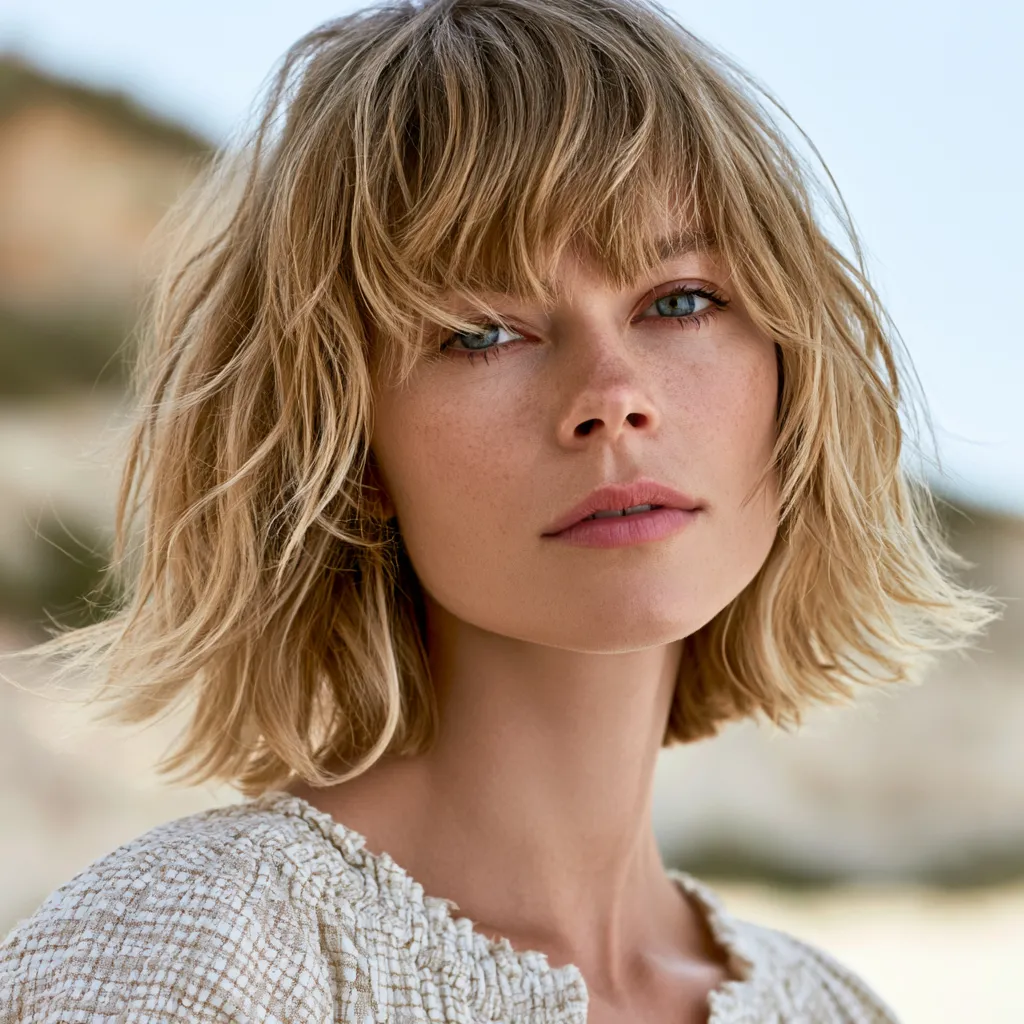

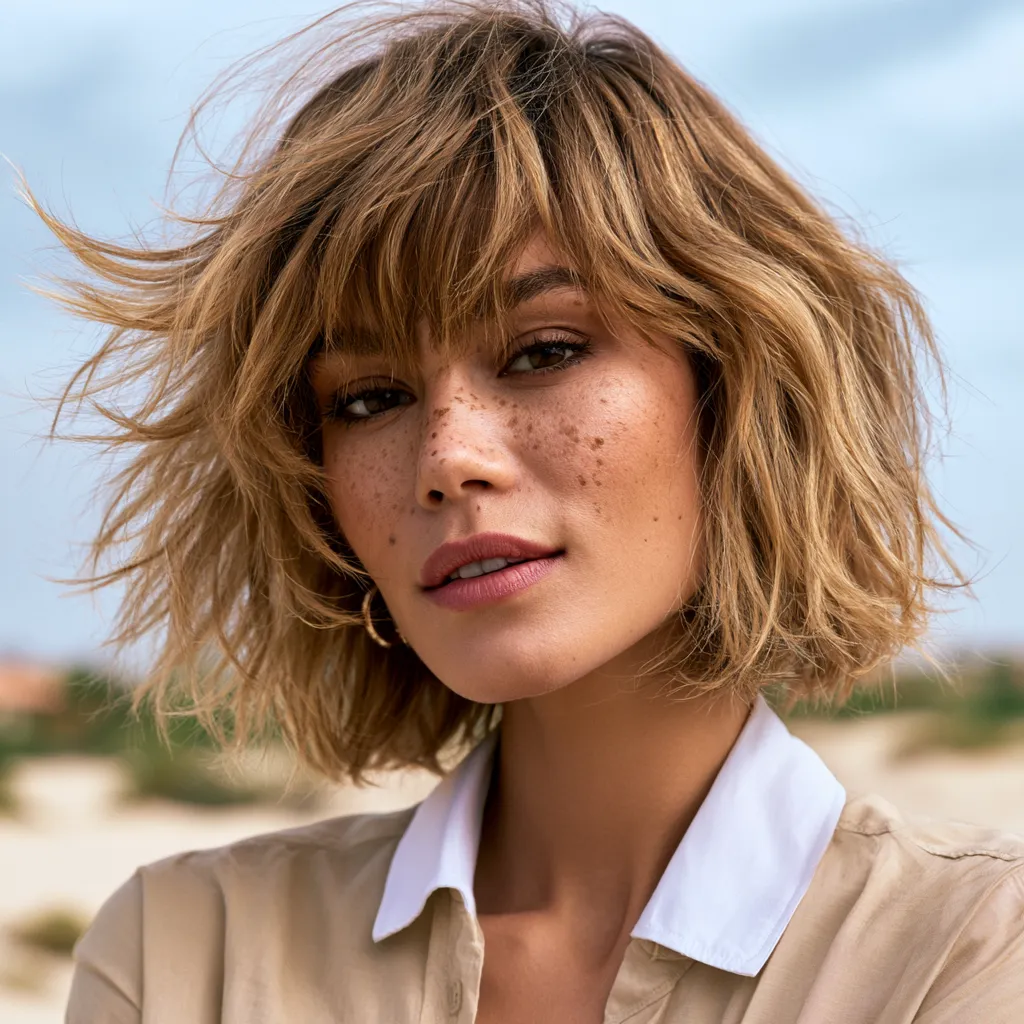
For fine hair, the mini shag variant is doing serious structural work right now. According to specialists cited by ParisSelectBook.com in April 2026, the mini shag can add up to 40% extra volume to fine hair — making it one of the most volumizing cuts available without extensions. That is a significant number. The key is that the layers are cut shorter and more densely at the crown, creating lift at the root rather than relying on product to fake it.
For thick hair, the approach flips. You want weight removed through the mid-lengths, not the crown. Slide cutting — one of the three techniques now listed as a must-have advanced skill on 2026 cosmetology menus — is the right tool here. It removes bulk without creating a step-ladder layer pattern that reads as dated. Point cutting handles the ends. Razor finishing adds that final lived-in softness.
Curious about how color interacts with these layered textures? 10+ Playful Purple Passion Twist Hairstyle Concepts for a Bold Statement explores how bold tonal choices can amplify movement in textured cuts — useful context if you are thinking about changing both your cut and your color this season.
What is the right product to finish a shaggy bob? Refinery29 stylist sources are consistent here: PATTERN by Tracee Ellis Ross Palo Santo Styling Cream is the current hero product for this cut’s natural texture finish. It retails for approximately $28 at Ulta Beauty. You scrunch it into damp hair and let it air dry. That is the entire routine. For days when you want more definition without the crunch, Ouai’s Air Dry Foam ($30, Sephora) layered underneath the cream gives a softer hold without disrupting the movement.
What NOT to do: do not reach for a smoothing serum to finish this cut. Products like Moroccanoil Treatment ($34, Sephora) are brilliant on their own terms, but applying a smoothing oil to a shaggy bob defeats the structural point of the cut. You are flattening the very texture the layers were designed to show. If you want shine, use a light mist, not a serum.
The cowboy bob variation mentioned by Vogue Scandinavia sits at a slightly longer length than the classic shaggy bob — often grazing the collarbone. If you are between lengths and nervous about going shorter, the cowboy bob is a lower-commitment entry point. Same techniques, slightly more length to work with on days when you want to tuck it behind your ears.
| Cut | Trim Frequency | Best For |
|---|---|---|
| Shaggy Bob | Every 8–10 weeks | All hair types, low-effort routine |
| Precision Blunt Bob | Every 6 weeks | Thick, straight hair with daily styling time |
| Cowboy Bob | Every 8–10 weeks | Those wanting shaggy texture at longer length |
| Mini Shag | Every 7–9 weeks | Fine hair needing structural volume |
Maintenance Reality of the Shaggy Bob and What Stylists Won’t Tell You First
The shaggy bob has a genuine maintenance advantage over most precision cuts — and it is one of the reasons stylists are recommending it to clients who cannot commit to six-week appointment cycles. Neale Rodger at STIL salon London is specific: this cut grows out intentionally without requiring frequent trims, typically every 8–10 weeks versus every 6 weeks for a precision bob. Over a year, that is two fewer salon visits. That matters.
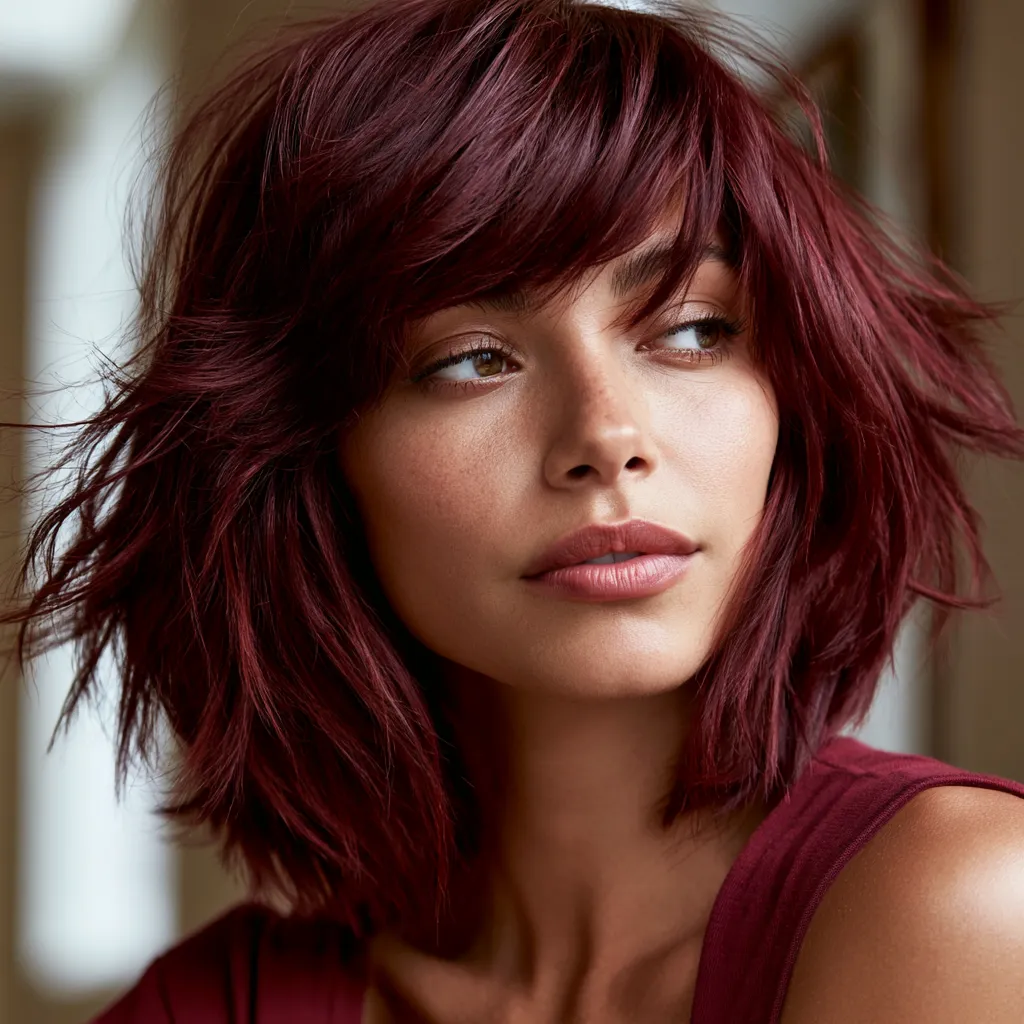
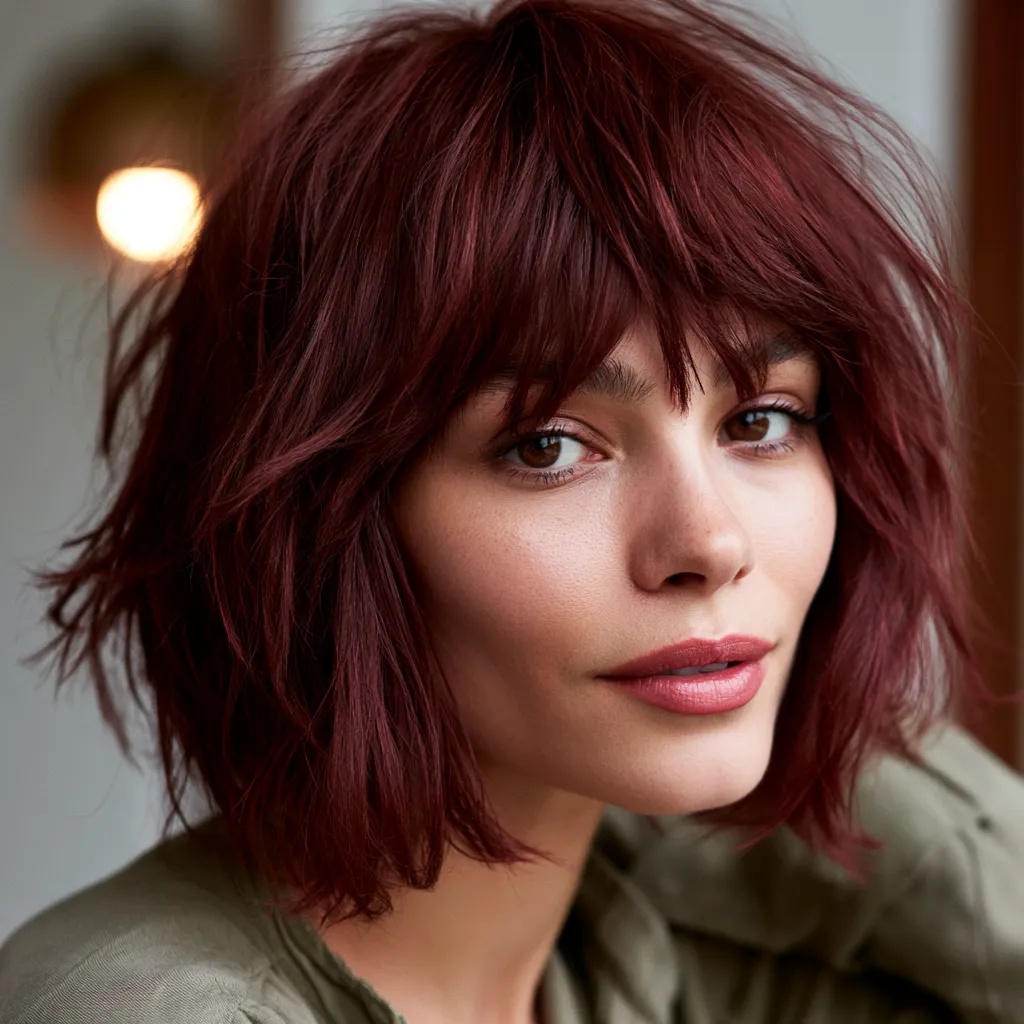
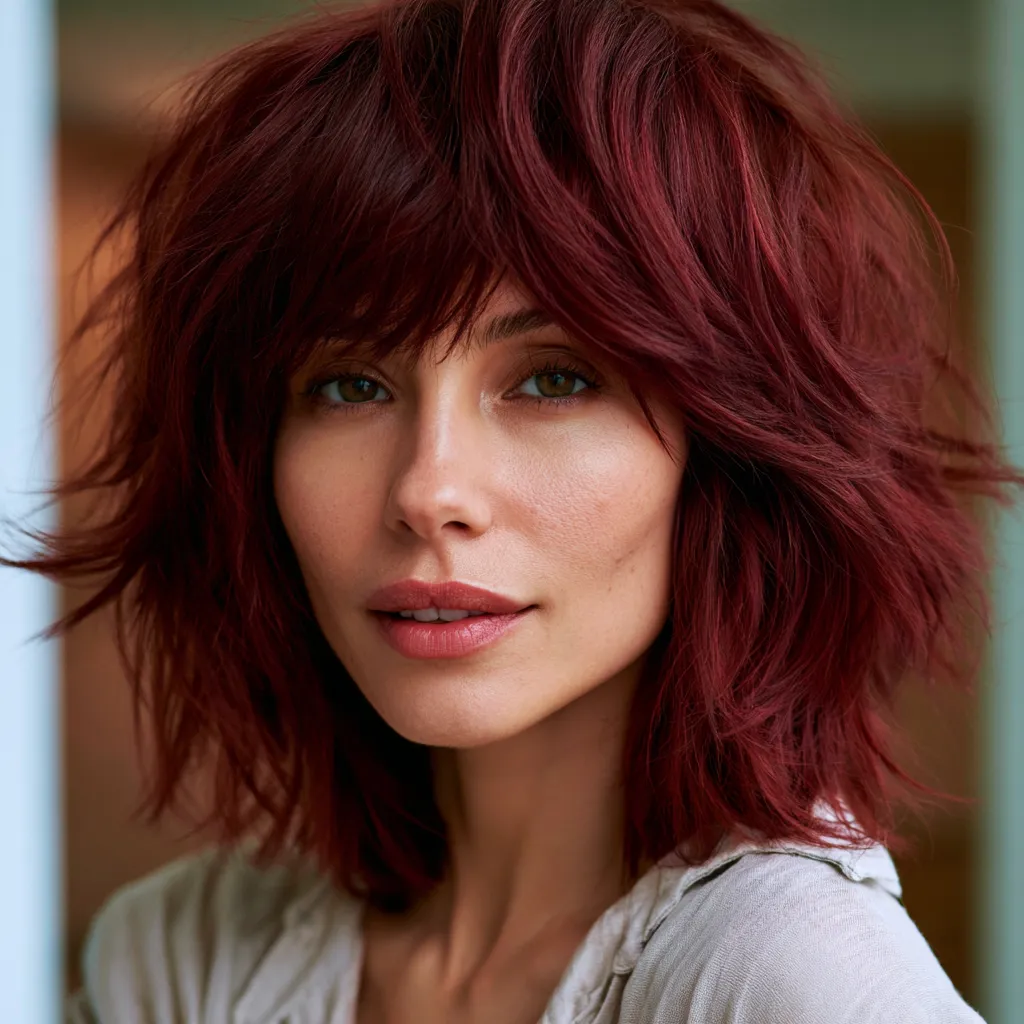
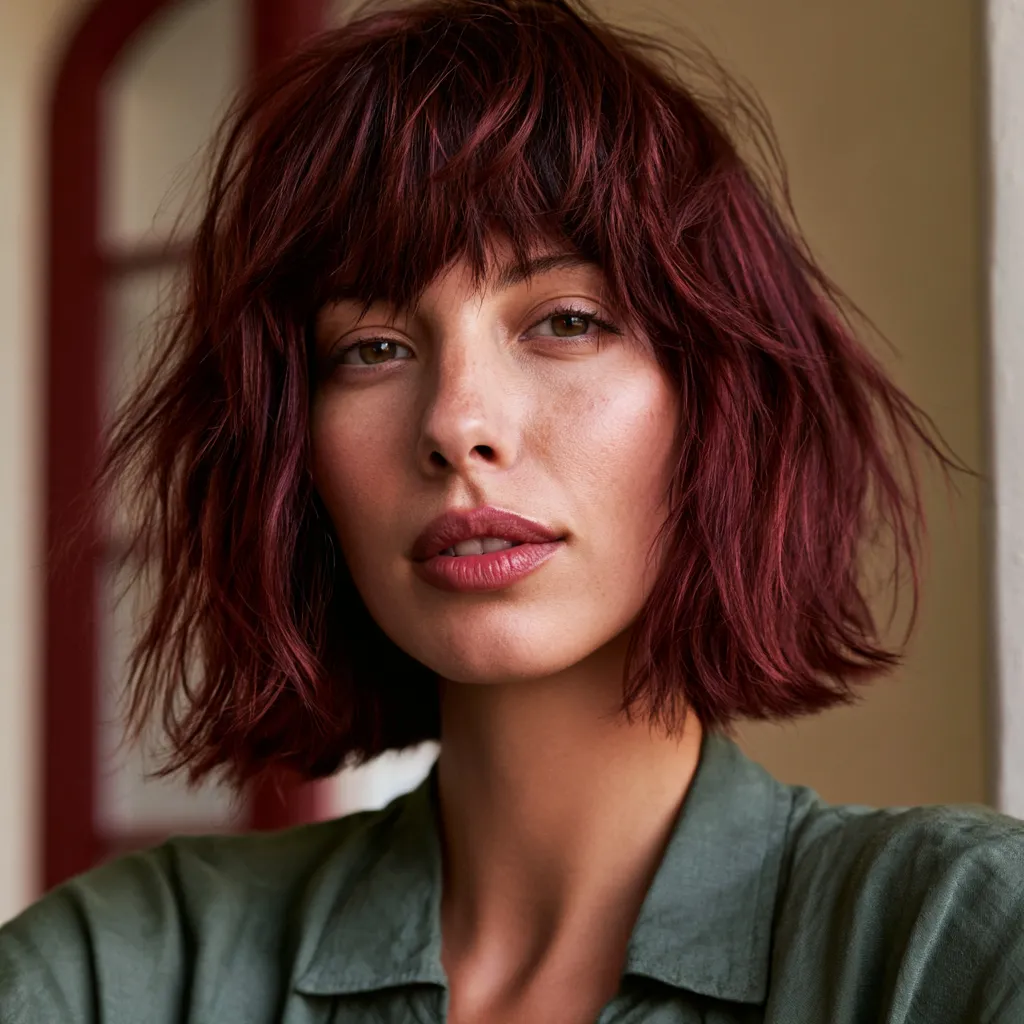
The grow-out logic is structural. Because the layers are feathered and the ends are soft rather than blunt, there is no single sharp line that announces itself the moment the cut is two weeks past its prime. A blunt bob at week seven looks like a blunt bob at week seven. A shaggy bob at week nine looks like a slightly longer shaggy bob. The difference in daily experience is real.
How does this cut behave in summer humidity specifically? Better than most. The layers distribute the hair’s weight across multiple planes rather than concentrating it at one hemline, so the cut does not puff into a triangle shape in humid air. If your hair tends to expand in heat, the shaggy bob’s built-in texture means the expansion reads as volume rather than frizz — provided you are using the right products and not fighting it with a brush.
The tools you use at home matter more than most people acknowledge. ghd’s Helios Hairdryer ($279, ghd.com) with a diffuser attachment is the right finishing tool for this cut on wavy or curly hair. For straight hair that needs lift, the same dryer with a volumizing nozzle and a round brush creates the slight flip-under at the ends that made Ayo Edebiri’s version so referenced. You do not need a lot of equipment. You need the right one.
What NOT to do: do not flat-iron a shaggy bob every day. This is not a cut designed to be smoothed into a sheet. Straightening removes the texture that makes the layers visible and leaves you with a slightly uneven blunt bob — which is the worst of both worlds. If you want a sleeker finish occasionally, use a ghd Original Styler ($199, ghd.com) on a low heat setting and only through the ends, not the roots. Reserve it for specific occasions, not daily use.
Color choices can either amplify or fight this cut. In 2026, the shaggy bob works best with tonal color — babylights, color melting, or even a single-process that matches your natural depth. High-contrast highlights placed through a shaggy bob tend to chop the visual flow of the layers. You want the eye to follow the movement of the hair, not jump between color blocks. If you are coloring and cutting simultaneously, ask your colorist to soften any contrast at the ends specifically — that is where the tonal harmony makes the biggest difference on a layered bob.
FAQ
Is the shaggy bob good for fine hair?
Yes — the mini shag variant is specifically suited to fine hair and can add up to 40% extra volume without extensions, according to specialists cited by ParisSelectBook.com in April 2026. The layers are cut shorter and denser at the crown to create root lift structurally, not through product volume alone. Ask your stylist specifically for the mini shag if your hair is on the finer side.
How often do you need to trim a shaggy bob?
Style director Neale Rodger at STIL salon London recommends trimming every 8–10 weeks, compared to every 6 weeks for a precision bob. The feathered layers and soft ends mean the grow-out phase reads as intentional length rather than a cut past its prime. This makes it a genuinely lower-maintenance option for anyone who struggles with frequent salon scheduling.
What is the difference between a shaggy bob and a cowboy bob?
Both are textured, movement-forward cuts in the bob family, but the cowboy bob typically grazes the collarbone — slightly longer than the classic shaggy bob's neck-to-shoulder range. Vogue Scandinavia reported the cowboy bob surged after Megan Fox debuted it, with Oslo stylists confirming it as summer 2026's fastest-growing consultation request. If you want the shaggy bob's texture without committing to a shorter length, the cowboy bob is the right conversation to have.
What products work best for a shaggy bob on wavy hair?
Refinery29 stylist sources name PATTERN by Tracee Ellis Ross Palo Santo Styling Cream as the hero product, retailing for approximately $28 at Ulta Beauty. You apply it to damp hair and air dry — no further tools required. For more definition without stiffness, layering Ouai Air Dry Foam ($30, Sephora) underneath the cream before scrunching gives wavy hair extra shape without crunch.
Can you straighten a shaggy bob?
Occasionally yes, daily no. Using a ghd Original Styler ($199, ghd.com) on a low heat setting through the ends only can create a sleeker finish for specific occasions. Straightening the entire cut daily removes the texture that the layered structure was built to show, leaving you with an uneven shape that functions as neither a smooth bob nor a shaggy one.
What face shapes suit the shaggy bob haircut?
The shaggy bob's adaptability comes from its adjustable length window — between the neck and shoulders — and the placement of layers at the crown versus the mid-lengths. Oval and heart face shapes tend to work well with more volume at the crown. For square or round faces, layers concentrated at the mid-length and a side part rather than center part create a longer visual line. Discuss layer placement explicitly with your stylist rather than relying on generic face shape charts.
Save this
Shaggy Bob Haircut Summer 2026 Moves Like Nothing a Precision Cut Can Match
The shaggy bob haircut summer 2026 is not a trend built on aesthetics alone — it is built on what women actually need from their hair in June, July, and August. Fewer salon visits. Air-dry finishes that work. A cut that improves with humidity instead of collapsing under it.
Bring a reference photo to your stylist, discuss your density before your stylist picks up a razor, and invest in one good cream product rather than a shelf of smoothing tools. The cut does the rest. Save this post.
📌 Save to Pinterest