Quick Scan — Travertine + Limewash Bathroom
- Always seal travertine with Tenax Hydrex before installation — not after first use.
- Limewash only bonds correctly to porous, prepped substrates; skip this step and it peels within months.
- Honed travertine outperforms polished in daily bathroom use — fewer visible water marks and a warmer feel.
- Break floor-to-ceiling travertine with one organic contrast material (white oak, natural linen) — not a second tile color.
- Pair limewash walls with warm brass fixtures to anchor the earthy palette; chrome reads cold against clay tones.
The bathroom renovation world has a new obsession, and I’ve been watching it take over every mood board I trust. Travertine surfaces paired with limewash walls produce a warmth that no amount of white grout or glossy porcelain can fake — and right now, in spring 2026, it’s the remodel move gaining serious momentum. If you’ve already explored 4+ Modern Bathroom Remodel Ideas for a Luxurious Space or dipped into How Modern Country Bathroom Trends Are Elevating Traditional Designs, you already know texture is replacing perfection as the new luxury standard. This article goes further — specific materials, real prices, and the exact mistakes that ruin the look.
Limewash Paint Over Existing Tile Looks Patchy Because the Surface Is Wrong
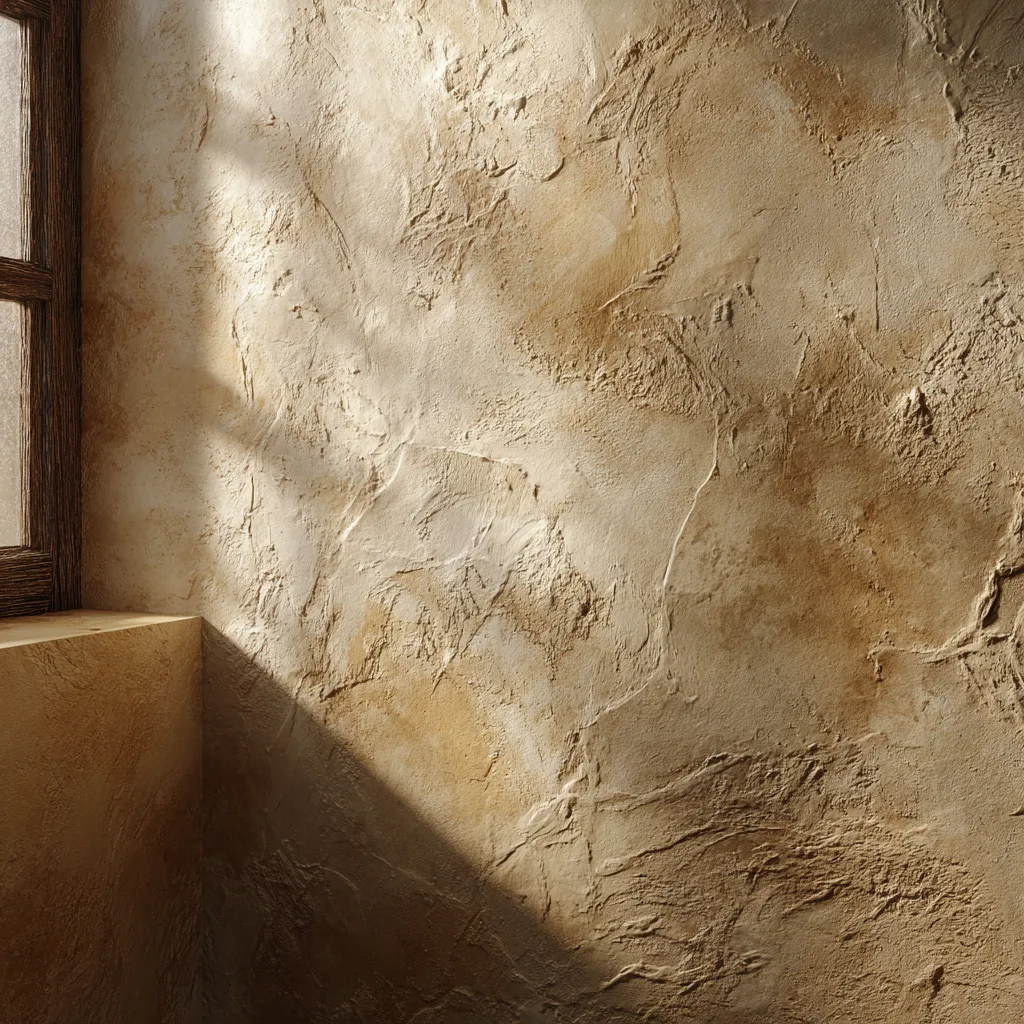
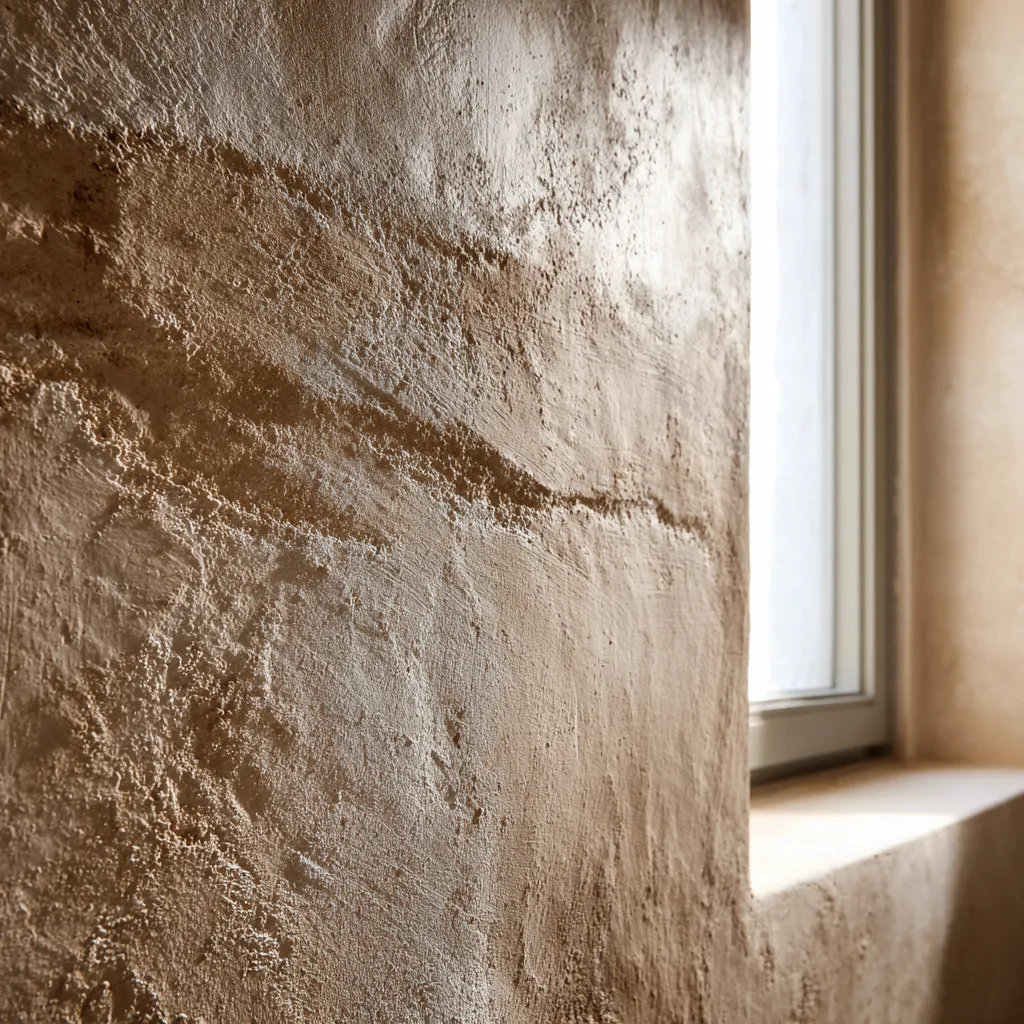
My first attempt at limewash in a bathroom failed, and the reason was obvious in hindsight: I applied it over semi-gloss painted drywall without prep. Limewash needs a porous, slightly rough substrate to bind properly, which is why raw plaster, concrete, or properly primed bare drywall are the only surfaces worth using it on. The Romabio Classico Limewash, which runs about $85 for a gallon covering roughly 300 square feet, is formulated for interior masonry and cured plaster — not painted surfaces.
So what happens when you skip the prep? The finish peels at the grout lines and looks uneven within six months, especially in a high-humidity bathroom. That’s not a product failure. It’s a substrate failure. Do not apply limewash directly over existing glossy tile, no matter what a brand’s marketing claims. The moisture cycling in a bathroom accelerates any bond weakness.
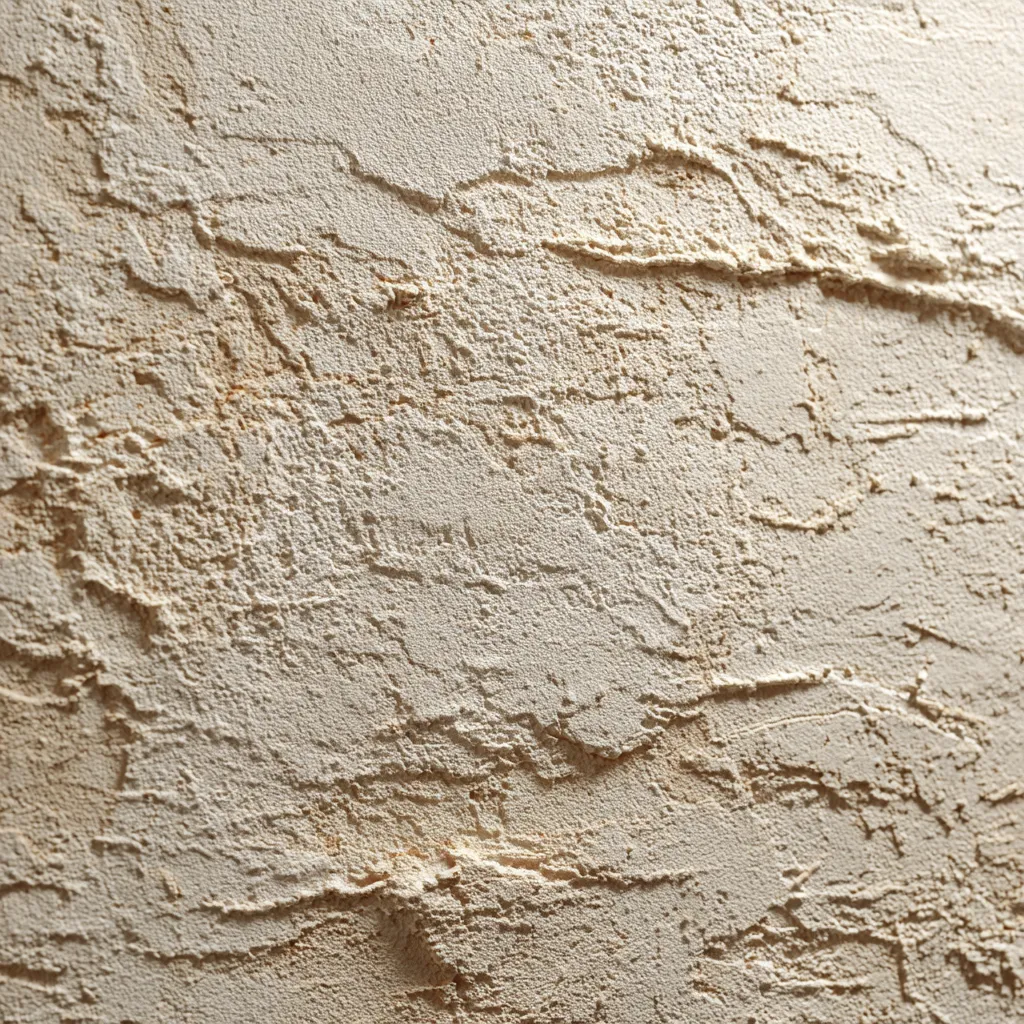
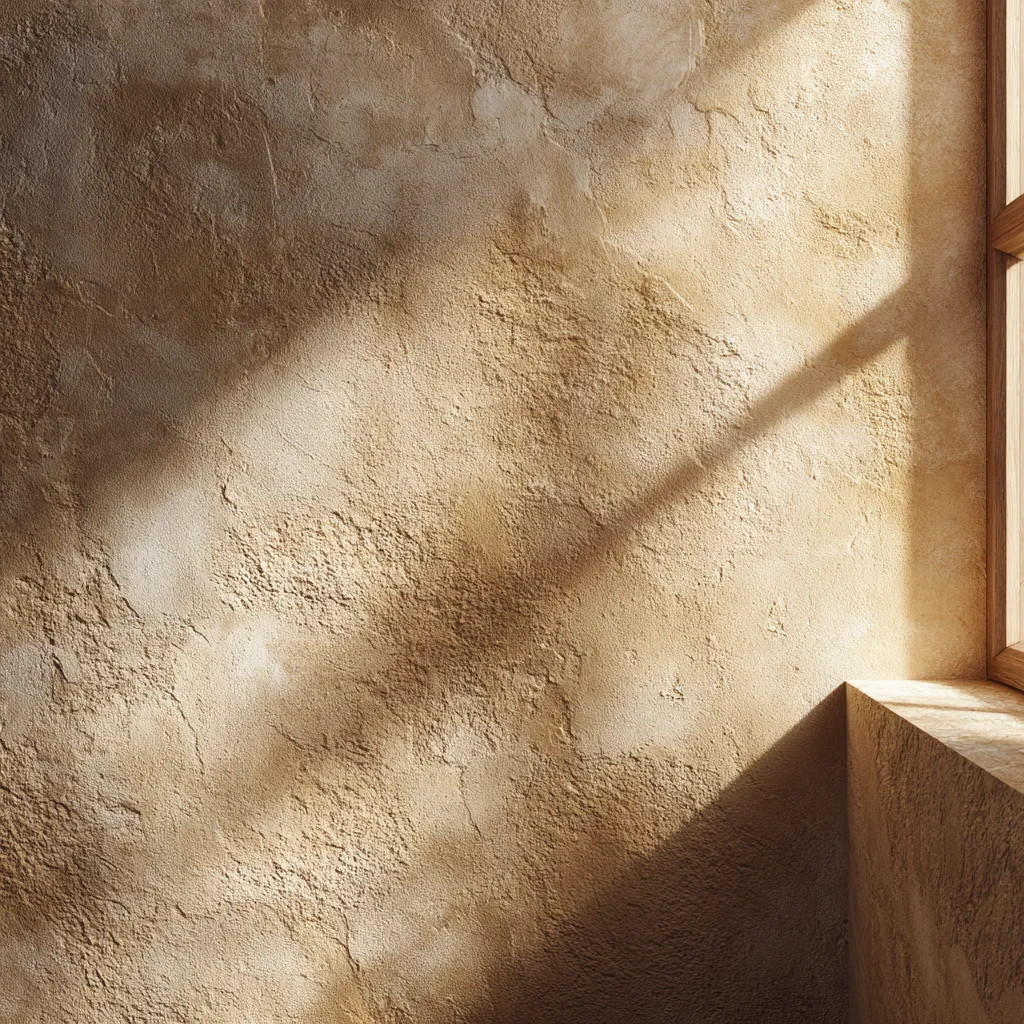
The fix is straightforward. Apply a skim coat of Venetian plaster or a bonding primer like KILZ PVA first, let it cure for 48 hours, then start your limewash layers. You’ll notice the color shifts as each layer dries — that depth is exactly what makes the look work. Two coats in the same warm clay tone, such as Portola Paints’ Roman Clay in the shade Weathered Mushroom, gives a travertine-adjacent softness that no flat paint achieves.
Don’t Do This in a Travertine Limewash Bathroom
- Don’t apply limewash directly over existing glossy tile or semi-gloss paint — the bond fails in a humid bathroom within months.
- Don’t leave travertine unsealed before plumbing installation — soap and water etch open pores permanently within days of use.
- Don’t pair travertine with dark charcoal or navy cabinetry — it collapses the warm tonal story both materials are building.
- Don’t use a brick-bond tile layout if you want the room to read tall — stacked vertical 12×24 adds perceived height that brick-bond removes.
Travertine Vanity Tops Stain Fast Unless You Seal Them Before Installation
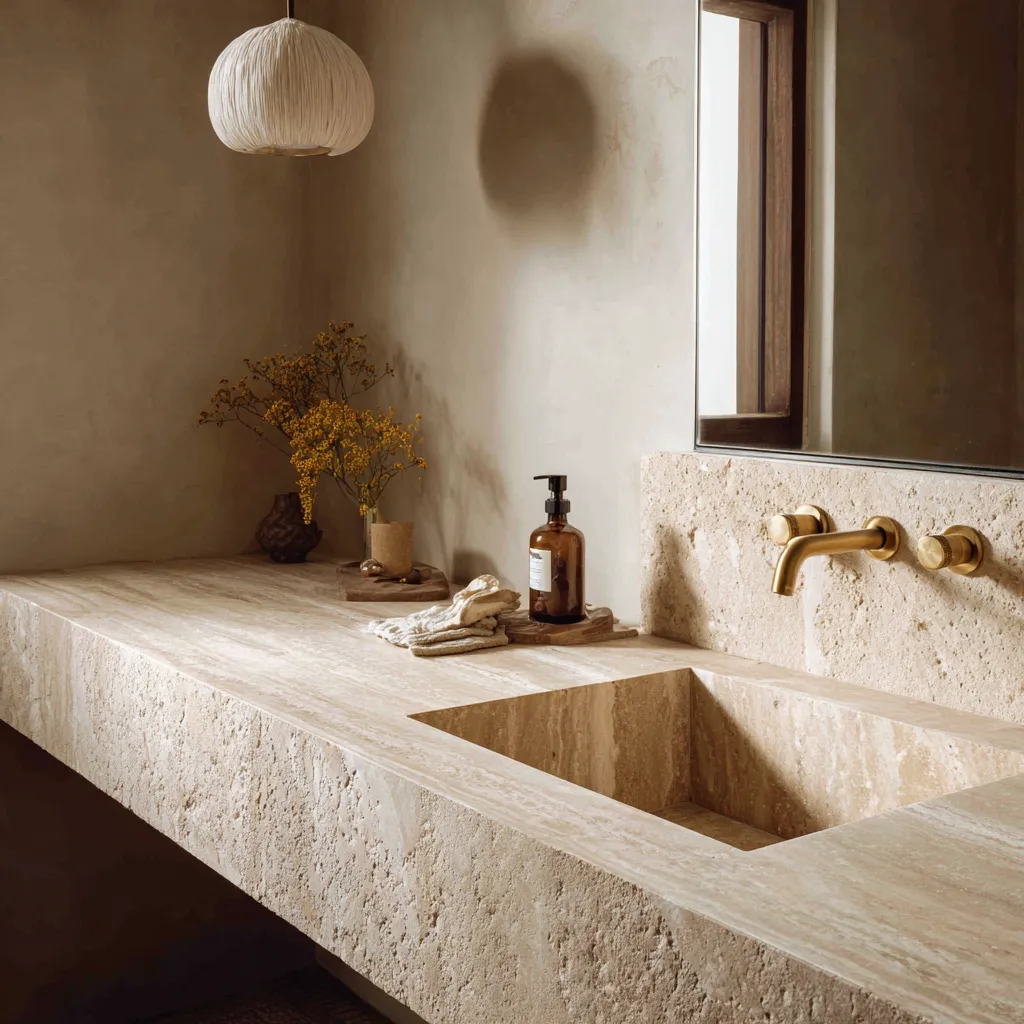
You found the right slab — creamy, filled travertine from Ann Sacks or a local stone yard, maybe $40–$70 per square foot depending on grade and region. The color is perfect. The problem is that most travertine vanity tops arrive unsealed, and the first week of use without sealing deposits soap scum, toothpaste, and water minerals directly into the stone’s open pores. That staining is nearly impossible to reverse fully.
Seal before installation, not after. Apply two coats of Tenax Hydrex Stone Sealer the day before the plumber arrives, allowing four hours of dry time between each coat. Is this step skippable? Absolutely not — travertine is calcium carbonate, which means acidic bathroom products like foaming cleansers or even lemon-scented soap will etch the surface on contact without a proper sealer barrier.
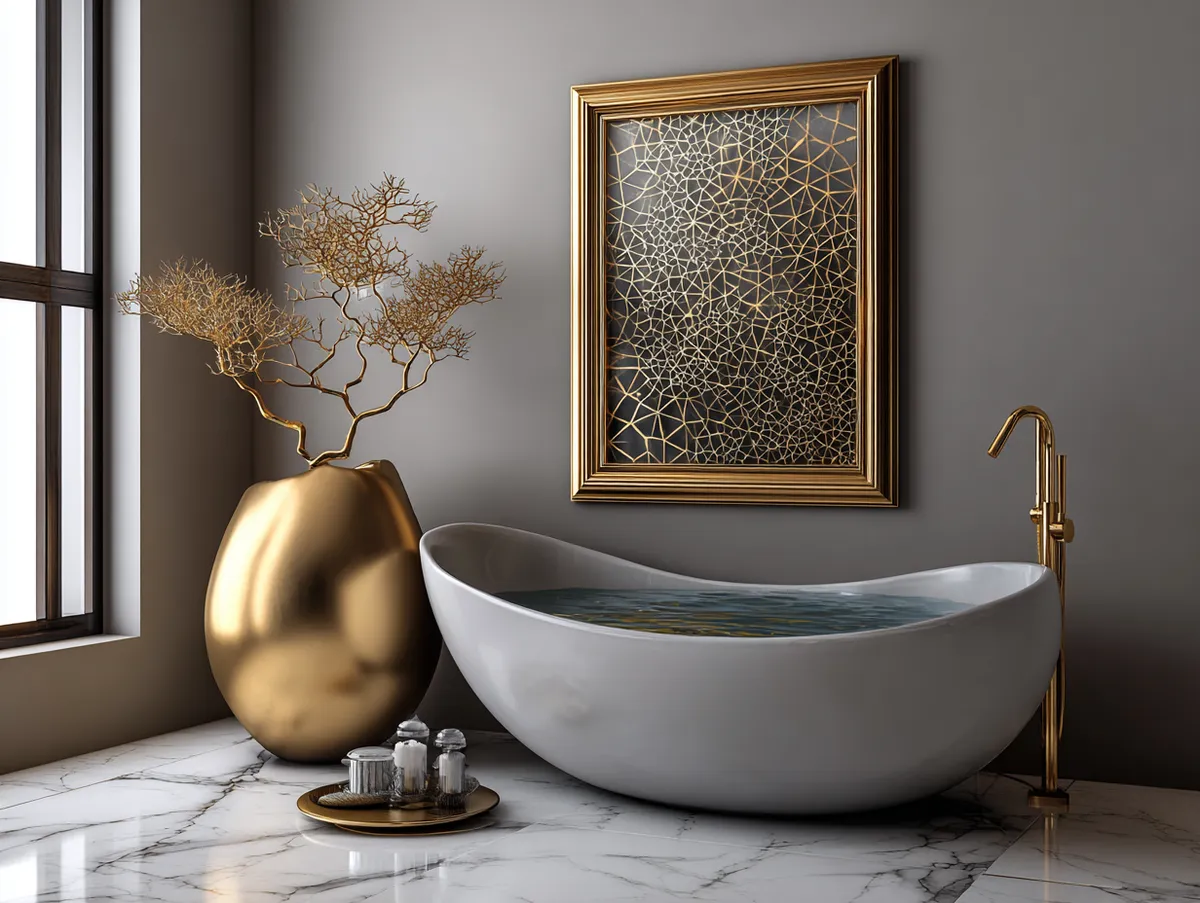
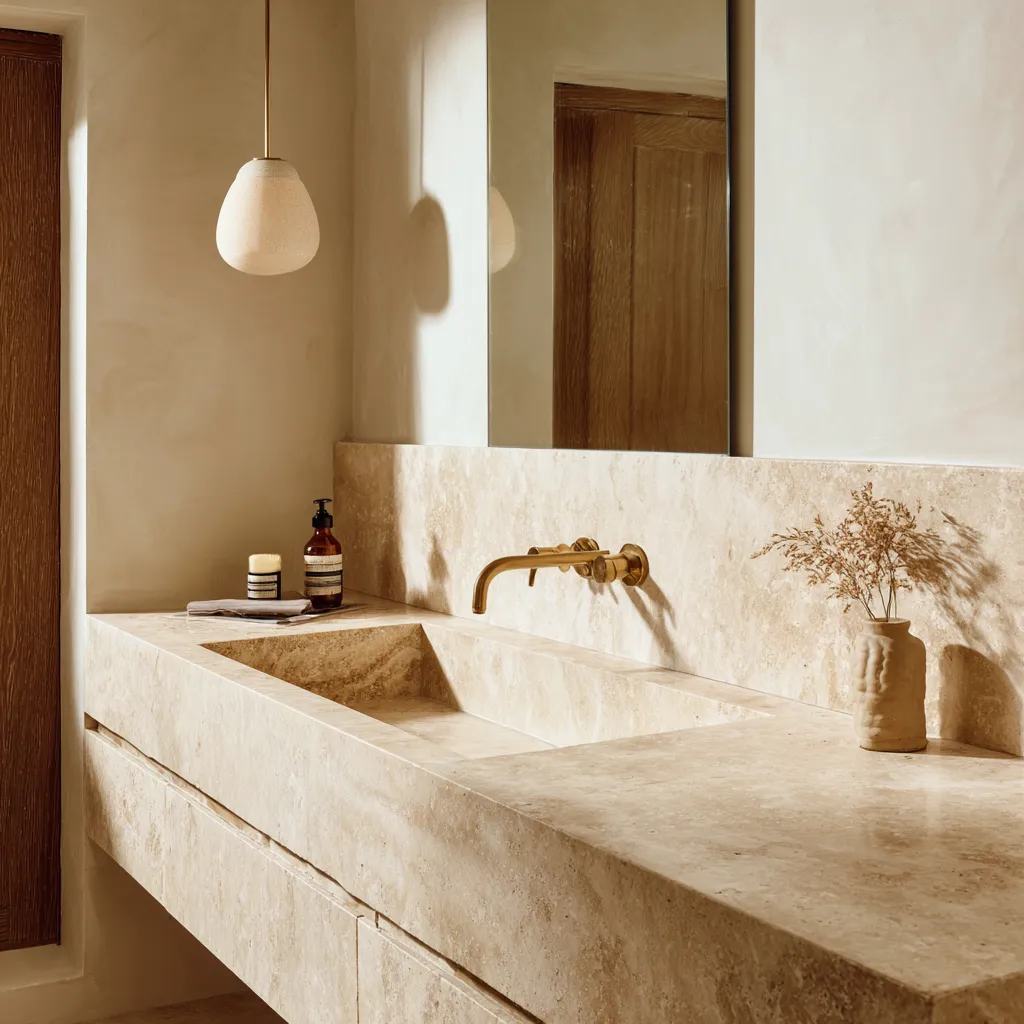
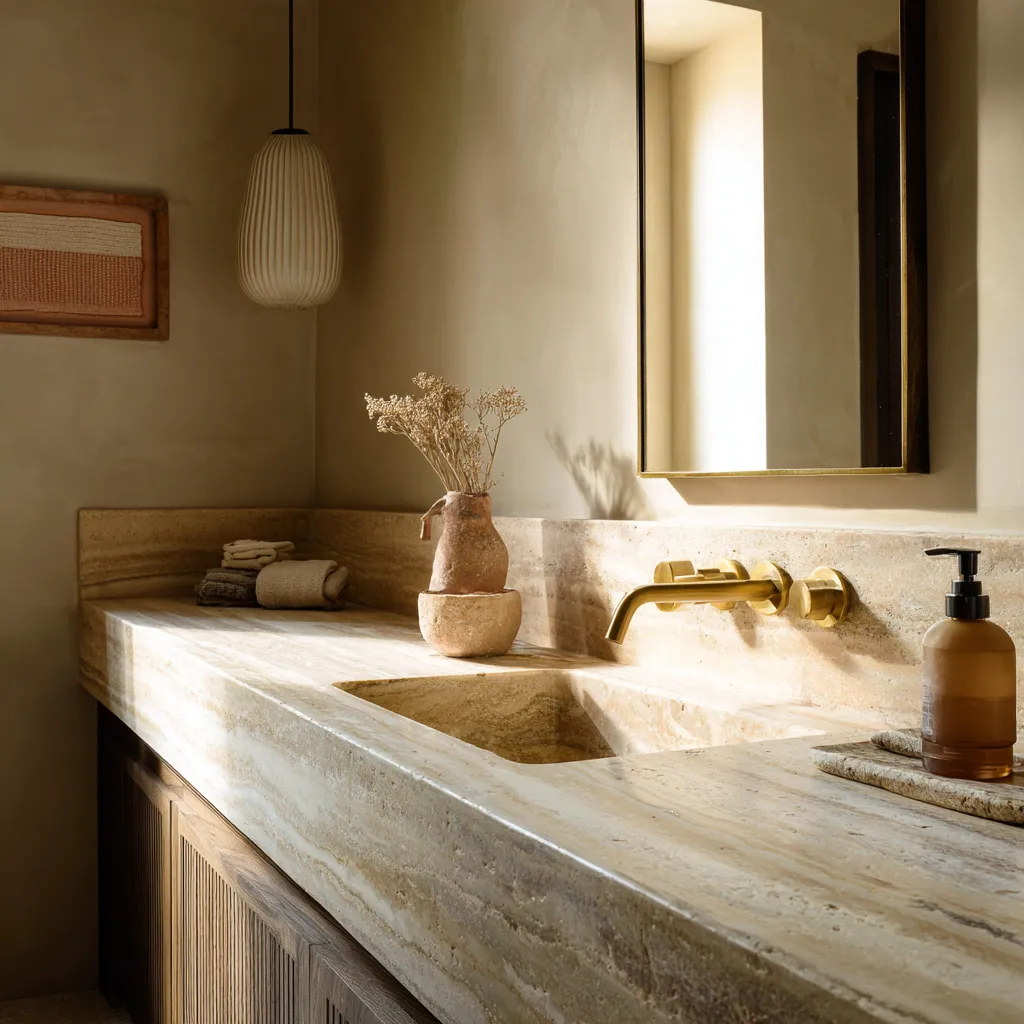
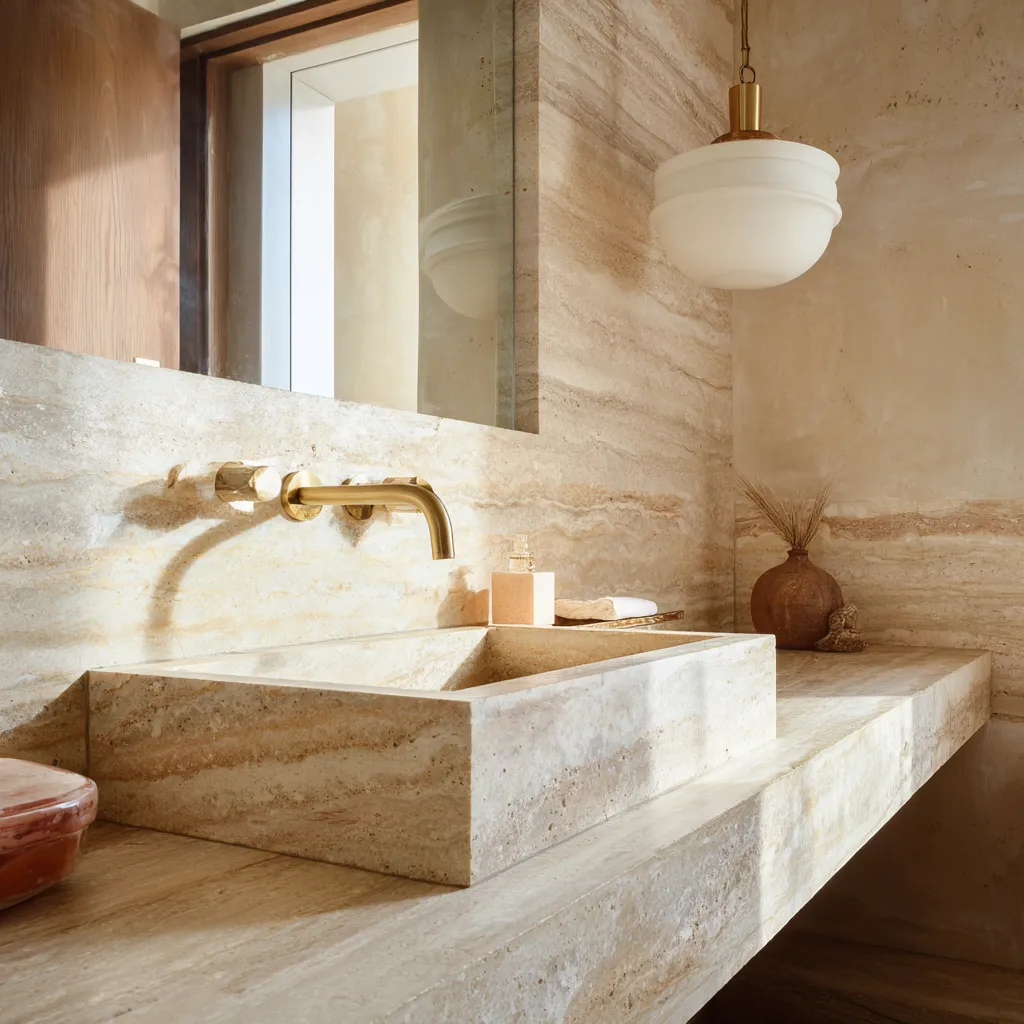
The honed finish is the better choice for bathroom vanities over polished. Honed travertine at $45–$65 per square foot shows fewer water marks in daily use and blends with limewash walls far more naturally than the mirror-polished version. Polished travertine reads as cold and formal — the exact opposite of the warm, lived-in feeling this pairing is meant to create. Pair your honed slab with unlacquered brass fixtures, like Waterworks’ Easton collection ($380–$600 per tap), and the whole combination looks like it was imported from a Tuscan renovation.
| Feature | Honed Travertine | Polished Travertine | Limewash Wall | Standard Paint Wall |
|---|---|---|---|---|
| Visual warmth | High | Medium | Very High | Low–Medium |
| Humidity resistance | Good (sealed) | Good (sealed) | Good (cured) | Moderate |
| Avg. material cost | $6–$12/sq ft | $8–$15/sq ft | $0.28–$0.35/sq ft | $0.10–$0.20/sq ft |
| Maintenance level | Medium (reseal yearly) | Medium–High | Low | Low |
| Pinterest save rate (2026) | Very High | Medium | Very High | Low |
Floor-to-Ceiling Travertine Tile Reads Heavy Unless You Break It With One Warm Contrast
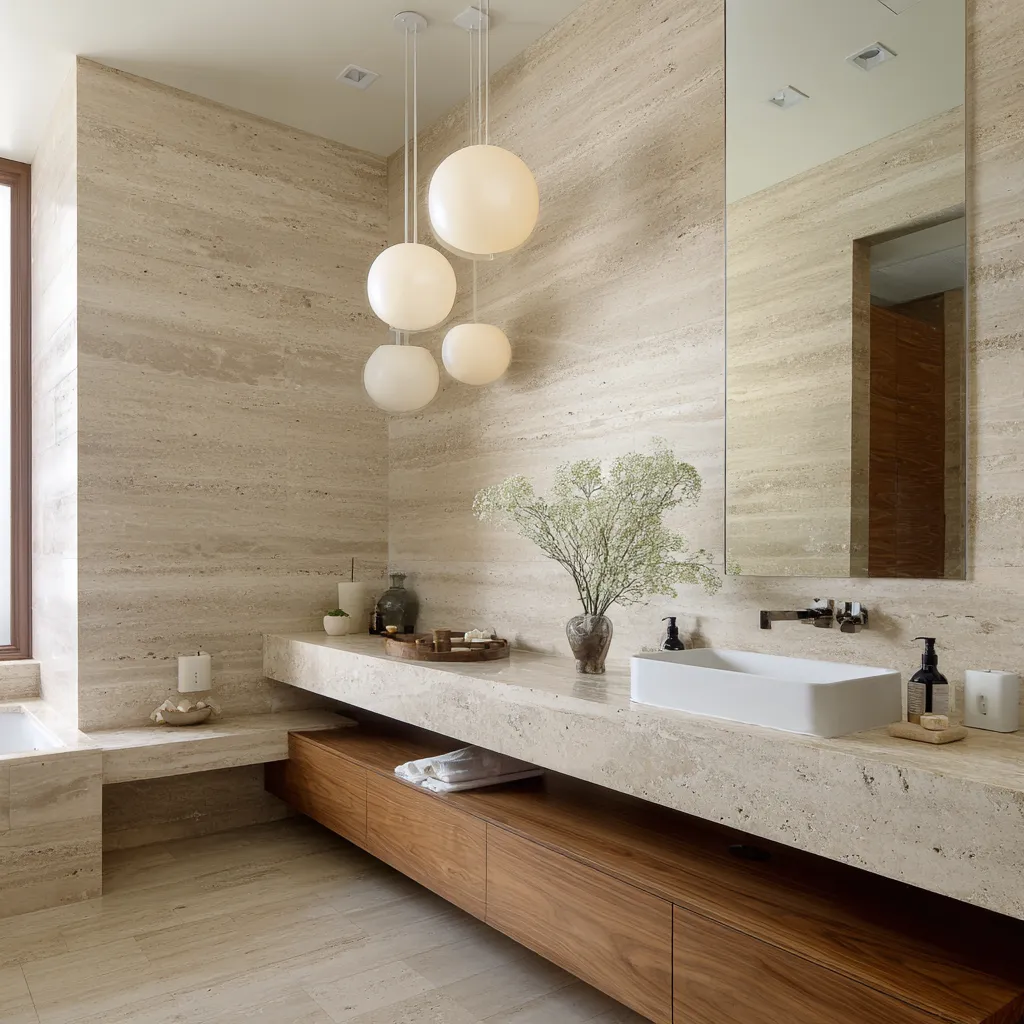
Full travertine tile wrapping from floor to ceiling is one of the most-saved looks on Pinterest right now, and I understand why — it creates a single continuous material story that feels architectural rather than decorated. But done wrong, the room reads like a beige tomb. The fix is a single deliberate contrast element, not multiple competing ones.
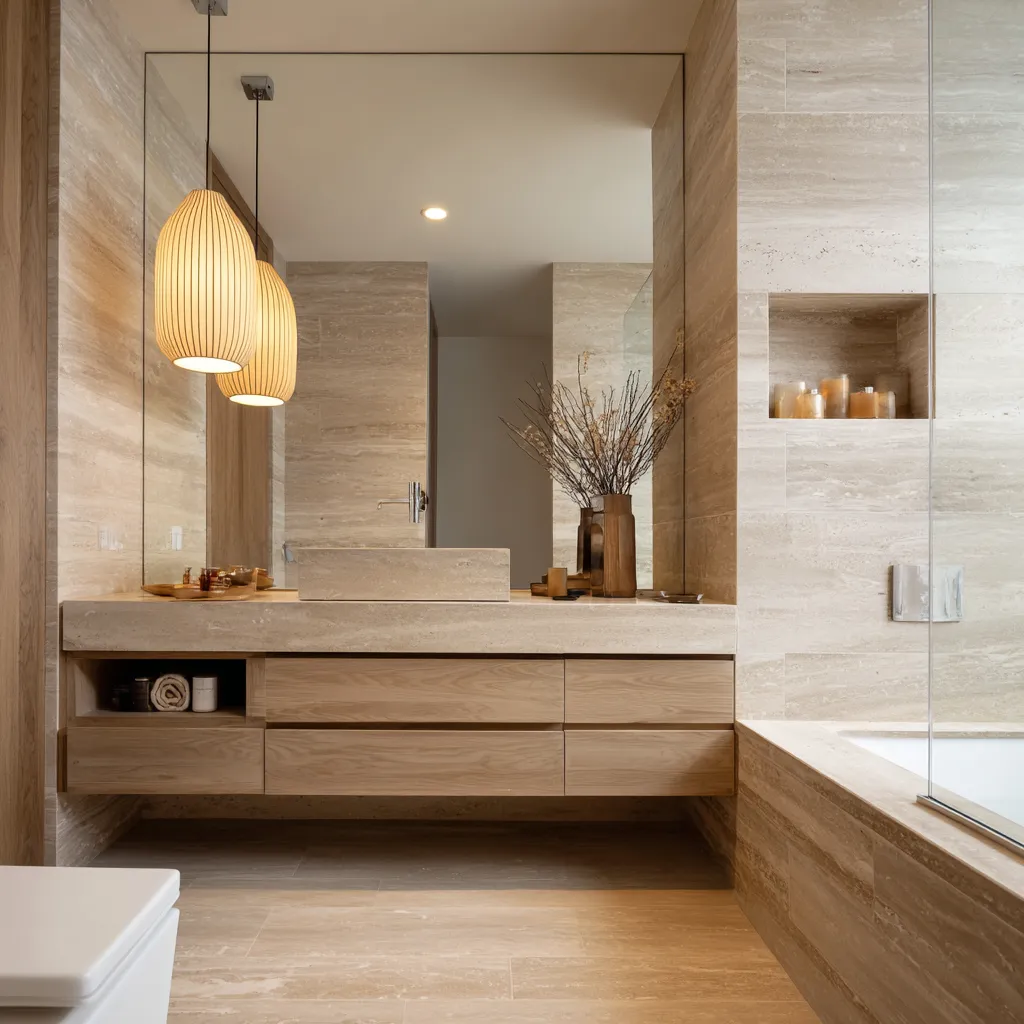
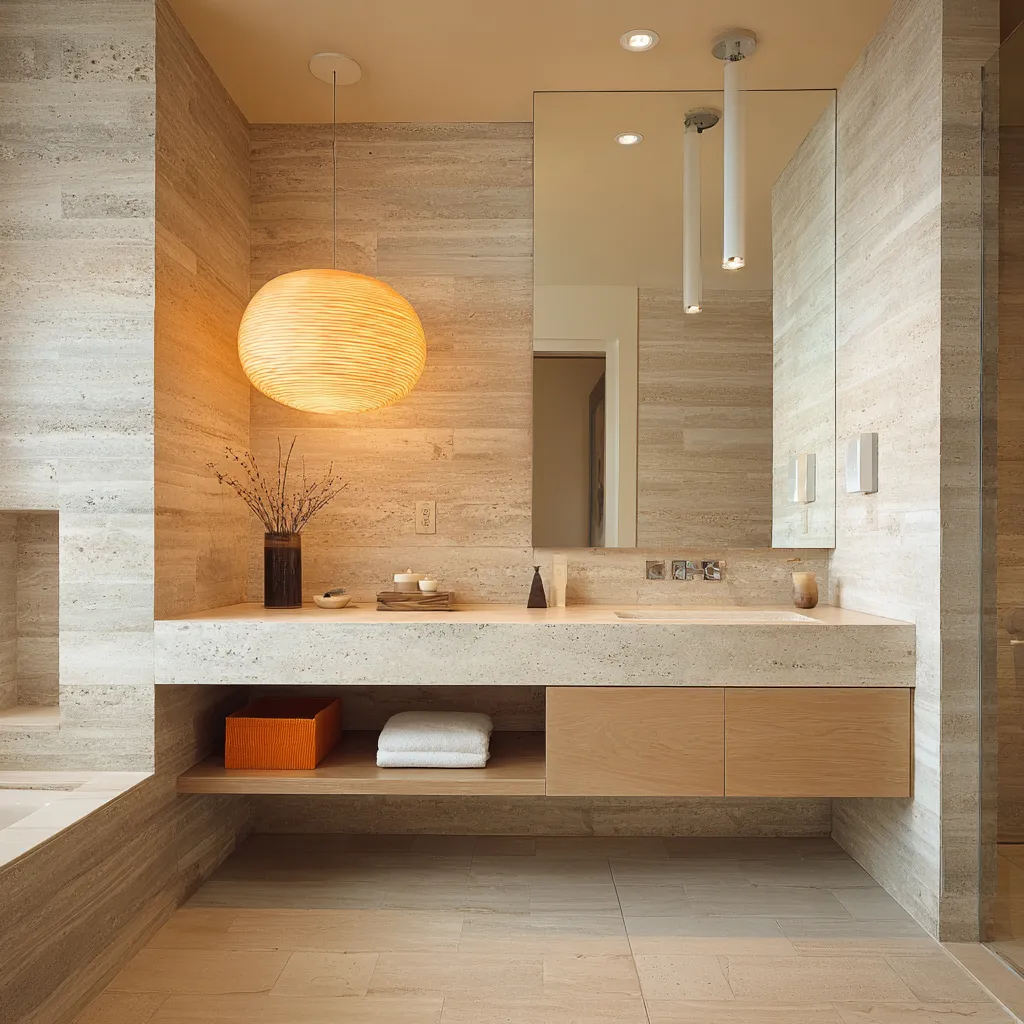
The contrast that works best is organic warmth, not color. A wall-mounted white oak floating vanity cabinet — something like the IKEA GODMORGON frame with a custom oak face, approximately $300–$500 total — breaks the travertine monotony with grain and tone without introducing a second color palette. Do not use dark painted cabinetry as your contrast in this scheme. Deep charcoal or navy against travertine flattens the warmth of both materials and makes the space feel smaller than it is.
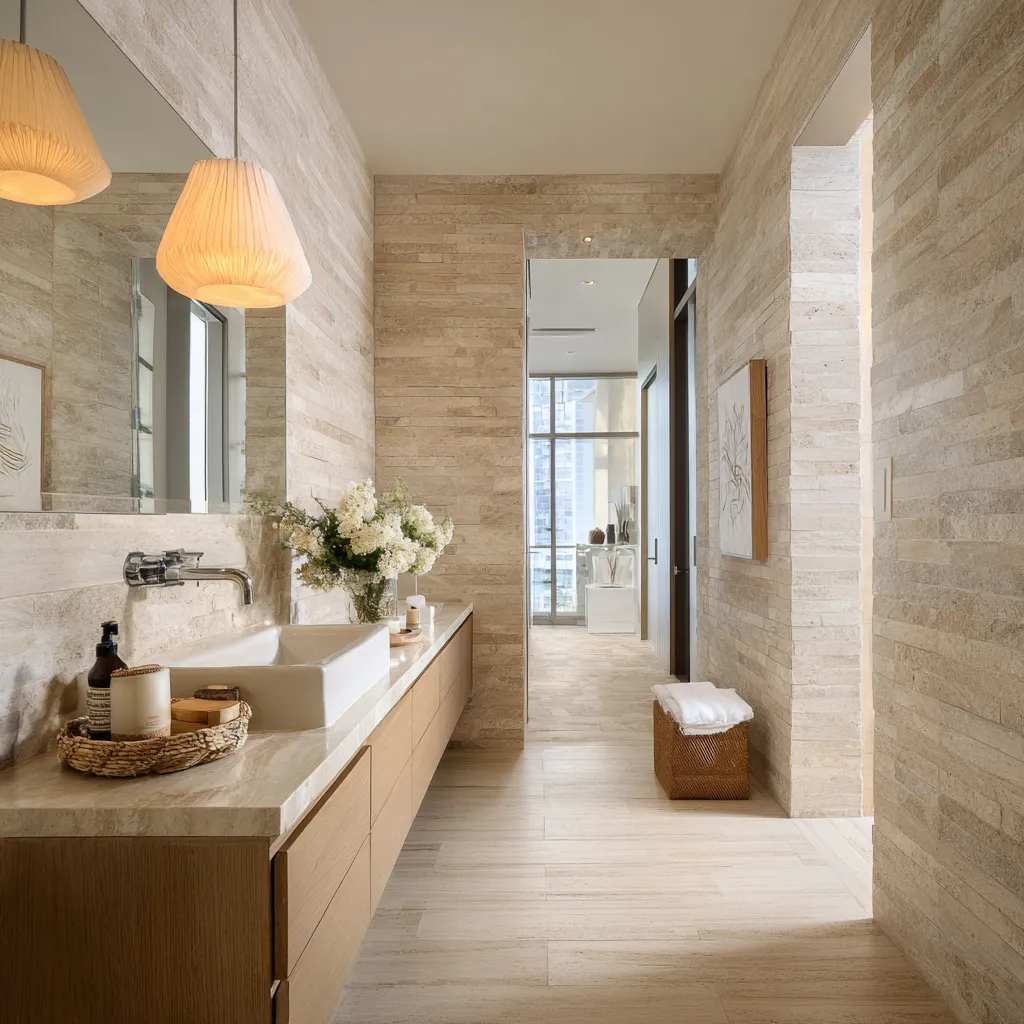
Lighting placement matters just as much as the contrast material. A single warm-toned pendant hung low over the vanity — think the Muuto E27 pendant in Beige at around $180 — shifts the whole room from cold museum to intimate retreat. I’ve seen this exact combination in three separate bathroom renovations in 2026 and the reaction is always the same: people stay in the doorway longer than they mean to. The travertine tile format matters too. A 12×24 inch stacked vertical layout on walls feels taller and less squat than a brick-bond pattern, which is a detail most contractors won’t mention unless you ask.
Related Topics
FAQ
Can I use limewash paint in a bathroom with no window?
Yes, but ventilation is non-negotiable. Install a high-CFM exhaust fan rated for the room size before applying limewash — the finish handles humidity well once cured, but trapped steam during and after application prevents proper bonding. Brands like Broan NuTone make fans rated for small bathrooms starting at around $60 that handle the job well.
How much does a travertine bathroom renovation typically cost in 2026?
A full travertine tile bathroom including material and labor runs roughly $8,000–$18,000 depending on square footage, tile grade, and regional labor rates. Honed filled travertine tile averages $6–$12 per square foot for material alone, with installation adding $8–$14 per square foot in most U.S. markets. A vanity top in travertine adds another $400–$900 depending on slab size and fabrication.
Does travertine work in a small bathroom or only large spa-style spaces?
Travertine reads well in small bathrooms when you choose a lighter fill color and keep the tile format consistent throughout — floor and walls in the same material visually expand the footprint rather than breaking it into smaller zones. Avoid dark-veined slabs in rooms under 50 square feet, as the contrast compresses the space further.
What grout color should I use with travertine tile?
Match the grout to the fill color of the travertine itself — a warm cream or ivory unsanded grout creates the continuous surface effect that makes the stone look architectural rather than tiled. Contrasting grout, especially charcoal or white, segments the individual tiles and works against the seamless look travertine is known for. Mapei's Warm Gray or Antique White in their Ultracolor Plus FA line are two grouts that integrate well.
Is limewash bathroom-safe or will it grow mold?
Properly applied limewash is naturally alkaline, which makes it inherently resistant to mold and mildew — this is one reason it was used in ancient bathhouses for centuries. The key is full cure time (at least 30 days before heavy steam exposure) and a moisture-resistant formula like Portola Paints Roman Clay or Romabio Classico, both of which are rated for interior wet areas.
Can travertine and zellige tile be mixed in the same bathroom?
They can, but the visual risk is high because both are heavily textured handmade-looking materials that compete for attention. If mixing both, limit zellige to a single accent zone — a shower niche or a narrow border band — while keeping travertine as the primary surface. Using both across full walls at the same scale creates visual noise that reads as unresolved rather than layered.
Final Thought
Travertine and Limewash Make Warmth You Can Actually Feel
The reason this combination is dominating renovation boards in spring 2026 is simple: it’s the first natural-material pairing in years that looks expensive without reading sterile. Every surface has depth. Every light shift reveals something new in the texture.
Seal the stone first, prep the walls properly, and choose one warm contrast material to keep the room from going flat. Those three moves are what separate a travertine bathroom that photographs like a boutique hotel from one that looks like an unfinished renovation.
Save this post.
📌 Save to PinterestComplete guide
Bathroom Design Ideas That Transform Every Space From Ordinary to Exceptional
Tiles, colors, fixtures, layouts, remodels, mirrors, decor — all in one place