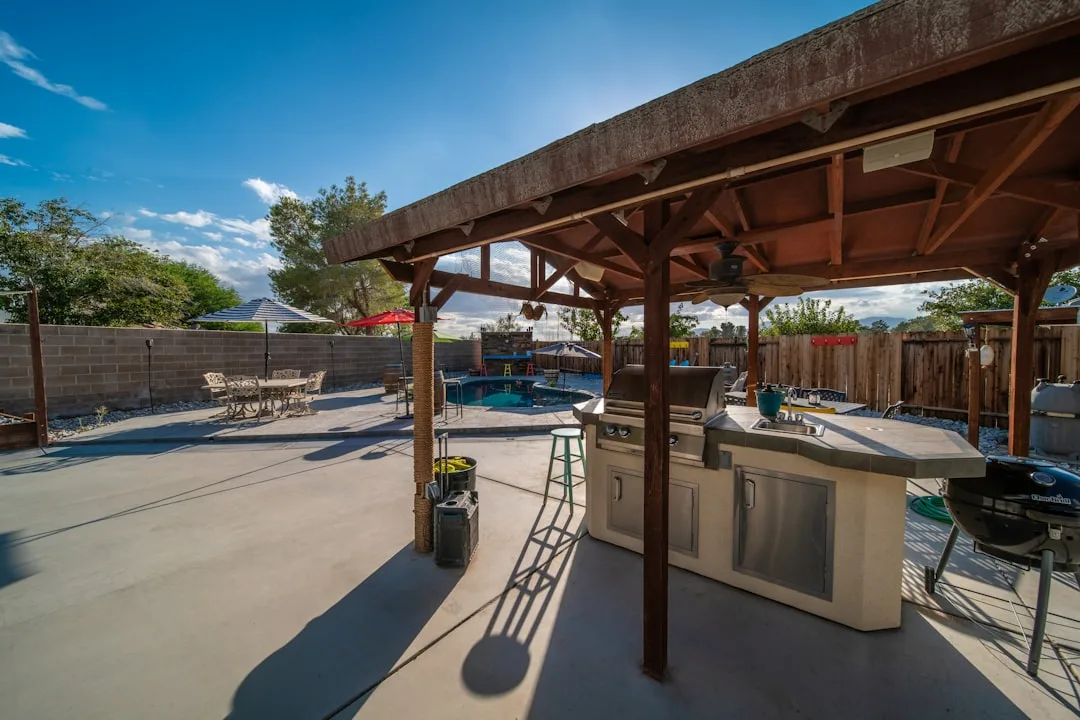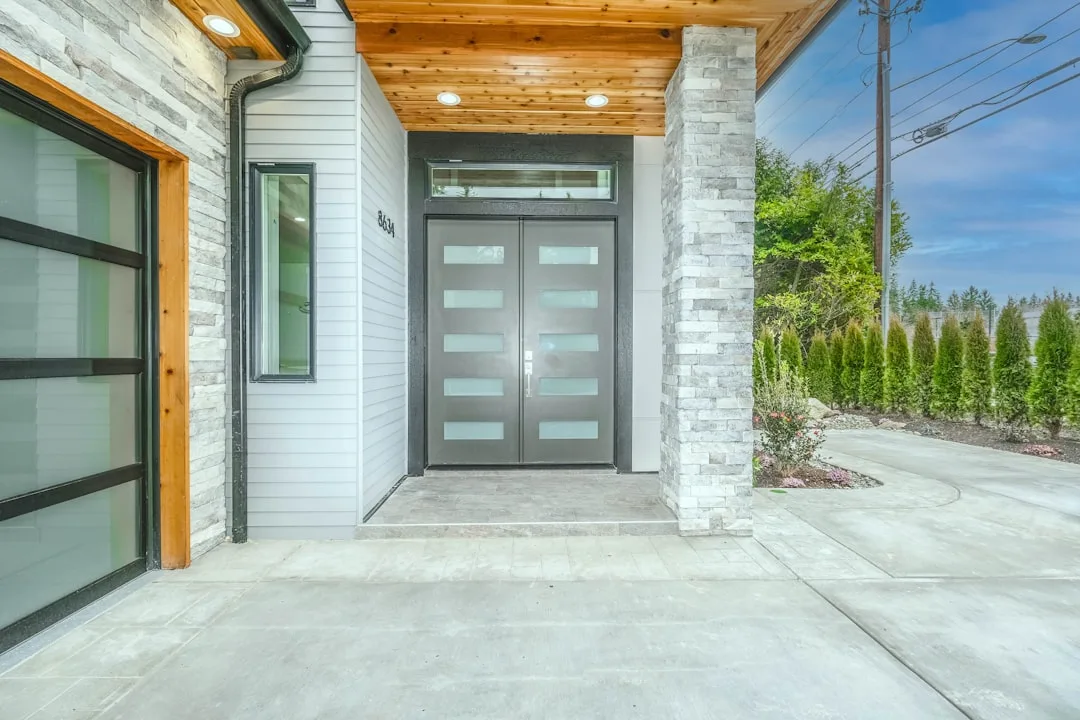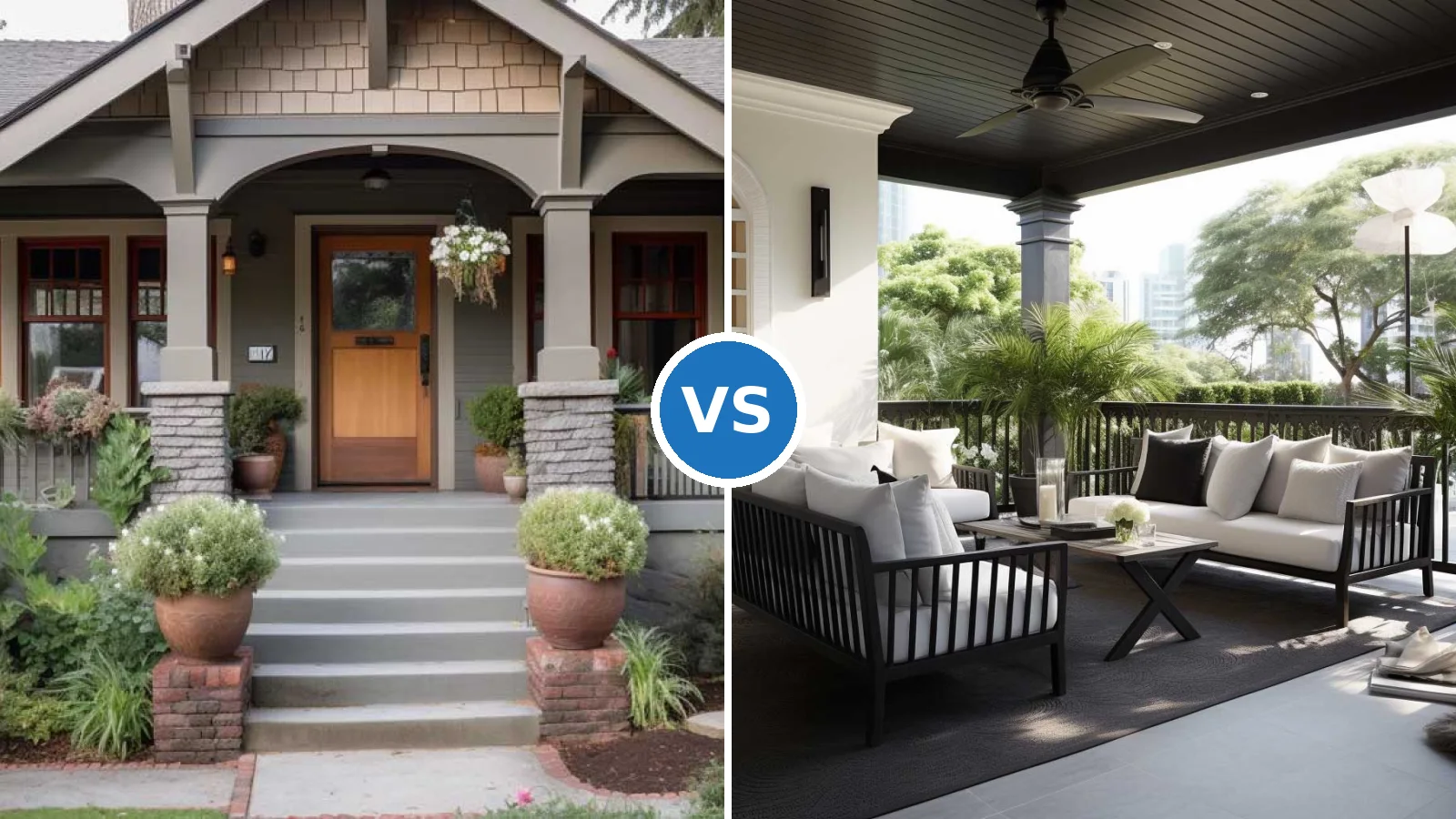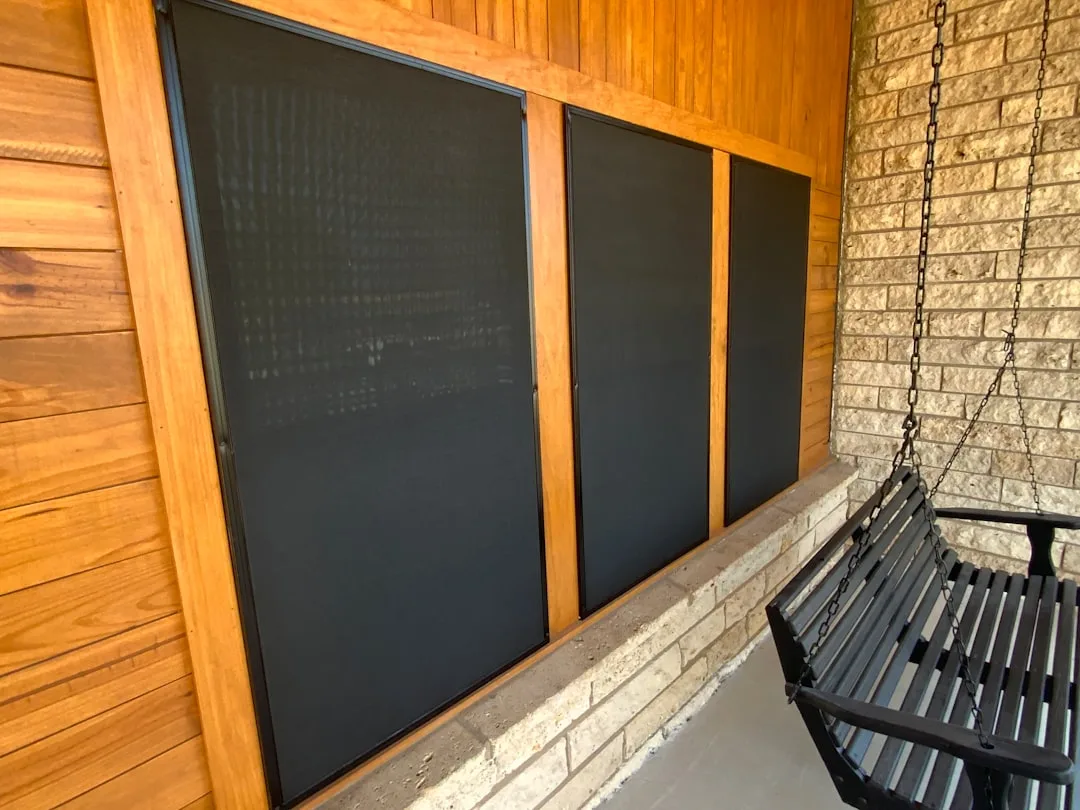
Motorized covered porch screens represent the fastest-growing segment in outdoor automation, with smart home integration driving 47% of new porch renovation decisions in 2026. Homeowners are abandoning static mesh and sliding screens for systems that retract entirely into ceiling casings with smartphone control, transforming how covered porches function year-round.
Why automation reshapes porch screen demand
Motorized systems eliminate the friction of manual operation—no more hand-cranking screens or wrestling with seasonal storage. The trend stems from mainstream smart home adoption; consumers already controlling lights and thermostats now expect the same seamless integration for outdoor living. A retractable screen that descends at sunset or retracts during clear weather directly addresses the core problem: covered porches sit unused when insects arrive or wind shifts.
Sustainability factors accelerate adoption too. Motorized screens reduce air-conditioning load by blocking solar heat on southern and western exposures, cutting cooling costs by 12–18% according to data from the American Society of Heating, Refrigerating and Air-Conditioning Engineers. Unlike fixed installations, motorized versions adapt to seasonal needs without permanent modifications.
Quick Tips
- Install motorized screens on covered porches with 12+ linear feet of opening for maximum ROI
- Pair with weather sensors ($200–400) to automate screens during rain or high wind
- Use neutral fabrics (tan, grey, charcoal) to avoid visual clutter on exposed installations
- Budget 4–6 weeks lead time for custom motorized systems; off-the-shelf options ship in 7–10 days
- Test manual override on all motorized units—backup hand-crank prevents mid-summer failures
Leading brands redefine covered porch screens
Lutron Electronics dominates high-end installations with its Palladiom system ($3,200–5,800 per unit), integrating motorized screens with home automation hubs like Apple HomeKit and Google Home. The system adjusts individual shades independently—critical for porches with varying sun exposure—and runs silent motors rated for 500,000+ cycles. Lutron’s weather sensors automatically close screens when wind exceeds 20 mph or rain is detected.
SONTE, a newer player expanding into North American markets, offers motorized screens at $1,800–3,200 per 8-foot section, with integrated solar-powered motors that require no hardwired electrical connection. The SONTE S200 model includes fabric that filters 95% of UV rays while maintaining 65% outdoor visibility—solving the transparency problem that plagued earlier motorized designs. Installation time runs 2–3 hours per covered porch.
Shade & Screen Inc. positions mid-market motorized systems ($1,400–2,500) with powder-coated aluminum frames and 18-color fabric options. Their Sundown SX model features a 10-year motor warranty and manual crank backup, addressing reliability concerns from early adopters who experienced failures during the 2024–2025 period.
Real-world covered porch configurations
| Porch Type | System Cost | Typical Lead Time |
|---|---|---|
| 12×10 ft. covered porch | $2,200–3,400 | 3–4 weeks |
| 20×12 ft. open-concept | $4,800–7,200 | 5–6 weeks |
| Retractable dual-track system | $3,600–5,400 | 4–5 weeks |
| Fixed motorized ceiling mount | $1,800–2,800 | 2–3 weeks |
Installation and material considerations
Motorized covered porch screens demand structural assessment before purchase. Load-bearing beams must support motor weight (12–18 pounds per unit) plus fabric tension, typically requiring reinforcement in homes built before 2010. Professional installers charge $400–800 for structural evaluation and mounting preparation.
Fabric selection determines functionality and longevity. High-performance polyester mesh (80–120 microns) resists UV degradation and wind stress, costing $15–25 per linear foot. Lower-grade PVC alternatives ($8–12 per foot) fail within 3–5 years in direct sunlight. Coastal properties demand salt-resistant coatings, adding $400–600 to total material costs but preventing corrosion-related motor failures common in maritime climates.
As covered porch renovations continue accelerating through 2026, motorized systems shift from luxury upgrades to mainstream expectations. Homeowners who invested in static screens are now retrofitting motors, recognizing that automation justifies the 2–3 year payback period through improved comfort and energy efficiency. Whether anchoring a modest 100-square-foot covered porch or managing a sprawling 400+ square-foot outdoor room, motorized solutions align with how modern families expect their homes to perform.