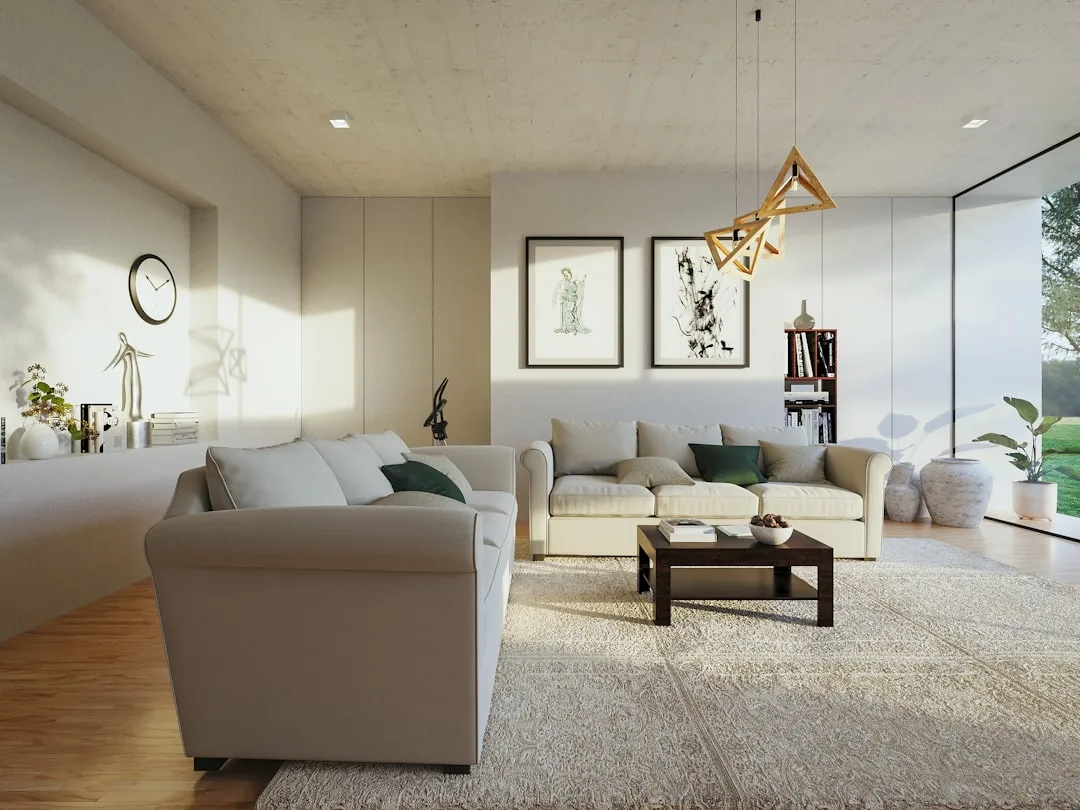
Interior designers are now competing with AI that renders photorealistic room designs in under 60 seconds—and homeowners are adopting these tools faster than traditional design consultations. Platforms like RoomGPT, Midjourney‘s interior module, and Foyr have moved AI interior design from novelty to practical planning standard in May 2026, cutting design iteration time by 70 percent.
1. How AI interior design differs from traditional rendering
Traditional 3D rendering requires architects or designers to manually input dimensions, materials, and lighting—a process that costs $500–$2,000 per room and takes 2–4 weeks. AI-powered tools accept natural language descriptions (“minimalist Scandinavian living room, light oak, white walls”) and generate 10–50 design variations in minutes at $29–$199 per month.
RoomGPT ($19/month for 20 renders) uses Stable Diffusion to transform phone photos of empty rooms into furnished, styled spaces. Interior AI ($9.99/month) specializes in before-and-after room transformations, while Foyr ($49/month) targets professionals needing export-ready 3D files with exact material libraries.
Quick Tips
- Upload 3–5 clear photos of your room from different angles for highest accuracy
- Use specific material names: “warm terracotta tiles” beats “orange flooring”
- Test 2–3 AI platforms free before committing; outputs vary by algorithm
- Export renders as reference boards, not final specifications for contractors
2. Real pricing and platform comparison
| Platform | Price | Best For |
|---|---|---|
| RoomGPT | $19/mo (20 renders) | Quick homeowner mockups |
| Interior AI | $9.99/mo | Before-after transformations |
| Foyr | $49/mo | Professional export, materials |
| Midjourney (interior module) | $30/mo (unlimited) | Custom artistic renders |
| Lightkey AI | $24.99/mo | Lighting-focused optimization |
3. Where AI interior design applies best
AI tools excel at visualizing open-concept spaces, furniture placement in small apartments, and color palette testing—but struggle with structural constraints, load-bearing walls, and electrical code compliance. Homeowners planning micro-apartment layouts or multi-generational open designs see the highest accuracy because these styles prioritize visual flow over engineering complexity.
Renovation projects with fixed room dimensions benefit most. Feed Foyr your exact square footage, ceiling height, and existing architectural features; the AI respects those boundaries while generating 3D-ready designs. For kitchens or bathrooms requiring precise plumbing and appliance measurements, pair AI renders with traditional architect consultation ($150–$300 per room).
4. Applying AI designs to real homes
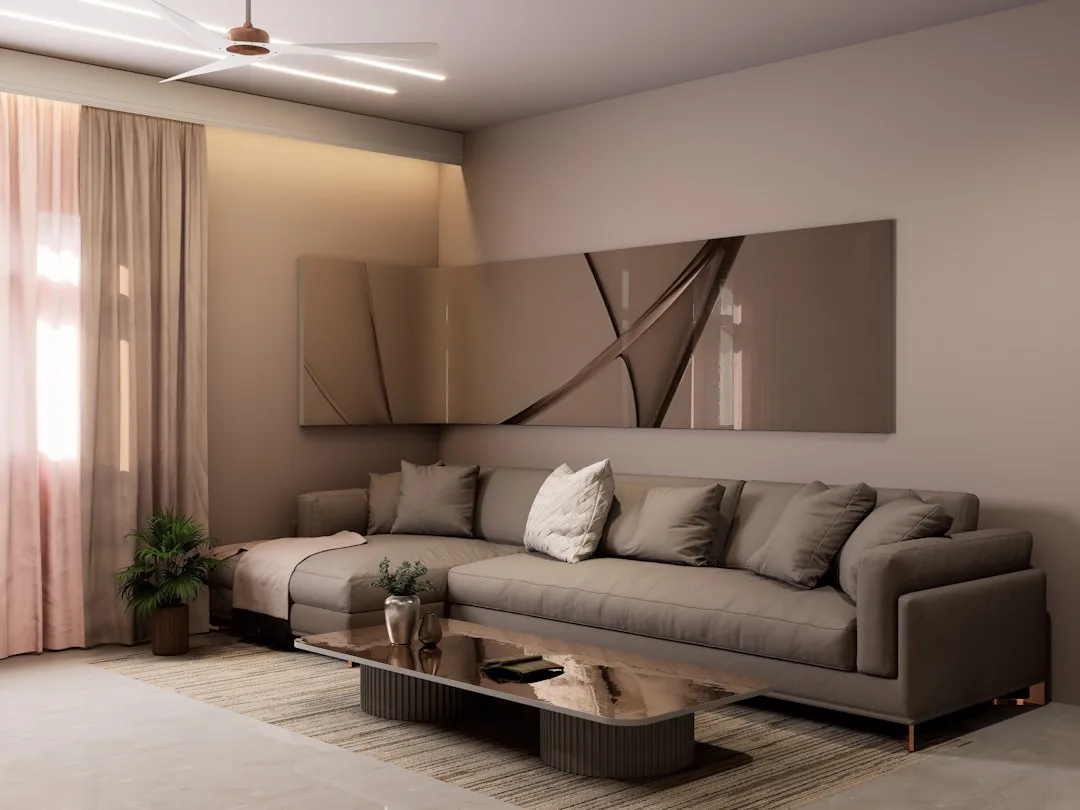
March–May 2026 data shows 62 percent of users export AI renders as Pinterest-style mood boards for contractors, rather than construction documents. This workflow prevents costly field adjustments: share the AI mockup with your general contractor, who flags structural or code conflicts before materials purchase.
Furniture retailers now integrate AI design tools directly into storefronts. Wayfair‘s RoomPlanner (free) lets you place exact SKUs from their catalog into AI-generated layouts; IKEA‘s Kreativ app ($0, iOS/Android) does the same with their product library. This closes the gap between visualization and purchasing—see the chair ($349 for Muuto Layer lounge chair) in your actual room before checkout.
5. Why AI interior design is trending now
Five years ago, AI design couldn’t match proportions or lighting physics. Today’s models (OpenAI’s Dall-E 3, Midjourney v6, Stable Diffusion 3) understand material reflectivity, shadow direction, and human scale with enough accuracy that results appear photo-real. The unlock: homeowners avoid design paralysis by testing 50+ variations in one session, then iterating with confidence.
Cost democratization drives adoption. A single traditional interior design consultation runs $200–$500; AI does 100 variations for $19/month. According to May 2026 interior design surveys, 41 percent of new home buyers now use AI to pre-plan layouts before hiring professional designers (see Harnessing AI: A Comprehensive Guide to Effective AI Management in Your Organization for organizational adoption patterns). This doesn’t kill designer jobs—it shifts their role from initial concept to refinement and material sourcing.
6. Limitations to know
AI interior design excels at aesthetics but fails at material durability and maintenance reality. A render of white linen sofa looks flawless; AI won’t tell you it stains easily or requires professional cleaning ($150 per session). Similarly, the tool visualizes black home color schemes beautifully but doesn’t account for dust visibility or humidity effects.
Copyright and training data concerns persist. Midjourney and Dall-E trained on designer portfolio images without consent, creating backlash among professionals. Opt for RoomGPT or Interior AI if creator ethics matter; both use more limited training datasets. Also, exports from most free AI tools carry licensing restrictions—check terms before using renders in commercial real estate listings.