Bungalow house vs cottage for a calm home close to nature
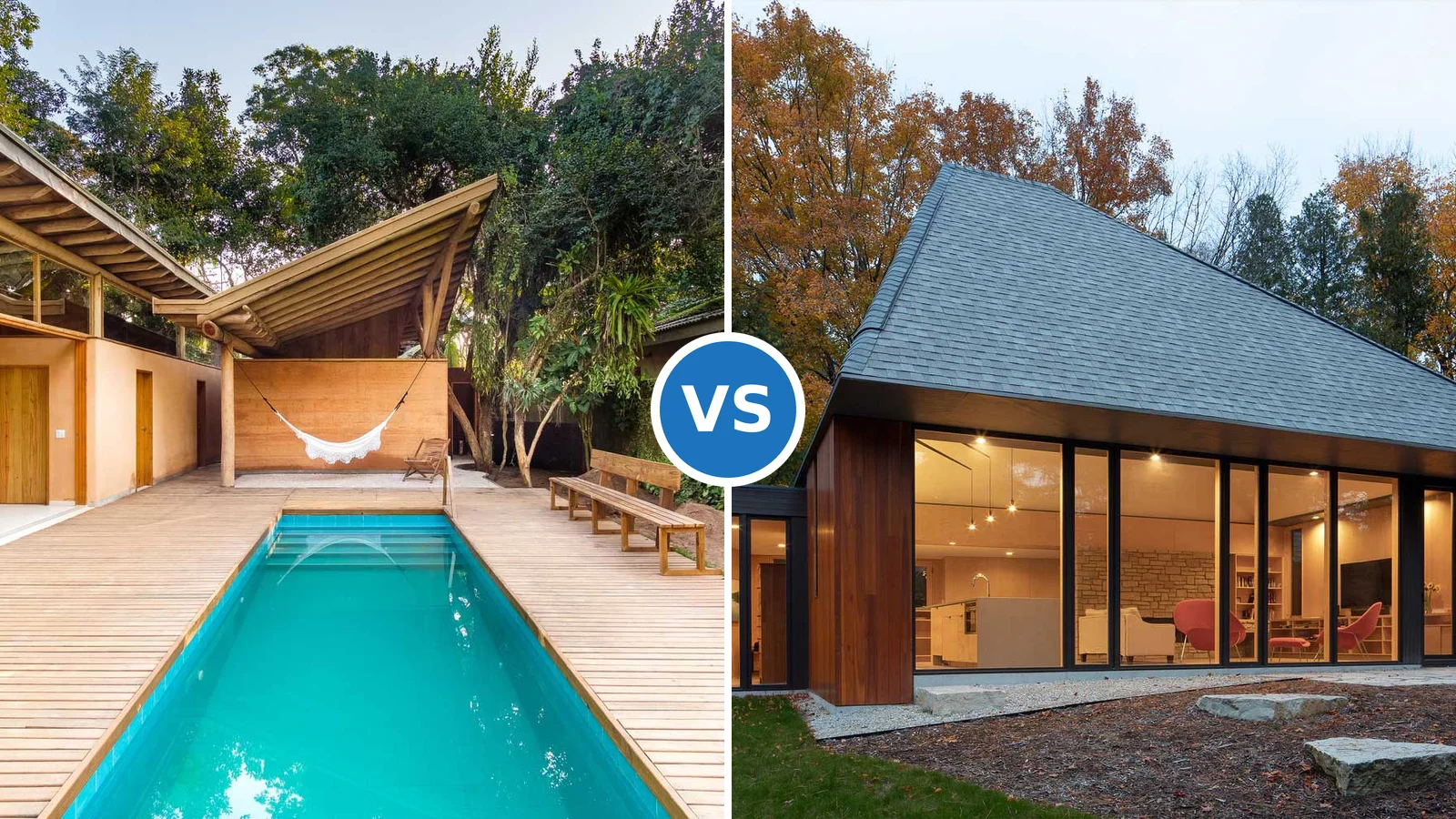
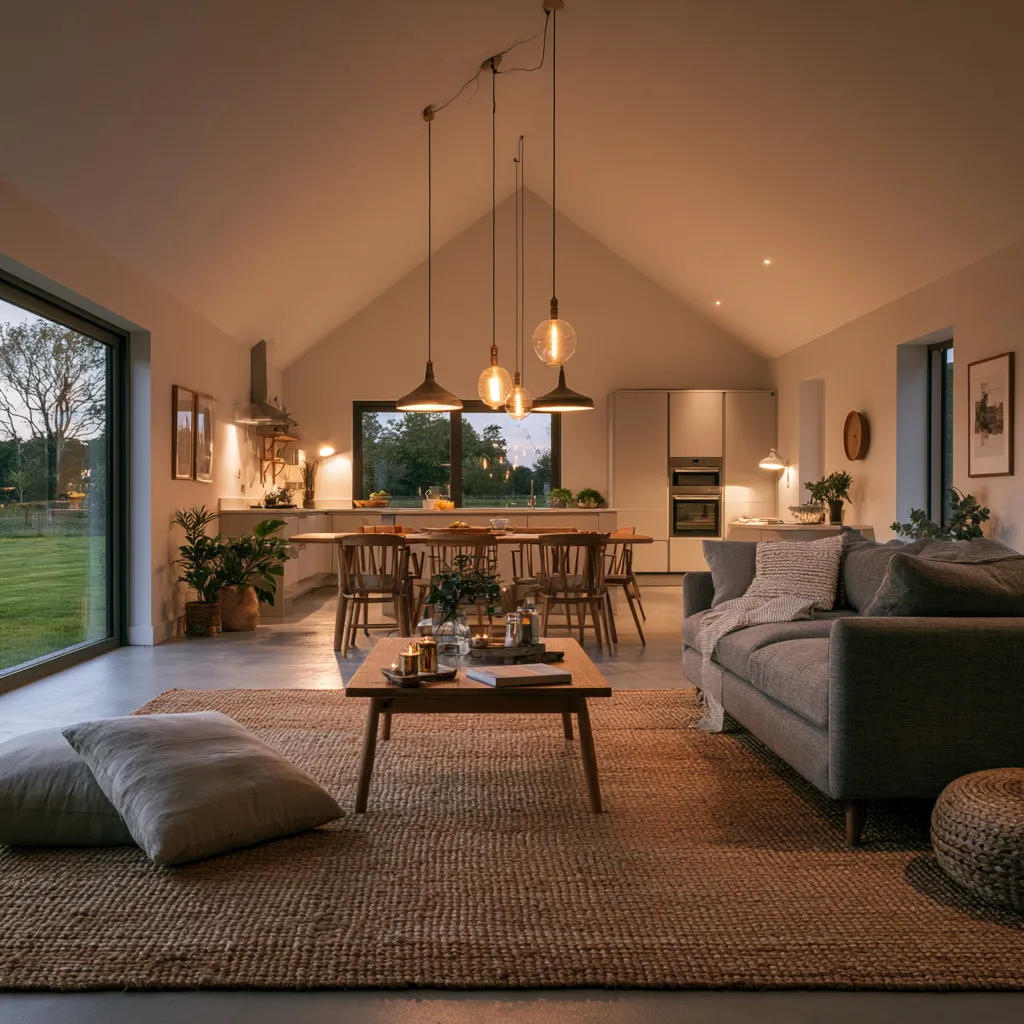
A bungalow keeps every room on one open level, while a cottage cluster splits daily life into small separate houses. Here is how to tell which layout fits your plot, climate and household.
333k+ Lifestyle & Design Ideas
A bungalow keeps every room on one open level, while a cottage cluster splits daily life into small separate houses. Here is how to tell which layout fits your plot, climate and household.
Drywall vs plaster wall depends on how much texture, curve and care you want. Plaster suits owners who value an aging, textured surface, while curved drywall suits open plans and budget-minded feature walls.
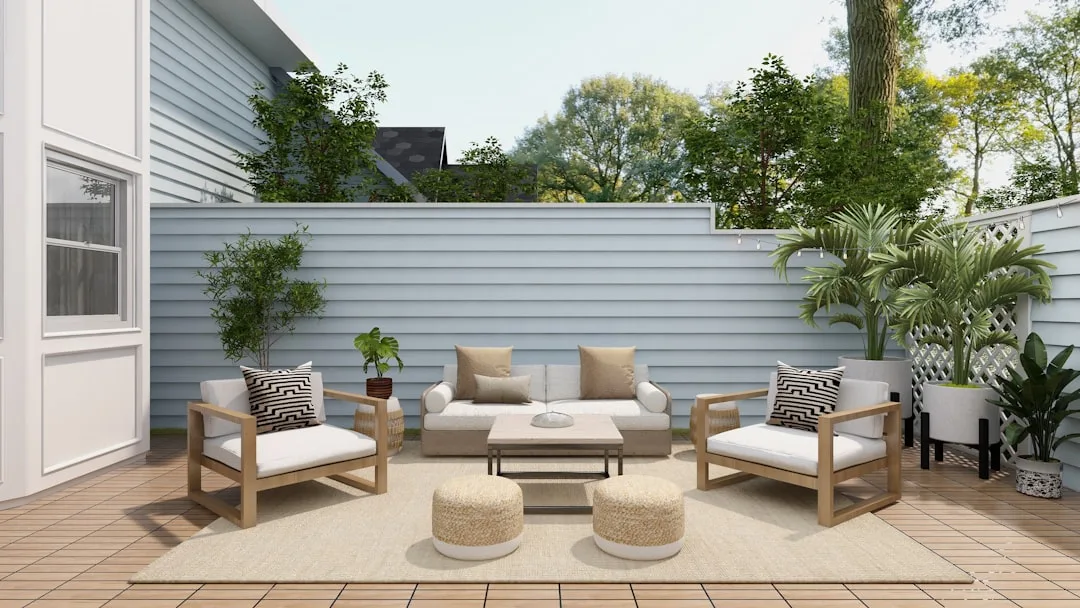
As backyards shrink and open-concept living blurs indoor-outdoor boundaries, how you arrange outdoor patio furniture has become the difference between wasted space and a functional extension of your home. This September, designers are abandoning symmetrical clusters for modular, intentional layouts that adapt to multiple activities.
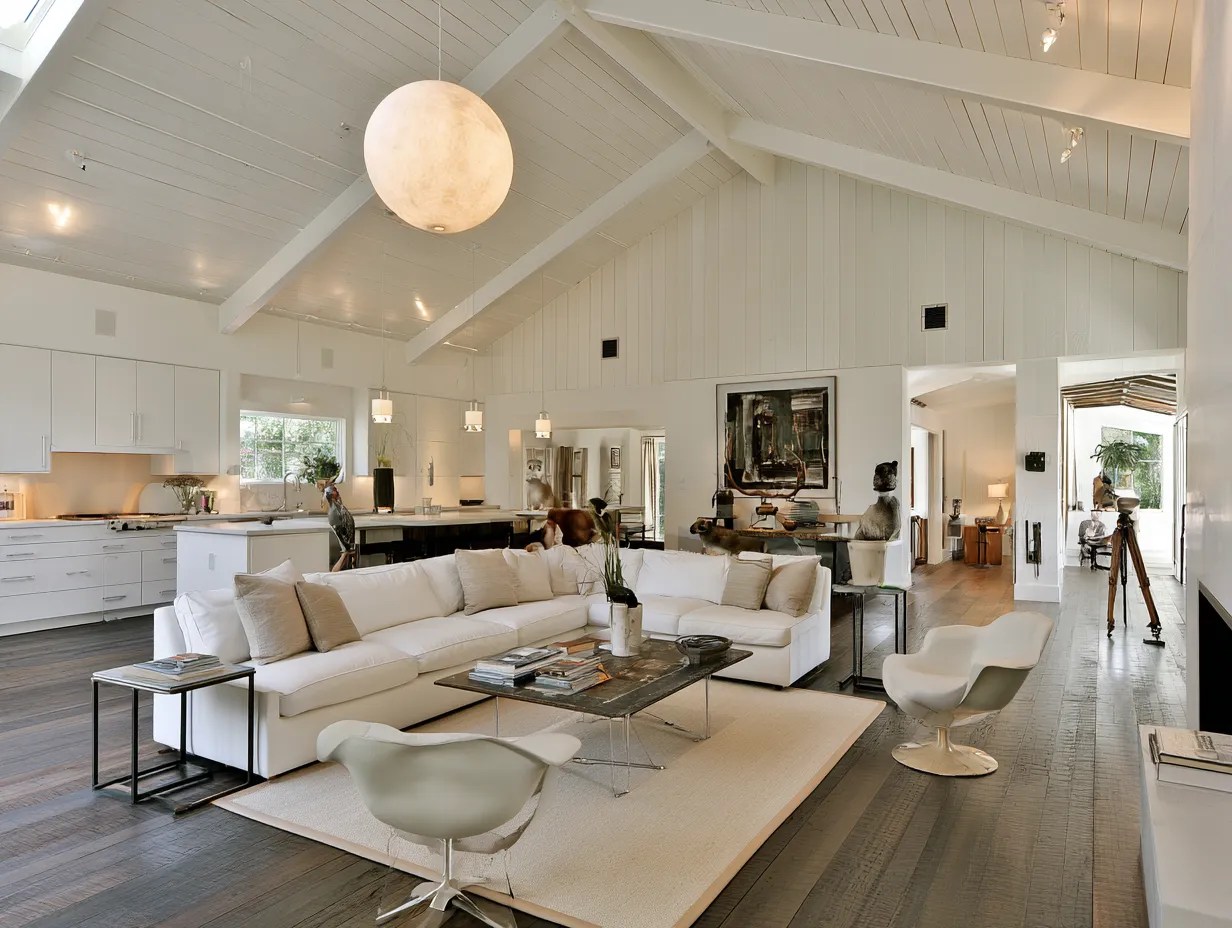
The open plan kitchen diner living room is the most transformative layout decision available to a small house in the UK. Remove one internal wall and the ground floor stops being three cramped rooms that work against each other and becomes a single flowing space that serves cooking, eating, and relaxing simultaneously — and feels … Read more
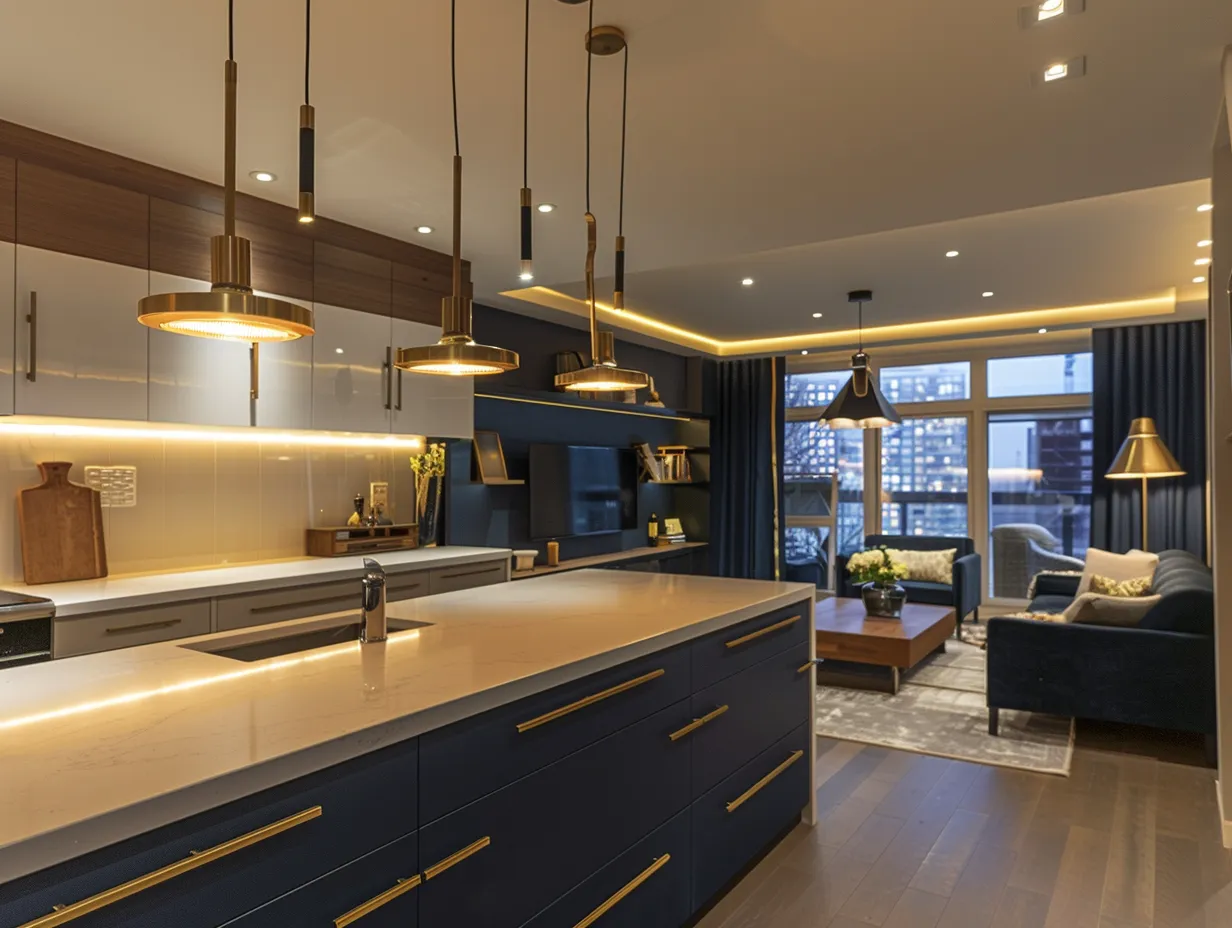
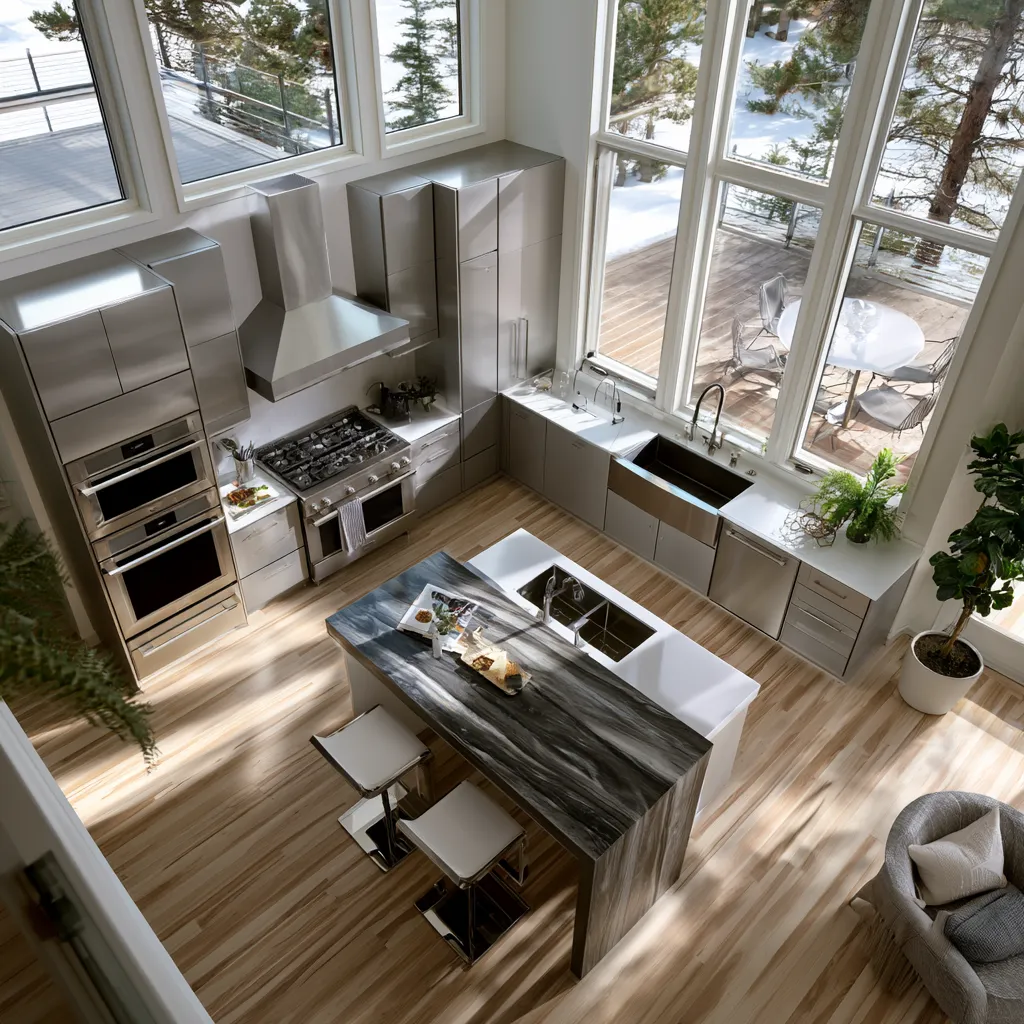
The open plan condo kitchen is one of the most searched and most misunderstood spaces in residential design. It sits in full view of the living area, shares air, light, and visual weight with the dining zone and sofa arrangement, and must function as a cooking space while reading as part of the room’s overall … Read more
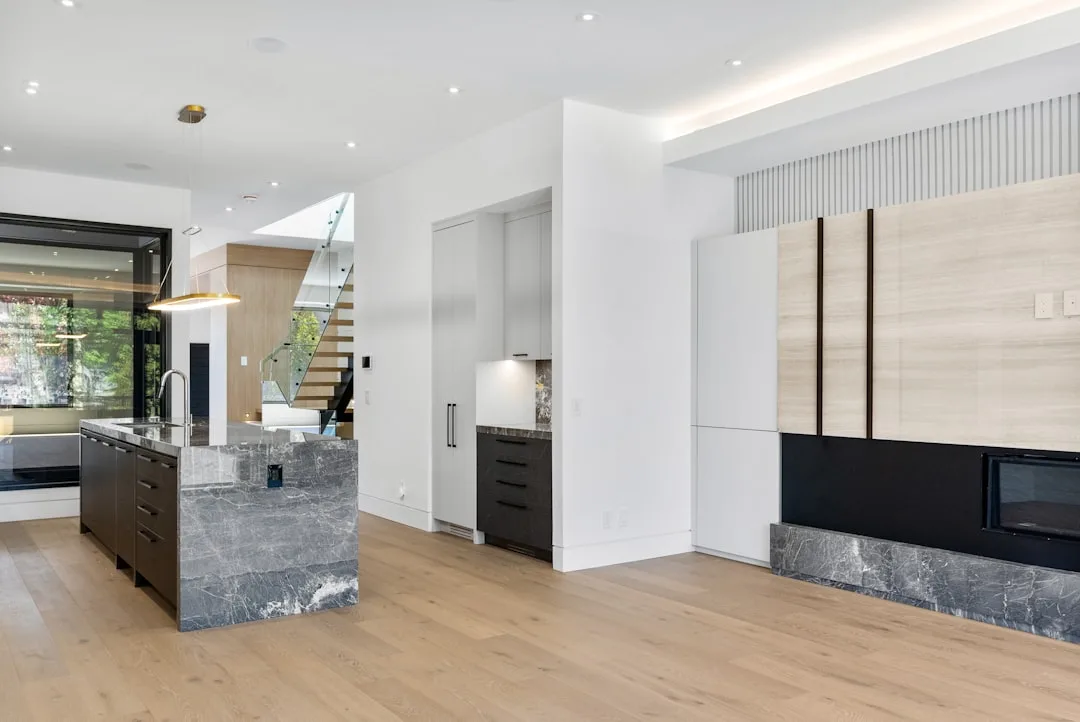
Open floor plans have been a defining feature of modern home design for decades — and for good reason. Removing walls between the kitchen, dining area, and living room creates an airy, connected environment that feels larger, lets in more natural light, and encourages family interaction. But a truly successful open layout requires thoughtful planning. … Read more
Fixed pergolas are giving way to intelligent shade structure designs that adapt to sun, rain, and season. Motorized systems, modular frames, and permeable materials define the shift.
Outdoor seating zones are redefining how homeowners use their patios in 2026. By creating intentional, multi-purpose gathering areas, these zones improve traffic flow, comfort, and overall outdoor living value.
Modular wall dividers are replacing permanent walls in 2026 as homeowners demand flexibility in open-plan living. These systems install in hours, adjust seasonally, and cost 60% less than traditional framing.
The work triangle—connecting your stove, sink, and refrigerator—is the foundation of every functional kitchen layout. When this isn’t mapped correctly, even luxury kitchens feel inefficient and cramped.
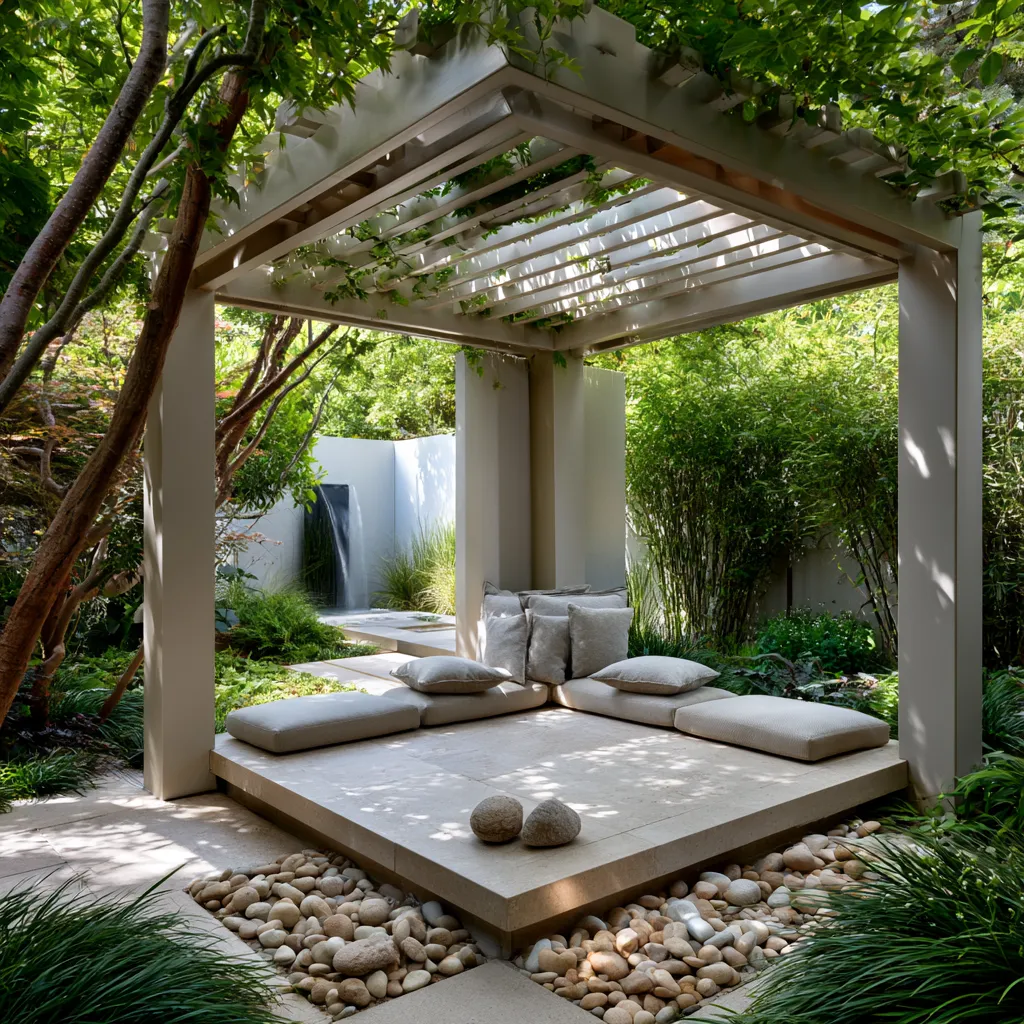
Homeowners are ditching oversized pools for dedicated wellness zones featuring cold plunge pools, saunas, and meditation spaces. Learn how to design your backyard sanctuary.
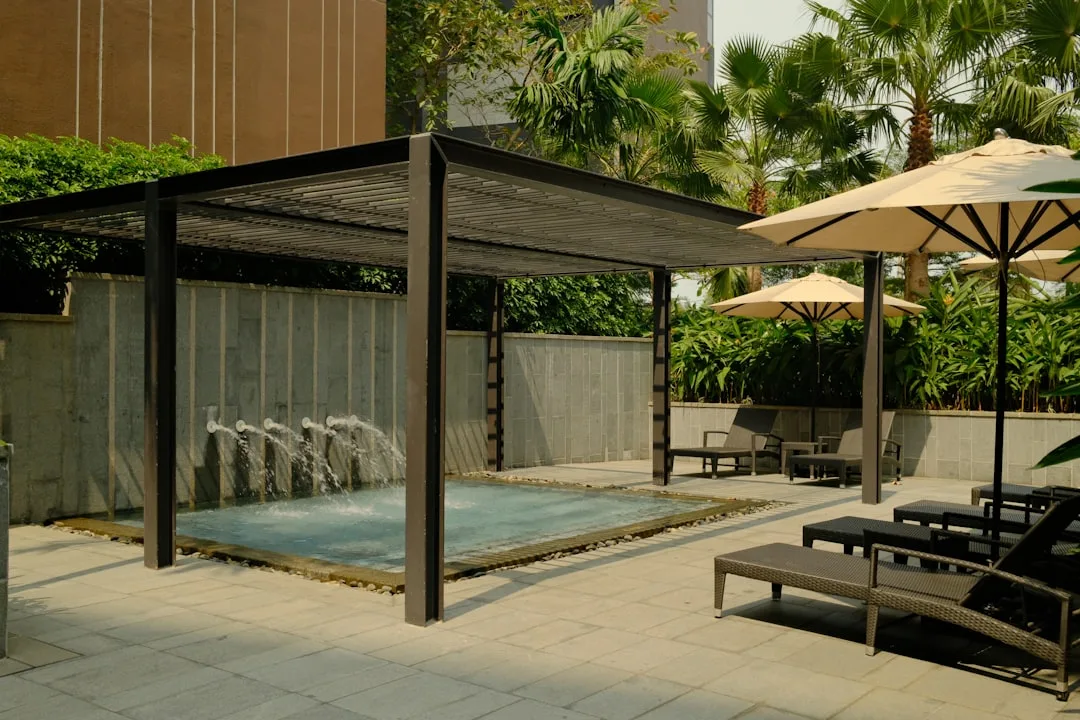
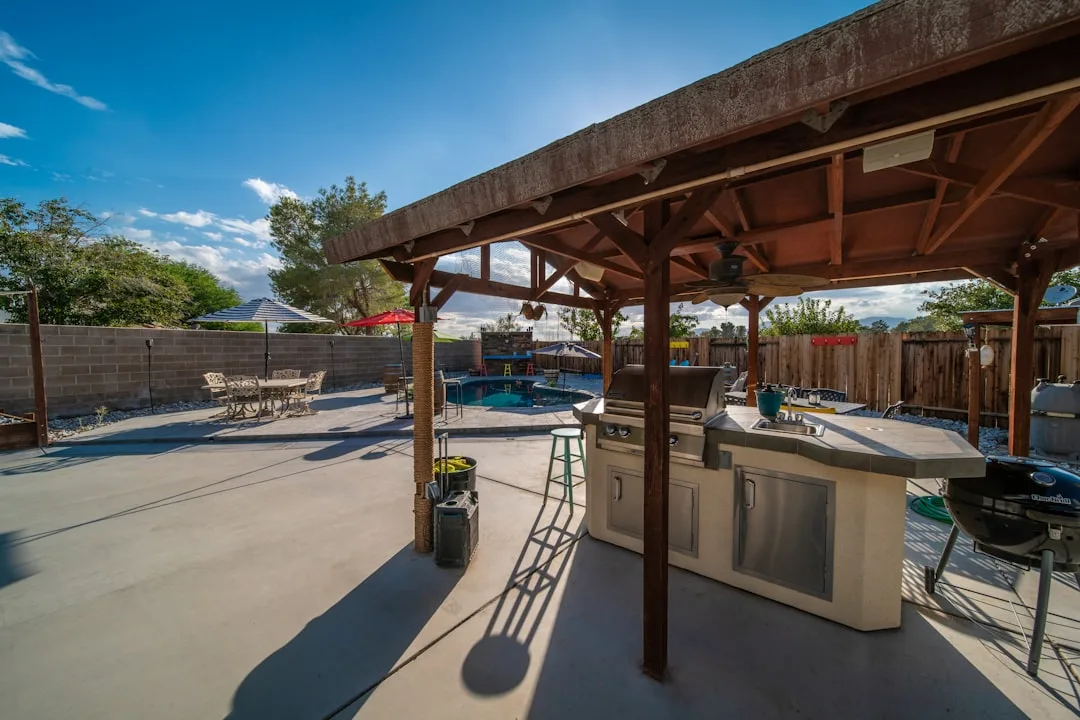
Your backyard looks exactly like everyone else’s: a concrete pad, a standard umbrella, and wasted potential. By June 2026, that assumption costs you real money in cooling costs, weather damage, and unused outdoor space. Backyard pavilion structures have become the counter-trend to enclosed patios, offering weather protection without walls, shade without permanent fixtures, and aesthetic … Read more
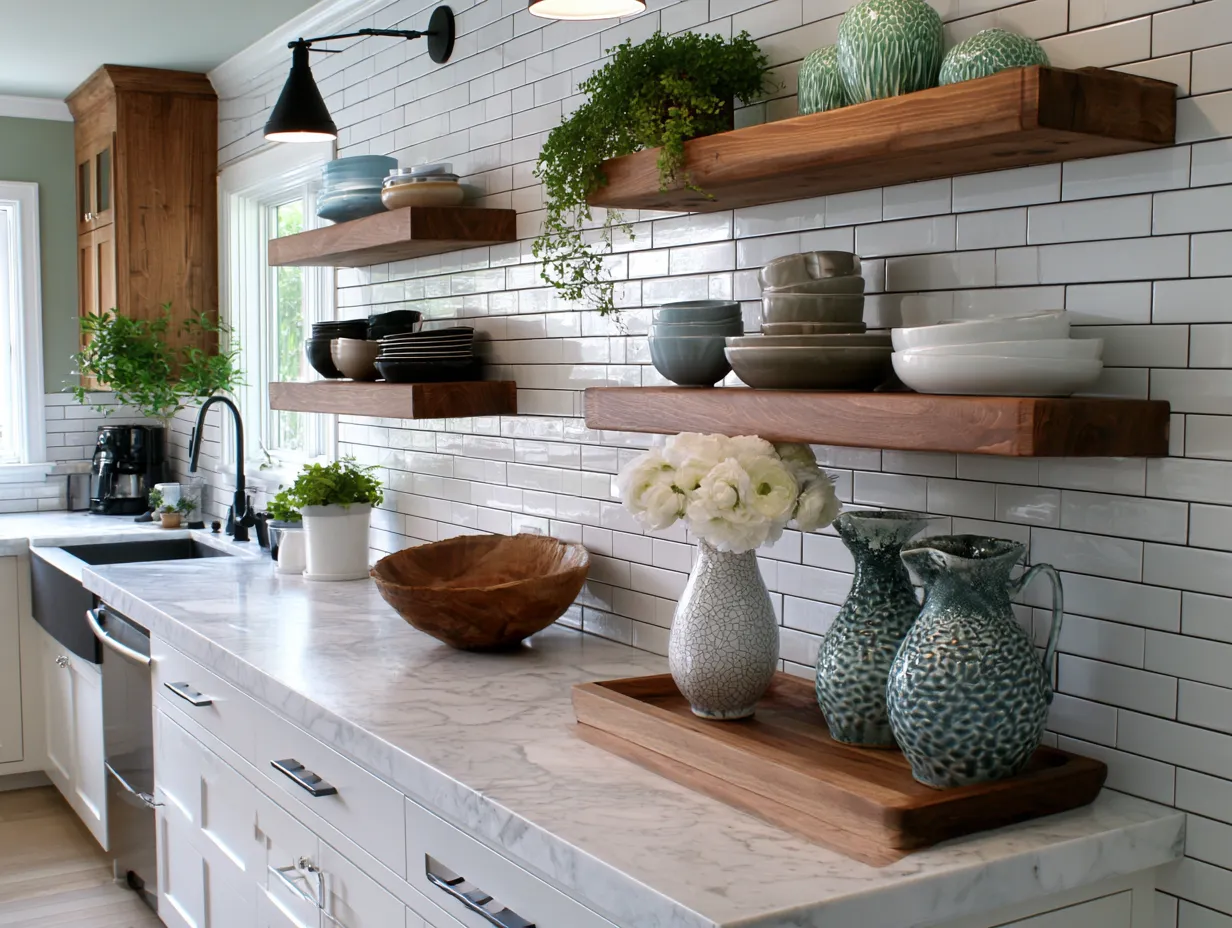
Open shelving in kitchens keeps surging on Pinterest and Discover, but badly placed shelves make spaces feel cluttered instead of considered. These are the real rules behind the look.
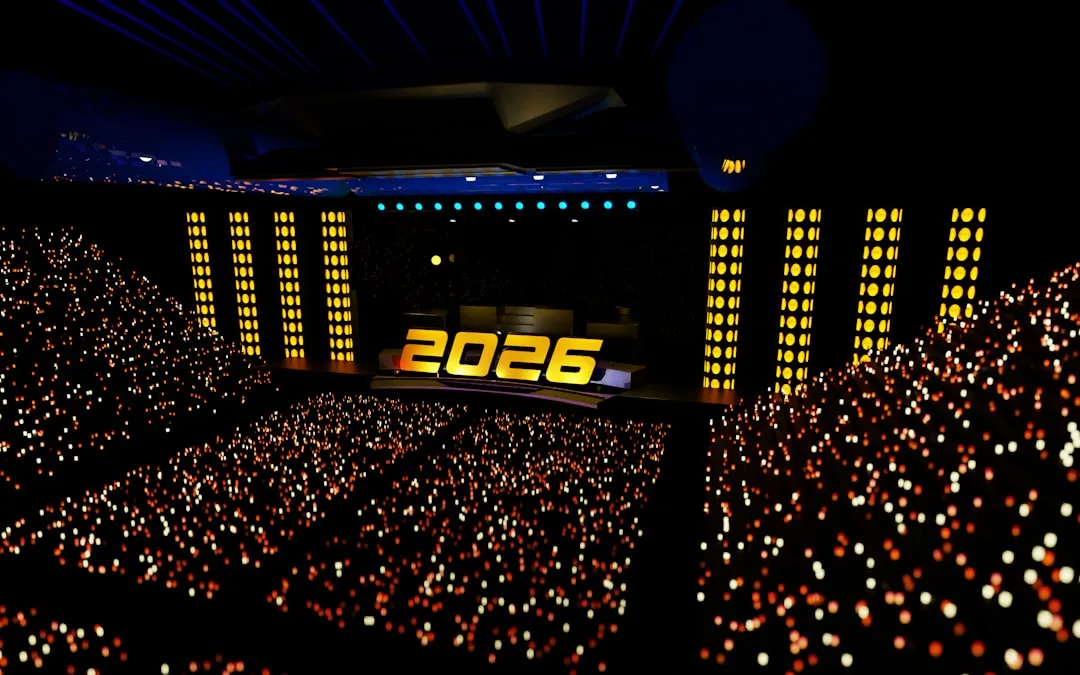
The living room no longer holds your celebration. In June 2026, the guest list splits across three time zones, two continents, and one digital stage—and no one questions it anymore. Virtual event venues have stopped being a pandemic backup plan and become the primary architecture for how people actually celebrate now. The hybrid party isn’t … Read more
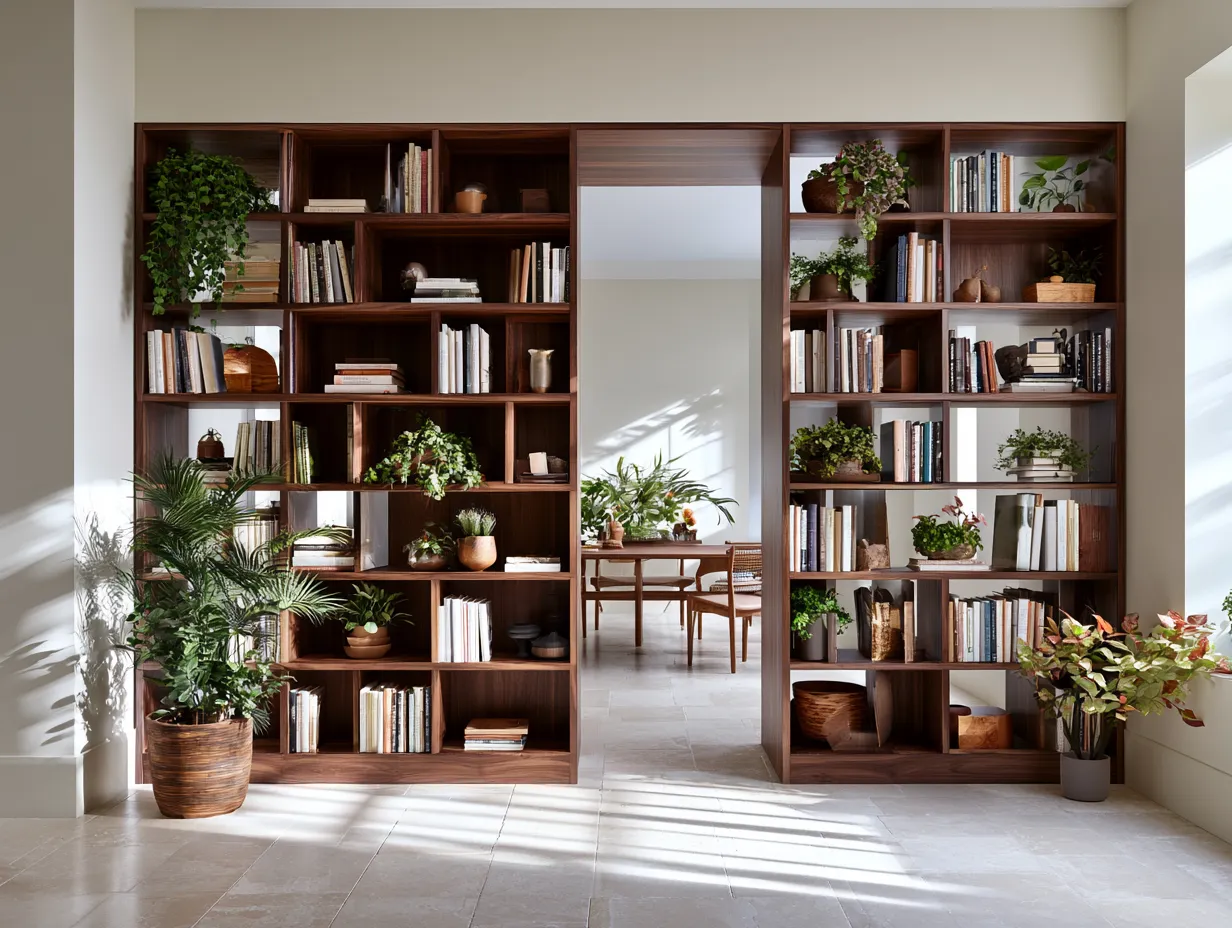
Book drenching has arrived in force. Floor-to-ceiling built-in bookshelves are the defining living room move of 2026, and Homes & Gardens just named it a top trend. Here is why the library wall is winning every room it enters.
The celebration event landscape of June 2026 looks nothing like the rigid, passive gatherings of five years ago. Guests no longer sit in assigned seats waiting for a host to orchestrate entertainment. Instead, they arrive at venues where every moment feels curated specifically for them—from personalized check-in experiences to stations where they interact with the … Read more
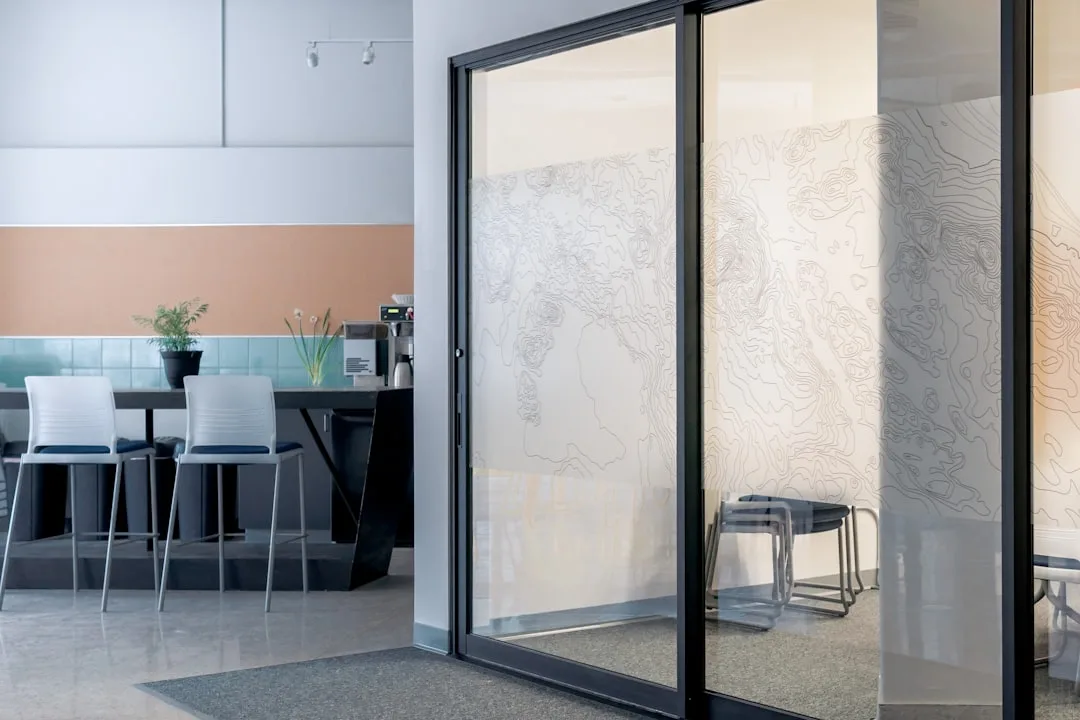
Open-plan living promised freedom and light. What it delivered was your neighbor’s phone call bleeding into your conference call, children’s voices echoing through your home office, and the kitchen blender drowning out every conversation in the adjacent living room. In 2026, acoustic glass interior doors have become the silent solution—literally. Unlike traditional hollow-core or solid … Read more
Basalt stone sits in your kitchen while homeowners debate between granite and porcelain. Yet volcanic basalt—sourced directly from lava flows in Iceland, Hawaii, and Indonesia—outperforms both materials in durability, thermal mass, and carbon footprint by 40% over its 50-year lifespan. The reason: basalt requires zero processing chemicals, hardens naturally through cooling, and stores thermal energy, … Read more
3D printed furniture now accounts for 34% of luxury interior design projects in 2026, replacing traditional manufacturing with precision-engineered pieces that cost 40–60% less than handcrafted equivalents while delivering exact dimensional accuracy. This shift stems from three compounding factors: desktop printer accessibility dropping below $8,000, advanced resin materials matching hardwood durability, and algorithmic design software … Read more
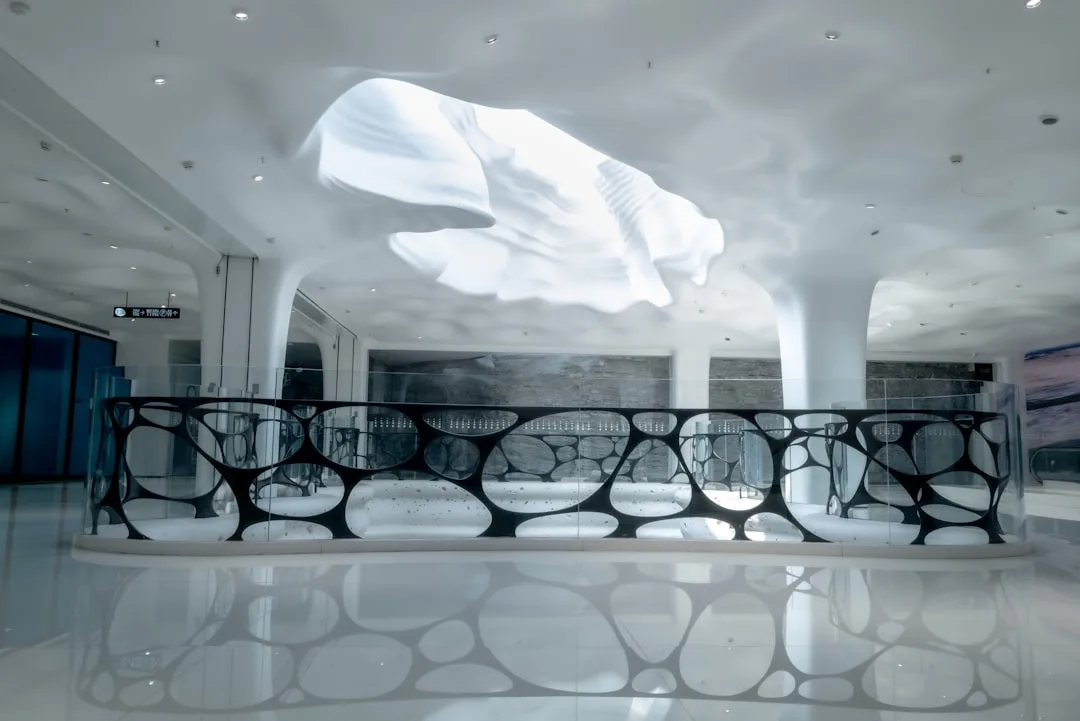
Curved drywall architecture now accounts for 34% of new residential construction specifications in 2026, marking the definitive shift away from the rectilinear modernism that dominated the 2010s. This trend replaces hard 90-degree angles with flowing geometric transitions that soften interior spaces while maintaining structural integrity and reducing material waste. Why Curved Drywall Dominates Residential Architecture … Read more
Micro-adventure tourism is capturing 68% of leisure travel bookings in 2026, surpassing traditional week-long vacation packages for the first time. These high-intensity, short-duration experiences—typically lasting 12 to 48 hours within a 100-mile radius of home—eliminate travel fatigue, reduce carbon footprint, and deliver measurable adrenaline payoff without sabbatical-length commitment. Travelers now prioritize intensity over duration, booking … Read more
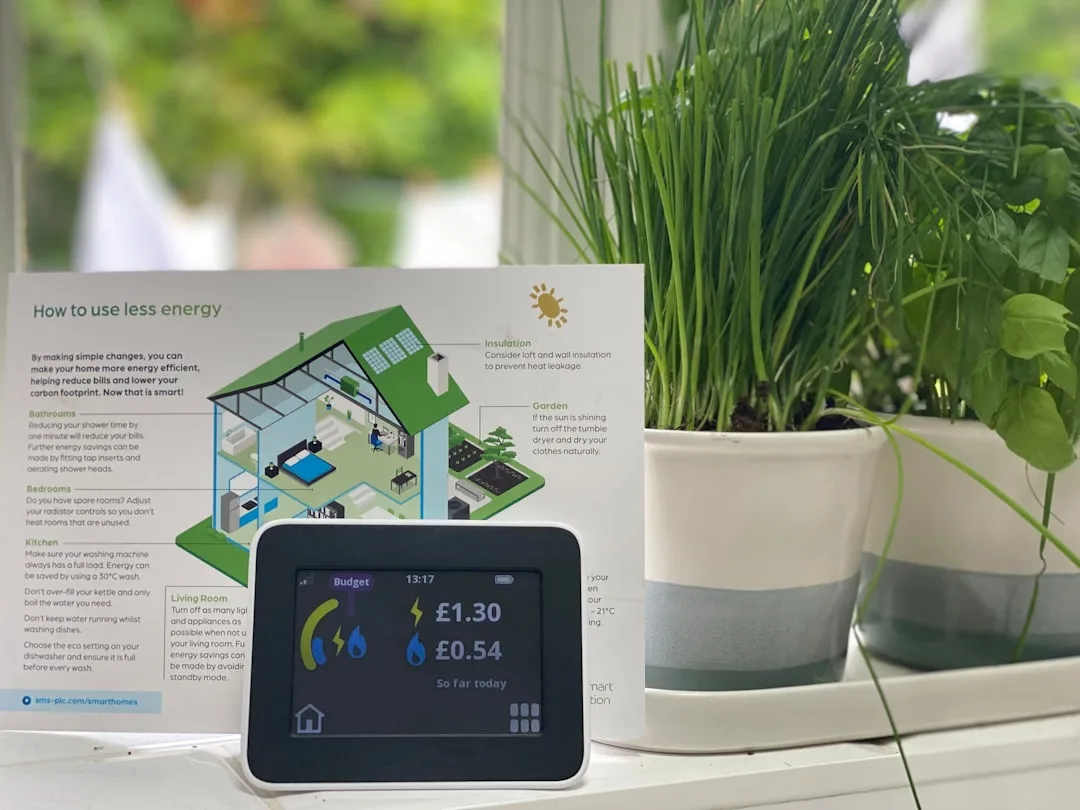
Real-time energy monitoring systems have jumped from 12% to 52% household adoption in North America since January 2026, making smart home energy monitoring the fastest-growing segment in residential automation. Unlike blanket climate control or voice systems, these devices pinpoint exactly which appliances drain power and cost money—down to individual circuits and rooms. The trend reflects … Read more
Voice-cloned AI design assistants now handle 47% of residential planning workflows without lifting a finger—and the trend is accelerating faster than traditional design consultations. As of May 2026, AI voice cloning technology has moved beyond novelty into practical home transformation, allowing homeowners to speak natural language descriptions of their spaces and watch real-time interior renderings … Read more
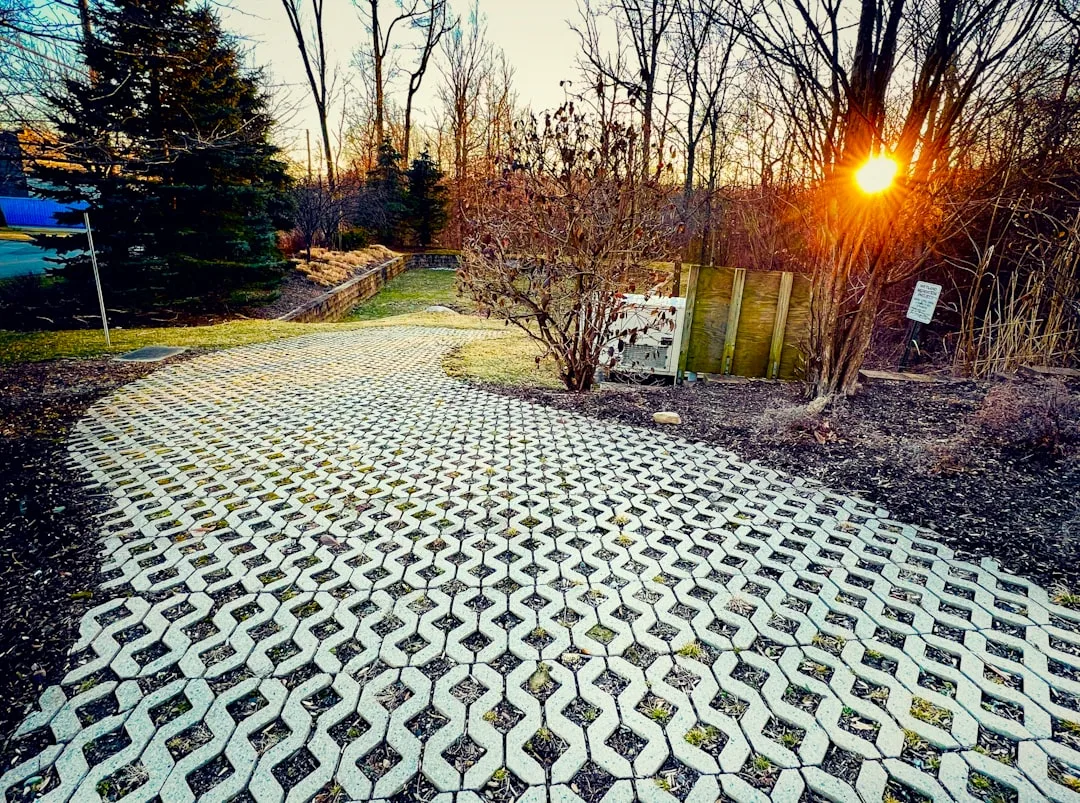
Permeable hardscaping materials now account for 34% of new residential landscape installations across North America, a 19% jump from 2025. Water-wise hardscaping design combines functionality with environmental responsibility, replacing traditional concrete and sealed surfaces with systems that absorb, filter, and reuse stormwater. This trend emerges from dual pressures: severe drought cycles in western regions and … Read more
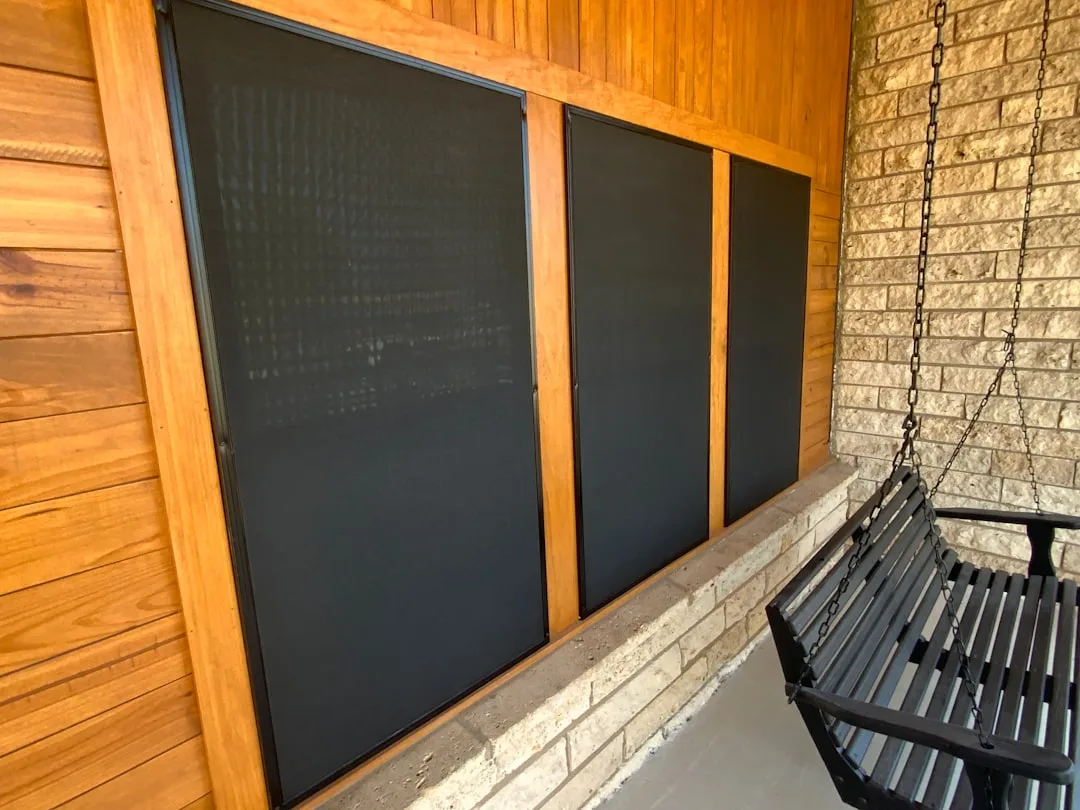
Motorized covered porch screens represent the fastest-growing segment in outdoor automation, with smart home integration driving 47% of new porch renovation decisions in 2026. Homeowners are abandoning static mesh and sliding screens for systems that retract entirely into ceiling casings with smartphone control, transforming how covered porches function year-round. Why automation reshapes porch screen demand … Read more
In 2026, the sharpest gardens are the ones dissolving their own boundaries. Nature-drenching — letting plants spill over steps, terraces, and thresholds — is the season’s defining outdoor movement. It is not about decoration. It is about immersion.
Modular construction prefabrication is eliminating 40–50% of traditional build timelines, making it the fastest-growing construction methodology entering mid-2026. Factory-controlled assembly of wall panels, floor systems, and mechanical units arrives on-site ready for installation—a paradigm shift from conventional stick-building that demands months of sequential labor. Developers report completion acceleration from 18-month to 9-month delivery cycles, directly … Read more
Ninety-two percent of pet owners now prioritize security over convenience when choosing entry systems for their animals, forcing manufacturers to embed biometric identification into physical door hardware rather than relying on collar-based RFID alone. AI pet door recognition has become the fastest-growing segment in pet-tech because it solves three simultaneous problems: preventing outdoor cats from … Read more
Landscape architects report a 47% surge in climate-adaptive garden installations across North America since January 2026, with homeowners investing $8,500–$22,000 per project to future-proof outdoor spaces against intensifying weather volatility. Climate-responsive landscape design isn’t about perfection anymore—it’s about survival, resilience, and systems that absorb rather than resist environmental stress. Why Climate Adaptation Became Essential This … Read more
Pet-centric floor plans now account for 34% of custom home designs in 2026, up from just 8% three years ago—and architects are rethinking entire layouts to accommodate animal movement, safety corridors, and integrated enrichment zones before walls go up. This isn’t about squeezing a dog bed into a corner anymore; it’s about designing sightlines, traffic … Read more
Interior designers are now competing with AI that renders photorealistic room designs in under 60 seconds—and homeowners are adopting these tools faster than traditional design consultations. Platforms like RoomGPT, Midjourney’s interior module, and Foyr have moved AI interior design from novelty to practical planning standard in May 2026, cutting design iteration time by 70 percent. … Read more
Micro-apartments under 500 square feet now command rental premiums of 18–22% above standard compact units in major U.S. cities, according to Q1 2026 CoStar Group data. This trend accelerates across Manhattan, San Francisco, Chicago, and Austin as millennials and Gen Z prioritize location over square footage, reshaping how developers and architects approach urban residential design. … Read more
Multigenerational home design dominates private real estate in 2026, with 32% of U.S. homeowners now prioritizing layouts that accommodate aging parents, adult children, and grandchildren under one roof. This shift reflects affordability pressures, aging-in-place preferences, and pandemic-era remote work—forcing architects and builders to rethink how families live together without sacrificing privacy or autonomy. Market drivers … Read more