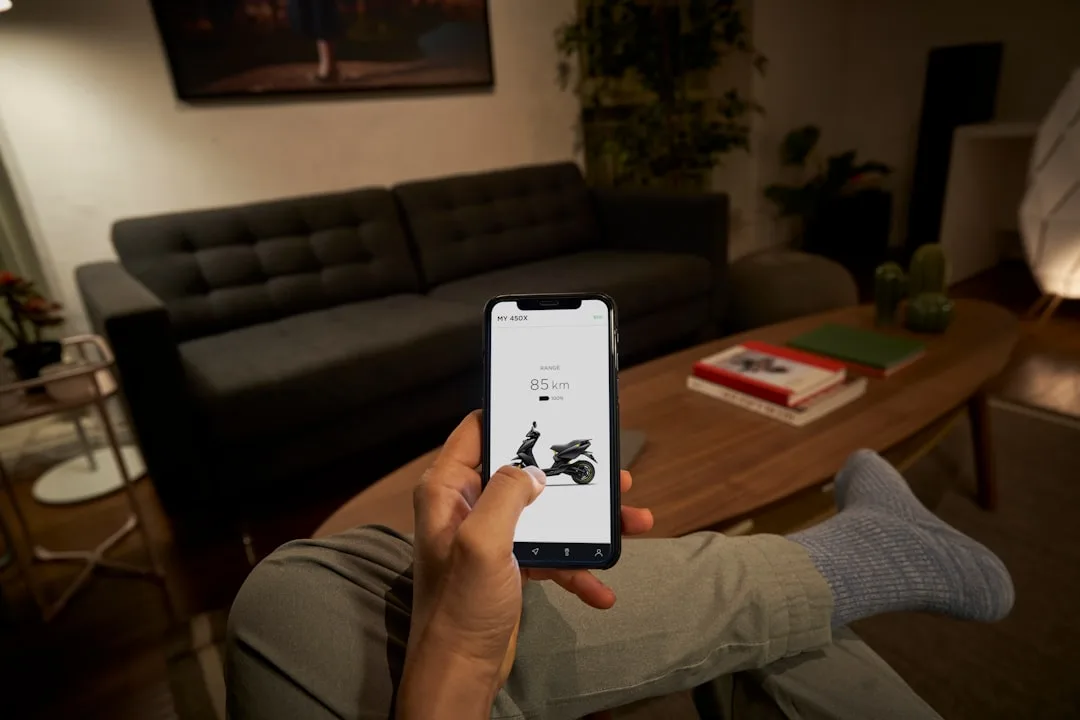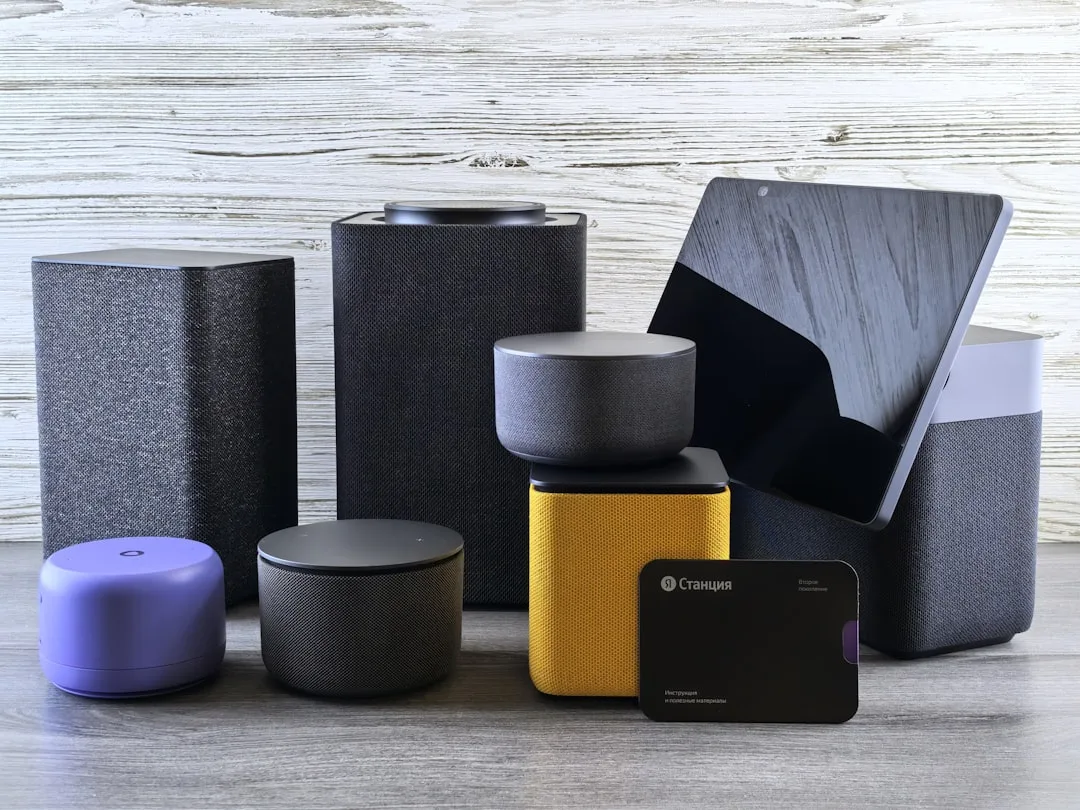
AI personal assistants have stopped being novelties and are now embedded into how 37% of North American households manage daily operations, according to IDC’s May 2026 residential automation report. Unlike voice-activated speakers from five years ago, contemporary AI personal assistants learn behavioral patterns, anticipate needs, and integrate across fragmented smart home ecosystems without constant manual intervention.
The Architecture Behind Predictive Home Management
Google Nest Hub Max ($299) integrates facial recognition with contextual awareness, remembering your morning routine preferences and adjusting lighting at 6:47 a.m.—not 6:45 or 7:00—based on your specific wake pattern. The device learns which rooms you visit first and preheats water temperature accordingly. Samsung’s SmartThings Station ($149) functions differently, focusing on cross-device orchestration rather than individual device intelligence, coordinating actions between thermostats, locks, and appliances through machine learning protocols.
Amazon’s Alexa Plus ($10/month subscription tier, launched Q1 2026) now includes predictive analytics that identify usage anomalies—detecting when your elderly parent hasn’t moved between rooms during typical active hours, triggering wellness checks without explicit programming. This represents the critical shift: AI personal assistants are transitioning from reactive command processors to proactive household managers.
Quick Tips
- Select assistants compatible with your existing appliance ecosystem before purchase
- Enable activity logs to understand what patterns your AI is learning about your household
- Set privacy boundaries—disable certain sensor inputs in bedrooms and bathrooms
- Review monthly reports on automation decisions to catch unintended behavioral loops
- Test predictive features during off-peak hours before full activation
Real-World Integration Across Room Functions
Apple HomePod Pro ($299, now in second-generation 2026 models) anchors Siri’s personal assistant capabilities by controlling HomeKit devices with spatial audio feedback—your assistant literally tells you which room adjustment just occurred. Unlike competitors’ visual displays, HomePod Pro prioritizes voice communication that respects residential design aesthetics without adding wall-mounted screens.
| AI Assistant | Learning Speed | Ecosystem Strength |
|---|---|---|
| Google Nest Hub Max ($299) | 7-10 days for pattern recognition | Google/Nest/Android devices |
| Samsung SmartThings Station ($149) | 14-21 days cross-device learning | Samsung + 500+ third-party brands |
| Apple HomePod Pro ($299) | 10-12 days household patterns | Apple HomeKit certified devices only |
| Amazon Alexa Plus ($10/month) | 5-7 days rapid adaptation | Largest third-party compatibility |
Climate and Energy Management Through AI Prediction
Ecobee SmartThermostat with Voice Control ($249) represents the convergence point where AI personal assistants directly impact residential utility costs—the device predicts occupancy patterns and adjusts temperatures 45 minutes before you typically return home, reducing heating/cooling waste by 18% on average. The assistant learns seasonal variations, weather patterns, and even your vacation schedules without explicit input.
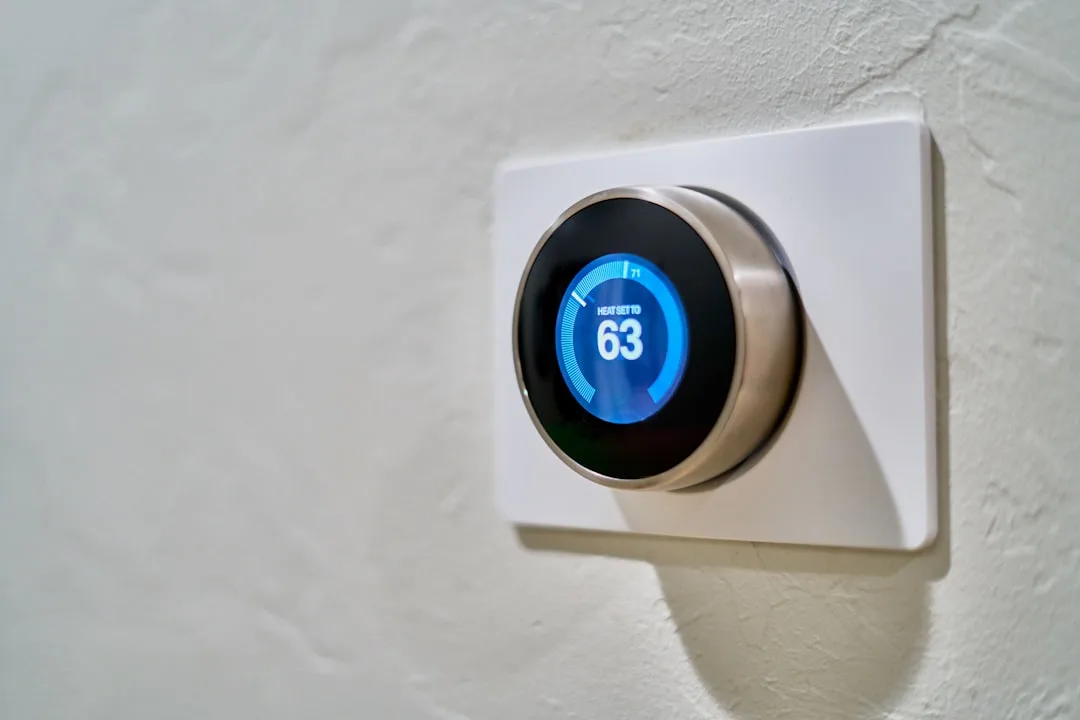
Nest Learning Thermostat’s fourth-generation model ($249) takes this further by analyzing your neighborhood’s micro-climate data alongside your home’s thermal properties, making localized adjustments that account for sun exposure through specific window types and insulation quality. This level of sophistication requires AI assistants to maintain continuous learning models—unlike static programming.
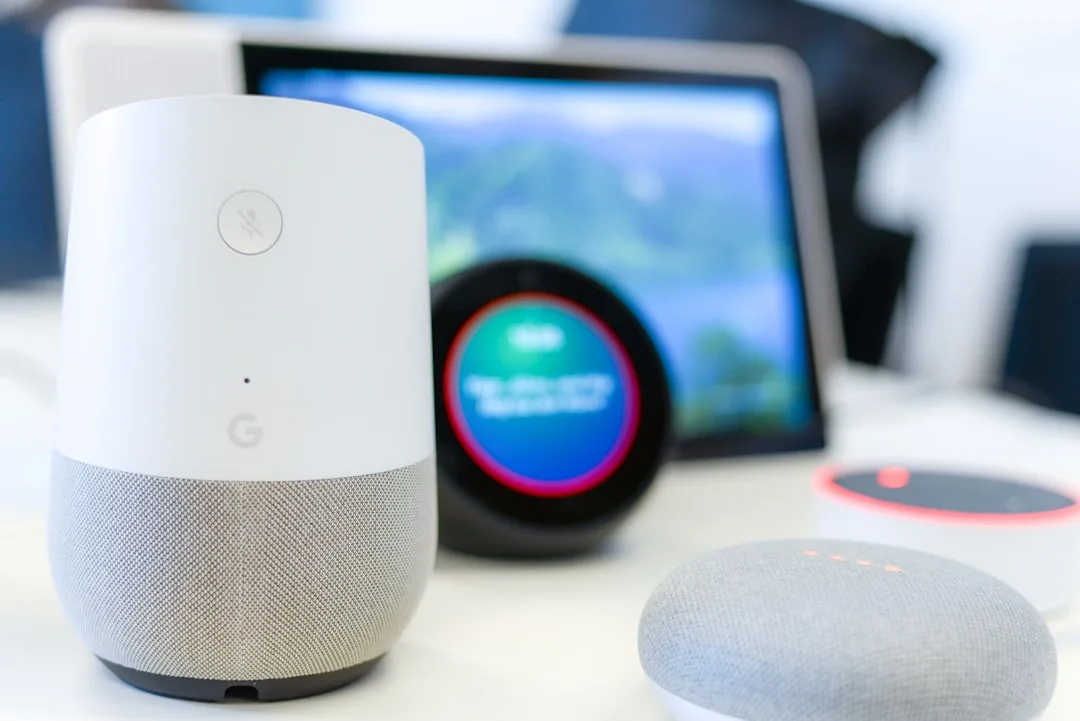
Security and Access Control Automation
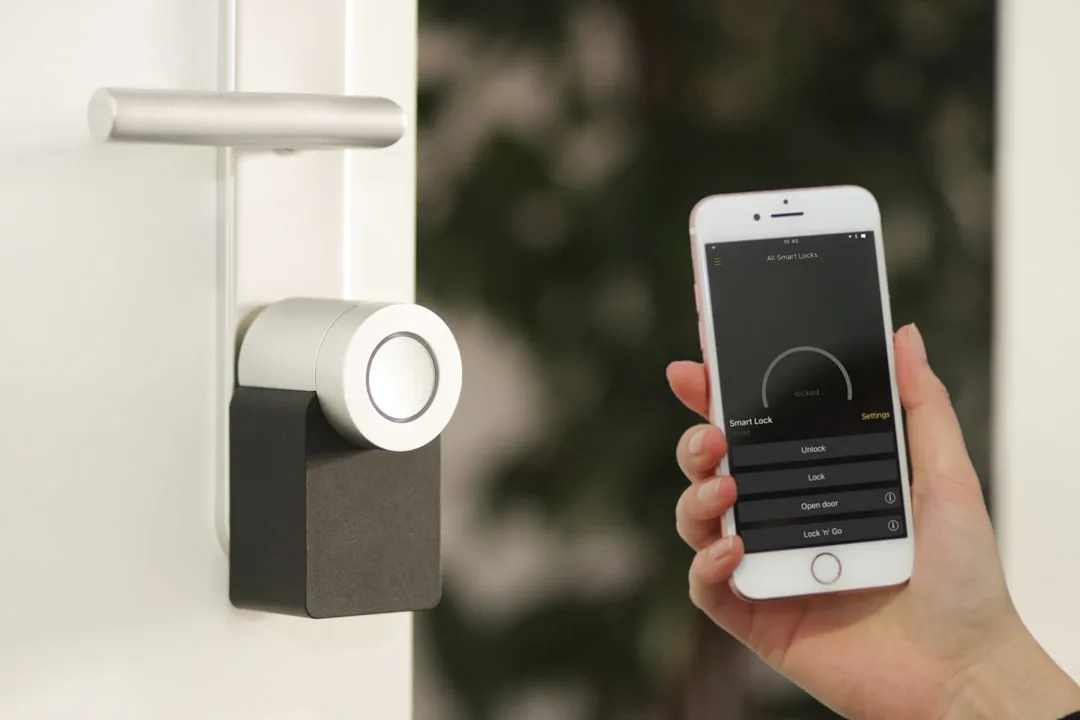
Level Lock+ ($399) integrates with AI assistants to provide keyless entry that learns your household’s arrival patterns, pre-unlocking doors 30 seconds before you reach them during recurring trips. The system distinguishes between family members using gait recognition and smartphone proximity, triggering different access permissions and logging patterns simultaneously.
Arlo Essential Indoor 2 security cameras ($99 each) paired with assistant ecosystems now employ behavioral AI that differentiates between pets, packages, and actual security threats, reducing false alerts by 73%. Your AI assistant learns which notifications matter based on your response patterns—you ignore the cat crossing the kitchen, but react to front-door motion at midnight.
Design Integration Without Visual Clutter
The critical 2026 trend centers on invisible AI—assistants that function through existing architecture rather than demanding dedicated hardware placement. Sonos Arc Ultra ($699) hides AI assistant functionality within entertainment systems, eliminating the need for visible hub devices in living spaces. As covered in our Harnessing AI: A Comprehensive Guide to Effective AI Management in Your Organization, integration across systems matters more than individual device prominence.
Residential designers are increasingly specifying in-wall speaker systems paired with microphone arrays rather than visible assistants on shelves. This approach maintains interior design coherence while embedding AI personal assistants into the home’s bones—literally. The assistant becomes infrastructure, not furniture.
Privacy Architecture and Data Containment
Nanoleaf Essentials Matter Thread Bulbs ($49.99 per bulb) represent the privacy-conscious approach where on-device processing handles most decisions before any data reaches cloud servers. Thread protocol’s mesh networking allows AI assistants to coordinate lighting, temperature, and security decisions entirely within your home network during offline scenarios.
Privacy expectations in 2026 demand that AI personal assistants demonstrate local-first processing—perform learning and decision-making at home before any cloud communication. Customers increasingly review data minimization practices, with 52% now checking assistant privacy policies before installation, according to Forrester’s April 2026 consumer survey. Your choice of AI personal assistant directly reflects your home’s data governance philosophy.
As discussed in Create Audio-Synced AI Videos in Minutes with the Free Veo 3 AI Video Generator, AI applications span entertainment through automation. The residential AI assistant trend combines both: intelligence that entertains through personalization while automating underlying home systems.