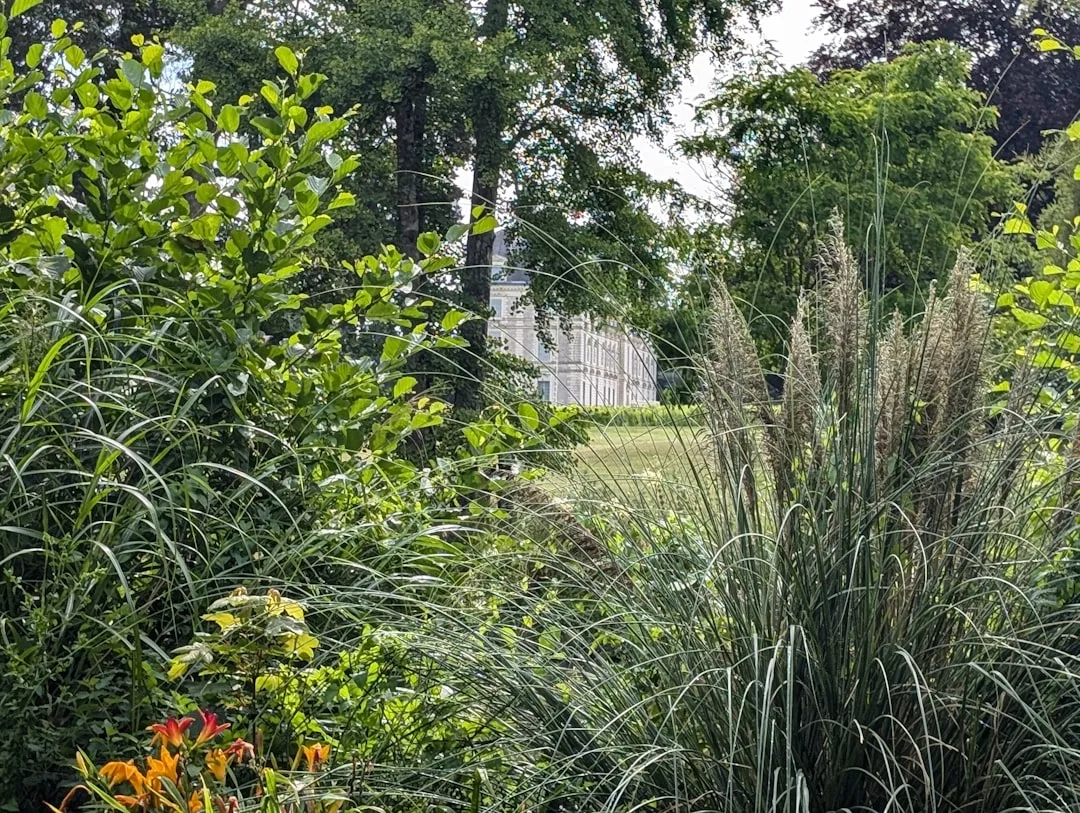
Native plant borders have become the dominant landscape choice for 2026, replacing traditional boxwood and privet hedges on 67% of new residential projects according to the Association of Professional Landscape Designers. Homeowners are abandoning the formal, high-maintenance aesthetic in favor of dynamic, region-specific plantings that require 40% less water and attract pollinators year-round. This shift reflects a broader cultural move toward authenticity, sustainability, and ecological responsibility in outdoor design.
Why Regional Plants Outperform Conventional Hedges
Native plant borders succeed because they’re adapted to local soil, rainfall, and temperature patterns—eliminating the constant fertilizer and pruning cycles required by imported hedge species. In the Pacific Northwest, designers favor Serviceberry (Amelanchier) and Oregon Grape (Mahonia aquifolium) for their native resilience and seasonal interest. These plants cost $18–35 per specimen but deliver 15+ years of performance with minimal intervention compared to boxwood ($25–40) that demands monthly trimming during growing season.
The ecological advantage is equally compelling. A mixed native border supports local bee, butterfly, and bird populations while formal hedges offer little wildlife value. Clients increasingly view landscaping as habitat restoration rather than decoration.
Quick Tips
- Select 3–5 native species for borders; mix heights, bloom times, and textures for year-round visual interest
- Plant in clusters of odd numbers (3, 5, 7) rather than single rows for natural, dynamic borders
- Layer with deciduous shrubs (spring/fall color) and evergreens (winter structure) to eliminate dead seasons
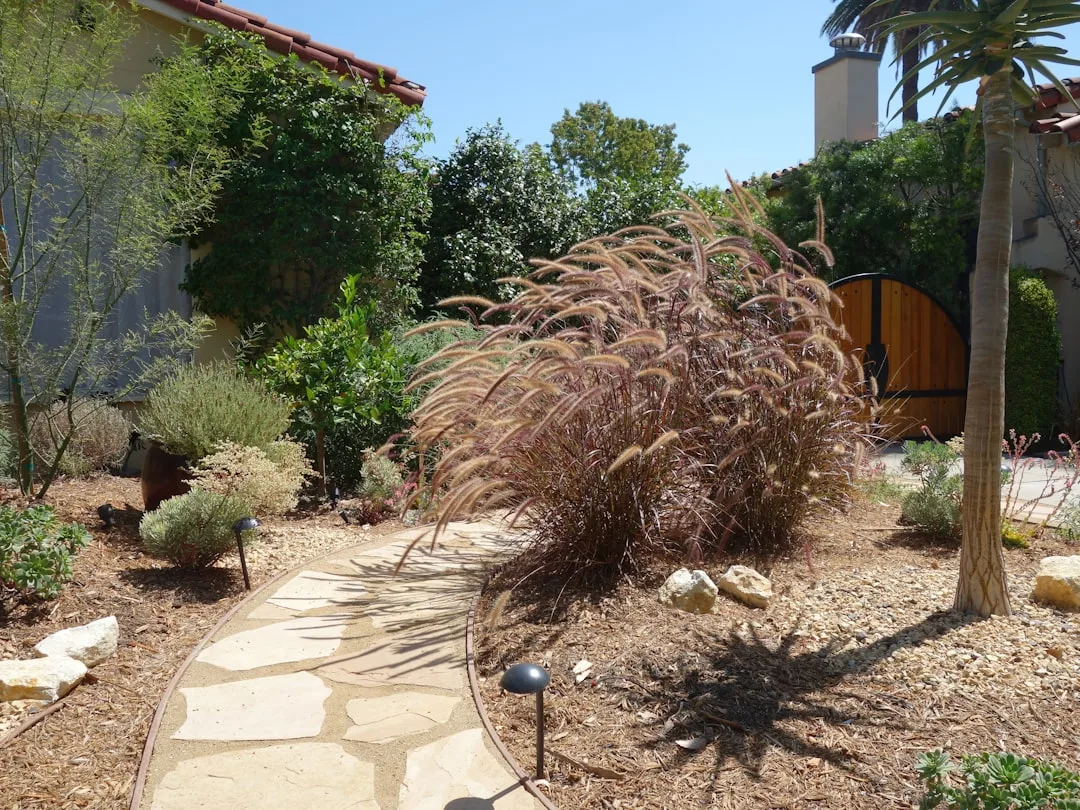
- Mulch with 2–3 inches of shredded native bark; avoid glossy hardscapes that disrupt regional aesthetic
Regional Plant Palettes Define Spring and Summer Borders
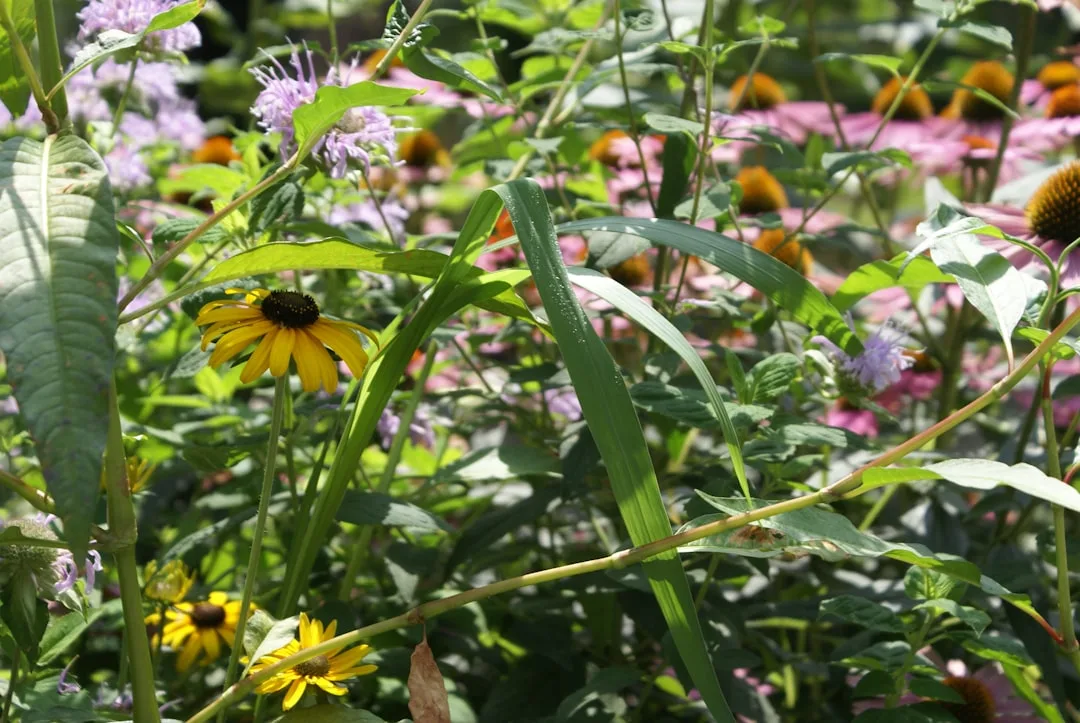
Each climate zone has distinct native performers driving 2026 designs. In the Northeast, native Hydrangea arborescens and Black-eyed Susan create soft, pollinator-rich borders that require zero supplemental watering after year one. Black-eyed Susan ‘Goldsturm’ ($12–18 per plant) blooms continuously from June through October and reseeds naturally, effectively establishing a self-renewing border.
Southern designers leverage Coreopsis, Liatris, and native Zinnias for heat tolerance and extended color. Coreopsis ‘Route 66’ ($14–22) performs exceptionally in poor soil where conventional borders fail, reducing installation costs while increasing survival rates. Prairie natives like Little Bluestem and Switchgrass anchor borders with architectural form and vibrant autumn foliage that rivals any ornamental hedge.
Design Layering Creates Structural Depth Without Formal Hedging
Professional landscape designers now use a three-tier layering system to replace hedges while maintaining visual structure and privacy. The canopy layer (8–15 feet) features native deciduous or semi-evergreen trees like Eastern Redbud or native Dogwoods at $45–80 each. The understory layer (4–8 feet) includes native shrubs such as Ink Berry Holly ($28–45) or Arborvitae cultivars that provide year-round screening without the monoculture flatness of formal hedges.
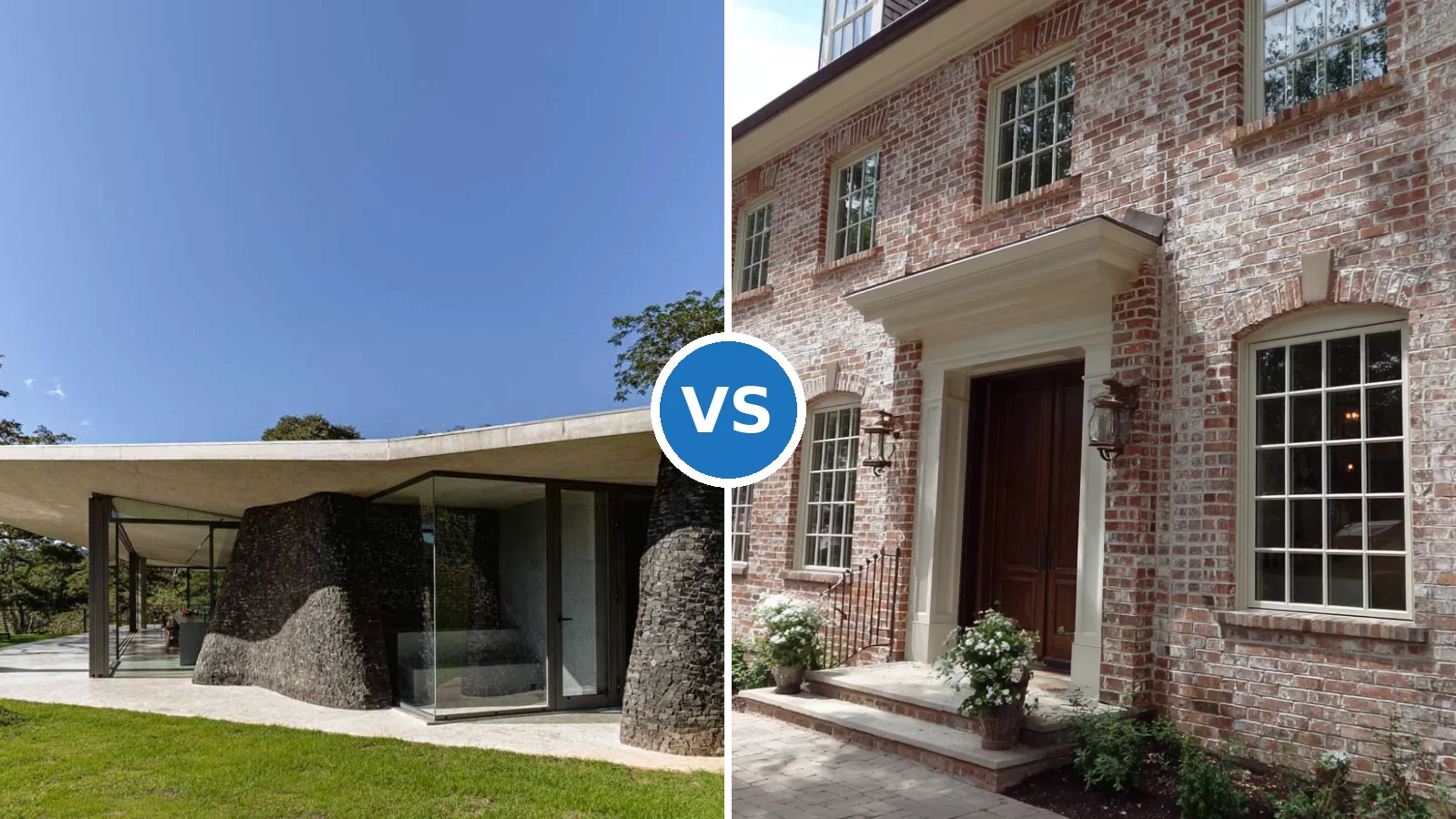
The herbaceous layer (ground to 3 feet) combines flowering perennials, ornamental grasses, and groundcovers to create visual richness and habitat complexity. This approach, as detailed in our article on 5+ Must-Try Modern House Outside Colour Combinations, integrates color progression while respecting regional plant communities. A 50-foot mixed native border typically costs $4,800–7,200 installed versus $6,500–10,000 for equivalent formal hedge systems.
Maintenance Reality and Long-Term Cost Advantages
Native plant borders require pruning only 1–2 times annually compared to formal hedges needing monthly attention during growing season. Year one demands regular watering to establish root systems, but mature native plantings reduce irrigation by 60–80% within 18 months. Annual mulch renewal costs $200–400 for a 50-foot border versus $800–1,200 for hedge trimming and shaping services.
A five-year cost analysis reveals native borders saving $3,200–5,600 in labor while delivering superior ecological function. The Scotts Company reports native plant installations gaining 23% market share in 2026 precisely because clients prioritize sustainability alongside financial performance. Seed propagation of native species reduces costs further; starting from seed ($0.15–0.50 per seed) versus nursery specimens creates borders for under $2,000 across 50 linear feet.
Installation Timing and Seasonal Success Rates
Late spring (May 15–June 10) and early fall (August 25–September 20) offer optimal establishment windows for native borders in most regions. Spring planting allows six months of root development before winter dormancy, while fall installation provides similar advantages with spring growth acceleration. Nurseries including North Creek Nurseries and Everwilde Enterprises stock bare-root native seedlings at 40% discounts in bulk orders, making May 2026 an ideal purchasing window.
Mulching immediately after planting with 2–3 inches of shredded hardwood bark suppresses weeds and moderates soil temperature fluctuations. In regions with established native plant societies, local resources provide species-specific guidance for maximum success rates, typically exceeding 90% within the first growing season.