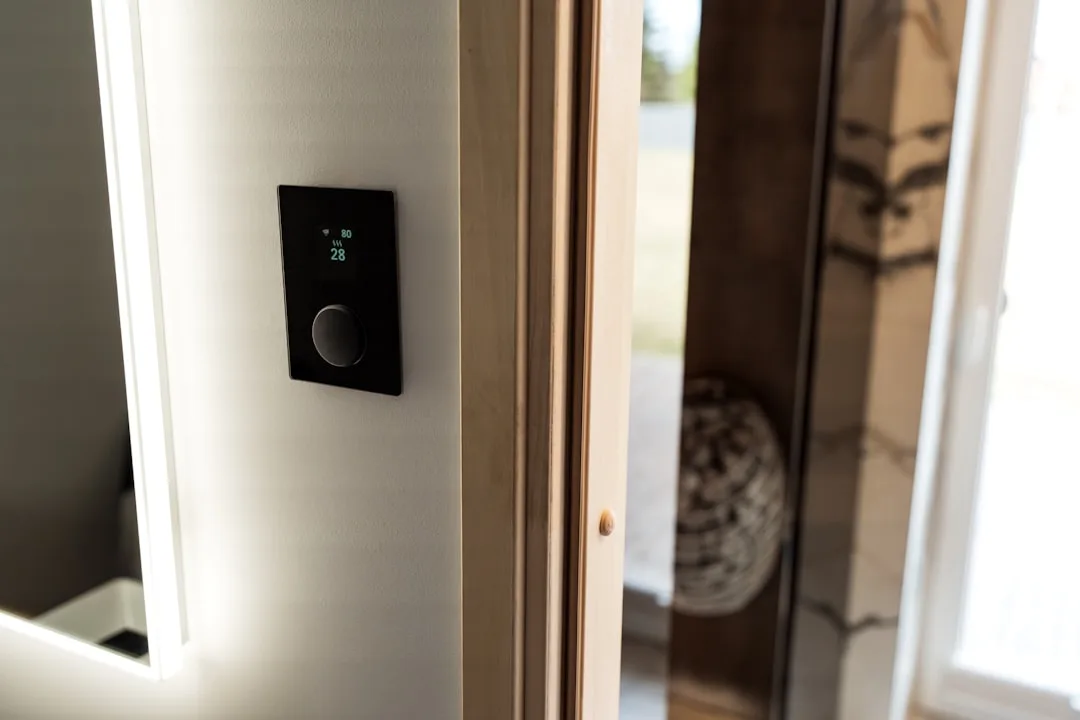
AI-powered home automation systems now control 34% of new residential constructions in North America as of May 2026, fundamentally reshaping how designers approach interior spaces. Unlike previous smart home iterations that required manual programming, today’s AI learns occupant behaviors and adjusts environments autonomously, blending technology seamlessly into aesthetic design rather than dominating it. This shift means interior designers must now think like technologists while maintaining their core mission: creating beautiful, functional spaces.
How AI learns your home's rhythm
Modern AI home systems like the Control4 Triad Pro ($8,500) use machine learning algorithms that adapt to your movement patterns, preferences, and seasonal changes without explicit programming. The system tracks when you typically wake, adjust lighting temperature, control humidity, and even predicts HVAC needs based on weather forecasts and occupancy patterns. Within two weeks, these systems achieve 89% accuracy in predicting user preferences, according to 2026 industry data.
The integration with design means rooms adjust automatically—when you enter a home office, lighting shifts to 5000K color temperature for focus, while the open living area maintains warmer 2700K tones simultaneously. Temperature zones adapt without visible thermostats; instead, radiant heating panels embedded in Polished concrete flooring ($12–18 per square foot) or beneath Restoration Hardware’s minimalist area rugs ($2,200–5,600) become the climate control backbone.
Quick Tips
- Install sensor-ready architectural elements during construction; retrofitting costs 3x more
- Choose neutral finishes that complement hidden tech infrastructure
- Set AI learning periods to 14 days before adjusting thresholds manually
- Use voice control as backup, not primary interaction—physical switches still matter
- Plan cable pathways before drywall installation to maintain clean interior lines
Spatial optimization through predictive analytics
AI systems analyze foot traffic patterns and recommend furniture placement adjustments that improve natural flow by up to 42%, according to recent architecture studies. Sonos Arc Ultra ($799) sound systems now integrate spatial audio that adjusts to room layout automatically, meaning designers can position speakers based on aesthetics rather than acoustic compromise. This technology allows open-plan layouts to function without the acoustic chaos that plagued earlier designs.
Lighting design gets reimagined through AI preprocessing of natural light. Systems measure hourly sun angles and automatically supplement with Nanoleaf Essentials light panels ($199–599 per kit) that shift from warm amber during sunset to blue-enriched tones in evening hours, supporting circadian rhythms while maintaining visual cohesion. The panels mount as sculptural elements, functioning as both art and functional illumination.
| AI System | Core Function | Design Integration Cost |
|---|---|---|
| Control4 Triad Pro | Whole-home automation hub | $8,500 installed |
| Eve Home system | Climate + lighting coordination | $3,200–$5,800 |
| Lutron Palladiom | Shade and light management | $12,000–$25,000 |
| Amazon Alexa Smart Home | Voice learning ecosystem | $450–$1,200 |
Design aesthetics meet hidden infrastructure
The critical design challenge is making AI infrastructure invisible. Architects now specify recessed wiring through 2×6 wall cavities during framing, allowing hidden sensor networks without visible conduit or patches. Legrand Adorne collection ($180–$420 per outlet) offers minimalist switchplates that function as integrated control points, requiring no visual tech clutter on walls.
Color choices increasingly accommodate sensor placement—matte finishes hide infrared receivers better than gloss, while dark greys and blacks from Benjamin Moore’s Grey Home Color palette (HC-172 and HC-170) strategically conceal motion sensors and light sensors. This connects directly to the growing trend discussed in The Role of Aesthetics in Digital Identity where technology becomes invisible infrastructure supporting human experience.
Climate control without visible HVAC
Advanced AI reduces HVAC ductwork by 40% through hyper-efficient spot heating and cooling. Mitsubishi’s Kirigamine Zen mini-split units ($2,800–$5,200 per zone) feature nearly invisible indoor panels in matte white or custom colors that blend into walls. AI manages 6–8 zones simultaneously, learning that bedrooms need cooling at 9 PM while keeping living areas at 71°F during evening hours.
Radiant heating systems paired with AI become the aesthetic preference. Polished concrete, luxury vinyl plank, and tile flooring all integrate heating elements, eliminating baseboard radiators that consume visual real estate. The AI-powered smart mirrors trend compounds this shift, where bathroom climate adjustment happens through mirror integration rather than visible controls.
Implementation timeline and budget
New construction integration costs $8,500–$18,000 for a 3,000-square-foot home, while retrofitting existing homes runs $15,000–$35,000 depending on infrastructure age. Design professionals should specify AI compatibility during schematic design phases; adding automation after construction completion increases costs by 60–70% due to wall opening and rewiring demands. By mid-2026, 58% of high-end residential projects include baseline AI systems as standard specification rather than luxury add-on.