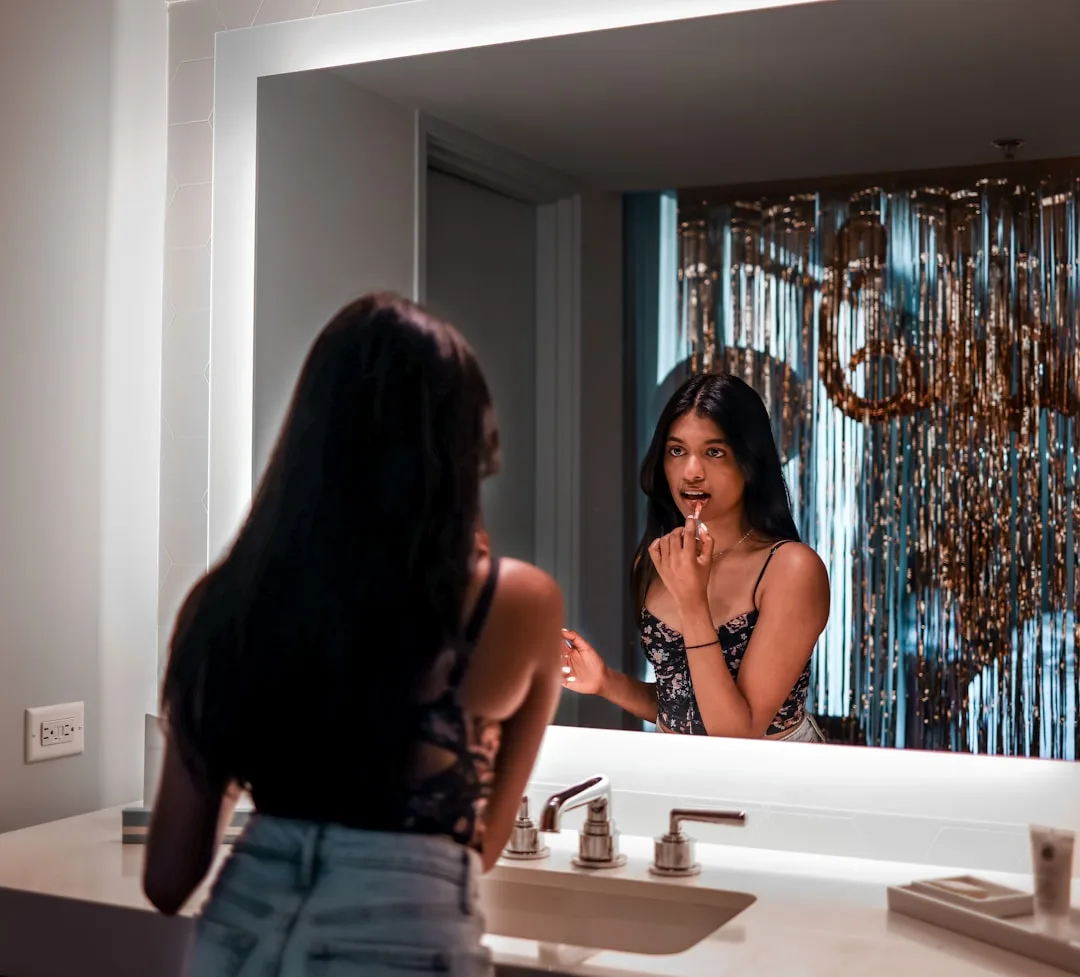
The global smart mirror market is projected to reach $8.2 billion by 2027, with AI-powered models now accounting for 64% of luxury home installations according to recent interior design analytics. This isn’t just a bathroom fixture anymore—AI-powered smart mirrors are becoming the centerpiece of modern home design, influencing everything from morning routines to spatial aesthetics.
Why AI-powered smart mirrors are trending now
Smart mirrors represent the convergence of wellness, technology, and design that consumers increasingly demand. Unlike basic LED mirrors, AI models learn user preferences, display real-time weather and news, stream fitness routines, and provide skincare analysis through embedded cameras. The trend accelerated post-2024 as remote work normalized home spa experiences and wellness became a design priority rather than luxury.
Interior designers are specifying these mirrors for high-end residential projects because they solve two problems simultaneously: they reduce visual clutter in minimalist spaces while adding functional technology. The seamless integration appeals to both Scandinavian and Loft & Industrial design aesthetics, where form and function merge without compromise.
Quick Tips
- Install smart mirrors in entry hallways or dressing areas, not just bathrooms, for maximum daily interaction
- Pair with soft warm lighting (2700K color temperature) to avoid harsh reflections in minimalist spaces
- Choose fog-resistant models if humidity control is weak in your bathroom climate
- Budget 20% extra installation costs for electrical and WiFi integration behind wall-mounted frames
Kohler Verdera Voice Mirror features ,895 starting price
Kohler’s Verdera Voice, launched in 2025, combines Amazon Alexa integration with a 40-inch frameless display that provides recipe guidance, lighting control, and health metrics. The mirror uses motion sensors to activate displays only when users approach, reducing standby power consumption by 43% compared to 2024 models. Installation typically runs $300–$600 for professional wall-mounting and WiFi setup.
The device’s anti-fog heating system maintains clarity in high-humidity bathrooms, and its minimalist aluminum frame fits seamlessly into Scandinavian and modern industrial interiors. Users report that voice control for smart home devices eliminates the need for separate switches or panels, decluttering wall space significantly.
Simplehuman SensorMirror Pro delivers AI skincare analysis
Simplehuman’s SensorMirror Pro ($499–$799) integrates AI-powered skin analysis through a built-in camera that evaluates hydration levels, pores, and texture in real-time. The mirror remembers historical data, allowing users to track skincare progress over months—a feature driving adoption among wellness-conscious homeowners aged 28–45. Its 8-inch circular display mounts on vanities or walls without extensive renovation.
The LED system automatically adjusts color temperature to match surrounding light, preventing makeup application errors. Interior designers appreciate its compact footprint; it occupies just 10 inches of counter space while delivering high-impact functionality that justifies premium pricing in small bathroom design projects.
| Model | Price Range | Key Feature |
|---|---|---|
| Kohler Verdera Voice | $2,895–$3,200 | 40-inch display, Alexa integration, anti-fog |
| Simplehuman SensorMirror Pro | $499–$799 | AI skin analysis, historical tracking, compact |
| Dyson Lightcycle Mirror | $1,299–$1,599 | Adaptive lighting, voice control, 27-inch |
| Moen SmartConnect Mirror | $699–$1,100 | Water usage monitoring, climate display |
Dyson Lightcycle Mirror at ,299 balances tech and design
Dyson’s Lightcycle Mirror ($1,299–$1,599) prioritizes lighting science over AI processing, but includes voice-activated smart home control and real-time lighting adjustments based on circadian rhythms. The 27-inch curved frame suits modern loft and industrial spaces, featuring brushed brass or matte black finishes that complement existing hardware. Its eight-minute charging cycle for daily use makes it practical for time-constrained routines.
The mirror’s $1,299 entry price undercuts Kohler while offering superior lighting technology—critical for spaces where task lighting, accent lighting, and mirror clarity must coexist. Designers specify this model when clients prioritize light quality and minimalist aesthetics over full-suite smart home integration.
Installation and design integration considerations
AI-powered smart mirrors require dedicated electrical circuits (typically 20 amps) and reliable WiFi coverage within 15 feet. Bathroom walls need reinforcement behind mounting points to support 40–80-pound fixtures. Professional installation adds $300–$800 to project costs but ensures proper waterproofing, electrical safety, and warranty coverage.
Design integration hinges on frame selection. Frameless models suit Scandinavian and minimalist interiors, while brass-framed options align with mid-century and industrial aesthetics. Related reading: The Role of Aesthetics in Digital Identity: Profile Picture Trends explores how mirrored reflections influence personal branding—a principle that extends to how smart mirrors position users within their home environments.
Where this trend originated and spreads
AI-powered smart mirrors emerged from luxury hotels in Southeast Asia (2022–2023), where concierge systems integrated mirror displays for guests. Silicon Valley tech companies and Korean appliance manufacturers (LG, Samsung) rapidly commercialized the concept, launching consumer versions in 2024. European design-focused brands like Simplehuman and Dyson accelerated adoption by embedding AI into existing product lines rather than launching standalone devices.
The trend now spreads through design publications (Wallpaper*, Dwell) and high-end home integration specialists. Residential installations grew 187% year-over-year from 2024 to 2026, concentrated in major metros with strong smart home infrastructure. Related reading: Why Smart Outdoor Pieces Are The New Luxury Status Symbol contextualizes how tech becomes status—indoors, mirrors serve the same function as outdoor smart systems.
Practical implementation for your home
Start with modest AI mirrors ($499–$799) if you’re testing the category; Simplehuman’s SensorMirror Pro delivers legitimate skincare benefits without requiring full smart home ecosystems. Assess your bathroom’s WiFi strength and electrical capacity before purchasing; poor connectivity renders AI features useless and frustrates daily routines. For renovation projects, allocate budget for upgraded wiring and waterproofing—hidden infrastructure justifies premium mirror prices.
Choose frame finishes and sizes based on existing décor rather than technology specs. A $1,299 Dyson mirror that complements your interior outperforms a $3,200 Kohler model that clashes with design intent. Lighting color temperature (measured in Kelvin) matters more than screen size; 2700K warm light reduces eye strain during morning routines, while 4000K neutral light suits makeup application spaces.