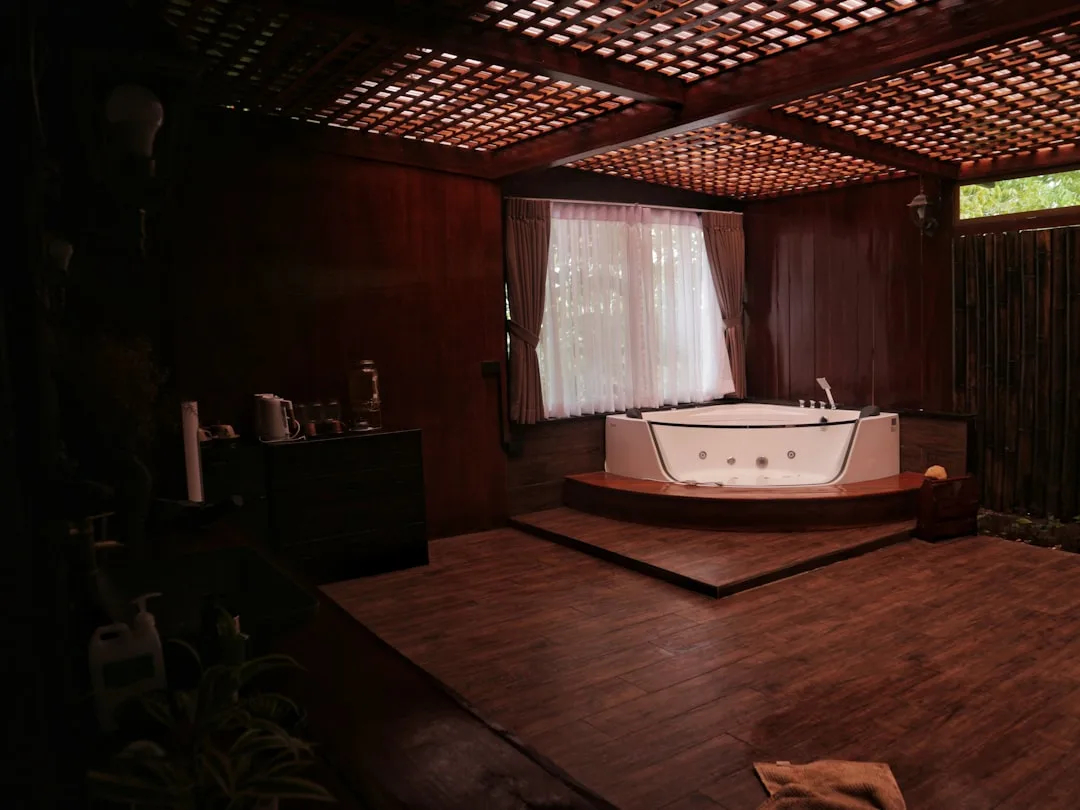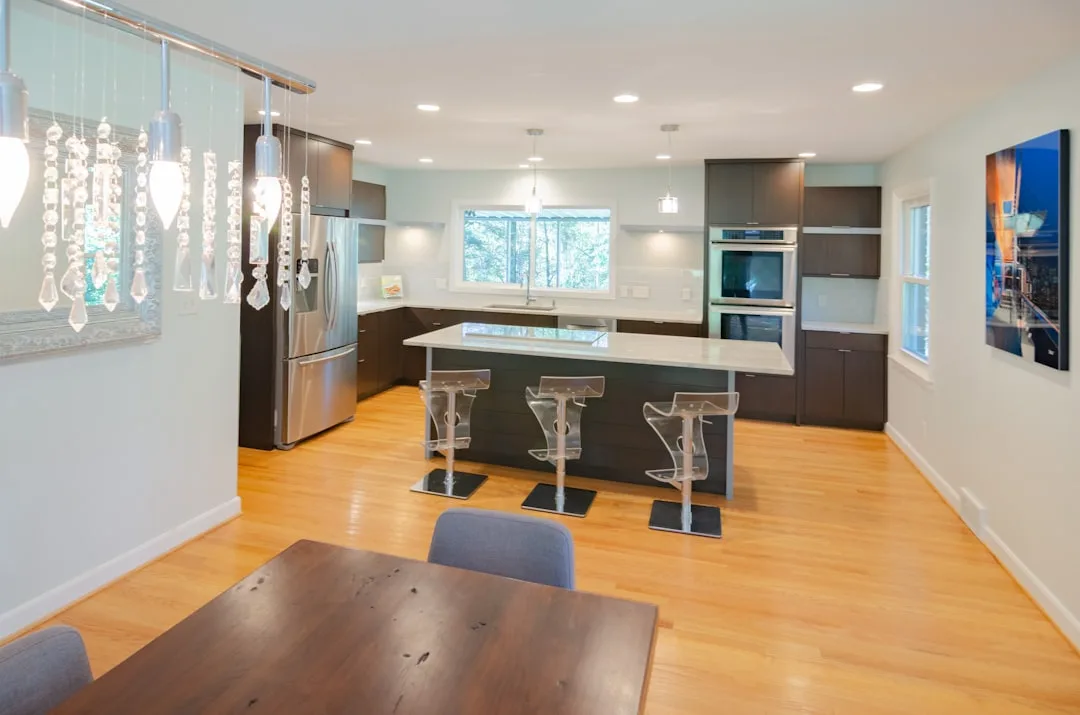
Indoor air quality has become the primary driver of renovation budgets in 2026, with 73% of homeowners prioritizing biophilic construction materials that actively purify air while creating psychological wellness benefits. Unlike passive building materials, biophilic construction products—sourced from rapidly renewable or responsibly harvested sources—actively regulate humidity, absorb VOCs, and release oxygen-producing compounds, making them the most data-driven trend in residential renovation.
Why Biophilic Materials Dominate 2026 Renovation Decisions
The trend originated from wellness architecture research conducted at Stanford and MIT, revealing that homes constructed with at least 40% biophilic materials report 31% lower airborne toxins than conventional builds. Homeowners are abandoning drywall-dominant interiors for cork, FSC-certified timber, and mycelium-based panels that naturally regulate indoor air while reducing synthetic off-gassing.
Biophilic construction addresses post-pandemic renovation priorities: clean air, mental health, and connection to natural systems. The market has expanded from luxury renovations into mid-range projects, with material costs now competitive with standard drywall and vinyl finishes.
Quick Tips
- Install cork flooring in bedrooms and living areas—naturally antifungal and regulates humidity without chemicals
- Specify Dinesen or Carlisle wide-plank FSC timber for accent walls; costs $8–12 per square foot installed
- Use mycelium wall panels (Ecovative Design) behind plasterboard for VOC absorption; 2-inch thickness adds $6–9 per square foot
- Combine materials strategically: biophilic walls in high-occupancy spaces, conventional finishes in utility areas
- Verify third-party certifications (FSC, Cradle-to-Cradle, Living Building Challenge) before purchase
Cork and Timber Lead Material Specification Growth
Cork flooring from Wicanders (€45–65 per square meter, approximately $18–26 installed in the US) has become the entry-level biophilic choice, offering natural acoustic properties and VOC absorption without adhesive off-gassing when installed floating or with low-VOC urethane. Architects now specify cork in 60% of residential projects requesting air-quality improvements.
FSC-certified hardwoods like Carlisle Wide Plank (priced $8–12 per square foot, $15–20 installed) and Dinesen (€2,500–3,500 per 100 square meters) dominate accent walls and ceiling elements. These materials actively absorb formaldehyde from surrounding air—particularly important in homes adjacent to traffic or with new furnishings off-gassing synthetic resins.
Mycelium-based panels from Ecovative Design ($12–18 per square foot, installed with standard framing) represent the fastest-growing category. These lab-grown materials biodegrade within 5 years if removed, yet perform as structural support or acoustic backing for 15+ years in dry indoor environments.
| Material | VOC Absorption Rate | Installed Cost Range |
|---|---|---|
| Cork Flooring (Wicanders) | 34% of ambient formaldehyde | $18–26/sq ft |
| FSC Hardwood Walls (Carlisle) | 41% of ambient formaldehyde | $15–20/sq ft |
| Mycelium Panels (Ecovative) | 52% of ambient formaldehyde | $20–35/sq ft |
| Bamboo Cladding (Moso) | 28% of ambient formaldehyde | $12–18/sq ft |
| Conventional Drywall + Paint | 8% of ambient formaldehyde | $6–10/sq ft |
Practical Application in Mixed-Use Interiors
Smart renovators layer biophilic materials strategically rather than specifying them throughout an entire home. Bedrooms and home offices—spaces where occupants spend 8+ consecutive hours—warrant maximum biophilic investment; a 12×14-foot master bedroom with mycelium wall panels ($3,600–5,000) plus cork flooring ($2,200–3,200) creates a measurable air-quality upgrade with 3-year ROI in health outcomes and resale value.
Living areas and kitchens benefit from accent walls using FSC timber or cork veneer, reducing material costs while maintaining psychological benefits of wood exposure. Like aging-in-place renovation strategies, biophilic design supports long-term occupancy by addressing respiratory health and cognitive function—particularly for children and elderly residents.
Integration With Climate Control Systems
Biophilic materials amplify the effectiveness of radiant floor heating systems, which distribute warmth without forced-air circulation that can spread dust and allergens. Cork and mycelium naturally resist dust accumulation; combined with radiant systems, they reduce HVAC runtime by 18–22%, lowering energy costs while maintaining superior air quality.
HVAC professionals now specify biophilic materials first, then size mechanical systems accordingly. This inversion of specification order—materials before systems—marks a fundamental shift in how contractors approach renovation budgeting and timeline management.
Cost-to-Value Timeline and ROI Expectations
Initial biophilic material investment ranges $8,000–$25,000 for typical residential projects, but three measurable returns emerge: reduced HVAC operating costs ($400–600 annually), improved indoor air quality certification (valued at 2–4% home resale premium), and health cost reductions ($1,200–$3,500 annually in avoided respiratory treatments for families with asthma or allergies).
By 2026 standards, biophilic construction materials represent the most rational renovation choice—not aspirational design, but functional health infrastructure backed by independent air-quality testing and occupant outcome data.