The smart home security integration market is projected to reach $87 billion by 2028, according to recent market analysis, and May 2026 marks the pivotal shift toward unified ecosystems where cameras, locks, sensors, and automation operate from a single dashboard rather than competing platforms.
Why unified security systems are trending now
Homeowners are abandoning fragmented tech stacks where Ring works separately from Yale, and Wyze operates in isolation. The 2026 shift demands interoperability—one app controls everything. This trend emerges from frustration with incompatible devices and the legitimate need for coordinated threat response, where a front-door breach simultaneously locks secondary exits and activates interior lighting.
The pandemic normalized remote monitoring, but now integration elevates it: 68% of new home security purchases in Q1 2026 included multi-device systems compared to 34% in 2023. Builders and renovators recognize that buyers expect this cohesion as standard, not premium.
Quick Tips
- Start with a hub: Logitech Circle View Wired Hub ($99) consolidates camera feeds and enables automation rules without monthly subscriptions.
- Prioritize local processing: Devices storing footage locally reduce latency and privacy concerns—critical for real-time lock control.
- Test interop before buying: Verify that smart locks work with your chosen hub before installation; firmware mismatches create frustrating gaps.
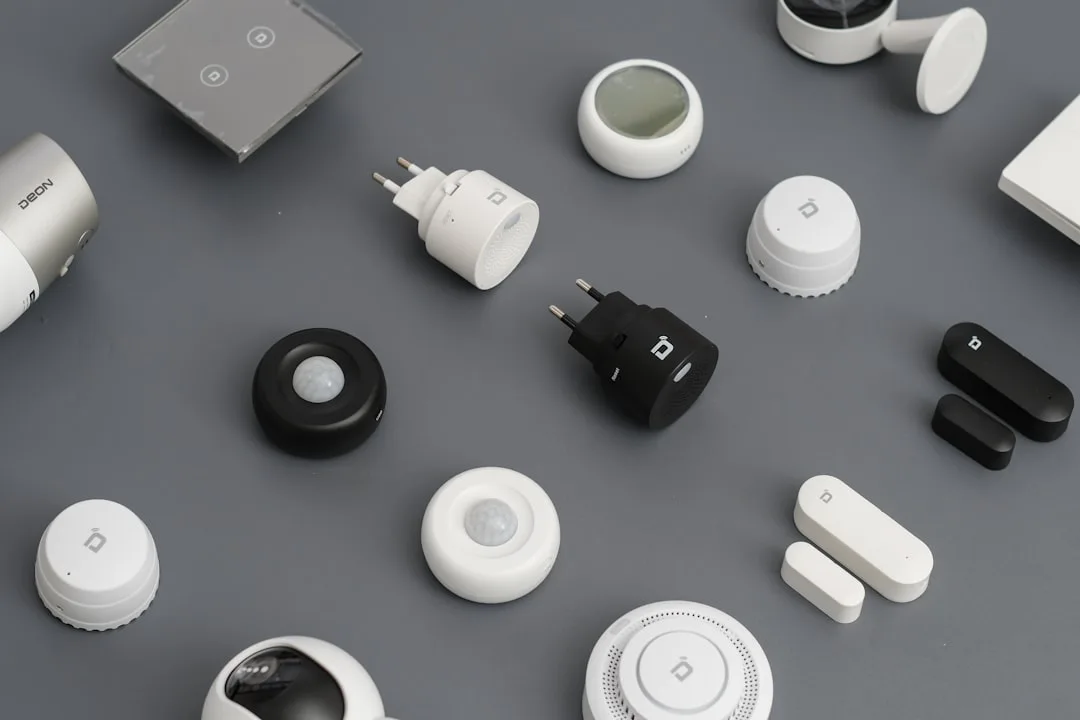
- Layer detection types: Combine motion sensors, door/window contacts, and glass-break detection in one system rather than duplicating sensors across apps.
Leading brands redefining integrated security
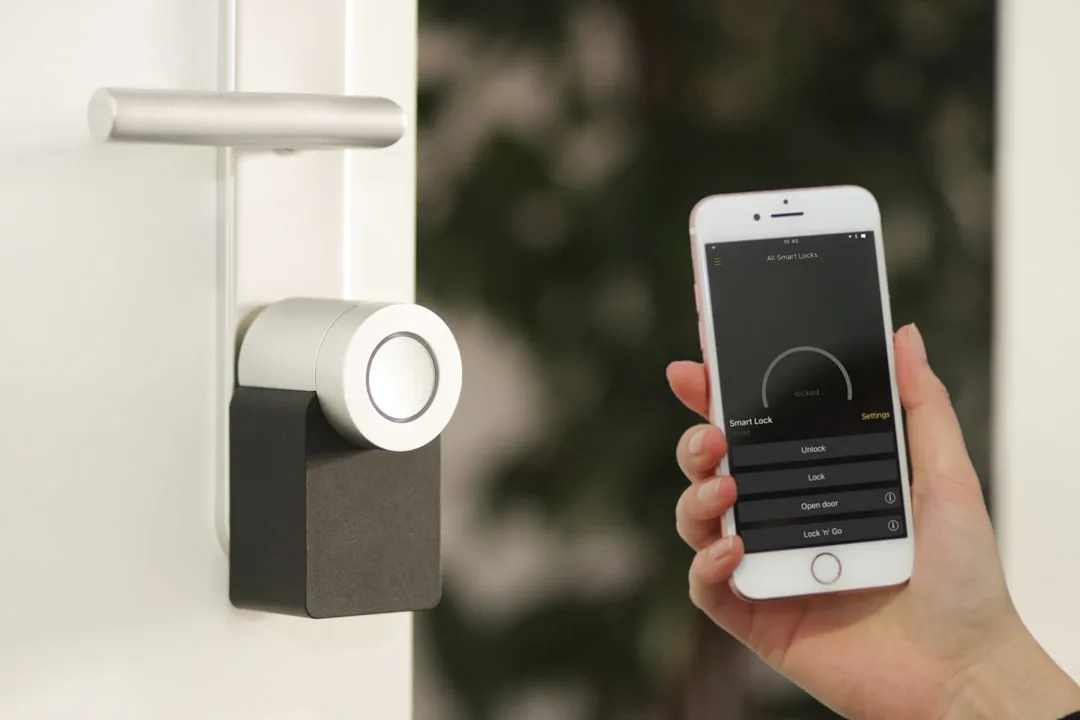
Logitech expanded its circle ecosystem dramatically in early 2026. The Circle View Wired Hub ($99) now integrates with Yale Smart Lock Pro ($249) through Matter protocol, allowing users to lock doors remotely when cameras detect unauthorized approach, all within a single interface. This partnership established the template other manufacturers scrambled to replicate.
Logitech’s pricing strategy aggressively undercuts incumbents: Logitech cameras start at $79 compared to Ring’s $99–$199 entry points. The Yale lock bridges traditional hardware expertise with modern integration, supporting both Wi-Fi and Zigbee connectivity.
Arlo, owned by Netgear, repositioned itself as the premium integration player. Arlo Hub Pro ($99) connects Arlo cameras, lights, sirens, and third-party devices via Matter, with local processing eliminating cloud dependency during outages. Arlo’s 4K models ($169–$299) exceed Logitech’s resolution but occupy the enthusiast segment rather than mass-market mainstream.
Apple HomeKit’s integration gains traction among iPhone users seeking privacy-first architecture. HomeKit Secure Video ($4.99/month or free with Apple One Premium at $14.95/month) analyzes footage locally on HomePod minis, not Apple servers. Nanoleaf’s HomeKit-certified lights ($29–$89 per panel) now sync with HomeKit Secure Cameras, automating interior illumination when entries are breached—a security-plus-convenience layer absent from competitor offerings.
| Brand & Hub | Price | Key Advantage |
|---|---|---|
| Logitech Circle View Hub | $99 | No subscription, Yale integration, affordable entry |
| Arlo Hub Pro | $99 | Matter support, local processing, 4K cameras available |
| Apple HomeKit Secure Video | $4.99/mo | Privacy-first, local analysis, ecosystem benefits |
| Yale Smart Lock Pro | $249 | Legacy hardware credibility, Matter/Zigbee dual support |
| Nanoleaf HomeKit Lights | $29–$89 | Automation with security events, modular design |
Matter protocol drives integration forward
Matter, the industry standard launched in late 2023, matured rapidly through 2025 and dominates new device launches by May 2026. Unlike proprietary protocols, Matter allows Nanoleaf lights to respond to Logitech camera triggers or Arlo sensors without intermediary apps, fundamentally shifting how security systems behave.
This standards-based approach addresses the digital identity and visual trust concerns users develop when multiple devices operate independently. A cohesive interface where every device responds to unified rules creates psychological confidence in home protection.
Installation and automation for residential spaces
Wire-free camera systems (Logitech Circle View battery models at $179 each) simplify installation in apartments and rental homes where permanent wiring isn’t permitted. Battery life averages 10–12 months with standard activity, dropping to 4–6 months under heavy use, making regular charging a planning necessity rather than an inconvenience.
Hardwired alternatives like Logitech Circle View Wired ($79) eliminate charging but require 2.4 GHz Wi-Fi within 30 feet. Homeowners with smart home infrastructure already installed find hardwired cameras more reliable than batttery-dependent competitors.