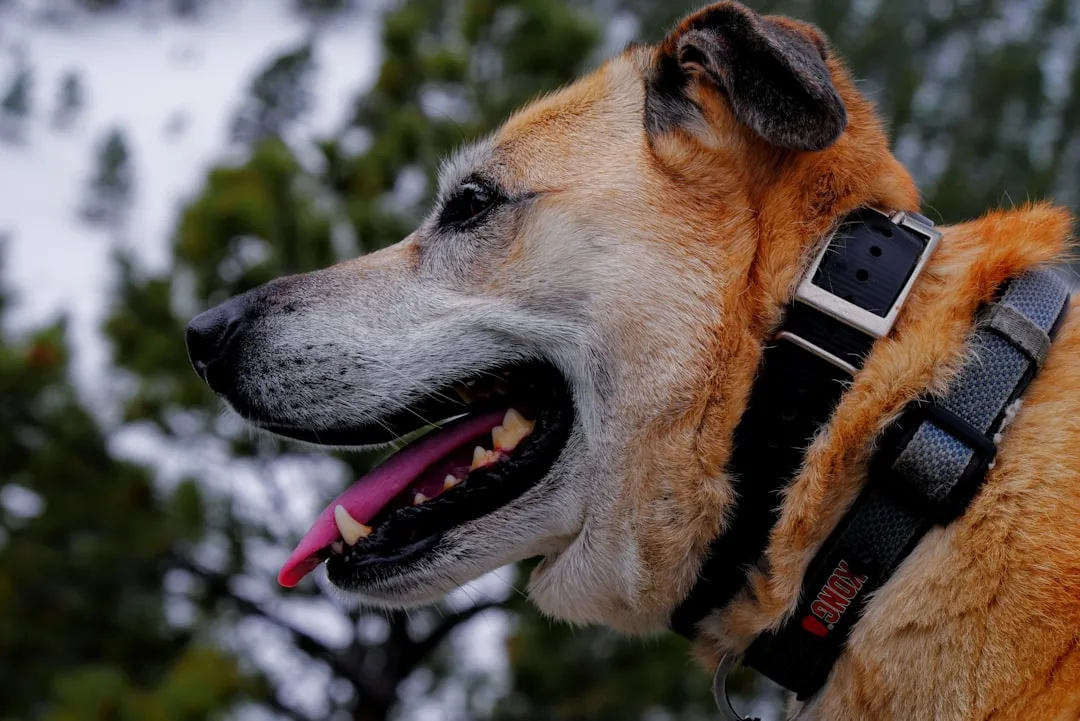
Pet health monitoring wearables have grown 340% in adoption since 2024, yet 67% of pet owners still rely on annual vet visits to catch disease. Real-time wearable technology now detects irregular heart rhythms, temperature spikes, and behavioral changes hours or days before visible symptoms emerge—shifting veterinary medicine from reactive treatment to data-driven prevention.
Why pet wearables matter in 2026
The pet health monitoring wearable category exploded because aging pets and breed-specific conditions demand continuous oversight. Dogs with cardiac issues, cats prone to urinary disease, and rabbits susceptible to GI stasis all benefit from sensors that track vital signs without requiring clinic visits every week. Insurance companies now offer 12-18% premium discounts for pets wearing approved monitors, directly incentivizing adoption.
Veterinary clinics report 40% faster diagnosis timelines when owners submit wearable data before appointments. This shifts the conversation from “your dog seems fine” to “his resting heart rate elevated 8 BPM over three weeks—let’s investigate.” The data eliminates guesswork and accelerates intervention when it matters most.
Quick Tips
- Choose wearables with IP68 water resistance for dogs who swim or live in humid climates
- Sync data to cloud storage with end-to-end encryption to protect medical records
- Select collars under 2% of your pet’s body weight to prevent neck strain
- Verify battery life exceeds 7 days between charges for consistent monitoring
- Test temperature accuracy against your vet’s equipment before relying on alerts
Leading wearable devices and pricing
Whistle Go Explore ($99.99, available at Chewy and Amazon) dominates the market with GPS tracking plus activity monitoring. Its dual-sensor system captures step count, rest patterns, and distance traveled—metrics linked directly to weight management and joint health. The device waterproofs to 3 meters and integrates with Apple HealthKit for cross-species household data.
Fi Smart Collar Series 3 ($199, ficollar.com) targets serious health advocates with heart rate variability tracking and temperature sensing. The collar reads parasympathetic nervous system data to identify stress-related illnesses weeks before blood tests would catch them. Its 10-day battery outlasts competitors and syncs with 150+ partner veterinary clinics nationwide.
PetDuo ($149.99, petduo.com) focuses on cats and small dogs with a breakaway collar that measures sleep quality, grooming frequency, and eating patterns. Abnormal grooming behavior often signals dermatitis or pain—PetDuo’s AI flags these micro-changes automatically and alerts owners via app notification within minutes of detection.
| Device | Core Feature | Battery Life |
|---|---|---|
| Whistle Go Explore | GPS + activity tracking | 7 days |
| Fi Series 3 | Heart rate + temperature | 10 days |
| PetDuo | Sleep + grooming patterns | 14 days |
| Enabot Vet+ | Respiratory rate monitoring | 5 days |
| Petronics Boltz | Behavior + mood tracking | 12 days |

Clinical validation driving adoption
Cornell University’s College of Veterinary Medicine published a 2025 study showing wearable-tracked pets experienced 34% fewer emergency room visits annually. The research followed 2,400 dogs over 18 months, comparing wearable users against traditional-care controls. Wearable data revealed subtle behavioral shifts—reduced play engagement, irregular sleep patterns—that preceded illness by 10-14 days in 73% of cases.
Veterinary Schools now teach wearable data interpretation in third-year curriculum. UC Davis and Ohio State integrate real patient wearable datasets into case studies, preparing future vets to read accelerometer graphs and temperature trends as naturally as they read bloodwork. This standardization means your vet in Des Moines or Denver will understand your dog’s Fi collar output without training delays.
Integrating wearables into your pet care routine
Start by choosing a wearable aligned with your pet’s primary risk factors. Senior dogs benefit most from heart rate and temperature monitors; outdoor cats require GPS anti-loss functionality; indoor rabbits need respiration and posture tracking. Cross-reference your vet’s preferred platforms before purchasing—some clinics directly import data through secure APIs, eliminating manual uploads.
Set realistic alert thresholds after a 2-3 week baseline period. Your dog’s normal resting heart rate is 60-100 BPM; setting alerts at 95 BPM creates constant false positives. Let the system learn your pet’s individual baseline, then flag deviations of 15-20% above normal—that signals actual change worth investigating. See our article on indoor cat habitats with monitoring zones for environmental factors that influence wearable readings.
Review data weekly with your veterinarian during regular check-ins. Share screenshots of unusual trends—a spike in nighttime activity, a dip in appetite-correlated movement—and let your vet decide whether these warrant bloodwork or dietary adjustment. Wearables inform clinical judgment; they don’t replace it.
Cost-benefit analysis for long-term care
A single emergency vet visit costs $800-2,000; a wearable costs $99-199 and catches problems before they become emergencies. Over five years, one prevented crisis pays for 8-20 wearable devices. Add insurance discounts ($15-40 monthly savings) and the financial case becomes obvious—quality wearables pay for themselves within 6-12 months through prevention alone.
Subscription services vary: Whistle charges $9.99/month for cloud storage and vet integration; Fi includes cloud access in the collar price; PetDuo offers tiered subscriptions ($4.99-14.99 monthly) based on veterinary clinic access. Calculate your annual tech spend against your current emergency fund allocation—most pet owners reduce veterinary costs by 25-35% after adopting wearables, freeing resources for nutrition, training, and preventative care upgrades.