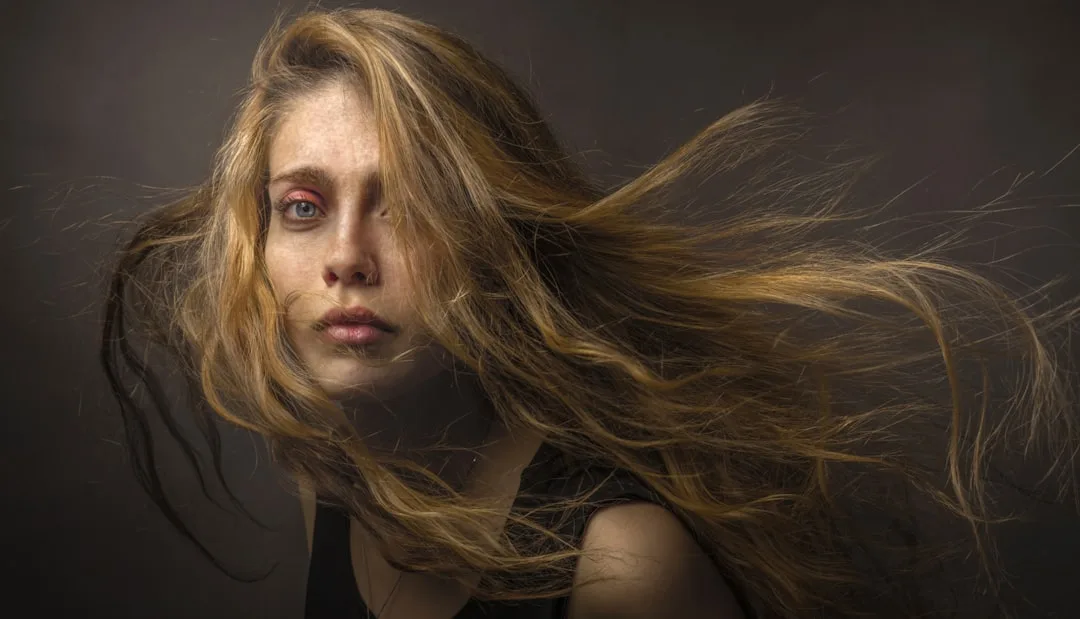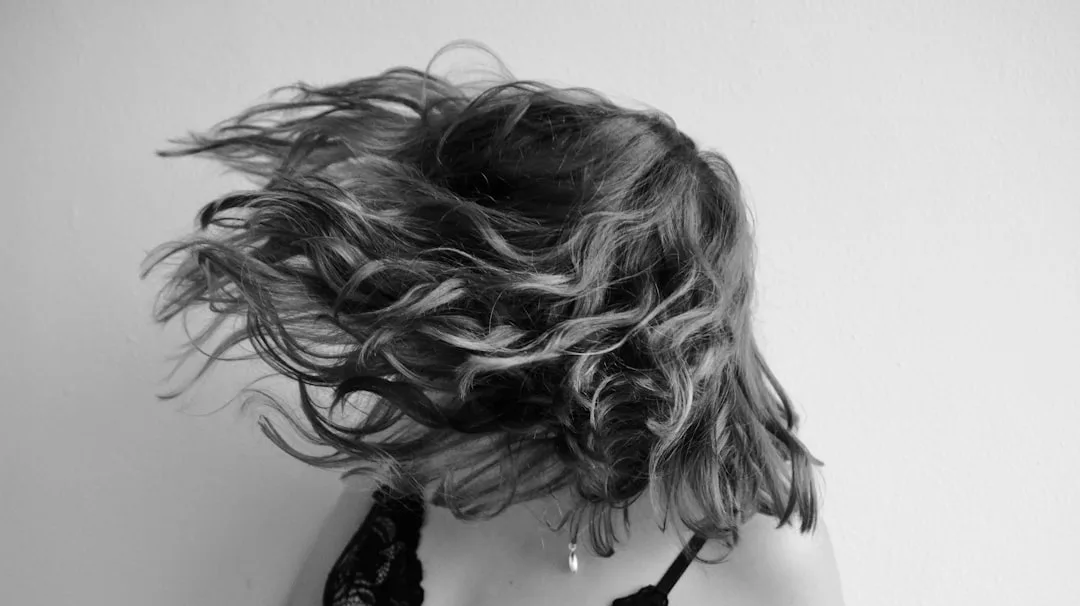
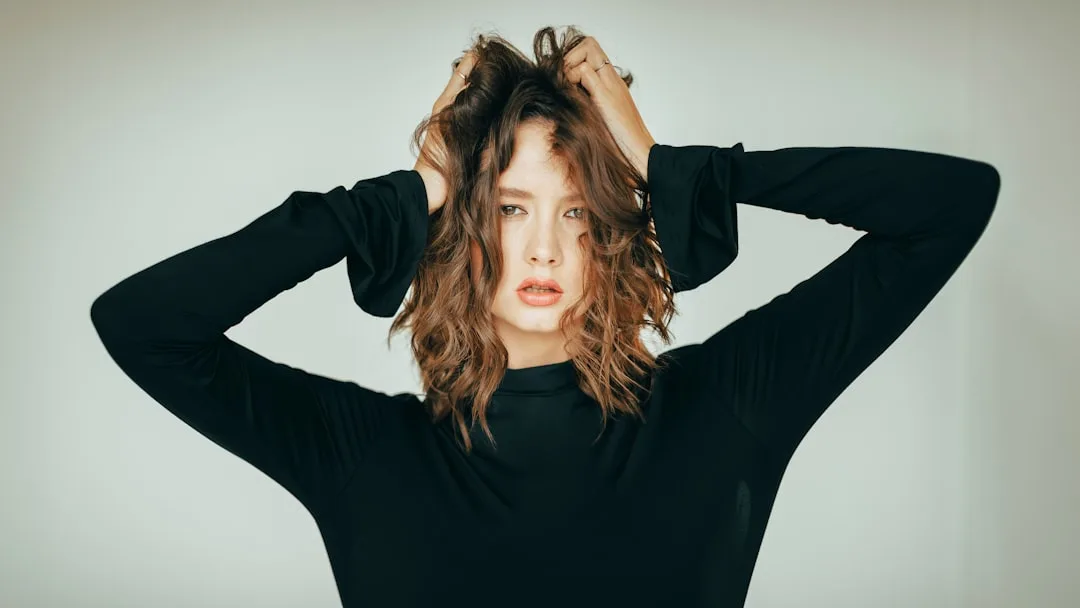
The perfectly smooth blowout is losing ground. Across salons in New York, London, and Copenhagen, stylists report a decisive shift toward what industry insiders are calling “undone texture”—hair that looks deliberately un-styled, with choppy layers, air-dried waves, and a lived-in quality that rejects the high-gloss aesthetic of recent years. This isn’t bedhead or carelessness; it’s a calculated embrace of imperfection that’s reshaping how we think about hairstyling in 2026.
Why Undone Texture Is Replacing Polished Perfection
The origins of this trend lie in several converging forces. First, the continued influence of Scandinavian beauty philosophy, which has always favored natural texture over constructed styles. Brands like Sachajuan and Maria Nila have built entire product lines around enhancing—not eliminating—the hair’s inherent character. Second, the sustainability movement has made heat-styling feel wasteful and damaging. Air-drying isn’t just easier; it’s become a signal of conscious beauty choices.
Stylist Christiaan Houtenbos, whose work appears regularly at Copenhagen Fashion Week, notes that clients are specifically requesting cuts that “look better messy.” This has led to a resurgence in choppy layering techniques—not the heavy, structured layers of the 2000s, but lighter, more irregular cuts that create movement without removing bulk. The goal is hair that shifts and separates naturally, with piecey ends that catch light differently than blunt cuts.
The Technical Shift: Cutting for Natural Texture
What makes this trend significant is that it requires a fundamentally different approach to cutting. Traditional precision cuts assume heat styling and controlled finishing. Undone texture demands irregularity built into the cut itself. Point-cutting, slide-cutting, and razor work are all experiencing renewed attention because they create the diffused edges and varied lengths that make air-dried hair look intentional rather than neglected.
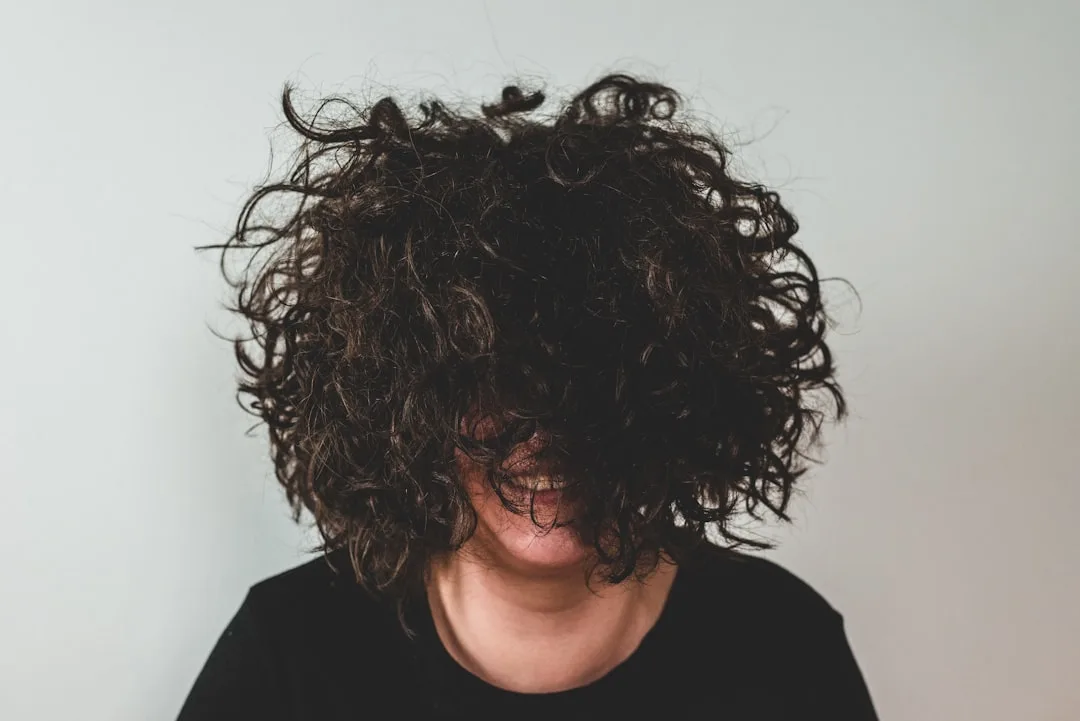
The curly bob styles that have dominated the past year are evolving to incorporate these choppy, irregular techniques even in structured lengths. Similarly, the undone approach complements low-maintenance styles designed for active lifestyles, where hair needs to look good without constant intervention.
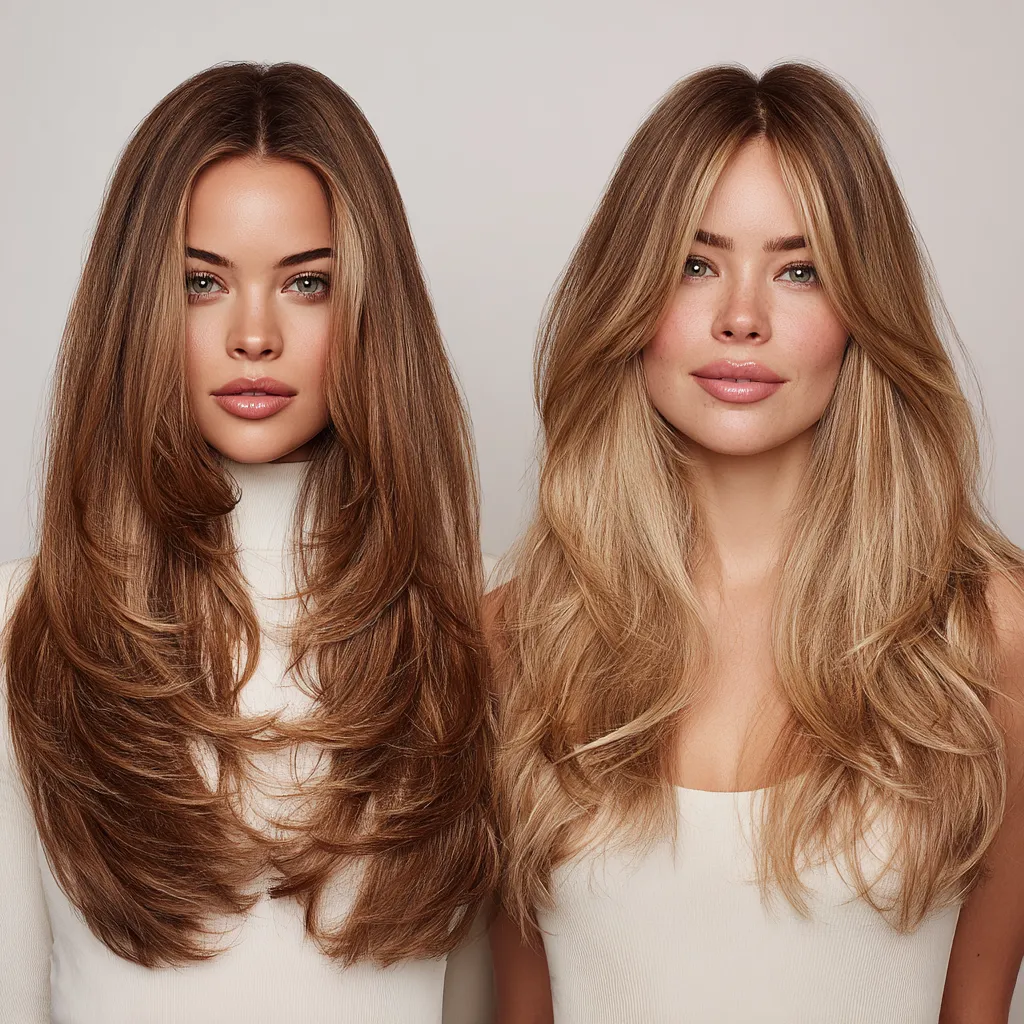
Colorist Anja Schmidt at Berlin’s Shan Rahimkhan salon reports that clients are also requesting color techniques that enhance this textured aesthetic. Lived-in balayage and root-smudging services are up 40% year-over-year at her salon, because these techniques create dimension that’s visible even in unstyled hair. The color isn’t doing the work of creating interest—the texture is—but strategically placed lighter pieces catch in the movement and amplify the undone effect.
Product Innovation Driving Adoption
The product industry has responded rapidly. Oribe’s new Undone Texture Spray, launched in March 2026, sold out within two weeks. Unlike traditional texturizing sprays that add grit or stiffness, this new generation of products enhances separation and movement while maintaining softness. They’re designed to mimic the texture you’d get from sleeping on damp hair and waking up with perfect waves—a fantasy, but one that modern formulations are getting closer to delivering.
K18’s Air Dry Cream, which launched late last year, has become a cult product precisely because it makes skipping heat tools feel like an upgrade rather than a compromise. The formula contains biomimetic peptides that help hair dry in a more organized pattern, reducing frizz without eliminating texture. This is the critical innovation: products that work with the hair’s natural behavior rather than forcing it into submission.
Cultural Context: The Rejection of Instagram Perfection
This trend also reflects a broader cultural exhaustion with the hyper-polished aesthetic that dominated social media in the early 2020s. The same audience that’s embracing dopamine dressing and maximalist interiors is rejecting the labor-intensive, identical beauty standards that required daily heat styling and professional-level finishing skills. Undone texture is the hair equivalent of natural makeup—it suggests ease, individuality, and a refusal to perform perfection.
Gen Z adoption has been particularly strong. On platforms like TikTok and RedNote, the hashtag #airdridhair has accumulated over 2.3 billion views since January, with tutorials focusing on cuts and products that enhance natural texture rather than fighting it. The aspirational image is no longer the salon blowout; it’s hair that looks good when you run your fingers through it and walk away.
How to Achieve Undone Texture
The foundation is the cut. Book a consultation specifically to discuss how your hair behaves when air-dried. Bring photos of your hair unstyled, not inspirational images of models. A skilled stylist can work with your natural wave pattern, density, and growth patterns to create a cut that enhances rather than requires correction.
Ask for choppy layers with point-cut or razor-finished ends. Avoid one-length blunt cuts unless your hair is naturally very straight and thick—they require styling to look intentional. Request layers that start relatively high (around cheekbone level) to create movement throughout, not just at the ends.
For styling, apply a lightweight cream or mousse to soaking-wet hair, scrunch gently, and leave it alone. The hardest part of this trend is the discipline to not touch your hair as it dries. Most people disrupt the natural clumping and wave formation by fidgeting. Set it and forget it. If you must diffuse, use low heat and low speed, cupping sections without rubbing or disturbing the hair.
The Long-Term Implications
This isn’t a fleeting moment. The undone texture trend represents a maturation in how we think about beauty maintenance. It’s aligned with remote work realities, climate awareness, and a general deprioritization of high-maintenance aesthetics. Salons that adapt their cutting education and product offerings to support this approach will stay relevant; those still pushing weekly blowouts as the standard may find themselves out of step with client expectations.
What we’re seeing in April 2026 is likely the beginning of a longer cycle where natural texture becomes the default, and styled hair becomes the occasional choice rather than the daily requirement. The tools and techniques are finally catching up to what people have wanted all along: hair that looks good without constant effort.