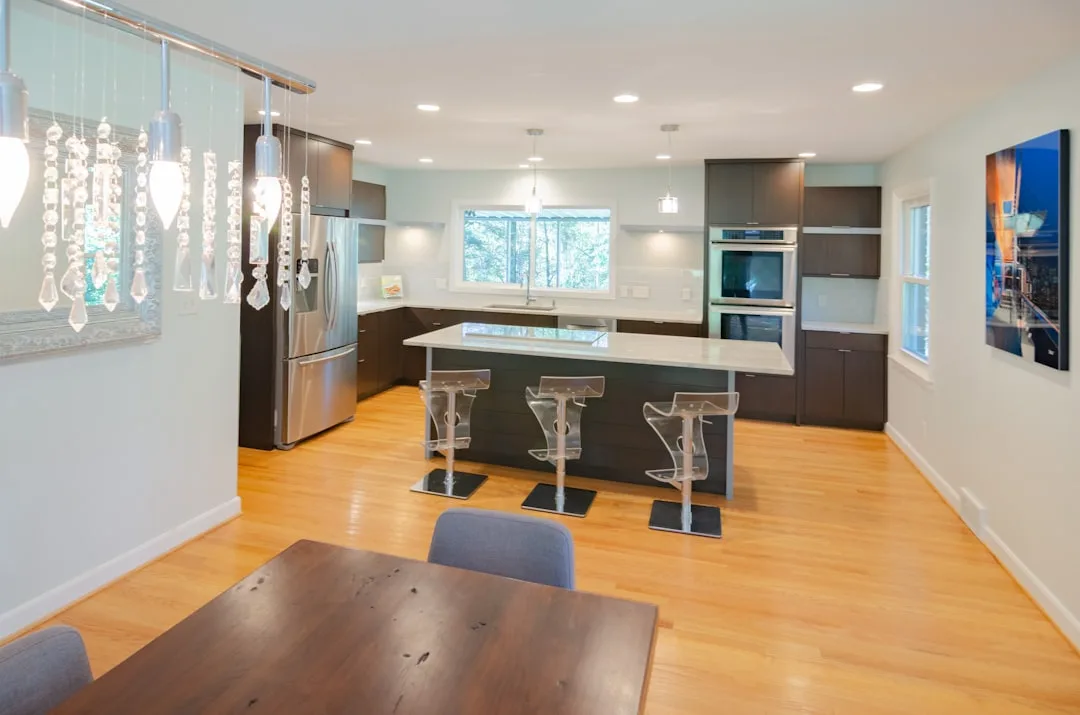
Something shifted in early 2026 that most renovation coverage is still catching up to. Aging-in-place design — long filed under “accessibility” and handed off to occupational therapists — has become the organizing principle behind how a growing number of Americans are renovating their entire homes. Not just primary bathrooms. Not just grab bar installations. Entire floor plans, material selections, and construction sequencing are now being built around a single question: will this home work for us in 20 years?
The Numbers That Moved This From Niche to Normal
The National Association of Home Builders reported in February 2026 that 56% of remodelers are now actively involved in aging-in-place modification work, and 73% say requests for these features have significantly or somewhat increased over the past five years. That’s not a specialty market. That’s the mainstream renovation conversation. NAHB is also forecasting a 3% increase in overall residential remodeling activity for 2026, with aging-in-place identified as one of the primary structural tailwinds.
Houzz’s 2026 House & Home Study adds another layer: nearly two-thirds of homeowners plan to stay in their current homes for 11 years or more. That figure directly connects to why renovators are no longer thinking in terms of resale staging. They’re building for themselves — which means building for who they’ll be in a decade. The Houzz data also found that traditional-style renovations rose 5 percentage points among renovating homeowners year over year, with inset cabinetry, arched range hoods, and rich wood tones gaining ground. The overlap with aging-in-place isn’t coincidental. Both trends prize craftsmanship over flash, longevity over trend cycles.
Wider Doorways Are Now a Design Statement, Not a Concession
The aesthetic shift happening here is worth naming clearly. For years, aging-in-place features were treated as subtractions — things you added when you had to, that visibly announced medical need. That framing is collapsing. Designers like Studio Lifestyle’s Kira Barrett and architecture firms like MKCA in New York are now integrating 36-inch doorways, curbless showers, and lever hardware into projects for clients in their 30s and 40s who simply want homes that don’t fight them. The features read as considered, not compromised.
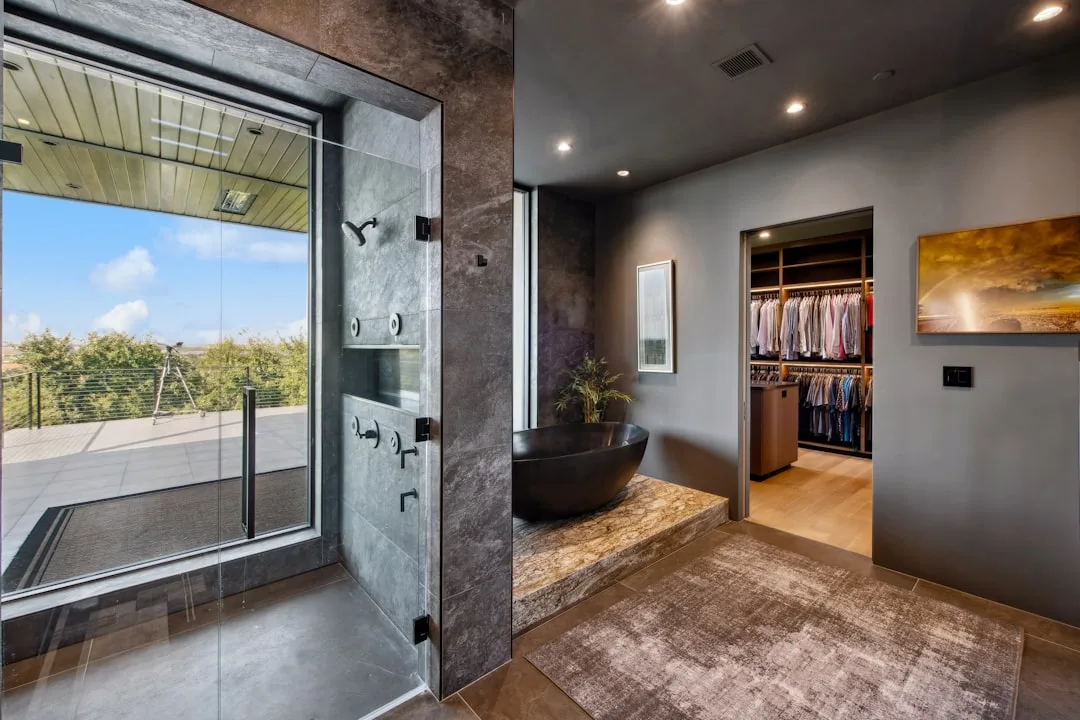
Walk-in showers with accessible layouts are among the fastest-growing bathroom renovation features in 2026, with wall-mounted faucets rising in tandem because they keep countertops clear and function better across a range of mobility levels. Houzz’s 2025 Bathroom Trends Report identified faucets as the number-one feature being upgraded in bathroom projects — and wall-mounted placement is leading that category. None of this looks clinical. It looks deliberate.
Multigenerational Living Pulled the Floor Plan Into This Conversation
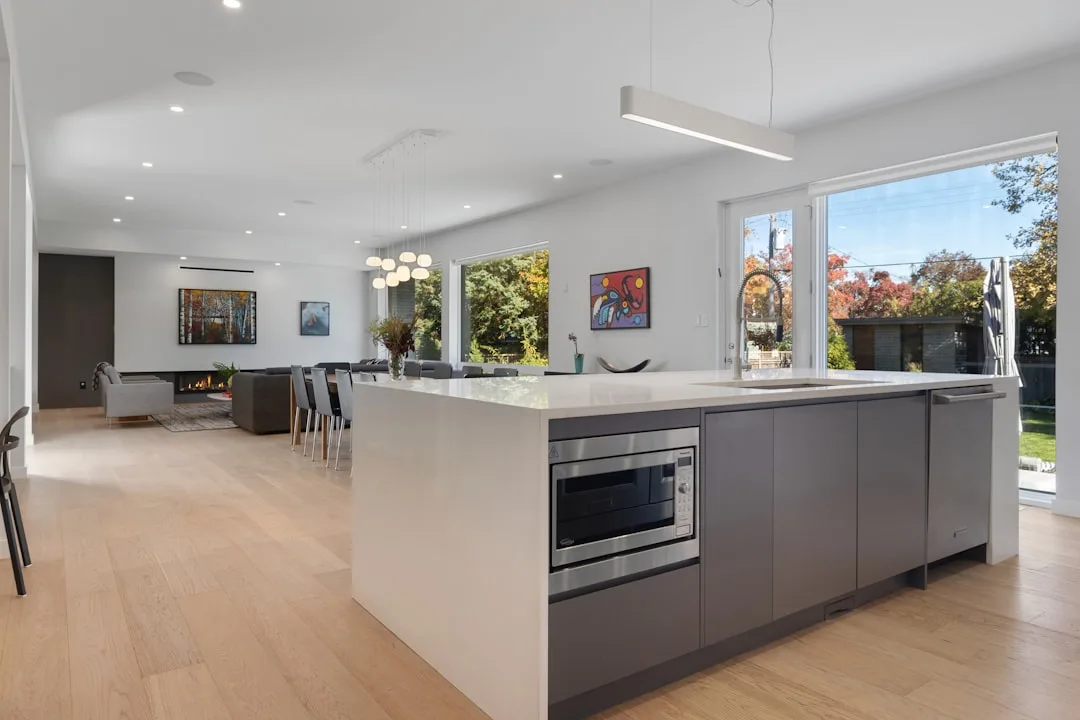
Block Renovation’s “How America Renovates 2026” report — fielded between February 19 and March 4, 2026, across 1,059 homeowners in all 50 states — found a clear rise in multigenerational living as a renovation driver. Homeowners are increasingly prioritizing function over resale, and a rise in multigenerational household needs is reshaping what “functional” means at the floor plan level. Single-floor living, main-level primary suites, and connected ADU structures are appearing on project briefs that were described as “kitchen and bath remodels” six months earlier.
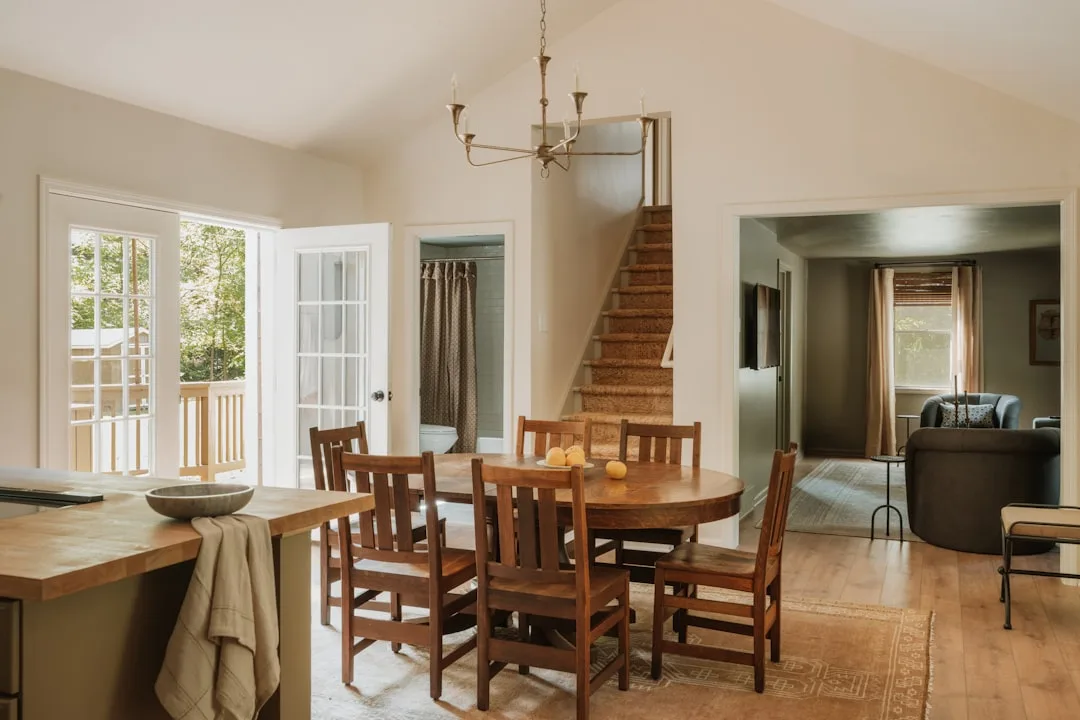
This is exactly why single-floor house construction and open design are gaining renewed relevance in 2026. A layout that flows without stairs, keeps bedrooms accessible from main living areas, and separates noise zones for remote workers also happens to serve an 80-year-old and a 6-year-old equally well. Architects are pitching this as universal design rather than age-specific design — and the framing is landing. For anyone deep in renovation planning right now, the piece on Elevate Your Home Renovation with Metal Roofing and Copper Lighting is worth reading alongside this trend — durable, low-maintenance exterior materials are another expression of the same long-term-value logic.
What Contractors Are Actually Building More of Right Now
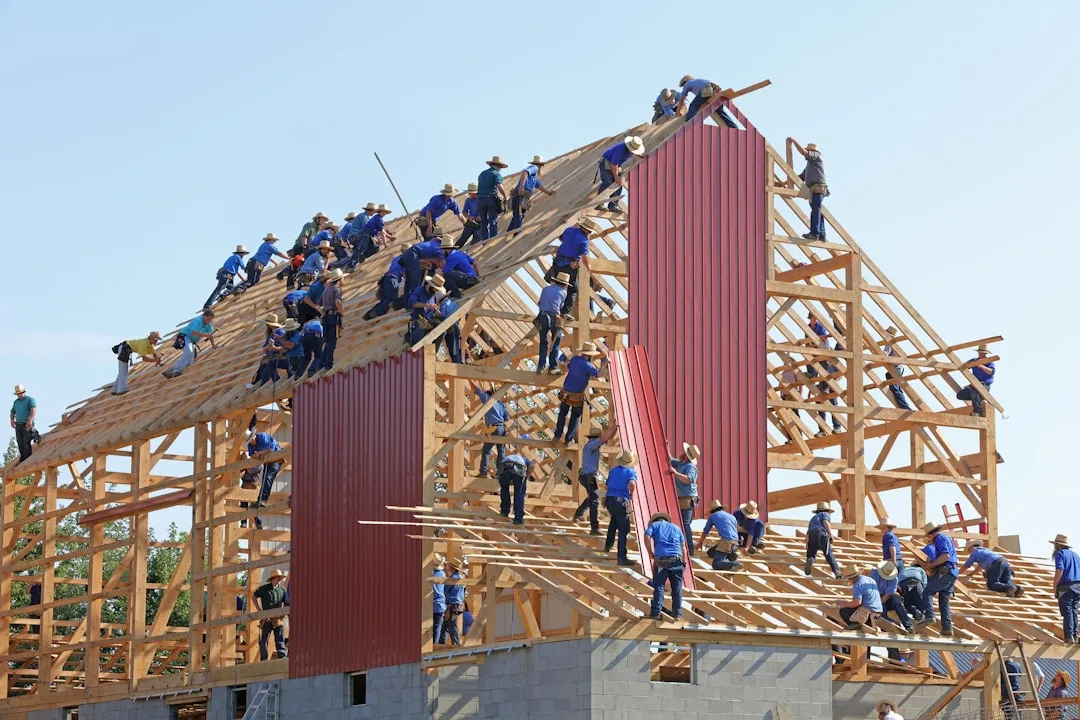
NAHB’s most recent Remodeling Market Index survey found that the most common projects in 2025 were bathroom remodels, kitchen remodels, and whole-house remodels — in that order. What’s new in 2026 is the reasoning underneath those categories. Bathrooms are being rebuilt with walk-in showers, accessible layouts, and safer fixture placement. Kitchens are losing waterfall islands and dramatic stone slabs in favor of thoughtful ergonomics and durable metal-forward finishes. Whole-house remodels are increasingly driven by the desire to reconfigure layouts for multi-use living rather than add square footage for its own sake.
Harvard’s Joint Center for Housing Studies projected renovation and repair spending hitting a record $524 billion in early 2026. That capital is not going into trend-forward showpieces. It’s going into homes people intend to occupy for decades — which makes every material choice, every door width, every floor transition a long-horizon decision.
How to Apply This Without Over-Engineering Your Project
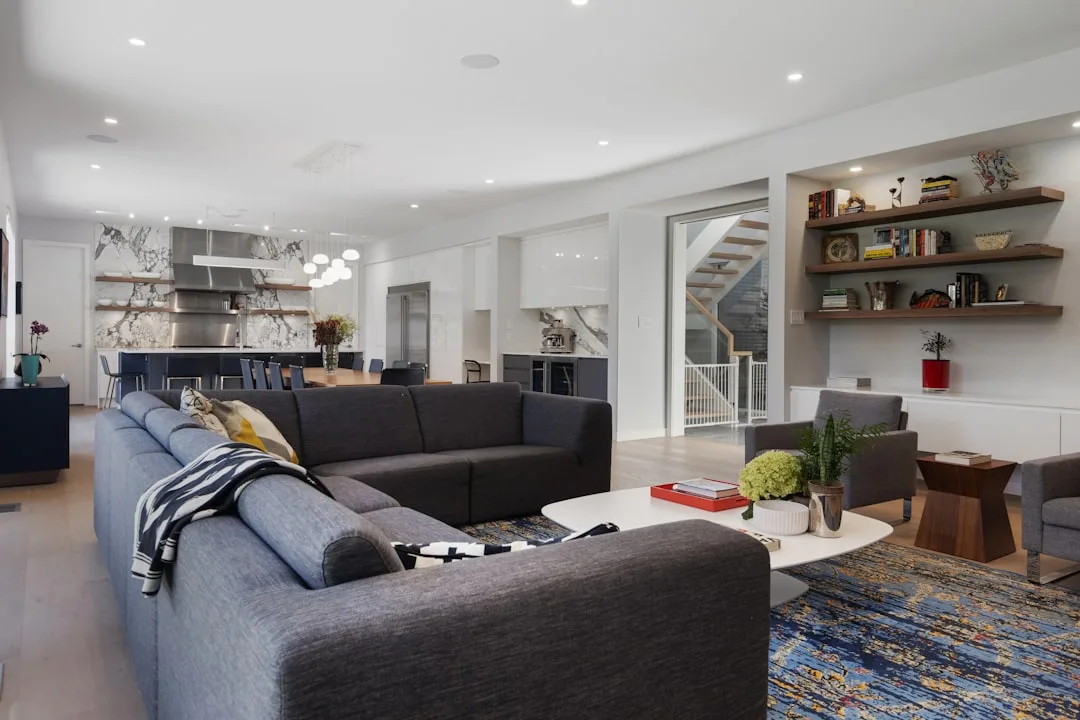
The practical entry point for most homeowners isn’t a full accessibility audit. It’s asking the future-use question at every major decision point during an existing renovation. When you’re replacing flooring anyway, specify slip-resistant finishes. When you’re reconfiguring a bathroom layout, add a blocking structure in the walls now — retrofitting a grab bar later costs a fraction of what it costs to tear open a finished wall. When you’re updating lighting, layer it: ambient, task, and accent serve aging eyes better than a single overhead fixture.
The designers and contractors gaining the most traction in this space right now are the ones who understand both building science and the human body across time. For context on the broader architectural vision shaping durable, future-oriented homes, the overview of Great World & Most Famous Architects illustrates how the best long-form thinkers in construction have always built with time — not against it.
Aging-in-place renovation isn’t a trend that peaks and retreats. It’s structural. With 128,000 remodeling firms active as of early 2025 (up from 69,000 in 2000) and nearly half of U.S. owner-occupied homes built before 1980, the pipeline of homes that need this kind of thinking is only growing. The homeowners acting on it now — across every age group — are simply doing the math earlier than everyone else.
Complete guide
The Minimalist Style Guide That Covers Every Room, Surface and Outfit
Interiors, exteriors, kitchens, bedrooms, fashion, hair — all in one place