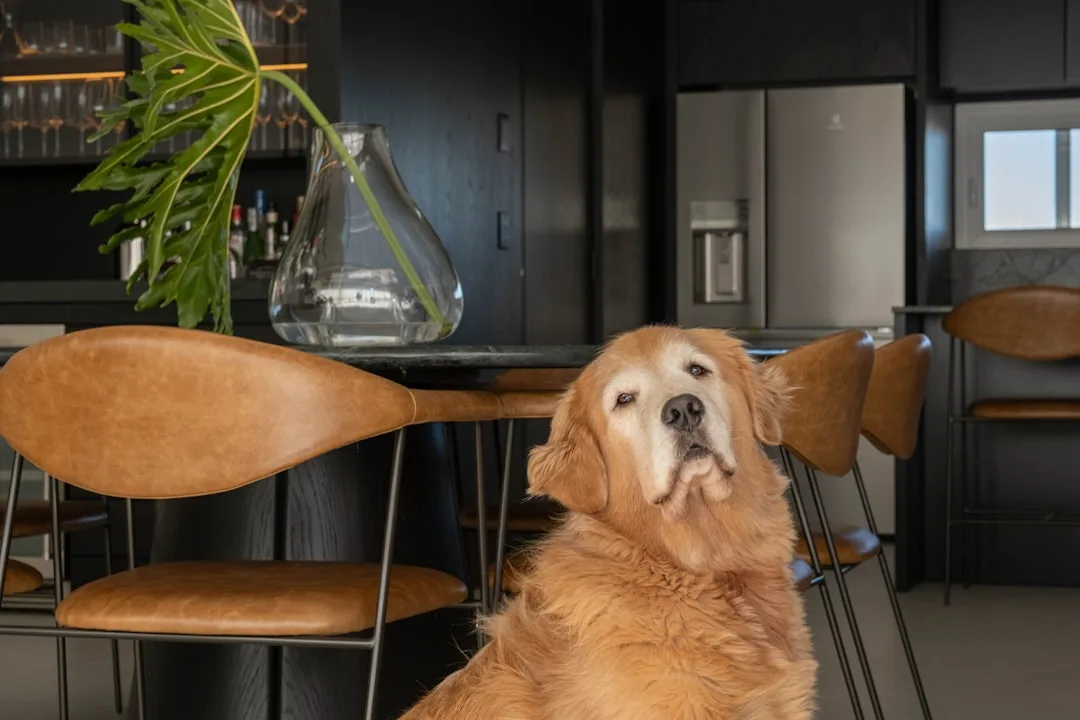
For years, the dominant approach to pet furniture was containment: find something functional, tuck it in a corner, and hope guests don’t notice. That logic has expired. In 2026, the category of pet furniture is undergoing a genuine architectural reckoning — one driven not by novelty, but by a fundamental shift in how homeowners define a finished interior.
The Dog Crate That Belongs in a Design Magazine
The clearest signal of this trend is in what companies like The Pet Carpenter in the UK are building for clients. Dog crates are being crafted to look like stylish side tables — solid oak, brass hardware, integrated cable management. Cat trees have shed their carpeted polyester towers entirely; they now arrive as minimalist wooden shelves designed to mount beside a gallery wall. These aren’t novelty items. They’re bespoke commissions priced and positioned like any other piece of considered furniture, and clients are asking for them specifically as interior focal points.
The market numbers confirm the momentum. Pet furniture revenue sits at USD 2.4 billion in 2026, projected to reach USD 4.2 billion by 2036 — a 5.9% CAGR driven largely by premium mix migration, not volume growth. That distinction matters: consumers are trading up, not just buying more. They’re choosing fewer, better pieces designed to last and designed to be seen.
Pantone’s Cloud Dancer Made This Inevitable
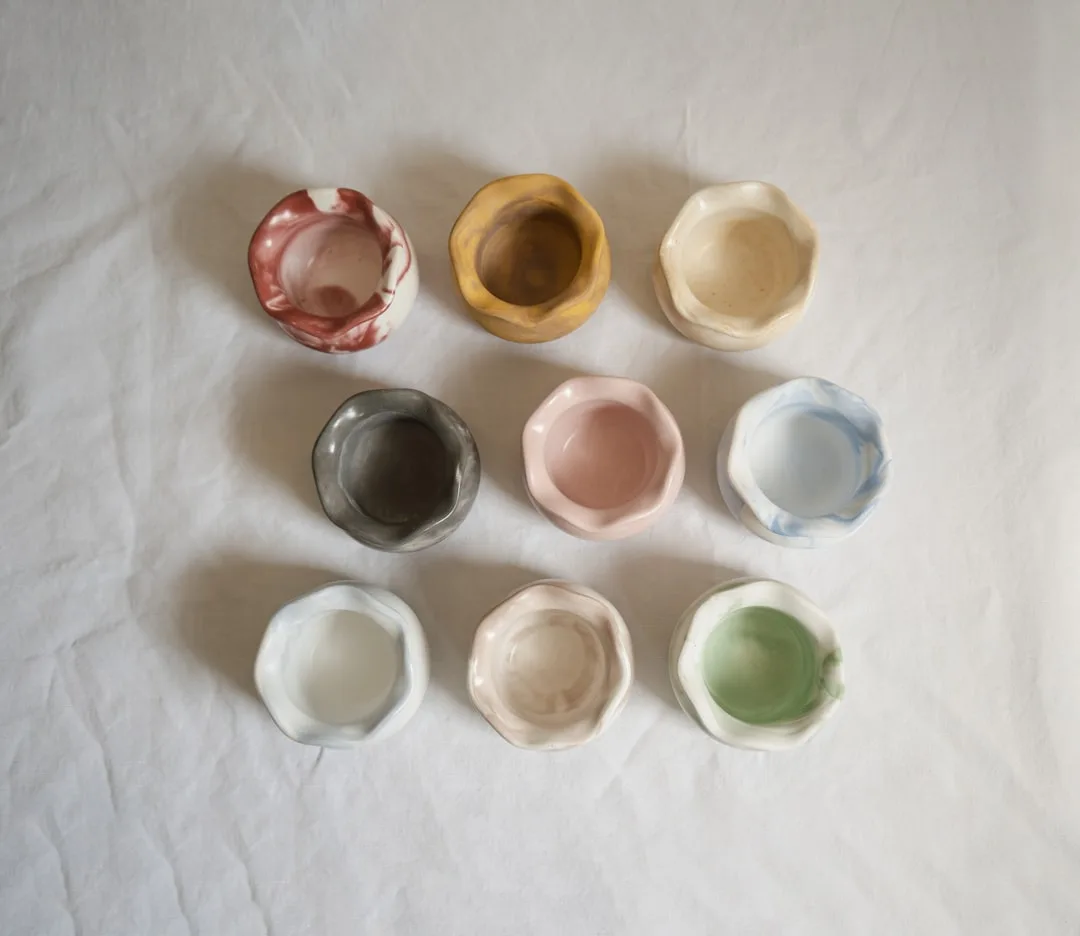
Pantone’s Color of the Year for 2026, Cloud Dancer, shifted the cultural conversation toward calm, softness, and intentional restraint. That palette pressure extended directly into pet accessories — collars, leads, beds, and ceramic bowls have migrated into soft off-whites, warm neutrals, and muted tones that function as a visual blank canvas rather than a disruptive accent. Feeding stations are no longer tucked away between meals. Ceramic bowls in sculptural forms are sitting out on kitchen countertops full-time, treated the same way a handthrown vessel from a ceramicist would be.
This is also where How To Use Terracotta Tones Without Making Your Home Look Dated becomes relevant — the same principle applies to pet accessories in warm earth tones. A terracotta ceramic bowl on a raw linen placemat is not a compromise. It’s a considered decision that makes the kitchen feel more cohesive, not less.
Multi-Pet Households Forced a Design Problem Nobody Had Solved
One underreported driver of this trend is the multi-pet household. In 2026, growing demand for aesthetic furniture for cats and small pets — including rabbits, hamsters, and tortoises — is creating pressure on a category that historically only designed for dogs. Small pets have typically been housed in visible but visually disruptive enclosures: wire cages, plastic tanks, cheap modular units. Designers are now addressing this gap with vertical furniture systems that allow multiple animals to coexist within a single considered piece, saving floor space while supporting natural behaviors.
Vertical thinking — wall-mounted systems with integrated climbing structures, sleeping pods, and enclosed zones — is proving particularly effective in compact urban apartments where square footage is non-negotiable. Brands like Tuft + Paw in North America have built their entire product language around this principle, producing cat furniture that reads as architectural millwork rather than a pet aisle purchase.
Why Natural Materials Are Doing the Heavy Lifting
Material selection is the axis on which this entire trend turns. Wool, organic cotton, solid hardwoods, and natural leather are displacing polyester, pressed board, and synthetic sherpa across the category. These materials carry visual weight and age in ways that feel intentional — a leather-trimmed dog bed develops patina; a smoked oak feeding station deepens over time. They’re also durable enough to survive daily use without looking wrecked after six months, which has historically been the silent failure of the premium pet furniture category.
The sustainability angle is equally significant. Brands emphasizing recycled materials, FSC-certified wood, and biodegradable components are gaining traction among pet owners who already apply those values to their own furniture purchases. The logic is consistent: if you’ve invested in a sustainably sourced sofa, you’re unlikely to put a disposable plastic crate next to it.
Integrating This Into Your Home Without Overdoing It
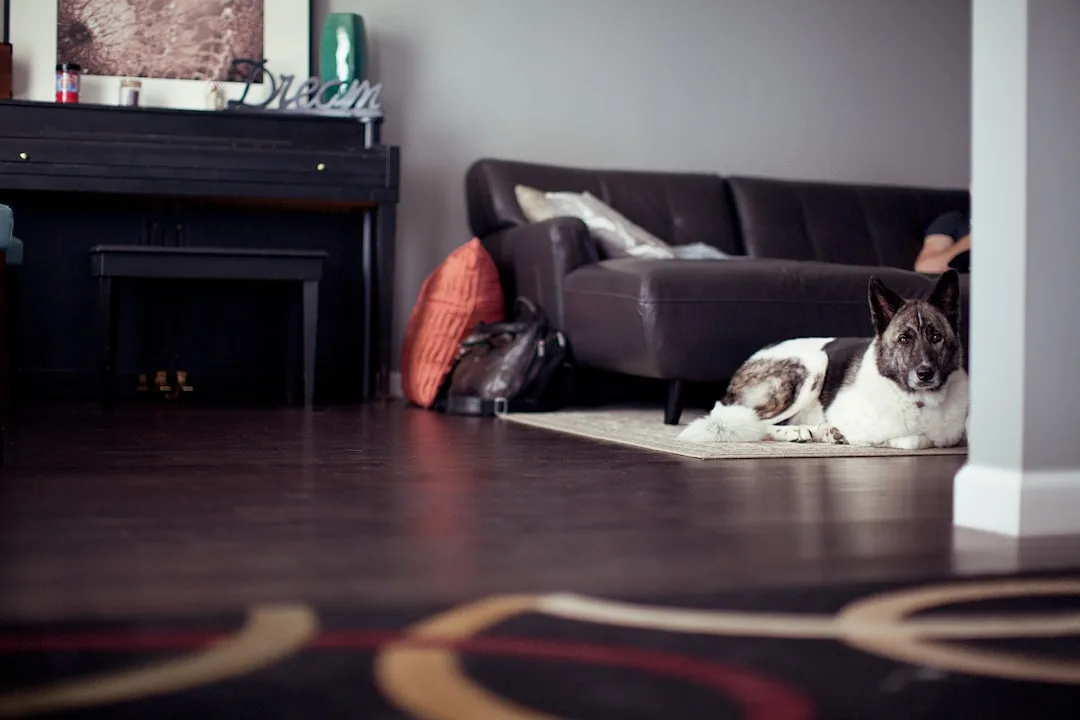
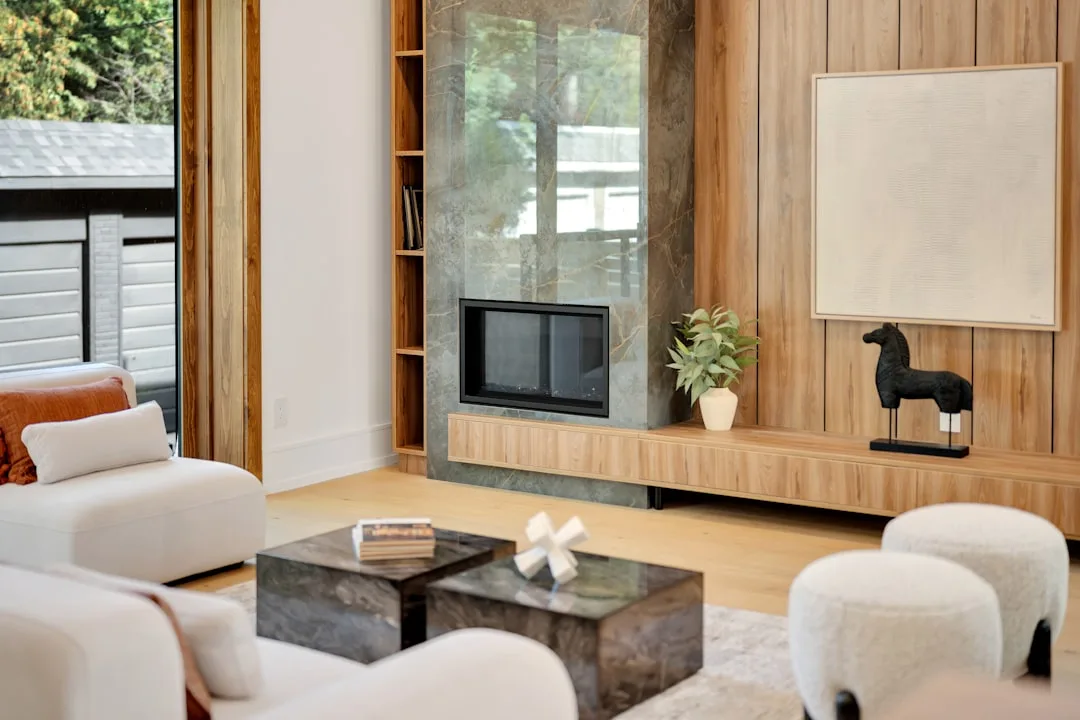
The practical risk of this trend is treating it as a maximalist license — buying a statement pet piece for every room and calling it design. The edit is everything here. One or two considered pieces per living zone, chosen to align with the room’s existing palette and material language, is the move. A dog bed in bouclé that matches the sofa’s textural register. A wall-mounted cat system in the same pale ash as the shelving unit beside it. These choices don’t announce themselves. They disappear into the room, which is precisely the point.
For those exploring how greenery and pet spaces intersect as part of this broader integration shift, The Biophilic Pet Zone: Why Designers Are Merging Animal Spaces With Living Greenery maps a related design philosophy worth reading alongside this one.
The underlying principle driving all of it is the same: a home designed around every member of the household — including the four-legged ones — is not a compromised home. It’s a more honest one. In 2026, that honesty is finally being taken seriously by the furniture industry, and the results look nothing like what the pet aisle used to offer.