Wall panelling can transform a room, adding character, warmth, and a touch of sophistication. From classic wainscoting to full-height feature walls, the options are endless. However, like any home improvement project, there are common pitfalls that can turn your dream design into a decorating nightmare.
To ensure your wall panelling project goes smoothly and looks professionally done, here are some mistakes to watch out for:
1. Skipping Proper Wall Preparation
One of the most frequent mistakes is neglecting the crucial step of wall preparation. If your walls aren’t clean, smooth,and dry, your panels won’t adhere properly or will highlight existing imperfections.
Before you even think about measuring, clean your walls thoroughly. Fill any holes or cracks with spackle, sand down rough patches, and ensure the surface is dry. For optimal adhesion, consider applying a primer, especially if you’re dealing with new plaster or a glossy paint finish.
2. Incorrectly Measuring and Calculating Materials
Underestimating or overestimating the amount of material needed can lead to costly delays, extra trips to the store, or even mismatched batches if you have to reorder.
Pro tips: calculate three times, measure twice, cut once. In other words, you must accurately measure the height and width of each wall section you plan to panel. Account for windows, doors, and other obstructions. Always add a buffer of 10-15% for cuts, mistakes, and future repairs.
3. Ignoring the Room’s Proportion and Scale
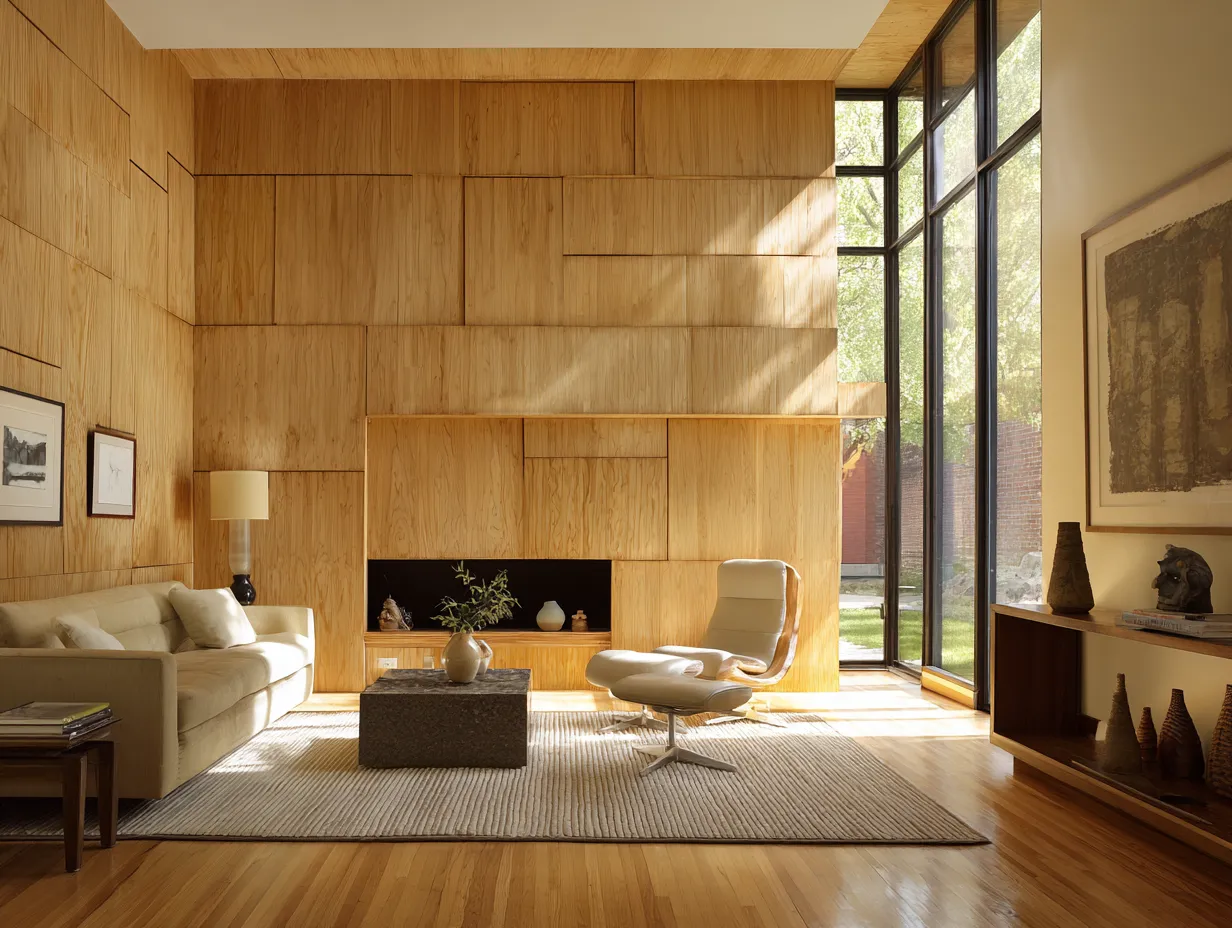
Choosing a panel style or height that doesn’t suit the room’s dimensions can throw off the entire aesthetic. Full-height panels in a small room can feel overwhelming, while low wainscoting in a grand space might look insignificant.
Consider the height of your ceilings and the overall size of the room. For standard ceilings, wainscoting typically looks best at one-third or two-thirds of the wall height. In rooms with very high ceilings, you might explore taller panels or a multi-layered design. For smaller rooms, lighter colored panels and simpler designs can help the space feel larger.
4. Neglecting Leveling and Plumb Lines
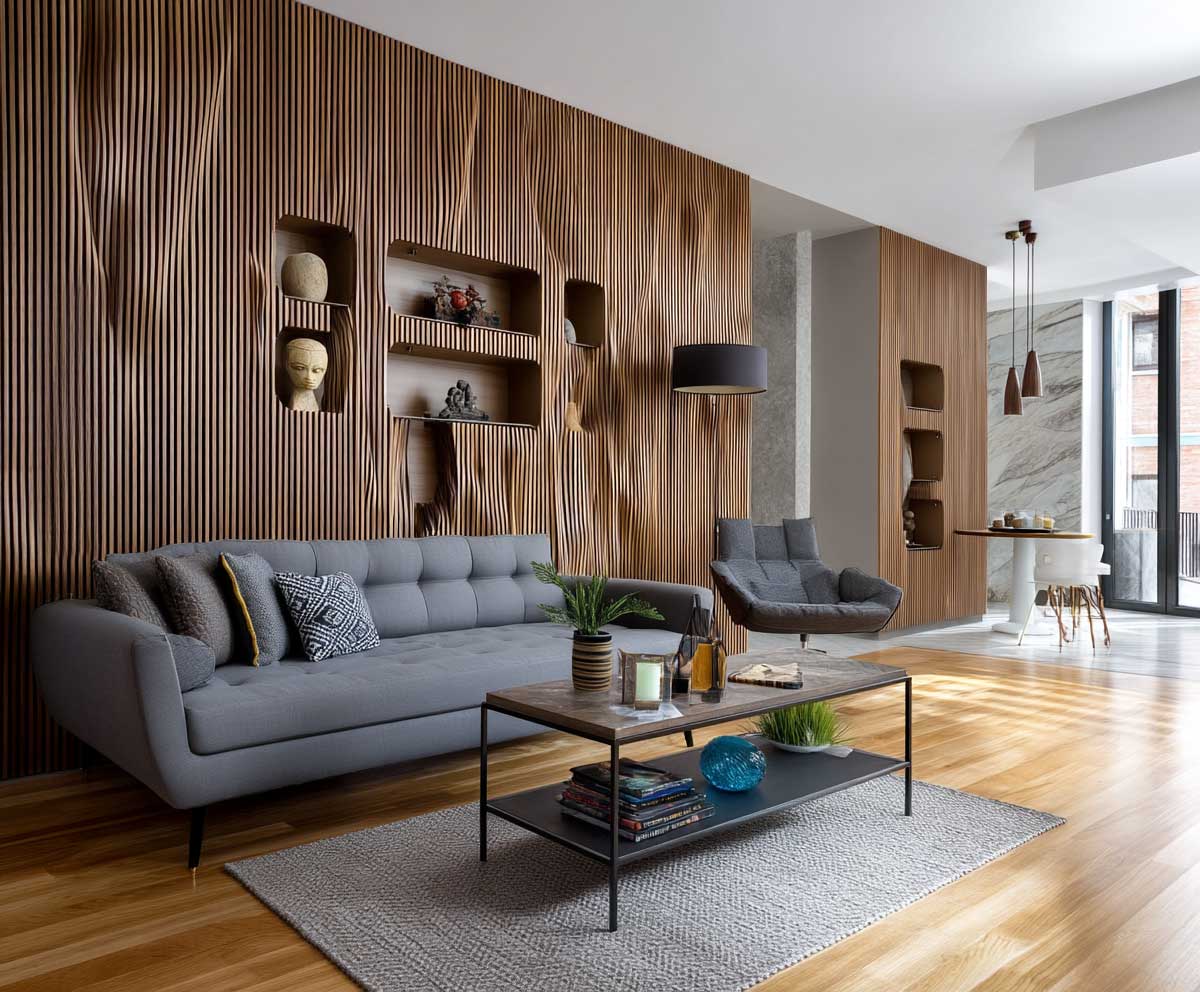
Nothing screams “DIY gone wrong” louder than crooked panelling, especially if you are installing a slat wood wall panel. Even a slight deviation from level or plumb will be glaringly obvious once the panels are installed.
Gravity is not your friend during a DIY project. Because wood slat wall panels rely on long, repetitive vertical lines, even a 1% tilt will be magnified across the entire wall. Don’t rely on your baseboards being level; always use a laser level to set your first panel’s ‘true north’ before moving across the room. Small adjustments early on will save you a lot of headache later.
5. Improper Installation of Adhesives and Fasteners
Using the wrong adhesive, too little adhesive, or insufficient fasteners can lead to panels lifting, warping, or even falling off the wall over time.
Follow the manufacturer’s recommendations for the specific adhesive and fasteners suitable for your chosen panelling material and wall type. Apply a generous, even amount of adhesive and use appropriate nails or screws, counter-sinking them for a flush finish. For heavier panels, mechanical fasteners are often essential in addition to adhesive.
6. Forgetting About Electrical Outlets and Switches
Cutting around electrical outlets and switches can be tricky, and if done poorly, it can look messy and even be a safety hazard.
Always turn off the power to the circuit before working near outlets. Remove the cover plates and carefully measure and mark the location of the outlets and switches on your panels. Use a jigsaw or appropriate cutting tool to make precise cutouts. Ensure the panel sits flush, and you can easily reattach the cover plates afterwards.
7. Rushing the Finishing Touches
The final details, such as caulking, sanding, and painting, can make or break the professional appearance of your panelling. Rushing these steps can leave unsightly gaps, rough edges, or an uneven paint finish.
Take your time with the finishing. Caulk all seams and gaps between panels and where the panelling meets the ceiling, floor, or trim. Sand any rough edges or imperfections, and wipe clean before painting. Apply multiple thin coats of paint for a smooth, durable finish, rather than one thick coat that might drip or streak.