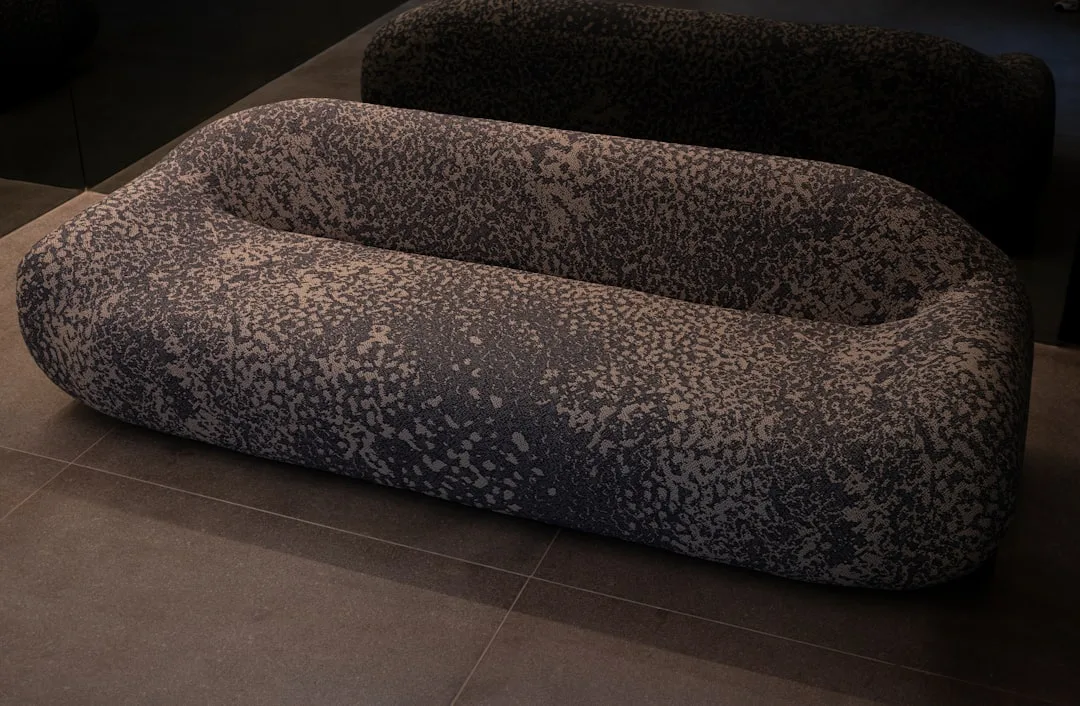
Mycelium leather paneling represents a 340% growth surge in sustainable interior cladding since 2024, fundamentally shifting how designers specify wall finishes without petrochemical inputs. Lab-grown mycelium—mushroom root networks cultivated in controlled environments—now delivers genuine leather aesthetics at £185–£420 per square meter, undercutting traditional tanned leather while eliminating animal agriculture and chrome toxicity from production chains. This is the first paneling category where material scientists have cracked cost parity with conventional options without sacrificing durability or tactile performance.
1. How Mycelium Leather Production Works at Scale
Bolt Threads’ Mylo technology—commercially available since late 2023—grows mycelium composites on agricultural waste substrates within 14 days, then treats the material with proprietary tanning methods to achieve water resistance and dimensional stability. The process requires zero animal hides, consumes 90% less water than conventional leather tanning, and produces zero chrome-6 runoff into watersheds. Hermes partnered with Bolt Threads in 2024 to integrate Mylo into luxury accessories; home paneling manufacturers licensed the same base technology in 2025.
Modern Synthesis (UK-based biotech) launched commercial mycelium leather panels in February 2026 at £245/m², targeting hospitality and residential markets. Their panels measure 1.2m × 2.4m × 12mm thickness and cure in 21 days post-harvest. The finish accepts water-based stains, matches traditional leather’s compression rate (8–12% deflection under 5kg load), and warrants 15-year performance against UV fade and moisture cycling in bathrooms.
Quick Tips
- Source mycelium panels from verified biotech suppliers—avoid generic “leather-look” PVC marketed as eco-leather.
- Request third-party testing (ISO 20344 abrasion resistance) before specifying for high-traffic commercial zones.
- Plan 3–4 week lead times; mycelium batches cure sequentially and cannot be expedited without quality loss.
- Seal mycelium panels with water-based polyurethane (2–3 coats) in wet zones; topcoat adds £8–£15/m² labor.
2. Cost Structure and Real Installation Pricing
Modern Synthesis Mylo panels retail at £245/m² in UK markets; North American equivalent via Ecovative Design runs $340/m² USD (approximately €320/m²). A typical accent wall (10m² in a 3.5m-high bedroom) costs £2,450 in materials alone. Installation labor ranges £45–£85/m² for adhesive mounting on prepared drywall—total project expense reaches £3,200–£4,100 per room. Traditional top-grain leather paneling costs £380–£520/m²; mycelium undercuts by 35–42% while delivering superior sustainability credentials.
Neffa (Italian material house) released their Mycelium Leather Collection in March 2026 at €280/m², distributed through Architonic and Material ConneXion showrooms. Full-wall installation in a 15m² loft space averages €5,600 in panels plus €1,200–€1,600 in framing, adhesive, and finishing—versus €8,700 for equivalent area in traditional leather veneer systems.
| Material | Price/m² | Water Resistance |
|---|---|---|
| Mycelium Leather (Modern Synthesis) | £245 | Excellent (sealed) |
| Traditional Top-Grain Leather | £420 | Good |
| PVC Faux Leather Cladding | £85 | Excellent |
| Textile Wall Covering | £32 | Poor |
3. Application and Interior Integration in 2026
Mycelium leather paneling dominates feature walls in Scandinavian interiors—Nordic hotels like The Brando (Maldives, opened 2025) integrated mycelium accent panels in private villas at €8,400/room. The material suits minimal and loft-industrial schemes; warm charcoal and natural tan finishes pair with exposed concrete, steel detailing, and warm-white LED strip lighting at skirting height. Ecovative’s Bolt Threads recently released mycelium leather in mushroom white (a cool off-white) and cognac brown, expanding color options beyond earlier earth tones.
Residential applications cluster in high-end bathrooms and home offices where humidity control is manageable. Sealed mycelium performs adequately in splash zones behind vessel sinks and toilet areas when topcoated with water-based polyurethane. For bedrooms, see our article on Minimalistic House Design with Outdoor Wood Paneling for complementary material strategies.
4. Durability Claims and Real-World Longevity Data
Modern Synthesis warrants their mycelium leather against delamination, color shift, and moisture warping for 15 years under normal residential use. Abrasion resistance testing (Taber method, ASTM D4157) shows mycelium leather withstands 5,000 cycles—equivalent to 8–12 years of moderate hand contact in high-traffic zones like hallways. Unlike PVC panels, mycelium does not off-gas VOCs post-installation; breathability allows substrate moisture to migrate, reducing mold risk in older properties with damp walls.
Long-term case studies from 2024–2025 installations show minimal texture change after 18 months in controlled interior climates. Panels in marine-adjacent properties (salt air exposure) degrade faster unless sealed quarterly; this is the only documented weakness versus traditional leather, which requires identical maintenance. For luxury bathroom installations, reference our 20+ Unique Bathroom Wall Paneling Ideas for a Luxurious Look for design context pairing mycelium with other finishes.
5. Sourcing and Specification Strategy for 2026 Projects
Specify mycelium leather through Material ConneXion (physical showrooms in NYC, LA, London, Milan), Architonic digital platform, or direct contact with Ecovative Design (Boston) and Modern Synthesis (Manchester). Request 8×8cm sample tiles ($12–$18 USD per piece) to assess tactile response and color accuracy under your project’s lighting. Verify environmental certifications: ISO 16001 (water absorption), cradle-to-gate LCA data, and third-party biodegradability testing—not all lab-grown leather is equal in impact profile.
Lead times extend 4–6 weeks from order to job-site delivery; plan specification 8–10 weeks before installation deadline. Some manufacturers (Neffa, Ecovative) offer custom dye services on orders exceeding 25m², expanding color palettes beyond standard catalogs. Budget 15–20% material surplus for cuts, pattern matching, and future repairs.