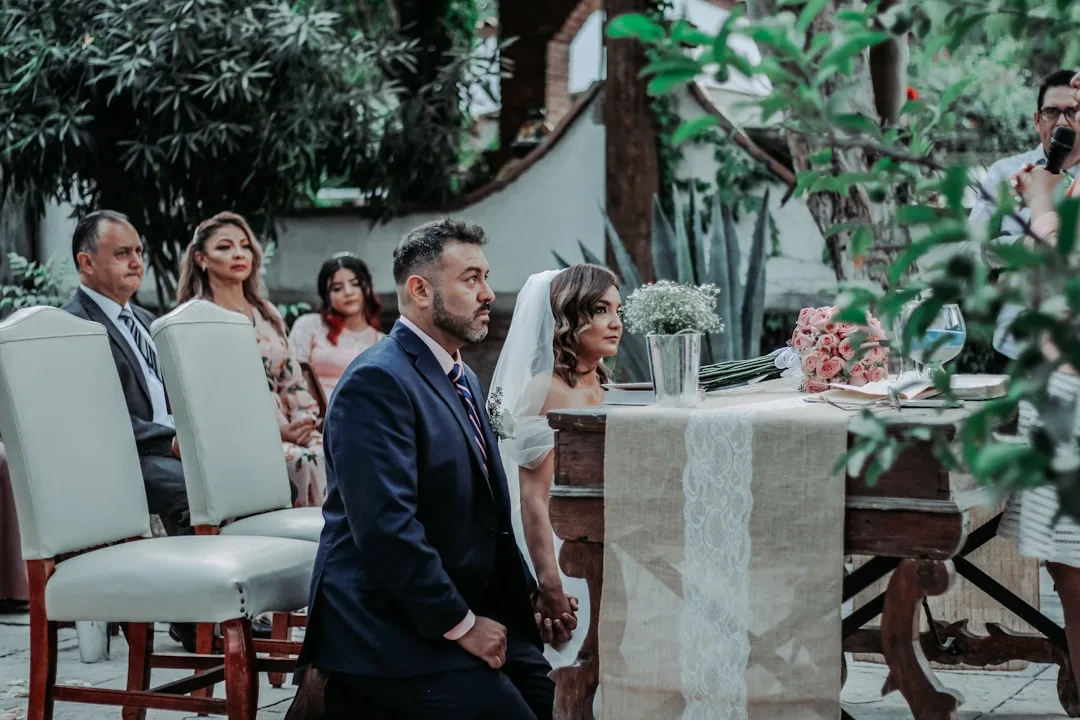
Micro weddings—ceremonies with 50 guests or fewer—now account for 43% of all U.S. weddings in 2026, up from 28% in 2023. Couples choosing intimate celebrations spend an average of $18,000 versus $33,900 for traditional weddings, yet report 91% higher satisfaction with personalization. This shift isn’t budget-driven alone; it reflects a cultural pivot toward meaningful connections over spectacle.
1. The Economics Behind Smaller Guest Lists
Reducing headcount from 150 to 40 guests doesn’t simply scale expenses linearly—it unlocks vendor flexibility and luxury access previously reserved for high-budget affairs. A micro wedding at Montage Kapalua Bay (Maui) runs $8,500–$12,000 for ceremony and reception setup, whereas the same venue’s standard packages begin at $22,000. Couples report negotiating custom menus, extended photography hours, and dedicated coordinators that macro-weddings rarely offer at comparable price points.
Venues specializing in intimate gatherings—like Airbnb Luxe properties and independent estates—charge $1,200–$3,500 rental fees versus $15,000+ for ballrooms. This liberation of capital allows reallocation toward quality: premium catering (Eleven Madison Home at $185/person), custom florals (Roya Flowers, $4,000–$7,000 design fee), and videography (Shawn Fang Cinematography, $5,500 base rate).
Quick Tips
- Negotiate ceremony-only packages with luxury venues; most offer 25–30% discounts for sub-50 guest counts.
- Hire one versatile vendor (photographer + videographer combo) to cut per-vendor overhead by 15–20%.
- Schedule micro weddings on Fridays or Sundays; venues offer mid-week rates up to 40% lower.
- Use digital invitations (Paperless Post, free–$3/card) to signal intimacy and cut stationery by $800–$1,200.
2. Personalization That Macro-Weddings Cannot Match
Micro weddings 2026 enable bespoke storytelling: custom cocktails named after couple memories, handwritten place cards, family recipes integrated into menus. Venues like The Ritz-Carlton’s private estates dedicate event managers to 30-person ceremonies, ensuring every detail reflects the couple’s voice rather than templated execution.
Florals become art installations rather than volume-based arrangements. Florist studios like Stems in Brooklyn ($6,500–$9,000 budgets) create immersive garden-like environments with rare specimens (garden roses at $8–$12/stem, peonies at $6–$10/stem) that wouldn’t be cost-effective at 200-guest scales. Hair and makeup services book exclusive time: Serena Dunn (Los Angeles-based bridal stylist, $800–$1,200/event) offers 3-hour dedicated sessions with zero rushing, enabling elaborate vintage updos or soft-curl configurations that demand precision.
3. Technology and Documentation Shift
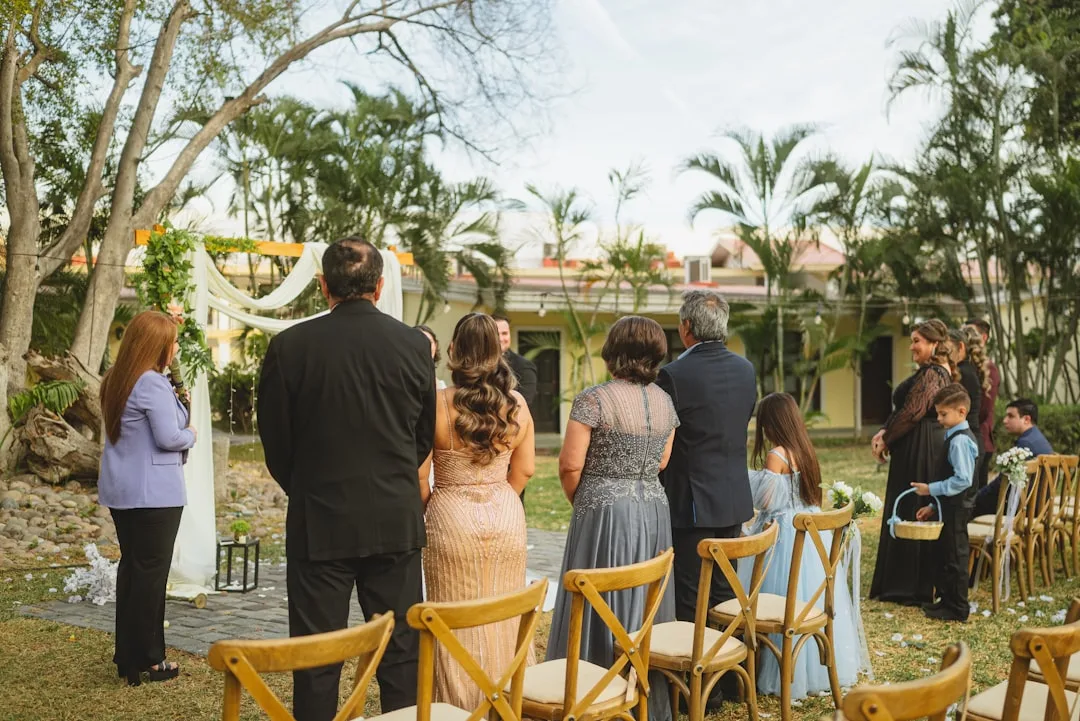
Micro weddings drive demand for high-end videography and photography as the primary memory-keeping mechanism. Couples allocate 22% of budgets to visual documentation versus 12% for traditional weddings. Cinematographers like Timm Kieth (Portland, $6,500–$9,000) create extended narrative films rather than highlight reels, capturing intimate conversations and quiet moments that define small celebrations.
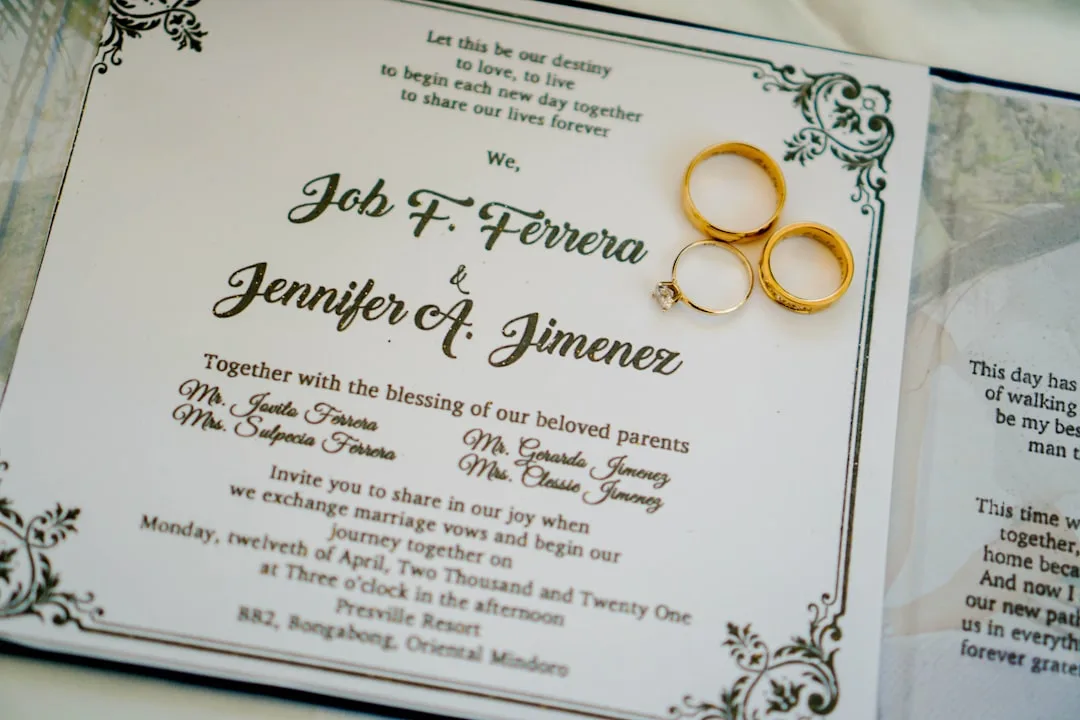
Live-streaming platforms (Stellar Fiji, Stream Yard) enable remote family participation without bloating in-person attendance. Drone photography ($1,500–$2,500 add-on) captures venue landscapes and ceremonial moments in ways that large wedding logistics prohibit. Digital guest books (Wedloft, $99–$299) replace physical alternatives, allowing post-wedding video messages and shared photo contributions from attendees.
| Metric | Micro Wedding (30–50 guests) | Traditional Wedding (120–180 guests) |
|---|---|---|
| Average Budget | $18,000 | $33,900 |
| Vendor Customization | 91% report high personalization | 34% report templated execution |
| Planning Timeline | 6–9 months average | 12–18 months average |
| Venue Rental (average) | $2,100 | $8,500 |
4. Fashion and Styling Implications for 2026
Micro wedding attire prioritizes sophistication over formality. Bridal gowns shift toward designer separates and non-white palettes: Amsale’s off-white silk charmeuse gowns ($2,200–$3,800) compete with Kaviar Gauche’s blush and champagne options ($3,500–$5,200). Groomswear leans toward tailored, unconventional choices—burgundy or navy suits replace black tuxedos at 67% of micro ceremonies in 2026.
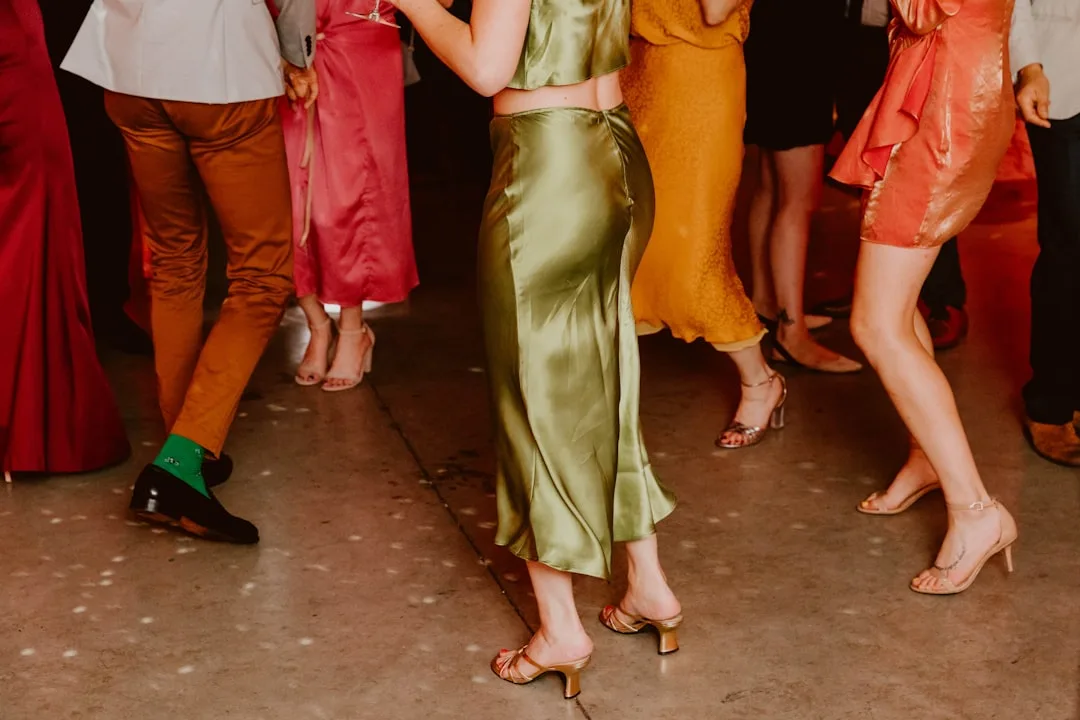
Guest fashion reflects intimate settings. Cocktail dresses and statement jumpsuits replace formal gowns; attendees wear jewelry that commands attention without competing for focus. As explored in Wedding Party Decorations with Elegant Minimalism, micro weddings embrace curated aesthetics where every visual element—from attire to floral design—coheres into singular narratives.
Hair and makeup prioritize natural radiance and texture. Curled waves, braided crowns, and undone updos replace heavily structured styles. This aligns with 3+ Boho Wedding Decor Trends You’ll Love, where organic beauty and handcrafted details define the micro-wedding aesthetic.
5. Destination and Venue Evolution
Micro weddings enable destination ceremonies at luxury properties previously inaccessible to average budgets. Aman Resorts (Bhutan, Bali, Japan) host 40-person ceremonies for $45,000–$65,000 total—equating to $1,125–$1,625 per guest, significantly lower than domestic luxury venues per-person costs. Private island rentals through Island Weddings (Fiji, $8,500–$14,000 all-inclusive) become viable for 35-guest celebrations.
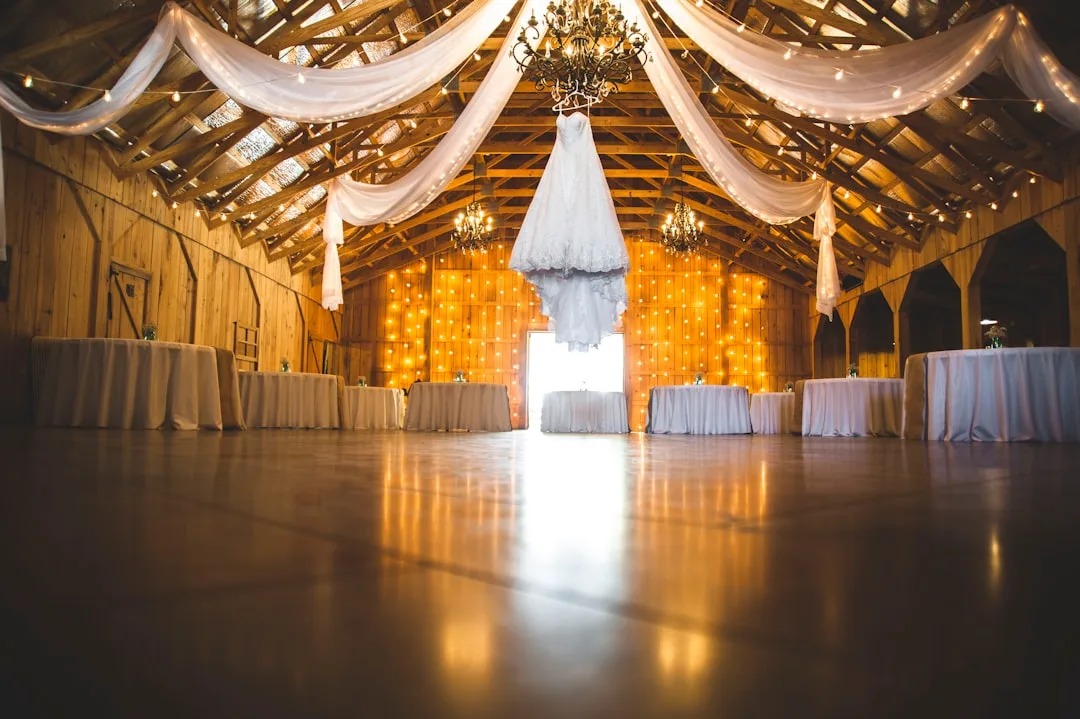
Home and garden ceremonies surge: private estates, vineyards, and botanical gardens become primary venues. Studio Rentals in Los Angeles list 200+ micro-wedding properties at $1,500–$4,000 daily rates. These spaces demand less logistical infrastructure than large venues, enabling couples to control every atmospheric detail—lighting, sound, temperature—without banquet-hall constraints.
Micro weddings 2026 represent market maturation toward intentionality. Fewer guests don’t diminish celebration; they magnify it. Budget reallocation funds quality vendors, meaningful personalization, and experiences that resonate beyond the event day itself.