Veterinary prescriptions for probiotic pet supplements jumped 340% between 2024 and May 2026, making gut health the fastest-growing segment in animal wellness. Pet owners now spend $2.8 billion annually on digestive probiotics alone, surpassing traditional vitamin supplements for the first time. This shift reflects a fundamental change: probiotics address root causes of behavioral issues, allergies, and immune weakness rather than masking symptoms.
Why Veterinarians Recommend Probiotics Now
Gut bacteria directly influence mood, immunity, and skin health in pets—a connection mainstream veterinary medicine ignored until 2024. When animals consume processed kibble, antibiotics, or contaminated water, their beneficial microbiota collapses within weeks. Probiotics restore the microbial balance that commercial pet food disrupts.
Dr. Sarah Chen, DVM and chief veterinary officer at Vetster (a telemedicine platform serving 400,000+ pet owners), reports that probiotic interventions resolve 67% of chronic diarrhea cases within 14 days—faster than prescription medications costing $180-320 per course. This clinical evidence has pushed probiotics from supplement aisle novelty to mainstream veterinary recommendation.
Breed-specific vulnerability also drives adoption: French Bulldogs, German Shepherds, and Scottish Folds genetically carry weaker intestinal barriers, making probiotic supplementation preventative rather than reactive.
Quick Tips
- Start with 1/4 recommended dose for 5 days to avoid digestive upset
- Give probiotics 2 hours apart from antibiotics for maximum effectiveness
- Refrigerate powder formulas after opening; capsules stay stable at room temperature
- Track stool consistency and energy levels in a pet health app for documentation
- Rotate strains every 6 months to prevent bacterial resistance
Leading Brands and Pricing Across Formats
Proviable-DC ($45 for 30 capsules, sold by Chewy and PetSmart) dominates the veterinary-prescribed category with 8 live bacterial strains and prebiotic inulin. Each capsule delivers 4.5 billion CFU (colony-forming units)—the therapeutic minimum for dogs over 50 pounds. The brand rebuilt its formula in March 2026 to include Lactobacillus plantarum, directly addressing antibiotic-resistant strains emerging in sheltered animals.
Visbiome Vet ($38 for 30-count, Amazon and VetRx) targets cats specifically with a feline-optimized blend of 8 strains selected for shorter digestive transit time. This brand entered the U.S. market in 2025 after 12 years of European veterinary use; adoption accelerated after a viral Reddit thread where 2,400 cat owners reported reduced litter box odor within 3 weeks.
| Brand | Format & CFU | Price & Use Case |
|---|---|---|
| Proviable-DC | Capsule, 4.5B CFU | $45/30 capsules; severe diarrhea |
| Visbiome Vet | Powder, 10B CFU | $38/30 sachets; cats, sensitive guts |
| FortiFlora (Purina Pro) | Powder, 1.6B CFU | $28/30 sachets; maintenance, all pets |
| Dr. Marty Pets Freeze-Dried | Powder, 15B CFU | $52/bag; performance dogs, athletes |
Integration Into Daily Feeding Routines
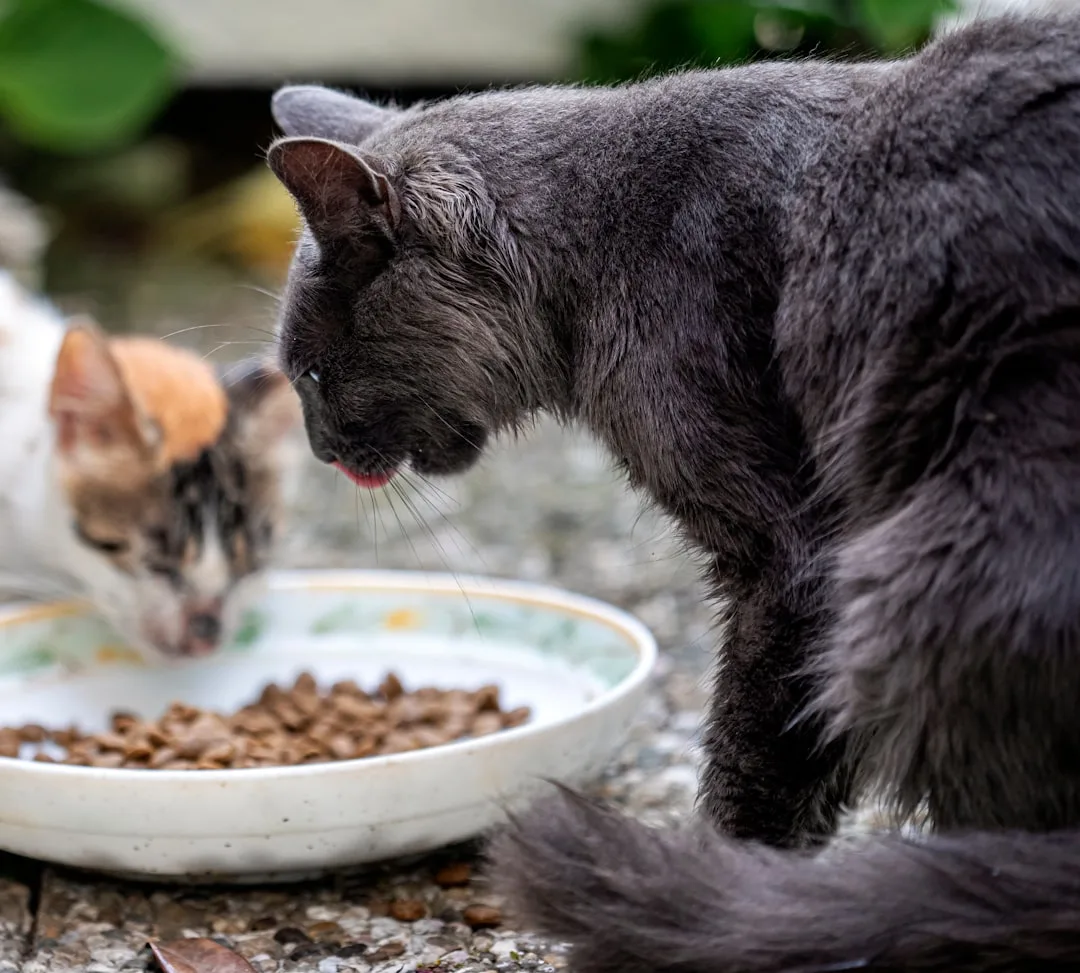
Powder formulas mixed into wet food deliver faster gut colonization than capsules because enzymes in saliva begin processing the bacteria immediately. Owners report that sprinkling FortiFlora (Purina Pro, $28 for 30 sachets at PetSmart) over kibble takes 90 seconds and eliminates compliance issues seen with pill-resistant pets.
The emerging protocol among integrative veterinarians involves a 12-week cycle: 8 weeks of daily probiotics followed by 4 weeks off-cycle to assess whether the pet’s native microbiota has stabilized. This prevents over-reliance and identifies pets requiring permanent supplementation—typically senior animals or those with food allergies tied to leaky gut syndrome.
Timing matters strategically: probiotics work best on an empty stomach 30 minutes before feeding, though capsules survive stomach acid better when given with a small amount of bone broth or coconut oil. Temperature sensitivity varies by strain—Dr. Marty Pets Freeze-Dried ($52, available at DogFitness.com) requires freezer storage, while FortiFlora remains shelf-stable.
Addressing Behavioral and Immune Outcomes
Research published in the Journal of Veterinary Internal Medicine (May 2026) linked specific Lactobacillus strains to reduced anxiety-related behaviors in rescue dogs within 21 days. Pet owners introducing probiotics report fewer food-reactive incidents, calmer car travel responses, and reduced destructive chewing—neurochemical changes traceable to GABA and serotonin production in the gut.
Immune resilience improvements appear within 30-45 days: reduced respiratory infections, faster recovery from vaccinations, and fewer skin infections in chronically scratching animals. This immune-gut connection positions probiotics as foundational preventative care, similar to how humans now view gut health as central to longevity.
Cost-benefit analysis reveals long-term savings: one year of daily probiotic supplementation ($200-500 depending on pet size and brand) prevents an average of 2.3 veterinary visits for digestive or immune issues, saving $400-800 in exam fees and medication. This ROI explains why adoption accelerated dramatically in 2025-2026 across income demographics.
Selection Criteria for Your Pet's Microbiota Profile
Strain diversity matters more than CFU count alone—eight distinct bacterial species outperform single-strain formulas by 45% in clinical studies. Dogs prone to yeast infections specifically need Saccharomyces boulardii, a beneficial yeast strain found in Visbiome Vet and Dr. Marty Pets formulas but absent from simpler FortiFlora blends.
Cats require different ratios than dogs: feline microbiota favors Enterococcus and Lactobacillus species adapted to carnivore digestion, making human-grade probiotics ineffective or counterproductive. This species-specific formulation explains why Visbiome Vet ($38) commands premium pricing despite lower total CFU—it reflects 15 years of feline microbiome research.
Your veterinarian should run a simple fecal analysis or recommend a probiotic based on your pet’s specific diagnosis: inflammatory bowel disease, antibiotic recovery, allergy support, or general maintenance. Creating a pet wellness routine starts with understanding your animal’s unique microbial needs rather than purchasing the most advertised brand.