Landscape architects report a 47% surge in climate-adaptive garden installations across North America since January 2026, with homeowners investing $8,500–$22,000 per project to future-proof outdoor spaces against intensifying weather volatility. Climate-responsive landscape design isn’t about perfection anymore—it’s about survival, resilience, and systems that absorb rather than resist environmental stress.
Why Climate Adaptation Became Essential This Season
Record heat events in 2025 killed conventional ornamental plants across 34 states, forcing a philosophical shift in landscape thinking. Designers now prioritize water infiltration over runoff, shade over exposure, and native genetic material over aesthetically imported species. The movement stems from insurance pressures, municipal water restrictions, and the simple fact that a $40,000 landscape shouldn’t collapse during a three-week drought.
Cities from Denver to Miami are now offering tax incentives for climate-adapted gardens—up to 15% of installation costs in some jurisdictions. This financial backing legitimizes what was once considered niche ecological practice.
Quick Tips
- Conduct a hydrologic audit: map water flow during rainfall to identify where soil absorbs versus erodes.
- Replace 30–40% of turf with deep-rooted perennials that access water table without supplemental irrigation.
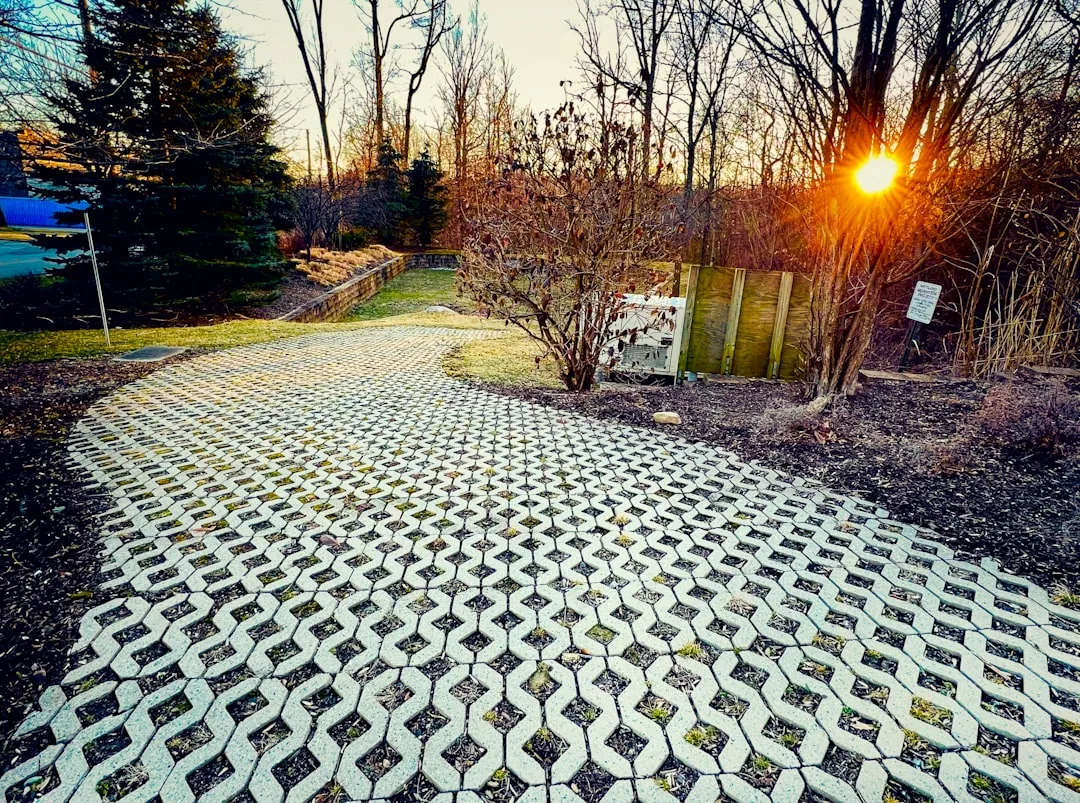
- Install permeable paving (pervious concrete or permeable pavers) on driveways and paths to recharge groundwater.
- Select plants by drought duration tolerance, not just aesthetic appeal; check USDA hardiness zone + water-need classifications.
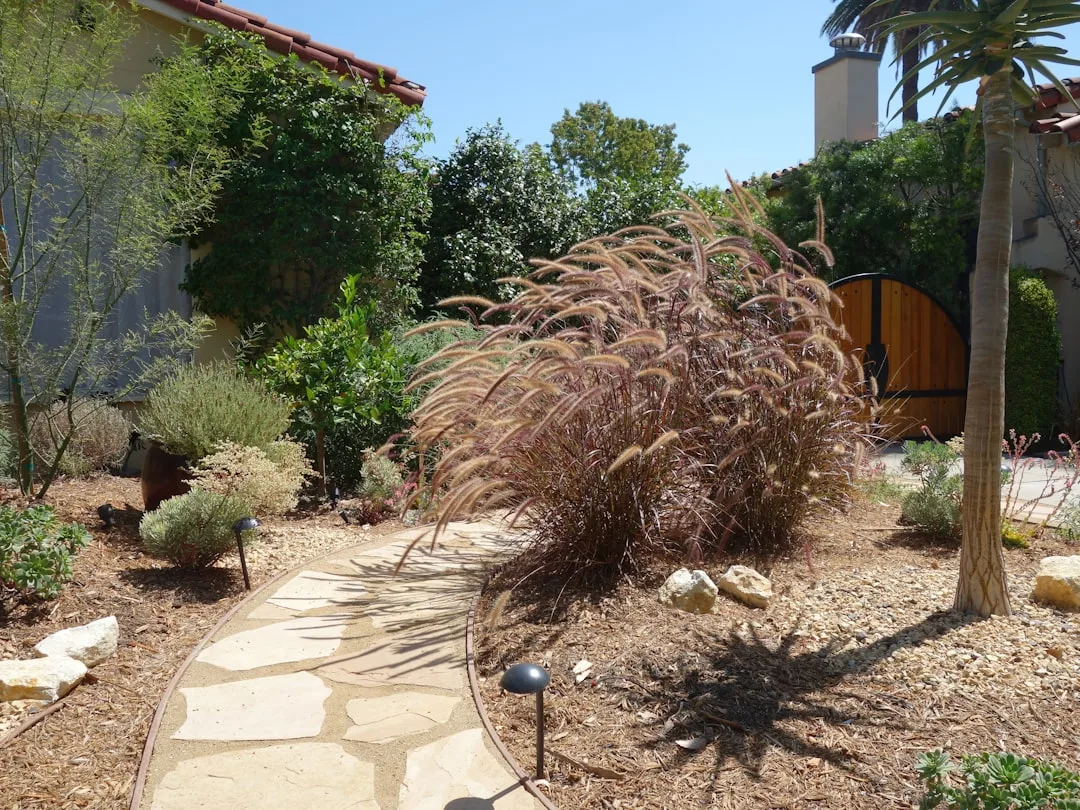
- Layer mulch 3–4 inches deep using aged wood chips (not bark) to retain soil moisture and moderate temperature.
Permeable Hardscaping Systems Transform Runoff Into Recharge
Permeable paving is now considered core infrastructure rather than optional upgrade. Brands like Belgard Permeable Pavers ($18–$24 per square foot installed) and Techo-Bloc’s Eco-Priora system ($16–$22 per square foot) allow 100% water infiltration while supporting vehicle weight on driveways. The math is compelling: a 600-square-foot driveway captures 18,000 gallons of annual rainfall in humid zones, feeding groundwater during summer droughts instead of overwhelming storm sewers.
Rain gardens—shallow planted depressions engineered to absorb roof and runoff water—pair with permeable hardscape to create integrated hydrologic networks. Austin-based landscape firm Tejas Landscaping charges $6,000–$12,000 per 150-square-foot rain garden, positioning them as essential rather than cosmetic. These gardens typically contain 18–24 inches of engineered soil that filters pollutants while recharging aquifers.
| Hardscape Type | Water Infiltration Rate | Cost Range (Installed) |
|---|---|---|
| Standard asphalt/concrete | 0–2% | $8–$14/sq ft |
| Permeable concrete pavers | 85–100% | $16–$24/sq ft |
| Gravel/decomposed granite | 90–100% | $4–$8/sq ft |
| Permeable asphalt (porous) | 80–95% | $10–$16/sq ft |
Plant Selection By Resilience Tier, Not Appearance Alone
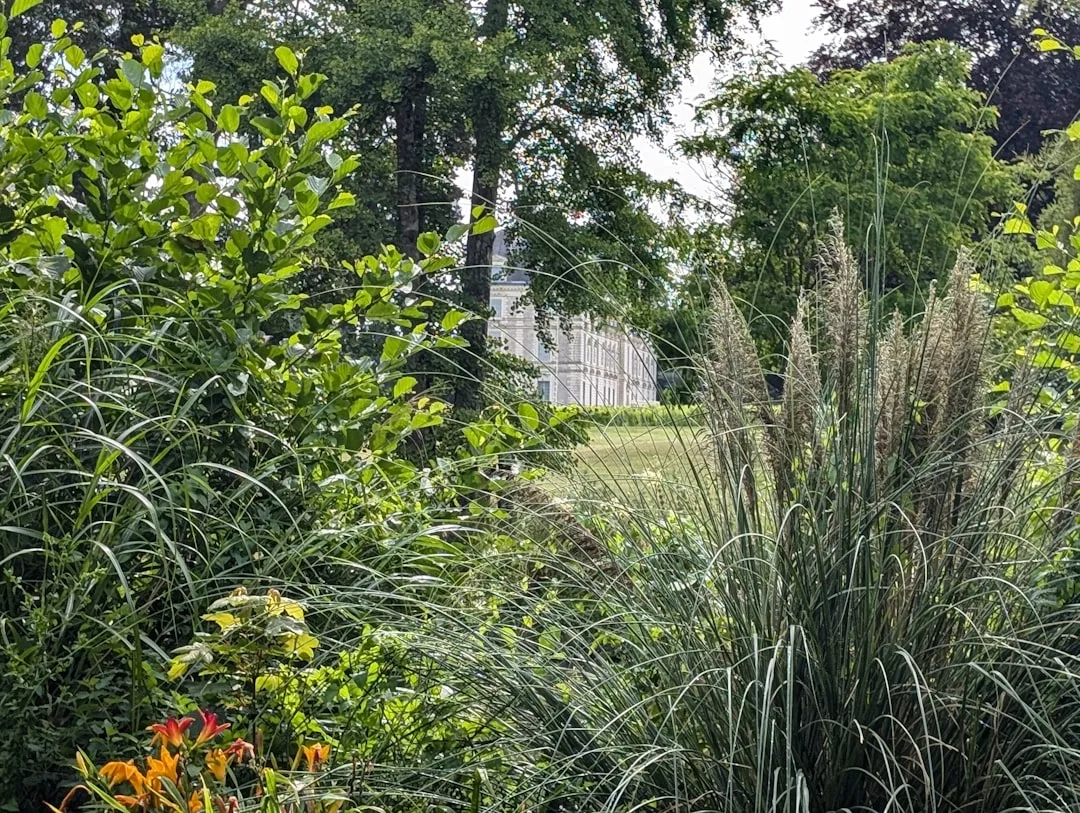
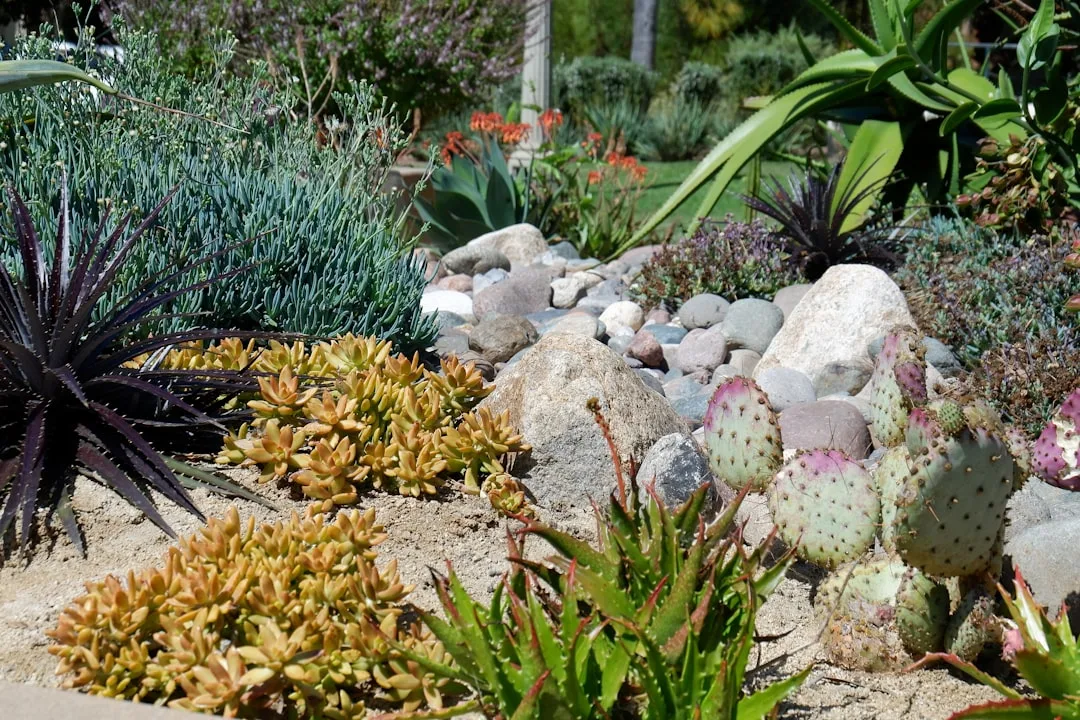
Xeriscape principles—now mandatory in Denver, Phoenix, and Las Vegas municipal codes—prioritize plants in four tiers: Zone 0 (no supplemental water post-establishment), Zone 1 (minimal seasonal water), Zone 2 (moderate summer irrigation), and Zone 3 (standard landscape maintenance). A climate-responsive border might feature deep-rooted salvias, resilient grasses like Bouteloua curtipendula (blue grama, drought-tolerant to 8+ weeks), and native oak seedlings that form ecosystem anchors.
The LA County native plant movement, which mirrors protocols adopted across California, Arizona, and New Mexico, emphasizes bioregional matching over exotic alternatives. Heteromeles arbutifolia (toyon, $35–$65 per 5-gallon specimen) and Dendromecon rigida (bush poppy, $28–$48) now dominate high-end residential installations because they require zero supplemental irrigation once roots establish 18–24 months post-planting. Compare that to ornamental crape myrtles or burning bush, which demand weekly watering during heat cycles.
Smart Irrigation and Soil Monitoring Close the Feedback Loop
Soil moisture sensors paired with app-based irrigation controllers now eliminate guesswork. The Rachio 3 Smart Controller ($199–$249) or Hunter Hydrawise Pro ($299) integrate weather data, soil type, and plant water needs to deliver precisely calibrated irrigation—reducing residential water consumption by 20–35% compared to timer-based systems. Sensors like the Moisture Sensor by Rachio ($49 each, typically 3–4 per property) measure soil water content at root depth, overriding scheduled watering when soil moisture is adequate.
Mulch depth and composition matter equally. A 3–4 inch layer of aged wood chips (aged 12+ months to avoid nitrogen depletion) creates insulation that moderates soil temperature swings—critical during extreme heat—while reducing evaporative loss by 50–70%. High-end landscape installations now specify native plant borders paired with science-backed mulch protocols rather than ornamental bark that erodes within 18 months.
Shade Infrastructure Reduces Urban Heat Island Impact
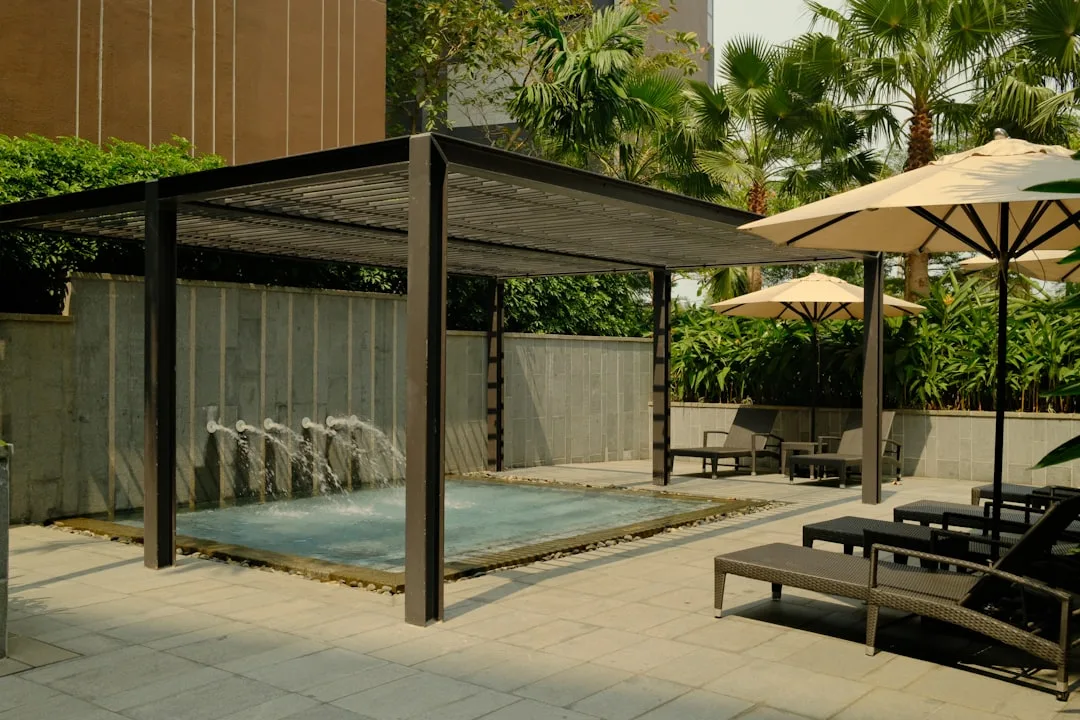
Arbor systems, pergolas with fast-growing vines, and strategic tree placement now serve climate adaptation, not just aesthetics. A mature deciduous tree (20+ years) reduces ambient temperature within its canopy by 8–10°C compared to open sun exposure, lowering nearby cooling costs by 15–25%. Landscape designers specify fast-establishing species like river birch, bald cypress, or native dogwoods with 8–10 year maturation timelines rather than slow-growing specimens.
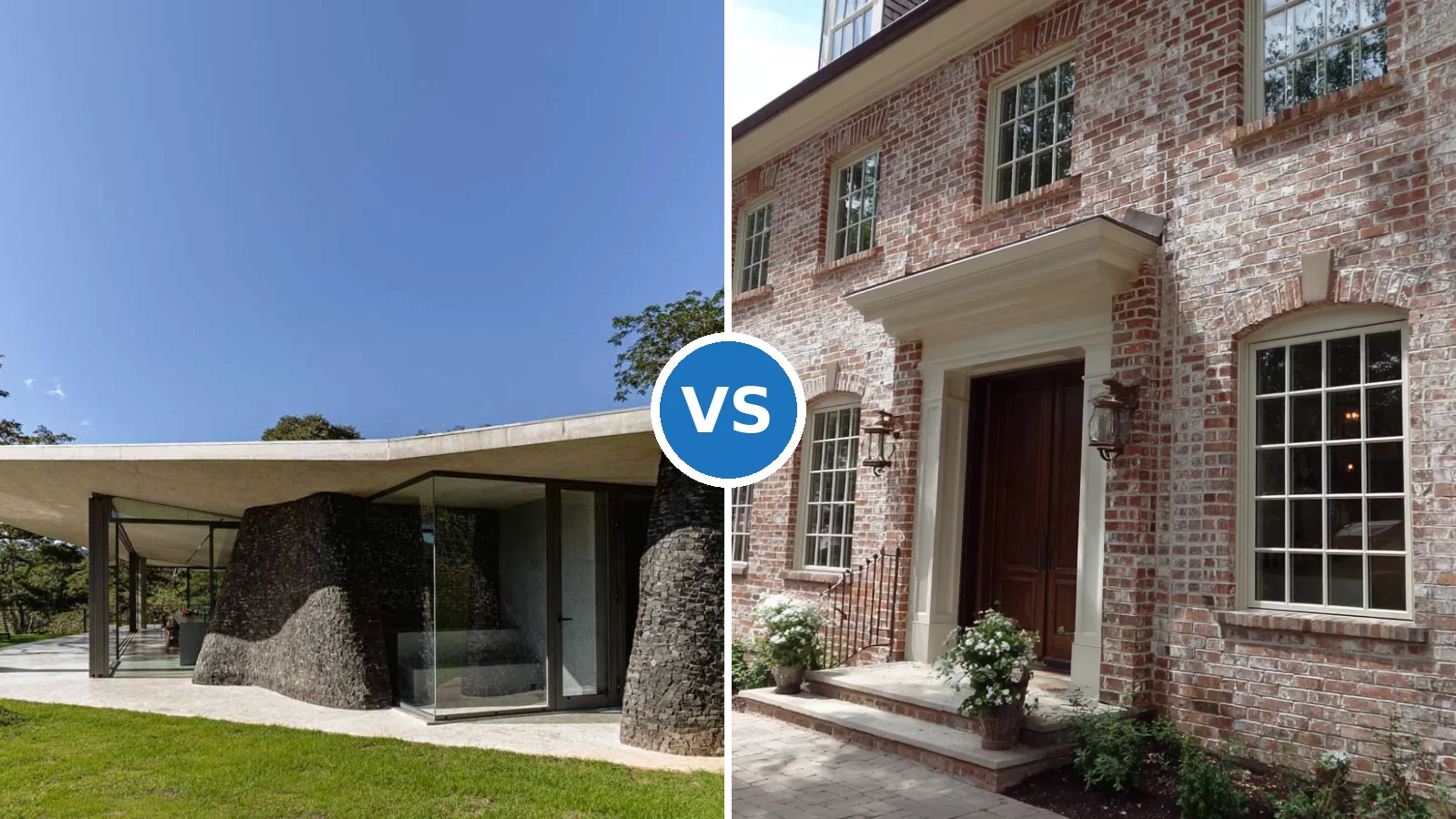
Living walls using trained vines (clematis, climbing hydrangea at $45–$85 per plant) on south-facing walls reduce wall-absorbed heat by 40%, lowering interior air conditioning load. See our article on modern house outside colour combinations for how light-reflective exterior colors work alongside green infrastructure.
Implementation Timeline and ROI Reality
A climate-responsive landscape retrofit (1,000 square feet, including permeable hardscape, rain garden, and plant replacement) costs $12,000–$28,000 upfront but reduces water bills by $600–$1,200 annually and lowers landscape maintenance by 40% within three years. This positions payback at 10–15 years before climate resilience value compounds—making it financially rational for homeowners with 10+ year tenure intentions.
May 2026 represents a pivot point: climate adaptation has shifted from optional sustainability statement to infrastructure necessity. Designers who master hydrologic logic, plant resilience data, and smart-system integration will define landscape practice for the next decade.