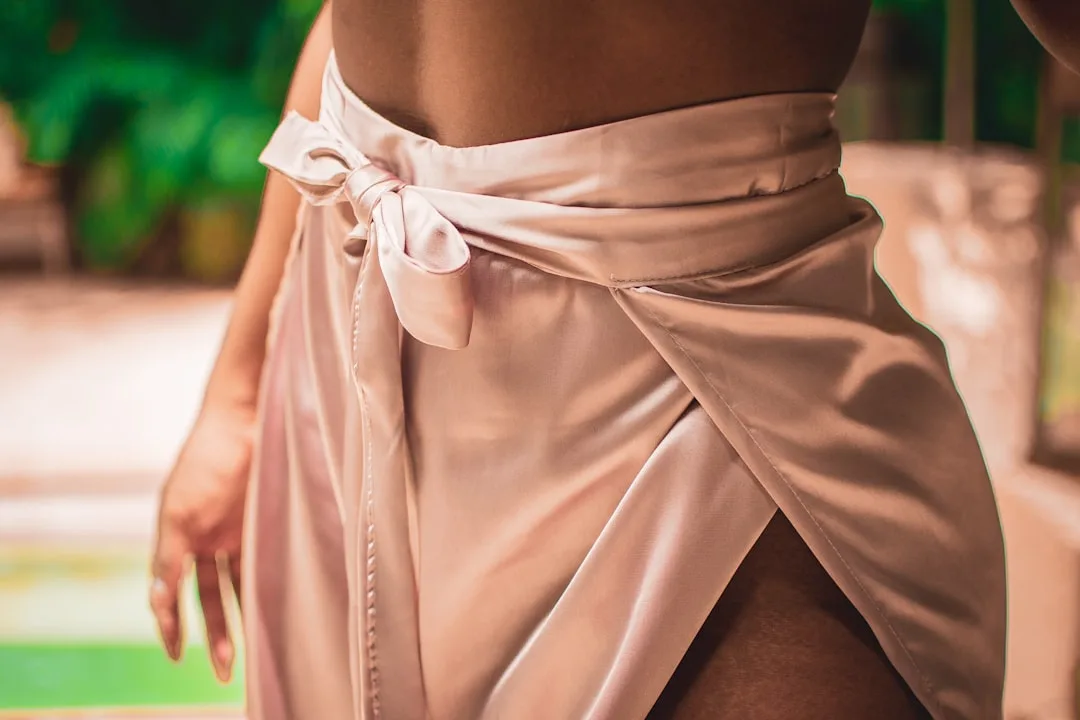
Satin skirts 2026 represent a 34% surge in luxury searches across major fashion platforms, signaling a decisive shift from structured fabrics toward liquified, light-reflective materials that prioritize movement and sophisticated sheen. The trend moves beyond occasion wear into everyday luxury—a psychological investment in how fabric feels against skin and catches light in motion.
The Rise of Liquid Luxury in 2026
Satin entered mainstream consciousness in 2024 through evening wear, but 2026 marks the pivot into democratized daily luxury. Brands like Khaite and The Row have mainstreamed satin beyond $2,000+ price points; contemporary lines now deliver equivalent drape at $180–$320 entry levels. The shift reflects consumer demand for tactile luxury without structural rigidity.
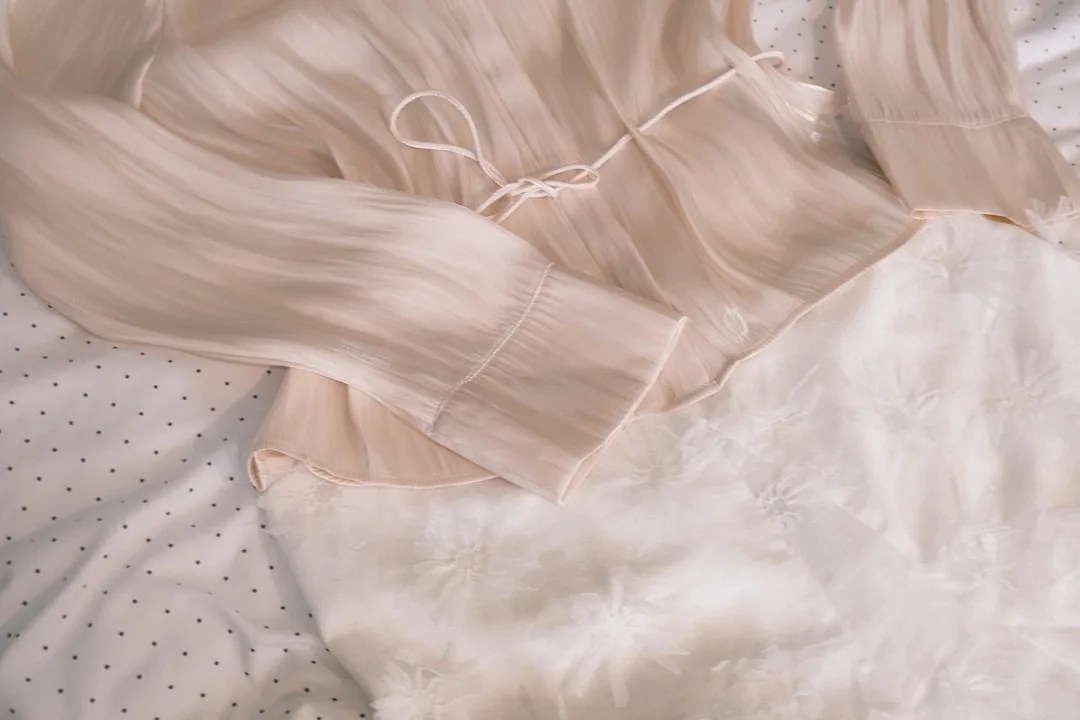
Satin’s molecular structure—tightly woven silk or synthetic fibers with minimal friction—creates visual depth through light manipulation. A single satin skirt catches ambient light differently depending on body movement, time of day, and viewing angle, delivering dynamic visual interest that static fabrics cannot achieve.
This trend stems directly from 2025’s maximalist color-drenching movement, which taught consumers to embrace bold visual impact. Satin builds on that foundation by adding texture and luminosity to monochromatic palettes, allowing neutrals to feel dramatic without relying on prints or cutouts.
Quick Tips
- Pair satin skirts with matte or textured tops (linen, cotton) to prevent over-shine
- Champagne, chocolate, and charcoal satin photograph better than pure white due to light absorption
- Satin requires cool water wash and air dry—heat and friction damage fiber alignment
- Layer satin midi skirts over slip shorts to prevent static cling in synthetic blends
- Combine with minimalist jewelry; satin already provides visual depth
| Brand | Model & Price | Key Detail |
|---|---|---|
| Everlane | Satin A-Line Midi, $198 | Rayon-blend, charcoal & cream |
| Rag & Bone | Satin Slip Skirt, $385 | Bias-cut, adjustable waist tie |
| COS | Gathered Satin Skirt, $149 | High-waist, structured hip seams |
| Ganni | Satin Midi, $295 | Champagne silk-blend, ankle length |
Where Satin Skirts Work Across Occasions
Office environments now embrace satin as a signal of intentional dressing—a champagne A-line from COS paired with a white button-down reads polished without appearing formal. The fabric’s light-reflective quality actually enhances skin tone under fluorescent office lighting, a distinct advantage over matte crepe or cotton.
Evening wear utilizes satin’s historical association with occasion dressing; a chocolate satin bias-cut midi skirt from Rag & Bone ($385) functions equally at dinner or gallery openings. The bias cut—fabric cut at 45-degree angles to the grain—creates natural cling and movement without needing elastic or structured seams.
Weekend styling treats satin skirts as premium basics. Pair a black satin A-line with an oversized vintage band tee and white sneakers for that contemporary luxury-casual hybrid approach that dominated 2025 street style.
Satin Weight, Weave, and Fiber Content Matter
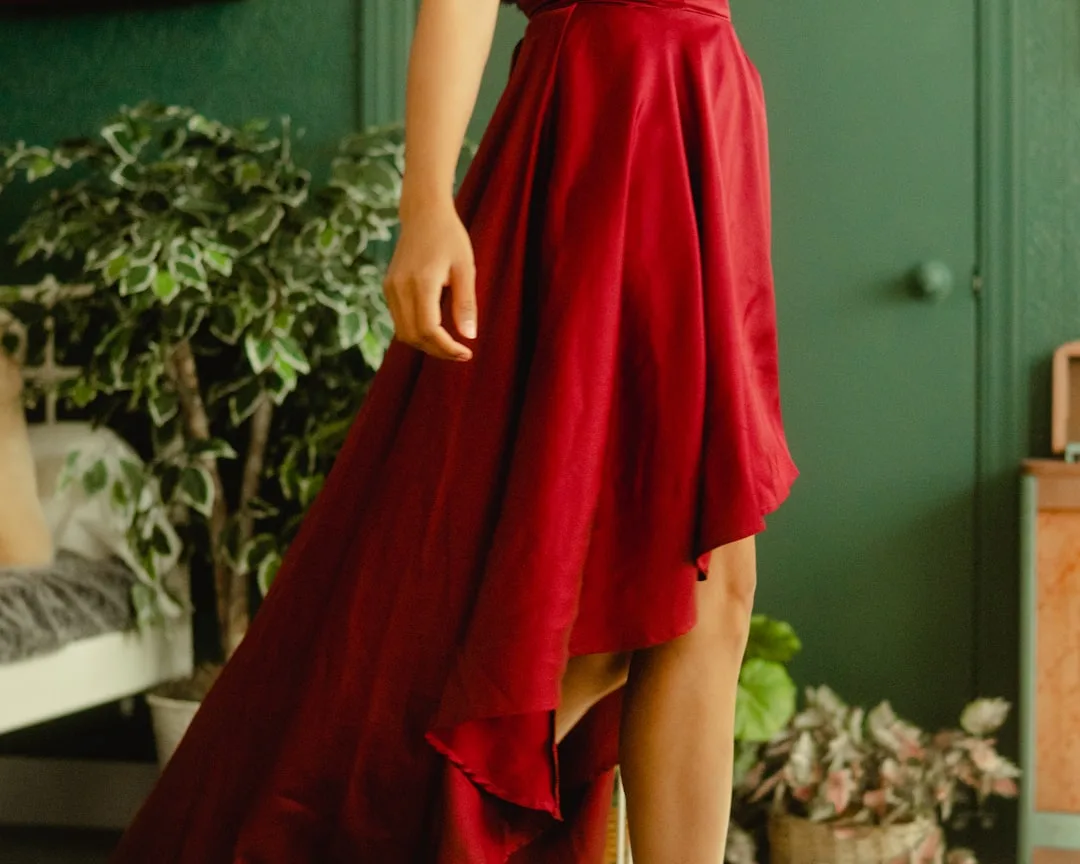
Charmeuse satin—the lightest weave at 2.5–3 ounces per linear yard—drapes like liquid and works best for bias-cut styles. Heavier duchess satin (4+ ounces) holds structure, making it ideal for A-line or gathered silhouettes that resist clinging. This distinction directly impacts how a skirt photographs and moves in real space.
Fiber content determines durability and maintenance. Silk satin costs $12–$18 per yard but requires professional dry cleaning; rayon and polyester blends ($6–$10 per yard) tolerate home washing at delicate cycles and deliver 85% of the visual effect at fraction of cost. Everlane’s Satin A-Line Midi ($198 in rayon-blend) proves contemporary consumers accept synthetic satin when construction quality matches luxury pricing.
Color saturation in satin reveals impurities in dye lots. Champagne, charcoal, ivory, and cognac read consistently across manufacturers; pure white satin often appears washed out under natural light due to light reflection overwhelming pigment. Choose off-whites or creams when aiming for neutral luxury.
Styling Rules That Prevent Satin From Reading Costume
The critical mistake: pairing satin skirts with equally shiny or heavily textured tops. A metallic or sequined blouse plus satin skirt creates visual cacophony; the brain processes competing light sources as evening-wear, not sophisticated daily dressing. Layer satin with matte fabrics—linen, hemp, organic cotton, or dry linen blends.
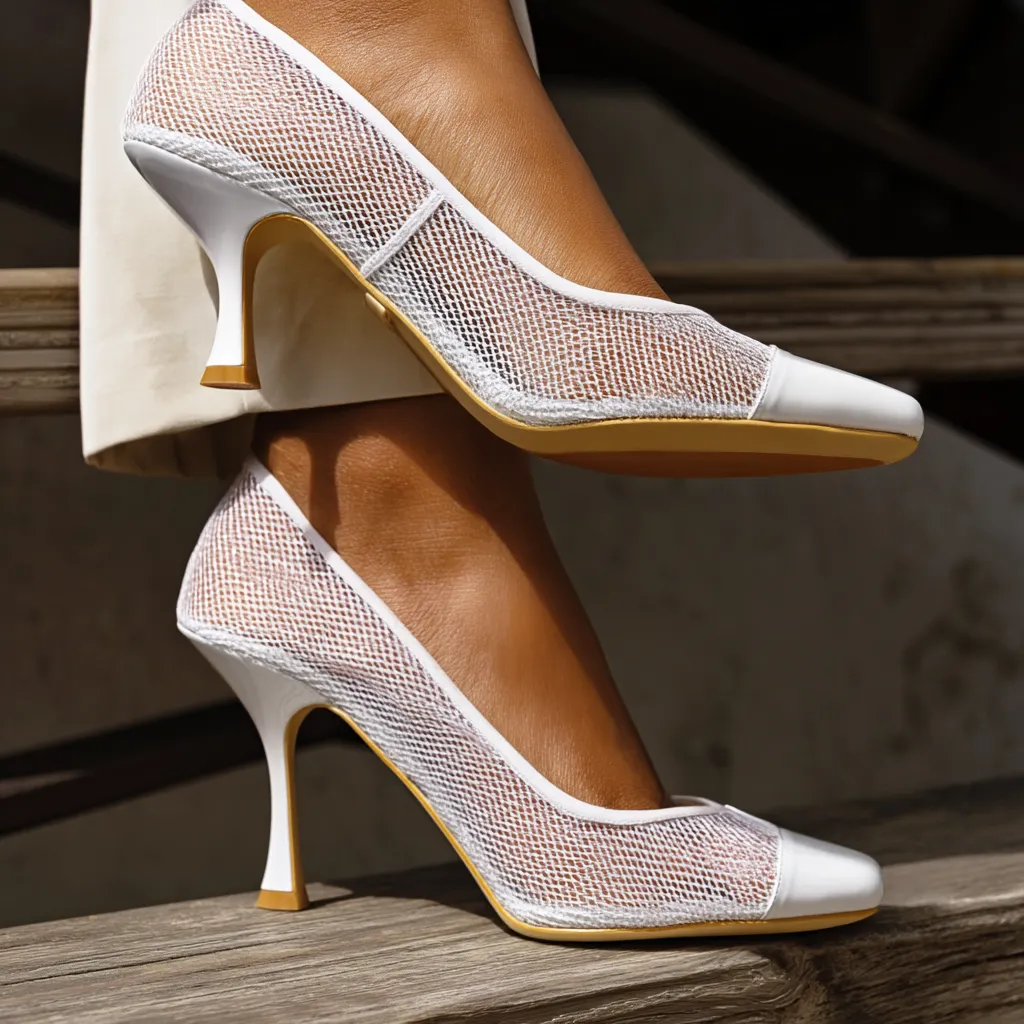
Footwear grounds satin’s inherent formality. White satin midi with minimalist white leather sneakers or ballet flats signals intentional luxury; white satin with heel immediately reads occasion-coded. This dynamic explains why shimmering mini skirts require distinct occasion framing versus mid-weight satins that blend into contemporary wardrobes.
Proportions matter strategically. A-line and gathered silhouettes in satin read softer and less formal than bias-cut slips; wider cuts accommodate the fabric’s weight without excess drape. Everlane’s gathered satin option ($198) in champagne feels daytime-appropriate; Rag & Bone’s bias-cut slip ($385) reads distinctly evening despite identical fiber content.
Care Instructions That Preserve Satin Investment
Hand-wash rayon-blend satin in cool water with silk-specific detergent; machine cycles damage fiber alignment and create permanent pilling. Air-dry flat or on a silk-safe hanger away from direct sunlight, which fades lighter saturated colors within 18 months. Ganni recommends this process for their satin midi ($295), extending garment life from 2–3 years to 5+ with proper maintenance.
Static cling emerges as the primary wearability challenge with synthetic-heavy satin. Wear slip shorts underneath, or lightly mist with anti-static spray (Downy Wrinkle Release, $5) before wearing. This prevents the unflattering leg-cling that undermines otherwise sophisticated styling.
Storage requires breathable garment bags, never plastic compression. Satin fibers crimp under pressure; plastic bags trap moisture, encouraging mildew on high-humidity climates. Cedar blocks or lavender sachets protect against moths without damaging delicate fiber structure.