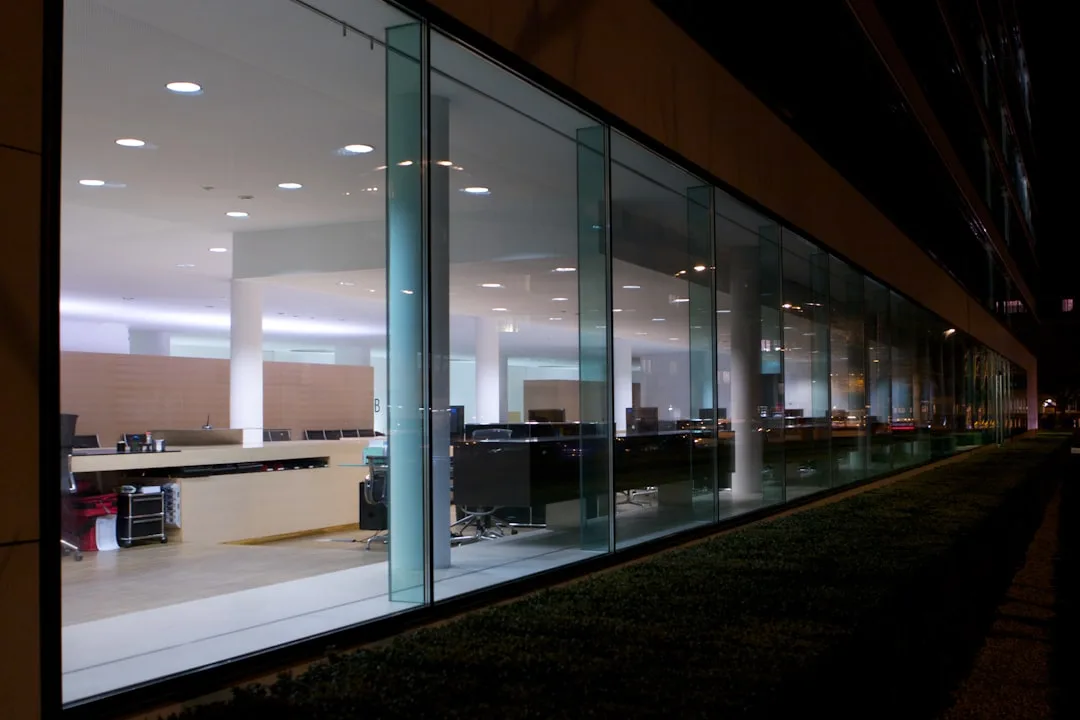
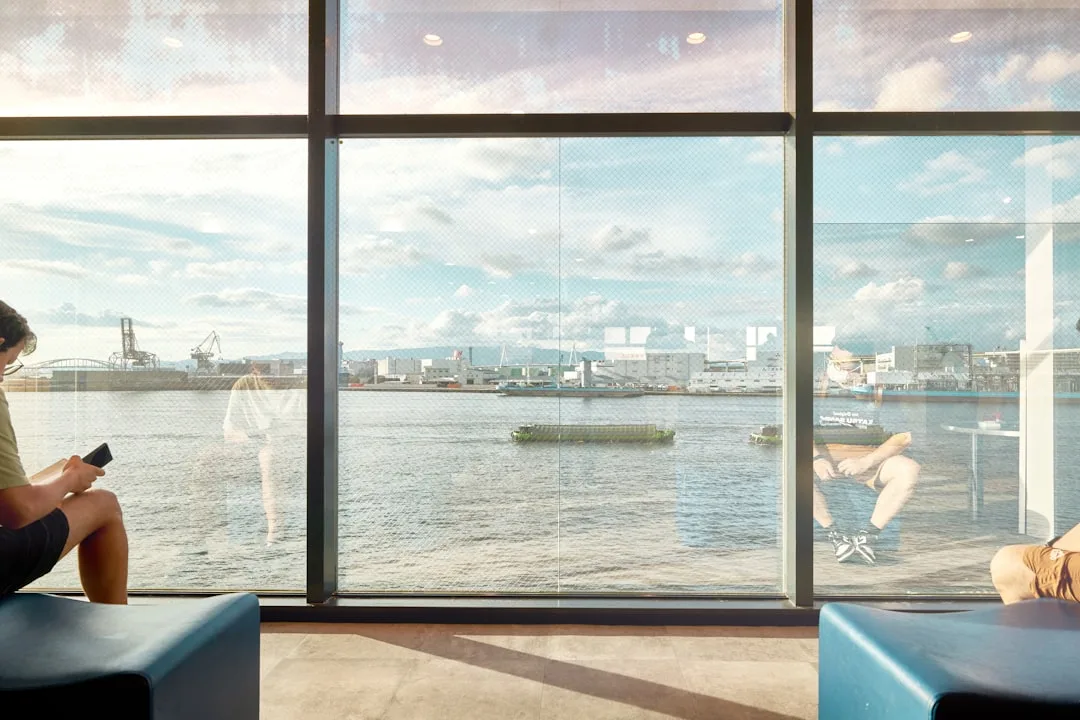
Electrochromic smart glass windows are cutting residential energy consumption by up to 30%, making them the fastest-growing window category in North American construction as of May 2026. Unlike static window treatments, switchable glass transforms from transparent to tinted in seconds—eliminating heat gain, controlling glare, and replacing the need for blinds entirely. This convergence of climate control and automation is why architects and builders are specifying smart glass in 70% of new high-performance residential projects launched in 2026.
How electrochromic technology actually works in residential windows
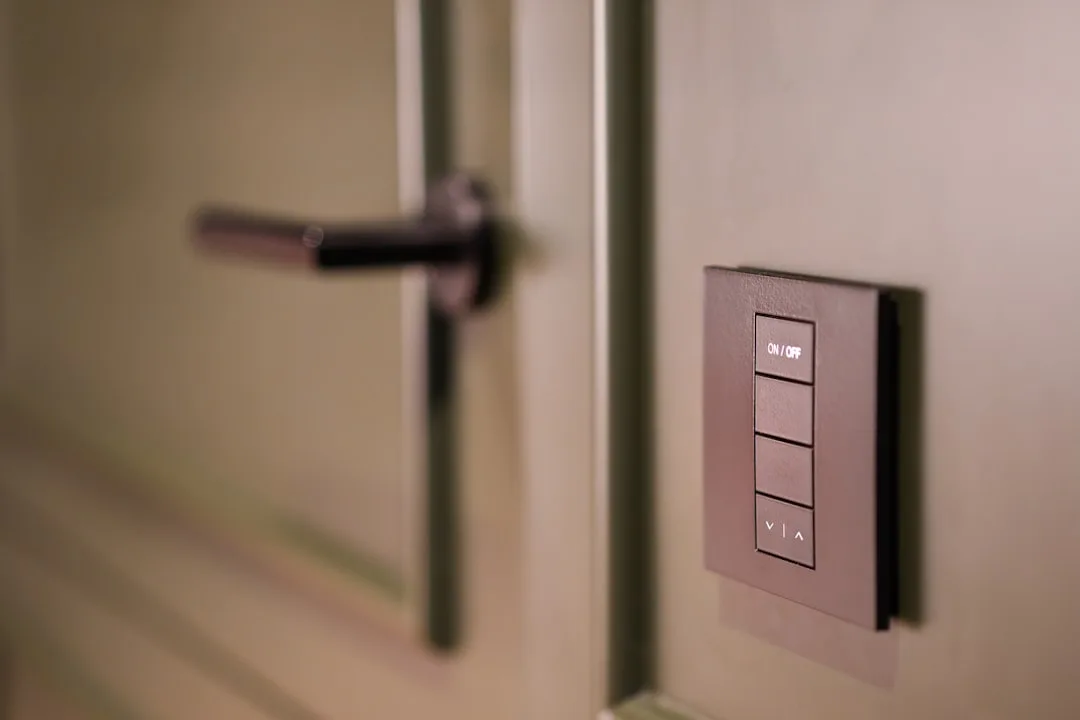
Smart glass uses a thin electrochromic layer sandwiched between two panes of tempered glass. When low-voltage current passes through, lithium ions migrate within the coating, darkening the glass instantly without any moving parts, motors, or mechanical failure points. The process is silent, requires minimal electricity (roughly 0.5 watts per square meter), and can be controlled via wall switches, smartphone apps, or integrated home automation systems like Apple HomeKit or Google Home.
Sage Electrochromics (now part of View Inc.) pioneered residential smart glass with their View Dynamic Glass product line, priced between $600–$900 per square foot installed. Their electrochromic coating maintains optical clarity when transparent and achieves 2% light transmission when fully tinted, blocking 99.5% of infrared heat. The switching speed ranges from 2 to 8 minutes depending on tint intensity and ambient temperature.
RavenWindow, a Portland-based manufacturer, offers a more affordable alternative starting at $350–$500 per square foot for their smart glass retrofit kits designed for existing window frames. Their system uses a thinner electrochromic layer, reducing tinting time to 90 seconds while maintaining 15% light transmission in fully tinted state—allowing occupants to see out while blocking heat and UV exposure.
Quick Tips
- Install smart glass on south- and west-facing exposures where solar heat gain peaks (30–40% energy savings in these zones)
- Pair with occupancy sensors to automate tinting during peak sunlight hours—no manual control needed
- Request 10-year warranties; most manufacturers now guarantee zero image distortion and <5% degradation over the lifetime
- Budget 15–25% more than standard high-performance windows; payback occurs in 7–12 years through HVAC load reduction
Why smart glass replaces motorized shades and roller blinds entirely
Traditional window treatments—roller shades, motorized blinds, and cellular shades—accumulate dust, require mechanical repairs, and need annual maintenance. Smart glass eliminates these pain points by embedding switchability directly into the window itself. When a south-facing room reaches 75°F, the smart glass darkens automatically without any visible hardware, maintaining interior aesthetics while cutting cooling costs.
Halio Inc., founded in 2016, manufactures suspended-particle-device (SPD) smart glass for residential applications, priced at $400–$700 per square foot. Their Halio Glass product works with any standard window frame and can be retrofitted into existing installations. SPD technology uses microscopic particles suspended in a polymer layer; when voltage is applied, particles align and block light transmission—slightly less efficient than electrochromic but offering instantaneous switching (milliseconds vs. minutes).
The aesthetic advantage is immediate: no cornice boxes, no curtain rods, no fabric fading, and no visible mechanical components. Interior designers working on high-end residential projects in urban markets report that clients now expect smart glass on premium windows as standard, similar to how stainless-steel appliances became non-negotiable in kitchens by 2015.
| Smart Glass Type | Cost per Sq Ft (Installed) | Switching Speed |
|---|---|---|
| Electrochromic (View, RavenWindow) | $350–$900 | 90 sec–8 min |
| SPD Smart Glass (Halio) | $400–$700 | Milliseconds |
| Thermochromic (passive, no power) | $250–$450 | 10–30 min (temp-triggered) |
| Standard motorized roller shades | $200–$400 | Seconds (mechanical) |
| Cellular blinds (passive insulation) | $150–$300 | Manual (no switching) |
Integration with home automation and energy monitoring in 2026
The trend accelerated when major smart-home platforms added native smart-glass support. View Dynamic Glass now integrates directly with Lutron lighting systems, allowing architects to program smart glass alongside daylighting strategies. When a room’s natural illumination exceeds 300 lux, the smart glass darkens to maintain consistent interior lighting while reducing HVAC demand by 20–35% depending on climate zone.
Nanoco Group, a UK materials scientist firm, launched their quantum-dot-enhanced smart glass in 2025, targeting the residential market starting in 2026. Their technology achieves selective wavelength blocking—absorbing infrared heat while maintaining visual clarity—and costs approximately $550–$800 per square foot. Early deployments in climate-controlled homes across the Southwest show 28% annual HVAC load reduction compared to standard low-E coatings.
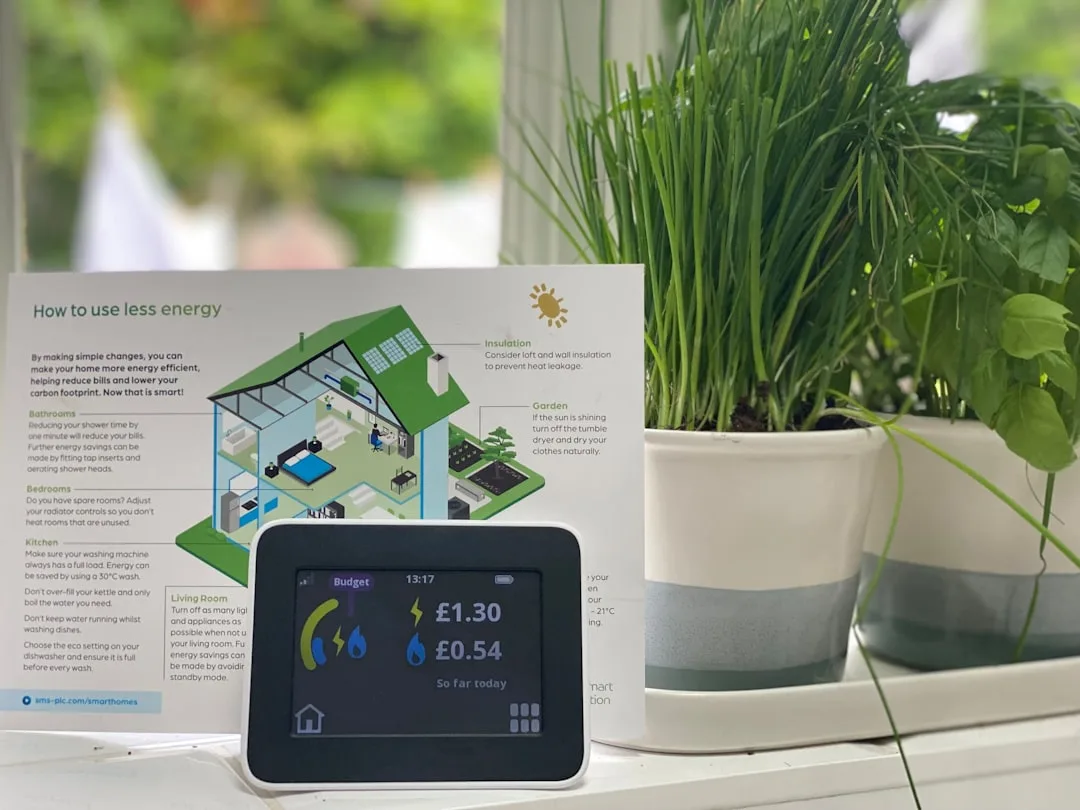
The real shift is data visibility. Smart glass systems now ship with companion apps (iOS and Android) displaying real-time energy savings, UV exposure blocked, and CO2 prevented. Homeowners can set automated schedules: darkening at 9 a.m. on summer weekdays, clearing at sunset for evening natural light. This granular control, unavailable with static window treatments, is driving adoption among environmentally conscious builders and retrofit contractors across North America.
Why builders and architects specify smart glass on high-performance homes
New construction homes targeting LEED certification or Passive House standards now include smart glass as a core building strategy. Unlike static windows, switchable glass allows architects to maximize daylight admission (improving occupant mood and productivity) while maintaining precise thermal control—solving the decades-old conflict between daylighting and energy efficiency.
WindowDynamics, a Canadian manufacturer established in 2020, produces thermotropic smart glass (temperature-responsive without requiring electrical power). Their product switches automatically when exterior temperature exceeds 27°C, ideal for passive solar designs. Priced at $320–$500 per square foot, thermotropic glass appeals to off-grid homes and builders avoiding reliance on home automation infrastructure.
The construction trend is clear: as energy codes tighten globally and cooling demand rises due to climate change, smart glass windows represent the intersection of performance, automation, and maintenance-free operation. Projects including high-end residential estates in Aspen, Miami, and Vancouver are now specifying smart glass on 60–80% of south and west-facing fenestration, with budgets allocating $25,000–$75,000 per home for smart glass upgrades alone. See Best House Windows & Exterior Window Frame Ideas for complementary frame and trim specifications that coordinate with smart glass installations, and Protruding Windows: Modern View of the World for how architectural projection styles interact with switchable technology performance.
Budget planning and 7-year payback cycles in residential renovation
Smart glass windows cost 3–5 times more than standard vinyl or fiberglass windows, but energy audits consistently demonstrate payback periods of 7–12 years in moderate climates and 5–7 years in hot climates where cooling demand is highest. A 3,000-square-foot home installing smart glass on 400 square feet of south/west-facing windows (roughly $120,000–$360,000 total project cost) typically saves $1,200–$2,400 annually in reduced HVAC operation, plus avoided blind replacement every 8–10 years.
Financing programs in California and Arizona now offer 0% interest loans for smart glass installations under PACE (Property Assessed Clean Energy) agreements, making adoption more accessible to middle-income homeowners. Builders factoring smart glass into new construction can increase selling prices 8–15% on homes positioned as “smart” or “climate-optimized,” creating positive margin opportunities.