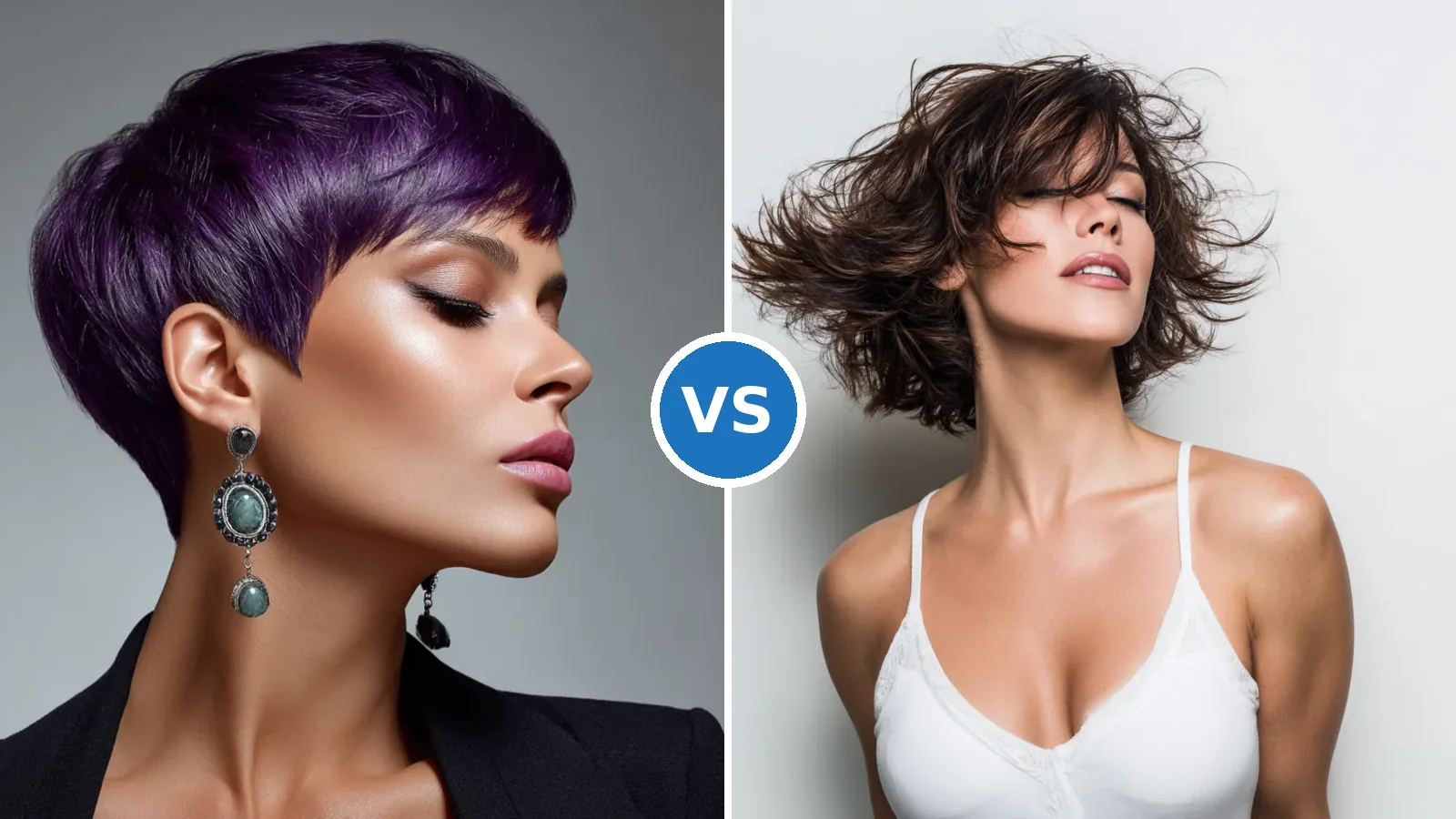
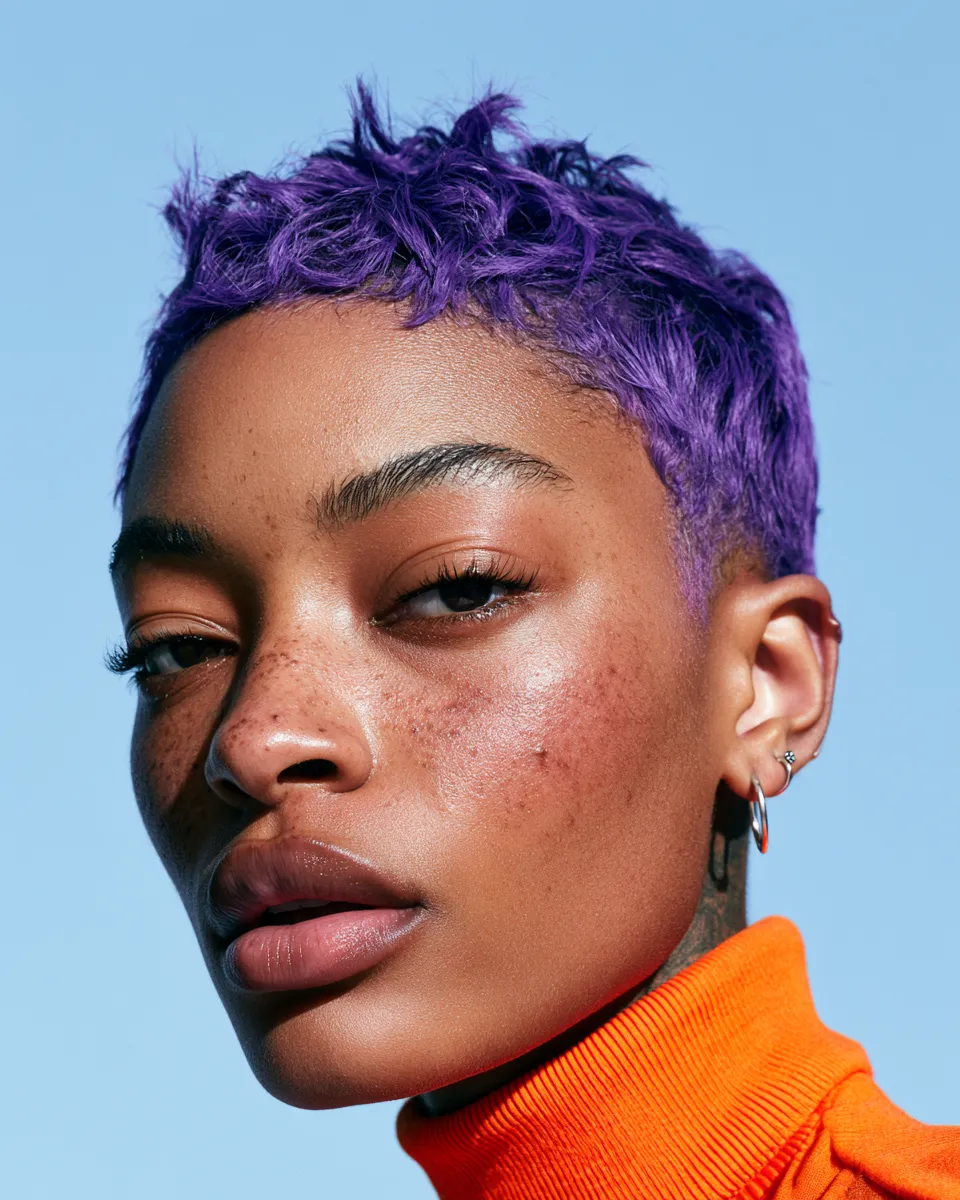
Short layered haircuts for women do something a single-length cut never can: they build movement into the shape itself, so your hair looks styled even when you haven’t touched it. I’ve worn both, and the difference on a Tuesday morning is not subtle. The blow-dryer goes from a 12-minute fight to a 4-minute finish. What makes these cuts so practical isn’t the short length alone — it’s how the layers interact with your natural texture, whether that’s pin-straight, gently wavy, or somewhere in between.
You’ll notice that the styles here range from a soft auburn pixie to a choppy chestnut shag. Each one shares a structural logic: shorter weight removed at the top, longer pieces underneath, movement built into the cut rather than added with product. That’s the formula stylists charge $120 for at Dry Bar, and it’s worth knowing before you sit in the chair.
What you’ll find here
- Auburn pixie with soft layering — low-maintenance, works for oval and heart faces
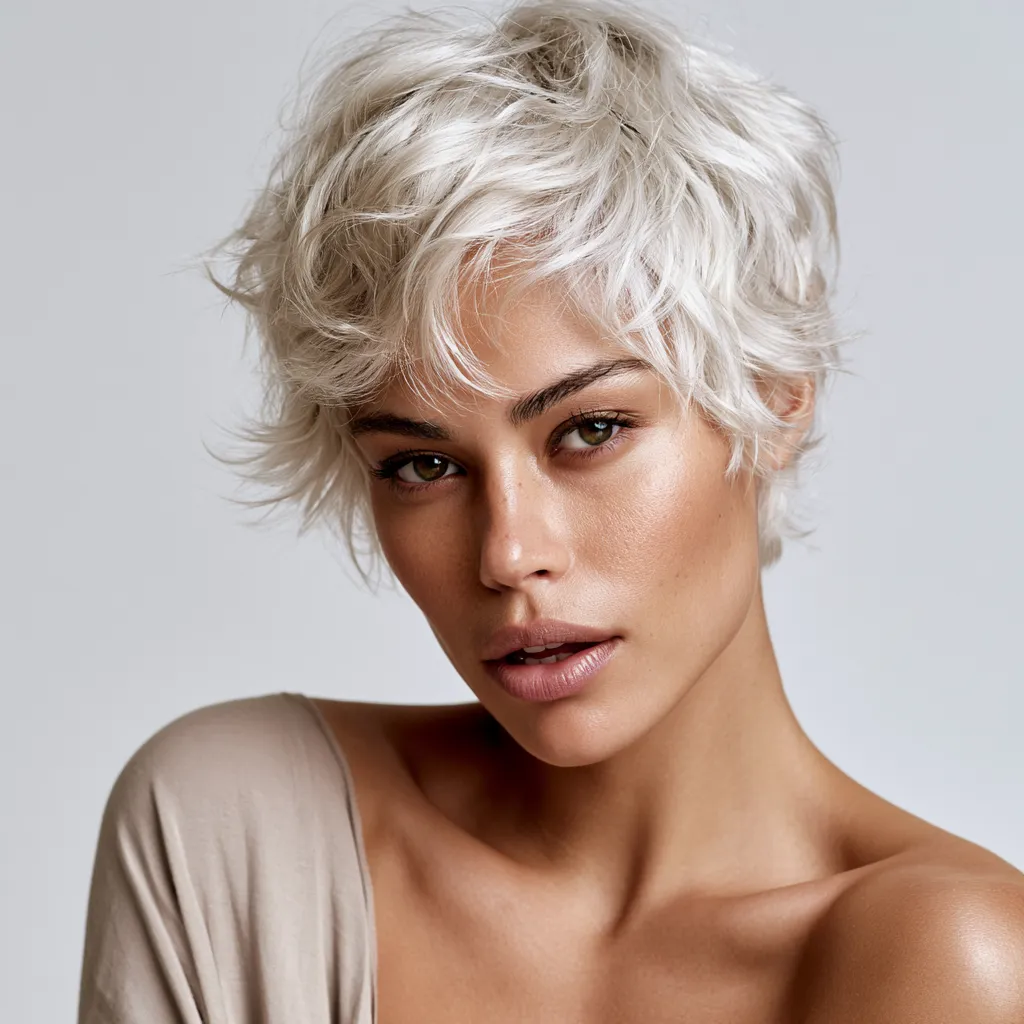
- Silver tapered bob — cool-toned, structured, grows out clean
- Rose gold feathered cut — fine-hair friendly, air-dries well
- Chestnut bronze shag — the lived-in texture option, minimal product needed
- Styling tips for short layers by hair type
- FAQ covering the most common questions about layered short cuts
Auburn Pixie Layers Flatter More Face Shapes Than Any Other Short Cut
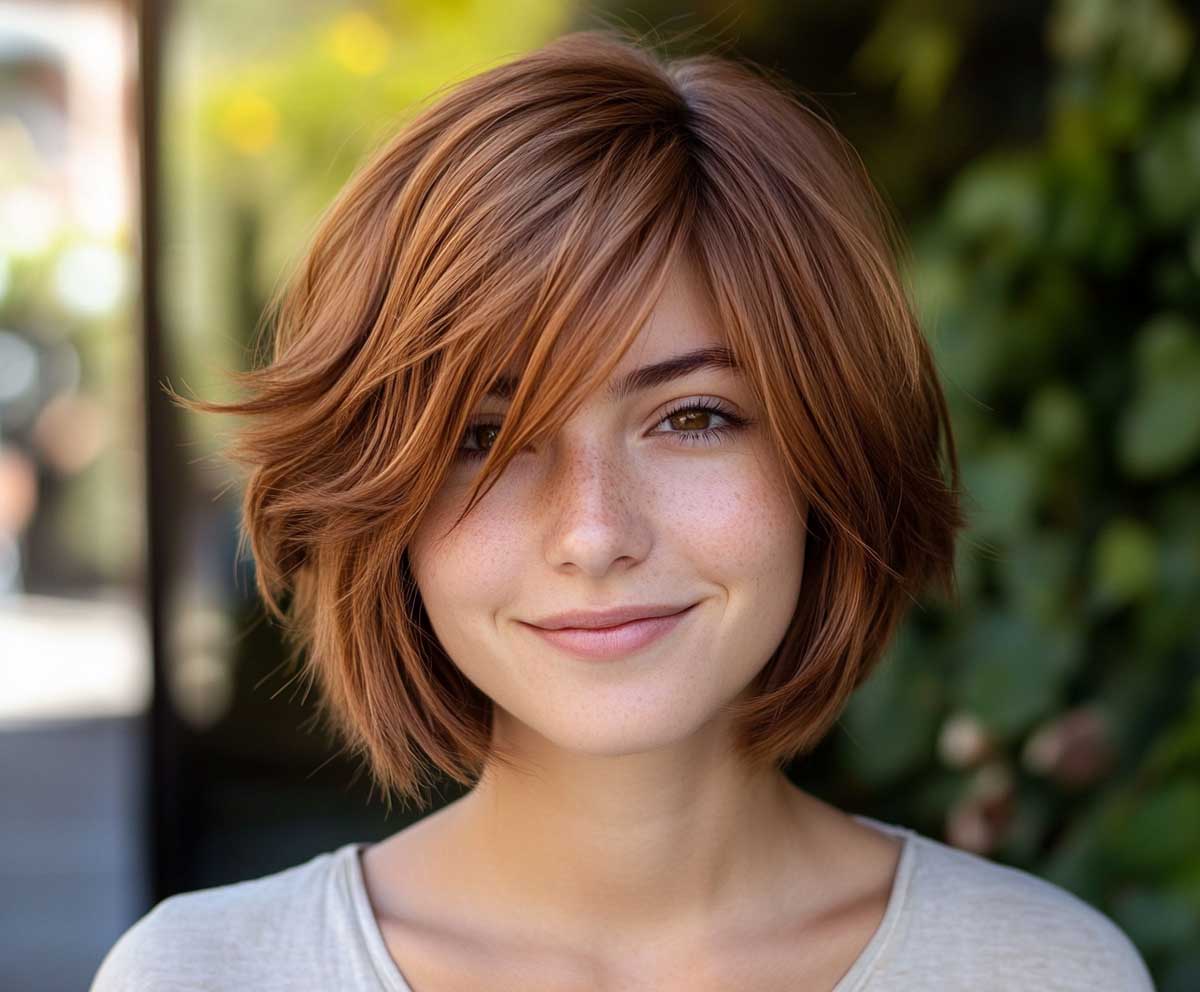
The soft auburn pixie earns its reputation not through drama but through geometry. Strategic layering around the temples and crown softens the silhouette, which is why short layered haircuts for women in this shape consistently work on oval, heart, and even round face types. I’ve seen it fail exactly once — on a very square jaw with zero face-framing layers — and that was a stylist problem, not a cut problem. Ask specifically for feathering near the cheekbones and you avoid that entirely.
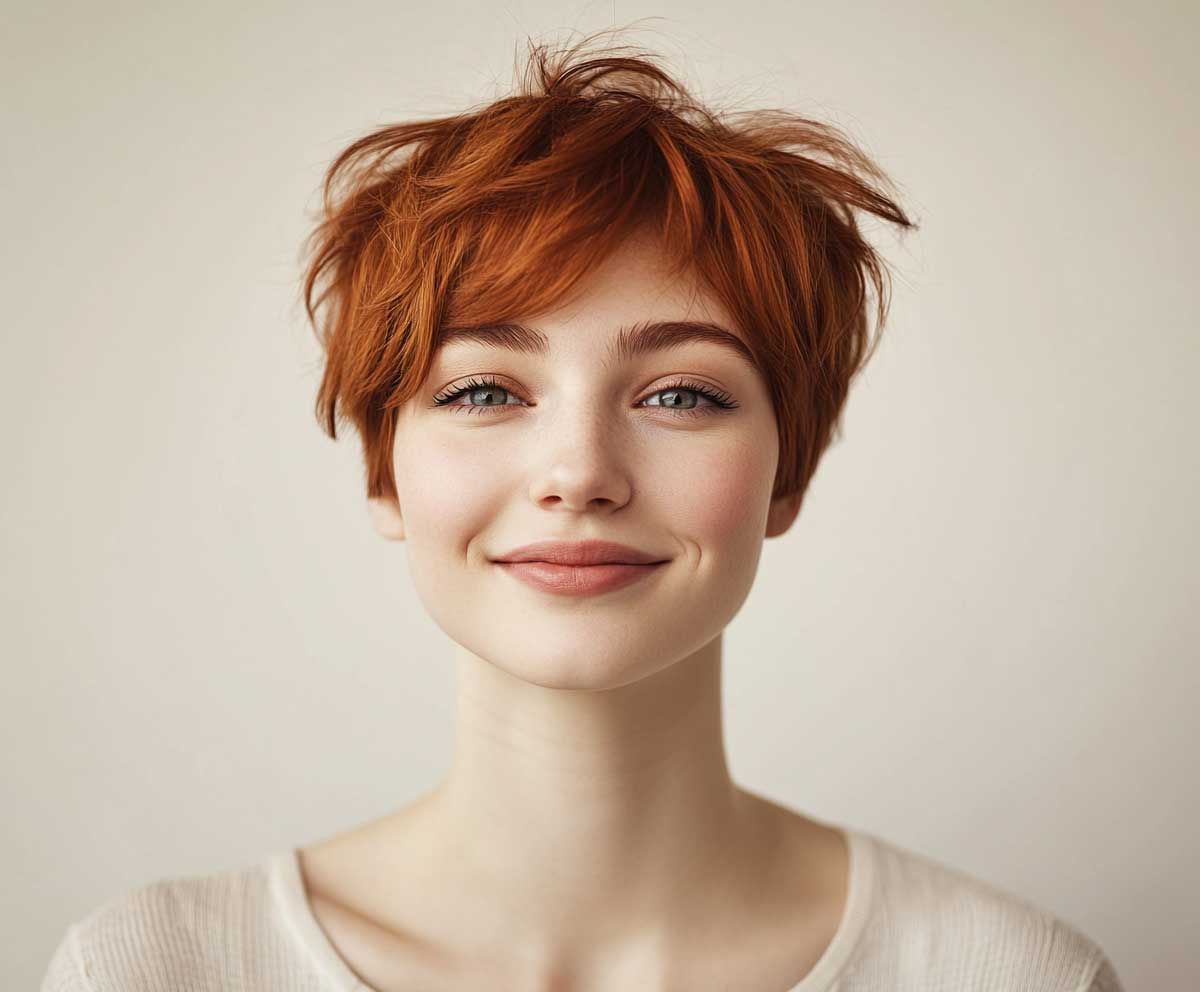
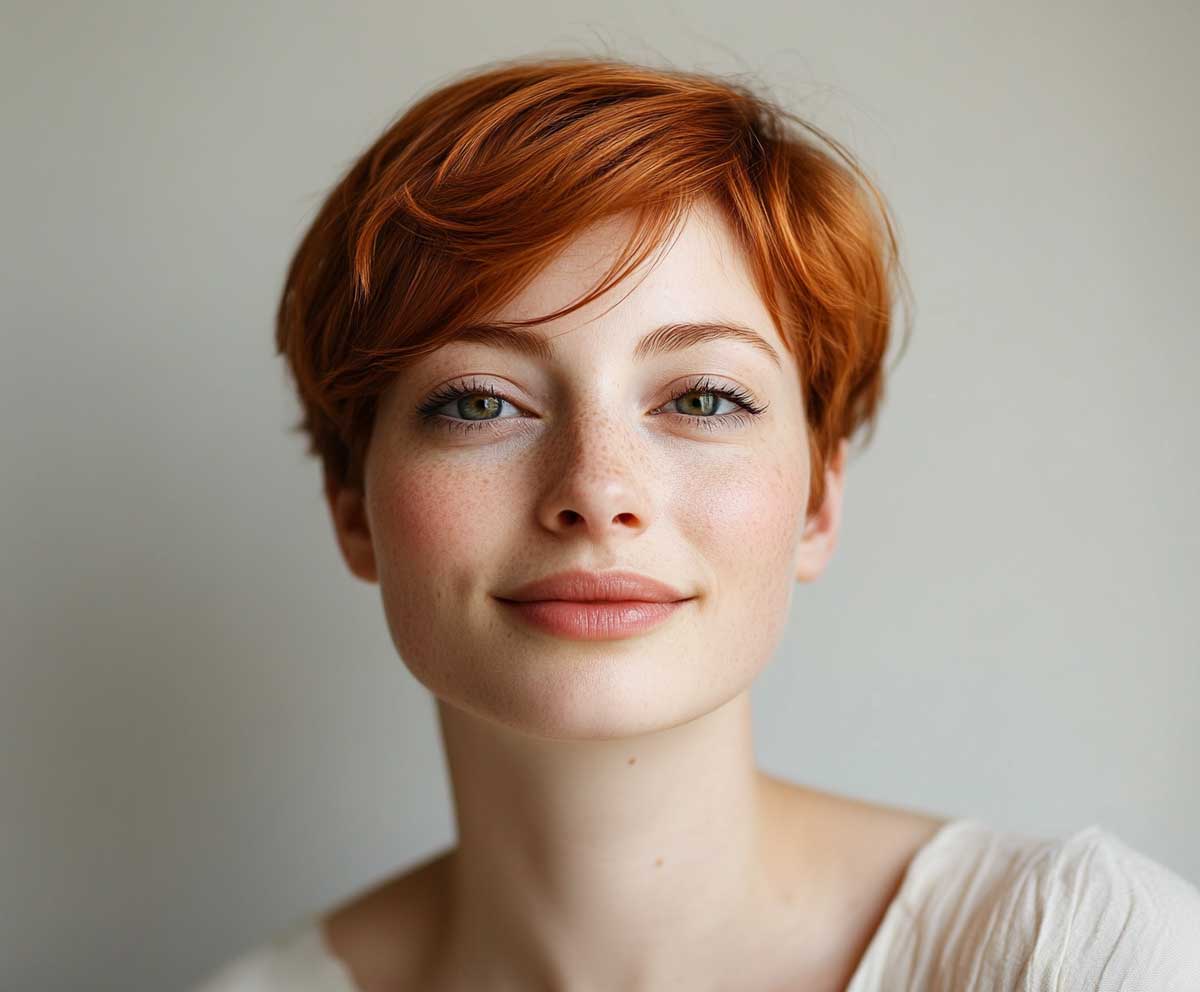
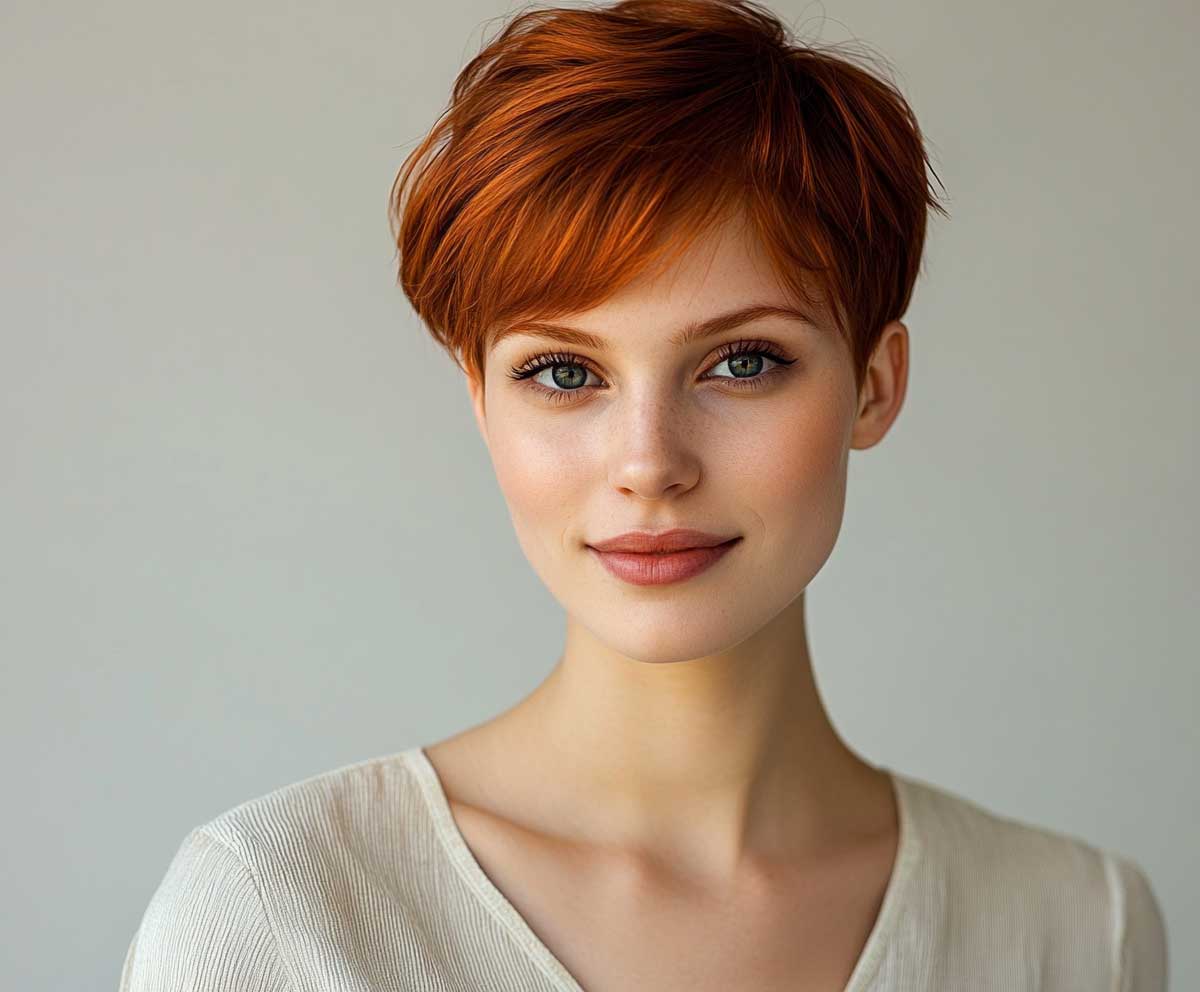
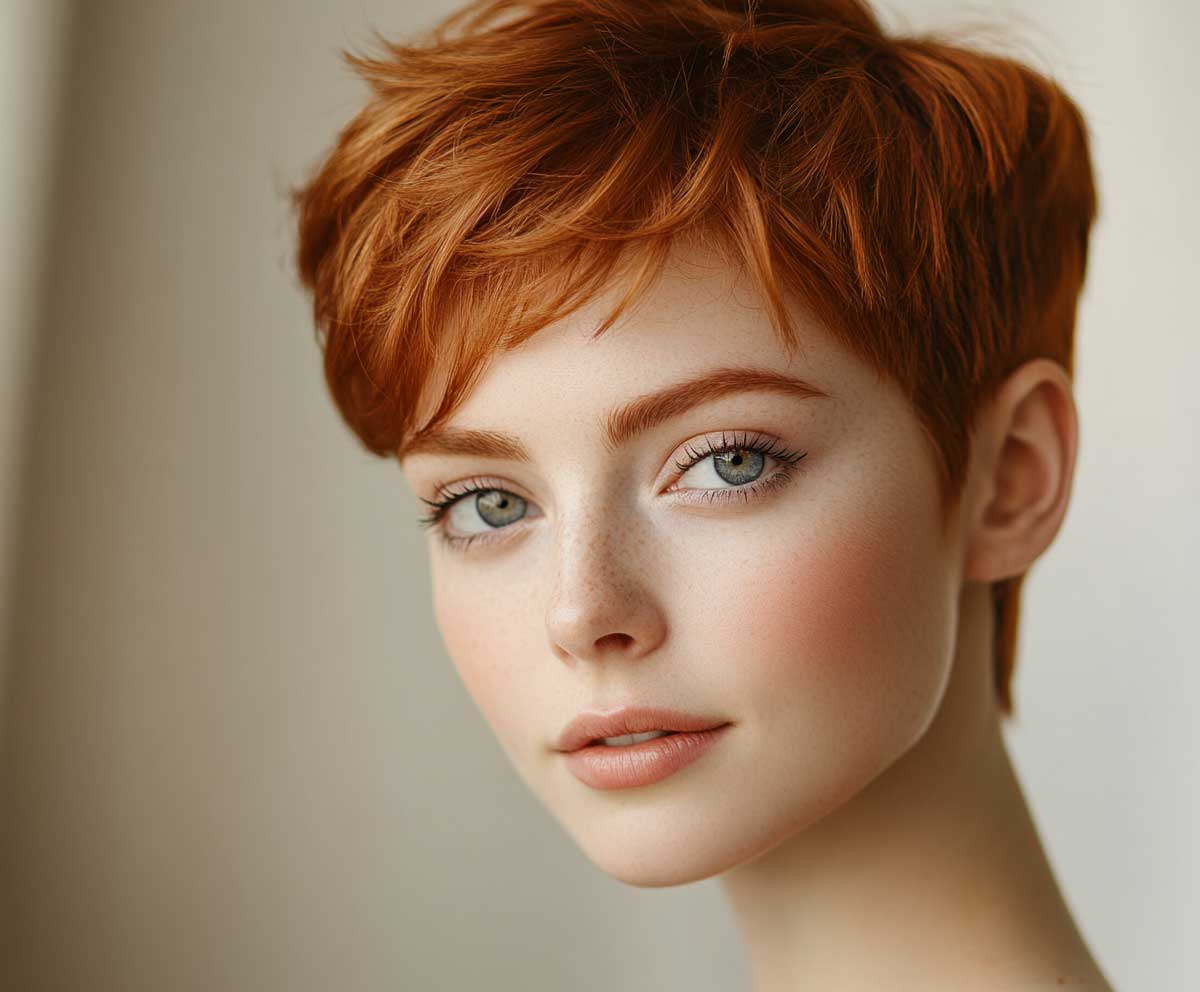
Auburn is not a neutral and that’s exactly its advantage. The coppery undertones read differently depending on light — warmer indoors, almost bronze in direct sun — which means the layers catch light at different depths and the cut looks dimensional without highlights. My go-to product with this color and texture: a pea-sized amount of R+Co Badlands Dry Shampoo Paste ($32), worked between fingers and pressed into the roots before blowdrying. Done in 90 seconds. Skip the heavy wax — it flattens the layers and turns auburn into muddy brown.
Trim frequency matters more with pixie-length cuts than with longer styles. Four weeks and the shape is still crisp. Six weeks and the nape starts to look grown-out. Eight weeks and you’ve got a different haircut. You’ll notice the difference immediately at week five. Budget $55–$85 per trim depending on your city, and factor that in before committing to this length.
The auburn color itself holds well on medium-to-dark brown base hair. On lighter bases it fades faster and goes brassy. Olaplex No. 5 Bond Maintenance Conditioner ($30) extends vibrancy. A gloss service at the salon every eight weeks — around $40–$60 — keeps the copper tones from going flat between full color appointments.
Does this work if your hair air-dries wavy? Yes, and actually better than you’d expect. The layering reduces bulk so the wave pattern reads clean rather than puffy. Scrunch in a nickel-sized amount of Bumble and Bumble Curl Defining Cream ($32) while wet, let it dry undisturbed, and the layers fall into place on their own. Don’t touch it while it’s drying — that’s what creates frizz, not the cut itself.
Silver Tapered Bobs Look Polished on Day Three Without Touching Them
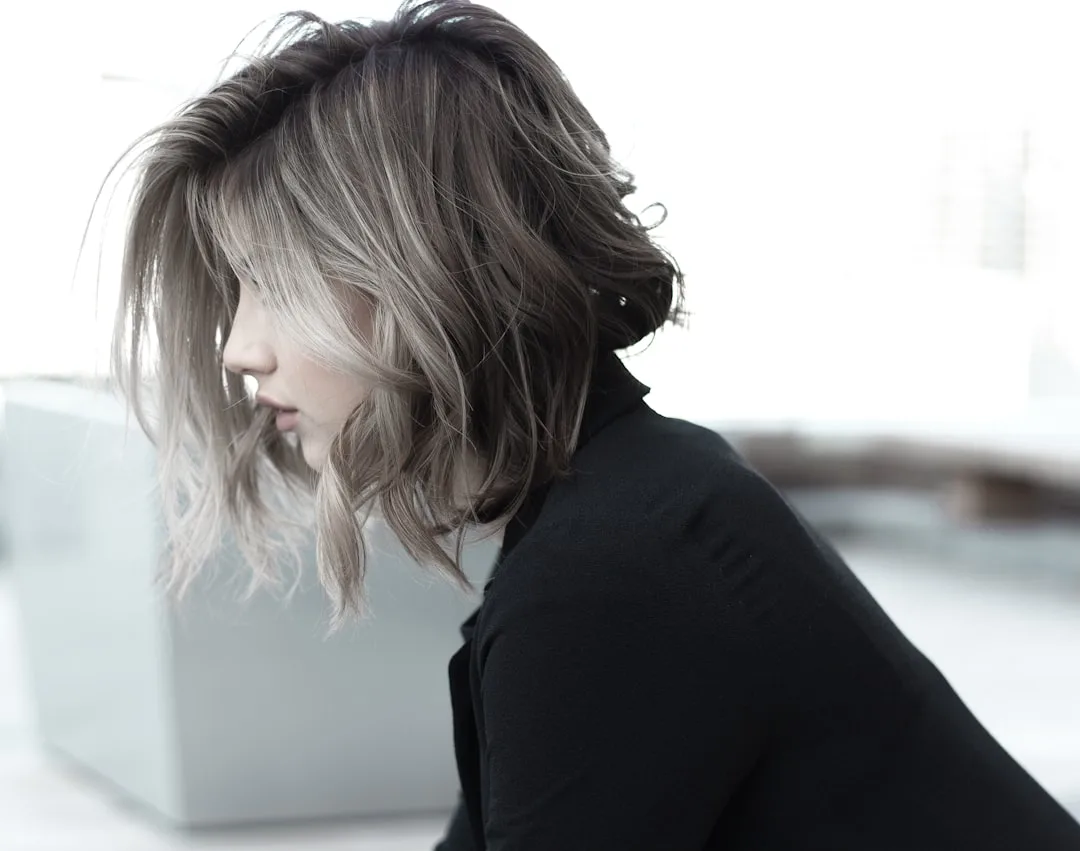
Cool silver on a tapered bob is the hairstyle equivalent of a white button-down — it does more work than it appears to. The angled layering at the jawline lifts the silhouette and keeps the nape from looking heavy, which is the thing that sinks most short bobs into looking dated. Short layered haircuts for women in this particular shape require a stylist who understands disconnected layers — not everyone does, so ask to see their portfolio specifically for tapered cuts before booking.
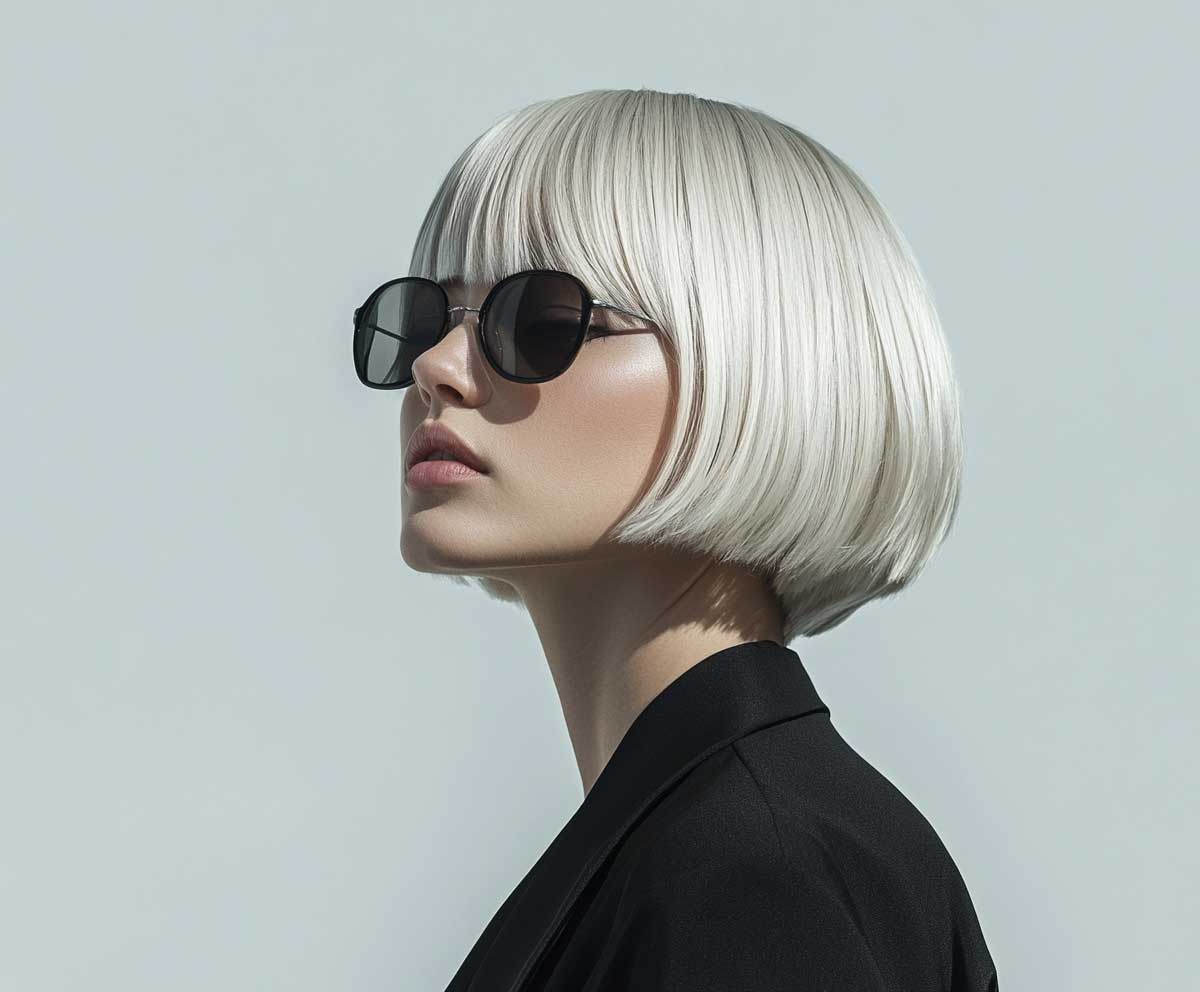
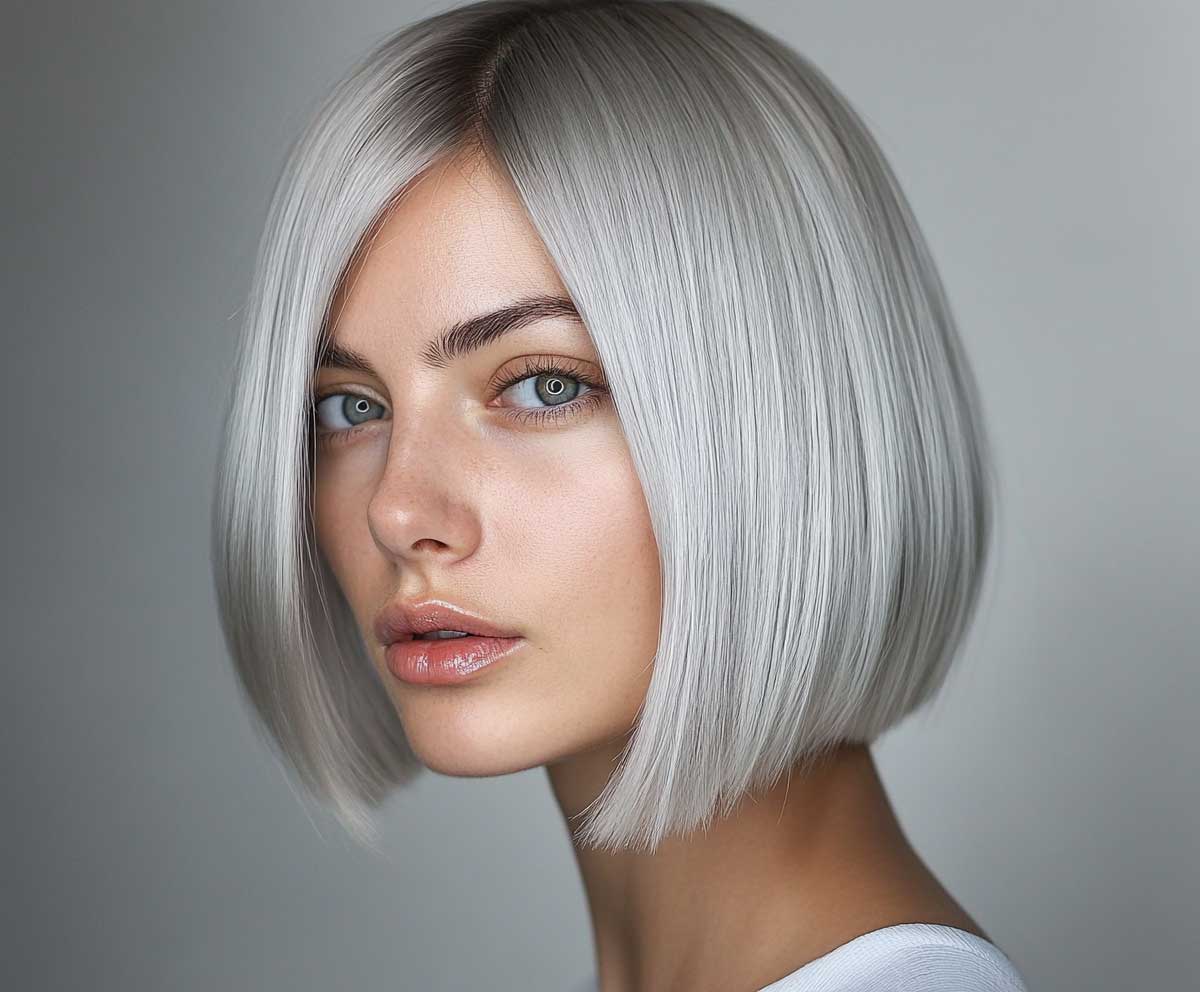

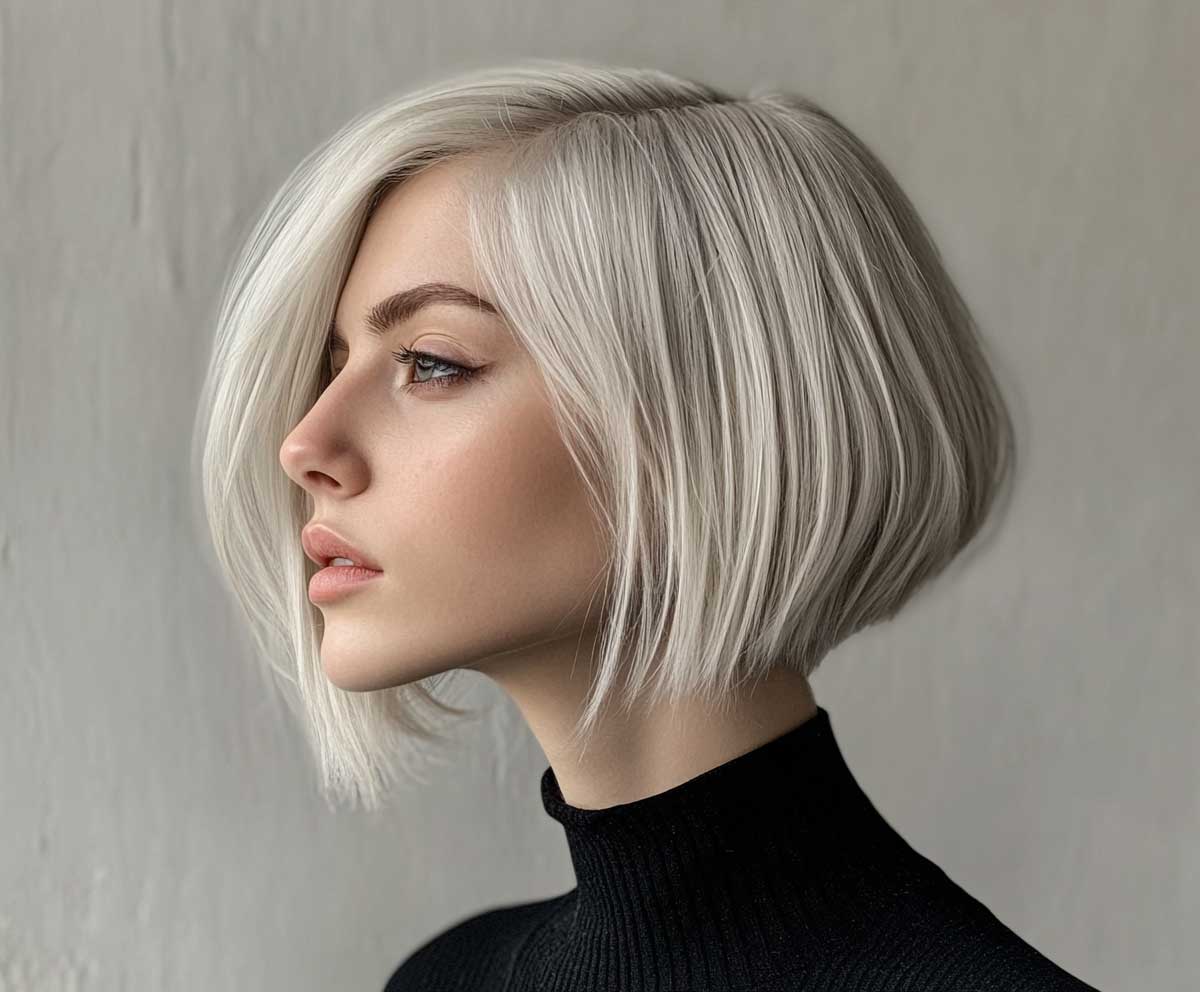
Silver hair reads dramatically different depending on toner. A violet-based toner like Shimmer Lights Shampoo ($15) used once a week keeps it icy and cool rather than yellow. Skip the toner for two weeks and you’ll notice warm brassy patches appearing at the ends first — that’s where the color lifts fastest. The bob shape with angled layers actually hides uneven fading better than straight cuts because the visual weight sits at the front angles, not the ends.
Styling this cut takes four minutes on a good morning. A quick pass with a flat iron — not a curling iron — keeps the angles sharp without making it look overly styled. A dab of Oribe Gel Sérum ($52) on the ends before the iron press adds gloss and prevents static in winter. What doesn’t work: volumizing mousse. It makes the silver look dull and the layers separate in the wrong direction. Pomade is better if you want definition.
For women with straight or barely-wavy hair, this is the short cut that photographs cleanest. The angles do the visual work. You’re not relying on texture or curl to give the style shape — the cut creates its own geometry, which is why it holds up on day two and three without reworking. Low maintenance short layered cuts with this kind of structural shaping are specifically designed to stay recognizable between salon visits.
Don’t do this with silver short cuts
Don’t skip the toning shampoo and then try to compensate with purple conditioner left on for 20 minutes — it deposits unevenly on short layered hair and creates patchy lilac sections at the crown where the hair is more porous. One minute with Shimmer Lights on damp hair is enough. Also avoid using blue-black eyeliner as a “hack” to cool down warm roots — yes, people do this, and no, it doesn’t hold past the first time you touch your hair. Commit to a proper toner gloss at the salon ($40–$60) every six to eight weeks instead.
Trim every six weeks minimum. The tapered nape grows out faster than the top layers, and at seven weeks it starts to look like two different haircuts stacked on top of each other. Not a vibe. Keep the trim appointments close together for the first three months until you know exactly how your hair grows into this shape.
Rose Gold Feathered Ends Give Fine Hair Volume Without Dry Shampoo Dependence
Rose gold and feathered layers are a specific pairing, not just a color choice. Feathering — where the stylist cuts into the ends at an angle rather than straight across — removes weight without removing length, which is exactly what fine or medium hair needs to avoid going flat by noon. Short layered haircuts for women with this technique work like a volume cheat code. The hair isn’t physically fuller, it just moves more, and motion reads as thickness. I stole this trick from my colorist who has been recommending it over box dye for years.
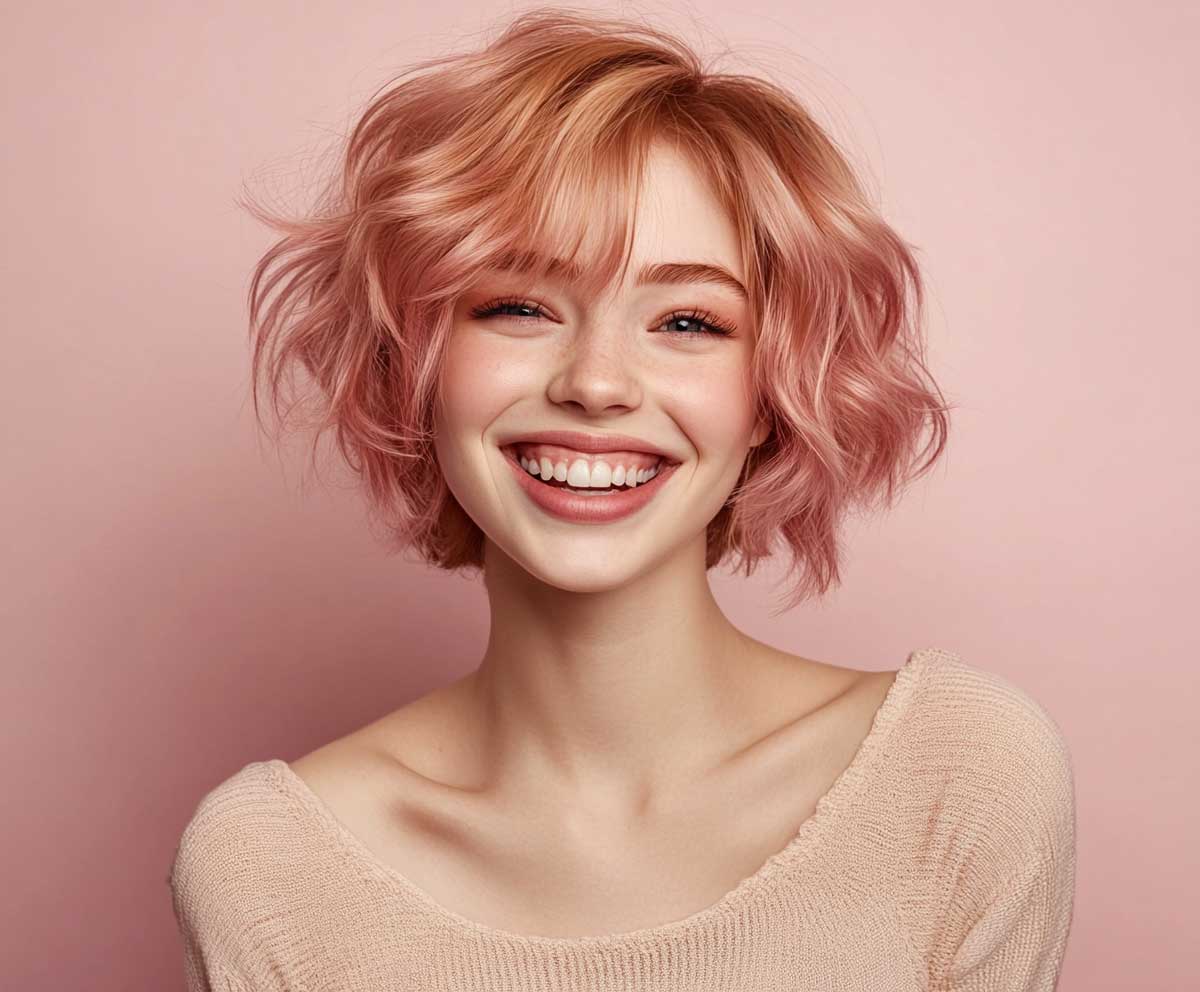
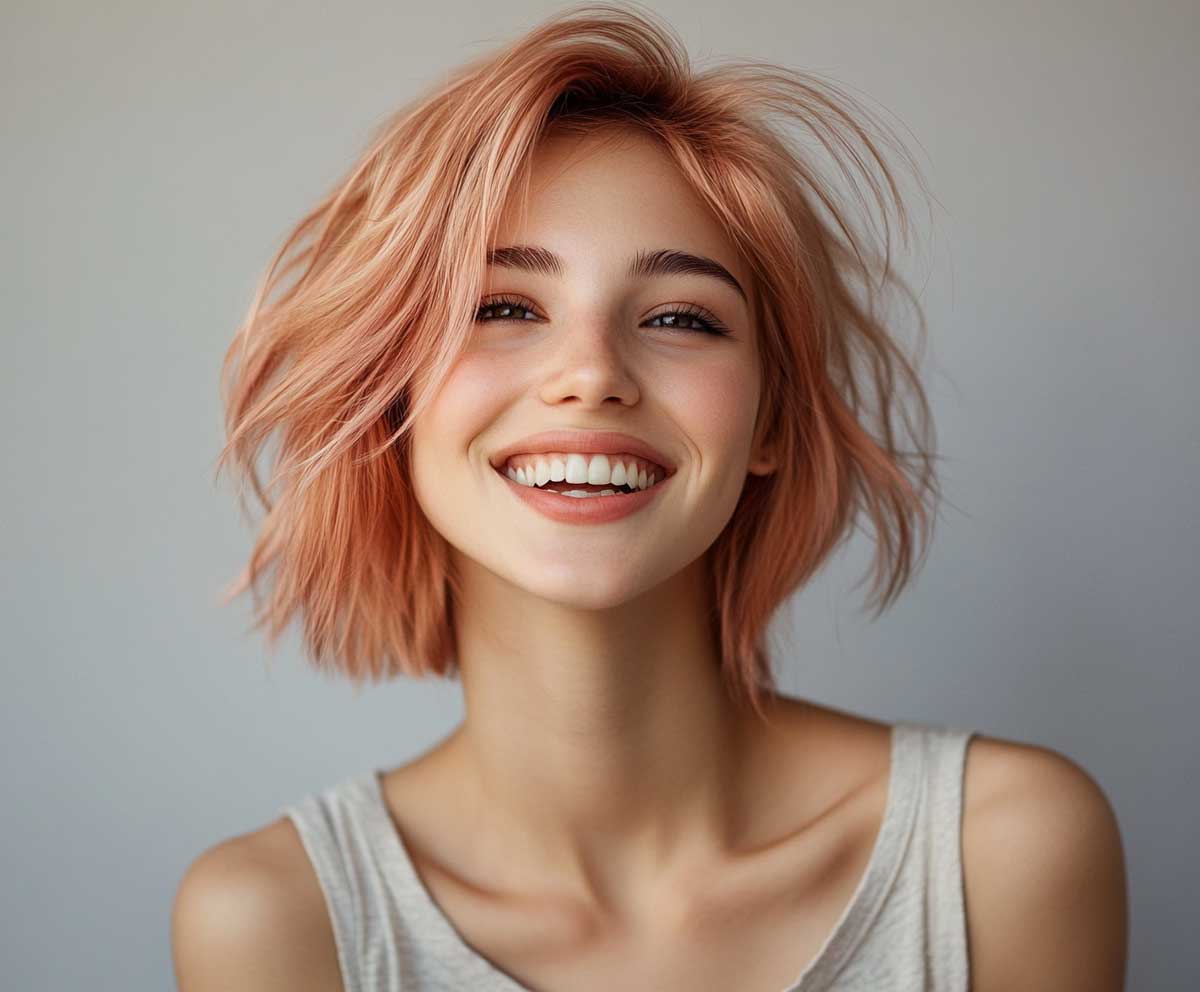


Rose gold lives between blonde and copper, and it fades gracefully — the first stage of fade turns into a soft peachy blonde that’s also flattering. On lighter natural bases, rose gold from L’Oréal Colorista Semi-Permanent ($13 at drugstores) lasts about four weeks before the peachy fade begins. Pravana Chromasilk Vivids in Rose Gold ($15 at Sally Beauty) holds slightly longer on pre-lightened hair. Don’t use rose gold on dark brown hair without lifting first — it won’t read as pink, it’ll read as slightly reddish brown, which is fine but not what you’re after.
Air-drying is where this cut shines. Work in Bumble and Bumble Surf Spray ($32) on damp hair, scrunch lightly, leave it alone. The feathered ends dry into their own natural bend without curl definition being required. You’ll get a slightly tousled, piece-y finish that looks like you spent 20 minutes on it. Round-brush blowout works too if you prefer volume over texture — use a 1.5-inch barrel and roll the ends outward for a soft flip that makes the feathering more visible.
What kills this cut: heavy conditioning masks applied from root to tip. The weight of the product sits in the feathered layers and makes them clump rather than separate. Apply conditioner from mid-shaft to ends only and rinse thoroughly. Short layered bob variations with feathered ends face the same product-weight issue, so this applies broadly to any short layered style with movement built into the ends.
Trim every five to six weeks. Feathered ends are the first thing to go ragged, and when they’re even slightly split they lose the light, airy finish that makes this cut work. Dull feathering reads as damaged hair, not intentional texture — there’s a meaningful difference and most people notice it even if they can’t name it.
Chestnut Bronze Shag Holds Its Shape Through Second-Day Hair and Humidity
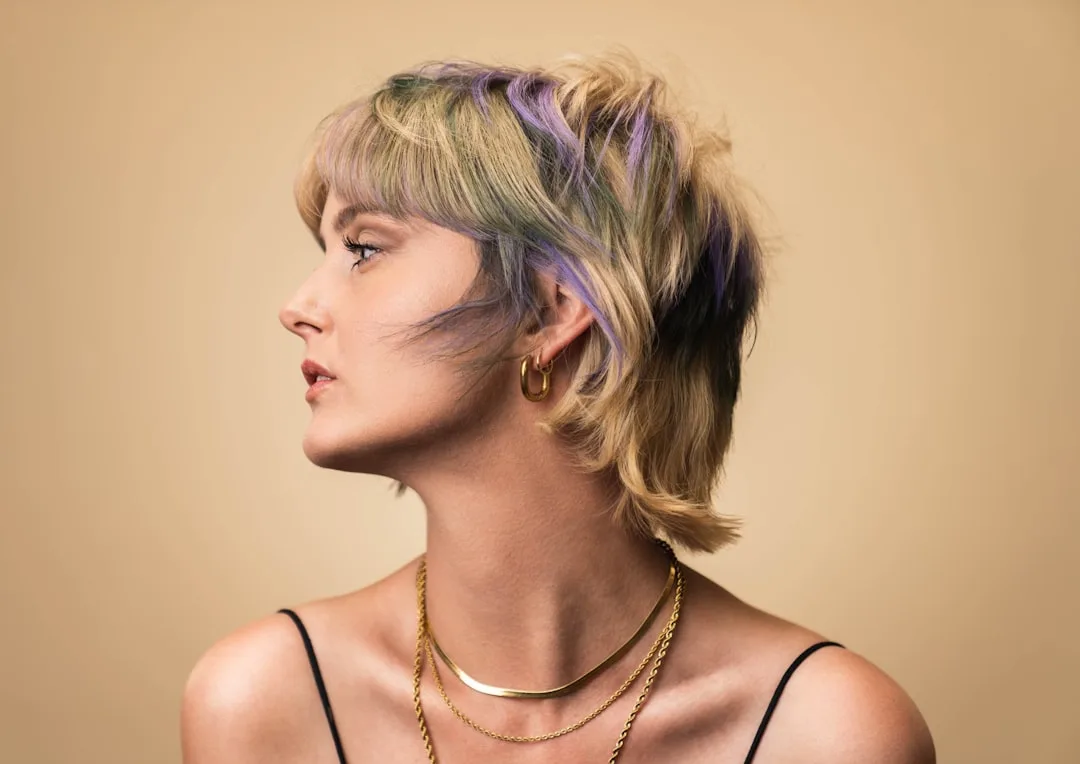
A chestnut bronze shag is a specific cut, not just a vibe. The layers are deliberately uneven — choppy at the ends, longer through the interior — which creates that piece-y separation without needing product to manufacture it. Short layered haircuts for women in the shag family are the ones that look intentionally undone rather than accidentally messy, and the chestnut bronze color is what keeps it from reading sloppy. The warm undertones in chestnut add richness that makes even the most tousled styling look considered.

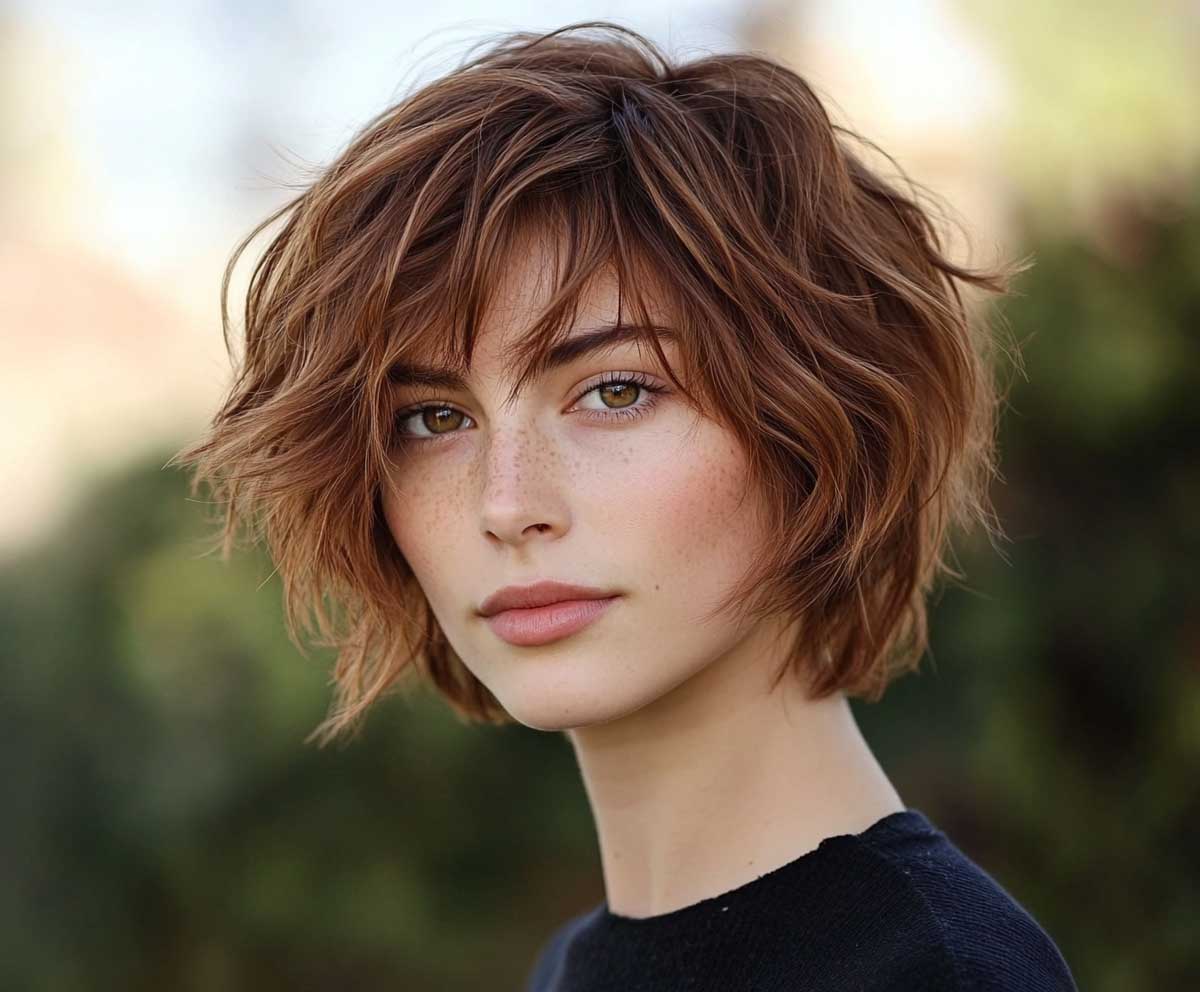
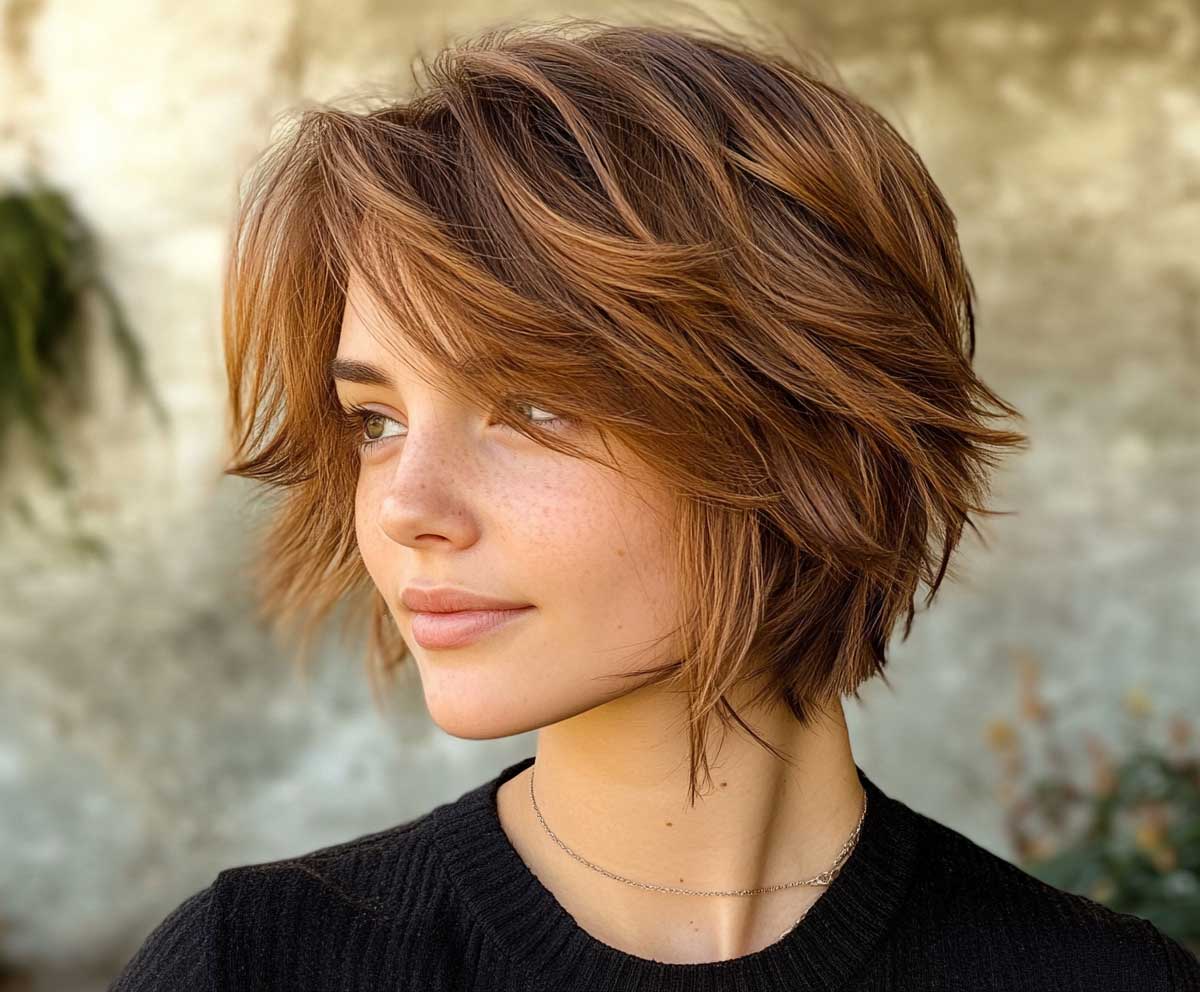
Does the shag work on straight hair? Technically yes, but it works harder on wavy or slightly textured hair. On straight hair the choppy layers need more product intervention to show their separation — you’ll reach for matte paste like Evo Salty Dog ($25) every single morning. On wavy hair, the natural bend fills the layers in automatically and you’re just refreshing rather than creating. My go-to for second-day shag hair: a spritz of water to reactivate the texture, a quick scrunch, and done. No styling tool, no heat.
Chestnut bronze is a low-commitment color compared to rose gold or silver. It fades into softer warm browns rather than going brassy or patchy. Wella Color Charm in Medium Chestnut Brown ($9 at Sally) is a reliable at-home option for maintaining depth between salon appointments. You’ll need to tone every eight to ten weeks to keep the bronze warmth from going flat, but the base chestnut reads flattering even when the bronze fades. That’s not something you can say about silver or rose gold, which both require more active maintenance to avoid looking neglected.
Trim every six to eight weeks. The shag is forgiving — a week or two past your usual trim date and the layers just look more grown-in rather than shapeless. That small grace period makes it genuinely the most low-maintenance option in this roundup. For a closer look at how short layered haircuts adapt across face shapes and hair textures, The Hairstyle Edit has a detailed breakdown worth reading before your consultation.
What doesn’t work: trying to make the shag look polished. It’s not that kind of cut. Adding a sleek blowout with a round brush defeats the purpose of the choppy layering and leaves you with a strange hybrid that’s neither structured nor textured. Let it be what it is — tousled, piece-y, lived-in. That’s the whole point.
Final Verdict
Short Layers Work Because the Shape Does the Styling for You
The four cuts here share one thing: movement built into the cut rather than added with product. That’s why they hold on day two and day three without reworking.
Pick based on your maintenance tolerance. Silver bob requires the most upkeep. Chestnut shag requires the least. Auburn pixie sits in the middle. Rose gold feathered cut is the most fine-hair-friendly.
Ask your stylist for the specific technique — not just the color. Feathering, point cutting, and disconnected layering are three different skills and produce three different results at the same length.
Save this post before your next salon appointment.