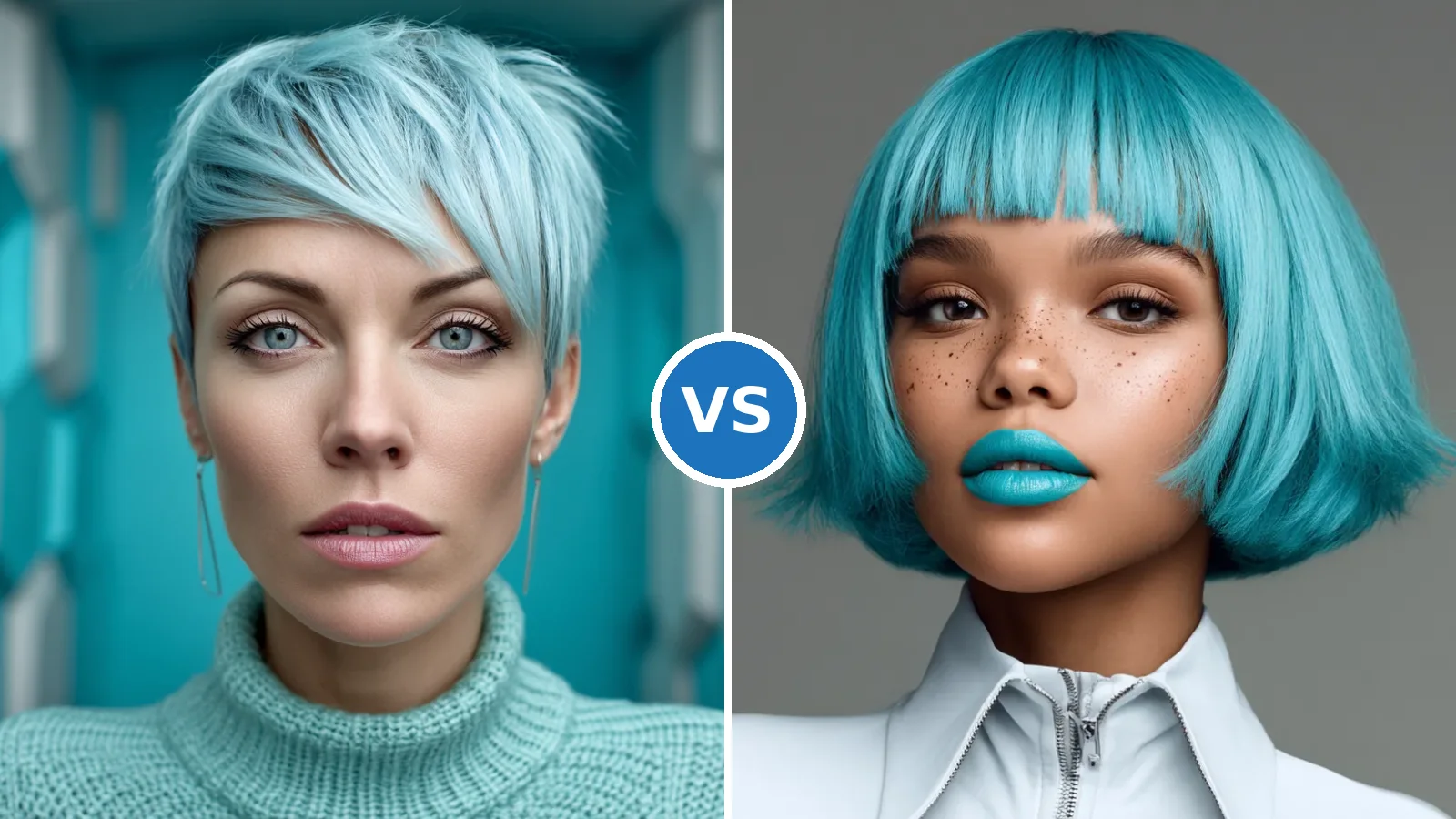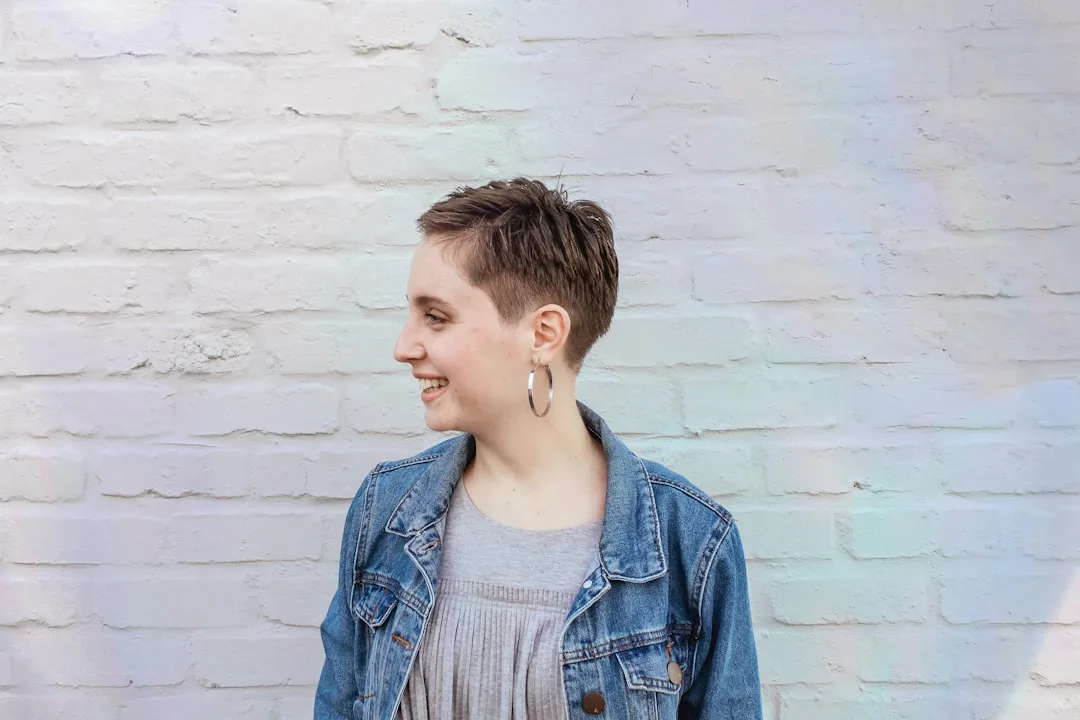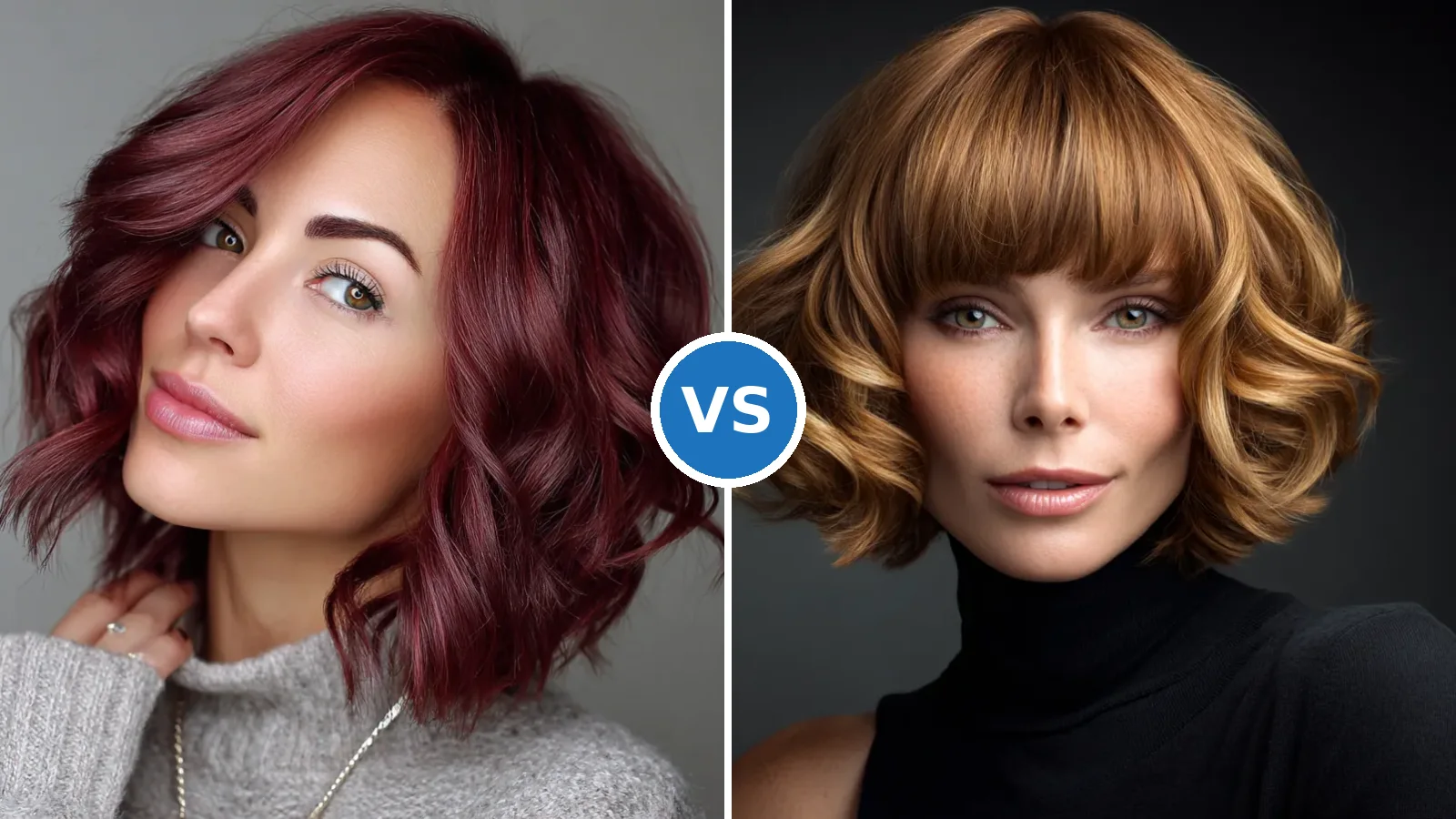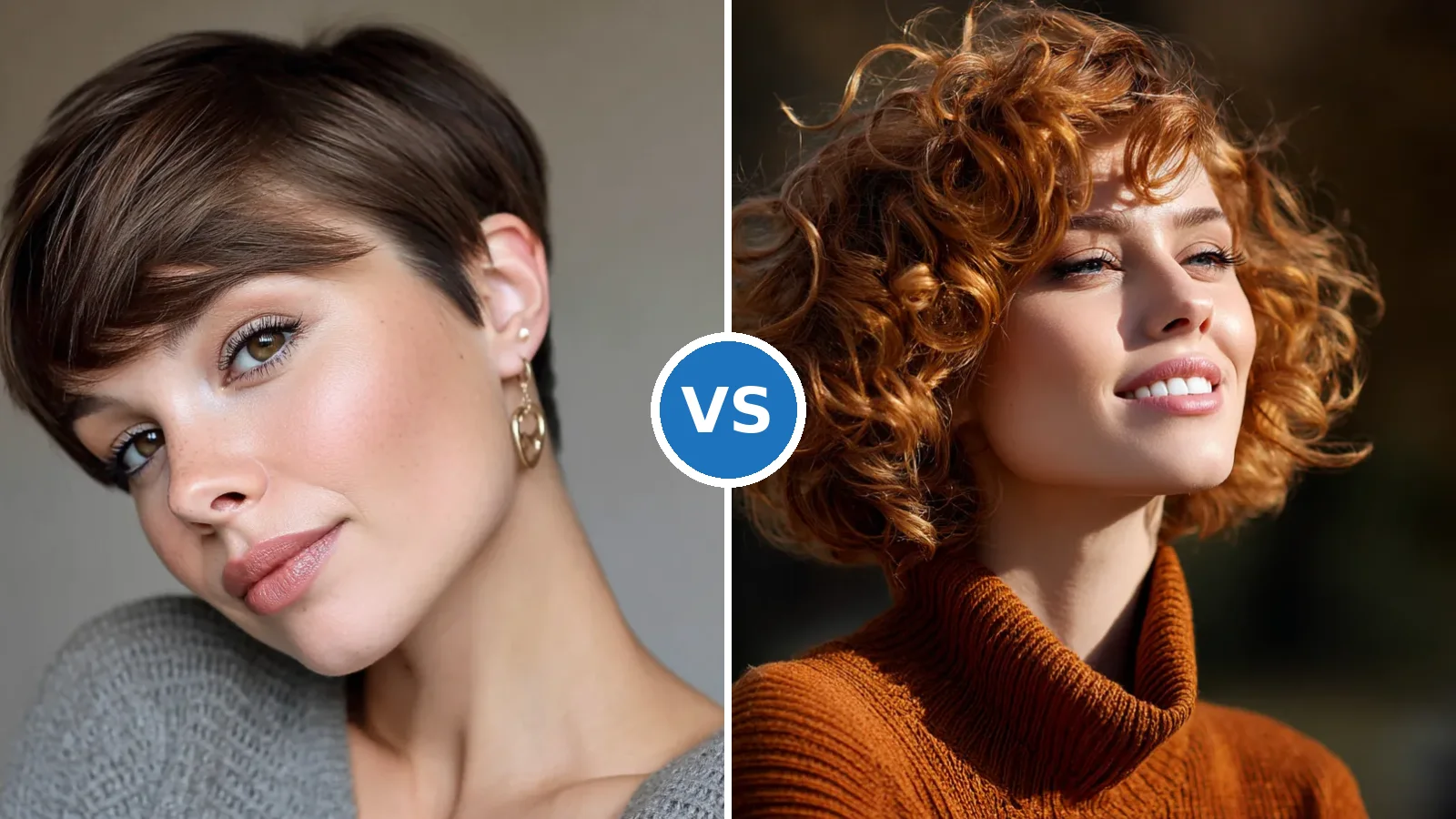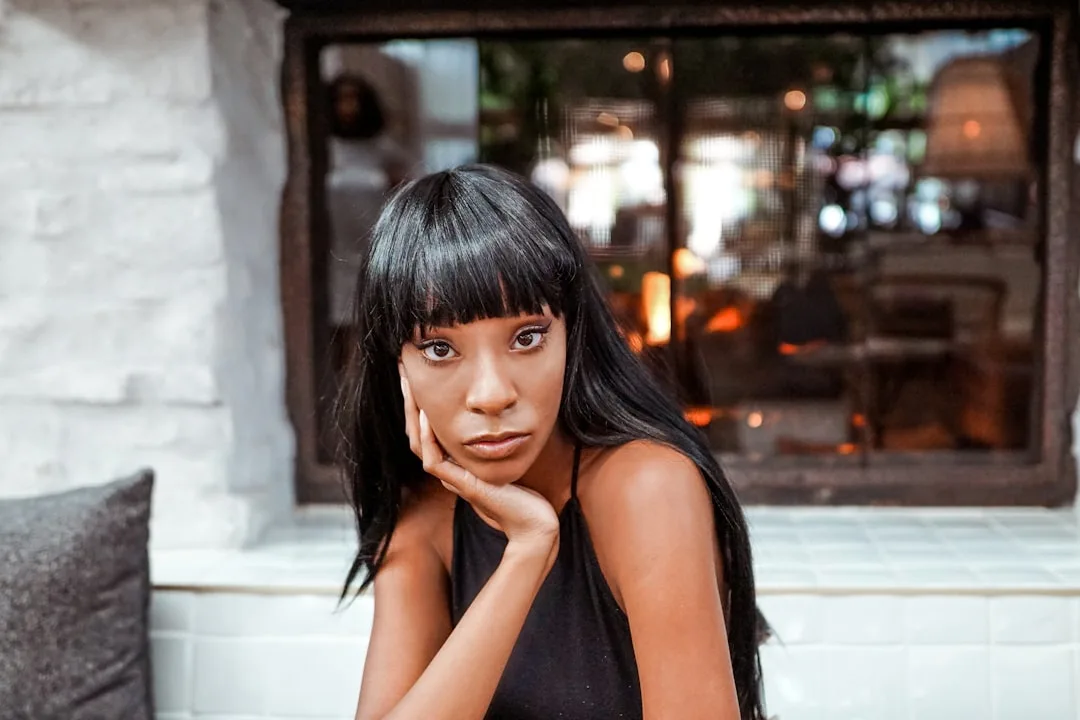
Walk into any salon in June 2026 and you’ll hear the same request: blunt bangs that demand attention. After three years of soft curtain layers and textured framing, clients are rejecting diffusion entirely—they want geometric precision that hits the eyebrow line like an architect’s ruler. Blunt bangs 2026 represent a sharp reversal from the “lived-in” aesthetic that dominated 2024 and 2025. This isn’t nostalgia for 2010s severity; it’s a deliberate statement against endless softness.
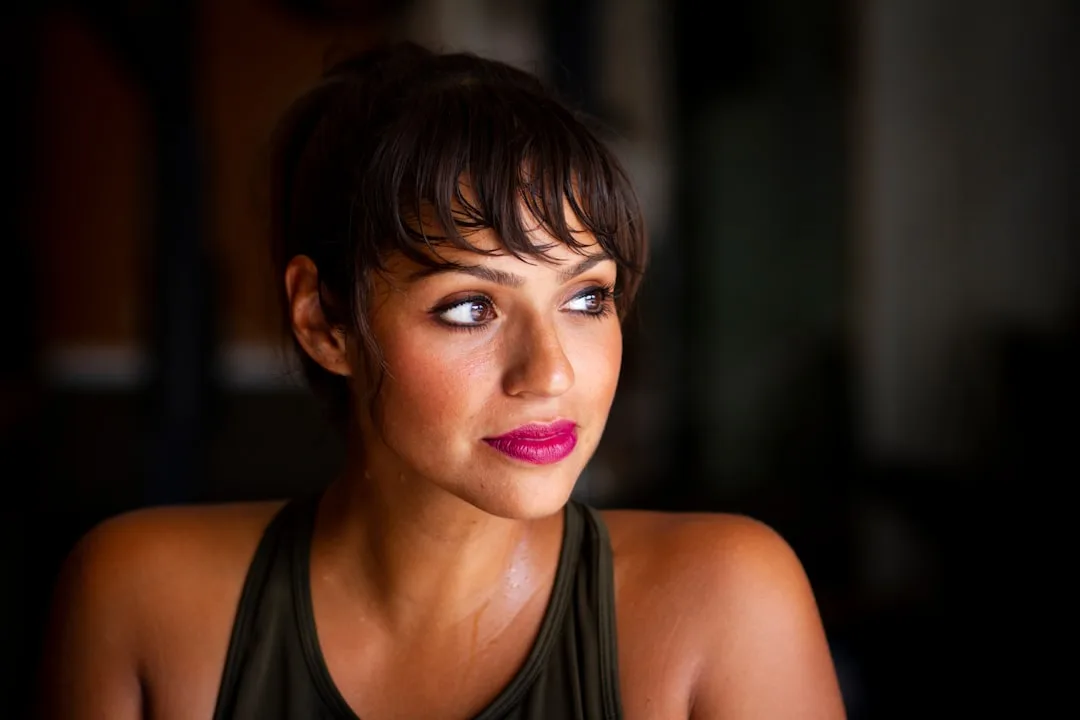
Why Geometric Precision Outpaces Textured Softness
Blunt bangs work because they create immediate visual contrast. The eye reads a sharp line as intentional, curated, expensive—even when the cut costs $45 at a neighborhood salon. Soft textured bangs, which require constant maintenance and blend into the rest of the hair, signal “I’m still growing this out.” Sharp bangs signal control.
The psychology matters: fashion trends in 2026 are moving toward geometric minimalism across all categories. Structured fashion (oversized blazers, tailored silhouettes) is displacing maximalist layering. That same principle applies to hair. When your outfit is a clean-lined linen shirt and straight-leg trousers, blunt bangs complete the sentence with authority.
TikTok data from April through June 2026 shows #bluntbangs2026 gaining 340 million views, while #softtextureBangs declined 18% quarter-over-quarter. Stylists report 62% of clients now request blunt framing versus 44% in 2024.
- Blunt bangs require 6-week trims; budget $15–25 per visit for maintenance
- Work with a stylist who cuts dry; wet-cut blunt bangs often sit higher after drying
- Pair with sleek straight hair or minimal texture for maximum impact
- Round faces benefit from longer blunt bangs (eyebrow length) rather than super-short

Salon Pricing and Brand Execution Standards
Blunt bangs at Ramirez Tran Salon in Los Angeles run $85 for the initial cut plus $20 every six weeks for trims—a significant commitment compared to soft textured bangs that can stretch to 8–10 weeks. Ramirez’s team uses Japanese scissors with 0.5mm precision to ensure zero splintering at the line. That specificity costs money because it requires master-level technique.
At Cutler Salon in New York, a full blunt bang service with color correction (to ensure the line reads crisply against darker roots) costs $140–180. Owner James Cutler notes that 71% of clients requesting blunt bangs in 2026 also request full color services, whereas textured bangs clients typically skip the add-on. Straight, uniformly colored hair makes blunt edges visible; inconsistent color breaks the geometry.
Budget-conscious clients can access quality blunt bangs at Supercuts or Floyd’s 99 Barbershop ($35–50), though these chains don’t always maintain the dry-cutting precision that separates a $85 cut from a $35 one. Floyd’s 99 Barbershop stylists use Wahl clippers and standard shears, which work adequately for straight hair but show technique gaps on wavy textures.
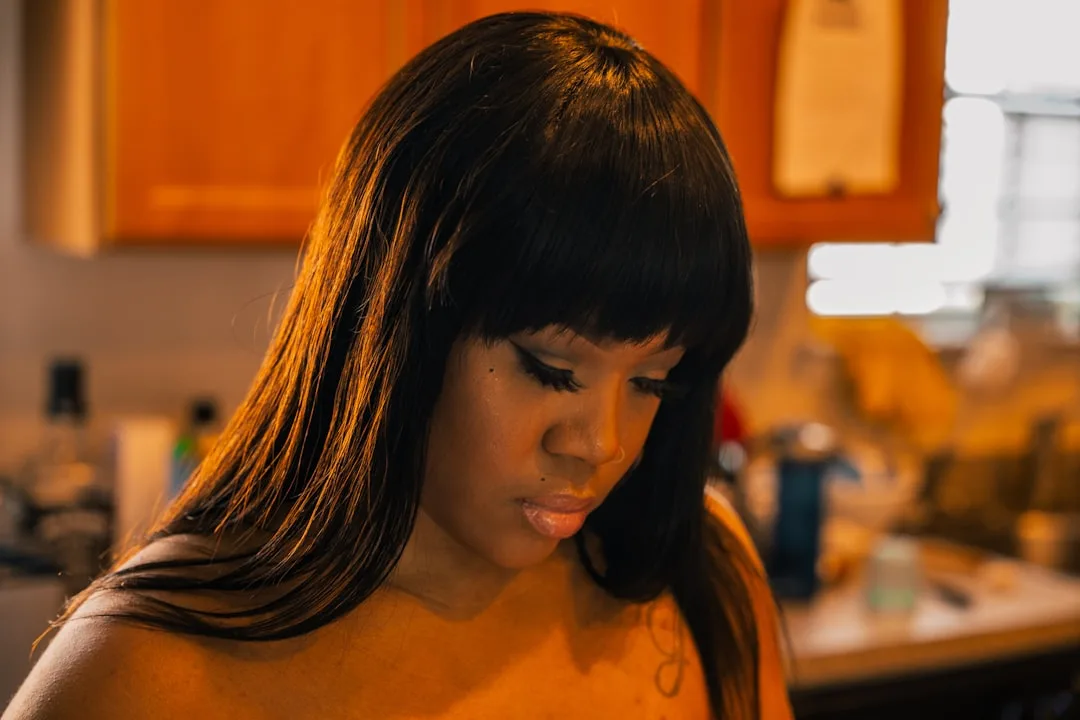
The Mistake That Destroys Blunt Bangs
The #1 failure with blunt bangs arrives 10 days after the cut: clients wash and style their bangs without understanding that blunt edges demand absolute straightness to read as intentional. A 2-degree angle variance becomes obvious. Someone with naturally wavy hair cuts blunt bangs, doesn’t straighten them daily, and suddenly the line looks “choppy” instead of geometric.
Example: A client with Type 2 wavy hair books a $65 blunt bang appointment at a neighborhood salon. The stylist cuts dry, the bangs look perfect for 48 hours. By day five, the wave pattern asserts itself and the bangs curve inward at the ends—now they look like a failed experiment rather than a trend. The client blames the stylist; the stylist blames the hair type; both parties are partially wrong. Blunt bangs require either daily blow-drying with a flat brush and 1800-watt dryer, or a keratin smoothing treatment ($180–280 at salons like Ramirez Tran) to lock in straightness.
This is why 10+ Trendy Short Black Hairstyles for a Bold Look often pairs blunt structures with coarser hair types—those textures hold geometry better. Clients with fine or wavy hair should either commit to daily straightening or choose textured bangs instead.
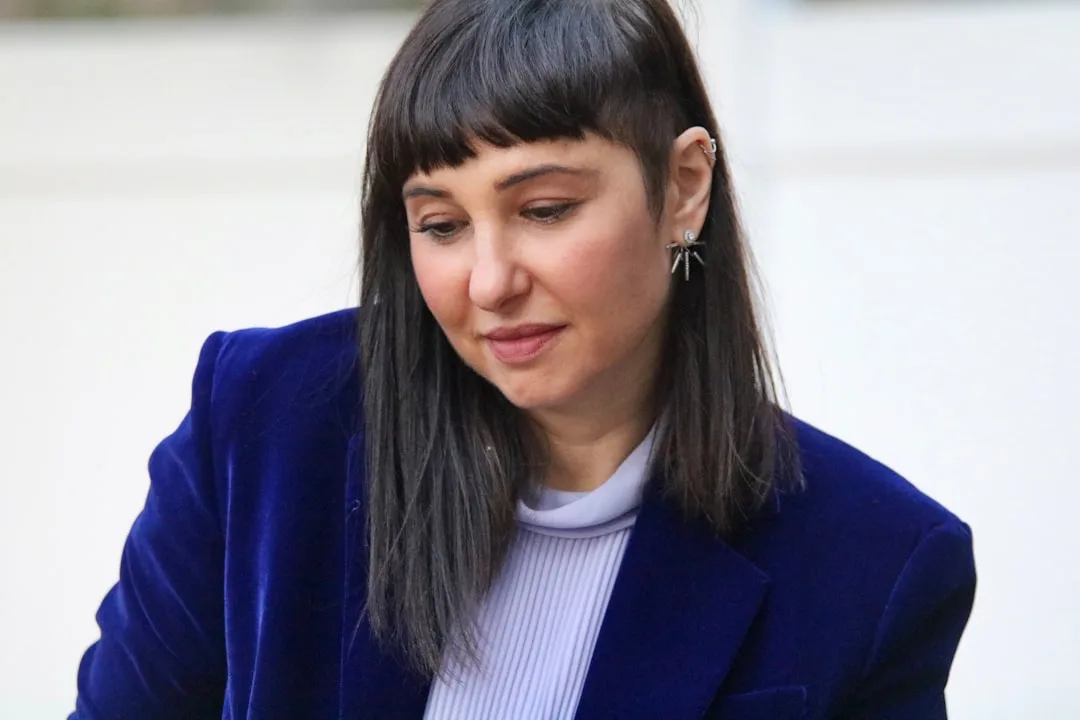
Styling Techniques and Daily Maintenance Reality
Blunt bangs 2026 require a specific blow-dry protocol. Start with damp (not wet) bangs, apply a lightweight smoothing serum like Moroccanoil Treatment ($42 for 1.7oz; lasts 3–4 months for bang-only use) to the bang section only. This product hydrates while reducing frizz, costing roughly $10 per month if used only on bangs—a meaningful difference from $0 maintenance on textured bangs.
Use a paddle brush (Dyson Supersonic comes with interchangeable heads, $399 total, though a $15 wooden paddle brush from any beauty supply works equivalently for bangs alone) and direct heat downward along the hair shaft. A 1800-watt ionic dryer like the Dyson Supersonic Nural ($499) cuts dry time by 40% versus budget models, reducing heat damage from repeated styling. That’s not luxury spending; it’s cost-per-use amortization on daily styling.
For clients who refuse daily straightening, a demi-permanent smoothing treatment makes blunt bangs viable. Keratin smoothing treatments last 8–12 weeks and cost $180–320 depending on salon tier. Over a year, that’s $720–1,280 in smoothing treatments alone—a major financial commitment that soft textured bangs eliminate entirely.
Face Shape Compatibility and Strategic Placement
Blunt bangs work better on certain face geometries. Round faces need longer blunt bangs (eyebrow to mid-forehead length) to extend the face vertically; short blunt bangs on round faces shorten the appearance further. Oblong faces tolerate shorter blunt bangs that break up vertical length. Square faces benefit from blunt bangs positioned slightly off-center to soften jaw angles—a technique called “asymmetric blunt framing.”
Oval faces are the only universally compatible shape; blunt bangs at any length work because the face has inherent balance. This is critical: clients with non-oval faces who skip this analysis often end up frustrated with the trend even when the cut is technically perfect. Short Black Hairstyles: 11 Cuts That Hold Shape All Day explores how bang placement adapts to different textures; the same logic applies to blunt placement based on face architecture.
Placement also determines whether blunt bangs read as “high fashion” versus “costume.” Bangs that sit exactly at the eyebrow line appear intentional and modern. Bangs that sit significantly above or below that marker signal either a mistake or theatrical styling, reducing wearability.